

Pomoravlje, Serbia Travel Guide
Explore Pomoravlje, Serbia: A blend of scenic river valleys, historical treasures, and culinary delights, offering a unique escape into tranquility and culture.
Pomoravlje is a hidden gem nestled in the heart of Serbia, known for its picturesque landscapes, rich history, and vibrant culture. This region is named after the Morava River, which meanders through lush green valleys and serene villages, offering travelers a tranquil escape from the hustle and bustle of city life. The Morava River is not just a natural beauty; it has been the lifeline of the region for centuries, shaping its culture and traditions. Visitors to Pomoravlje can explore a myriad of historical sites, including ancient monasteries, fortresses, and traditional Serbian villages. The Manasija Monastery, a UNESCO World Heritage site, is a must-see, with its stunning medieval architecture and frescoes that tell tales of a bygone era. The charming town of Jagodina offers a modern contrast with its lively atmosphere, featuring museums, parks, and the famed Aqua Park. The region's natural beauty is complemented by its culinary delights. Pomoravlje is renowned for its local cuisine, which includes hearty stews, freshly baked bread, and delicious pastries. Don't miss out on tasting the local wines, produced from vineyards that have been cultivated for generations. Whether you're a history buff, a nature lover, or a foodie, Pomoravlje has something to offer for everyone.

Know before you go
Hi, I'm Eve. Here are a few practical things to know before exploring Pomoravlje.
- Visit the Manasija Monastery early in the morning to avoid crowds and enjoy the serene atmosphere.
- Try local wines at family-owned vineyards for a genuine taste of Pomoravlje's viticulture.
- Use local transportation or rent a bike to explore the scenic routes along the Morava River.
- Check out Jagodina's Aqua Park for a fun and refreshing break, especially during summer.
- Learn a few basic Serbian phrases to enhance your interaction with the friendly locals.
Top City Travel Guides in Pomoravlje
The cities of Pomoravlje, and the easiest places to base yourself.


Explore Pomoravlje: Things to Do, Places to Eat, Hotels & More
Handpicked recommendations for top attractions, local dining, accommodations, and more

Top Attractions & Sightseeing in Pomoravlje
Top-rated picks
Best Attractions

Zdrelo Spa
Discover tranquility and wellness at Zdrelo Spa, where natural beauty meets luxurious spa treatments for the ultimate relaxation experience.

Maglič Fortress
Discover the historical charm and natural beauty of Maglić Fortress, an iconic Serbian landmark offering stunning landscapes and rich cultural heritage.

Potpeće Cave
Explore the enchanting Potpeće Cave, a stunning natural wonder in Serbia filled with breathtaking formations and rich geological history.

Morava Park
Explore the beauty and tranquility of Morava Park in Ćuprija, a serene nature retreat perfect for relaxation and outdoor activities.

Best landmarks in Pomoravlje
Top-rated picks
Best Landmarks

Belgrade Fortress
Discover the historic Belgrade Fortress, where ancient architecture meets breathtaking views, perfect for tourists seeking a glimpse into Serbia's rich past.

Kalemegdan
Discover the historical and natural beauty of Kalemegdan Park in Belgrade, where rich culture meets breathtaking views of the Sava and Danube rivers.

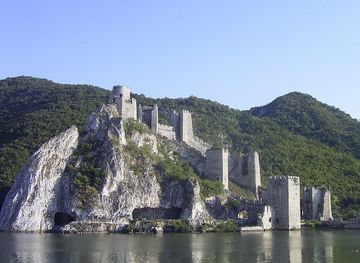
Golubac Fortress
Explore the historic Golubac Fortress, a stunning medieval castle overlooking the Danube River, rich in history and breathtaking views.

Petrovaradin Fortress Clock
Discover the historical wonders of Petrovaradin Fortress Clock, a stunning landmark offering breathtaking views of the Danube and a glimpse into Serbia's rich past.

Best restaurants in Pomoravlje
Top-rated picks
Best Restaurants

VIVO CR
Discover culinary excellence at VIVO CR in Jagodina - where local flavors meet international cuisine for an unforgettable dining experience.

Ethnic restaurant "Konak"
Discover authentic Serbian flavors at Konak in Jagodina—where tradition meets taste for an unforgettable dining experience.

Apis
Discover Apis in Paraćin: where traditional Serbian flavors meet modern culinary artistry in an unforgettable dining experience.

Restaurant Potok
Experience authentic Serbian cuisine at Restaurant Potok in Jagodina – a delightful destination for breakfast lovers and food enthusiasts.

Best bars in Pomoravlje
Top-rated picks
Best Bars

Mali Raj
Experience the essence of Serbian cuisine at Mali Raj, a charming restaurant in Jagodina known for its authentic flavors and welcoming atmosphere.

Restaurant Skver
Experience authentic Serbian cuisine at Restaurant Skver, a culinary delight in Jagodina, where local flavors meet warm hospitality.

R-club
Experience the best of Serbian cuisine at R-Club in Jagodina, where delightful flavors and a vibrant atmosphere await.

Irish pub
Experience authentic Irish culture in Jagodina's favorite pub, offering delicious food, lively music, and a warm atmosphere for all visitors.

Best nightclubs in Pomoravlje
Top-rated picks
Best Nightclubs

Apis Klub - Jagodina
Unleash your energy at Apis Klub - Jagodina's ultimate disco club for a night of unforgettable music and dancing.

Duomo Fashion Night Club
Experience the electrifying nightlife at Duomo Fashion Night Club in Kruševac, where modern beats and vibrant ambiance await.

Kocka Pub
Experience the vibrant nightlife of Vrnjačka Banja at Kocka Pub, where great music and good vibes come together for an unforgettable evening.

Viktor Club
Discover the vibrant nightlife at Viktor Club, Svilajnac's favorite bar for locals and tourists alike, offering great drinks and a welcoming atmosphere.

Best shops in Pomoravlje
Top-rated picks
Best Shops

BIG FASHION Kragujevac
Discover a shopping paradise at BIG FASHION Kragujevac, where style, comfort, and culinary delights meet in a vibrant retail experience.

Department store Kragujevcanka
Explore a vibrant shopping experience at Department Store Kragujevcanka in Kragujevac, where a diverse range of products awaits every visitor.

Maxi 312 Supermarket
Shop at Maxi 312 Supermarket in Jagodina for local flavors, fresh produce, and all your travel essentials in one convenient place.

Gigatron G23 - Vivo SP
Discover the latest in electronics at Gigatron G23 - Vivo SP, Jagodina's top destination for technology and home appliances.

Explore Pomoravlje on the Map
A handpicked selection of must-see spots in Pomoravlje, mapped for you.
Pomoravlje Essentials
-
Pomoravlje is located in central Serbia, and the nearest major city is Belgrade, which has an international airport (Nikola Tesla Airport). From Belgrade, you can take a bus, train, or rent a car to reach Pomoravlje. The bus journey takes around 2 to 3 hours, while the train offers a scenic route through the Serbian countryside and takes a similar amount of time. Car rentals are available at the airport and provide the most flexibility for exploring the region.
-
Within Pomoravlje, public transportation options include buses and taxis. Buses connect the major towns and villages and are an affordable way to travel. Taxis are also widely available and relatively inexpensive. For those who prefer more freedom, renting a car is a convenient option to explore Pomoravlje at your own pace. Cycling is also popular among locals and tourists for shorter distances.
-
The official currency in Serbia is the Serbian Dinar (RSD). Credit and debit cards are accepted in most hotels, restaurants, and shops in larger towns, but it's advisable to carry cash, especially when visiting smaller villages and rural areas. ATMs are available in the major towns of Pomoravlje, but ensure you have enough cash before heading to more remote areas. Currency exchange services are offered at banks and exchange offices.
-
Pomoravlje is generally a safe destination for tourists. However, it is always wise to take standard precautions such as avoiding poorly lit areas at night and keeping an eye on your belongings in crowded places. While there are no specific high-crime areas targeting tourists, staying vigilant and aware of your surroundings is always recommended.
-
In case of emergency, dial 112 for immediate assistance, which is the general emergency number in Serbia. Local police stations and medical facilities are available in the major towns of Pomoravlje. It is highly recommended to have travel insurance that covers medical emergencies. Pharmacies are available in most towns where you can buy over-the-counter medications for minor health issues.
-
Fashion: Do dress modestly, especially when visiting religious sites. Avoid overly revealing clothing. Religion: Do respect local customs. When entering churches or monasteries, it is customary to cover your shoulders and knees. Public Transport: Do be respectful and offer your seat to elderly passengers. Don’t eat or drink on public transport. Greetings: Do greet people with a handshake. It is polite to add a slight bow of the head as a sign of respect. Eating & Drinking: Do try local dishes and accept food offerings graciously. Don’t refuse hospitality, as it is considered impolite.
-
To experience Pomoravlje like a local, visit the bustling local markets where you can buy fresh produce and traditional Serbian goods. Engage with locals, as they are friendly and often eager to share stories about the region's history and culture. Don't miss visiting the medieval monasteries and fortresses scattered throughout the region. For a unique experience, take a leisurely stroll along the Morava River and enjoy the natural beauty of the area. Also, try to attend local festivals and events to immerse yourself in the local culture.
When is the best time to visit Pomoravlje?
Useful Local Phrases for Pomoravlje
You don't need to speak the language perfectly. Even learning a few simple words can make conversations warmer—and locals usually appreciate the effort.
— Eve

Here are the phrases I use most often in Pomoravlje. Try a few—you'll be surprised how far they go! 😊
❤️
-
- HelloZdravo
[Zdra-vo] - GoodbyeDoviđenja
[Do-vi-đen-ya] - YesDa
[Da] - NoNe
[Ne] - Please/You're welcomeMolim/ Nema na čemu
[Mo-lim/ Ne-ma na che-mu] - Thank youHvala
[Hva-la] - Excuse me/SorryIzvinite
[Iz-vi-ni-te] - How are you?Kako si?
[Ka-ko si?] - Fine. And you?Dobro. A ti?
[Do-bro. A ti?] - Do you speak English?Da li govoriš engleski?
[Da li go-vo-rish en-gles-ki?] - I don't understandNe razumem
[Ne ra-zu-mem]
- HelloZdravo
-
- I'd like to see the menu, pleaseHteo bih da vidim meni, molim
[Hte-o bih da vi-dim me-ni, mo-lim] - I don't eat meatNe jedem meso
[Ne ye-dem me-so] - Cheers!Živeli!
[Zhi-ve-li] - I would like to pay, pleaseHteo bih da platim, molim
[Hte-o bih da pla-tim, mo-lim]
- I'd like to see the menu, pleaseHteo bih da vidim meni, molim
-
- Help!Pomoć!
[Po-moć] - Go away!Odlazi!
[Od-la-zi] - Call the Police!Pozovite policiju!
[Po-zo-vi-te po-li-ci-ju] - Call a doctor!Pozovite doktora!
[Po-zo-vi-te dok-to-ra] - I'm lostIzgubio sam se
[Iz-gu-bi-o sam se] - I'm illBolestan sam
[Bo-le-stan sam]
- Help!Pomoć!
-
- I'd like to buy...Hteo bih da kupim...
[Hte-o bih da ku-pim...] - I'm just lookingSamo gledam
[Sa-mo gle-dam] - How much is it?Koliko košta?
[Ko-li-ko koshta?] - That's too expensiveTo je previše skupo
[To ye pre-vi-she sku-po] - Can you lower the price?Možeš li da spustiš cenu?
[Mo-zesh li da spu-stish tse-nu?]
- I'd like to buy...Hteo bih da kupim...
-
- What time is it?Koliko je sati?
[Ko-li-ko ye sa-ti?] - It's one o'clockJedan je sat
[Je-dan ye sat] - Half past (10)Pola (10)
[Po-la (10)] - MorningJutro
[Yu-tro] - AfternoonPopodne
[Po-pod-ne] - EveningVeče
[Ve-che] - YesterdayJuče
[Yu-che] - TodayDanas
[Da-nas] - TomorrowSutra
[Su-tra] - 1Jedan
[Je-dan] - 2Dva
[Dva] - 3Tri
[Tri] - 4Četiri
[Che-ti-ri] - 5Pet
[Pet] - 6Šest
[Shest] - 7Sedam
[Se-dam] - 8Osam
[O-sam] - 9Devet
[De-vet] - 10Deset
[De-set]
- What time is it?Koliko je sati?
-
- Where's a/the...?Gde je...?
[Gde ye...?] - What's the address?Koja je adresa?
[Ko-ya ye a-dre-sa?] - Can you show me (on the map)?Možeš li da mi pokažeš (na mapi)?
[Mo-zesh li da mi po-ka-zesh (na ma-pi)?] - When's the next (bus)?Kada je sledeći (autobus)?
[Ka-da ye sle-de-chi (au-to-bus)?] - A ticket (to ....)Karta (za ...)
[Kar-ta (za ...)]
- Where's a/the...?Gde je...?
History of Pomoravlje
-
Pomoravlje has been inhabited since prehistoric times, as evidenced by archaeological findings in the region. The Starčevo and Vinča cultures left behind numerous artifacts, including pottery, tools, and remains of early settlements, highlighting the area's rich early history.
-
During the Roman period, Pomoravlje was part of the province of Moesia. The Romans established significant infrastructure, including roads and fortresses. Archaeological sites such as the ruins of the Roman town of Horreum Margi (modern-day Ćuprija) demonstrate the strategic importance of the region in antiquity.
-
In the medieval era, Pomoravlje was a crucial part of the Serbian state. The region is home to several important monasteries, such as the Ravanica Monastery founded by Prince Lazar in the 14th century. These religious sites played a significant role in the cultural and spiritual life of medieval Serbia.
-
Pomoravlje fell under Ottoman rule in the late 14th century, which lasted for several centuries. The Ottomans influenced the region's architecture, cuisine, and administrative structures. Remnants of this period can still be seen in the form of old mosques and bridges.
-
Pomoravlje was a critical area during the First Serbian Uprising against Ottoman rule in 1804. The town of Jagodina was an important center of resistance. The successful uprising eventually led to the establishment of the semi-independent Principality of Serbia.
-
The 19th century saw significant industrial development in Pomoravlje. The construction of the Belgrade-Niš railway in the late 1800s boosted trade and connectivity. Towns like Paraćin and Jagodina became industrial centers, contributing to the region's economic growth.
-
Pomoravlje experienced significant turmoil during both World Wars. In World War I, the region was a battleground between Serbian and Austro-Hungarian forces. During World War II, Pomoravlje was occupied by Axis powers, and local resistance movements played a crucial role in the fight for liberation.
-
After World War II, Pomoravlje became part of the Socialist Federal Republic of Yugoslavia. The region underwent modernization and urbanization, with improvements in infrastructure and public services. Today, Pomoravlje is known for its cultural heritage, natural beauty, and economic contributions to Serbia.
Neighbouring Regions of Pomoravlje
The closest regions to Pomoravlje, if you have time for more than one.




Your all‑in‑one travel companion app
Explore expert travel guides, compare and book tours, experiences, hotels, and more—all from the palm of your hand. Download now for seamless trip planning wherever your wanderlust takes you.


Explore More of Serbia

Looking beyond Pomoravlje? Discover Serbia for broader travel guides, local hot-spots, and regional highlights.
Explore SerbiaPomoravlje in Photos
Browse through our photo collection highlighting the charm and character of the destination.

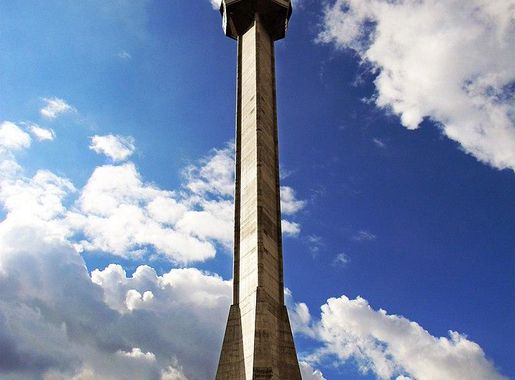


Pomoravlje: The Heartbeat of Serbia's River Valleys
Pomoravlje is a hidden gem nestled in the heart of Serbia, known for its picturesque landscapes, rich history, and vibrant culture. This region is named after the Morava River, which meanders through lush green valleys and serene villages, offering travelers a tranquil escape from the hustle and bustle of city life. The Morava River is not just a natural beauty; it has been the lifeline of the region for centuries, shaping its culture and traditions. Visitors to Pomoravlje can explore a myriad of historical sites, including ancient monasteries, fortresses, and traditional Serbian villages. The Manasija Monastery, a UNESCO World Heritage site, is a must-see, with its stunning medieval architecture and frescoes that tell tales of a bygone era. The charming town of Jagodina offers a modern contrast with its lively atmosphere, featuring museums, parks, and the famed Aqua Park. The region's natural beauty is complemented by its culinary delights. Pomoravlje is renowned for its local cuisine, which includes hearty stews, freshly baked bread, and delicious pastries. Don't miss out on tasting the local wines, produced from vineyards that have been cultivated for generations. Whether you're a history buff, a nature lover, or a foodie, Pomoravlje has something to offer for everyone.