

Free Braničevo Travel Guide & Mobile App
Explore Braničevo with free travel guides. Discover regional history, expert tips, proposed trips, and audio guides on web or mobile app.


Explore Braničevo in eastern Serbia for Roman ruins, Danube fortresses, Homolje springs, monasteries, rural food and Silver Lake escapes.
Read more about Braničevo
When is the best time to visit Braničevo?
Best: May–June, September · 23–27°C| Month | High (°C) | Rainfall (mm) |
|---|---|---|
| January | 6 | 40 |
| February | 8 | 40 |
| March | 13 | 50 |
| April | 18 | 50 |
| May (best) | 23 | 60 |
| June (best) | 27 | 60 |
| July | 30 | 50 |
| August | 29 | 50 |
| September (best) | 24 | 50 |
| October | 18 | 40 |
| November | 12 | 50 |
| December | 6 | 50 |
Getting to and around Braničevo
How to get there
Transportation
Top city travel guides in Braničevo
The cities of Braničevo, and the easiest places to base yourself.

Swipe for more cities
Best attractions in Braničevo
Braničevo’s attractions bring together Roman archaeology, Danube heritage, religious sites and outdoor landscapes. At Viminacium near Kostolac, visitors can explore the remains of a Roman provincial capital, military camp and cemetery through excavated structures and interpretation. The Danube corridor leads to Golubac Fortress and Ram Fortress, while Veliko Gradište and Silver Lake provide a more recreational setting for swimming, walking and summer leisure. Inland, Gornjak Gorge and Gornjak Monastery introduce the wooded Mlava valley, and the Homolje area around Žagubica is known for springs, rural scenery and opportunities for walking. Tumane Monastery, near Golubac, is an important pilgrimage and cultural site set in a green valley. Požarevac adds museums, civic history and access to the surrounding plains. The region is best experienced as a sequence of contrasting areas rather than as one concentrated sightseeing centre: river fortresses and archaeological remains reward structured day trips, while Homolje is better suited to unhurried travel, nature visits and village-based exploration.
-
Resort hotel
Zdrelo Spa
Discover the tranquility of Zdrelo Spa, a serene retreat offering luxurious wellness treatments amidst breathtaking natural beauty.
-
Museum
Archaeological Park Viminacium, Research and Tourist Center
Explore the fascinating history of ancient Rome at Viminacium, a captivating archaeological park filled with ruins and artifacts.
-
Fortress
Ram Fortress
Discover the breathtaking Ram Fortress, a historical gem perched on the riverside, showcasing Serbia's rich heritage and stunning landscapes.
-
Fortress
Vršac Castle
Explore Vršac Castle, a stunning historical fortress in Serbia, offering breathtaking views, rich history, and an enchanting escape into the past.


Best landmarks in Braničevo
Golubac Fortress is Braničevo’s most recognisable landmark, occupying a dramatic position beside the Danube where the river approaches the Iron Gates. Its towers, walls and strategic setting convey the importance of controlling river traffic and frontier movement during the medieval and early modern periods. Ram Fortress, also on the Danube within Veliko Gradište municipality, is a major example of Ottoman-era military architecture, with its stone walls overlooking a historic river crossing. Viminacium is a different kind of landmark: its significance lies in the buried and excavated remains of a Roman provincial capital near Kostolac. Inland, Gornjak Monastery is closely integrated with the wooded gorge and represents the region’s religious and architectural heritage. Tumane Monastery provides another important spiritual landmark near Golubac. The broad Danube at Veliko Gradište and Silver Lake are natural and recreational reference points, while the limestone valleys and springs around Žagubica give Homolje a distinctive geographical identity. Together these places express Braničevo’s position between river frontier, Roman province, Serbian religious culture and mountain countryside.
-
Fortress
Belgrade Fortress
Uncover the rich history and stunning views at Belgrade Fortress, a must-see attraction in the heart of Serbia's vibrant capital.
-
City park
Kalemegdan
Explore Kalemegdan, Belgrade's iconic city park and cultural landmark, where history meets stunning natural beauty at the confluence of two majestic rivers.
-
Fortress
Golubac Fortress
Discover the enchanting Golubac Fortress, a historical marvel perched on the banks of the Danube River, blending stunning views with rich Serbian heritage.
-
Monastery
Manasija Monastery
Discover the historical significance and breathtaking architecture of Manasija Monastery, a serene sanctuary in the heart of Serbia.


Explore Braničevo on the map
Plan your trip on one map. See where the top cities, national parks and sights are, and book hotels and experiences in a few clicks.
Best hotels in Braničevo
Best restaurants in Braničevo
Dining in Braničevo reflects the agricultural character of eastern Serbia and the different settings of its towns, river resorts and mountain villages. Požarevac has the broadest choice of restaurants, cafés and traditional grill establishments, while smaller communities tend to favour family-run eateries, bakeries and rural households offering seasonal food. Expect dishes common to Serbian cuisine, including grilled meats, soups, stuffed vegetables, beans, fresh salads and savoury pastries, alongside local variations shaped by household tradition. Homolje is particularly associated with honey, cheese, cured meats and fruit products, while orchards and vineyards contribute preserves, juices and regional wines. Around Silver Lake and the Danube, menus may include freshwater fish, though preparation and provenance vary between establishments. Markets and farm shops are useful for fruit, vegetables and honey, but visitors should look for clear labelling when buying spirits, cheese or other homemade products. Meals are often generous and leisurely, with strong coffee and seasonal produce forming an important part of everyday dining.
-
Restaurant
KAFANA ZLATNA RIBICA
Experience authentic Serbian cuisine at Kafana Zlatna Ribica in Golubac – where tradition meets flavor.
-
Restaurant
Restaurant Sidro
Experience traditional Serbian cuisine at Restaurant Sidro by Srebrno Jezero, where delicious flavors meet breathtaking views.
-
Restaurant
Етно ресторан Шашавац - Ethno restaurant ŠAŠAVAC
Discover the heart of Serbian cuisine at Ethno Restaurant ŠAŠAVAC - where tradition meets taste in every bite.
-
Serbian
Restoran GRAND
Savor authentic Serbian cuisine at Restoran GRAND in Svilajnac – where tradition meets flavor in every dish.


Best bars in Braničevo
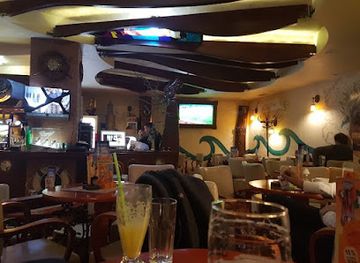
Nightlife in Braničevo is modest and locally oriented rather than built around a large club scene. Požarevac has the widest selection of cafés, bars and evening venues, with social life concentrated around central streets and hospitality areas; current opening patterns vary by season and day of the week. Veliko Gradište and Silver Lake become busier in summer, when promenades, cafés and lakeside restaurants attract visitors and residents, but the atmosphere remains more resort-based than metropolitan. In Golubac and the smaller Danube settlements, evenings generally centre on restaurants, cafés and informal riverside conversation. Rural Homolje is quieter, with traditional inns and household hospitality more relevant than late-night entertainment. Local breweries, wines and fruit brandies may appear on menus, but alcohol is not the only way to participate in the region’s evening culture; coffee, food and live socialising are equally typical.
-
Restaurant
Branichevo Viking In
Discover the culinary treasures of Branichevo at Branichevo Viking In, where local flavors and warm hospitality unite.
-
Cafe
Hombre
Discover Hombre, the charming café in Požarevac offering a cozy atmosphere and delightful local treats at affordable prices.
-
Wine bar
TRE Wine & Cafe Bar
Experience the finest wines and gourmet cuisine at TRE Wine & Cafe Bar in Požarevac, Serbia—a haven for wine lovers and food enthusiasts.
-
Bar
New Marabu
Discover the lively New Marabu bar in Kragujevac, where local flavors and vibrant nightlife create unforgettable experiences.


Best nightclubs in Braničevo
Nightlife in Braničevo is modest and locally oriented rather than built around a large club scene. Požarevac has the widest selection of cafés, bars and evening venues, with social life concentrated around central streets and hospitality areas; current opening patterns vary by season and day of the week. Veliko Gradište and Silver Lake become busier in summer, when promenades, cafés and lakeside restaurants attract visitors and residents, but the atmosphere remains more resort-based than metropolitan. In Golubac and the smaller Danube settlements, evenings generally centre on restaurants, cafés and informal riverside conversation. Rural Homolje is quieter, with traditional inns and household hospitality more relevant than late-night entertainment. Local breweries, wines and fruit brandies may appear on menus, but alcohol is not the only way to participate in the region’s evening culture; coffee, food and live socialising are equally typical.
-
Disco club
Diskoteka Madonna
Dance the night away at Diskoteka Madonna, Požarevac's hottest disco club, where vibrant music meets an unforgettable atmosphere.
-
Night club
Hype
Dance the night away at Hype, Belgrade's premier night club, where electrifying beats and vibrant atmosphere create unforgettable nightlife experiences.
-
Night club
Art Club
Explore the dynamic nightlife of Mihajlovac at Art Club, a vibrant night club offering an unforgettable experience with music, art, and dance.
-
Night club
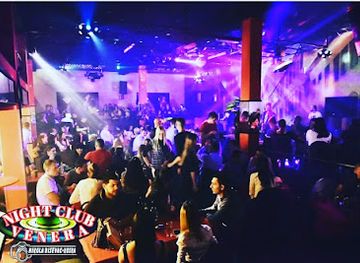
Venera Night Club
Immerse yourself in the electrifying atmosphere of Venera Night Club, Dragobraća's go-to destination for nightlife and unforgettable dance experiences.


Best shops in Braničevo
Shopping in Braničevo is concentrated in the high streets, markets and everyday commercial areas of Požarevac, with smaller selections in Veliko Gradište, Golubac, Petrovac na Mlavi and Kučevo. Požarevac is the most practical place for general supplies, clothing, books and household goods, while town markets are useful for seasonal fruit, vegetables, dairy products and pantry ingredients. Around the Danube and Silver Lake, summer-oriented stalls and small shops may sell snacks, clothing and basic souvenirs, though the range is seasonal rather than extensive. Regional products make more distinctive purchases: Homolje honey, cheeses, jams, dried fruit, herbal products and locally made fruit brandy can be found through markets, specialist sellers or rural producers. Ask about provenance and packaging if taking food products across borders. Handicrafts and religious items are available near monasteries, but visitors should buy from authorised sellers and avoid removing anything from archaeological or historic sites.
-
Fortress
Golubac Fortress
Discover the stunning beauty and historical significance of Golubac Fortress, a medieval gem on the Danube River, perfect for tourists and history lovers alike.
-
National park
Djerdap National Park
Experience the breathtaking beauty and rich history of Djerdap National Park, a natural paradise along the Danube River in Serbia.
-
Archaeological museum
Lepenski vir
Explore the ancient archaeological marvel of Lepenski Vir, where history and nature intertwine along the beautiful Danube River.
-
National park
JP Nacionalni park Đerdap
Explore the breathtaking beauty of Đerdap National Park, a serene escape filled with history, adventure, and stunning landscapes along the Danube River.


Get your free copy of our complete guide to Braničevo, delivered straight to you.
Everything on this page, from attractions and restaurants to essentials and local phrases, in one PDF you can read offline, print or share.
Already have an account? Sign in
Your Braničevo guide is ready.
We'll send it to · Not you? Sign out

Getting your guide ready…
We are putting together a fresh copy of the Braničevo guide. This can take up to a minute.
This can take a few moments. If your browser asks, choose Allow so the download can start. You'll find the guide in your Downloads folder.
Nothing happened? Download it again
Sorry, the guide is taking longer than usual. Please try again in a minute, or get it by email instead.
Braničevo essentials
Currency and Payment
Safety
Emergency Situations
Do's and Don'ts
Local Tips
From Eve
Local phrases worth knowing
You don't need to get them perfect. A few words go a long way, and locals appreciate the effort.
Basics
| English | Local | Say it |
|---|---|---|
| Hello | Zdravo | [Zdra-vo] |
| Goodbye | Doviđenja | [Do-vi-đen-ya] |
| Yes | Da | [Da] |
| No | Ne | [Ne] |
| Please/You're welcome | Molim/ Nema na čemu | [Mo-lim/ Ne-ma na che-mu] |
| Thank you | Hvala | [Hva-la] |
| Excuse me/Sorry | Izvinite | [Iz-vi-ni-te] |
| How are you? | Kako si? | [Ka-ko si?] |
| Fine. And you? | Dobro. A ti? | [Do-bro. A ti?] |
| Do you speak English? | Da li govoriš engleski? | [Da li go-vo-rish en-gles-ki?] |
| I don't understand | Ne razumem | [Ne ra-zu-mem] |
Eating & Drinking
| English | Local | Say it |
|---|---|---|
| I'd like to see the menu, please | Želeo bih da vidim meni, molim | [Zhe-le-o bih da vi-dim me-ni, mo-lim] |
| I don't eat meat | Ne jedem meso | [Ne ye-dem me-so] |
| Cheers! | Živeli! | [Zhi-ve-li] |
| I would like to pay, please | Želeo bih da platim, molim | [Zhe-le-o bih da pla-tim, mo-lim] |
Emergencies
| English | Local | Say it |
|---|---|---|
| Help! | Pomoć! | [Po-moć] |
| Go away! | Ode! | [O-de] |
| Call the Police! | Pozovite policiju! | [Po-zo-vi-te po-li-ci-ju] |
| Call a doctor! | Pozovite doktora! | [Po-zo-vi-te dok-to-ra] |
| I'm lost | Izgubio sam se | [Iz-gu-bi-o sam se] |
| I'm ill | Bolestan sam | [Bo-les-tan sam] |
Shopping
| English | Local | Say it |
|---|---|---|
| I'd like to buy... | Želeo bih da kupim... | [Zhe-le-o bih da ku-pim] |
| I'm just looking | Samo gledam | [Sa-mo gle-dam] |
| How much is it? | Koliko košta? | [Ko-li-ko koshta?] |
| That's too expensive | To je preskupo | [To ye pre-sku-po] |
| Can you lower the price? | Možeš li da spustiš cenu? | [Mo-zheš li da spus-tish tse-nu?] |
Time & Numbers
| English | Local | Say it |
|---|---|---|
| What time is it? | Koliko je sati? | [Ko-li-ko ye sa-ti?] |
| It's one o'clock | Jedan je čas | [Ye-dan ye chas] |
| Half past (10) | Pola (10) | [Po-la (10)] |
| Morning | Jutro | [Yu-tro] |
| Afternoon | Popodne | [Po-pod-ne] |
| Evening | Veče | [Ve-che] |
| Yesterday | Juče | [Yu-che] |
| Today | Danas | [Da-nas] |
| Tomorrow | Sutra | [Su-tra] |
| 1 | Jedan | [Ye-dan] |
| 2 | Dva | [Dva] |
| 3 | Tri | [Tri] |
| 4 | Četiri | [Che-ti-ri] |
| 5 | Pet | [Pet] |
| 6 | Šest | [Shest] |
| 7 | Sedam | [Se-dam] |
| 8 | Osam | [O-sam] |
| 9 | Devet | [De-vet] |
| 10 | Deset | [De-set] |
Transport & Directions
| English | Local | Say it |
|---|---|---|
| Where's a/the...? | Gde je...? | [Gde ye...?] |
| What's the address? | Koja je adresa? | [Ko-ya ye a-dre-sa?] |
| Can you show me (on the map)? | Možeš li da mi pokažeš (na mapi)? | [Mo-zheš li da mi po-ka-zheš (na ma-pi)?] |
| When's the next (bus)? | Kada je sledeći (autobus)? | [Ka-da ye sle-de-ći (au-to-bus)?] |
| A ticket (to ....) | Karta (za ....) | [Kar-ta (za ....)] |
History of Braničevo
Prehistoric and Iron Age Settlement
The Danube corridor and the valleys of the Mlava and Pek attracted settlement long before the Roman period. Fertile land, river transport and access to mineral resources supported communities whose traces survive through archaeological finds across Braničevo. The region formed part of the wider cultural zone of the central Balkans, where farming communities, metalworking and contact between Danubian and inland populations developed over many centuries. Although individual sites require specialist interpretation, the archaeological record demonstrates that Braničevo was not a remote frontier but part of an active network linking the river with the interior.
Viminacium and Roman Moesia Superior
Viminacium, near present-day Kostolac, became one of the most important Roman centres in the central Balkans. Founded beside the Mlava and close to the Danube, it served as a legionary base and later as the capital of the province of Moesia Superior. Its remains include urban buildings, roads, cemeteries and military structures, while excavations have revealed evidence of a large and prosperous population. The site illustrates how Rome organised the Danube frontier and connected military administration with trade, agriculture and provincial urban life.
Medieval River Fortresses and Monastic Foundations
During the medieval period, Braničevo’s position beside the Danube made it strategically important to Serbian rulers and neighbouring powers. Golubac developed as a fortified river stronghold controlling movement along the waterway, while the wider district acquired churches and monasteries linked to Serbian Orthodox traditions. Gornjak Monastery, set in a dramatic gorge near the Mlava, is associated with the medieval Serbian religious landscape and later became part of the region’s enduring cultural identity. These sites reflect the relationship between defence, trade routes and monastic patronage.
Golubac and Ram under Ottoman and Habsburg Rivalry
From the fifteenth century onwards, the Danube fortresses of Golubac and Ram stood within a contested frontier between the Ottoman Empire and the Habsburg monarchy. Their walls and river-facing positions reveal the military importance of controlling crossings, shipping and access to the interior. Ram Fortress was substantially developed under Ottoman rule, while Golubac changed hands during periods of conflict. The surrounding settlements experienced the shifting political, religious and commercial influences of empires whose borderlands often followed the Danube.
The Treaty of Požarevac, 1718
Požarevac gave its name to the Treaty of Passarowitz, signed in 1718 after negotiations between the Ottoman Empire, the Habsburg monarchy and the Republic of Venice. The agreement altered territorial control in south-eastern Europe and temporarily extended Habsburg influence into parts of the region. Although the diplomatic settlement was international in scope, its association with Požarevac reflects the town’s position within a strategically important Danube and Morava frontier. Later changes of power returned the area to Ottoman rule before the rise of modern Serbia.
Serbian Uprisings and the Emergence of Modern Serbia
Braničevo was involved in the political and military transformations that accompanied the First and Second Serbian Uprisings in the early nineteenth century. Požarevac and the surrounding districts were affected by struggles against Ottoman authority, the organisation of local administration and the gradual creation of an autonomous Serbian state. The region’s roads, settlements and agricultural economy became increasingly integrated into the institutions of modern Serbia. This period helped establish Požarevac as an important regional centre and reshaped the relationship between the Danube frontier and the Serbian interior.
Industrialisation, Coal and Modern Regional Change
The twentieth century brought major economic changes to Braničevo, especially around Kostolac and the lower Mlava. Coal extraction and energy production became important employers and helped connect the district to Yugoslavia’s industrial economy. At the same time, Požarevac expanded as an administrative and commercial centre, while rural communities continued to rely on agriculture, livestock and orchard production. Contemporary Braničevo therefore combines Roman and medieval heritage with an industrial landscape, modern infrastructure and a continuing pattern of migration between villages and larger towns.
Braničevo in Photos
Browse through our photo collection highlighting the charm and character of the destination.
Neighbouring regions of Braničevo
The closest regions to Braničevo, if you have time for more than one.
-

-

-

-

-


Swipe for more regions
Explore more

Explore more of Serbia
Discover Serbia: A Balkan treasure with rich history, stunning natural landscapes, and vibrant cities waiting to be explored.
Explore Serbia