

Free Bor Travel Guide & Mobile App
Explore Bor with free travel guides. Discover regional history, expert tips, proposed trips, and audio guides on web or mobile app.


Explore Bor's copper heritage, karst caves, Danube gorges, prehistoric sites and Negotin vineyards across Serbia's compelling eastern frontier.
Read more about Bor
When is the best time to visit Bor?
Best: May–June, September · 23–26°C| Month | High (°C) | Rainfall (mm) |
|---|---|---|
| January | 4 | 46 |
| February | 7 | 43 |
| March | 13 | 49 |
| April | 17 | 53 |
| May (best) | 23 | 65 |
| June (best) | 26 | 60 |
| July | 29 | 58 |
| August | 29 | 60 |
| September (best) | 23 | 54 |
| October | 17 | 48 |
| November | 10 | 56 |
| December | 6 | 51 |
Getting to and around Bor
How to get there
Transportation
Best attractions in Bor
Bor District offers a varied set of attractions spread across a large eastern Serbian landscape. In and around Bor, the focus is on copper-mining heritage, woodland recreation, Borsko jezero and the karst scenery of Zlot, including Lazareva Cave and the Zlot Canyons. Majdanpek provides access to Rajkova Cave and to the forested Danube hinterland, while Donji Milanovac is a practical base for exploring the Serbian side of Đerdap National Park. The archaeological centrepiece is Lepenski Vir, where a riverside settlement and sculpted stones illuminate prehistoric life along the Iron Gates. Near Negotin, the wine villages of Rajac and Rogljevo combine agricultural tradition with distinctive groups of historic pimnice. Kladovo adds river views, Roman remains connected with Trajan's Bridge and the modern engineering landscape of the Đerdap dam. Outdoor activities range from gentle walks and scenic drives to more demanding cave, gorge and forest excursions. Distances and seasonal access matter, so the region is better approached as a collection of linked areas than as a single compact sightseeing circuit.
-
Tourist attraction
Gold gondola Zlatibor
Discover the breathtaking views of Zlatibor from the Gold Gondola, an unforgettable journey through Serbia's stunning landscapes.
-
Natural history museum
Natural History Center Svilajnac
Discover the Natural History Center Svilajnac - a fascinating journey through nature's history, perfect for families and curious minds.
-
Theme park
Dino Park
Experience the thrill of the prehistoric era at Dino Park, a premier theme park in Zlatibor, perfect for families and dinosaur enthusiasts.
-
Open air museum
Open air museum Old village Sirogojno
Explore Old Village Sirogojno, a captivating open-air museum that celebrates Serbian rural heritage and traditional craftsmanship amidst breathtaking landscapes.
Best landmarks in Bor
The Danube is Bor District's most commanding natural landmark, reaching its most dramatic form in the Iron Gates gorge within Đerdap National Park. At Lepenski Vir, the archaeological remains and sculpted stones mark a place of exceptional prehistoric importance, while the river setting explains why communities settled here for thousands of years. Kladovo's Roman heritage is represented by the remains associated with Trajan's Bridge, an ambitious imperial crossing built over the Danube in antiquity. The contemporary river landscape is dominated in places by the Đerdap I hydroelectric complex, a major monument of twentieth-century engineering. Inland, Lazareva Cave and the Zlot Canyons express the region's limestone geology, with steep-sided ravines, forest and underground passages around Bor. Rajkova Cave near Majdanpek is another significant karst landmark. In the Negotin Krajina, the clustered pimnice of Rajac and Rogljevo are important vernacular landmarks: their stone-built wine architecture records a local agricultural culture rather than aristocratic or military power.
-
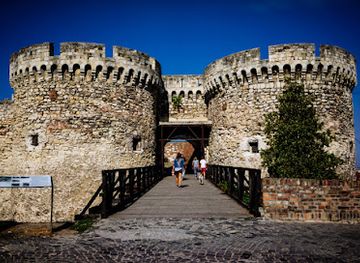
Fortress
Belgrade Fortress
Discover the rich history and breathtaking views at Belgrade Fortress, a captivating blend of nature and heritage in Serbia's capital.
-
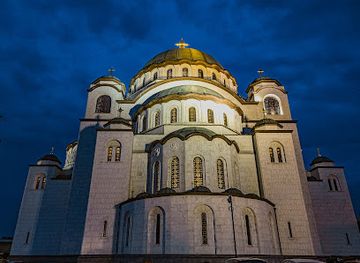
Orthodox church
The Temple of Saint Sava
Explore the Temple of Saint Sava in Belgrade, a stunning Orthodox cathedral known for its magnificent architecture and rich historical significance.
-
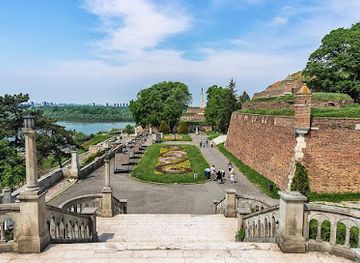
City park
Kalemegdan
Discover the historic charm of Kalemegdan, a stunning city park and fortress in Belgrade, where history and nature converge for an unforgettable experience.
-
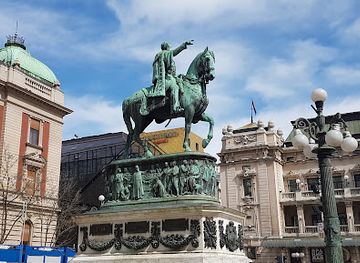
Historical landmark
Republic Square
Explore Republic Square in Belgrade, a vibrant landmark blending history, culture, and community in the heart of Serbia's capital.
Explore Bor on the map
Plan your trip on one map. See where the top cities, national parks and sights are, and book hotels and experiences in a few clicks.
Best hotels in Bor
Best restaurants in Bor
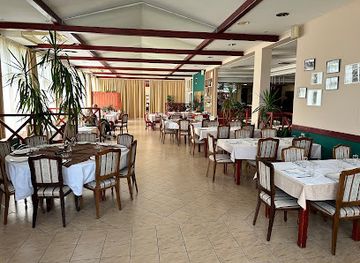
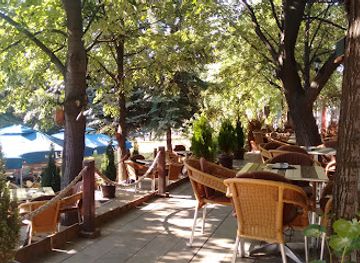
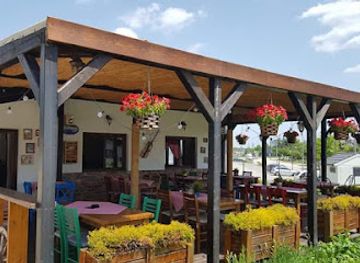
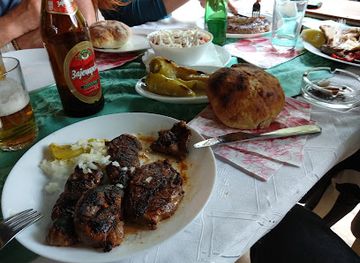
The food of Bor District reflects eastern Serbian home cooking, Danubian ingredients and the agricultural traditions of the Negotin Krajina. Restaurants and rural inns commonly serve grilled meats, stews, soups, stuffed vegetables, salads and local cheeses, while freshwater fish is particularly relevant around the Danube and Kladovo. Seasonal produce from gardens and orchards appears in both village cooking and town cafés. Negotin's wine culture is the most distinctive regional element, with local varieties and cellar traditions associated with Rajac, Rogljevo and neighbouring vineyards; tastings may need to be arranged in advance. Bakeries and casual eateries provide burek, grilled dishes and other Serbian staples, while larger towns offer a broader choice of contemporary dining. In rural areas, meals may be simpler and service more informal than in major Serbian cities, but they often provide a clearer connection with local produce and household recipes.
-
Restaurant
BSK Restaurant
Experience the authentic taste of Serbia at BSK Restaurant, where tradition meets modern gastronomy in the heart of Belgrade.
-
Family-friendly
Casper Cafe & Restaurant
Discover the heartwarming flavors of Bor at Casper Cafe & Restaurant - perfect for families and food lovers alike.
-
Restaurant
Rakija and Meze
Experience authentic Serbian cuisine at Rakija and Meze in Bor - where every dish tells a story.
-
Restaurant
Restaurant "Ćira"
Discover authentic Serbian cuisine at Ćira Restaurant in Bor – where tradition meets flavor in a welcoming atmosphere.
Best bars in Bor
Evening life in Bor District is concentrated in Bor, Negotin, Kladovo and, to a lesser extent, Majdanpek rather than spread through the countryside. Bor has the most urban selection of cafés, bars and casual evening venues, reflecting its large industrial workforce and student population. Negotin and Kladovo offer relaxed cafés, restaurants and bars where evenings tend to centre on conversation, drinks and meals rather than a major club circuit. In summer, Danube-side venues and outdoor terraces become more important, particularly around Kladovo and Donji Milanovac. Wine is a natural part of the region's evening culture, especially in the Negotin Krajina, although visits to village cellars are generally organised tastings rather than late-night entertainment. Nightclubs and live music options can change, so local listings and accommodation hosts are more reliable than old travel directories.
-
Family-friendly
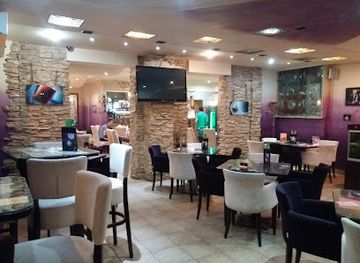
Casper Cafe & Restaurant
Discover family-friendly dining at Casper Cafe & Restaurant in Bor, offering a diverse menu and a warm ambiance for an unforgettable experience.
-
Restaurant
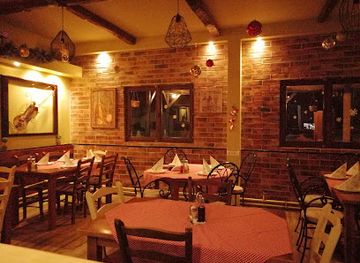
Rakija and Meze
Experience authentic Serbian flavors and vibrant atmosphere at Rakija and Meze in Bor, a must-visit culinary destination!
-
Lunch
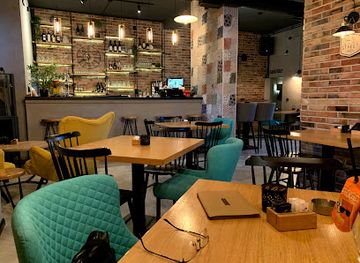
Bistro 27
Experience the best of Bor's culinary scene at Bistro 27, where fresh flavors and a cozy atmosphere await.
-
Cafe
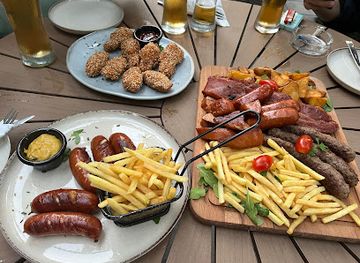
Beer House
Discover the lively ambiance and local flavors at Beer House, a top café destination in Bor, perfect for relaxing and socializing.
Best nightclubs in Bor
Evening life in Bor District is concentrated in Bor, Negotin, Kladovo and, to a lesser extent, Majdanpek rather than spread through the countryside. Bor has the most urban selection of cafés, bars and casual evening venues, reflecting its large industrial workforce and student population. Negotin and Kladovo offer relaxed cafés, restaurants and bars where evenings tend to centre on conversation, drinks and meals rather than a major club circuit. In summer, Danube-side venues and outdoor terraces become more important, particularly around Kladovo and Donji Milanovac. Wine is a natural part of the region's evening culture, especially in the Negotin Krajina, although visits to village cellars are generally organised tastings rather than late-night entertainment. Nightclubs and live music options can change, so local listings and accommodation hosts are more reliable than old travel directories.
-
Pub
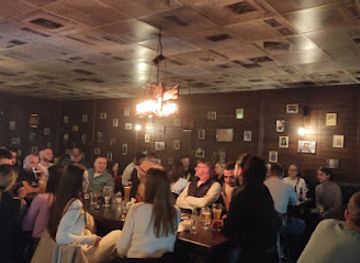
Pab Stara Kajla - Паб Стара Кајла
Discover the lively spirit of Bor at Pab Stara Kajla, your go-to pub for drinks, live music, and unforgettable nights out.
-
Night club
Hype
Vibrant nightlife awaits at Hype, Belgrade's iconic night club known for its electric atmosphere and unforgettable experiences.
-
Night club
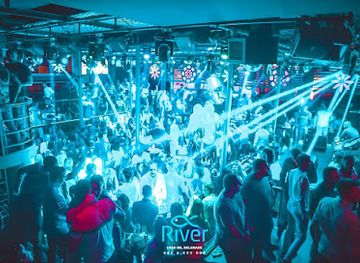
River Open Air Nightclub
Discover the vibrant River Open Air Nightclub in Belgrade, where the music flows as freely as the Sava River, and unforgettable nights await.
-
Night club
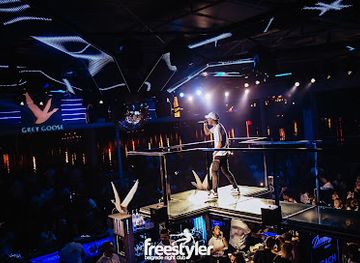
Belgrade Night Life
Discover the electrifying night club scene in Belgrade, where unforgettable nights filled with music, dancing, and vibrant atmosphere await.

Best shops in Bor
Shopping in Bor District is primarily local and practical, with the broadest choice in Bor, Negotin, Kladovo and Majdanpek. Town high streets and markets are useful for seasonal fruit and vegetables, bread, dairy products, preserves and everyday Serbian foodstuffs. The most distinctive purchases come from the Negotin Krajina: locally produced wine, grape-based products and, where available, foods made by small rural producers. Rajac and Rogljevo are better places to seek wine-cellar experiences than conventional retail, so arrange tastings or purchases with producers rather than expecting a permanent tourist shop. Smaller craft and souvenir selections may be found near museums, archaeological sites and national-park visitor areas, but retail provision is limited in villages. Regional food products, ceramics, woven goods and modest locally made gifts are generally more representative than generic souvenirs, while larger Serbian brands and standard shopping are easiest to find in Bor's commercial areas.
-
Supermarket
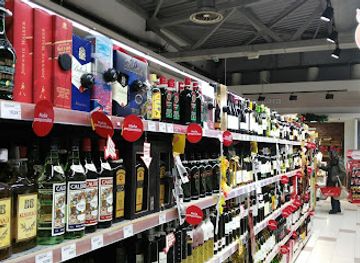
Maxi 360
Explore the best of local and international groceries at Maxi 360 in Bor, a must-visit supermarket for every traveler.
-
Pub
Pab Stara Kajla - Паб Стара Кајла
Discover the heart of Bor's nightlife at Pab Stara Kajla, where vibrant energy meets delicious drinks and entertainment.
-
Supermarket
iDEA
Discover the best local flavors and essentials at iDEA supermarket in Bor, Serbia, where convenience meets quality shopping.
-
Shopping mall
You Mart
Explore You Mart in Bor, a vibrant shopping mall with diverse retail options, local crafts, and delicious dining, perfect for a cultural experience.
Get your free copy of our complete guide to Bor, delivered straight to you.
Everything on this page, from attractions and restaurants to essentials and local phrases, in one PDF you can read offline, print or share.
Already have an account? Sign in
Your Bor guide is ready.
We'll send it to · Not you? Sign out

Getting your guide ready…
We are putting together a fresh copy of the Bor guide. This can take up to a minute.
This can take a few moments. If your browser asks, choose Allow so the download can start. You'll find the guide in your Downloads folder.
Nothing happened? Download it again
Sorry, the guide is taking longer than usual. Please try again in a minute, or get it by email instead.
Bor essentials
Currency and Payment
Safety
Emergency Situations
Do's and Don'ts
Local Tips
From Eve
Local phrases worth knowing
You don't need to get them perfect. A few words go a long way, and locals appreciate the effort.
Basics
| English | Local | Say it |
|---|---|---|
| Hello | Hello | [Heh-loh] |
| Goodbye | Goodbye | [Good-bye] |
| Yes | Yes | [Yes] |
| No | No | [No] |
| Please/You're welcome | Please/You're welcome | [Pleez/Yo're wel-kum] |
| Thank you | Thank you | [Thangk yoo] |
| Excuse me/Sorry | Excuse me/Sorry | [Ex-kyoos mee/Sor-ree] |
| How are you? | How are you? | [How ar yoo?] |
| Fine. And you? | Fine. And you? | [Fine. And yoo?] |
| Do you speak English? | Do you speak English? | [Doo yoo speek Ing-lish?] |
| I don't understand | I don't understand | [I dont un-der-stand] |
Eating & Drinking
| English | Local | Say it |
|---|---|---|
| I'd like to see the menu, please | I'd like to see the menu, please | [I'd lyk to see the men-yoo, pleez] |
| I don't eat meat | I don't eat meat | [I dont eet meet] |
| Cheers! | Cheers! | [Cheerz!] |
| I would like to pay, please | I would like to pay, please | [I wood lyk to pay, pleez] |
Emergencies
| English | Local | Say it |
|---|---|---|
| Help! | Help! | [Help!] |
| Go away! | Go away! | [Go a-way!] |
| Call the Police! | Call the Police! | [Call the Po-lees!] |
| Call a doctor! | Call a doctor! | [Call a doc-tor!] |
| I'm lost | I'm lost | [I'm lost] |
| I'm ill | I'm ill | [I'm ill] |
Shopping
| English | Local | Say it |
|---|---|---|
| I'd like to buy... | I'd like to buy... | [I'd lyk to buy...] |
| I'm just looking | I'm just looking | [I'm just luk-ing] |
| How much is it? | How much is it? | [How much is it?] |
| That's too expensive | That's too expensive | [That's too ex-pen-sive] |
| Can you lower the price? | Can you lower the price? | [Can yoo lo-er the price?] |
Time & Numbers
| English | Local | Say it |
|---|---|---|
| What time is it? | What time is it? | [What tym is it?] |
| It's one o'clock | It's one o'clock | [It's wun o'clock] |
| Half past (10) | Half past (10) | [Half past ten] |
| Morning | Morning | [Morn-ing] |
| Afternoon | Afternoon | [Af-ter-noon] |
| Evening | Evening | [Eve-ning] |
| Yesterday | Yesterday | [Yes-ter-day] |
| Today | Today | [To-day] |
| Tomorrow | Tomorrow | [To-mor-row] |
| 1 | 1 | [One] |
| 2 | 2 | [Two] |
| 3 | 3 | [Three] |
| 4 | 4 | [Four] |
| 5 | 5 | [Five] |
| 6 | 6 | [Six] |
| 7 | 7 | [Seven] |
| 8 | 8 | [Eight] |
| 9 | 9 | [Nine] |
| 10 | 10 | [Ten] |
Transport & Directions
| English | Local | Say it |
|---|---|---|
| Where's a/the...? | Where's a/the...? | [Where's a/the...?] |
| What's the address? | What's the address? | [What's the ad-dress?] |
| Can you show me (on the map)? | Can you show me (on the map)? | [Can yoo show mee (on the map)?] |
| When's the next (bus)? | When's the next (bus)? | [When's the next (bus)?] |
| A ticket (to ....) | A ticket (to ....) | [A tik-it (to ....)] |
History of Bor
Lepenski Vir and the Danube's Mesolithic Settlements
The Danube gorge around Lepenski Vir preserves one of Europe's most important prehistoric archaeological landscapes. Communities lived beside the river during the Mesolithic period and developed an organised settlement with distinctive trapezoidal houses, carefully arranged burials and carved stone sculptures. The site belongs to a wider sequence of prehistoric habitation along the Iron Gates, where fishing, river travel and changing relationships with the surrounding land shaped daily life. Its remains are displayed and interpreted at the Lepenski Vir archaeological site near Donji Milanovac, making the Danube a central historical subject rather than merely a scenic backdrop.
Roman Control of the Iron Gates
The Roman Empire treated the Danube as both a frontier and a major transport route. Around the Iron Gates, Roman engineers improved roads, forts and river communications, while the great bridge built under Emperor Trajan in the early second century connected the imperial provinces north and south of the river. The bridge itself no longer survives intact, but remains and associated archaeological evidence can be seen near Kladovo and across the river in Romania. Roman settlement and engineering left a durable imprint on the region's strategic importance.
Medieval Danubian Frontier
During the medieval period, the Danube corridor formed a contested frontier between successive Serbian, Hungarian, Bulgarian and Ottoman spheres of power. Fortified settlements and river crossings mattered because they controlled movement, trade and military access through the gorge. The wider area around present-day Kladovo and Majdanpek was influenced by the shifting political boundaries of the Balkans, while inland villages and upland routes connected the Danube with eastern Serbia. Surviving fortification remains and historic settlement patterns reflect this long period of strategic uncertainty.
Ottoman Rule and the Rise of Negotin
Ottoman authority shaped eastern Serbia for centuries, influencing administration, trade routes, settlement and the movement of people across the Danube and Timok borderlands. Negotin later became a significant local centre in the struggle for Serbian autonomy during the early nineteenth century. The town is closely associated with Hajduk Veljko Petrović, a commander of the First Serbian Uprising who defended the eastern frontier and died in 1813. His memory remains prominent in Negotin, where the period is presented through local museums, monuments and civic history.
Negotin Krajina's Wine Culture
Viticulture developed a strong regional identity in the Negotin Krajina, where the combination of sunny slopes, continental conditions and local soils supported grape growing and cellar traditions. The village wine cellars, or pimnice, of Rajac and Rogljevo were built in concentrated groups outside the settlements, allowing wine to be made and stored close to the vineyards. Their stone and timber architecture records a rural economy organised around seasonal labour, household production and local exchange. Wine remains an important cultural and agricultural marker of the eastern Bor region.
The Bor Copper Mine and Industrialisation
Modern Bor was transformed by the discovery and development of copper deposits at the beginning of the twentieth century. Industrial mining expanded during the Kingdom of Serbia and later under Yugoslavia, drawing workers, engineers and investment to a previously rural area. The mine created the urban settlement's economic foundation but also affected the surrounding landscape and environment through excavation, processing and industrial emissions. Bor's broad streets, housing areas and working identity are inseparable from this industrial history, which continues through contemporary copper production.
Hydropower and the Modern Danube
The construction of the Đerdap I hydroelectric system in the 1960s and 1970s brought another major transformation to the region. Built jointly by Yugoslavia and Romania, the dam altered navigation, river management and settlement patterns along the Iron Gates. It also created a major source of electricity and made the Danube more accessible to commercial shipping, even as the flooded river valley changed older shore landscapes and archaeological contexts. Around Kladovo and the national park, modern infrastructure now stands alongside Roman remains and prehistoric sites.
Bor in Photos
Browse through our photo collection highlighting the charm and character of the destination.
Neighbouring regions of Bor
The closest regions to Bor, if you have time for more than one.
-

-

-

-

-


Swipe for more regions
Explore more

Explore more of Serbia
Discover Serbia: A Balkan treasure with rich history, stunning natural landscapes, and vibrant cities waiting to be explored.
Explore Serbia