

Free Bačka Travel Guide & Mobile App
Explore Bačka with free travel guides. Discover regional history, expert tips, proposed trips, and audio guides on web or mobile app.


Explore Bačka in northern Serbia for Novi Sad, Subotica’s Secession architecture, Danube wetlands, Palić Lake and richly varied Vojvodina cuisine.
Read more about Bačka
When is the best time to visit Bačka?
Best: May–June, September · 23–27°C| Month | High (°C) | Rainfall (mm) |
|---|---|---|
| January | 5 | 45 |
| February | 7 | 40 |
| March | 14 | 50 |
| April | 18 | 55 |
| May (best) | 23 | 65 |
| June (best) | 27 | 70 |
| July | 29 | 60 |
| August | 29 | 55 |
| September (best) | 24 | 50 |
| October | 18 | 45 |
| November | 11 | 50 |
| December | 5 | 45 |
Getting to and around Bačka
How to get there
Transportation
Top city travel guides in Bačka
The cities of Bačka, and the easiest places to base yourself.
-

-


Swipe for more cities
Destinations in Bačka
Resorts, valleys and scenic spots worth a trip of their own.
-

-


Swipe for more destinations
Best attractions in Bačka
Bačka’s attractions combine urban culture, Habsburg-era townscapes, medieval remains, lakes and extensive river landscapes. Novi Sad offers museums, galleries, pedestrian streets, Danube promenades and the cultural institutions of Vojvodina, while Subotica is especially rewarding for its Hungarian Secession architecture and connection with nearby Palić. Palić Lake has long served as a leisure setting, with promenades, historic resort buildings and access to the wider lakeside landscape. Sombor provides a quieter experience centred on civic architecture, tree-lined streets and local museums. In the south-west, Bač Fortress and the surrounding historic settlement introduce the medieval past, while Bačka Palanka and Apatin provide access to Danube scenery, cycling and fishing traditions. The Gornje Podunavlje Special Nature Reserve, near the Danube in the far west of Bačka, protects floodplain habitats important for birds and other wildlife. Kovilj-Petrovaradin wetlands and the Ludaš Lake area offer further opportunities for nature observation, subject to local access rules. The region is best appreciated through a mixture of city walks, rural roads, water landscapes and carefully planned visits to protected areas.
-
Nature preserve
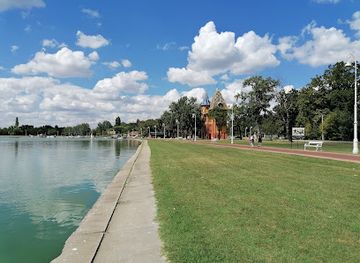
Palić Nature Park
Explore the serene beauty of Palić Nature Park, a natural haven in Serbia with diverse wildlife and tranquil landscapes perfect for a family getaway.
-
Catholic church
Votive Church of Szeged
Explore the Votive Church of Szeged, a stunning neo-Romanesque masterpiece and a symbol of the city’s rich heritage and architectural beauty.
-
Flea market
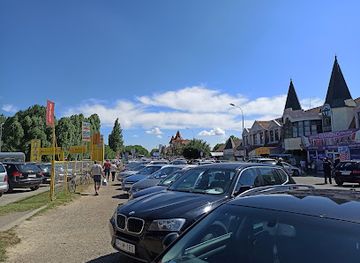
Buvljak
Discover the vibrant Buvljak flea market in Subotica, a treasure trove of antiques, crafts, and local flavors waiting for you to explore.
-
Park
Szechenyi Square
Discover the charm of Szechenyi Square in Szeged—a vibrant park steeped in history, architecture, and local culture, perfect for every traveler.


Best landmarks in Bačka
Bač Fortress is Bačka’s most important medieval landmark, with surviving defensive walls and towers that recall the town’s former importance under the medieval Kingdom of Hungary. In Novi Sad, the historic centre contains several significant buildings, including the Name of Mary Church, the Serbian Orthodox Cathedral and the civic architecture around Liberty Square; the nearby Danube embankment adds a geographical landmark, though Petrovaradin Fortress across the river lies outside Bačka in the historic region of Srem. Subotica is distinguished by the City Hall, built in the Hungarian Secession style, and the nearby Synagogue, whose ornate forms express the city’s multi-confessional urban history. Palić’s lakeside water tower, Grand Terrace and historic resort buildings represent the development of the lake as a fashionable recreation centre. Sombor’s county administration building and central streets preserve the visual character of a nineteenth-century provincial town, while the Danube floodplain forests near Apatin and Gornje Podunavlje provide a natural landmark shaped by seasonal water rather than monumental construction.
-
Fortress
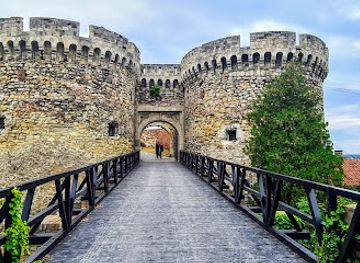
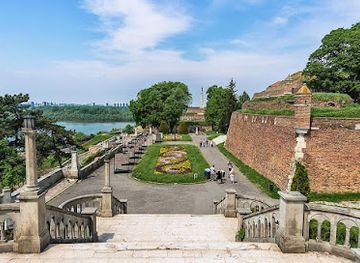
Belgrade Fortress
Explore the rich history and stunning views of Belgrade Fortress, a must-see landmark in Serbia's vibrant capital.
-
Orthodox church
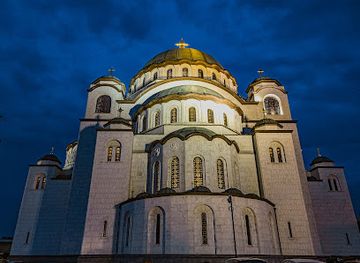
The Temple of Saint Sava
Explore the Temple of Saint Sava in Belgrade, a stunning Orthodox cathedral rich in history and culture, perfect for spiritual reflection and architectural admiration.
-
City park
Kalemegdan
Experience the majestic Kalemegdan Fortress, a cultural landmark in Belgrade with stunning views, rich history, and beautiful gardens inviting tourists to explore.
-
Historical landmark
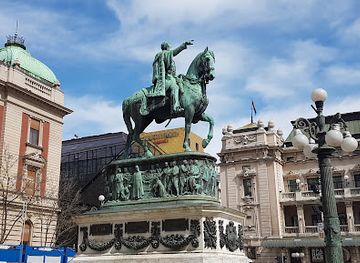
Republic Square
Experience the vibrant culture and rich history of Belgrade at Republic Square, a central hub for art, architecture, and local life.
Explore Bačka on the map
Plan your trip on one map. See where the top cities, national parks and sights are, and book hotels and experiences in a few clicks.
Best hotels in Bačka
Best restaurants in Bačka
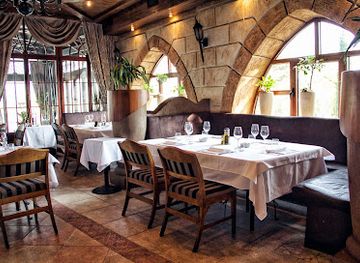
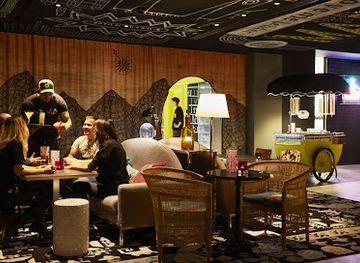
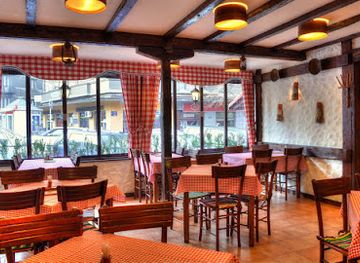
Bačka’s food reflects the agricultural abundance of the Pannonian plain and the culinary exchange between Serbian, Hungarian, Slovak, Rusyn, Croatian and Bunjevac communities. Fish paprikaš is particularly associated with the Danube and Tisa basin, although recipes and preferred fish vary from one town to another. Menus also commonly feature pork, poultry, seasonal vegetables, beans, paprika-rich stews, fresh cheese, handmade noodles and substantial soups. In Subotica and northern villages, Hungarian-influenced pastries, strudels and savoury baked goods are easy to encounter, while local bakeries and market stalls provide an informal way to sample regional tastes. Sombor, Apatin, Novi Sad and the smaller Danube communities offer different settings, from traditional restaurants and riverside establishments to cafés and contemporary kitchens. Look for locally grown fruit, peppers, honey, preserves and cured products in markets, but distinguish genuinely regional produce from generic Serbian souvenirs. Advance notice may be useful when ordering a slow-cooked fish or meat speciality in a rural restaurant.
-
Restaurant
Vinogradi Restaurant Grocka
Experience authentic Serbian cuisine at Vinogradi Restaurant in Grocka—where traditional flavors meet charming ambiance.
-
Restaurant
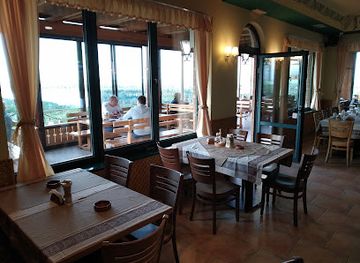
Kalemegdanska terasa
Discover exquisite French cuisine at Kalemegdanska terasa with breathtaking views over Belgrade's rivers.
-
Restaurant
Mama Restaurant Belgrade
Experience exquisite dining at Mama Restaurant in Belgrade - where tradition meets modern culinary artistry.
-
Serbian
Zavičaj
Discover the heart of Serbian gastronomy at Zavičaj in Belgrade – where tradition meets taste in every dish.
Best bars in Bačka
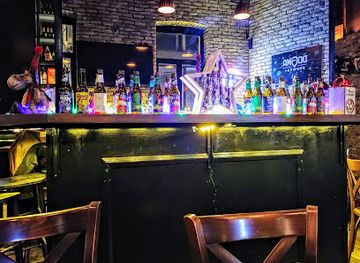
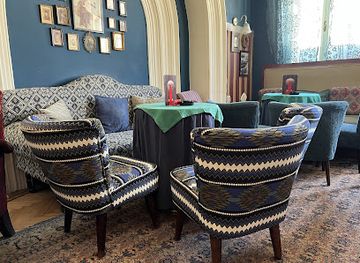
Novi Sad has Bačka’s broadest evening scene, with cafés, pubs, cocktail bars, live-music venues and later-opening clubs concentrated around the central streets and riverside areas. Its large student population contributes to a more varied nightlife calendar than is typical elsewhere in the region, although individual venues and events change frequently. Subotica offers a quieter selection of cafés, wine bars, pubs and cultural venues, with evening activity often centred on the main square and surrounding streets. Sombor and smaller towns generally favour traditional cafés, restaurants, breweries and neighbourhood bars rather than a major club scene. In Danube communities such as Apatin and Bačka Palanka, summer evenings may focus on outdoor dining, riverside gatherings and live music when seasonal programming is available. Rural nightlife is usually modest, so visitors staying outside the main cities should plan transport home and check current opening arrangements rather than rely on late public services.
-
Pub
Funk & Soul Pub
Discover the vibrant atmosphere of Funk & Soul Pub in Belgrade, where music, craft drinks, and a lively ambiance create unforgettable nights.
-
Cocktail bar
Absolut
Experience the vibrant nightlife of Novi Sad at Absolut, a must-visit cocktail bar offering exquisite drinks and a welcoming atmosphere.
-
Pizza
Omega Disco Pizzeria
Discover the lively fusion of pizza and nightlife at Omega Disco Pizzeria, where delicious food meets vibrant disco beats in Palić.
-
Restaurant
Riblja čarda
Discover Riblja Čarda: A lakeside restaurant in Palić offering fresh fish dishes and a cozy atmosphere for a memorable dining experience.


Best nightclubs in Bačka
Novi Sad has Bačka’s broadest evening scene, with cafés, pubs, cocktail bars, live-music venues and later-opening clubs concentrated around the central streets and riverside areas. Its large student population contributes to a more varied nightlife calendar than is typical elsewhere in the region, although individual venues and events change frequently. Subotica offers a quieter selection of cafés, wine bars, pubs and cultural venues, with evening activity often centred on the main square and surrounding streets. Sombor and smaller towns generally favour traditional cafés, restaurants, breweries and neighbourhood bars rather than a major club scene. In Danube communities such as Apatin and Bačka Palanka, summer evenings may focus on outdoor dining, riverside gatherings and live music when seasonal programming is available. Rural nightlife is usually modest, so visitors staying outside the main cities should plan transport home and check current opening arrangements rather than rely on late public services.
-
Pizza
Omega Disco Pizzeria
Discover the perfect blend of delicious pizza and vibrant disco atmosphere at Omega Disco Pizzeria in Palić.
-
Night club
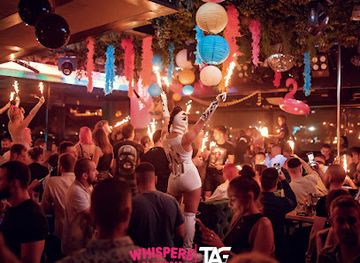
TAG NightClub
TAG NightClub in Belgrade: Where the Night Comes Alive with Unforgettable Music and Dance.
-
Night club
Backstage Belgrade
Discover the vibrant nightlife of Belgrade at Backstage Belgrade, where music and atmosphere come together for an unforgettable experience.
-
Night club
The BANK Club
Experience the vibrant nightlife of Belgrade at The BANK Club, a premier destination for dancing, drinks, and unforgettable memories.


Best shops in Bačka
Shopping in Bačka is strongest in the market towns and historic centres rather than in luxury retail districts. Novi Sad has the widest selection of bookshops, design stores, galleries, fashion retailers and food shops, with the pedestrian centre providing the most convenient concentration. Subotica combines an established high street with independent boutiques, craft outlets and shops reflecting its Central European and Hungarian cultural connections. Sombor’s centre is suited to smaller-scale browsing, including local produce, art and traditional goods, while markets across the region are useful for paprika, honey, fruit, preserves, cheese and baked products when in season. Around Palić and the northern towns, visitors may encounter regional foods, ceramics, embroidered items and other craft products, but quality and provenance vary. Look for labels identifying Serbian or Vojvodina production rather than assuming every paprika product or souvenir is locally made. Rural settlements offer fewer permanent shops, so purchase essentials and cash before travelling to remote wetlands or villages.
-
Shopping mall
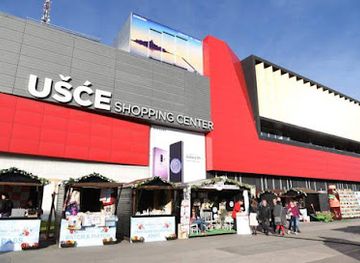
UŠĆE Shopping Center
Discover the ultimate shopping experience at UŠĆE Shopping Center in Belgrade, where retail therapy meets diverse dining and entertainment options.
-
Shopping mall
Promenada
Explore the ultimate shopping experience at Promenada, Novi Sad's premier shopping mall featuring diverse retail, dining, and entertainment options.
-
Shopping mall
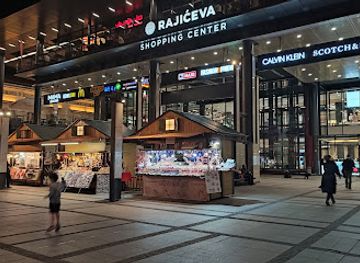
Rajićeva Shopping Center
Explore Rajićeva Shopping Center in Belgrade for a memorable shopping experience, delightful dining, and vibrant entertainment.
-
Nature preserve
Palić Nature Park
Discover the natural beauty and tranquility of Palić Nature Park, a perfect destination for outdoor activities and relaxation in Serbia's stunning landscapes.
Get your free copy of our complete guide to Bačka, delivered straight to you.
Everything on this page, from attractions and restaurants to essentials and local phrases, in one PDF you can read offline, print or share.
Already have an account? Sign in
Your Bačka guide is ready.
We'll send it to · Not you? Sign out

Getting your guide ready…
We are putting together a fresh copy of the Bačka guide. This can take up to a minute.
This can take a few moments. If your browser asks, choose Allow so the download can start. You'll find the guide in your Downloads folder.
Nothing happened? Download it again
Sorry, the guide is taking longer than usual. Please try again in a minute, or get it by email instead.
Bačka essentials
Currency and Payment
Safety
Emergency Situations
Do's and Don'ts
Local Tips
From Eve
Local phrases worth knowing
You don't need to get them perfect. A few words go a long way, and locals appreciate the effort.
Basics
| English | Local | Say it |
|---|---|---|
| Hello | Zdravo | [Z-dra-vo] |
| Goodbye | Doviđenja | [Do-vi-đen-ya] |
| Yes | Da | [Da] |
| No | Ne | [Ne] |
| Please/You're welcome | Molim | [Mo-lim] |
| Thank you | Hvala | [Hva-la] |
| Excuse me/Sorry | Izvinite | [Iz-vi-ni-te] |
| How are you? | Kako si? | [Ka-ko si] |
| Fine. And you? | Dobro. A ti? | [Do-bro. A ti] |
| Do you speak English? | Govoriš li engleski? | [Go-vo-riš li en-gles-ki] |
| I don't understand | Ne razumem | [Ne ra-zu-mem] |
Eating & Drinking
| English | Local | Say it |
|---|---|---|
| I'd like to see the menu, please | Hteo bih da vidim meni, molim | [H-te-o bih da vi-dim me-ni, mo-lim] |
| I don't eat meat | Ne jedem meso | [Ne je-dem me-so] |
| Cheers! | Živeli! | [Ži-ve-li] |
| I would like to pay, please | Hteo bih da platim, molim | [H-te-o bih da pla-tim, mo-lim] |
Emergencies
| English | Local | Say it |
|---|---|---|
| Help! | Pomoć! | [Po-moć] |
| Go away! | Odlazi! | [Od-la-zi] |
| Call the Police! | Pozovite policiju! | [Po-zo-vi-te po-li-ci-ju] |
| Call a doctor! | Pozovite doktora! | [Po-zo-vi-te dok-to-ra] |
| I'm lost | Izgubio sam se | [Iz-gu-bi-o sam se] |
| I'm ill | Bolestan sam | [Bo-le-stan sam] |
Shopping
| English | Local | Say it |
|---|---|---|
| I'd like to buy... | Hteo bih da kupim... | [H-te-o bih da ku-pim] |
| I'm just looking | Samo gledam | [Sa-mo gle-dam] |
| How much is it? | Koliko košta? | [Ko-li-ko ko-šta] |
| That's too expensive | To je preskupo | [To je pre-sku-po] |
| Can you lower the price? | Možeš li da spustiš cenu? | [Mo-žeš li da spu-stiš ce-nu] |
Time & Numbers
| English | Local | Say it |
|---|---|---|
| What time is it? | Koliko je sati? | [Ko-li-ko je sa-ti] |
| It's one o'clock | Jedan je sat | [Je-dan je sat] |
| Half past (10) | Pola (10) | [Po-la (10)] |
| Morning | Jutro | [Ju-tro] |
| Afternoon | Popodne | [Po-pod-ne] |
| Evening | Veče | [Ve-che] |
| Yesterday | Juče | [Ju-che] |
| Today | Danas | [Da-nas] |
| Tomorrow | Sutra | [Su-tra] |
| 1 | Jedan | [Je-dan] |
| 2 | Dva | [Dva] |
| 3 | Tri | [Tri] |
| 4 | Četiri | [Che-ti-ri] |
| 5 | Pet | [Pet] |
| 6 | Šest | [Šest] |
| 7 | Sedam | [Se-dam] |
| 8 | Osam | [O-sam] |
| 9 | Devet | [De-vet] |
| 10 | Deset | [De-set] |
Transport & Directions
| English | Local | Say it |
|---|---|---|
| Where's a/the...? | Gde je...? | [Gde je] |
| What's the address? | Koja je adresa? | [Ko-ja je a-dre-sa] |
| Can you show me (on the map)? | Možeš li da mi pokažeš (na mapi)? | [Mo-žeš li da mi po-ka-žeš (na ma-pi)] |
| When's the next (bus)? | Kada je sledeći (autobus)? | [Ka-da je sle-de-ći (au-to-bus)] |
| A ticket (to ....) | Jedna karta (do ...) | [Jed-na kar-ta (do ...)] |
History of Bačka
Prehistoric Communities of the Pannonian Plain
Bačka’s fertile plain has been occupied since prehistoric times, when communities settled near rivers, wetlands and productive soils. Archaeological sites across Vojvodina preserve evidence of Neolithic farming cultures, later Bronze Age societies and Iron Age communities connected to wider networks across the Danube basin. Although many remains are presented through regional museums rather than monumental ruins, they establish a long pattern of settlement shaped by water, agriculture and movement across the open plain. The region’s later history was built on the same geographical advantages: navigable rivers, rich soils and routes linking central Europe with the Balkans.
The Roman Danube Frontier
The Danube formed the northern frontier of the Roman Empire, and the wider Bačka area was influenced by the military, commercial and administrative world that developed along the river. Major Roman centres and fortifications lay particularly on the southern bank and in neighbouring parts of the Pannonian basin, while Bačka itself remained a zone of contact between imperial territory and peoples beyond the frontier. Roman roads, trade and military pressure affected local settlement patterns even where visible remains are limited. The Danube’s strategic importance, evident in later centuries as well, is one of the most enduring historical facts of the region.
Medieval Bač and the Kingdom of Hungary
During the medieval period, Bač became the leading political and ecclesiastical centre from which the historical region took its name. The settlement was associated with the medieval county of Bács and with an important archbishopric, reflecting its position within the Kingdom of Hungary. Bač Fortress, built and altered over several phases, preserves the significance of this period more clearly than most sites in the region. Towns, monasteries, churches and agricultural estates connected Bačka to the Danube trade system and to the political life of the Pannonian plain. Medieval stonework remains an important part of Bačka’s cultural landscape.
Ottoman Rule and the Habsburg Reconquest
Bačka experienced major disruption during the Ottoman advance in the sixteenth century. Settlements declined or changed character, while warfare and shifting frontiers altered landholding and population patterns. After the Habsburg reconquest and the Treaty of Karlowitz in 1699, the region was incorporated into the Habsburg sphere. Reconstruction followed, accompanied by administrative reorganisation, new estates and planned settlement. During the eighteenth century, communities of different backgrounds arrived or were encouraged to settle, helping create the multilingual and multi-confessional society that still distinguishes parts of Bačka.
Habsburg Agriculture, Towns and Industry
The eighteenth and nineteenth centuries brought systematic agricultural development, drainage and the expansion of market towns. Canals and improved roads helped move grain and other produce, while towns such as Novi Sad, Sombor and Subotica gained civic buildings, schools, churches and commercial institutions. Novi Sad became an important centre of Serbian cultural and political life within the Habsburg lands, while Subotica developed a strongly mixed urban society with Hungarian, Serbian, Bunjevac and other influences. Railways later strengthened connections with Budapest, Belgrade and other regional markets, accelerating Bačka’s integration into the modern economy.
Revolution, Yugoslavia and Vojvodina
The revolutionary year 1848 brought political conflict and competing national programmes across the Habsburg lands. Serbian representatives in southern Hungary sought recognition of political rights and autonomy, and the area that included Bačka became part of the complex rearrangements that followed the revolution. In 1918, after the collapse of Austria-Hungary, Bačka entered the Kingdom of Serbs, Croats and Slovenes, later Yugoslavia, together with much of Vojvodina. New state institutions, land reforms and population movements reshaped local society, while cities continued to preserve the architectural legacy of the Habsburg period.
War, Reconstruction and Socialist Modernisation
The Second World War brought occupation, persecution, forced displacement and severe violence to Bačka’s multi-ethnic communities. After 1945, the region became part of socialist Yugoslavia, where land reform, collectivisation in changing forms and industrial development transformed the largely agricultural economy. Food processing, machinery, river transport and urban construction expanded, while Novi Sad grew as the administrative and cultural centre of Vojvodina. Since the breakup of Yugoslavia, Bačka has remained an important agricultural and commercial region of Serbia, balancing inherited townscapes and rural traditions with contemporary universities, cultural institutions and cross-border links.
Bačka in Photos
Browse through our photo collection highlighting the charm and character of the destination.
Neighbouring regions of Bačka
The closest regions to Bačka, if you have time for more than one.
-

-
-

-

-


Swipe for more regions

