

Free Diego Suarez Travel Guide & Mobile App
Plan your Diego Suarez trip with Evendo. Get free guides to top attractions, restaurants, hotels, and bars. Web access or download the mobile app.


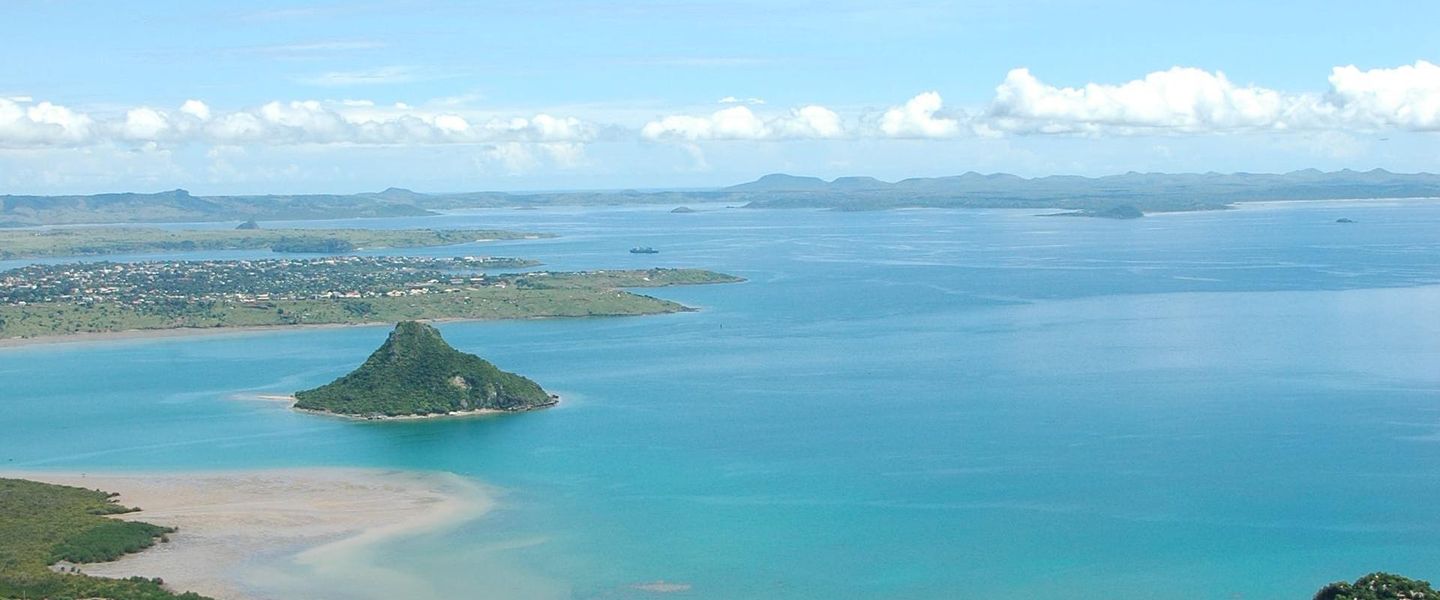


Diego Suarez, Madagascar, combines Antsiranana’s colonial port, turquoise bays, northern landscapes, local culture and memorable outdoor adventures.
A Port Shaped by Sea and History
Diego Suarez, officially known as Antsiranana, occupies the southern shore of one of the world’s great natural harbours at Madagascar’s northern tip. The city’s identity is inseparable from the bay: fishing boats and working craft share the water with vessels bound for the surrounding coves, while the broad streets and ageing colonial buildings recall the period when the port served as an important French naval station. Malagasy, French and regional traditions meet in everyday life, from the markets and cafés of the centre to the music and food found in neighbourhood streets.Read more about Diego Suarez
Urban Character and Northern Landscapes
When is the best time to visit Diego Suarez?
Best: July–September · 29–30°C| Month | High (°C) | Rainfall (mm) |
|---|---|---|
| January | 34 | 298 |
| February | 34 | 302 |
| March | 34 | 289 |
| April | 33 | 201 |
| May | 32 | 164 |
| June | 30 | 115 |
| July (best) | 29 | 108 |
| August (best) | 29 | 90 |
| September (best) | 30 | 95 |
| October | 32 | 122 |
| November | 33 | 199 |
| December | 34 | 276 |
Getting to and around Diego Suarez
How to get there
Transportation
Best attractions in Diego Suarez
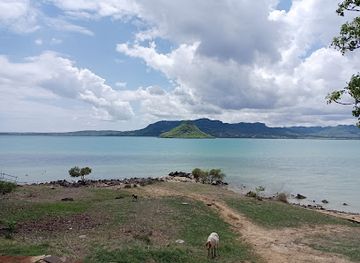
Antsiranana’s principal attractions extend from its harbour-front urban scenery to the landscapes surrounding the bay. Place Joffre is a useful starting point for seeing the city’s colonial-era street plan and everyday movement, while the waterfront offers views across the broad natural harbour. Montagne des Français, on the edge of the urban area, provides walking routes and elevated perspectives over the bay when conditions permit. Ramena, a coastal village north-east of the city, combines beach life with access to boat trips towards the Emerald Sea, whose shallow turquoise waters and small islands are among the region’s best-known sights. Within reach by organised excursion, Amber Mountain National Park offers forest, waterfalls and volcanic scenery, while the Red Tsingy presents russet limestone formations in a more arid landscape. These outlying sites are not city-centre attractions, but they explain why Antsiranana is an important base for northern exploration.
-
Memorial park
Relais Joffre
Explore Relais Joffre: A serene memorial park in Antsiranana, blending history with nature's beauty for an enriching visitor experience.
11 min drive · 3.6 km from city centre
-
Tourist attraction
Cruise Pier Antsiranana
Experience the vibrant atmosphere and stunning views at Cruise Pier Antsiranana, your gateway to Madagascar's coastal beauty.
11 min drive · 3.6 km from city centre
-
Nature preserve
Viewpoint French Mountain
Discover the breathtaking beauty of Madagascar at Viewpoint French Mountain, a serene nature preserve with stunning panoramic vistas.
19 min drive · 6.5 km from city centre
-
Tourist attraction
Pain de Sucre
Discover the mesmerizing landscapes of Pain de Sucre, a natural wonder near Antsiranana, Madagascar, perfect for relaxation and breathtaking photography.
12 min drive · 4.0 km from city centre
Best landmarks in Diego Suarez
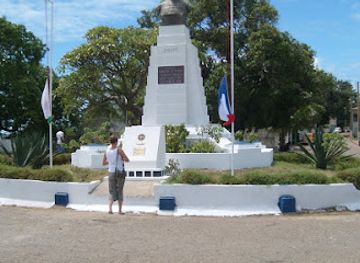
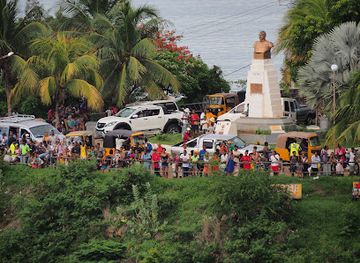
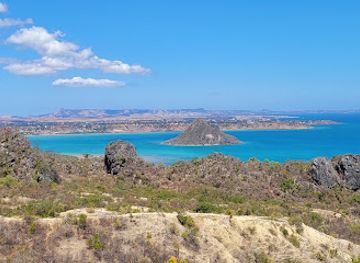
The city’s most defining landmark is Diego Suarez Bay itself, a vast natural harbour whose strategic value shaped Antsiranana’s development as a port and naval centre. Around Place Joffre and the central streets, colonial-era civic and commercial buildings provide evidence of French urban planning, even where façades show age and later adaptation. The Cathedral of the Sacred Heart, commonly known as the Antsiranana cathedral, is an important religious presence in the city and reflects the historical role of Catholic institutions during the colonial period. Former military and harbour-related structures recall the port’s strategic past, including the period surrounding the Second World War, although access and condition vary. Montagne des Français is both a landscape landmark and a viewpoint above the urban area, linking the built city to the dry hills and coastal terrain that define northern Madagascar.
-
Hotel
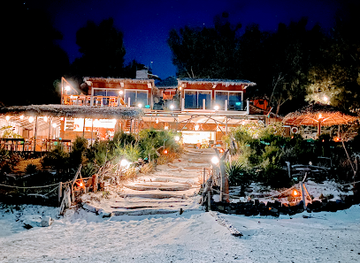
KiteParadise Madagascar Kitesurf Heaven Eco Lodge
Discover the thrill of kitesurfing and the serenity of nature at KiteParadise Madagascar Eco Lodge in Sakalava Bay, your ultimate tropical escape.
32 min drive · 12 km from city centre
-
 Hotel
HotelAllamanda Hotel
Experience the charm of Antsiranana at Allamanda Hotel, where comfort meets breathtaking views in the heart of Madagascar.
11 min drive · 3.7 km from city centre
-
Resort hotel
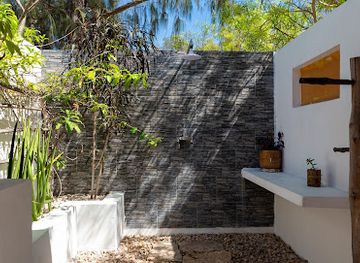
Sakalava Lodge
Experience the beauty and tranquility of Sakalava Lodge in Antsiranana, Madagascar, where adventure and relaxation meet by the stunning Baie de Sakalava.
32 min drive · 12 km from city centre
-
Restaurant
La Cambusa
Experience the flavors of Madagascar at La Cambusa, a top restaurant in Antsiranana known for fresh, natural dishes and exceptional service.
10 min drive · 3.3 km from city centre

Explore Diego Suarez on the map
Plan your Diego Suarez trip on one map. See where the top attractions, landmarks, restaurants, bars and hotels are, find what's near where you're staying, and book hotels and experiences in a few clicks.
Neighbourhoods in Diego Suarez

Swipe for more neighbourhoods
Best hotels in Diego Suarez
Best restaurants in Diego Suarez
Antsiranana’s food culture reflects its port setting and the meeting of Malagasy, French, Comorian and wider Indian Ocean influences. Rice remains central to everyday meals, often served with seafood, zebu, chicken or vegetable dishes, while the northern coast supplies fish, prawns and other marine ingredients. Coconut, chilli, ginger and locally grown produce appear frequently, and French-style bread and pastries are available alongside Malagasy cooking. Small restaurants and hotelys provide straightforward local meals, while cafés and restaurants around the centre and waterfront may offer broader menus for visitors. Markets are useful for observing the ingredients of daily life, including tropical fruit and prepared snacks, though hygiene standards vary and food should be chosen with care. In Ramena and other coastal settlements, grilled seafood is closely tied to the shoreline setting, with availability shaped by the day’s catch and weather.
-
Pizza
SUeGIU
Experience authentic Italian pizza at SUeGIU in Antsiranana – where passion meets flavor in every slice.
8 min drive · 2.7 km from city centre
-
Restaurant
La Cambusa
Experience the flavors of Madagascar at La Cambusa in Antsiranana - where fresh ingredients meet authentic culinary tradition.
10 min drive · 3.3 km from city centre
-
Restaurant
Hotel Lakana Plage de Ramena Diego Suarez
Experience unparalleled tranquility at Hotel Lakana Plage de Ramena, your gateway to Madagascar's stunning beaches and vibrant culture.
26 min drive · 8.6 km from city centre
-
Restaurant
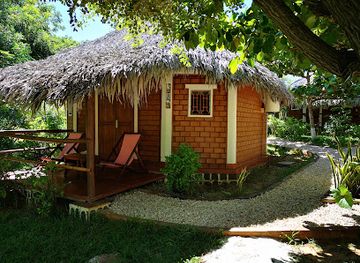
Meva Plage Hôtel
Discover tranquility at Meva Plage Hôtel – your perfect getaway in Antsiranana with exquisite dining and relaxing poolside moments.
25 min drive · 8.4 km from city centre



Best bars in Diego Suarez
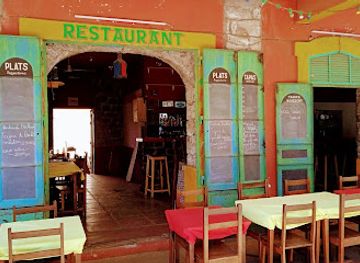
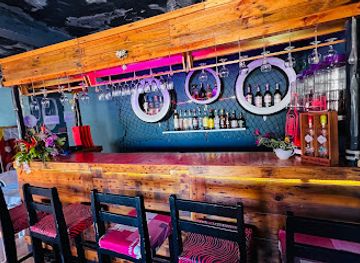
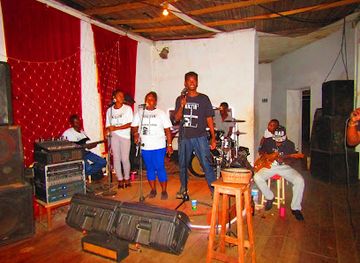
Nightlife in Antsiranana is generally social and relaxed rather than dominated by large clubs. Central bars and hotel venues provide places for a beer, rum-based drink, music or conversation, while restaurants and cafés may remain active into the evening. Local musical styles and Malagasy popular music often form part of the atmosphere, and occasional live performances or dancing may be arranged through established venues. The waterfront and central streets have the greatest concentration of evening activity, but the city can become quiet away from these areas. Visitors should avoid walking alone through unfamiliar, poorly lit streets late at night and arrange reliable transport when returning to accommodation. In coastal villages such as Ramena, evenings are more low-key, shaped by small restaurants, beachside gatherings and the pace of a fishing community rather than a formal club scene.
-
Bar
Taxi Be
Experience the vibrant nightlife at Taxi Be, a premier bar in Antsiranana, where music, drinks, and good vibes come together.
10 min drive · 3.3 km from city centre
-
Bar
La Vahinee
Experience the vibrant nightlife of Antsiranana at La Vahinee, where great drinks and local culture come together for an unforgettable night.
10 min drive · 3.2 km from city centre
-
Restaurant
La Bodega
Experience the vibrant flavors of Madagascar at La Bodega, Antsiranana's top destination for authentic local cuisine in a warm and inviting atmosphere.
11 min drive · 3.6 km from city centre
-
Bar
Gasytos Fy
Discover the vibrant nightlife of Antsiranana at Gasytos Fy, where exceptional drinks and a lively atmosphere await every visitor.
5 min drive · 1.8 km from city centre


Best nightclubs in Diego Suarez
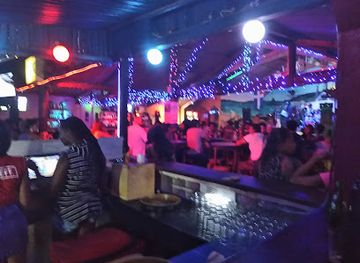
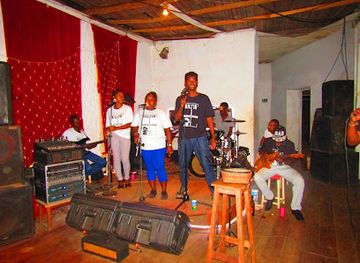
Nightlife in Antsiranana is generally social and relaxed rather than dominated by large clubs. Central bars and hotel venues provide places for a beer, rum-based drink, music or conversation, while restaurants and cafés may remain active into the evening. Local musical styles and Malagasy popular music often form part of the atmosphere, and occasional live performances or dancing may be arranged through established venues. The waterfront and central streets have the greatest concentration of evening activity, but the city can become quiet away from these areas. Visitors should avoid walking alone through unfamiliar, poorly lit streets late at night and arrange reliable transport when returning to accommodation. In coastal villages such as Ramena, evenings are more low-key, shaped by small restaurants, beachside gatherings and the pace of a fishing community rather than a formal club scene.
-
Bar
Taxi Be
Experience the vibrant nightlife of Antsiranana at Taxi Be, where great drinks and lively music create unforgettable memories.
10 min drive · 3.3 km from city centre
-
Bar
La Vahinee
Experience the vibrant nightlife and local culture at La Vahinee, Antsiranana's premier bar for refreshing drinks and lively music.
10 min drive · 3.2 km from city centre
-
Bar
La Vahinée
Experience the essence of Malagasy cuisine at La Vahinée, a vibrant restaurant in Antsiranana, offering delightful dishes and a welcoming atmosphere.
10 min drive · 3.2 km from city centre
-
Night club
Nero Fucsia
Experience the heartbeat of Antsiranana's nightlife at Nero Fucsia, a lively night club where music, culture, and fun collide.
8 min drive · 2.5 km from city centre
Best shops in Diego Suarez
Shopping in Antsiranana centres on everyday markets, small independent shops and craft stalls rather than large-scale retail districts. Markets offer rice, fruit, vegetables, spices, seafood and household goods, providing a direct view of the city’s daily commerce. Visitors may also find woven baskets, raffia work, carved objects, textiles and small souvenirs associated with northern Madagascar, although quality and provenance vary and purchases should be made respectfully. Shops in the central area stock practical supplies, clothing and food, while French-influenced bakery traditions appear in bread and pastries. Products from the wider Diana region, including spices and locally made handicrafts, can be more distinctive than imported souvenirs. Bargaining may be accepted in informal market settings, but it should be polite and realistic; fixed prices are more common in established shops and some specialist craft outlets.
-
Home goods store
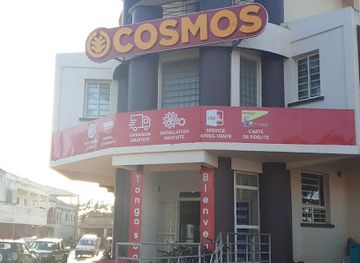
COSMOS Diego
Explore COSMOS Diego in Antsiranana for unique home goods that capture the essence of Madagascar's vibrant culture and craftsmanship.
7 min drive · 2.2 km from city centre
-
Jewelry store
BIJOUTERIE CHEZ BABOU
Discover exquisite handcrafted jewelry that embodies the rich culture of Madagascar at Bijouterie Chez Babou in Antsiranana.
10 min drive · 3.5 km from city centre
-
General store
Antsiranana
Explore Antsiranana: A vibrant city in Madagascar with breathtaking landscapes, rich culture, and unforgettable local markets.
9 min drive · 2.8 km from city centre
-
Supermarket
Tabet Shop
Explore the Tabet Shop in Antsiranana for an authentic taste of local life and shopping in Madagascar.
5 min drive · 1.6 km from city centre
Get your free copy of our complete guide to Diego Suarez, delivered straight to you.
Everything on this page, from attractions and restaurants to essentials and local phrases, in one PDF you can read offline, print or share.
Already have an account? Sign in
Your Diego Suarez guide is ready.
We'll send it to · Not you? Sign out

Getting your guide ready…
We are putting together a fresh copy of the Diego Suarez guide. This can take up to a minute.
This can take a few moments. If your browser asks, choose Allow so the download can start. You'll find the guide in your Downloads folder.
Nothing happened? Download it again
Sorry, the guide is taking longer than usual. Please try again in a minute, or get it by email instead.
Diego Suarez essentials
Currency and Payment
Safety
Emergency Situations
Do's and Don'ts
Local Tips
From Eve
Local phrases worth knowing
You don't need to get them perfect. A few words go a long way, and locals appreciate the effort.
Basics
| English | Local | Say it |
|---|---|---|
| Hello | Salama | [sa-la-ma] |
| Goodbye | Veloma | [ve-lo-ma] |
| Yes | Eny | [e-ny] |
| No | Tsy | [tsi] |
| Please/You're welcome | Azafady | [a-za-fa-dy] |
| Thank you | Misaotra | [mi-sa-o-tra] |
| Excuse me/Sorry | Azafady | [a-za-fa-dy] |
| How are you? | Manahoana ianao? | [ma-na-hwa-na ya-nao?] |
| Fine. And you? | Tsara. Ary ianao? | [tsa-ra a-ri ya-nao?] |
| Do you speak English? | Miteny Anglisy ianao? | [mi-te-ny ang-li-sy ya-nao?] |
| I don't understand | Tsy miaraka aminao | [tsi mi-a-ra-ka a-mi-nao] |
Eating & Drinking
| English | Local | Say it |
|---|---|---|
| I'd like to see the menu, please | Te-hahita ny menio azafady | [te-ha-hi-ta ny me-nio a-za-fa-dy] |
| I don't eat meat | Tsy mihinana hena | [tsi mi-hi-na-na he-na] |
| Cheers! | Miarahaba | [mi-a-ra-ha-ba] |
| I would like to pay, please | Te-hahita fandoavam-pahazo azafady | [te-ha-hi-ta fan-do-a-vam-pa-ha-zo a-za-fa-dy] |
Emergencies
| English | Local | Say it |
|---|---|---|
| Help! | Fanampiana! | [fa-nam-pya-na] |
| Go away! | Mandehana! | [man-de-ha-na] |
| Call the Police! | Mangaraha ny polisy! | [man-ga-ra-ha ny po-li-sy] |
| Call a doctor! | Mangaraha dokotera! | [man-ga-ra-ha do-kot-ra] |
| I'm lost | Voatery aho | [vo-a-te-ry a-ho] |
| I'm ill | Miaraka amin'ny aretina aho | [mi-a-ra-ka a-mi-n'ny a-re-ti-na a-ho] |
Shopping
| English | Local | Say it |
|---|---|---|
| I'd like to buy... | Te-hahita mivarotra... | [te-ha-hi-ta mi-va-rot-ra] |
| I'm just looking | Tsy mihaino | [tsi mi-ha-i-no] |
| How much is it? | Oviana ny vidiny? | [o-vi-a-na ny vi-di-ny] |
| That's too expensive | Mahafinaritra be izany | [ma-ha-fi-na-ri-tra be i-za-ny] |
| Can you lower the price? | Azonao atao ny vidin'ny | [a-zo-nao a-ta-o ny vi-di-ny] |
Time & Numbers
| English | Local | Say it |
|---|---|---|
| What time is it? | Oviana ny ora? | [o-vi-a-na ny o-ra] |
| It's one o'clock | Enina alina no ara-dalàna | [e-ni-na a-li-na no a-ra-da-la-na] |
| Half past (10) | Efapolo sy folo | [e-fa-po-lo sy fo-lo] |
| Morning | Alina | [a-li-na] |
| Afternoon | Antoandro | [an-to-an-dro] |
| Evening | Maraina | [ma-ra-i-na] |
| Yesterday | Omaly | [o-ma-ly] |
| Today | Anio | [a-ni-o] |
| Tomorrow | Raharaha | [ra-ha-ra-ha] |
| 1 | Isa | [i-sa] |
| 2 | Roa | [ro-a] |
| 3 | Telo | [te-lo] |
| 4 | Efatra | [e-fa-tra] |
| 5 | Dimy | [di-my] |
| 6 | Enina | [e-ni-na] |
| 7 | Fito | [fi-to] |
| 8 | Valo | [va-lo] |
| 9 | Sivy | [si-vy] |
| 10 | Folo | [fo-lo] |
Transport & Directions
| English | Local | Say it |
|---|---|---|
| Where's a/the...? | Aiza ny... | [ai-za ny] |
| What's the address? | Inona no adiresy? | [i-no-na no a-di-re-sy] |
| Can you show me (on the map)? | Azonao ato izao aho (amin'ny saritany)? | [a-zo-nao a-to i-zao a-ho (a-mi-n'ny sa-ri-ta-ny)] |
| When's the next (bus)? | Oviana ny farany? | [o-vi-a-na ny fa-ra-ny] |
| A ticket (to ....) | Famatsiana (ho...) | [fa-mat-sia-na (ho)] |
History of Diego Suarez
Early Coastal Communities
The northern tip of Madagascar has long been connected to the sea and to communities whose livelihoods included fishing, farming and regional exchange. The Antakarana are especially associated with the wider Ankarana and northern coastal region, while Sakalava influence also forms part of the area’s cultural history. The deeply indented bay offered shelter to vessels and helped make the coast a meeting point for Malagasy communities and merchants crossing the western Indian Ocean. Before the modern city developed, settlement was dispersed across the peninsula and surrounding shores rather than organised around a large colonial urban centre.
European Names for the Bay
European navigators began charting Madagascar’s northern waters during the age of Indian Ocean exploration. The bay became known internationally as Diego-Suarez, a name traditionally linked to the Portuguese navigators Diogo Dias and Fernando de Noronha or, in another widely repeated form, Diego Suarez. The precise naming history is treated differently in historical accounts, but the name became firmly established on European maps. Its protected waters attracted strategic interest, although sustained urban development came later under French rule.
French Colonial Port Development
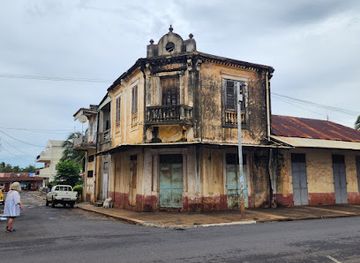
France took control of Madagascar in the late nineteenth century, and Antsiranana developed as a colonial port and naval centre. Streets, administrative structures, military installations and commercial buildings altered the shape of the settlement, whose French name became Diego-Suarez in common international usage. The port connected the region to wider colonial trade and supported the movement of goods, officials and military personnel. Surviving fragments of the colonial urban fabric, together with the harbour and broad avenues, still reflect this period, although the city’s present identity is decidedly Malagasy.
A Strategic Harbour in Wartime
The strategic position of Diego-Suarez Bay made the area significant during the Second World War. In May 1942, British forces launched Operation Ironclad against Vichy French control of Madagascar, beginning with an assault on the Diego-Suarez area. The campaign reflected fears that the island’s harbours might support Axis naval operations in the Indian Ocean. Fighting around the northern port led to a change in control and formed part of the wider Allied occupation of Madagascar. Military history remains an important, though not always immediately visible, layer of the city’s past.
Independence and Malagasy Rule
Madagascar became independent from France in 1960, and Diego-Suarez entered a new national era while retaining its importance as a northern port. French remained influential in administration and education, but Malagasy political and cultural life increasingly shaped the city’s institutions and public identity. The port, fishing economy, military associations and regional commerce continued to influence employment and settlement. Antsiranana’s streets consequently preserve a mixture of colonial infrastructure and post-independence urban life, with local languages, customs and social networks giving the city its contemporary character.
The Modern Diana Region
Today Antsiranana is the principal urban centre of the Diana region and a gateway to northern Madagascar’s varied landscapes. Its economic life includes port activity, services, fishing, small-scale trade and tourism connected with the bay, Ramena, Montagne d’Ambre and the wider coast. Development has not erased the region’s environmental pressures: forests, coral waters and dry landscapes require careful management, while seasonal storms can affect travel and livelihoods. The city’s modern character is therefore shaped by both its inherited harbour infrastructure and its position beside some of Madagascar’s most distinctive natural environments.
Diego Suarez in Photos
Browse through our photo collection highlighting the charm and character of the destination.
Cities near Diego Suarez
The closest cities to Diego Suarez, if you have time for more than one stop.
-

-

-

-

-


Swipe for more cities

