

Bombali District, Sierra Leone Travel Guide
Experience the natural beauty, rich culture, and historical treasures of Bombali District in northern Sierra Leone, where adventure and tradition await.
Nestled in the northern region of Sierra Leone, Bombali District offers a captivating blend of natural beauty, cultural richness, and historical significance. The district is home to Makeni, one of the fastest-growing cities in the country, where modernity meets tradition in a unique and charming way. For nature enthusiasts, Bombali is a paradise. The district boasts lush landscapes, rolling hills, and numerous rivers. A visit to Bumbuna Falls, a stunning waterfall located near the Bumbuna Hydroelectric Plant, is a must. The sight of the cascading water surrounded by verdant greenery is nothing short of breathtaking. Bombali is also rich in culture and history. The district is home to various ethnic groups, each with its own unique traditions and customs. Visitors can immerse themselves in the local way of life by participating in traditional ceremonies or sampling local cuisine. Don't miss the opportunity to visit the historic town of Kamakwie, known for its colonial architecture and vibrant market. Whether you're an adventurer, a history buff, or simply looking to relax, Bombali District has something to offer. Its warm and welcoming people will make your visit truly unforgettable.

Know before you go
Hi, I'm Eve. Here are a few practical things to know before exploring Bombali District.
- Visit Bumbuna Falls early in the morning to avoid crowds and enjoy the serene environment.
- Hire a local guide in Makeni to get an authentic experience and learn more about the district's history and culture.
- Try local dishes such as cassava leaves and groundnut stew at traditional restaurants for a true taste of Bombali.
- Bring cash, as many places in Bombali may not accept credit cards.
- Respect local customs and traditions, especially when visiting rural areas and participating in ceremonies.
Top City Travel Guides in Bombali District
The cities of Bombali District, and the easiest places to base yourself.

Destinations in Bombali District
Resorts, valleys and scenic spots worth a trip of their own.

Explore Bombali District: Things to Do, Places to Eat, Hotels & More
Handpicked recommendations for top attractions, local dining, accommodations, and more

Top Attractions & Sightseeing in Bombali District
Top-rated picks
Best Attractions

Makeni Clock Tower
Experience the vibrant pulse of Makeni at the iconic Clock Tower, where history, culture, and community come alive in Sierra Leone.
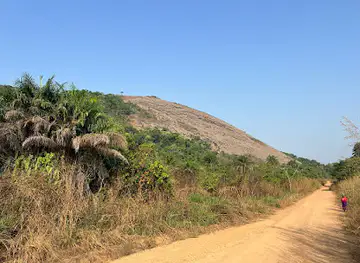
Kangari Hills Forest Reserve
Explore the breathtaking beauty and rich biodiversity of Kangari Hills Forest Reserve, a captivating national park in Sierra Leone.

Clock Tower
Discover the historical Clock Tower in Kabala, a stunning landmark surrounded by a serene park, perfect for relaxation and cultural exploration.
Outamba Kilimi National Park
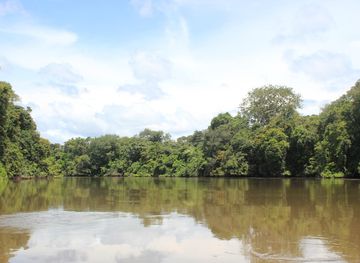
Explore the breathtaking biodiversity and stunning landscapes of Outamba Kilimi National Park, a hidden gem in Sierra Leone.

Best landmarks in Bombali District
Top-rated picks
Best Landmarks

Makeni Clock Tower
Explore the historic Makeni Clock Tower, a symbol of Sierra Leone's rich heritage and vibrant culture, located in the heart of Makeni.

Outamba Kilimi National Park
Explore the breathtaking Outamba Kilimi National Park, a serene escape into Sierra Leone's wild heart with rich biodiversity and stunning landscapes.

Outamba-Kilimi National Park Entrance
Explore the diverse ecosystems and breathtaking landscapes of Outamba-Kilimi National Park, a must-visit destination for nature lovers in Sierra Leone.

Bombali District Council
Discover the heart of local governance at Bombali District Council in Makeni, Sierra Leone, and experience the culture of community development.

Best restaurants in Bombali District
Top-rated picks
Best Restaurants

Choices
Discover culinary delights at Choices in Makeni – where local flavors meet international cuisine in a warm and inviting atmosphere.

Pepper Goat Soup
Discover the authentic taste of Sierra Leone at Pepper Goat Soup in Kamakwie – home of exquisite goat soup and local culinary delights.

Subish Fast Food
Discover quick and delicious meals at Subish Fast Food in Makeni - where flavor meets convenience.

City Bar Restorant
Experience authentic Sierra Leonean cuisine at City Bar Restaurant in Makeni – where every dish tells a story.

Best bars in Bombali District
Top-rated picks
Best Bars

Wusum Hotel
Discover comfort and local charm at Wusum Hotel in Makeni, your gateway to exploring Sierra Leone’s vibrant culture and stunning landscapes.

Leone sky bar
Discover Leone Sky Bar, Freetown's premier dining spot offering stunning views, delightful cuisine, and an unforgettable atmosphere for tourists and locals alike.
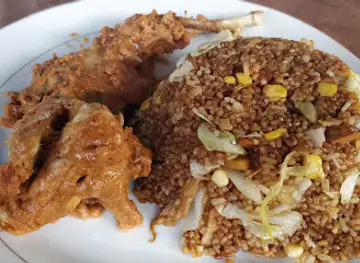
The Clubhouse
The Clubhouse in Makeni: A vibrant bar where locals and tourists connect over great drinks and lively atmosphere.

Choices
Indulge in the flavors of Sierra Leone at Choices, a must-visit restaurant in Makeni offering a blend of local and international cuisine.

Best nightclubs in Bombali District
Top-rated picks
Best Nightclubs

The Clubhouse
Experience the vibrant atmosphere of The Clubhouse in Makeni, where local flavors meet friendly vibes for an unforgettable night out.

Plaza Night club
Discover the energetic nightlife at Plaza Night Club in Makeni, where music, dance, and vibrant culture come together for an unforgettable experience.

David's Villa Night Club
Dive into the lively nightlife of Lunsar at David's Villa Night Club, where unforgettable experiences await you.
Subish Night Club
Discover the heartbeat of Makeni's nightlife at Subish Night Club, where music, dance, and fun create unforgettable memories.

Best shops in Bombali District
Top-rated picks
Best Shops

Monoprix Supermarket - Makeni
Experience local flavors and convenience at Monoprix Supermarket in Makeni, the perfect shopping spot for travelers.

Ahmed upholstery work shop
Explore the artistry of upholstery at Ahmed Upholstery Workshop in Makeni, where craftsmanship meets local culture.

Makeni Mall
Explore Makeni Mall: A vibrant shopping destination in Sierra Leone, offering local crafts, delicious cuisine, and a taste of community spirit.
Lashmi Supermarket
Explore the flavors of Sierra Leone at Lashmi Supermarket in Makeni, where local charm meets a diverse grocery selection.

Explore Bombali District on the Map
A handpicked selection of must-see spots in Bombali District, mapped for you.
Bombali District Essentials
-
Bombali District is located in the northern region of Sierra Leone. The nearest international airport is Lungi International Airport in Freetown, approximately 200 kilometers away. From Freetown, you can take a bus or hire a private taxi to reach Bombali District. The journey typically takes around 4 to 5 hours by road. Domestic flights are also available from Freetown to Makeni, the largest city in Bombali District.
-
Within Bombali District, local transportation options include taxis, motorbike taxis (okadas), and minibuses (poda-podas). Okadas are a popular way to navigate the district quickly, but always negotiate the fare beforehand. For longer distances, you can hire a private car. Walking is also a viable option in smaller towns and villages. For a more immersive experience, consider renting a bicycle.
-
The official currency in Sierra Leone is the Sierra Leonean Leone (SLL). Credit cards are not commonly accepted, so it is advisable to carry sufficient cash. ATMs are available in Makeni, but it is wise to withdraw enough cash in Freetown before traveling to more rural areas. Currency exchange services are available at banks and major hotels.
-
Bombali District is generally safe for tourists, but it is important to take standard precautions. Avoid walking alone at night, especially in unfamiliar areas. Petty crime, such as pickpocketing, can occur in crowded places, so keep an eye on your belongings. Areas with higher crime rates are typically urban centers like Makeni, so stay vigilant and avoid displaying valuable items.
-
In case of emergency, dial 117 for immediate assistance. The local police and medical facilities are available in Makeni. It is strongly recommended to have travel insurance that covers medical emergencies. For minor health issues, there are pharmacies in the district where you can purchase over-the-counter medications. Always keep a list of emergency contacts with you.
-
Fashion: Do dress modestly to respect local customs. Avoid wearing revealing clothing. Religion: Do respect local religious practices. Always ask for permission before taking photos in religious sites. Public Transport: Do be respectful and patient when using public transport. Don't argue with drivers or other passengers. Greetings: Do greet people with a smile and a handshake. A simple 'Good morning' or 'Good afternoon' goes a long way. Eating & Drinking: Do try local dishes and accept food offerings graciously. Don't refuse hospitality, as it is considered impolite.
-
To experience Bombali District like a local, visit the local markets in Makeni where you can buy fresh produce and traditional Sierra Leonean items. Engage with locals, as they are often friendly and eager to share stories about their culture and history. Don't miss visiting the Wusum Hill for a panoramic view of Makeni. For a unique experience, attend a local festival or cultural event to immerse yourself in the vibrant traditions of the region.
When is the best time to visit Bombali District?
Useful Local Phrases for Bombali District
You don't need to speak the language perfectly. Even learning a few simple words can make conversations warmer—and locals usually appreciate the effort.
— Eve

Here are the phrases I use most often in Bombali District. Try a few—you'll be surprised how far they go! 😊
❤️
-
- HelloSalone
[sah-loh-neh] - GoodbyeN'ki
[n'kee] - YesAye
[ah-yeh] - NoNo
[noh] - Please/You're welcomePliz
[pleez] - Thank youTenki
[ten-kee] - Excuse me/SorrySori
[soh-ree] - How are you?How far?
[how fah] - Fine. And you?Fine. An you?
[fine an yoh] - Do you speak English?Yu sabi Inglis?
[yoo sah-bee een-glis] - I don't understandA no sabi
[ah noh sah-bee]
- HelloSalone
-
- I'd like to see the menu, pleaseA wan for si di menu, pliz
[ah wan fohr see dee meh-noo pleez] - I don't eat meatA no deit mit
[ah noh dayt meet] - Cheers!Cheers!
[cheers] - I would like to pay, pleaseA wan for pay, pliz
[ah wan fohr pay pleez]
- I'd like to see the menu, pleaseA wan for si di menu, pliz
-
- Help!Help!
[help] - Go away!Go wey!
[go weh] - Call the Police!Call di Police!
[call dee po-lees] - Call a doctor!Call wan doktor!
[call wan doc-tah] - I'm lostA don lost
[ah don lost] - I'm illA don sick
[ah don sik]
- Help!Help!
-
- I'd like to buy...A wan for bai...
[ah wan fohr bye] - I'm just lookingA jost de luk
[ah jost dey look] - How much is it?How much e be?
[how much eh beh] - That's too expensiveDat too much money
[daht too moch mon-eh] - Can you lower the price?Yu fit bring down di price?
[yoo fit bring down dee prahys]
- I'd like to buy...A wan for bai...
-
- What time is it?Wet in time e be?
[wet in tahym eh beh] - It's one o'clockNa wan o'clock
[nah wan oh-clock] - Half past (10)Half past ten
[haf past ten] - MorningMornin
[mor-ning] - AfternoonAftanoon
[af-ta-noon] - EveningIvin
[ee-vin] - YesterdayYestaday
[yes-ta-day] - TodayTudeh
[too-deh] - TomorrowTomo
[toh-mo] - 1Wan
[wan] - 2Tu
[too] - 3Tri
[tree] - 4Foh
[foh] - 5Faiv
[fahiv] - 6Siks
[siks] - 7Sev
[sev] - 8Eit
[ait] - 9Nain
[nain] - 10Ten
[ten]
- What time is it?Wet in time e be?
-
- Where's a/the...?Weh na di...?
[weh nah dee] - What's the address?Wet in di adrees?
[wet in dee ah-drees] - Can you show me (on the map)?Yu fit show me (pon di map)?
[yoo fit show me (pon dee map)] - When's the next (bus)?When di next (bus)?
[when dee nekst (bus)] - A ticket (to ....)Wan tiket (to ...)
[wan tee-ket (to ...)]
- Where's a/the...?Weh na di...?
History of Bombali District
-
Bombali District, nestled in the Northern Province of Sierra Leone, has a rich tapestry of early settlements and indigenous cultures. The Temne people, who are one of the largest ethnic groups in Sierra Leone, have historically inhabited this region. Their presence dates back several centuries, and their traditional practices, language, and social systems have shaped the cultural fabric of Bombali. The district is dotted with ancient sites and artifacts that provide a glimpse into the lives of these early inhabitants.
-
The arrival of European explorers in the 15th century marked a significant turning point in the history of Bombali District. Portuguese and later British explorers charted the region, leading to increased European influence. By the 19th century, Bombali became part of the British colonial empire. This period saw the introduction of new administrative systems, trade routes, and missionary activities. The legacy of colonial architecture and the remnants of colonial-era infrastructure can still be seen in some parts of the district.
-
The Sierra Leone Civil War (1991-2002) had a profound impact on Bombali District. The district, like many others, experienced significant turmoil and conflict. Rebel groups often targeted rural communities, leading to widespread displacement and hardship. However, Bombali also became a center for resilience and recovery post-war. Many local and international organizations focused their efforts on rebuilding infrastructure, providing education, and fostering community development in the district.
-
Bombali District was one of the areas affected by the West African Ebola outbreak from 2014 to 2016. The epidemic brought unprecedented challenges to the region, with significant loss of life and socioeconomic disruptions. However, the response to the outbreak also highlighted the strength and unity of the Bombali communities. Local health workers, alongside international aid organizations, worked tirelessly to contain the virus and provide care for those affected. The district's experience during the Ebola crisis has since become a case study in epidemic response and community resilience.
-
Bombali District is a vibrant mosaic of cultural practices and festivals that reflect its rich heritage. The traditional Poro and Bondo societies play an integral role in the social structure of the Temne people, with rites of passage and initiation ceremonies that are key cultural events. Additionally, the district hosts various festivals throughout the year, celebrating everything from harvests to historical events. These festivals are characterized by traditional music, dance, and colorful attire, offering visitors a unique opportunity to experience the lively spirit of Bombali.
-
Agriculture has long been the backbone of Bombali District's economy. The fertile lands of the region have supported the cultivation of rice, groundnuts, and various other crops for generations. Farming techniques and agricultural practices have been passed down through the years, ensuring food security and economic stability for local communities. In recent years, there has been a push towards sustainable agriculture and diversification of economic activities, including small-scale mining and fish farming. These efforts aim to bolster the district's economy and improve the livelihoods of its residents.
Neighbouring Regions of Bombali District
The closest regions to Bombali District, if you have time for more than one.


Your all‑in‑one travel companion app
Explore expert travel guides, compare and book tours, experiences, hotels, and more—all from the palm of your hand. Download now for seamless trip planning wherever your wanderlust takes you.


Explore More of Sierra Leone

Looking beyond Bombali District? Discover Sierra Leone for broader travel guides, local hot-spots, and regional highlights.
Explore Sierra LeoneBombali District in Photos
Browse through our photo collection highlighting the charm and character of the destination.


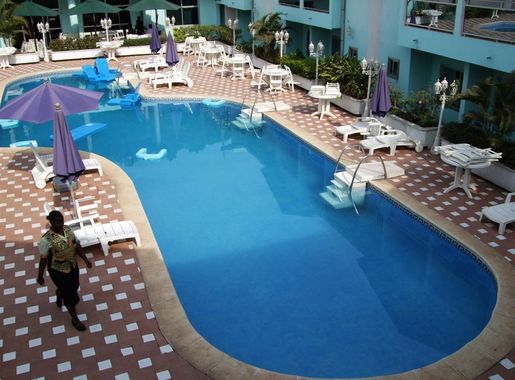
Discover Bombali District: Sierra Leone's Hidden Gem
Nestled in the northern region of Sierra Leone, Bombali District offers a captivating blend of natural beauty, cultural richness, and historical significance. The district is home to Makeni, one of the fastest-growing cities in the country, where modernity meets tradition in a unique and charming way. For nature enthusiasts, Bombali is a paradise. The district boasts lush landscapes, rolling hills, and numerous rivers. A visit to Bumbuna Falls, a stunning waterfall located near the Bumbuna Hydroelectric Plant, is a must. The sight of the cascading water surrounded by verdant greenery is nothing short of breathtaking. Bombali is also rich in culture and history. The district is home to various ethnic groups, each with its own unique traditions and customs. Visitors can immerse themselves in the local way of life by participating in traditional ceremonies or sampling local cuisine. Don't miss the opportunity to visit the historic town of Kamakwie, known for its colonial architecture and vibrant market. Whether you're an adventurer, a history buff, or simply looking to relax, Bombali District has something to offer. Its warm and welcoming people will make your visit truly unforgettable.