

Port Loko District, Sierra Leone Travel Guide
Explore the historical charm and natural beauty of Port Loko District in Sierra Leone, a hidden gem offering rich culture, scenic landscapes, and warm hospitality.
Port Loko District is a captivating region in the Northern Province of Sierra Leone. Known for its rich cultural heritage and lush landscapes, this district offers a unique experience for the adventurous traveler. From historical landmarks to vibrant markets, there is something for everyone to enjoy. One of the must-visit sites is the Port Loko Town, the district's capital. Here you can explore the old colonial architecture and visit the local museum to learn about the district's history. Don't miss the chance to stroll through the bustling markets where you can find traditional crafts and fresh produce. Nature lovers will be delighted by the scenic beauty of the Rokel River, which flows through the district. The riverbanks are perfect for picnics and bird-watching. For a more immersive experience, consider taking a guided boat tour to observe the diverse flora and fauna. Port Loko District is also known for its warm and welcoming people. Engaging with the locals can provide a deeper understanding of the culture and traditions of this beautiful region. Whether you are here for a short visit or an extended stay, the memories you make in Port Loko will be unforgettable.

Know before you go
Hi, I'm Eve. Here are a few practical things to know before exploring Port Loko District.
- Visit the local museum in Port Loko Town to learn about the district's history.
- Stroll through the bustling markets for traditional crafts and fresh produce.
- Take a guided boat tour on the Rokel River for bird-watching and scenic views.
- Engage with the locals to gain a deeper understanding of the culture.
- Pack light clothing suitable for the tropical climate.
Top City Travel Guides in Port Loko District
The cities of Port Loko District, and the easiest places to base yourself.


Destinations in Port Loko District
Resorts, valleys and scenic spots worth a trip of their own.


Explore Port Loko District: Things to Do, Places to Eat, Hotels & More
Handpicked recommendations for top attractions, local dining, accommodations, and more

Top Attractions & Sightseeing in Port Loko District
Top-rated picks
Best Attractions

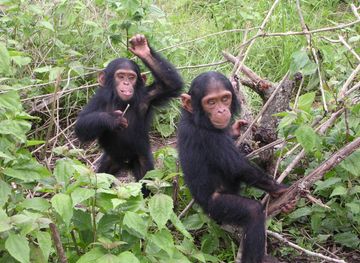
Tacugama Chimpanzee Sanctuary
Discover the wonders of wildlife conservation at Tacugama Chimpanzee Sanctuary, a unique tourist attraction in Freetown, Sierra Leone.

Cotton Tree
Explore the historic Cotton Tree in Freetown, a powerful symbol of freedom and resilience amidst vibrant local culture and stunning natural beauty.

Western Area National Park
Discover the breathtaking landscapes and rich biodiversity of Western Area National Park, a must-visit destination for nature lovers in Sierra Leone.

Freetown Amusement Park - Victoria Park
Experience the thrill and excitement of Freetown Amusement Park in Victoria Park, a perfect destination for family fun and adventure.

Best landmarks in Port Loko District
Top-rated picks
Best Landmarks

Freetown International Airport
Explore Sierra Leone through Freetown International Airport, your gateway to breathtaking landscapes and vibrant culture.

Radisson Blu Mammy Yoko Hotel, Freetown
Discover the luxurious Radisson Blu Mammy Yoko Hotel in Freetown, where stunning beach views meet modern comfort and Sierra Leonean hospitality.

Mamba Point Hotel Restaurant Lagoonda
Experience exceptional dining at Mamba Point Hotel Restaurant Lagoonda in Freetown, where exquisite flavors meet stunning views in a cozy atmosphere.

Gigibontà Ice Cream and Pizzeria
Experience the best of Italian cuisine and delightful ice cream at Gigibontà Ice Cream and Pizzeria, perfectly located on Lumley Beach in Freetown.

Best restaurants in Port Loko District
Top-rated picks
Best Restaurants

Mamba Point Hotel Restaurant Lagoonda
Experience exquisite dining at Mamba Point Hotel Restaurant Lagoonda in Freetown - where local flavors meet international flair.

Bliss Restaurant
Discover the flavors of Sierra Leone at Bliss Restaurant in Freetown - where local ingredients meet culinary creativity.

Olba Restaurant
Experience exquisite Mediterranean cuisine with breathtaking beach views at Olba Restaurant in Freetown.

Papaya Restaurant
Discover authentic Sierra Leonean cuisine at Papaya Restaurant in Freetown - where every dish tells a story.

Best bars in Port Loko District
Top-rated picks
Best Bars

Roof Garden Bar & Restaurant
Discover the breathtaking Roof Garden Bar & Restaurant in Freetown, offering stunning views, delicious food, and a vibrant atmosphere for all travelers.
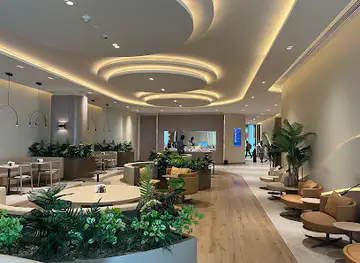
Blu Lounge
Discover the perfect blend of relaxation and sophistication at Blu Lounge in Masoila, where exquisite drinks meet a cozy atmosphere.

The Warehouse
Discover the vibrant nightlife at The Warehouse, a premier bar and nightclub in Freetown offering great music, cocktails, and a lively atmosphere.

Leone sky bar
Discover Leone Sky Bar in Freetown for delectable cuisine and breathtaking views of the city and Atlantic coastline.

Best nightclubs in Port Loko District
Top-rated picks
Best Nightclubs

Blu Lounge
Discover relaxation and stunning views at Blu Lounge in Masoila, your perfect retreat for refreshments and tranquility.

The Warehouse
Experience the vibrant nightlife of Freetown at The Warehouse, the ultimate bar and nightclub on Lumley Beach Rd, where unforgettable memories await.

P-LAX LOUNGE
Discover the vibrant nightlife at P-LAX Lounge, a premier night club in Portee, Sierra Leone, featuring electrifying music and an energetic atmosphere.

DeCode Lounge
Experience the vibrant nightlife at DeCode Lounge, Freetown's top night club with exquisite drinks and electrifying music along Lumley Beach.

Best shops in Port Loko District
Top-rated picks
Best Shops

Freetown Mall
Explore Freetown Mall: Your gateway to local flavors and everyday essentials in the vibrant heart of Sierra Leone.

CHOITHRAM SUPERMARKET
Explore Choithram Supermarket in Freetown for local flavors, fresh produce, and a vibrant shopping experience that reflects Sierra Leonean culture.

Choithram Super Market
Explore Choithram Super Market in Freetown for a unique blend of local and international grocery selections, showcasing the vibrant flavors of Sierra Leone.

Freetown Supermarket
Explore the vibrant Freetown Supermarket for a taste of Sierra Leonean culture and a variety of local and international foods.

Explore Port Loko District on the Map
A handpicked selection of must-see spots in Port Loko District, mapped for you.
Port Loko District Essentials
-
Port Loko District is located in the Northern Province of Sierra Leone. The nearest international airport is Lungi International Airport, approximately 40 kilometers south of Port Loko town. From the airport, you can take a taxi or private car hire to Port Loko. The journey typically takes about an hour by road. There are also public minibuses (poda-podas) available, but they are less comfortable and may take longer due to multiple stops.
-
Within Port Loko District, local transportation options include taxis, motorbikes (okadas), and public minibuses (poda-podas). Taxis are a convenient option for short trips within the town and are relatively inexpensive. Okadas are popular for quick and flexible transport but ensure the rider provides a helmet for safety. Poda-podas are the most economical but can be crowded and slow. Renting a car can be an option, but be prepared for varying road conditions.
-
The official currency in Sierra Leone is the Sierra Leonean Leone (SLL). Credit cards are not widely accepted in Port Loko District, so it is advisable to carry cash. ATMs are available in larger towns, but it is wise to withdraw sufficient cash before leaving Freetown or Lungi. Carry smaller denominations, as making change can sometimes be difficult in rural areas.
-
Port Loko District is generally safe for tourists, but it is important to take standard precautions. Avoid walking alone at night, especially in unfamiliar or poorly lit areas. Be cautious with your belongings in crowded places, such as markets. Specific areas with higher crime rates targeting tourists are not well-documented, but it is always best to stay vigilant and aware of your surroundings.
-
In case of emergency, dial 112 for immediate assistance. There are local police stations in Port Loko town and medical facilities available in the district. It is recommended to have travel insurance that covers medical emergencies. For minor health issues, there are pharmacies where you can purchase over-the-counter medications. Familiarize yourself with the nearest medical facility to your accommodation.
-
Fashion: Do dress modestly, especially when visiting religious sites and rural areas. Avoid wearing revealing clothing. Religion: Do respect local customs and traditions. Remove your shoes before entering religious sites. Public Transport: Do be respectful and patient when using public transport. Don’t eat or drink on public transport. Greetings: Do greet people with a handshake and a smile. Showing respect to elders is particularly important. Eating & Drinking: Do try local foods and accept food offers graciously. Don’t refuse hospitality, as it is considered impolite.
-
To experience Port Loko District like a local, visit the local markets where you can buy fresh produce and traditional Sierra Leonean goods. Engage with locals, as they are often friendly and eager to share stories about the area’s history and culture. Don’t miss visiting the Bureh Beach or the nearby Tacugama Chimpanzee Sanctuary for a unique experience. Participating in local festivals or ceremonies can also provide deep cultural insights.
When is the best time to visit Port Loko District?
Useful Local Phrases for Port Loko District
You don't need to speak the language perfectly. Even learning a few simple words can make conversations warmer—and locals usually appreciate the effort.
— Eve

Here are the phrases I use most often in Port Loko District. Try a few—you'll be surprised how far they go! 😊
❤️
-
- HelloSalone
[sah-loh-neh] - GoodbyeBai
[bye] - YesAye
[ah-yeh] - NoNo
[noh] - Please/You're welcomePliz
[pleez] - Thank youTenki
[ten-kee] - Excuse me/SorrySori
[soh-ree] - How are you?Aw di?
[ah dee] - Fine. And you?Fine. Na you?
[fine. nah you] - Do you speak English?Yu sabi English?
[you sah-bee ing-glish] - I don't understandA no sabi
[ah noh sah-bee]
- HelloSalone
-
- I'd like to see the menu, pleaseA wan si di menu, pliz
[ah wan see dee meh-noo, pleez] - I don't eat meatA no deyt mit
[ah noh dayt meet] - Cheers!Salute!
[sah-loo-tay] - I would like to pay, pleaseA wan pay, pliz
[ah wan pay, pleez]
- I'd like to see the menu, pleaseA wan si di menu, pliz
-
- Help!Help!
[help] - Go away!Foh go!
[foh go] - Call the Police!Kol di Police!
[kol dee po-lees] - Call a doctor!Kol a docta!
[kol ah dok-tah] - I'm lostA don los
[ah don lohs] - I'm illA sik
[ah seek]
- Help!Help!
-
- I'd like to buy...A wan buy...
[ah wan bye] - I'm just lookingA de jus luk
[ah deh jus luk] - How much is it?How much na dis?
[how much nah dis] - That's too expensiveDat too much
[dat too mooch] - Can you lower the price?Yu fit reduce di price?
[you fit re-doos dee price]
- I'd like to buy...A wan buy...
-
- What time is it?Wet in time na?
[wet in tahym nah] - It's one o'clockNa wan o'clock
[nah wan oh-clok] - Half past (10)Half past ten
[half past ten] - MorningMornin
[mor-ning] - AfternoonAftenoon
[af-teh-noon] - EveningEvenin
[ee-ven-ing] - YesterdayYestadi
[yes-tah-dee] - TodayTudeh
[too-deh] - TomorrowTomoro
[toh-moh-roh] - 1Wan
[wan] - 2Tu
[too] - 3Tri
[tree] - 4Foh
[foh] - 5Fiv
[fiv] - 6Siks
[siks] - 7Seven
[seh-ven] - 8Eit
[ate] - 9Nain
[nine] - 10Ten
[ten]
- What time is it?Wet in time na?
-
- Where's a/the...?Weh di...?
[weh dee] - What's the address?Wet in di address?
[wet in dee ah-dress] - Can you show me (on the map)?Yu fit show me (pan di map)?
[you fit show me (pan dee map)] - When's the next (bus)?When di next (bus)?
[when dee next (bus)] - A ticket (to ....)Wan tiket (fo ...)
[wan tee-ket (foh ...)]
- Where's a/the...?Weh di...?
History of Port Loko District
-
Before European contact, the area now known as Port Loko District was inhabited by various indigenous tribes, including the Temne people. These tribes had rich cultures characterized by elaborate social structures, agriculture, and trade. They engaged in trade with neighboring regions, exchanging goods like kola nuts, gold, and ivory.
-
In the 15th century, Portuguese explorers were among the first Europeans to make contact with the coastal areas of what is now Sierra Leone. The region became a significant trading post for European merchants, who traded goods with local tribes. This period also marked the beginning of the transatlantic slave trade, which had devastating effects on the local population.
-
Port Loko District came under British colonial rule in the late 19th century, following the Berlin Conference, which formalized European colonization of Africa. The British established administrative structures and introduced new agricultural practices, including the cultivation of cash crops such as coffee and cocoa. The colonial period also saw the construction of infrastructure like roads and schools.
-
The mid-20th century was a time of political awakening and struggle for independence across Africa. In Port Loko District, local leaders and activists played a crucial role in advocating for self-rule. Sierra Leone gained independence from Britain on April 27, 1961, and Port Loko District became an integral part of the newly independent nation.
-
The Sierra Leone Civil War (1991-2002) had profound impacts on Port Loko District. The area experienced significant violence and displacement, with many residents fleeing to safer regions. Post-war, the district has been involved in various reconstruction and reconciliation efforts to rebuild communities and infrastructure.
-
Port Loko District is renowned for its vibrant cultural festivals, such as the Temne Gbangba and the Bondo society ceremonies. These events celebrate the district's rich heritage through traditional music, dance, and rituals. The district also has a strong oral tradition, with storytelling being a key aspect of cultural transmission.
-
Today, Port Loko District is a blend of historical legacy and modern development. It serves as a commercial hub with growing infrastructure and educational institutions. The district continues to honor its cultural roots while looking forward to future growth and development, making it a fascinating destination for history enthusiasts and travelers alike.
Neighbouring Regions of Port Loko District
The closest regions to Port Loko District, if you have time for more than one.


Your all‑in‑one travel companion app
Explore expert travel guides, compare and book tours, experiences, hotels, and more—all from the palm of your hand. Download now for seamless trip planning wherever your wanderlust takes you.


Explore More of Sierra Leone

Looking beyond Port Loko District? Discover Sierra Leone for broader travel guides, local hot-spots, and regional highlights.
Explore Sierra LeonePort Loko District in Photos
Browse through our photo collection highlighting the charm and character of the destination.




Discover the Hidden Gems of Port Loko District
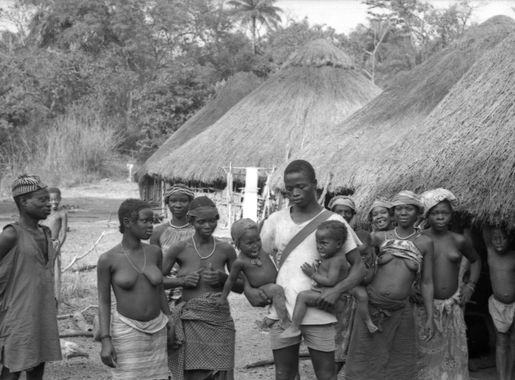
Port Loko District is a captivating region in the Northern Province of Sierra Leone. Known for its rich cultural heritage and lush landscapes, this district offers a unique experience for the adventurous traveler. From historical landmarks to vibrant markets, there is something for everyone to enjoy. One of the must-visit sites is the Port Loko Town, the district's capital. Here you can explore the old colonial architecture and visit the local museum to learn about the district's history. Don't miss the chance to stroll through the bustling markets where you can find traditional crafts and fresh produce. Nature lovers will be delighted by the scenic beauty of the Rokel River, which flows through the district. The riverbanks are perfect for picnics and bird-watching. For a more immersive experience, consider taking a guided boat tour to observe the diverse flora and fauna. Port Loko District is also known for its warm and welcoming people. Engaging with the locals can provide a deeper understanding of the culture and traditions of this beautiful region. Whether you are here for a short visit or an extended stay, the memories you make in Port Loko will be unforgettable.