

Koinadugu District, Sierra Leone Travel Guide
Explore Koinadugu District in Sierra Leone: A haven of natural beauty, cultural richness, and adventure, featuring the majestic Bintumani Mountain and Outamba-Kilimi National Park.
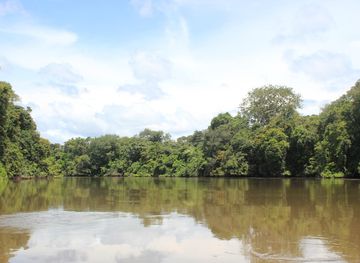
Koinadugu District, located in the northern region of Sierra Leone, is a treasure trove of natural wonders and cultural richness. Known for its lush landscapes and rolling hills, this district offers a serene escape from the hustle and bustle of city life. The district's name, Koinadugu, means 'land of hills' in the local language, and it truly lives up to its name. The towering Bintumani Mountain, the highest peak in Sierra Leone, is a must-see for adventurous hikers and nature lovers alike. From the summit, you can enjoy breathtaking panoramic views that stretch as far as the eye can see. Koinadugu is also home to a vibrant mix of ethnic groups, each contributing to the district's rich tapestry of traditions and customs. Visitors can immerse themselves in local culture by attending traditional dance performances, exploring bustling markets, and tasting delicious local cuisine. The district is famous for its hospitality, and you'll find that the locals are always eager to share their stories and traditions with visitors. For wildlife enthusiasts, Koinadugu offers a unique opportunity to explore the Outamba-Kilimi National Park. This park is a sanctuary for various species of primates, birds, and other wildlife. Guided tours are available, providing a chance to see these animals in their natural habitat. Whether you're trekking through the dense forest or taking a boat ride along the river, the park promises an unforgettable experience. Visiting Koinadugu District is a journey into the heart of Sierra Leone's natural beauty and cultural heritage. It's a destination that promises adventure, relaxation, and a deep connection with nature and local traditions.

Know before you go
Hi, I'm Eve. Here are a few practical things to know before exploring Koinadugu District.
- Bring sturdy hiking boots if you plan to climb Bintumani Mountain.
- Attend a local market to experience the vibrant culture and buy unique handmade crafts.
- Hire a local guide for a more insightful visit to Outamba-Kilimi National Park.
- Learn a few phrases in the local language to enhance your interactions with the friendly locals.
- Pack insect repellent and sun protection for outdoor activities.
Destinations in Koinadugu District
Resorts, valleys and scenic spots worth a trip of their own.

Explore Koinadugu District: Things to Do, Places to Eat, Hotels & More
Handpicked recommendations for top attractions, local dining, accommodations, and more

Top Attractions & Sightseeing in Koinadugu District


Best landmarks in Koinadugu District
Top-rated picks
Best Landmarks

Sierra Leone Peace Museum
Explore the rich history and resilience of Sierra Leone at the Peace Museum in Freetown, a must-see for every traveler.

Outamba Kilimi National Park
Discover the extraordinary landscapes and vibrant wildlife of Outamba Kilimi National Park, Sierra Leone's natural treasure for adventure and serenity.

Sierra Leone National Museum
Discover the diverse cultural heritage of Sierra Leone at the National Museum in Freetown, where history comes alive through captivating exhibits.

Best restaurants in Koinadugu District
Top-rated picks
Best Restaurants

Ruri's Restaurant
Experience authentic Sierra Leonean cuisine at Ruri's Restaurant in Bo – where every meal tells a story.

Vicanda Parlour Restaurant
Experience authentic Sierra Leonean cuisine at Vicanda Parlour Restaurant in Bo - where every dish tells a story.

YEANE'S
Experience authentic Sierra Leonean flavors at Yeane's in Koidu – where every dish is crafted with passion and tradition.

Mado's Bar & Restaurant
Experience authentic Sierra Leonean cuisine at Mado's Bar & Restaurant in Makeni—where local flavors meet international delights.

Best bars in Koinadugu District
Top-rated picks
Best Bars

Kabala Hill View Guest House
Discover the tranquility and captivating views at Kabala Hill View Guest House, your ideal retreat in Sierra Leone.

The Clubhouse
Discover the vibrant atmosphere of The Clubhouse in Makeni, Sierra Leone - where great drinks and local culture meet for an unforgettable experience.

Pepper Goat Soup
Explore the authentic taste of Sierra Leone at Pepper Goat Soup, a must-visit restaurant in Kamakwie for food lovers.

Vicanda Parlour Restaurant
Experience the authentic flavors of Sierra Leone at Vicanda Parlour Restaurant, where every meal is a celebration of local cuisine and culture.

Best nightclubs in Koinadugu District
Top-rated picks
Best Nightclubs

ALIESAIO BAR AND RESTAURANT
Experience local culture and vibrant cuisine at Aliesaio Bar and Restaurant in Kabala, a must-visit destination for every traveler.

Day 1 Lounge
Experience the vibrant nightlife at Day 1 Lounge, Bo's top night club for music, dance, and unforgettable moments.

Ransim Night club
Dance the night away at Ransim Night Club in Freetown, where vibrant music and a lively atmosphere create unforgettable nightlife experiences.

2020 Night Club
Dive into the electrifying nightlife of Freetown at 2020 Night Club, where vibrant music and an energetic crowd unite for unforgettable nights.

Best shops in Koinadugu District
Top-rated picks
Best Shops

Bo Mini Market
Experience the vibrant local culture at Bo Mini Market, a grocery store offering a wide range of fresh produce and unique products in Bo, Sierra Leone.

Ahmed upholstery work shop
Experience the artistry of upholstery at Ahmed Upholstery Work Shop, a must-visit destination in Makeni for quality craftsmanship and unique furniture.

Yogomaia Market
Explore the lively Yogomaia Market in Kabala, a shopping paradise blending local culture, delicious food, and unique artisan crafts.

Lashmi Supermarket
Discover the flavors of Sierra Leone at Lashmi Supermarket, your go-to destination for local and international grocery items in Makeni.

Explore Koinadugu District on the Map
A handpicked selection of must-see spots in Koinadugu District, mapped for you.
Koinadugu District Essentials
-
Koinadugu District is located in the Northern Province of Sierra Leone. The nearest international airport is Lungi International Airport (FNA) in Freetown, approximately 250 kilometers away. From Freetown, you can take a bus or hire a private car to Kabala, the district's main town. The journey typically takes around 6 to 8 hours by road, depending on road conditions. Domestic flights to nearby towns such as Makeni are also available, followed by a road trip to Koinadugu.
-
Within Koinadugu District, local transportation options include motorbikes (okadas), taxis, and minibuses (poda-podas). Motorbikes are a popular and inexpensive way to get around, especially in rural areas. Taxis are available in Kabala and can be hired for short trips or day-long excursions. For longer distances, minibuses operate between major towns and villages. Renting a car with a driver is recommended for more flexibility and comfort.
-
The official currency in Sierra Leone is the Sierra Leonean Leone (SLL). Credit cards are accepted in some hotels and larger establishments in Kabala, but it is advisable to carry cash, especially when traveling to smaller towns and villages. ATMs are available in Kabala, however, it is wise to withdraw sufficient cash in Freetown before traveling to ensure you have enough funds for your trip.
-
Koinadugu District is generally a safe destination for tourists. However, as with any travel destination, it is advisable to take standard precautions. Avoid walking alone at night in unfamiliar areas and keep an eye on your belongings in crowded places. While there are no specific high-crime areas targeting tourists, it is always best to stay vigilant and aware of your surroundings.
-
In case of emergency, dial 117 for immediate assistance. The local police station and medical facilities are available in Kabala. It is recommended to have travel insurance that covers medical emergencies. For minor health issues, there are pharmacies in Kabala where you can purchase over-the-counter medications. Make sure to have a local contact or guide who can assist you in navigating emergency services.
-
Fashion: Do dress modestly, especially when visiting rural areas and traditional communities. Avoid wearing overly revealing clothing. Religion: Do respect local customs and traditions. Always ask for permission before entering religious sites and avoid interrupting prayer sessions. Public Transport: Do be respectful and offer your seat to elderly passengers. Don't eat or drink on public transport. Greetings: Do greet people with a handshake or a friendly wave. A slight bow of the head is also a sign of respect. Eating & Drinking: Do try local delicacies and accept food offerings graciously. Don't refuse hospitality, as it is considered impolite.
-
To experience Koinadugu District like a local, visit the weekly markets where you can buy fresh produce, local crafts, and traditional Sierra Leonean goods. Engage with locals, as they are often friendly and willing to share stories about the district's history and culture. Don’t miss visiting the Wara Wara Mountains for hiking and scenic views. For a unique experience, participate in local festivals and cultural events, which offer a glimpse into the rich traditions and vibrant community life of Koinadugu.
When is the best time to visit Koinadugu District?
Useful Local Phrases for Koinadugu District
You don't need to speak the language perfectly. Even learning a few simple words can make conversations warmer—and locals usually appreciate the effort.
— Eve

Here are the phrases I use most often in Koinadugu District. Try a few—you'll be surprised how far they go! 😊
❤️
-
- HelloSalone
[Sah-loh-neh] - GoodbyeN'koma
[N'koh-mah] - YesAye
[Eye] - NoNo
[No] - Please/You're welcomePliz
[Pleez] - Thank youTenki
[Ten-kee] - Excuse me/SorryPardon
[Par-don] - How are you?Ow di body?
[Ow dee boh-dee?] - Fine. And you?I fine. An you?
[I fine. An you?] - Do you speak English?Yu sabi English?
[Yu sah-bee In-glish?] - I don't understandA no sabi
[Ah no sah-bee]
- HelloSalone
-
- I'd like to see the menu, pleaseA wan see di menu, pliz
[Ah wan see dee men-oo, pleez] - I don't eat meatA no eat meat
[Ah no eet meet] - Cheers!Salute!
[Sa-loo-tay!] - I would like to pay, pleaseA wan pay, pliz
[Ah wan pay, pleez]
- I'd like to see the menu, pleaseA wan see di menu, pliz
-
- Help!Help!
[Help!] - Go away!Koma awya!
[Koh-mah ah-wah!] - Call the Police!Call di Police!
[Call dee Po-lees!] - Call a doctor!Call a daktah!
[Call ah dak-tah!] - I'm lostA don lost
[Ah don lost] - I'm illA sick
[Ah sik]
- Help!Help!
-
- I'd like to buy...A wan buy...
[Ah wan bye...] - I'm just lookingA jus de look
[Ah jus de look] - How much is it?How much e be?
[How much eh beh?] - That's too expensiveDat too much
[Dat too mooch] - Can you lower the price?Yu fit reduce di price?
[Yu fit re-dooce dee price?]
- I'd like to buy...A wan buy...
-
- What time is it?Wetin time e be?
[Weh-tin time eh beh?] - It's one o'clockE don one o'clock
[Eh don wan oh-clock] - Half past (10)Half past ten
[Half past ten] - MorningMornin
[Morn-ing] - AfternoonAftanoon
[Af-ta-noon] - EveningIvenin
[I-ven-ing] - YesterdayYestide
[Yes-ti-de] - TodayTudeh
[Too-deh] - TomorrowTomoroh
[Tom-or-oh] - 1Wan
[Wahn] - 2Tu
[Too] - 3Tiri
[Tee-ree] - 4Foh
[Foh] - 5Fiv
[Fiv] - 6Siks
[Siks] - 7Sev
[Sev] - 8Eit
[Ait] - 9Nain
[Nain] - 10Ten
[Ten]
- What time is it?Wetin time e be?
-
- Where's a/the...?Weh di...?
[Weh dee...?] - What's the address?Wetin na di address?
[Weh-tin nah dee ad-dress?] - Can you show me (on the map)?Yu fit show me (for di map)?
[Yu fit sho me (for dee map)?] - When's the next (bus)?When di next (buss)?
[When dee next (buss)?] - A ticket (to ....)Wan ticket (to ...)
[Wan ti-ket (to ...)]
- Where's a/the...?Weh di...?
History of Koinadugu District
-
Koinadugu District is home to several indigenous tribes, including the Limba, Kuranko, and Yalunka. These tribes have lived in the area for centuries, engaging in agriculture, hunting, and trade. The Limba, in particular, are believed to be one of the oldest ethnic groups in Sierra Leone, with a rich cultural heritage that includes traditional music, dance, and folklore.
-
Islam was introduced to Koinadugu District in the 18th century through trade routes connecting the region to the wider West African Islamic world. The Kuranko people were among the first to adopt the new religion, which played a significant role in shaping the district's cultural and social landscape. Today, many residents of Koinadugu are Muslim, and the region is dotted with mosques and Islamic schools.
-
During the late 19th and early 20th centuries, Koinadugu District came under British colonial rule. The British established administrative centers and introduced new agricultural practices, including the cultivation of cash crops such as coffee and cocoa. The colonial era also saw the construction of infrastructure, including roads and schools, which facilitated greater connectivity and access to education.
-
Sierra Leone gained independence from Britain in 1961, and Koinadugu District began to chart its own course. The post-colonial period was marked by efforts to improve education, healthcare, and infrastructure. The district's diverse ethnic groups continued to coexist, contributing to a vibrant cultural mosaic.
-
The Sierra Leone Civil War (1991-2002) had a profound impact on Koinadugu District. The region experienced significant disruption, with many residents displaced and infrastructure damaged. However, in the years following the war, the community has worked tirelessly to rebuild and heal. Various non-governmental organizations and international aid have played a crucial role in the district's recovery.
-
Koinadugu District is renowned for its vibrant cultural festivals, which offer a glimpse into the rich heritage of its people. The Limba people celebrate the 'Poro' and 'Bondo' secret societies, which play a central role in their social and cultural life. The Kuranko and Yalunka tribes also have their unique festivals and rituals, showcasing traditional music, dance, and attire.
-
Agriculture is the backbone of Koinadugu District's economy. The fertile land supports the cultivation of crops such as rice, millet, groundnuts, and vegetables. In recent years, there has been a push towards sustainable farming practices and diversification of crops to ensure food security and economic stability. Livestock farming and artisanal mining are also important economic activities in the region.
-
Koinadugu District is blessed with stunning natural landscapes, including the Loma Mountains, which feature the highest peak in Sierra Leone, Mount Bintumani. The district's pristine forests, rivers, and wildlife offer immense potential for eco-tourism. Efforts are underway to promote sustainable tourism that benefits local communities while preserving the natural environment.
Neighbouring Regions of Koinadugu District
The closest regions to Koinadugu District, if you have time for more than one.


Your all‑in‑one travel companion app
Explore expert travel guides, compare and book tours, experiences, hotels, and more—all from the palm of your hand. Download now for seamless trip planning wherever your wanderlust takes you.


Explore More of Sierra Leone

Looking beyond Koinadugu District? Discover Sierra Leone for broader travel guides, local hot-spots, and regional highlights.
Explore Sierra LeoneKoinadugu District in Photos
Browse through our photo collection highlighting the charm and character of the destination.


Koinadugu District: The Heart of Sierra Leone’s Natural Beauty
Koinadugu District, located in the northern region of Sierra Leone, is a treasure trove of natural wonders and cultural richness. Known for its lush landscapes and rolling hills, this district offers a serene escape from the hustle and bustle of city life. The district's name, Koinadugu, means 'land of hills' in the local language, and it truly lives up to its name. The towering Bintumani Mountain, the highest peak in Sierra Leone, is a must-see for adventurous hikers and nature lovers alike. From the summit, you can enjoy breathtaking panoramic views that stretch as far as the eye can see. Koinadugu is also home to a vibrant mix of ethnic groups, each contributing to the district's rich tapestry of traditions and customs. Visitors can immerse themselves in local culture by attending traditional dance performances, exploring bustling markets, and tasting delicious local cuisine. The district is famous for its hospitality, and you'll find that the locals are always eager to share their stories and traditions with visitors. For wildlife enthusiasts, Koinadugu offers a unique opportunity to explore the Outamba-Kilimi National Park. This park is a sanctuary for various species of primates, birds, and other wildlife. Guided tours are available, providing a chance to see these animals in their natural habitat. Whether you're trekking through the dense forest or taking a boat ride along the river, the park promises an unforgettable experience. Visiting Koinadugu District is a journey into the heart of Sierra Leone's natural beauty and cultural heritage. It's a destination that promises adventure, relaxation, and a deep connection with nature and local traditions.