

Kambia District, Sierra Leone Travel Guide
Discover Kambia District in Sierra Leone, where lush landscapes, rich cultural experiences, and historical landmarks create an unforgettable travel adventure.
Nestled in the northwestern corner of Sierra Leone, Kambia District is a treasure trove of natural beauty and cultural richness. The district is bordered by Guinea to the north and west, offering a unique blend of Sierra Leonean and Guinean influences. The area is renowned for its lush landscapes, which include dense forests, rolling hills, and the serene Great Scarcies River. These picturesque settings make Kambia a paradise for nature lovers and adventure seekers alike. The district is home to several vibrant communities, each with its own unique customs and traditions. Visitors can immerse themselves in the local culture by participating in traditional dances, sampling local cuisine, and exploring bustling markets. The warmth and hospitality of the local people add to the district's charm, making every visit a memorable experience. Kambia District is not just about natural beauty and cultural experiences; it also offers a glimpse into Sierra Leone's rich history. The area is dotted with historical landmarks and sites that tell the story of the region's past. From ancient ruins to colonial-era buildings, history enthusiasts will find plenty to explore. Whether you're looking to unwind in nature, delve into history, or experience local culture, Kambia District has something for everyone.

Know before you go
Hi, I'm Eve. Here are a few practical things to know before exploring Kambia District.
- Currency: Make sure to carry enough local currency (Sierra Leonean Leone) as ATMs are scarce.
- Local Cuisine: Don’t miss trying local dishes like cassava leaves and groundnut stew at community markets.
- Transport: Public transportation can be infrequent; consider hiring a local guide for easier navigation.
- Language: English is the official language, but learning basic Krio phrases can enhance your experience.
- Health: Carry mosquito repellent and drink bottled water to stay safe and healthy.
Top City Travel Guides in Kambia District
The cities of Kambia District, and the easiest places to base yourself.

Destinations in Kambia District
Resorts, valleys and scenic spots worth a trip of their own.


Best landmarks in Kambia District
Top-rated picks
Best Landmarks

Tacugama Chimpanzee Sanctuary
Discover the Tacugama Chimpanzee Sanctuary, a vital conservation site where you can learn about and connect with rescued chimpanzees in beautiful Sierra Leone.

Sierra Leone Peace Museum
Explore the Sierra Leone Peace Museum in Freetown, a profound tribute to resilience, reconciliation, and the enduring spirit of its people.

Eastern Police Clock Tower
Discover the Eastern Police Clock Tower, a historical gem in Freetown that embodies the city's rich heritage and architectural splendor.

Kambia Africana Village Hotel
Discover the charm of Kambia Africana Village Hotel, where nature meets comfort in the heart of Sierra Leone's vibrant landscapes.


Best bars in Kambia District
Top-rated picks
Best Bars

Roof Garden Bar & Restaurant
Discover the breathtaking views and vibrant atmosphere of Roof Garden Bar & Restaurant, a culinary gem in Freetown offering local and international delights.

Blu Lounge
Experience the vibrant atmosphere of Blu Lounge in Masoila, the perfect spot for relaxation and socializing with locals and fellow travelers alike.

The Warehouse
Experience the vibrant nightlife of Freetown at The Warehouse, where cocktails and eclectic beats create an unforgettable atmosphere.

Leone sky bar
Discover the heights of culinary delight at Leone Sky Bar, where stunning views meet exquisite dining in Freetown.

Best nightclubs in Kambia District
Top-rated picks
Best Nightclubs

Blu Lounge
Experience the perfect blend of relaxation and sophistication at Blu Lounge in Masoila, where vibrant atmosphere meets exquisite drink selections.

Ransim Night club
Discover the pulsating nightlife at Ransim Night Club in Freetown, where vibrant music and a lively atmosphere await you every night.
Liberia Bar and Night Club
Dive into the nightlife of Freetown at Liberia Bar and Night Club, where music, dance, and cultural fusion create unforgettable experiences.

2020 Night Club
Discover the vibrant nightlife of Freetown at 2020 Night Club, where music, dance, and unforgettable experiences await every night.

Best shops in Kambia District
Top-rated picks
Best Shops

POKO ARTISTRY
Experience exceptional beauty services at POKO ARTISTRY in Freetown, where professional makeup artistry meets personalized service for every occasion.
Kambia Africana Village Hotel
Experience the tranquil charm of Kambia Africana Village Hotel, your serene escape in the heart of Sierra Leone, blending comfort with cultural exploration.

Wepaddy
Explore stylish men's clothing at Wepaddy in Freetown, where fashion meets local culture and craftsmanship.

Lunsar Market
Explore Lunsar Market, a vibrant shopping center in Sierra Leone brimming with local culture, crafts, and authentic flavor.

Explore Kambia District on the Map
A handpicked selection of must-see spots in Kambia District, mapped for you.
Kambia District Essentials
-
Kambia District can be reached via Lungi International Airport, which is approximately 100 kilometers away. From the airport, you can hire a taxi or take a private car to Kambia District. The journey typically takes around 2 to 3 hours by road. Alternatively, you can take a public minibus from Freetown to Kambia, which is a more affordable but less comfortable option.
-
Within Kambia District, transportation options include local taxis and motorcycle taxis (okadas). These are the most common and convenient methods for getting around. Public minibuses also operate between towns within the district. While renting a car is an option, it is less common due to the condition of some roads.
-
The official currency in Sierra Leone is the Sierra Leonean Leone (SLL). Credit card acceptance is limited, so it is advisable to carry cash. ATMs are available in larger towns, but it is recommended to withdraw sufficient cash in Freetown before traveling to Kambia. Currency exchange services are also available in major towns.
-
Kambia District is generally safe for tourists, but standard precautions should be taken. Avoid walking alone at night and be cautious with your belongings in crowded places. Some areas may have higher crime rates, particularly in larger towns. It is best to stay informed about local conditions and avoid isolated areas after dark.
-
In case of emergency, dial 117 for medical emergencies and 999 for police assistance. Kambia District has medical facilities, but they may be limited in terms of advanced care. Freetown offers more comprehensive medical services. It is advisable to have travel insurance that covers medical emergencies. Pharmacies are available for purchasing over-the-counter medications.
-
Fashion: Do dress modestly, especially in rural areas. Avoid wearing revealing clothing. Religion: Do respect local customs and traditions. It is polite to greet elders and show respect in places of worship. Public Transport: Do be courteous and respectful to fellow passengers. Don't argue with drivers or conductors. Greetings: Do greet people with a handshake or a nod. A friendly greeting in the local language (Krio) is appreciated. Eating & Drinking: Do try local dishes and accept food offerings graciously. Don't refuse hospitality, as it is considered impolite.
-
To experience Kambia District like a local, visit the weekly markets where you can buy fresh produce and local crafts. Engage with the locals, who are often friendly and willing to share stories about their culture. Don't miss visiting the natural attractions such as the Great Scarcies River and the surrounding lush landscapes. For a unique experience, participate in local festivals and cultural events.
When is the best time to visit Kambia District?
Useful Local Phrases for Kambia District
You don't need to speak the language perfectly. Even learning a few simple words can make conversations warmer—and locals usually appreciate the effort.
— Eve

Here are the phrases I use most often in Kambia District. Try a few—you'll be surprised how far they go! 😊
❤️
-
- HelloSalone
[sah-loh-neh] - GoodbyeBye-bye
[bye-bye] - YesAye
[ai] - NoNo
[noh] - Please/You're welcomePlis
[plees] - Thank youTenki
[ten-kee] - Excuse me/SorrySori
[soh-ree] - How are you?Ow far?
[ow fahr] - Fine. And you?Fine. An yu?
[fine. an yoo] - Do you speak English?Yu sabi English?
[yoo sah-bee ing-glish] - I don't understandA no sabi
[ah noh sah-bee]
- HelloSalone
-
- I'd like to see the menu, pleaseA wan for si di menu, plis
[ah wan for see dee meh-noo, plees] - I don't eat meatA no di ete mit
[ah noh dee eh-teh meet] - Cheers!Cheers!
[cheers] - I would like to pay, pleaseA wan for pey, plis
[ah wan for pay, plees]
- I'd like to see the menu, pleaseA wan for si di menu, plis
-
- Help!Help!
[help] - Go away!Go way!
[go way] - Call the Police!Kol di Polisi!
[kol dee poh-lee-see] - Call a doctor!Kol wan dokta!
[kol wan doh-kta] - I'm lostA don lost
[ah don lost] - I'm illA sick
[ah sik]
- Help!Help!
-
- I'd like to buy...A wan for bai...
[ah wan for bye] - I'm just lookingA juts de luk
[ah juts deh look] - How much is it?Ow much na im?
[ow much nah im] - That's too expensiveDat too expensiv
[daht too eks-pen-siv] - Can you lower the price?Yu fit for redu di prais?
[yoo fit for reh-doo dee price]
- I'd like to buy...A wan for bai...
-
- What time is it?Wetin time na im?
[weh-tin time nah im] - It's one o'clockNa wan o'clock
[nah wahn oh-clock] - Half past (10)Half past (10)
[half past ten] - MorningMornin'
[mornin] - AfternoonAftanun
[af-ta-nun] - EveningIvin'
[ee-vin] - YesterdayYesta dei
[yes-tah day] - TodayTudei
[too-day] - TomorrowTomo
[toh-moh] - 1Wan
[wahn] - 2Tu
[too] - 3Tri
[tree] - 4Fo
[foh] - 5Faiv
[fahiv] - 6Siks
[siks] - 7Sevin
[seh-vin] - 8Eit
[eight] - 9Nain
[nine] - 10Ten
[ten]
- What time is it?Wetin time na im?
-
- Where's a/the...?Wey na di...?
[weh nah dee] - What's the address?Wetin di adress?
[weh-tin dee ah-dress] - Can you show me (on the map)?Yu fit show me (for di map)?
[yoo fit show me for dee map] - When's the next (bus)?Wen di next (bus)?
[wen dee next bus] - A ticket (to ....)Wan tiket (for ...)
[wan tee-ket for]
- Where's a/the...?Wey na di...?
History of Kambia District
-
Kambia District has a rich tapestry of indigenous cultures, primarily inhabited by the Temne and Susu ethnic groups. These tribes have lived in harmony with the land for centuries, developing intricate social structures, languages, and traditions that continue to influence the region today. Archaeological findings suggest that the area has been settled for thousands of years, with evidence of early agricultural practices and trade networks.
-
During the late 19th and early 20th centuries, Kambia District, like much of Sierra Leone, fell under British colonial rule. The British established administrative centers and introduced new agricultural practices. The district became a significant area for the production of rice and palm oil, which were exported to Europe. The colonial period also brought about the construction of infrastructure such as roads and schools, some of which still stand today.
-
Kambia District experienced significant turmoil during the Sierra Leone Civil War (1991-2002). The district was a strategic location due to its proximity to the Guinean border, making it a crucial area for both government and rebel forces. Many villages were affected, and the local population faced displacement and hardship. Post-war recovery has been a long process, with efforts focused on rebuilding communities and infrastructure.
-
Following Sierra Leone's independence in 1961, Kambia District underwent a series of changes aimed at fostering development and improving living standards. Various government and non-governmental organizations have worked to enhance education, healthcare, and economic opportunities. The district is also known for its vibrant markets and agricultural produce, which play a vital role in the local economy.
-
Kambia District is rich in cultural heritage, celebrated through various festivals and traditional ceremonies. The Temne and Susu people hold annual events that showcase their music, dance, and folklore. One of the most notable festivals is the ‘Bondo’ ceremony, a rite of passage for young women. These cultural practices provide a deep insight into the community's values and social cohesion.
-
The district is blessed with an array of natural landmarks, including the Great Scarcies River and the Kambia River. These waterways are not only vital for local agriculture and fishing but also home to diverse flora and fauna. The region's lush landscapes and biodiversity make it a haven for eco-tourists and researchers alike. Conservation efforts are ongoing to protect these natural treasures.
Neighbouring Regions of Kambia District
The closest regions to Kambia District, if you have time for more than one.



Your all‑in‑one travel companion app
Explore expert travel guides, compare and book tours, experiences, hotels, and more—all from the palm of your hand. Download now for seamless trip planning wherever your wanderlust takes you.


Explore More of Sierra Leone

Looking beyond Kambia District? Discover Sierra Leone for broader travel guides, local hot-spots, and regional highlights.
Explore Sierra LeoneKambia District in Photos
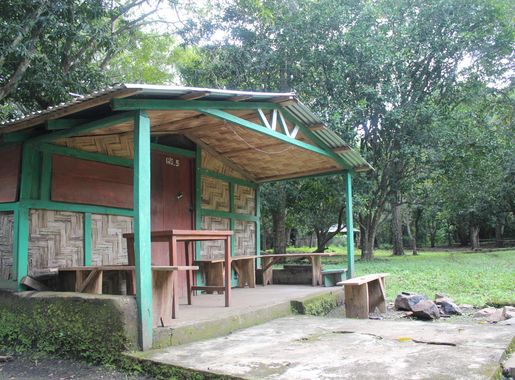
Browse through our photo collection highlighting the charm and character of the destination.




Kambia District: Sierra Leone's Hidden Gem
Nestled in the northwestern corner of Sierra Leone, Kambia District is a treasure trove of natural beauty and cultural richness. The district is bordered by Guinea to the north and west, offering a unique blend of Sierra Leonean and Guinean influences. The area is renowned for its lush landscapes, which include dense forests, rolling hills, and the serene Great Scarcies River. These picturesque settings make Kambia a paradise for nature lovers and adventure seekers alike. The district is home to several vibrant communities, each with its own unique customs and traditions. Visitors can immerse themselves in the local culture by participating in traditional dances, sampling local cuisine, and exploring bustling markets. The warmth and hospitality of the local people add to the district's charm, making every visit a memorable experience. Kambia District is not just about natural beauty and cultural experiences; it also offers a glimpse into Sierra Leone's rich history. The area is dotted with historical landmarks and sites that tell the story of the region's past. From ancient ruins to colonial-era buildings, history enthusiasts will find plenty to explore. Whether you're looking to unwind in nature, delve into history, or experience local culture, Kambia District has something for everyone.