
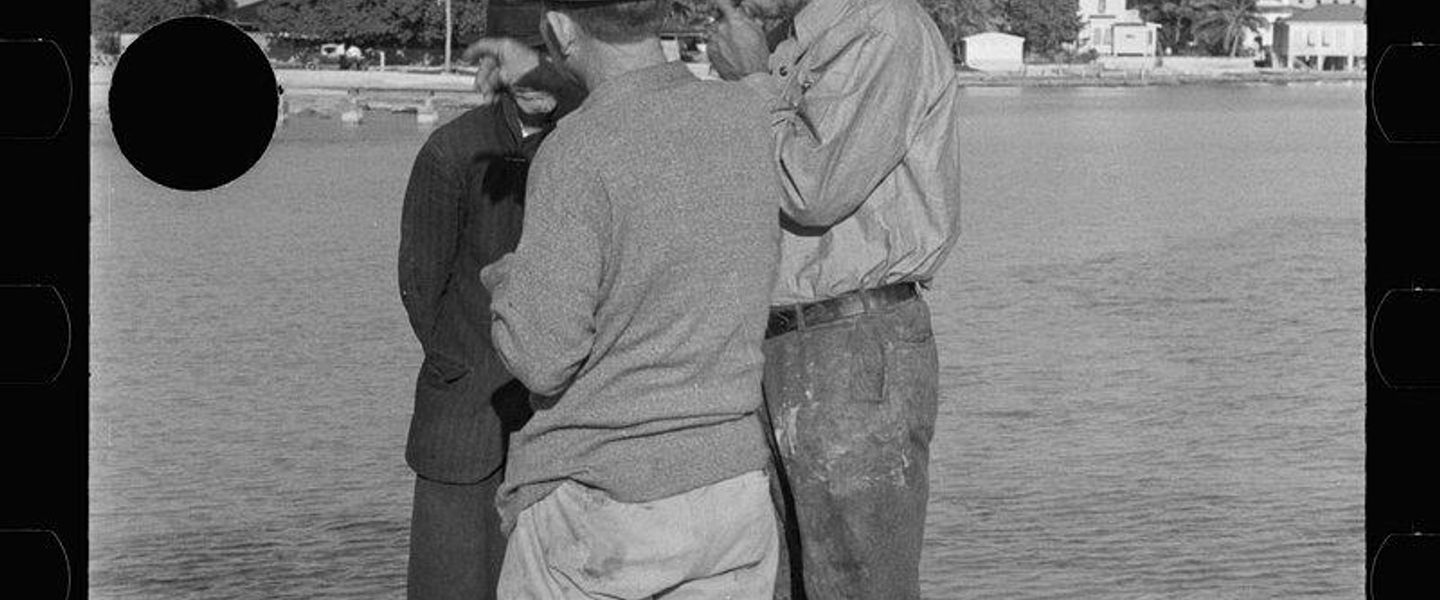
Bonthe District, Sierra Leone Travel Guide
Discover the tranquility of Bonthe District in Sierra Leone, where historic charm meets stunning natural beauty. Explore colonial towns, pristine beaches, and vibrant wildlife.
Nestled on the coast of Sierra Leone, Bonthe District offers an authentic and serene escape from the hustle and bustle of city life. Known for its rich history and beautiful landscapes, this district is a haven for nature lovers and history enthusiasts alike. Explore the historic town of Bonthe, where colonial architecture tells the tale of a bygone era. Wander through the quiet streets and discover the remnants of British influence, from old churches to stately homes. The town’s laid-back vibe and friendly locals make it a perfect spot to unwind and soak in the atmosphere. Beyond the town, Bonthe District boasts stunning natural beauty. The Sherbro River and its surrounding mangroves are teeming with wildlife, making it a paradise for birdwatchers and eco-tourists. Pristine beaches offer a tranquil setting for sunbathing and beachcombing, while the warm waters are perfect for swimming and fishing. For the adventurous, a trip to Turtle Islands is a must. This chain of islands, just off the coast, is known for its crystal-clear waters and vibrant marine life. Whether you’re snorkeling, diving, or simply enjoying a boat ride, the islands provide an unforgettable experience. Overall, Bonthe District is a destination that promises relaxation, adventure, and a glimpse into Sierra Leone’s rich cultural tapestry. It’s the perfect place to disconnect and reconnect with nature and history.

Know before you go
Hi, I'm Eve. Here are a few practical things to know before exploring Bonthe District.
- The best time to visit is during the dry season from November to April to avoid heavy rains.
- Bring cash, as ATMs and credit card facilities are limited in the district.
- Hire a local guide to explore the mangroves and understand the area’s unique ecosystem.
- Pack insect repellent and sunscreen to stay comfortable during your outdoor adventures.
- Respect local customs and traditions when visiting villages and interacting with residents.
Top City Travel Guides in Bonthe District
The cities of Bonthe District, and the easiest places to base yourself.

Destinations in Bonthe District
Resorts, valleys and scenic spots worth a trip of their own.


Explore Bonthe District: Things to Do, Places to Eat, Hotels & More
Handpicked recommendations for top attractions, local dining, accommodations, and more

Top Attractions & Sightseeing in Bonthe District


Best landmarks in Bonthe District
Top-rated picks
Best Landmarks

Sherbro Island
Experience the serene beauty and rich culture of Sherbro Island, a tropical paradise in Sierra Leone perfect for relaxation and adventure.

Town Tower
Explore the Town Tower in Bonthe, a historical landmark that embodies the rich cultural heritage and architectural beauty of Sierra Leone.

Bonthe Clock Tower
Explore the stunning Bonthe Clock Tower, a historical landmark that embodies the rich heritage and architectural charm of Sierra Leone's past.

Best restaurants in Bonthe District
Top-rated picks
Best Restaurants
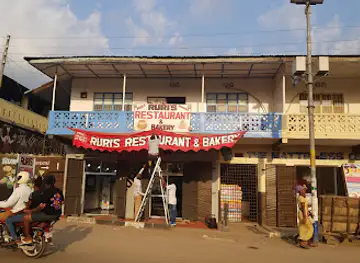
Ruri's Restaurant
Discover authentic West African flavors at Ruri's Restaurant in Bo – a must-visit dining spot for tourists seeking culinary delights.
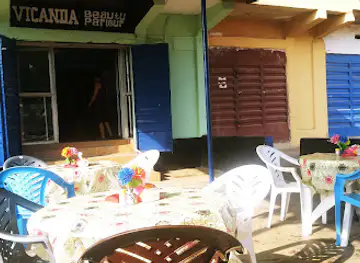
Vicanda Parlour Restaurant
Discover authentic Sierra Leonean flavors at Vicanda Parlour Restaurant in Bo – where every meal is a celebration of local culture.

Taiama
Experience authentic Sierra Leonean cuisine at Taiama – where every meal tells a story of flavor and tradition.

Hancess Bar and Restaurant
Experience authentic Sierra Leonean flavors at Hancess Bar and Restaurant in Bo - a culinary haven for every food lover.

Best bars in Bonthe District
Top-rated picks
Best Bars
Mamba Point Hotel Restaurant Lagoonda
Discover the culinary delights of Mamba Point Hotel Restaurant Lagoonda, where local flavors meet international cuisine in a stunning setting.

Leone sky bar
Experience breathtaking views and vibrant local cuisine at Leone Sky Bar, a premier dining destination in Freetown.

The Clubhouse
Discover the lively atmosphere of The Clubhouse in Makeni, where great drinks and friendly faces come together for an unforgettable experience.

Bafa Resort
Experience the ultimate tropical getaway at Bafa Resort, where tranquil beaches meet fresh seafood and exciting fishing adventures.


Best shops in Bonthe District
Top-rated picks
Best Shops

Bo Mini Market
Explore local flavors and vibrant culture at Bo Mini Market, the heart of grocery shopping in Bo, Sierra Leone.

Bellah section
Explore the vibrant Bellah section in Matru for unique home goods and an authentic taste of Sierra Leonean culture.

R.Reddy Enterprises India
Explore the local culture and flavors at R.Reddy Enterprises India, a delightful grocery store in Moriba Town, Sierra Leone.

Walters Plaza
Explore Walters Plaza in Bo, Sierra Leone: A vibrant shopping and dining destination that blends local culture with modern amenities for an unforgettable experience.

Explore Bonthe District on the Map
A handpicked selection of must-see spots in Bonthe District, mapped for you.
Bonthe District Essentials
-
Bonthe District is located in the Southern Province of Sierra Leone. The nearest international airport is Lungi International Airport in Freetown. From Freetown, you can take a taxi to the ferry terminal and then a ferry to Bonthe Island. Alternatively, you can also hire a private boat to Bonthe Island. The journey by road and ferry typically takes around 5 to 6 hours.
-
Transportation within Bonthe District is relatively limited. On Bonthe Island, the primary mode of transportation is by foot or bicycle. For longer distances, you can hire local boats or small motorized vehicles. Public transport options like minibuses are available but can be infrequent. Renting a motorbike can be a convenient option for exploring the island and the surrounding areas at your own pace.
-
The official currency in Sierra Leone is the Sierra Leonean Leone (SLL). Credit cards are not widely accepted in Bonthe District, so it is advisable to carry sufficient cash. ATMs are scarce, and it is recommended to withdraw enough cash in Freetown before traveling to Bonthe District. Local markets and small establishments generally only accept cash.
-
Bonthe District is generally a safe destination for tourists. However, it is advisable to take standard precautions. Avoid walking alone at night in unfamiliar areas and keep an eye on your belongings in crowded places. There are no specific high-crime areas targeting tourists, but it is always best to stay vigilant and aware of your surroundings.
-
In case of emergency, dial 117 for immediate assistance. There are local police stations and medical facilities available in Bonthe District. It is recommended to have travel insurance that covers medical emergencies. For minor health issues, there are pharmacies where you can purchase over-the-counter medications.
-
Fashion: Do dress modestly. Lightweight, breathable clothing is recommended due to the tropical climate. Avoid wearing revealing clothing. Religion: Do respect local customs and traditions. Always dress modestly when visiting religious sites. Public Transport: Do be polite and patient when using public transport. Don't be surprised by the lack of fixed schedules. Greetings: Do greet people with a smile and a handshake. Saying 'Hello' or 'How are you?' is appreciated. Eating & Drinking: Do try local delicacies and accept food offerings graciously. Don't refuse hospitality, as it is considered impolite.
-
To experience Bonthe District like a local, visit the local markets where you can buy fresh produce and traditional Sierra Leonean goods. Engage with locals, as they are often friendly and willing to share stories about the district's history and culture. Don't miss visiting the historical sites such as the old colonial buildings and the old church on Bonthe Island. For a unique experience, take a boat tour of the surrounding waterways and mangroves.
When is the best time to visit Bonthe District?
Useful Local Phrases for Bonthe District
You don't need to speak the language perfectly. Even learning a few simple words can make conversations warmer—and locals usually appreciate the effort.
— Eve

Here are the phrases I use most often in Bonthe District. Try a few—you'll be surprised how far they go! 😊
❤️
-
- HelloSalone
[Sah-loh-neh] - GoodbyeGoodbye
[Goo-dbye] - YesAye
[Eye] - NoNo
[No] - Please/You're welcomePlis/You de welcome
[Pleez/You day wel-kum] - Thank youTenki
[Ten-kee] - Excuse me/SorrySori
[So-ree] - How are you?Ow di?
[Oww dee?] - Fine. And you?I fine. An yu?
[I fine. An you?] - Do you speak English?Yu sabi Inglis?
[You sah-bee In-glice?] - I don't understandA no sabi
[Ah no sah-bee]
- HelloSalone
-
- I'd like to see the menu, pleaseA wan si di menu, plis
[Ah wan see dee meh-noo, pleez] - I don't eat meatA no de it meat
[Ah no day eet meet] - Cheers!Cheers!
[Cheers!] - I would like to pay, pleaseA wan pay, plis
[Ah wan pay, pleez]
- I'd like to see the menu, pleaseA wan si di menu, plis
-
- Help!Halp!
[Halp!] - Go away!Go way!
[Go way!] - Call the Police!Call di Police!
[Call dee Po-lees!] - Call a doctor!Call a docta!
[Call a doc-ta!] - I'm lostA don lost
[Ah don lost] - I'm illA de sick
[Ah day sick]
- Help!Halp!
-
- I'd like to buy...A wan buy...
[Ah wan bye...] - I'm just lookingA de just look
[Ah day just look] - How much is it?Ow much e be?
[Oww much eh bee?] - That's too expensiveDat too much
[Dat too much] - Can you lower the price?Yu fit lower di price?
[You fit low-er dee price?]
- I'd like to buy...A wan buy...
-
- What time is it?Wat time e be?
[Wat time eh bee?] - It's one o'clockE don one o'clock
[Eh don one o-clock] - Half past (10)Half past ten
[Half past ten] - MorningMornin
[Morn-ing] - AfternoonAfternoon
[Af-ter-noon] - EveningEvenin
[Eve-ning] - YesterdayYestaday
[Yes-ta-day] - TodayTudeh
[Too-day] - TomorrowTommorow
[To-mor-row] - 1Wan
[Wahn] - 2Tu
[Too] - 3Tri
[Tree] - 4Foh
[Foh] - 5Fiv
[Fiv] - 6Siks
[Siks] - 7Seven
[Sev-en] - 8Eit
[Eight] - 9Nain
[Nine] - 10Ten
[Ten]
- What time is it?Wat time e be?
-
- Where's a/the...?Weh na di...?
[Weh nah dee...?] - What's the address?Wet na di address?
[Wet nah dee ad-dress?] - Can you show me (on the map)?Yu fit show me (for di map)?
[You fit show me (for dee map)?] - When's the next (bus)?Wen di next (bus)?
[When dee next (bus)?] - A ticket (to ....)Wan ticket (to ....)
[Wahn tick-et (to ....)]
- Where's a/the...?Weh na di...?
History of Bonthe District
-
Bonthe District's history is deeply intertwined with the colonial era. The British established their influence in the 19th century, using the district as a key trading post. The town of Bonthe, located on Sherbro Island, became a significant hub for the export of palm oil, timber, and other resources. The colonial architecture still visible today serves as a testament to this period of British control.
-
Bonthe District played a crucial role in the history of slavery and its abolition. The British Crown declared the area a protectorate in 1861, which helped in curbing the slave trade along the West African coast. Freed slaves from the Americas and other regions were resettled in the district, contributing to its rich cultural tapestry. The heritage of these communities is still evident in the local culture and traditions.
-
The Sherbro people are the indigenous inhabitants of Bonthe District and have a rich cultural heritage. Known for their fishing and trading skills, the Sherbro have maintained a distinct identity through their language, customs, and traditional ceremonies. The Sherbro society is matrilineal, meaning lineage and inheritance are traced through the mother's side. This unique social structure has played a significant role in shaping the community's dynamics.
-
During World War II, Bonthe District saw a surge in economic activity as the Allies utilized its strategic location for military purposes. The construction of airstrips and other infrastructure led to a temporary economic boom. However, post-war, the district faced economic challenges as global demand for its primary exports waned. This period marked a significant shift in the district's economic landscape, transitioning from a colonial trading post to a more diversified economy.
-
The Sierra Leone Civil War (1991-2002) had a profound impact on Bonthe District. While the area was relatively less affected compared to other parts of the country, it still faced significant disruptions. The war led to a humanitarian crisis, with many residents displaced. The district also became a refuge for people fleeing conflict zones. The resilience and recovery of Bonthe District post-civil war are a testament to the strength and determination of its inhabitants.
-
Bonthe District is known for its vibrant cultural festivals, which celebrate the rich heritage of its people. The Sherbro people, in particular, host numerous ceremonies and festivals, such as the famous 'Poro' and 'Sande' societies' initiation rites. These festivals are not just social gatherings but also serve as important cultural and educational events, preserving and passing down traditions to younger generations.
-
Bonthe District is home to diverse ecosystems, including mangrove forests, wetlands, and coastal areas that are crucial for biodiversity. The district's natural environment has supported both traditional livelihoods like fishing and modern conservation efforts. The establishment of marine protected areas and ecological reserves aims to safeguard the unique flora and fauna, ensuring that the district's natural heritage is preserved for future generations.
Neighbouring Regions of Bonthe District
The closest regions to Bonthe District, if you have time for more than one.



Your all‑in‑one travel companion app
Explore expert travel guides, compare and book tours, experiences, hotels, and more—all from the palm of your hand. Download now for seamless trip planning wherever your wanderlust takes you.


Explore More of Sierra Leone

Looking beyond Bonthe District? Discover Sierra Leone for broader travel guides, local hot-spots, and regional highlights.
Explore Sierra LeoneBonthe District in Photos
Browse through our photo collection highlighting the charm and character of the destination.


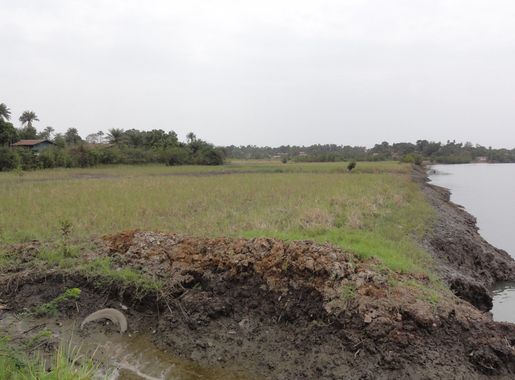
Bonthe District: Sierra Leone's Hidden Gem
Nestled on the coast of Sierra Leone, Bonthe District offers an authentic and serene escape from the hustle and bustle of city life. Known for its rich history and beautiful landscapes, this district is a haven for nature lovers and history enthusiasts alike. Explore the historic town of Bonthe, where colonial architecture tells the tale of a bygone era. Wander through the quiet streets and discover the remnants of British influence, from old churches to stately homes. The town’s laid-back vibe and friendly locals make it a perfect spot to unwind and soak in the atmosphere. Beyond the town, Bonthe District boasts stunning natural beauty. The Sherbro River and its surrounding mangroves are teeming with wildlife, making it a paradise for birdwatchers and eco-tourists. Pristine beaches offer a tranquil setting for sunbathing and beachcombing, while the warm waters are perfect for swimming and fishing. For the adventurous, a trip to Turtle Islands is a must. This chain of islands, just off the coast, is known for its crystal-clear waters and vibrant marine life. Whether you’re snorkeling, diving, or simply enjoying a boat ride, the islands provide an unforgettable experience. Overall, Bonthe District is a destination that promises relaxation, adventure, and a glimpse into Sierra Leone’s rich cultural tapestry. It’s the perfect place to disconnect and reconnect with nature and history.