

Pujehun District, Sierra Leone Travel Guide
Discover the unspoiled beauty and rich cultural tapestry of Pujehun District, an off-the-beaten-path destination in Sierra Leone.
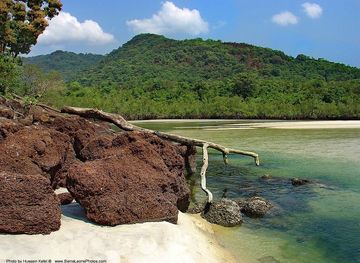
Pujehun District, located in the southern province of Sierra Leone, is a hidden treasure waiting to be explored. Known for its lush landscapes, serene rivers, and welcoming communities, this district offers a unique blend of natural beauty and cultural richness that is sure to captivate any traveler. Explore the pristine beaches along the Atlantic coast, perfect for a quiet retreat or a day of sunbathing. The Moa River, meandering through the district, provides excellent opportunities for fishing and canoeing. Nature enthusiasts will appreciate the verdant forests and wildlife, making it a paradise for bird watchers and eco-tourists. Pujehun is also a place of deep cultural heritage. Visitors can experience the traditional way of life by engaging with the local communities. Witness traditional dance and music performances, or partake in local festivals that showcase the district's vibrant culture. The hospitality of the people is unparalleled, making every visitor feel at home. Whether you're an adventurer, a history buff, or simply seeking tranquility, Pujehun District offers a unique and memorable experience that is far removed from the hustle and bustle of more commercial tourist destinations.

Know before you go
Hi, I'm Eve. Here are a few practical things to know before exploring Pujehun District.
- Pack light, breathable clothing as the climate is generally hot and humid.
- Carry insect repellent to protect against mosquitoes, especially if you plan to explore the forests.
- Engage with local guides for a more immersive and informative experience.
- Respect local customs and traditions, especially when visiting villages and participating in festivals.
- Bring cash, as ATMs and card facilities may be limited in rural areas.
Top City Travel Guides in Pujehun District
The cities of Pujehun District, and the easiest places to base yourself.
Explore Pujehun District: Things to Do, Places to Eat, Hotels & More
Handpicked recommendations for top attractions, local dining, accommodations, and more

Top Attractions & Sightseeing in Pujehun District
Top-rated picks
Best Attractions

Tiwai Island Wildlife Sanctuary
Experience the natural beauty and rich biodiversity of Tiwai Island Wildlife Sanctuary in Sierra Leone, a perfect destination for adventure and family fun.

Sulima Community, Sierra Leone
Explore Sulima, a vibrant community in Sierra Leone with stunning beaches, rich culture, and friendly locals, perfect for an unforgettable travel experience.

Best landmarks in Pujehun District
Top-rated picks
Best Landmarks

Tiwai Island Wildlife Sanctuary
Explore the lush rainforests and diverse wildlife of Tiwai Island Wildlife Sanctuary, a hidden gem in Sierra Leone's natural landscape.

Gbondapi, Pujehun District, Sierra Leone
Experience the vibrant community spirit and rich cultural heritage at the Gbondapi Community Center in Sierra Leone's Pujehun District.


Best bars in Pujehun District
Top-rated picks
Best Bars

The Warehouse
Dive into the nightlife at The Warehouse, Freetown's ultimate bar and nightclub, where music and good vibes come together for an unforgettable experience.

Leone sky bar
Experience breathtaking views and exquisite cuisine at Leone Sky Bar, a top dining destination in Freetown, perfect for every occasion.

Eddies Bar and Grill
Discover the flavors of Freetown at Eddie's Bar and Grill, where grilled delights meet a vibrant dining atmosphere.

The Clubhouse
Discover the vibrant nightlife at The Clubhouse in Makeni, where local flavors meet international delights in a lively bar atmosphere.


Best shops in Pujehun District
Top-rated picks
Best Shops

Bo Mini Market
Discover local culture and flavors at Bo Mini Market, your go-to grocery store in the heart of Sierra Leone's Bo city.

Walters Plaza
Experience the local culture and modern shopping at Walters Plaza, Bo’s vibrant shopping mall with diverse offerings and delicious dining.

Bhavya drishti Enterprises
Discover local produce and culinary treasures at Bhavya Drishti Enterprises in Bo, Sierra Leone – a must-visit grocery store for every traveler.

Smart Market SL
Explore Smart Market SL in Bo for the latest cell phones, accessories, and exceptional service, ensuring you're connected during your travels.

Explore Pujehun District on the Map
A handpicked selection of must-see spots in Pujehun District, mapped for you.
Pujehun District Essentials
-
Pujehun District is located in the Southern Province of Sierra Leone. The nearest international airport is Lungi International Airport in Freetown, approximately 300 kilometers away. From Freetown, you can take a bus, taxi, or hire a private car to reach Pujehun District. The journey typically takes around 6 to 7 hours by road. There are no direct flights or trains to Pujehun, so overland travel is the primary means of getting there.
-
Within Pujehun District, transportation options include motorbike taxis (locally known as 'okadas'), shared taxis, and minibuses. Okadas are a quick and convenient way to get around, especially for short distances. Shared taxis and minibuses operate between towns and villages. Renting a private vehicle can also be an option if you prefer more comfort and flexibility. Roads can be rough and unpaved, so be prepared for a bumpy ride.
-
The official currency in Sierra Leone is the Sierra Leonean Leone (SLL). Credit cards are not widely accepted, so it is advisable to carry sufficient cash. ATMs are scarce in Pujehun District, so it is recommended to withdraw cash in Freetown before traveling. Carrying smaller denominations can be useful for making transactions in local markets and with small vendors.
-
Pujehun District is generally safe for tourists, but it is wise to take standard precautions. Avoid walking alone at night and keep an eye on your belongings in crowded places. While there are no specific high-crime areas targeting tourists, always stay vigilant and aware of your surroundings. It is also advisable to travel in groups, especially in remote areas.
-
In case of emergency, dial 117 for medical emergencies and 999 for police assistance. Local clinics and health centers are available, but facilities may be limited, so having travel insurance that covers medical emergencies is recommended. For minor health issues, there are pharmacies where you can purchase over-the-counter medications. It is also a good idea to carry a basic first-aid kit.
-
Fashion: Do dress modestly, especially in rural areas and when visiting religious sites. Avoid wearing revealing clothing. Religion: Do respect local customs and traditions. Always remove your shoes when entering a mosque. Public Transport: Do be respectful and courteous to drivers and fellow passengers. Don't eat or drink on public transport. Greetings: Do greet people with a handshake and a smile. A warm greeting is appreciated. Eating & Drinking: Do try local delicacies and accept food offerings graciously. Don't refuse hospitality, as it is considered impolite.
-
To experience Pujehun District like a local, visit the weekly markets where you can buy fresh produce and traditional Sierra Leonean goods. Engage with locals, as they are often friendly and willing to share stories about the area's history and culture. Don't miss visiting the Tiwai Island Wildlife Sanctuary, which offers a unique opportunity to see a variety of wildlife, including primates and rare bird species. For a memorable experience, take a guided tour with a local to learn about the rich cultural heritage of the region.
When is the best time to visit Pujehun District?
Useful Local Phrases for Pujehun District
You don't need to speak the language perfectly. Even learning a few simple words can make conversations warmer—and locals usually appreciate the effort.
— Eve

Here are the phrases I use most often in Pujehun District. Try a few—you'll be surprised how far they go! 😊
❤️
-
- HelloKushe
[koo-sheh] - GoodbyeNai
[nigh] - YesAye
[eye] - NoNo
[noh] - Please/You're welcomePliz
[pleez] - Thank youTenki
[ten-kee] - Excuse me/SorrySori
[soh-ree] - How are you?Ow di bodi?
[ow dee boh-dee] - Fine. And you?Fine. An yu?
[fine. an yoo] - Do you speak English?Yu sabi Inglis?
[yoo sah-bee in-glis] - I don't understandA no sabi
[ah noh sah-bee]
- HelloKushe
-
- I'd like to see the menu, pleaseA wan si di menu, pliz
[ah wan see dee men-oo, pleez] - I don't eat meatA no dey chop meat
[ah noh day chop meet] - Cheers!Salute!
[sah-loot] - I would like to pay, pleaseA wan pay, pliz
[ah wan pay, pleez]
- I'd like to see the menu, pleaseA wan si di menu, pliz
-
- Help!Help!
[help] - Go away!Goh wey!
[goh way] - Call the Police!Call di Police!
[call dee po-lees] - Call a doctor!Call a doctor!
[call ah dok-ta] - I'm lostA don lost
[ah don lost] - I'm illA don sik
[ah don seek]
- Help!Help!
-
- I'd like to buy...A wan buy...
[ah wan buy...] - I'm just lookingA jst de luk
[ah jst de look] - How much is it?Ow much e be?
[ow much eh beh] - That's too expensiveDat e too much
[dat eh too much] - Can you lower the price?Yu fit lower di price?
[yoo fit low-er dee price]
- I'd like to buy...A wan buy...
-
- What time is it?Wet in di time?
[wet in dee time] - It's one o'clockE don one o'clock
[eh don won oh-clock] - Half past (10)Half past (10)
[half past (ten)] - MorningMornin
[mor-ning] - AfternoonAfternoon
[af-ter-noon] - EveningEvening
[ee-ven-ing] - YesterdayYestaday
[yes-ta-day] - TodayTudeh
[too-day] - TomorrowTomorow
[to-mor-row] - 1Wan
[wan] - 2Tu
[too] - 3Tri
[tree] - 4Foh
[foh] - 5Faiv
[five] - 6Siks
[siks] - 7Sev
[sev] - 8Eit
[eight] - 9Nayn
[nine] - 10Ten
[ten]
- What time is it?Wet in di time?
-
- Where's a/the...?Weh na di...?
[weh nah dee...?] - What's the address?Wet in di address?
[wet in dee ad-dress] - Can you show me (on the map)?Yu fit show me (on di map)?
[yoo fit show me (on dee map)?] - When's the next (bus)?When di next (bus)?
[when dee next (bus)?] - A ticket (to ....)Wan tiket (to ....)
[wan tee-ket (to ....)]
- Where's a/the...?Weh na di...?
History of Pujehun District
-
Before the arrival of European colonizers, the area now known as Pujehun District was inhabited by indigenous tribes such as the Mende and Vai. These communities thrived on agriculture, hunting, and fishing, and they established complex social structures and rich cultural traditions. The Mende people, in particular, are known for their secret societies such as the Poro and Sande, which play crucial roles in community governance and cultural preservation.
-
Pujehun District, like much of Sierra Leone, came under British colonial rule in the 19th century. The British established trading posts and administrative centers, significantly altering the region's socio-economic landscape. The introduction of cash crops like cocoa and coffee led to changes in agricultural practices and local economies. Colonial rule also impacted local governance structures, as traditional leaders were often co-opted into the colonial administration.
-
One of the most significant historical events in Pujehun District was the Hut Tax War of 1898, a rebellion against British colonial taxation policies. The imposition of a tax on every dwelling incited widespread resistance among the local population. Although the rebellion was eventually quashed, it remains a poignant symbol of resistance to colonial exploitation and has left a lasting legacy in the district's collective memory.
-
Following Sierra Leone's independence from British rule in 1961, Pujehun District experienced its share of political turbulence. The district was involved in various national political movements and conflicts. During the Sierra Leone Civil War (1991-2002), Pujehun District was one of the regions severely affected by the conflict. Many communities were displaced, and the district's infrastructure was significantly damaged. The post-war period has been marked by efforts at reconstruction and reconciliation.
-
Despite the challenges of colonialism and modern political upheavals, Pujehun District has managed to preserve its rich cultural heritage. Traditional music, dance, and festivals remain integral parts of community life. The Mende language is widely spoken, and cultural practices such as storytelling, weaving, and carving are still prevalent. The district's vibrant cultural scene offers a window into the resilience and creativity of its people.
-
Agriculture remains the backbone of Pujehun District's economy. The fertile lands are ideal for growing crops like rice, cocoa, coffee, and palm oil. In recent years, there have been efforts to diversify the local economy through initiatives in education, healthcare, and small-scale industries. Development projects have focused on improving infrastructure, such as roads and schools, to enhance the quality of life for residents.
Neighbouring Regions of Pujehun District
The closest regions to Pujehun District, if you have time for more than one.




Your all‑in‑one travel companion app
Explore expert travel guides, compare and book tours, experiences, hotels, and more—all from the palm of your hand. Download now for seamless trip planning wherever your wanderlust takes you.


Explore More of Sierra Leone

Looking beyond Pujehun District? Discover Sierra Leone for broader travel guides, local hot-spots, and regional highlights.
Explore Sierra LeonePujehun District in Photos
Browse through our photo collection highlighting the charm and character of the destination.




Pujehun District: Sierra Leone's Untouched Gem
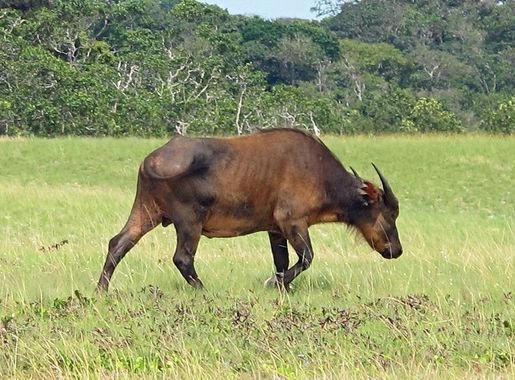
Pujehun District, located in the southern province of Sierra Leone, is a hidden treasure waiting to be explored. Known for its lush landscapes, serene rivers, and welcoming communities, this district offers a unique blend of natural beauty and cultural richness that is sure to captivate any traveler. Explore the pristine beaches along the Atlantic coast, perfect for a quiet retreat or a day of sunbathing. The Moa River, meandering through the district, provides excellent opportunities for fishing and canoeing. Nature enthusiasts will appreciate the verdant forests and wildlife, making it a paradise for bird watchers and eco-tourists. Pujehun is also a place of deep cultural heritage. Visitors can experience the traditional way of life by engaging with the local communities. Witness traditional dance and music performances, or partake in local festivals that showcase the district's vibrant culture. The hospitality of the people is unparalleled, making every visitor feel at home. Whether you're an adventurer, a history buff, or simply seeking tranquility, Pujehun District offers a unique and memorable experience that is far removed from the hustle and bustle of more commercial tourist destinations.