

Free Western Area Rural District Travel Guide & Mobile App
Explore Western Area Rural District with free travel guides. Discover regional history, expert tips, proposed trips, and audio guides on web or mobile app.


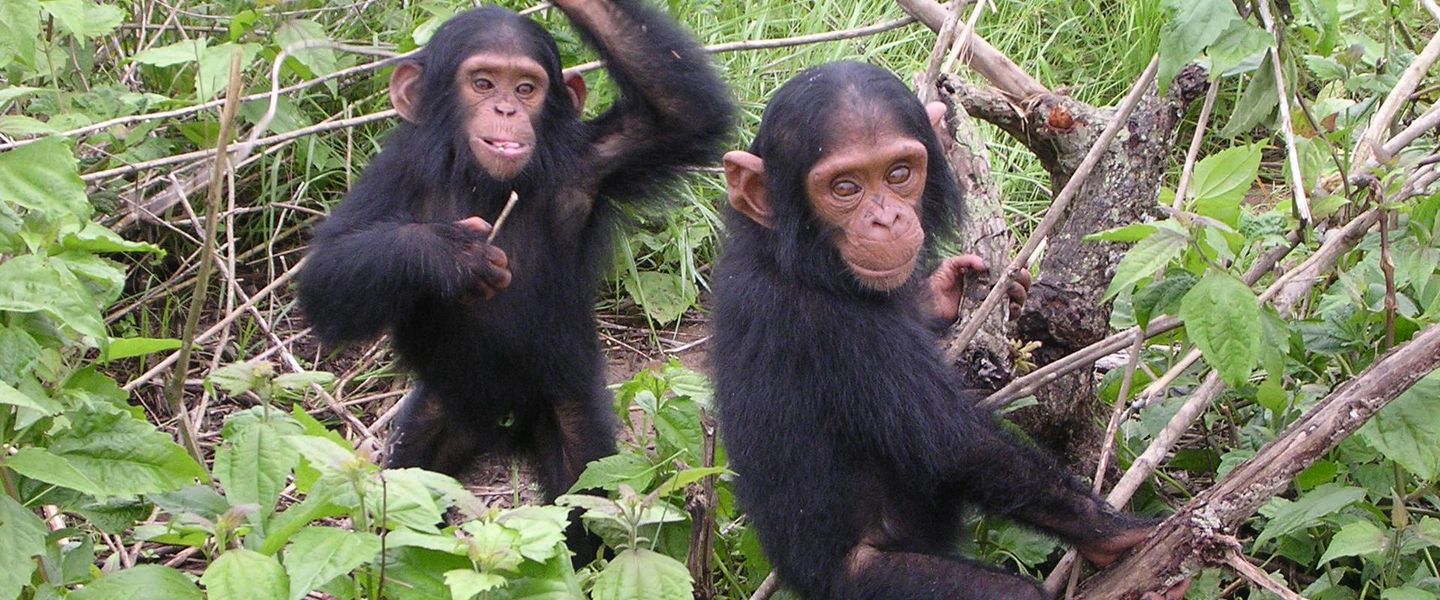


Western Area Rural District brings together Sierra Leone’s forested peninsula, Atlantic beaches, historic islands and wildlife conservation near Freetown.
Read more about Western Area Rural District
When is the best time to visit Western Area Rural District?
Best: December–February · 29–30°C| Month | High (°C) | Rainfall (mm) |
|---|---|---|
| January (best) | 29 | 3 |
| February (best) | 30 | 7 |
| March | 31 | 20 |
| April | 31 | 46 |
| May | 30 | 109 |
| June | 29 | 243 |
| July | 29 | 390 |
| August | 29 | 475 |
| September | 29 | 383 |
| October | 29 | 183 |
| November | 29 | 52 |
| December (best) | 29 | 8 |
Getting to and around Western Area Rural District
How to get there
Transportation
Top city travel guides in Western Area Rural District
The cities of Western Area Rural District, and the easiest places to base yourself.

Swipe for more cities
Destinations in Western Area Rural District
Resorts, valleys and scenic spots worth a trip of their own.
-

-

-


Swipe for more destinations
Best attractions in Western Area Rural District
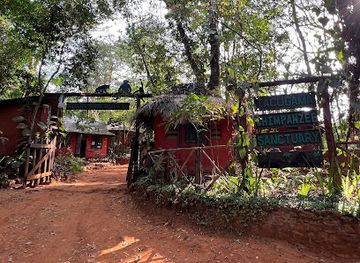
Western Area Rural District's attractions are defined by the relationship between forest, coast and history. Tacugama Chimpanzee Sanctuary near Regent is the region's leading conservation visit, offering an informed introduction to rescued chimpanzees and the need to protect the peninsula's remaining habitats. The southern coast includes River Number Two, Tokeh and Sussex, where beaches, lagoons, fishing activity and small-scale hospitality provide opportunities for swimming, walking and quiet coastal observation, subject to local sea conditions. Further offshore, the Banana Islands combine forested island scenery, fishing communities and historic associations, while Bunce Island offers a serious heritage visit among the remains of a former slave-trading fort. Inland roads and hill communities provide changing views over the peninsula, although some routes are slow or weather-dependent. The district is better suited to guided day excursions, beach stays and carefully arranged boat journeys than to a dense programme of urban museums or purpose-built attractions.
-
Museum
Sierra Leone Peace Museum
Explore the Sierra Leone Peace Museum in Freetown and uncover the powerful journey of resilience and hope in the heart of West Africa.
-
Babel Entertainment Center
Discover the lively Babel Entertainment Center in Kebbie Town, where entertainment and local culture come together for an unforgettable experience.
-
 Monument
St. Charles’ Kirche und Reste der Mauern des King’s Yard
Explore the architectural beauty of St. Charles’ Kirche and the historical remnants of King’s Yard in Waterloo, a must-visit for culture and history enthusiasts.
-
Tourist attraction
Art of Living Sierra Leone
Explore the vibrant culture and community spirit at the Art of Living Sierra Leone in Freetown - a unique tourist attraction celebrating heritage.
Best landmarks in Western Area Rural District
Bunce Island is the district's most consequential historic landmark: its ruined fort and trading settlement stand as material evidence of the Atlantic slave trade and its links with the Americas. The site is reached by boat and should be approached with historical respect rather than treated simply as a ruin. The Banana Islands provide a different landmark landscape, where island settlements, coastal vegetation, churches and remnants associated with earlier Atlantic activity sit within a maritime setting. Around Regent, the forested hills and prominent slopes of the peninsula form a natural backdrop visible from many approaches, while the long beaches and lagoons of River Number Two and Tokeh are recognisable geographical features rather than merely recreational facilities. In the southern coastal villages, fishing boats, landing places and shoreline settlements express the continuing relationship between people and sea. These landmarks are dispersed, and their meaning is best understood through the region's connected histories of environment, migration, trade and coastal life.
-
Wildlife rescue service
Tacugama Chimpanzee Sanctuary
Discover Tacugama Chimpanzee Sanctuary in Freetown - a unique wildlife rescue service and tourist attraction dedicated to chimpanzee conservation.
-
Historical landmark
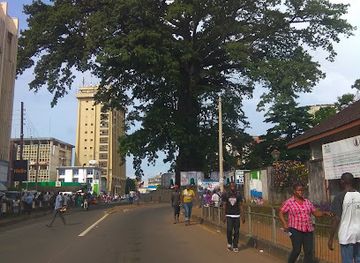
Cotton Tree
Discover the historical significance and natural beauty of Cotton Tree, a landmark that embodies the spirit of Freetown and its vibrant culture.
-
National park
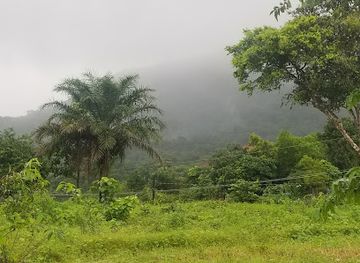
Western Area National Park
Experience the breathtaking landscapes and rich biodiversity of Western Area National Park, a premier destination for nature lovers and adventure seekers in Sierra Leone.
-
Museum
Sierra Leone Peace Museum
Explore Sierra Leone's past and present at the Peace Museum, where history and hope converge in Freetown.
Explore Western Area Rural District on the map
Plan your trip on one map. See where the top cities, national parks and sights are, and book hotels and experiences in a few clicks.
Best hotels in Western Area Rural District
Best restaurants in Western Area Rural District
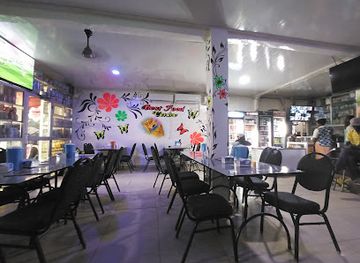
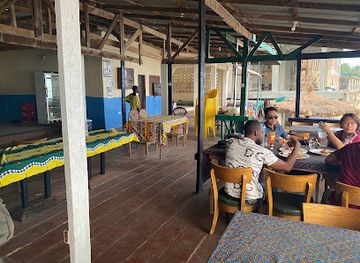
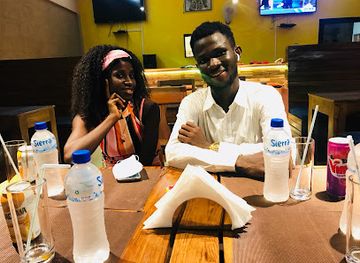
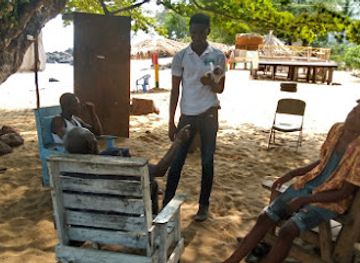
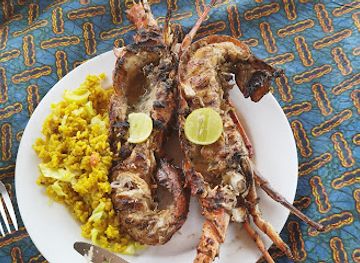
Dining in Western Area Rural District is closely tied to Sierra Leonean home cooking, coastal trade and the practical limits of rural supply. Around Waterloo and the more developed beach areas, visitors may find restaurants, guesthouse dining rooms and informal food stalls serving rice with fish, chicken or sauces, alongside cassava, plantain, fried snacks and seasonal vegetables. Freshly prepared seafood is particularly relevant on the coast, although availability depends on landings, weather and local demand rather than a fixed menu. Palm oil, groundnuts, peppers and leafy sauces are common elements of the country's cooking, while sweet drinks and tropical fruit appear widely. In smaller communities, choices can be limited, so pre-arranging meals is sensible for island and remote beach visits. Freetown, outside the district, offers the broadest range of national and international dining and is often used as the culinary base for excursions into the peninsula.
-
Restaurant
Whatsapp Restaurant
Discover the flavors of Sierra Leone at Whatsapp Restaurant in Bassa Town - where local meets global in a vibrant dining atmosphere.
-
Restaurant
Paul's Beach Bar & Restaurant
Experience delicious seafood and local flavors at Paul's Beach Bar & Restaurant while enjoying breathtaking ocean views in Lakka.
-
Restaurant
Amaala's Delight
Experience authentic Sierra Leonean cuisine at Amaala's Delight - a culinary gem in Freetown offering flavorful dishes and warm hospitality.
-
Restaurant
DupsaL Resort
Discover the flavors of Sierra Leone at DupsaL Resort – where every meal tells a story amidst stunning natural beauty.
Best bars in Western Area Rural District
Evening life in Western Area Rural District is generally low-key and concentrated around beach lodges, guesthouses, restaurants and local bars rather than a large nightclub circuit. Coastal establishments may offer cold drinks, music and informal socialising, with atmosphere and opening arrangements varying by season, weather and location. Around Waterloo and the more populated roadside communities, small bars and food venues serve local residents, while the southern beaches are more oriented towards sunset, conversation and overnight stays than late-night clubbing. Organised accommodation is the sensible choice for visitors planning to drink, as roads can be dark, congested or difficult after rain. Freetown, outside the district, has the country's widest selection of clubs, live music and late-night venues, but it should not be confused with the rural peninsula's more community-based evening culture.
-
Grill
Eddies Bar and Grill
Discover the vibrant flavors of Freetown at Eddie's Bar and Grill, where local cuisine meets a welcoming atmosphere.
-
Restaurant
Paul's Beach Bar & Restaurant
Discover the essence of seaside dining at Paul's Beach Bar & Restaurant in Lakka, where fresh flavors meet breathtaking views.
-
Hotel
The View Hotel, Restaurant & Sky Lounge
Experience the essence of Freetown at The View Hotel, Restaurant & Sky Lounge, where breathtaking views meet exquisite West African cuisine.
-
Restaurant
Pulse Resturant and Bar
Experience the vibrant flavors of Freetown at Pulse Restaurant and Bar, where local cuisine meets a lively atmosphere.

Best nightclubs in Western Area Rural District
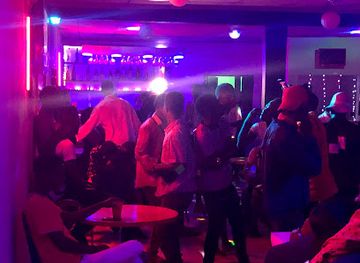
Evening life in Western Area Rural District is generally low-key and concentrated around beach lodges, guesthouses, restaurants and local bars rather than a large nightclub circuit. Coastal establishments may offer cold drinks, music and informal socialising, with atmosphere and opening arrangements varying by season, weather and location. Around Waterloo and the more populated roadside communities, small bars and food venues serve local residents, while the southern beaches are more oriented towards sunset, conversation and overnight stays than late-night clubbing. Organised accommodation is the sensible choice for visitors planning to drink, as roads can be dark, congested or difficult after rain. Freetown, outside the district, has the country's widest selection of clubs, live music and late-night venues, but it should not be confused with the rural peninsula's more community-based evening culture.
-
Night club
P-LAX LOUNGE
Discover the heartbeat of the city's nightlife at P-LAX Lounge, where music, dancing, and vibrant energy come together.
-
Night club
Ransim Night club
Explore Freetown's nightlife at Ransim Night Club, where vibrant music and thrilling dance await every night of the week.
-
Disco club
UN Drive Deep Eye Water
Experience the vibrant nightlife at UN Drive Deep Eye Water, a premier disco club in Devil Hole, where music and dance create unforgettable moments.
-
Night club
old school junction
Discover the vibrant nightlife of Freetown at Old School Junction, where music, dance, and local culture come alive in a lively atmosphere.


Best shops in Western Area Rural District
Shopping in Western Area Rural District is practical and locally focused rather than centred on major retail complexes. Waterloo is the principal commercial hub within the district, with markets and roadside traders selling food, clothing, household goods and everyday supplies. Smaller communities serve local needs through stalls and modest shops, while beach settlements may offer drinks, snacks, seafood and occasional locally made items rather than a dependable souvenir selection. Visitors can look for woven goods, carved objects, textiles, baskets and regional food products, but quality and availability vary, and respectful bargaining should not become aggressive negotiation. Fresh produce, cassava products, plantain, spices and fish reflect the district's rural and coastal economy. For a wider choice of crafts, books, contemporary goods and formal retail, Freetown outside the district is the more practical destination; supplies for island or remote beach trips should be bought before departure.
-
Supermarket
Freetown Mall
Explore Freetown Mall: Your Gateway to Local Flavors and Everyday Essentials in Sierra Leone.
-
Supermarket
CHOITHRAM SUPERMARKET
Explore the vibrant Choithram Supermarket in Freetown for a unique shopping experience that blends local flavors with international goods.
-
Clothing store
calaba Town
Discover Calaba Town, Freetown's vibrant clothing hub, where local fashion and friendly faces create an unforgettable shopping experience.
-
Grocery store
Ishwari Supermarket
Discover authentic Sierra Leonean flavors and unique products at Ishwari Supermarket, your go-to destination for groceries and more in Freetown.

Get your free copy of our complete guide to Western Area Rural District, delivered straight to you.
Everything on this page, from attractions and restaurants to essentials and local phrases, in one PDF you can read offline, print or share.
Already have an account? Sign in
Your Western Area Rural District guide is ready.
We'll send it to · Not you? Sign out

Getting your guide ready…
We are putting together a fresh copy of the Western Area Rural District guide. This can take up to a minute.
This can take a few moments. If your browser asks, choose Allow so the download can start. You'll find the guide in your Downloads folder.
Nothing happened? Download it again
Sorry, the guide is taking longer than usual. Please try again in a minute, or get it by email instead.
Western Area Rural District essentials
Currency and Payment
Safety
Emergency Situations
Do's and Don'ts
Local Tips
From Eve
Local phrases worth knowing
You don't need to get them perfect. A few words go a long way, and locals appreciate the effort.
Basics
| English | Local | Say it |
|---|---|---|
| Hello | Salone | [sah-loh-neh] |
| Goodbye | Bye bye | [bye bye] |
| Yes | Yes | [yes] |
| No | No | [no] |
| Please/You're welcome | Plis | [plees] |
| Thank you | Tenki | [ten-kee] |
| Excuse me/Sorry | Sori | [soh-ree] |
| How are you? | How you de? | [how yoo deh?] |
| Fine. And you? | Fine. An you? | [fine. an yoo?] |
| Do you speak English? | You sabi English? | [yoo sah-bee in-glish?] |
| I don't understand | Mi no sabi | [mee noh sah-bee] |
Eating & Drinking
| English | Local | Say it |
|---|---|---|
| I'd like to see the menu, please | Mi wan si di menu, plis | [mee wan see dee meh-noo, plees] |
| I don't eat meat | Mi no eat meat | [mee noh eet meet] |
| Cheers! | Cheers! | [cheers] |
| I would like to pay, please | Mi wan pay, plis | [mee wan pay, plees] |
Emergencies
| English | Local | Say it |
|---|---|---|
| Help! | Help! | [help] |
| Go away! | Go way! | [go weh] |
| Call the Police! | Call di Police! | [kahl dee poh-lees] |
| Call a doctor! | Call a doctor! | [kahl a dok-tah] |
| I'm lost | Mi don lost | [mee don lost] |
| I'm ill | Mi sick | [mee sik] |
Shopping
| English | Local | Say it |
|---|---|---|
| I'd like to buy... | Mi wan buy... | [mee wan buy...] |
| I'm just looking | Mi jus de look | [mee jus deh look] |
| How much is it? | How much e be? | [how much eh beh?] |
| That's too expensive | Dat too much | [daht too moch] |
| Can you lower the price? | You fit lower di price? | [yoo feet low-eh dee prais?] |
Time & Numbers
| English | Local | Say it |
|---|---|---|
| What time is it? | Wetin time e be? | [we-ting time eh beh?] |
| It's one o'clock | E don one o'clock | [eh don wan o-clock] |
| Half past (10) | Half past ten | [half past ten] |
| Morning | Mornin' | [mor-ning] |
| Afternoon | Afternoon | [af-ter-noon] |
| Evening | Evenin' | [ee-ven-ing] |
| Yesterday | Yestahday | [yes-tah-day] |
| Today | Tudeh | [too-deh] |
| Tomorrow | Tomorow | [toh-mor-row] |
| 1 | One | [wan] |
| 2 | Two | [too] |
| 3 | Three | [three] |
| 4 | Four | [for] |
| 5 | Five | [fai-v] |
| 6 | Six | [siks] |
| 7 | Seven | [sev-en] |
| 8 | Eight | [ait] |
| 9 | Nine | [nain] |
| 10 | Ten | [ten] |
Transport & Directions
| English | Local | Say it |
|---|---|---|
| Where's a/the...? | Weh na di...? | [weh nah dee...?] |
| What's the address? | Wet na di address? | [wet nah dee ah-dress?] |
| Can you show me (on the map)? | You fit show me (for di map)? | [yoo feet show mee (for dee map)?] |
| When's the next (bus)? | When di next (bus) go come? | [wen dee next (bus) go come?] |
| A ticket (to ....) | A ticket (to ...) | [a tiket (to ...)] |
History of Western Area Rural District
Early Temne, Bullom and Coastal Communities
Long before the colonial period, the Freetown Peninsula and its nearby islands were inhabited and used by communities including Temne and Bullom-speaking peoples, alongside other groups connected through trade and migration. Coastal waterways supported fishing, salt production, farming and exchange, while the forested peninsula provided resources and protected inland settlements. The region's historical identity therefore did not begin with Freetown: its villages, shorelines and islands formed part of older networks linking the Sierra Leone coast with neighbouring territories and the wider Atlantic world.
The Atlantic Slave Trade and Bunce Island
Bunce Island became one of the most important British slave-trading posts on the Upper Guinea coast during the eighteenth century. European traders operated from its fortified settlement, sending enslaved Africans across the Atlantic, particularly to plantations in the British North American colonies and the Caribbean. The surviving ruins are a stark reminder of the violence and commercial systems of the trade. Although the fort is now abandoned, its location in the river and its links with Atlantic history give the surrounding waters enduring historical significance.
Freetown, the Province of Freedom and the Peninsula
Freetown was founded in 1792 by formerly enslaved Black settlers arriving from North America, Britain and Nova Scotia, and later became a centre for liberated Africans resettled under British protection. The settlement's growth influenced the wider peninsula through roads, religious institutions, trade and changing patterns of land use. Communities beyond the urban core developed their own identities, but their proximity to Freetown brought them into an expanding colonial and commercial orbit. The region's present cultural diversity reflects these layered migrations as well as older local communities.
Colonial Administration and Missionary Activity
During the nineteenth and early twentieth centuries, British colonial administration, Christian missions and commercial enterprises reshaped the peninsula. Roads and landing places connected rural communities with Freetown, while schools, churches and agricultural initiatives altered local social and economic life. Coastal settlement remained important, and the hills around the peninsula attracted interest for their climate, forests and access to the capital. Colonial influence was never uniform: local authorities, customary landholding and village economies continued to shape everyday life outside the city.
Agriculture, Fishing and the Expansion of the Peninsula
For much of the twentieth century, communities in the district relied on combinations of subsistence farming, fishing, small-scale trading and work connected to Freetown. Rice, cassava, vegetables and tree crops have formed part of the rural economy, while the coast supports fishing and related commerce. Population growth around Waterloo and along roads leading from the capital has increased pressure on land, wetlands, forests and infrastructure. The district's modern character is consequently shaped by both rural livelihoods and metropolitan expansion.
Conservation and Post-war Renewal
Sierra Leone's civil war damaged institutions and livelihoods across the country, but the post-war period also brought renewed attention to environmental protection and heritage tourism. The establishment and development of Tacugama Chimpanzee Sanctuary helped make the Freetown Peninsula an important centre for chimpanzee rescue, education and habitat conservation. Community-based tourism, beach development and heritage work around sites such as Bunce Island have since offered alternatives to purely extractive use of the coast, although conservation and development remain ongoing challenges.
Western Area Rural District in Photos
Browse through our photo collection highlighting the charm and character of the destination.
Neighbouring regions of Western Area Rural District
The closest regions to Western Area Rural District, if you have time for more than one.
-

-

-

-

-


Swipe for more regions
Explore more

Explore more of Sierra Leone
Discover Sierra Leone, a West African treasure with pristine beaches, lush rainforests, rich history, and vibrant cultures, offering unforgettable adventures and warm hospitality.
Explore Sierra Leone