

Free Bo District Travel Guide & Mobile App
Explore Bo District with free travel guides. Discover regional history, expert tips, proposed trips, and audio guides on web or mobile app.


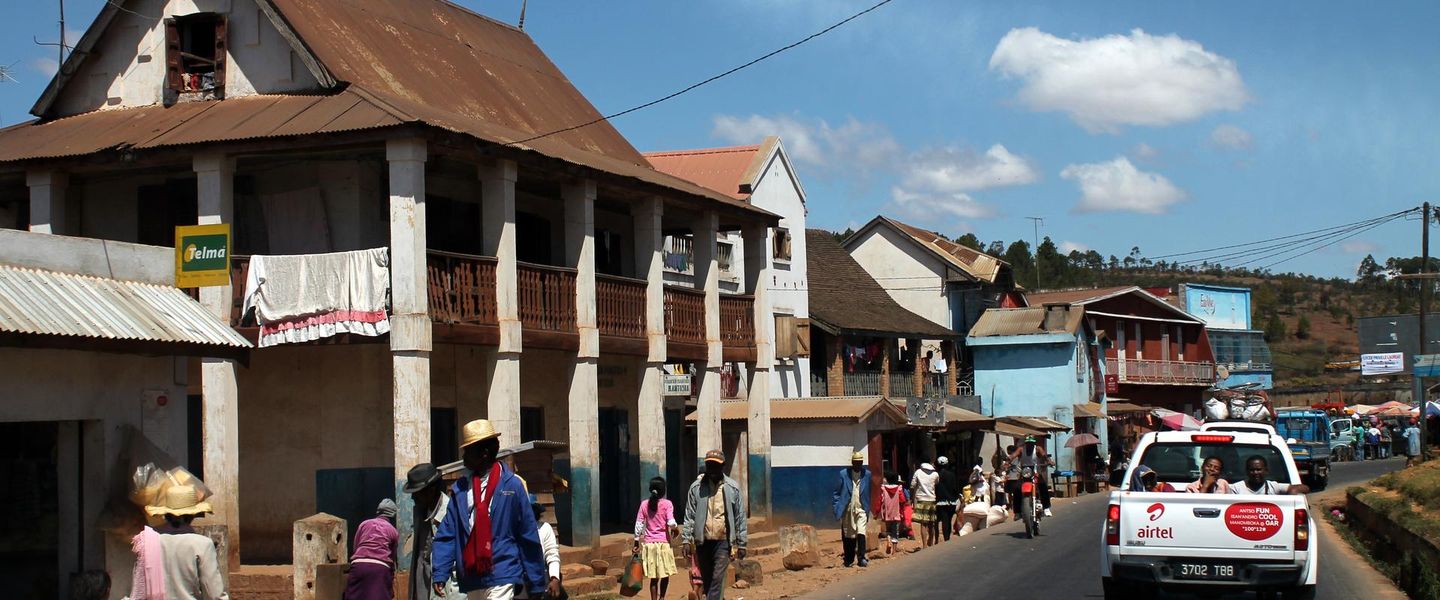


Explore Bo District in Sierra Leone for Mende culture, southern markets, railway history, local food and the everyday rhythms of Bo City.
Read more about Bo District
When is the best time to visit Bo District?
Best: December–February · 29–31°C| Month | High (°C) | Rainfall (mm) |
|---|---|---|
| January (best) | 30 | 1 |
| February (best) | 31 | 3 |
| March | 32 | 50 |
| April | 32 | 100 |
| May | 31 | 200 |
| June | 30 | 300 |
| July | 29 | 400 |
| August | 29 | 380 |
| September | 29 | 300 |
| October | 29 | 160 |
| November | 29 | 50 |
| December (best) | 29 | 1 |
Getting to and around Bo District
How to get there
Transportation
Top city travel guides in Bo District
The cities of Bo District, and the easiest places to base yourself.
-

-


Swipe for more cities
Best attractions in Bo District
Bo District’s attractions are primarily cultural, historical and community-based rather than concentrated in a large collection of formal museums. Bo City offers open-air markets, religious buildings, schools, sports grounds and busy commercial streets where visitors can observe the southern province’s daily rhythms. The town’s long association with education makes its schools and institutional history significant, although access to working campuses should be arranged respectfully. Remnants and memories of the former railway help explain Bo’s development as a regional centre. Beyond the city, cultivated landscapes, palm groves, village settlements and chiefdom communities provide opportunities for guided walks and conversations about farming, local trade and Mende heritage. Rural visits should be arranged through trusted local contacts, with permission sought from community authorities. The district is also a practical base for travellers continuing towards Kenema, Moyamba, Pujehun or other parts of southern Sierra Leone, but attractions in those districts should not be presented as Bo’s own. Visitors seeking major wildlife or rainforest destinations will need to travel beyond Bo District and plan separately for transport, accommodation and permissions.
-
Tourist attraction
Clock Tower, Bo
Discover the iconic Clock Tower in Bo, a historical landmark that embodies the rich culture and vibrant spirit of Sierra Leone.
-
 Nature preserve
Kambui Hills Forest Reserve
Explore Kambui Hills Forest Reserve: A Nature Lover’s Paradise in Sierra Leone’s Lush Wilderness, Offering Scenic Trails and Rich Biodiversity.

Best landmarks in Bo District
Bo City’s most meaningful landmarks are connected to its identity as a railway-era town, educational centre and regional capital. The former railway corridor and surviving railway-related traces, where accessible, help explain how goods and people once moved between the interior and the coast, even though the railway is no longer the principal means of travel. Bo School is an important institutional landmark whose history reflects the role of education in Sierra Leone’s public life; visitors should seek permission before entering school grounds. The city’s major mosques and churches mark the religious diversity of the urban landscape, while markets and transport junctions function as practical civic landmarks in everyday life. Bo Stadium and other sports facilities represent the town’s role as a provincial gathering place. Outside the city, the most characteristic landmarks are less monumental: chiefdom meeting places, cultivated landscapes, bridges and village centres whose importance depends on local memory and customary authority. A local guide is essential for interpreting these places respectfully.
-
Hotel
Radisson Blu Mammy Yoko Hotel, Freetown
Experience luxury and comfort at Radisson Blu Mammy Yoko Hotel, Freetown, where stunning ocean views meet exceptional hospitality.
-
Hotel
Mamba Point Hotel Restaurant Lagoonda
Discover the vibrant flavors of Sierra Leone at Mamba Point Hotel Restaurant Lagoonda, where exceptional cuisine meets stunning views in Freetown.
-
Ferry service
Seacoach Express Water Taxi
Explore Freetown's stunning coastline with Seacoach Express Water Taxi, offering safe and scenic ferry services to local islands and attractions.
-
Hotel
The Country Lodge Hotel
Discover tranquility and vibrant entertainment at The Country Lodge Hotel in Freetown, where stunning views meet exceptional hospitality.


Explore Bo District on the map
Plan your trip on one map. See where the top cities, national parks and sights are, and book hotels and experiences in a few clicks.
Best hotels in Bo District
Best restaurants in Bo District
Dining in Bo District is centred on local cooking, informal eateries, hotel restaurants and roadside food stalls rather than a highly formal restaurant scene. Common meals draw on Sierra Leone’s wider culinary traditions: rice served with stews, cassava leaf or potato-leaf sauces, groundnut-based dishes, beans, fried plantain, grilled fish and chicken. Seasonal fruit, including bananas, pineapples and mangoes, is widely available, while palm-related products and locally grown crops reflect the agricultural economy around the city. Small restaurants and chop bars can offer filling meals at modest cost, though menus may be limited and service times unhurried. Visitors should choose busy, clean-looking establishments, drink treated or bottled water and ask about ingredients when necessary. In Bo, eating is often as much about location and social exchange as presentation, with market areas and roadside stalls providing a direct sense of everyday food culture. International-style dishes are more likely in larger hotels than in rural parts of the district.
-
Hotel
Dohas Hotel And Restaurant
Discover comfort and authentic Sierra Leonean cuisine at Dohas Hotel And Restaurant in Bo.
-
Restaurant
LOR Restaurant
Experience the rich flavors of Sierra Leone at LOR Restaurant - where local cuisine meets warm hospitality.
-
Bar
The Clubhouse
Experience the lively atmosphere of The Clubhouse in Makeni - where great drinks meet friendly faces.
-
Restaurant
Ruri's Restaurant
Experience authentic West African cuisine at Ruri's Restaurant in Bo - renowned for its fresh fish and vibrant atmosphere.


Best bars in Bo District
Bo’s evening life is modest in scale and centred on informal bars, hotel lounges, restaurants, football viewing spots and occasional live music rather than a large, dedicated nightclub district. Local bars commonly serve bottled beer, soft drinks and spirits, while music and conversation are important features of social evenings. Activity is concentrated in Bo City, with fewer options in rural chiefdoms and little reason to travel on unlit roads after dark. Some venues may become busier at weekends or around public celebrations, but opening arrangements and entertainment schedules can change, so ask locally rather than relying on old listings. Visitors should keep valuables secure, arrange transport back to their accommodation in advance and drink responsibly. A quiet meal, music venue or neighbourhood gathering may offer a more representative evening than seeking a highly developed club scene.
-
Hotel
Dohas Hotel And Restaurant
Discover comfort and local cuisine at Dohas Hotel And Restaurant in Bo, a perfect base for exploring Sierra Leone's vibrant culture.
-
Restaurant
Leone sky bar
Experience breathtaking views and exquisite dining at Leone Sky Bar, Freetown's top rooftop destination for food and drinks.
-
Grill
Eddies Bar and Grill
Discover the vibrant flavors and lively atmosphere at Eddies Bar and Grill, Freetown's top spot for grilled delights and refreshing drinks.
-
Bar
The Clubhouse
Experience the lively atmosphere and diverse drink selection at The Clubhouse, Makeni's go-to bar for locals and tourists alike.


Best nightclubs in Bo District
Bo’s evening life is modest in scale and centred on informal bars, hotel lounges, restaurants, football viewing spots and occasional live music rather than a large, dedicated nightclub district. Local bars commonly serve bottled beer, soft drinks and spirits, while music and conversation are important features of social evenings. Activity is concentrated in Bo City, with fewer options in rural chiefdoms and little reason to travel on unlit roads after dark. Some venues may become busier at weekends or around public celebrations, but opening arrangements and entertainment schedules can change, so ask locally rather than relying on old listings. Visitors should keep valuables secure, arrange transport back to their accommodation in advance and drink responsibly. A quiet meal, music venue or neighbourhood gathering may offer a more representative evening than seeking a highly developed club scene.
-
Night club
Day 1 Lounge
Discover the vibrant nightlife at Day 1 Lounge in Bo, where music, dancing, and local culture create unforgettable experiences.
-
Night club
Ransim Night club
Discover the electrifying nightlife of Freetown at Ransim Night Club, where vibrant music and a lively atmosphere await you.
-
Bar
Obama's Bar and Restaurant
Experience the vibrant atmosphere of Obama's Bar and Restaurant in Bo, where local flavors and friendly service meet for a delightful dining experience.
-
Bar
Inner London Saloon and Bar
Discover the lively atmosphere and local culture at Inner London Saloon and Bar in Bo, Sierra Leone, a perfect stop for travelers seeking relaxation and fun.


Best shops in Bo District
Shopping in Bo District is strongest in Bo City, where markets, general shops, roadside stalls and small independent businesses serve both urban residents and surrounding chiefdoms. Visitors can look for locally produced fruit, vegetables, rice, palm products, prepared foods, fabrics, clothing, household goods and practical travel supplies. Market shopping is more about everyday commerce than a curated souvenir experience, and bargaining may be customary in some settings but should remain courteous. Small craft and textile purchases can often be arranged through local contacts, although quality and availability vary. Larger shops may carry imported goods, while rural markets offer a closer view of how agricultural produce moves through the district. Carry cash in small notes, check goods before paying and ask permission before photographing stalls or traders. Bo is not primarily a luxury-shopping destination; its retail character lies in the scale, variety and regional connections of its markets.
-
Historical landmark
Clock Tower, Bo
Discover the rich history and vibrant atmosphere surrounding the Clock Tower in Bo, a captivating historical landmark in Sierra Leone.
-
Grocery store
Bo Mini Market
Bo Mini Market: A vibrant grocery store in Bo, Sierra Leone, perfect for discovering local flavors and essentials during your travels.
-
Shopping mall
Walters Plaza
Experience the vibrant shopping culture of Bo at Walters Plaza, where local charm meets modern retail therapy.
-
Grocery store
Bhavya drishti Enterprises
Discover local ingredients and flavors at Bhavya Drishti Enterprises in Bo, a grocery store offering authentic Sierra Leonean products.



Get your free copy of our complete guide to Bo District, delivered straight to you.
Everything on this page, from attractions and restaurants to essentials and local phrases, in one PDF you can read offline, print or share.
Already have an account? Sign in
Your Bo District guide is ready.
We'll send it to · Not you? Sign out

Getting your guide ready…
We are putting together a fresh copy of the Bo District guide. This can take up to a minute.
This can take a few moments. If your browser asks, choose Allow so the download can start. You'll find the guide in your Downloads folder.
Nothing happened? Download it again
Sorry, the guide is taking longer than usual. Please try again in a minute, or get it by email instead.
Bo District essentials
Currency and Payment
Safety
Emergency Situations
Do's and Don'ts
Local Tips
From Eve
Local phrases worth knowing
You don't need to get them perfect. A few words go a long way, and locals appreciate the effort.
Basics
| English | Local | Say it |
|---|---|---|
| Hello | Salone | [Sah-loh-neh] |
| Goodbye | Bye-bye | [Bye-bye] |
| Yes | Yes | [Yes] |
| No | No | [No] |
| Please/You're welcome | Please | [Pleez] |
| Thank you | Tenki | [Ten-kee] |
| Excuse me/Sorry | Sori | [So-ree] |
| How are you? | How you dey? | [How yoo dey?] |
| Fine. And you? | I dey fine. And you? | [I dey fine. And yoo?] |
| Do you speak English? | You sabi English? | [Yoo sah-bee English?] |
| I don't understand | I no sabi | [I noh sah-bee] |
Eating & Drinking
| English | Local | Say it |
|---|---|---|
| I'd like to see the menu, please | I wan see di menu, please | [I wan see dee meh-noo, pleez] |
| I don't eat meat | I no dey chop meat | [I noh dey chop meet] |
| Cheers! | Cheers! | [Cheers!] |
| I would like to pay, please | I wan pay, please | [I wan pay, pleez] |
Emergencies
| English | Local | Say it |
|---|---|---|
| Help! | Help! | [Help!] |
| Go away! | Comot for here! | [Comot for heh-reh!] |
| Call the Police! | Call di Police! | [Call dee Po-lees!] |
| Call a doctor! | Call one doctor! | [Call one doc-tah!] |
| I'm lost | I don lost | [I don lost] |
| I'm ill | I dey sick | [I dey sik] |
Shopping
| English | Local | Say it |
|---|---|---|
| I'd like to buy... | I wan buy... | [I wan buy...] |
| I'm just looking | I just dey look | [I just dey look] |
| How much is it? | How much e be? | [How much eh beh?] |
| That's too expensive | Dat too much | [Dat too moch] |
| Can you lower the price? | You fit reduce di price? | [Yoo fit re-dooce dee price?] |
Time & Numbers
| English | Local | Say it |
|---|---|---|
| What time is it? | Wet-in time e be? | [Wet-in taym eh beh?] |
| It's one o'clock | Na one o'clock | [Na wan o'clock] |
| Half past (10) | Half past ten | [Half past ten] |
| Morning | Mornin | [Mornin] |
| Afternoon | Afternoon | [Afternoon] |
| Evening | Evenin | [Evenin] |
| Yesterday | Yesterday | [Yesterday] |
| Today | Today | [Today] |
| Tomorrow | Tomorrow | [Tomorrow] |
| 1 | One | [One] |
| 2 | Two | [Two] |
| 3 | Three | [Three] |
| 4 | Four | [Four] |
| 5 | Five | [Five] |
| 6 | Six | [Six] |
| 7 | Seven | [Seven] |
| 8 | Eight | [Eight] |
| 9 | Nine | [Nine] |
| 10 | Ten | [Ten] |
Transport & Directions
| English | Local | Say it |
|---|---|---|
| Where's a/the...? | Where di...? | [Where dee...?] |
| What's the address? | Wet-in di address? | [Wet-in dee ad-dress?] |
| Can you show me (on the map)? | You fit show me (for di map)? | [Yoo fit show me (for dee map)?] |
| When's the next (bus)? | When di next (bus)? | [When dee next (bus)?] |
| A ticket (to ....) | One ticket (to ...) | [One tik-it (to ...)] |
History of Bo District
Mende societies before colonial rule
Before British colonial administration, the area now known as Bo District was inhabited mainly by Mende-speaking communities organised through families, settlements and chiefdom institutions. Political authority was distributed among local rulers and influential lineages, while agriculture, trade, initiation traditions and religious practice shaped community life. Rice cultivation, palm products and other crops were important to the regional economy. Although colonial boundaries later placed these communities within a single district, local identities continued to be expressed through chiefdom affiliations, language, customary authority and relationships with neighbouring peoples.
The Southern Protectorate and colonial administration
Britain declared a Protectorate over the Sierra Leonean interior in 1896, bringing the territories around present-day Bo into a new administrative system while ruling alongside, and often negotiating with, existing chiefs. Colonial officials introduced taxation, courts and new forms of labour and trade. Mission schools and churches expanded during the same period, creating institutions that later influenced education and public life. The colonial system altered patterns of authority and commerce without erasing local political structures, which remain important in the district’s relationship between formal government and customary leadership.
The railway and the rise of Bo
The extension of Sierra Leone’s railway into the south during the early twentieth century helped transform Bo from an interior settlement into a significant transport and commercial centre. Rail connections linked agricultural districts with Freetown and other parts of the colony, encouraging the movement of people, produce and imported goods. Bo’s growth was reinforced by administrative offices, schools, religious institutions and trading activity. Although passenger railway services no longer define local transport, the town’s position on the southern road network reflects the commercial geography created during this period.
Education and national public life
Bo became one of Sierra Leone’s important centres of education during the twentieth century. Bo School, founded during the colonial era, developed a national reputation and contributed to the education of public servants, professionals and political figures. Schools and churches also helped spread literacy and new forms of civic organisation. The town’s educated networks contributed to political debate in the late colonial and independence periods, making Bo more than a provincial trading centre. Its institutional legacy remains visible in the district’s schools, churches and urban culture.
Independence and the post-colonial south
Sierra Leone became independent in 1961, and Bo continued to function as a major southern administrative, educational and commercial centre. National political competition often had strong local expressions, while the district’s cities and chiefdoms experienced the opportunities and limitations of post-colonial development. Road transport gradually became more important than the railway, and markets expanded alongside schools, public offices and private businesses. Bo’s role in the Southern Province has therefore been shaped as much by regional connectivity and institutions as by formal historic monuments.
Civil war, recovery and the Ebola crisis
The civil war that began in 1991 caused displacement, insecurity and severe disruption across Sierra Leone, including the south, even though the intensity of conflict varied by locality and period. After the war ended in 2002, reconstruction restored roads, schools, health facilities and commercial activity. Bo District was again deeply affected by the 2014–2016 Ebola outbreak, which placed extraordinary pressure on families, markets and health services. Recovery from both crises has influenced contemporary community life and helps explain the importance placed on public health, local resilience and accessible regional services.
Bo District in Photos
Browse through our photo collection highlighting the charm and character of the destination.
Neighbouring regions of Bo District
The closest regions to Bo District, if you have time for more than one.
-

-

-

-

-


Swipe for more regions
Explore more

Explore more of Sierra Leone
Discover Sierra Leone, a West African treasure with pristine beaches, lush rainforests, rich history, and vibrant cultures, offering unforgettable adventures and warm hospitality.
Explore Sierra Leone