

Free Southern Province Travel Guide & Mobile App
Explore Southern Province with free travel guides. Discover regional history, expert tips, proposed trips, and audio guides on web or mobile app.


Southern Province, Sierra Leone, combines Bo’s inland energy with Sherbro Island heritage, rainforest, rivers, markets and coastal food traditions.
Read more about Southern Province
When is the best time to visit Southern Province?
Best: December–February · 30–31°C| Month | High (°C) | Rainfall (mm) |
|---|---|---|
| January (best) | 30 | 10 |
| February (best) | 31 | 20 |
| March | 31 | 50 |
| April | 32 | 90 |
| May | 32 | 180 |
| June | 33 | 300 |
| July | 32 | 410 |
| August | 32 | 410 |
| September | 31 | 300 |
| October | 31 | 180 |
| November | 30 | 90 |
| December (best) | 30 | 50 |
Getting to and around Southern Province
How to get there
Transportation
Top city travel guides in Southern Province
The cities of Southern Province, and the easiest places to base yourself.
-

-
-

-

-

-


Swipe for more cities
Destinations in Southern Province
Resorts, valleys and scenic spots worth a trip of their own.
-

-

-

-

-
-


Swipe for more destinations
Best attractions in Southern Province
Southern Province’s attractions are spread across urban, rural, forest and island settings rather than concentrated in one tourism circuit. Bo offers markets, local food, everyday city life and access to the southern road network, while Moyamba and Njala provide opportunities to understand the province’s administrative and educational heritage. In Pujehun District, the Gola rainforest landscape is the principal nature-based draw, with guided forest walks, birdwatching and the possibility of observing signs of rare West African wildlife; access is remote and should be organised through local conservation arrangements. Bonthe District offers a slower coastal experience around Sherbro Island, where visitors can explore historic Bonthe town, travel by boat through creeks and mangroves, and learn about fishing communities and maritime trade. The province also suits travellers interested in agricultural landscapes, village markets, rivers and everyday cultural encounters. Facilities and interpretation are more limited than in Sierra Leone’s capital, so the quality of a visit depends on preparation, local guides and realistic expectations about transport.
-
Tourist attraction
Bamba Beach (Mugomeh Investment)
Discover the serene beauty of Bamba Beach in Moyamba District, where golden sands and welcoming locals create an unforgettable escape.

Best landmarks in Southern Province
Bonthe town on Sherbro Island is Southern Province’s most distinctive historic landmark, with its importance rooted in the port’s former role in coastal trade and the waterways that surround it. Its weathered streets, older buildings and maritime setting convey a different history from the inland commercial centre of Bo. Bo itself is a significant urban landmark in the broader sense: its growth was linked to colonial transport, administration, markets and the economic life of the southern interior. Moyamba represents another layer of the province’s administrative history, while Njala’s institutional campus reflects the importance of agricultural education in modern Sierra Leone. In the south-east, the Gola rainforest is a natural landmark rather than a single monument, forming part of one of the country’s most important remaining forest landscapes. Its rivers, enormous trees, wildlife habitat and community-managed access give it geographical and ecological significance. Across the province, mangrove creeks, Sherbro Island’s shores and forest edges are landmarks of landscape and livelihood as much as scenery.
-
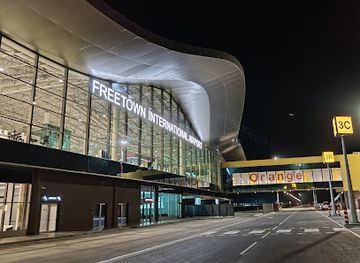
International airport
Freetown International Airport
Discover Sierra Leone through Freetown International Airport, your gateway to vibrant culture and stunning landscapes.
-
Hotel
Mamba Point Hotel Restaurant Lagoonda
Experience the best of Sierra Leonean and international cuisine at Mamba Point Hotel Restaurant Lagoonda with stunning ocean views.
-
Ice Cream
Gigibontà Ice Cream and Pizzeria
Discover the perfect blend of authentic Italian cuisine and delicious ice cream at Gigibontà, located on the stunning Lumley Beach in Freetown.
-
Restaurant
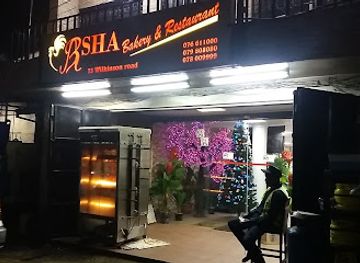
Basha Bakery & Restaurant
Experience the culinary delights of Basha Bakery & Restaurant, where fresh baked goods and local flavors come together in the heart of Freetown.
Explore Southern Province on the map
Plan your trip on one map. See where the top cities, national parks and sights are, and book hotels and experiences in a few clicks.
Best hotels in Southern Province
Best restaurants in Southern Province
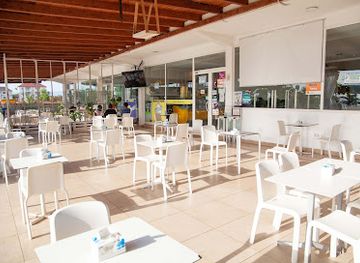
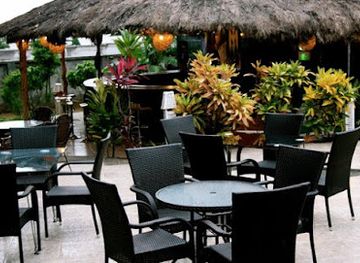
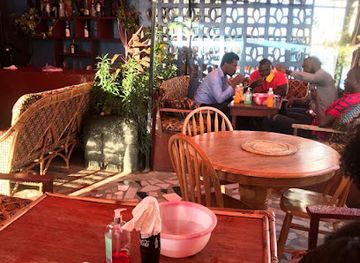
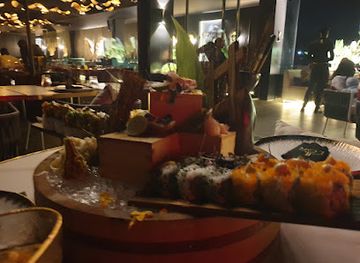
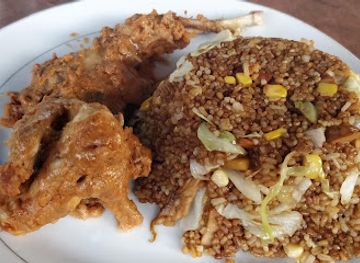
Dining in Southern Province is centred on Sierra Leonean home cooking, market stalls, cafés, modest restaurants and informal eating places rather than a large formal restaurant scene. Rice is commonly served with sauces such as cassava-leaf, potato-leaf or other vegetable-based preparations, while cassava, plantain and palm oil are important ingredients. Fish is particularly prominent in Bonthe District and other coastal communities, often fresh, smoked or cooked in richly seasoned sauces; inland towns offer more poultry, meat and produce from the agricultural hinterland. Bo has the widest choice of casual restaurants and places to find familiar international or West African dishes, while smaller towns and islands require greater flexibility. Fresh fruit and seasonal vegetables are widely encountered, and local drinks may include ginger-based refreshments or palm-derived beverages. Travellers should drink treated or bottled water, choose busy food stalls where possible and allow extra time when meals are prepared to order.
-
Restaurant
Bliss Restaurant
Experience the vibrant flavors of Sierra Leone at Bliss Restaurant in Freetown - a culinary gem offering local and international cuisine.
-
Restaurant
Roof Garden Bar & Restaurant
Discover breathtaking views and delicious flavors at Freetown's premier rooftop dining destination.
-
Restaurant
LOR Restaurant
Experience exquisite dining at LOR Restaurant in Freetown – where local flavors meet international cuisine in a warm and inviting atmosphere.
-
Barbecue
Mango Peak
Discover Sierra Leonean flavors at Mango Peak - Freetown's ultimate barbecue destination serving delicious grilled delights in a lively atmosphere.
Best bars in Southern Province
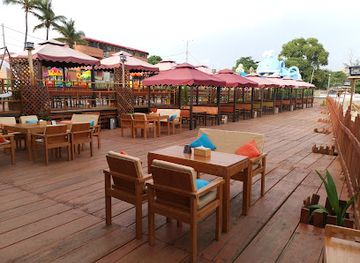
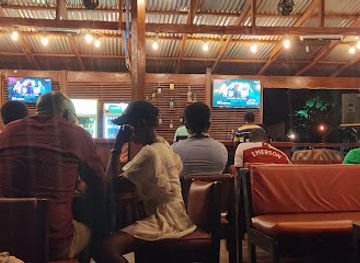
Nightlife in Southern Province is modest and concentrated mainly in Bo, with evening restaurants, local bars, hotel lounges and occasional music-oriented venues rather than a large club circuit. In smaller towns such as Moyamba and Pujehun, social life generally centres on neighbourhood bars, cafés, football broadcasts and informal gatherings. Bonthe’s evening atmosphere is quieter still, shaped by the island setting and limited transport after dark; visitors should return to accommodation early unless a trusted local arrangement has been made. Music and conversation are more characteristic of the region’s nightlife than late-night clubbing. Some establishments serve locally produced beer, spirits and soft drinks, but alcohol is not necessary for engaging with local culture. Use reputable transport, remain aware of surroundings and follow accommodation advice about evening movement, particularly in unfamiliar areas.
-
Bar
Roof Garden Bar & Restaurant
Discover the breathtaking views and vibrant flavors at Roof Garden Bar & Restaurant in Freetown, where every meal is a celebration.
-
Restaurant
Leone sky bar
Discover Leone Sky Bar, a stunning rooftop dining experience in Freetown with breathtaking views and delicious local cuisine.
-
Grill
Eddies Bar and Grill
Discover the vibrant flavors of Freetown at Eddie's Bar and Grill, where local cuisine meets a lively atmosphere.
-
Bar
The Clubhouse
Experience the lively atmosphere and refreshing drinks at The Clubhouse in Makeni, Sierra Leone, a must-visit for nightlife enthusiasts.

Best nightclubs in Southern Province
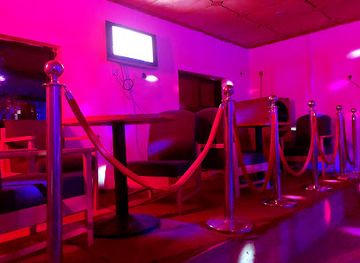
Nightlife in Southern Province is modest and concentrated mainly in Bo, with evening restaurants, local bars, hotel lounges and occasional music-oriented venues rather than a large club circuit. In smaller towns such as Moyamba and Pujehun, social life generally centres on neighbourhood bars, cafés, football broadcasts and informal gatherings. Bonthe’s evening atmosphere is quieter still, shaped by the island setting and limited transport after dark; visitors should return to accommodation early unless a trusted local arrangement has been made. Music and conversation are more characteristic of the region’s nightlife than late-night clubbing. Some establishments serve locally produced beer, spirits and soft drinks, but alcohol is not necessary for engaging with local culture. Use reputable transport, remain aware of surroundings and follow accommodation advice about evening movement, particularly in unfamiliar areas.
-
Night club
DeCode Lounge
Experience the vibrant nightlife at DeCode Lounge in Freetown, where music, dance, and great cocktails create unforgettable memories.
-
Night club
Ransim Night club
Discover the vibrant nightlife of Freetown at Ransim Night Club, where music and dance create unforgettable memories.
-
 Disco club
Liberia Bar and Night Club
Dance the night away at Liberia Bar and Night Club, Freetown's hub for vibrant nightlife and unforgettable experiences.
-
Night club
2020 Night Club
Dive into the vibrant nightlife of Freetown at 2020 Night Club, where music, dancing, and unforgettable moments await.


Best shops in Southern Province
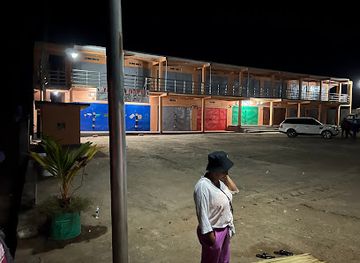
Shopping in Southern Province is primarily practical and local, with Bo providing the broadest range of markets, small shops, clothing stalls, household goods and transport-linked trading activity. Market visits are useful for seeing rice, cassava, plantain, vegetables, spices, smoked fish and other products from the surrounding farming districts, although prices and availability change with season and supply. Moyamba, Pujehun and Bonthe have smaller markets where the emphasis is on everyday provisions rather than dedicated souvenir retail. On the coast, smoked or dried fish and locally made household items may be available, but visitors should check that wildlife products, shells or forest materials are legally and ethically sourced. Craft buying is best approached through local recommendations, with fair payment and respectful bargaining. Sierra Leonean textiles, woven goods, carvings and food products can make appropriate souvenirs when purchased from legitimate sellers, while larger hotels and urban shops may sometimes offer more convenient packaged goods.
-
Grocery store
Bo Mini Market
Discover local flavors and vibrant community spirit at Bo Mini Market, the heart of grocery shopping in Bo, Sierra Leone.
-
Shopping mall
Tees Shopping Center
Explore Tees Shopping Center in Freetown for an exciting shopping experience with a mix of local and international brands.
-
Home goods store
Bellah section
Explore Bellah Section in Matru for unique home goods that showcase local artistry and culture, perfect for your travel souvenirs.
-
Shopping mall
Walters Plaza
Explore Walters Plaza in Bo, a bustling shopping mall offering diverse retail, dining, and entertainment options for an unforgettable experience.


Get your free copy of our complete guide to Southern Province, delivered straight to you.
Everything on this page, from attractions and restaurants to essentials and local phrases, in one PDF you can read offline, print or share.
Already have an account? Sign in
Your Southern Province guide is ready.
We'll send it to · Not you? Sign out

Getting your guide ready…
We are putting together a fresh copy of the Southern Province guide. This can take up to a minute.
This can take a few moments. If your browser asks, choose Allow so the download can start. You'll find the guide in your Downloads folder.
Nothing happened? Download it again
Sorry, the guide is taking longer than usual. Please try again in a minute, or get it by email instead.
Southern Province essentials
Currency and Payment
Safety
Emergency Situations
Do's and Don'ts
Local Tips
From Eve
Local phrases worth knowing
You don't need to get them perfect. A few words go a long way, and locals appreciate the effort.
Basics
| English | Local | Say it |
|---|---|---|
| Hello | Bokor | [Boh-kor] |
| Goodbye | Tata | [Tah-tah] |
| Yes | Yah | [Yah] |
| No | No | [No] |
| Please/You're welcome | Plenty Tenk you | [Plen-tee Ten-k yu] |
| Thank you | Tenk you | [Ten-k yu] |
| Excuse me/Sorry | Bohdo | [Boh-doh] |
| How are you? | How far? | [How far?] |
| Fine. And you? | I dey fine. And you? | [I dey fine. And yu?] |
| Do you speak English? | You sabi English? | [Yu sah-bee In-glesh?] |
| I don't understand | I no sabi | [I no sah-bee] |
Eating & Drinking
| English | Local | Say it |
|---|---|---|
| I'd like to see the menu, please | I wan see di menu, abeg | [I wan see dee men-oo, ah-beg] |
| I don't eat meat | I no chop meat | [I no chop meet] |
| Cheers! | Cheers! | [Cheers!] |
| I would like to pay, please | I wan pay, abeg | [I wan pay, ah-beg] |
Emergencies
| English | Local | Say it |
|---|---|---|
| Help! | Help! | [Help!] |
| Go away! | Comot for ya! | [Coh-mot for yah!] |
| Call the Police! | Call di Police! | [Call dee Po-lees!] |
| Call a doctor! | Call one doctor! | [Call wan doc-tah!] |
| I'm lost | I don lost | [I don lost] |
| I'm ill | I dey sick | [I dey sick] |
Shopping
| English | Local | Say it |
|---|---|---|
| I'd like to buy... | I wan buy... | [I wan buy...] |
| I'm just looking | I just dey look | [I just dey look] |
| How much is it? | How much e be? | [How much eh beh?] |
| That's too expensive | Dat one too much | [Dat wan too much] |
| Can you lower the price? | You fit bring di price down? | [Yu fit bring dee price down?] |
Time & Numbers
| English | Local | Say it |
|---|---|---|
| What time is it? | Wet-in time be dis? | [Wet-in time beh dis?] |
| It's one o'clock | Na one o'clock | [Na one o-clock] |
| Half past (10) | Half past ten | [Half past ten] |
| Morning | Mornin' | [Mornin'] |
| Afternoon | Afternoon | [Afternoon] |
| Evening | Evenin' | [Evenin'] |
| Yesterday | Yestiday | [Yes-ti-day] |
| Today | Today | [Today] |
| Tomorrow | Tomorrow | [Tomorrow] |
| 1 | One | [One] |
| 2 | Two | [Two] |
| 3 | Three | [Three] |
| 4 | Four | [Four] |
| 5 | Five | [Five] |
| 6 | Six | [Six] |
| 7 | Seven | [Seven] |
| 8 | Eight | [Eight] |
| 9 | Nine | [Nine] |
| 10 | Ten | [Ten] |
Transport & Directions
| English | Local | Say it |
|---|---|---|
| Where's a/the...? | Where di...? | [Where dee...?] |
| What's the address? | Wet-in be di address? | [Wet-in beh dee ad-dress?] |
| Can you show me (on the map)? | You fit show me (for di map)? | [Yu fit show me (for dee map)?] |
| When's the next (bus)? | When di next (bus)? | [When dee next (bus)?] |
| A ticket (to ....) | One ticket (to ....) | [Wan tick-et (to ....)] |
History of Southern Province
Early Mende and Sherbro societies
Long before colonial administration, the territory of today’s Southern Province was shaped by farming, fishing, forest use and regional trade. Mende-speaking communities became especially influential across the inland south, while Sherbro communities developed strong cultural and commercial relationships with the coast and islands. Social organisation, oral history, initiation traditions and agricultural knowledge remain important to understanding the region, although modern provincial boundaries do not correspond neatly to older cultural landscapes.
Atlantic trade and coastal settlements
From the early modern period, European and African traders operated along the Sierra Leone coast and its estuaries. Sherbro Island and other southern waterways became connected to commerce in agricultural products, forest goods and, under deeply exploitative systems, enslaved people. Coastal settlements gained importance because rivers and creeks were the principal transport routes. The resulting history is visible in the cultural mixture, trading networks and maritime orientation of Bonthe District.
Christian missions and nineteenth-century change
During the nineteenth century, Christian missions, schools and expanding commercial networks altered parts of the southern region. These developments interacted with established Mende and Sherbro institutions rather than replacing them completely. Coastal ports and inland administrative centres became increasingly connected to Freetown and other parts of the colony, while new forms of literacy, religion and formal education added further layers to local society.
The British Protectorate and colonial administration
Britain declared a Protectorate over the Sierra Leone hinterland in 1896, bringing the inland south more directly under colonial administration. District headquarters, taxation, courts and roads changed the relationship between local authorities and the colonial state. Resistance to taxation and administrative control formed part of the wider history of the Protectorate. Moyamba, Bo and other centres gained importance as administrative and commercial locations during the colonial period.
Railways, agriculture and the rise of Bo
Railway development and improved roads helped connect the southern interior with Freetown and coastal ports during the colonial era. Bo grew into a major commercial and transport centre, serving a productive agricultural hinterland and becoming one of Sierra Leone’s most important cities outside the capital. Rice, palm products, cocoa, coffee and other crops supported rural economies, while markets and transport links encouraged movement between villages, districts and the coast.
Education and agricultural research at Njala
Njala became associated with higher education and agricultural research in the twentieth century, developing into an important academic centre in the southern interior. Its work reflected Sierra Leone’s need to improve food production, rural services and agricultural knowledge. The institution also brought students and scholars from across the country, giving the area a national role beyond its immediate locality and reinforcing Southern Province’s connection with education and development.
Civil war, recovery and conservation
The civil war that affected Sierra Leone from 1991 to 2002 caused displacement, insecurity and severe disruption across the country, including the southern districts. Communities subsequently rebuilt homes, services, markets and transport links. In the post-war period, conservation initiatives in the Gola rainforest and other forest areas have highlighted the importance of protecting biodiversity while supporting neighbouring communities. Contemporary Southern Province therefore reflects both the memory of conflict and continuing efforts towards rural recovery and sustainable livelihoods.
Southern Province in Photos
Browse through our photo collection highlighting the charm and character of the destination.
Neighbouring regions of Southern Province
The closest regions to Southern Province, if you have time for more than one.
-
-
-
-

-


Swipe for more regions
Explore more

Explore more of Sierra Leone
Discover Sierra Leone, a West African treasure with pristine beaches, lush rainforests, rich history, and vibrant cultures, offering unforgettable adventures and warm hospitality.
Explore Sierra Leone