

Ang Mo Kio, Singapore Travel Guide
Discover the vibrant blend of traditional charm and modern living in Ang Mo Kio, Singapore's dynamic residential town, with lush parks, sumptuous hawker fare, and bustling local life.
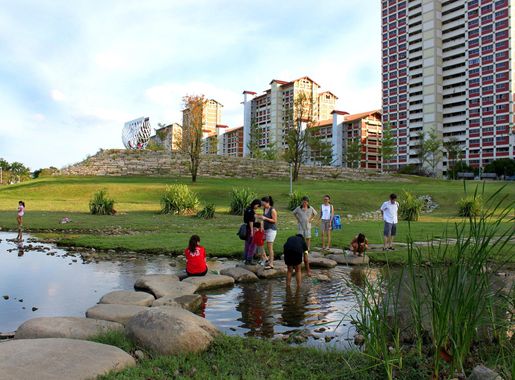
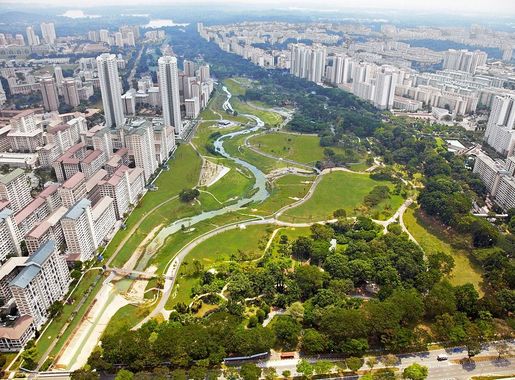
Ang Mo Kio, a bustling residential town in Singapore, offers a unique blend of urban development and traditional charm. Known for its vibrant community spaces, lush parks, and delicious hawker centers, Ang Mo Kio is a must-visit for those looking to experience the everyday life of Singaporeans. One of the highlights of Ang Mo Kio is Bishan-Ang Mo Kio Park, a green oasis in the middle of the town. The park features meandering river streams, lush greenery, and is home to a variety of wildlife. It's a perfect spot for a leisurely stroll, a picnic, or simply to relax and enjoy nature. Food lovers will be delighted by the plethora of dining options available. From the famous Ang Mo Kio Central Market & Food Centre to quaint local eateries, the area is a haven for those looking to indulge in authentic Singaporean cuisine. Don’t miss the chance to try local favorites like chicken rice, laksa, and satay. Ang Mo Kio is also a great place for shopping and entertainment. The Ang Mo Kio Hub, a large mall in the center of the town, offers a wide range of shops, restaurants, and entertainment options. Whether you're looking for local boutiques or international brands, you’ll find it all here. With its mix of modern amenities and traditional charm, Ang Mo Kio offers a unique glimpse into the daily life of Singaporeans. It's a place where the past and present coexist harmoniously, making it a fascinating destination for any traveler.

Know before you go
Hi, I'm Eve. Here are a few practical things to know before exploring Ang Mo Kio.
- Visit Bishan-Ang Mo Kio Park early in the morning to enjoy the serene atmosphere and spot local wildlife.
- Try the hawker food at Ang Mo Kio Central Market & Food Centre for an authentic taste of Singaporean cuisine.
- Explore the local neighborhood on foot to truly experience the charm of Ang Mo Kio.
- Check out the local events and festivals happening in the area for a unique cultural experience.
- Use public transport to get around; Ang Mo Kio is well-connected by MRT and buses.
Top City Travel Guides in Ang Mo Kio
The cities of Ang Mo Kio, and the easiest places to base yourself.

Destinations in Ang Mo Kio
Resorts, valleys and scenic spots worth a trip of their own.

Explore Ang Mo Kio: Things to Do, Places to Eat, Hotels & More
Handpicked recommendations for top attractions, local dining, accommodations, and more

Top Attractions & Sightseeing in Ang Mo Kio
Top-rated picks
Best Attractions

Bishan-Ang Mo Kio Park
Experience the tranquility of Bishan-Ang Mo Kio Park, an urban oasis in Singapore, perfect for nature lovers and families seeking relaxation and outdoor fun.

TreeTop Walk
Explore the TreeTop Walk, Singapore's stunning elevated bridge offering breathtaking views of lush rainforests and diverse wildlife.

Lower Peirce Reservoir Park
Discover the beauty of nature at Lower Peirce Reservoir Park, a serene escape in Singapore's lush landscapes, perfect for relaxation and outdoor activities.

Windsor Nature Park
Explore Windsor Nature Park, a serene retreat in Singapore, perfect for nature lovers seeking adventure and relaxation amidst lush greenery.

Best landmarks in Ang Mo Kio
Top-rated picks
Best Landmarks

AMK Hub
Discover AMK Hub in Singapore: A shopper's paradise with diverse retail, delightful dining, and vibrant entertainment in Ang Mo Kio.

Bishan-Ang Mo Kio Park
Experience the beauty and tranquility of Bishan-Ang Mo Kio Park, a lush urban oasis in Singapore perfect for relaxation and recreation.

TreeTop Walk
Experience the breathtaking views of Singapore's Forest Canopy at the TreeTop Walk, a stunning suspension bridge in the Central Catchment Nature Reserve.

Lower Peirce Reservoir Park
Discover the tranquil beauty of Lower Peirce Reservoir Park, a serene oasis in Singapore perfect for nature lovers and outdoor enthusiasts seeking relaxation and adventure.

Best restaurants in Ang Mo Kio
Top-rated picks
Best Restaurants

Takagi Ramen @ Ang Mo Kio
Indulge in authentic Japanese ramen at Takagi Ramen in Ang Mo Kio - where every bowl tells a delicious story.
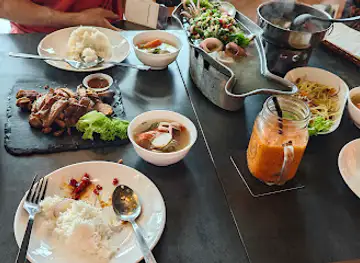
Khao Hom by Rung Mama (AMK)
Experience the essence of Thailand at Khao Hom by Rung Mama—where authentic flavors meet warm hospitality in Ang Mo Kio.

DaXi 大喜 - AMK Hub
Discover the flavors of Singapore at DaXi 大喜 - AMK Hub, where culinary tradition meets modern dining in a lively atmosphere.

Kian Seng Seafood Restaurant
Discover the flavors of Singapore at Kian Seng Seafood Restaurant, where fresh seafood meets authentic culinary traditions.

Best bars in Ang Mo Kio
Top-rated picks
Best Bars

ATLAS
Experience the epitome of cocktail culture at ATLAS, Singapore's luxurious bar with an extensive drink selection and stunning art-deco ambiance.

YOUNGS Bar & Restaurant
Discover the exquisite flavors of modern European cuisine at YOUNGS Bar & Restaurant, a standout gastropub in Singapore's Seletar Aerospace Park.

Jigger & Pony
Experience the art of cocktail making at Jigger & Pony, Singapore's top cocktail bar, where creativity meets flavor in an elegant setting.

No.5 Emerald Hill
Discover the allure of No.5 Emerald Hill, a chic cocktail bar in Singapore, offering exquisite drinks and a unique ambiance in the heart of the city.

Best nightclubs in Ang Mo Kio
Top-rated picks
Best Nightclubs

Zouk Singapore
Discover the electrifying atmosphere of Zouk Singapore, a top night club that redefines nightlife with world-class DJs and breathtaking experiences.

The Grassroots’ Club
Discover the vibrant atmosphere of The Grassroots’ Club in Ang Mo Kio, Singapore, where community spirit and relaxation meet.

ALPHA NIGHTLIFE
Dive into the electrifying nightlife at Alpha Nightlife, Singapore's premier disco club, where music and dance come alive.

AUPE Club
Discover the vibrant AUPE Club in Singapore, a perfect fusion of recreation, karaoke, and nightlife, ideal for a fun-filled evening!

Best shops in Ang Mo Kio
Top-rated picks
Best Shops

AMK Hub
Discover the vibrant shopping and dining experience at AMK Hub in Ang Mo Kio, Singapore - the ultimate destination for retail therapy!

FairPrice Xtra AMK Hub
Explore the vibrant FairPrice Xtra AMK Hub, Singapore's top hypermarket for groceries, local delicacies, and culinary delights.

Misty Daydream | Helium Balloons, Personalized Gifts, Jellycat, Lasercut Signages
Explore Misty Daydream, the ultimate destination for personalized gifts, helium balloons, and unique party supplies in Ang Mo Kio, Singapore.

Jubilee Square
Discover Jubilee Square, Singapore's vibrant shopping mall in Ang Mo Kio, offering a delightful mix of retail, dining, and entertainment experiences.

Explore Ang Mo Kio on the Map
A handpicked selection of must-see spots in Ang Mo Kio, mapped for you.
Ang Mo Kio Essentials
-
Ang Mo Kio is situated in the north-central region of Singapore. The nearest airport is Changi International Airport, which is about 20 kilometers away. From Changi, you can take a taxi, which takes around 20 to 30 minutes depending on traffic. Alternatively, you can use the MRT (Mass Rapid Transit) system. Take the East-West Line from Changi Airport to Tanah Merah, transfer to the North-South Line at City Hall, and alight at Ang Mo Kio MRT Station.
-
Ang Mo Kio is well-connected by public transport, including buses and the MRT. The Ang Mo Kio MRT station is centrally located and connects to various parts of Singapore. Buses operate frequently and cover extensive routes within the area. Taxis and ride-sharing services like Grab are also readily available. For a more eco-friendly option, you can rent bicycles or use shared bikes to explore the neighborhood.
-
The official currency in Singapore is the Singapore Dollar (SGD). Credit and debit cards are widely accepted in most establishments, including restaurants, shops, and hotels. Mobile payment options like Apple Pay, Google Pay, and PayNow are also popular. ATMs are plentiful, and money changers can be found in shopping malls and commercial areas.
-
Ang Mo Kio is generally a very safe area with low crime rates. However, like anywhere, it's important to stay vigilant. Keep an eye on personal belongings in crowded places like markets and public transport. Avoid poorly lit and secluded areas at night. There are no specific high-crime areas targeting tourists, but it's always best to practice common sense and be aware of your surroundings.
-
In case of emergency, dial 999 for police assistance and 995 for medical emergencies and fire services. Ang Mo Kio Polyclinic and Ang Mo Kio Community Hospital are the main medical facilities in the area. Pharmacies are available in most shopping malls and residential neighborhoods. It is advisable to have travel insurance that covers medical emergencies.
-
Fashion: Do dress comfortably and casually, but avoid overly revealing clothing, especially in religious sites. Religion: Do respect all places of worship. Remove your shoes before entering temples and mosques. Public Transport: Do give up your seat to elderly passengers, pregnant women, and young children. Don't eat or drink on public transport. Greetings: Do greet people with a smile and a simple 'hello'. Handshakes are common but not necessary. Eating & Drinking: Do try local dishes and be open to new flavors. Don’t waste food; it's considered impolite.
-
To experience Ang Mo Kio like a local, visit the Ang Mo Kio Town Garden East and West for a peaceful stroll or a morning jog. Explore the local hawker centers, such as Ang Mo Kio Central Market & Food Centre, to savor authentic Singaporean cuisine at affordable prices. Engage with residents at the AMK Hub shopping mall and participate in community events at the Ang Mo Kio Community Centre. For a unique experience, take a walk along the Bishan-Ang Mo Kio Park and enjoy the scenic views and recreational facilities.
When is the best time to visit Ang Mo Kio?
Useful Local Phrases for Ang Mo Kio
You don't need to speak the language perfectly. Even learning a few simple words can make conversations warmer—and locals usually appreciate the effort.
— Eve

Here are the phrases I use most often in Ang Mo Kio. Try a few—you'll be surprised how far they go! 😊
❤️
-
- HelloHello
[heh-loh] - GoodbyeGoodbye
[guhd-bye] - YesYes
[yes] - NoNo
[noh] - Please/You're welcomePlease / You're welcome
[pleez / yohr wel-kum] - Thank youThank you
[thangk yoo] - Excuse me/SorryExcuse me / Sorry
[ik-skyoos mee / sah-ree] - How are you?How are you?
[how ar yoo] - Fine. And you?Fine. And you?
[fine. and yoo?] - Do you speak English?Do you speak English?
[doo yoo speek ing-glish?] - I don't understandI don't understand
[ay dont un-der-stand]
- HelloHello
-
- I'd like to see the menu, pleaseI'd like to see the menu, please
[ayd laik to see thuh men-yoo, pleez] - I don't eat meatI don't eat meat
[ay dont eet meet] - Cheers!Cheers!
[cheerz] - I would like to pay, pleaseI would like to pay, please
[ay wud laik to pay, pleez]
- I'd like to see the menu, pleaseI'd like to see the menu, please
-
- Help!Help!
[help] - Go away!Go away!
[goh aw-ay] - Call the Police!Call the Police!
[kawl thuh puh-lees] - Call a doctor!Call a doctor!
[kawl a dok-ter] - I'm lostI'm lost
[aym lost] - I'm illI'm ill
[aym il]
- Help!Help!
-
- I'd like to buy...I'd like to buy...
[ayd laik to buy...] - I'm just lookingI'm just looking
[aym juhst luk-ing] - How much is it?How much is it?
[how muhch iz it?] - That's too expensiveThat's too expensive
[thats too ik-spen-siv] - Can you lower the price?Can you lower the price?
[kan yoo loh-er thuh prys?]
- I'd like to buy...I'd like to buy...
-
- What time is it?What time is it?
[what tym iz it?] - It's one o'clockIt's one o'clock
[its wun uh-klok] - Half past (10)Half past (10)
[haf pahst (ten)] - MorningMorning
[mor-ning] - AfternoonAfternoon
[af-ter-noon] - EveningEvening
[eev-ning] - YesterdayYesterday
[yes-ter-day] - TodayToday
[to-day] - TomorrowTomorrow
[to-mor-row] - 11
[won] - 22
[too] - 33
[three] - 44
[for] - 55
[five] - 66
[six] - 77
[seven] - 88
[eight] - 99
[nine] - 1010
[ten]
- What time is it?What time is it?
-
- Where's a/the...?Where's a/the...?
[whehrz a thuh...?] - What's the address?What's the address?
[whats thuh ad-dress?] - Can you show me (on the map)?Can you show me (on the map)?
[kan yoo shoh mee (on thuh map)?] - When's the next (bus)?When's the next (bus)?
[wenz thuh nekst (bus)?] - A ticket (to ....)A ticket (to ....)
[a tik-it (to ....)]
- Where's a/the...?Where's a/the...?
History of Ang Mo Kio
-
Ang Mo Kio, often abbreviated as AMK, derives its name from a combination of Hokkien and Malay words. 'Ang Mo' translates to 'red-haired' in Hokkien, a term historically used to refer to Westerners, and 'Kio' means bridge in Hokkien. The name is believed to have originated from a red-haired British surveyor who built a bridge in the area during the early colonial period.
-
Before the arrival of the British, the area where Ang Mo Kio now stands was primarily jungle and swamp, inhabited by Malay fishing villages. These villages thrived on the rich natural resources and were part of the larger maritime trade networks that spanned the region.
-
During the British colonial period, Ang Mo Kio began to transform as rubber and pineapple plantations were established. These plantations attracted workers from various ethnic backgrounds, contributing to the area's diverse cultural landscape.
-
After World War II, the area saw significant changes as the British sought to resettle the population in more organized and sanitary housing. This led to the formation of kampongs or small villages, which were eventually replaced by modern housing estates in the 1970s.
-
The 1970s marked a significant turning point for Ang Mo Kio as the Housing and Development Board (HDB) undertook large-scale urban redevelopment. The area was transformed into a modern residential town with high-rise public housing, schools, parks, and commercial centers, making it one of Singapore's most populous and well-developed towns.
-
Ang Mo Kio is home to several cultural landmarks, including the iconic Ang Mo Kio Town Garden West and the Cheng San Market and Cooked Food Centre. These places serve as communal hubs, reflecting the town’s vibrant community life and multicultural heritage.
-
The town is also known for its educational institutions and technological advancements. The Nanyang Polytechnic and Anderson Junior College are prominent educational landmarks, contributing to the area's reputation as a hub for learning and innovation.
-
Ang Mo Kio is well-connected by an extensive network of roads and public transport, including the Ang Mo Kio MRT station and several bus interchanges. This connectivity has played a crucial role in the town's development and accessibility, making it a convenient place for residents and visitors alike.
-
Today, Ang Mo Kio continues to grow and evolve, with ongoing developments aimed at enhancing the quality of life for its residents. The town remains a testament to Singapore's rapid urbanization and the harmonious blending of history, culture, and modernity.
Neighbouring Regions of Ang Mo Kio
The closest regions to Ang Mo Kio, if you have time for more than one.


Your all‑in‑one travel companion app
Explore expert travel guides, compare and book tours, experiences, hotels, and more—all from the palm of your hand. Download now for seamless trip planning wherever your wanderlust takes you.


Explore More of Singapore

Looking beyond Ang Mo Kio? Discover Singapore for broader travel guides, local hot-spots, and regional highlights.
Explore SingaporeAng Mo Kio in Photos
Browse through our photo collection highlighting the charm and character of the destination.



The Heartbeat of Ang Mo Kio: Old Meets New in Singapore's Hometown
Ang Mo Kio, a bustling residential town in Singapore, offers a unique blend of urban development and traditional charm. Known for its vibrant community spaces, lush parks, and delicious hawker centers, Ang Mo Kio is a must-visit for those looking to experience the everyday life of Singaporeans. One of the highlights of Ang Mo Kio is Bishan-Ang Mo Kio Park, a green oasis in the middle of the town. The park features meandering river streams, lush greenery, and is home to a variety of wildlife. It's a perfect spot for a leisurely stroll, a picnic, or simply to relax and enjoy nature. Food lovers will be delighted by the plethora of dining options available. From the famous Ang Mo Kio Central Market & Food Centre to quaint local eateries, the area is a haven for those looking to indulge in authentic Singaporean cuisine. Don’t miss the chance to try local favorites like chicken rice, laksa, and satay. Ang Mo Kio is also a great place for shopping and entertainment. The Ang Mo Kio Hub, a large mall in the center of the town, offers a wide range of shops, restaurants, and entertainment options. Whether you're looking for local boutiques or international brands, you’ll find it all here. With its mix of modern amenities and traditional charm, Ang Mo Kio offers a unique glimpse into the daily life of Singaporeans. It's a place where the past and present coexist harmoniously, making it a fascinating destination for any traveler.