

Free Northeast Region Travel Guide & Mobile App
Explore Northeast Region with free travel guides. Discover regional history, expert tips, proposed trips, and audio guides on web or mobile app.


Explore Singapore’s Northeast Region for waterfront parks, heartland food, cycling routes, wetlands and a glimpse of village life.
Read more about Northeast Region
When is the best time to visit Northeast Region?
Best: February, July–August · 29°C| Month | High (°C) | Rainfall (mm) |
|---|---|---|
| January | 28 | 220 |
| February (best) | 29 | 190 |
| March | 29 | 200 |
| April | 29 | 200 |
| May | 29 | 210 |
| June | 30 | 190 |
| July (best) | 29 | 190 |
| August (best) | 29 | 190 |
| September | 29 | 200 |
| October | 29 | 210 |
| November | 29 | 220 |
| December | 29 | 230 |
Getting to and around Northeast Region
How to get there
Transportation
Top city travel guides in Northeast Region
The cities of Northeast Region, and the easiest places to base yourself.
-

-

-
-

-

-


Swipe for more cities
Destinations in Northeast Region
Resorts, valleys and scenic spots worth a trip of their own.
-

-

-

-


Swipe for more destinations
Best attractions in Northeast Region
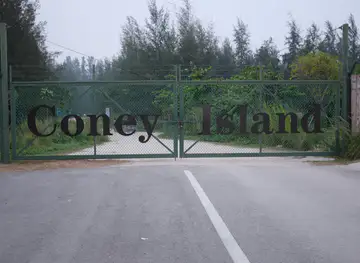
The Northeast Region’s attractions are shaped by the meeting of planned urban districts and recovering natural landscapes. Punggol Waterway Park is the area’s principal recreational setting, with landscaped sections, bridges and paths for walking or cycling through the new town. At the coast, Coney Island Park offers a more natural environment of woodland, grassland and shoreline habitats, while Lorong Halus Wetland provides boardwalks and open views associated with water management and biodiversity. These parks are best approached as outdoor landscapes rather than collections of dramatic monuments. Inland, visitors can explore the neighbourhood character of Serangoon Gardens, Hougang and Ang Mo Kio through markets, hawker centres, libraries and community facilities. Kampong Lorong Buangkok gives a rare glimpse of Singapore’s former village settlement pattern, although it remains a private residential place and should be viewed discreetly. The Seletar area adds aviation and industrial interest through its aerospace history and preserved colonial-era atmosphere. Shopping centres such as Waterway Point, Compass One and NEX also function as social and dining hubs, especially during rain. Together, the attractions reveal how Singapore combines dense housing, recreation, ecological restoration and surviving traces of its rural past.
-
Adventure sports center
Adventure HQ
Discover the thrill of adventure sports at Adventure HQ in Singapore, where excitement meets safety for all ages in an unforgettable experience.
-
Park
Sembawang Park
Experience the natural beauty and serene landscapes of Sembawang Park, a top tourist attraction in Singapore perfect for relaxation and outdoor fun.
-
Park
Woodlands Waterfront Park
Experience the natural beauty and recreational charm of Woodlands Waterfront Park, a serene escape in Singapore perfect for families and nature lovers.
-
Park
Punggol Park
Discover the tranquility of Punggol Park, Singapore’s lush green oasis perfect for relaxation, recreation, and nature exploration.


Best landmarks in Northeast Region
The region’s most recognisable landmarks include the engineered curves and bridges of Punggol Waterway, which symbolise the transformation of a formerly peripheral district into a planned waterfront town. Coney Island’s coastal paths and tree-lined landscape provide a contrasting natural landmark at Singapore’s northeastern edge, facing the Johor Strait. Lorong Halus Wetland is significant not for monumental architecture but for the way its ponds, embankments and vegetation express Singapore’s integration of water management with public environmental space. Kampong Lorong Buangkok is one of the region’s most evocative surviving places: its modest homes, unhurried lanes and village layout preserve a settlement form that has largely vanished from the main island. The Seletar area carries a different kind of significance through its association with colonial aviation and the aerospace industry that followed. In the older heartlands, public housing estates, broad avenues and neighbourhood centres form a less conventional but highly characteristic urban landmark system, reflecting Singapore’s postwar planning and community-building. Together these places show the Northeast as a landscape of transition, where village remnants, coastal ecology, infrastructure and dense new-town design remain visible within a compact part of Singapore.
-
Garden
Gardens by the Bay
Explore the breathtaking Gardens by the Bay, a harmonious blend of nature and technology in the heart of Singapore's urban landscape.
-
Park
Merlion Park
Explore Merlion Park, the iconic symbol of Singapore, offering stunning views, rich history, and a serene waterfront experience in the heart of the city.
-
Garden
Supertree Grove
Discover the enchanting Supertree Grove in Singapore, where towering vertical gardens meet innovative technology in a breathtaking urban oasis.
-
Fountain
Merlion
Experience the iconic Merlion Fountain in Singapore, a stunning symbol of the city where history and modernity converge amidst breathtaking waterfront views.


Explore Northeast Region on the map
Plan your trip on one map. See where the top cities, national parks and sights are, and book hotels and experiences in a few clicks.
Best hotels in Northeast Region
Best restaurants in Northeast Region
Dining in the Northeast Region is primarily a heartland experience, with hawker centres, coffee shops, food courts and family-run eateries providing a broad range of Singaporean cooking. Visitors can look for chicken rice, laksa, nasi lemak, roti prata, fishball noodles, char kway teow and Indian-Muslim dishes, alongside Chinese, Malay, Indian and international restaurants in the larger town centres. Serangoon Gardens is particularly associated with a long-established neighbourhood dining scene, while Hougang, Ang Mo Kio, Sengkang and Punggol offer food options concentrated around markets, MRT stations and shopping malls. Seafood and casual waterfront dining are available in parts of Punggol, though the district is not a single specialised culinary destination. Coffee shops remain useful places to observe everyday routines and try local drinks such as kopi and teh. Prices and quality vary, so the most durable approach is to choose busy stalls, explore market food centres and check digital payment arrangements before ordering. Singapore’s national food culture is more prominent here than a narrowly regional cuisine, but the region’s neighbourhood setting makes it a practical place to encounter that culture outside the central tourist districts.
-
Seafood
The Punggol Settlement
Discover The Punggol Settlement: A seafood paradise offering breathtaking waterfront views and delicious dining experiences in Singapore.
-
Cafe
Whisk & Paddle
Discover Whisk & Paddle: A serene cafe offering delicious brunch options with stunning waterfront views in Punggol.
-
Restaurant
The Coastal Settlement
Discover The Coastal Settlement in Changi – A perfect blend of culinary delights and serene coastal vibes in Singapore.
-
 Gastropub
YOUNGS Bar & Restaurant
Experience modern European cuisine in a vibrant gastropub setting at YOUNGS Bar & Restaurant in Singapore's Seletar Aerospace Park.


Best bars in Northeast Region
Evening life in the Northeast Region is centred on food, conversation and neighbourhood social spaces rather than a concentrated nightclub district. Serangoon Gardens, Hougang and the commercial areas around Serangoon offer pubs, casual bars, cafés and restaurants where residents meet after work, while larger shopping centres provide cinemas, food courts and late-opening leisure facilities. Punggol has a growing selection of restaurants and relaxed waterfront-oriented venues, but its atmosphere remains more residential than party-focused. Traditional coffee shops and hawker centres are often more representative of local evening life than dedicated nightlife venues. Visitors seeking major clubs and a wider late-night entertainment circuit will generally need to travel towards central Singapore, outside this region. As elsewhere in Singapore, licensing rules and business hours can change, so check current arrangements rather than assuming that a venue operates late. Live music and special events may appear at individual venues, but the Northeast is best understood as a place for an unhurried meal, a walk through a lit new town or a casual drink rather than a clubbing destination.
-
Cocktail bar
ATLAS
Experience the elegance of ATLAS, Singapore's premier cocktail bar and restaurant, where luxury meets exceptional mixology and gourmet dining.
-
Gastropub
YOUNGS Bar & Restaurant
Discover the perfect blend of modern European cuisine and a relaxed gastropub atmosphere at YOUNGS Bar & Restaurant in Singapore's Seletar Aerospace Park.
-
Gastropub
Tipsy Penguin
Experience the essence of Singapore's vibrant dining scene at Tipsy Penguin, a gastropub offering exquisite dishes and a lively bar atmosphere.
-
Bar
Jigger & Pony
Discover Jigger & Pony, a cocktail haven in Tanjong Pagar, Singapore, where innovative drinks meet a vibrant atmosphere.


Best nightclubs in Northeast Region
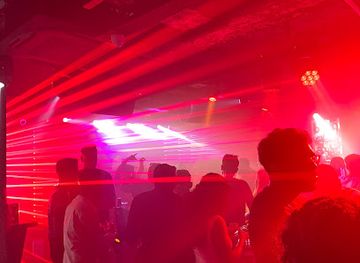
Evening life in the Northeast Region is centred on food, conversation and neighbourhood social spaces rather than a concentrated nightclub district. Serangoon Gardens, Hougang and the commercial areas around Serangoon offer pubs, casual bars, cafés and restaurants where residents meet after work, while larger shopping centres provide cinemas, food courts and late-opening leisure facilities. Punggol has a growing selection of restaurants and relaxed waterfront-oriented venues, but its atmosphere remains more residential than party-focused. Traditional coffee shops and hawker centres are often more representative of local evening life than dedicated nightlife venues. Visitors seeking major clubs and a wider late-night entertainment circuit will generally need to travel towards central Singapore, outside this region. As elsewhere in Singapore, licensing rules and business hours can change, so check current arrangements rather than assuming that a venue operates late. Live music and special events may appear at individual venues, but the Northeast is best understood as a place for an unhurried meal, a walk through a lit new town or a casual drink rather than a clubbing destination.
-
Night club
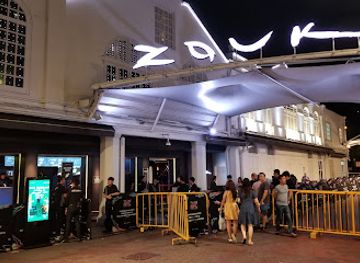
Zouk Singapore
Unleash your party spirit at Zouk Singapore, the ultimate destination for nightlife enthusiasts in the heart of the city.
-
Night club
XclusiV
Unleash your night at XclusiV, Singapore's premier night club, where vibrant music and electrifying atmosphere create unforgettable memories.
-
Disco club
ALPHA NIGHTLIFE
Discover Alpha Nightlife, Singapore's top disco club, where unforgettable nights of dancing, drinks, and music await every visitor in the heart of the city.
-
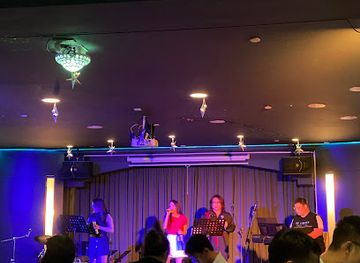
Lounge
8 Degree Lounge - Orchid Country Club
Discover the 8 Degree Lounge at Orchid Country Club, a vibrant venue blending dining and karaoke for an unforgettable night out in Singapore.

Best shops in Northeast Region
Shopping in the Northeast Region is oriented towards convenient heartland retail rather than luxury tourism. NEX in Serangoon, Hougang Mall, Compass One in Sengkang and Waterway Point in Punggol combine supermarkets, fashion, services, cafés, food courts and family entertainment, making them useful bases during hot or wet weather. Neighbourhood markets and smaller commercial centres are better for observing everyday shopping and buying fresh produce, snacks and inexpensive household goods. Hawker centres and supermarkets provide practical edible souvenirs such as packaged kaya, biscuits, tea, sauces and spice products, subject to airline and customs rules. Independent shops and small businesses are scattered through older estates, while newer Punggol developments have a more contemporary retail mix. The region is not especially known for a single craft tradition, so visitors seeking antiques, design goods or large-scale souvenir shopping may find a broader selection in central Singapore. For a distinctly local purchase, choose packaged Singaporean food products or visit a market attached to a mature neighbourhood rather than expecting a dedicated tourist shopping quarter.
-
Shopping mall
Bugis Street
Explore Bugis Street, Singapore's vibrant shopping hub offering unique finds, delicious street food, and a taste of local culture in every corner.
-
Shopping mall
NEX
Explore NEX, Singapore's premier shopping mall in Serangoon, offering a variety of retail, dining, and entertainment experiences for every traveler.
-
Shopping mall
Waterway Point
Experience the perfect blend of shopping, dining, and scenic views at Waterway Point, Singapore's premier shopping mall in Punggol.
-
Department store
Mustafa Centre
Explore the vibrant Mustafa Centre, Singapore's iconic 24-hour department store, offering a unique shopping experience with a wide range of products.


Get your free copy of our complete guide to Northeast Region, delivered straight to you.
Everything on this page, from attractions and restaurants to essentials and local phrases, in one PDF you can read offline, print or share.
Already have an account? Sign in
Your Northeast Region guide is ready.
We'll send it to · Not you? Sign out

Getting your guide ready…
We are putting together a fresh copy of the Northeast Region guide. This can take up to a minute.
This can take a few moments. If your browser asks, choose Allow so the download can start. You'll find the guide in your Downloads folder.
Nothing happened? Download it again
Sorry, the guide is taking longer than usual. Please try again in a minute, or get it by email instead.
Northeast Region essentials
Currency and Payment
Safety
Emergency Situations
Do's and Don'ts
Local Tips
From Eve
Local phrases worth knowing
You don't need to get them perfect. A few words go a long way, and locals appreciate the effort.
Basics
| English | Local | Say it |
|---|---|---|
| Hello | Hi | [hai] |
| Goodbye | Bye | [bai] |
| Yes | Yeah | [yeh] |
| No | Nah | [nah] |
| Please/You're welcome | No problem | [no prob-lum] |
| Thank you | Thanks | [tanks] |
| Excuse me/Sorry | Sorry | [sore-ree] |
| How are you? | How you doing? | [how yuh doin'?] |
| Fine. And you? | Good. You? | [good. you?] |
| Do you speak English? | You speak English? | [yuh speak ing-glish?] |
| I don't understand | I don’t get it | [i don’t get it] |
Eating & Drinking
| English | Local | Say it |
|---|---|---|
| I'd like to see the menu, please | Can I see the menu? | [kan i see the menu?] |
| I don't eat meat | I’m vegetarian | [i'm vege-tair-ee-an] |
| Cheers! | Cheers! | [cheers] |
| I would like to pay, please | Can I get the bill? | [kan i get the bill?] |
Emergencies
| English | Local | Say it |
|---|---|---|
| Help! | Help! | [help] |
| Go away! | Leave me alone! | [leave me a-lone] |
| Call the Police! | Call 911! | [call nine-one-one] |
| Call a doctor! | Get a doctor! | [get a doc-tor] |
| I'm lost | I’m lost | [i’m lost] |
| I'm ill | I’m not feeling well | [i’m not feel-ing well] |
Shopping
| English | Local | Say it |
|---|---|---|
| I'd like to buy... | I want to buy... | [i want to buy...] |
| I'm just looking | Just browsing | [just brows-ing] |
| How much is it? | How much? | [how much?] |
| That's too expensive | Too pricey | [too pry-see] |
| Can you lower the price? | Can you make it cheaper? | [kan you make it cheap-er?] |
Time & Numbers
| English | Local | Say it |
|---|---|---|
| What time is it? | What time? | [what time?] |
| It's one o'clock | It's one | [it's one] |
| Half past (10) | Half past ten | [half past ten] |
| Morning | Morning | [morning] |
| Afternoon | Afternoon | [afternoon] |
| Evening | Evening | [evening] |
| Yesterday | Yesterday | [yes-ter-day] |
| Today | Today | [to-day] |
| Tomorrow | Tomorrow | [to-mor-row] |
| 1 | One | [wun] |
| 2 | Two | [too] |
| 3 | Three | [three] |
| 4 | Four | [for] |
| 5 | Five | [fiv] |
| 6 | Six | [siks] |
| 7 | Seven | [sev-en] |
| 8 | Eight | [ait] |
| 9 | Nine | [nain] |
| 10 | Ten | [ten] |
Transport & Directions
| English | Local | Say it |
|---|---|---|
| Where's a/the...? | Where is the...? | [where is the...?] |
| What's the address? | What's the address? | [what's the ad-dress?] |
| Can you show me (on the map)? | Can you show me on the map? | [can you show me on the map?] |
| When's the next (bus)? | When's the next bus? | [when's the next bus?] |
| A ticket (to ....) | One ticket to... | [one ticket to...] |
History of Northeast Region
Early Coastal and Rural Landscapes
Before large-scale urban development, Singapore’s northeast consisted of coastal inlets, streams, plantations, village settlements and areas of secondary vegetation. The shoreline around Punggol supported fishing and small-scale coastal trade, while inland districts were associated with agriculture and kampongs. The name Punggol is commonly linked to a place where produce was offered or gathered for sale, reflecting the area’s earlier rural economy. Much of this landscape has disappeared beneath roads, housing and water infrastructure, but surviving waterways, village remnants and coastal parks provide clues to the region’s pre-urban character.
Seletar and the Colonial Airfield Era
The Seletar area became associated with British military aviation during the colonial period, when Seletar Airport and related facilities were developed in the northern part of the region. The airfield helped establish a long-term connection between northeastern Singapore and aviation engineering. Although the original airport now has a more limited role and the surrounding land has been transformed, colonial-era buildings and the present Seletar Aerospace Park preserve aspects of this legacy. The district’s aviation identity therefore connects an earlier strategic installation with Singapore’s modern aerospace industry.
Kampongs, Plantations and Fishing Communities
Until the mid-twentieth century, much of the Northeast Region remained less urbanised than central Singapore. Kampongs and small settlements stood among plantations, farms and coastal fishing areas, particularly around Punggol and the districts that later became Hougang and Sengkang. Residents relied on local roads, waterways and markets, while religious buildings and community institutions served dispersed populations. Kampong Lorong Buangkok, established in the mid-twentieth century, is a surviving example of this village pattern. Its continued existence offers a rare physical reminder of a landscape largely replaced by planned housing estates.
Postwar Housing and the New Towns
Singapore’s postwar housing programme transformed the Northeast Region from a largely rural fringe into a network of planned residential towns. Hougang and Ang Mo Kio expanded substantially from the 1970s, followed by Sengkang and Punggol in later decades. Public housing blocks, schools, markets, transport interchanges and recreational facilities were planned together, creating the familiar heartland structure of contemporary Singapore. The process involved the relocation of village communities and the conversion of agricultural and undeveloped land, while new estates brought large numbers of residents into areas once separated by fields, plantations and narrow roads.
Transport, Water Management and Urban Connection
The arrival of mass rapid transit and improved road connections strengthened the region’s integration with the rest of Singapore. MRT lines progressively linked Serangoon, Hougang, Sengkang, Punggol and Ang Mo Kio with central districts and other new towns. In Punggol and Sengkang, waterways and reservoirs were incorporated into a contemporary urban landscape rather than simply covered or engineered away. Punggol Waterway and the Lorong Halus area demonstrate how drainage, flood control, recreation and habitat creation have become interconnected parts of Singapore’s urban planning.
The Contemporary Northeast
The modern Northeast Region combines established communities with continuing development around Punggol and Sengkang. Punggol has been reshaped from a peripheral fishing and recreation district into a dense waterfront town with education, commercial and technology-related districts, while older neighbourhoods in Hougang, Ang Mo Kio and Serangoon retain mature markets, schools and community networks. The region’s present identity is consequently layered: it includes the social infrastructure of long-established heartlands, the planned landscapes of new towns, protected or restored natural areas, and the aerospace and technology economy associated with Seletar.
Northeast Region in Photos
Browse through our photo collection highlighting the charm and character of the destination.
Neighbouring regions of Northeast Region
The closest regions to Northeast Region, if you have time for more than one.
-

-

-

-

-


Swipe for more regions
Explore more

Explore more of Singapore
Explore Singapore: A vibrant city-state where modernity meets tradition, offering world-class cuisine, stunning gardens, and unique cultural experiences.
Explore Singapore