

Free Serangoon Travel Guide & Mobile App
Explore Serangoon with free travel guides. Discover regional history, expert tips, proposed trips, and audio guides on web or mobile app.


Discover Serangoon: A vibrant blend of cultural heritage, culinary delights, and modern amenities in the heart of Singapore's northeast.
Read more about Serangoon
When is the best time to visit Serangoon?
Best: February–March, July · 30–31°C| Month | High (°C) | Rainfall (mm) |
|---|---|---|
| January | 30 | 250 |
| February (best) | 30 | 200 |
| March (best) | 31 | 225 |
| April | 32 | 250 |
| May | 32 | 250 |
| June | 31 | 225 |
| July (best) | 31 | 225 |
| August | 31 | 250 |
| September | 31 | 250 |
| October | 31 | 275 |
| November | 31 | 275 |
| December | 30 | 275 |
Getting to and around Serangoon
How to get there
Transportation
Best attractions in Serangoon
Serangoon, a charming and vibrant district in Singapore, offers an eclectic mix of attractions that cater to a wide array of interests. As you stroll through the lively streets, you'll discover the iconic Nex Shopping Mall, a sprawling retail paradise that features a rooftop dog park and an array of dining options. For a taste of local culture, visit the serene Sri Darma Muneeswaran Temple, where intricate architecture and vibrant rituals provide a glimpse into the rich tapestry of Hindu traditions. Nature enthusiasts can unwind at Serangoon Community Park, a green oasis perfect for leisurely walks and picnics. Food lovers will be thrilled by the array of culinary delights at Chomp Chomp Food Centre, where hawker stalls serve up mouthwatering local favorites like Hokkien mee and satay. The neighborhood's diverse cultural landscape is further accentuated by quaint shophouses and the ever-bustling Little India nearby, inviting exploration and immersion in a unique blend of heritage and contemporary charm.
-
Fountain
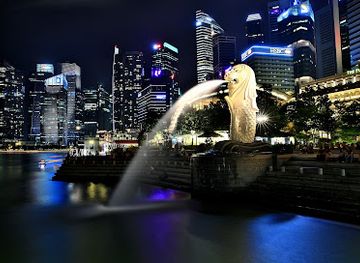
Merlion
Discover the Merlion, an iconic fountain symbolizing Singapore's rich history and vibrant future, set against the stunning backdrop of Marina Bay.
-
Park
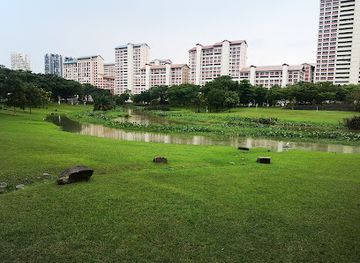
Bishan-Ang Mo Kio Park
Discover the tranquility of Bishan-Ang Mo Kio Park, a stunning natural retreat in the heart of Singapore with scenic trails, lush landscapes, and vibrant wildlife.
-
Hawker center
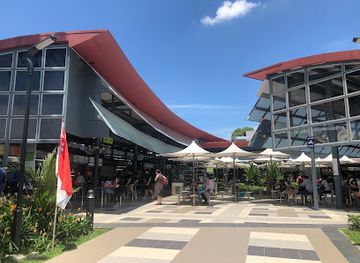
Serangoon Garden Market
Discover the vibrant flavors and local culture at Serangoon Garden Market, a must-visit hawker center in Singapore for authentic dining experiences.
-
Nature preserve
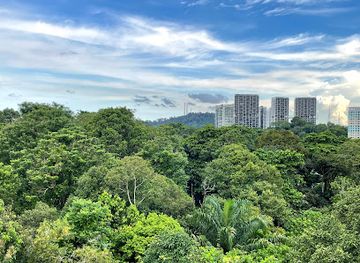
Chestnut Nature Park
Explore the lush landscapes of Chestnut Nature Park, a nature preserve in Singapore perfect for hiking, cycling, and reconnecting with nature.

Best landmarks in Serangoon
Serangoon, a vibrant enclave in Singapore, offers an eclectic mix of cultural and historical landmarks that captivate the curious traveler. Begin your journey at the serene Sri Veeramakaliamman Temple, a vivid representation of Hindu architecture and spirituality. Nearby, the Nex shopping mall provides a modern contrast with its vast array of retail stores, dining options, and entertainment facilities. For a greener escape, the Serangoon Community Park offers tranquil pathways and lush greenery, perfect for relaxation. History enthusiasts will appreciate the rich heritage of the Serangoon Gardens estate, with its charming colonial houses and quaint cafes. Lastly, don't miss the opportunity to explore the diverse culinary landscape at Chomp Chomp Food Centre, where the delightful aroma of local hawker fare tantalizes your taste buds and transports you to the heart of Singaporean culture.
-
Garden
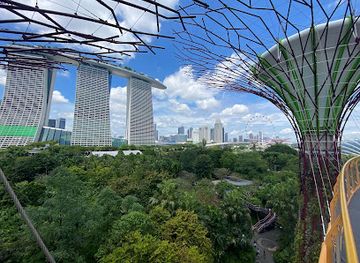
Gardens by the Bay
Discover the harmony of nature and innovation at Gardens by the Bay, Singapore's iconic urban garden with breathtaking landscapes and stunning architecture.
-
Park
Merlion Park
Discover the heart of Singapore at Merlion Park, home to the iconic Merlion statue and breathtaking views of Marina Bay and the skyline.
-
 Hotel
HotelMarina Bay Sands Singapore
Discover the breathtaking Marina Bay Sands in Singapore, a luxurious hotel and iconic landmark featuring stunning views, fine dining, and world-class entertainment.
-
Garden
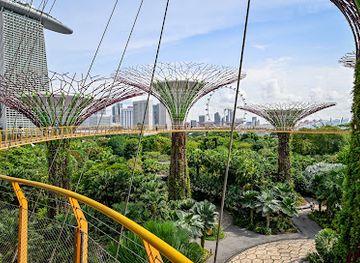
Supertree Grove
Discover the breathtaking Supertree Grove in Singapore, where nature meets innovation amid stunning vertical gardens and spectacular light displays.
Explore Serangoon on the map
Plan your trip on one map. See where the top cities, national parks and sights are, and book hotels and experiences in a few clicks.
Best hotels in Serangoon
Best restaurants in Serangoon
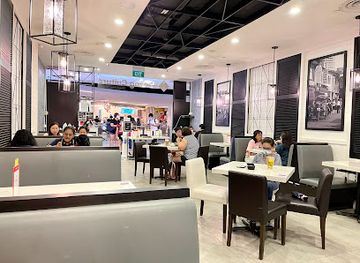
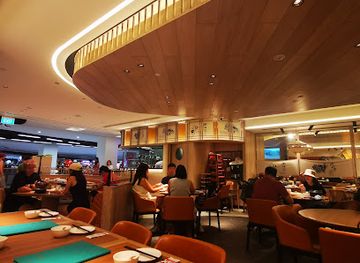
Serangoon offers an eclectic dining scene that tantalizes the taste buds with a diverse array of culinary delights, blending traditional flavors with modern twists. Visitors can stroll through the bustling Serangoon Gardens, where the legendary Chomp Chomp Food Centre serves up iconic Singaporean street food like Hokkien mee and satay. For those craving a more refined dining experience, the area is dotted with chic cafes and gourmet restaurants, such as the charming French-inspired Little Diner or the innovative fusion cuisine at Arbite. Whether you're indulging in spicy Peranakan dishes or savoring freshly baked pastries, Serangoon's vibrant food scene promises a gastronomic adventure that reflects Singapore's rich multicultural heritage.
-
Malaysian
Penang Culture
Savor the vibrant tastes of Malaysia at Penang Culture - your gateway to authentic Malaysian dining in Singapore.
-
Restaurant
云海肴 YUN NANS - NEX
Experience authentic Yunnan cuisine at 云海肴 YUN NANS - NEX in Singapore's Serangoon, where every dish tells a story.
-
Korean BBQ
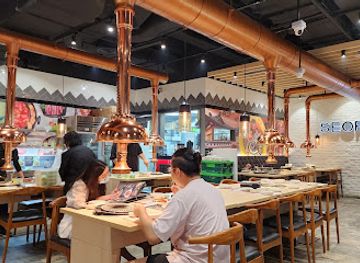
Seorae Korean Charcoal BBQ - NEX
Experience the best of Korean BBQ at Seorae in Singapore's NEX mall – where flavor meets tradition.
-
Japanese
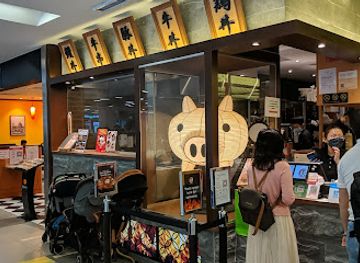
Aburi-EN (Nex)
Discover the art of aburi grilling at Aburi-EN, where authentic Japanese flavors come alive in a vibrant setting.
Best bars in Serangoon
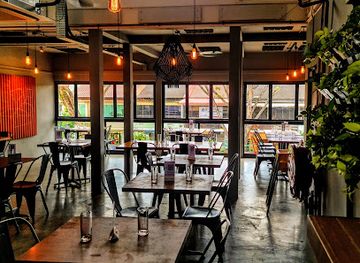
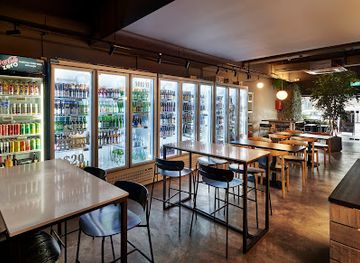
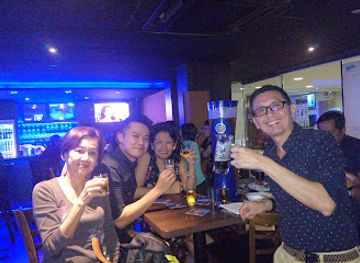
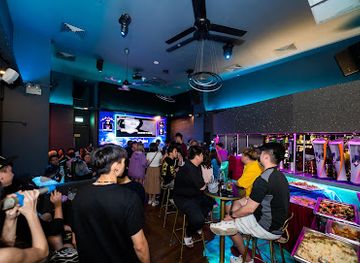
Serangoon's nightlife offers a unique blend of local charm and modern entertainment that promises an unforgettable experience for visitors. As the sun sets, the area comes alive with an array of eclectic bars, vibrant nightclubs, and cozy pubs catering to diverse tastes. From the trendy rooftop bars offering panoramic views of the cityscape to intimate lounges with live music, there's something for everyone. The bustling Serangoon Garden area is particularly known for its lively atmosphere, where you can enjoy craft cocktails, artisanal beers, and delicious bar bites. For those seeking a more immersive cultural experience, numerous establishments feature traditional Singaporean performances and themed nights. Whether you're looking to dance the night away or relax with a drink in hand, Serangoon's nightlife scene is a dynamic mosaic of excitement and relaxation.
-
Diner
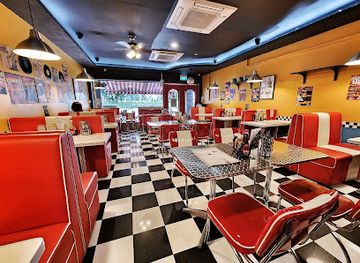
Joji’s Diner - Serangoon
Discover Joji's Diner in Serangoon, Singapore - where comfort food meets a vibrant, welcoming atmosphere for an unforgettable dining experience.
-
Bar
Dan's Steaks - Bar & Grill (Serangoon Gardens) | Reservations on danssteaks.com
Experience the perfect blend of steakhouse luxury and bistro charm at Dan's Steaks - Bar & Grill in Serangoon Gardens.
-
Restaurant
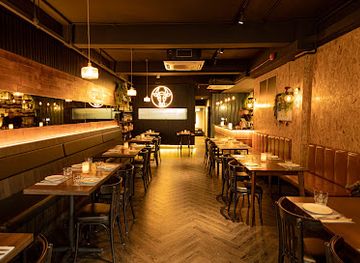
PLONK
Discover exquisite flavors and a vibrant atmosphere at PLONK, a delightful restaurant and wine bar in the heart of Singapore.
-
Bar
Beer Basket @ Kovan
Discover the vibrant Beer Basket @ Kovan - a lively gastropub offering craft beers, gourmet bites, and a welcoming atmosphere in Singapore.
Best nightclubs in Serangoon
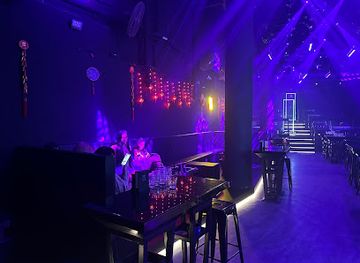
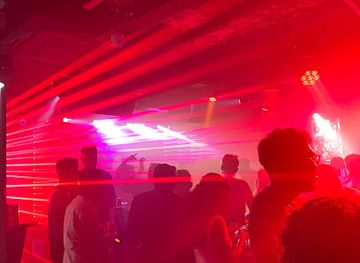
Serangoon's nightlife offers a unique blend of local charm and modern entertainment that promises an unforgettable experience for visitors. As the sun sets, the area comes alive with an array of eclectic bars, vibrant nightclubs, and cozy pubs catering to diverse tastes. From the trendy rooftop bars offering panoramic views of the cityscape to intimate lounges with live music, there's something for everyone. The bustling Serangoon Garden area is particularly known for its lively atmosphere, where you can enjoy craft cocktails, artisanal beers, and delicious bar bites. For those seeking a more immersive cultural experience, numerous establishments feature traditional Singaporean performances and themed nights. Whether you're looking to dance the night away or relax with a drink in hand, Serangoon's nightlife scene is a dynamic mosaic of excitement and relaxation.
-
Night club
XclusiV
Discover the ultimate nightlife experience at XclusiV, Singapore's premier nightclub featuring top DJs, vibrant beats, and an unforgettable atmosphere.
-
Disco club
ALPHA NIGHTLIFE
Alpha Nightlife: Singapore's premier disco club, where electrifying music and unforgettable experiences await every night of the week.
-
Recreation center
AUPE Club
Experience the vibrant nightlife and recreational fun at AUPE Club in Singapore, a perfect blend of darts, karaoke, and pub ambiance.
-
Bar
So High Social Club
Experience the best of nightlife at So High Social Club, where karaoke, board games, and socializing come together in Singapore.
Best shops in Serangoon
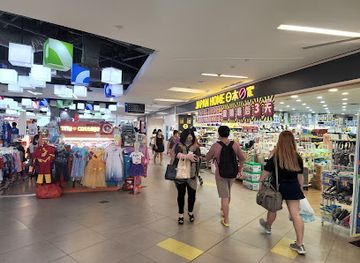
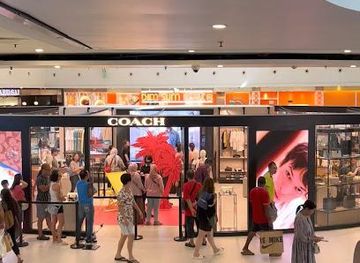
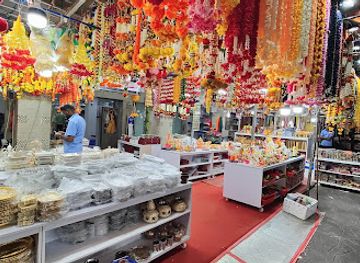
Serangoon's shopping scene is a vibrant tapestry of cultural treasures and modern retail therapy, seamlessly blending the old with the new. Visitors can immerse themselves in the bustling markets and quaint shophouses of Serangoon Road, where traditional Indian garments, spices, and handicrafts are abundant, offering an authentic taste of Little India. For those seeking contemporary fashion and lifestyle products, NEX Mall stands as a sprawling retail haven featuring international brands, trendy boutiques, and a plethora of dining options. The juxtaposition of heritage-rich streets and sleek commercial hubs creates a unique shopping experience that caters to both the nostalgic and the contemporary shopper, making Serangoon a must-visit for anyone looking to explore the multifaceted charm of Singapore's retail landscape.
-
Shopping mall
NEX
Experience a shopping paradise at NEX, Singapore's premier shopping mall in Serangoon with diverse retail, dining, and entertainment options.
-
Shopping mall
Changi City Point
Explore Changi City Point, Singapore's ultimate shopping mall with diverse retail stores, delicious dining options, and family-friendly entertainment.
-
Outlet mall
Little India Arcade
Discover Little India Arcade: A vibrant shopping destination showcasing Indian culture and cuisine in the heart of Singapore.
-
Supermarket
Sheng Siong
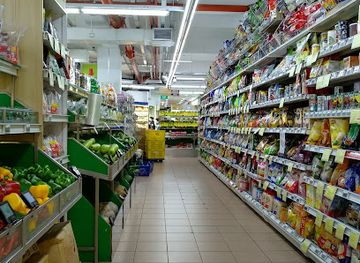
Discover the vibrant flavors of Singapore at Sheng Siong, where local culture meets competitive pricing in a bustling supermarket experience.
Get your free copy of our complete guide to Serangoon, delivered straight to you.
Everything on this page, from attractions and restaurants to essentials and local phrases, in one PDF you can read offline, print or share.
Already have an account? Sign in
Your Serangoon guide is ready.
We'll send it to · Not you? Sign out

Getting your guide ready…
We are putting together a fresh copy of the Serangoon guide. This can take up to a minute.
This can take a few moments. If your browser asks, choose Allow so the download can start. You'll find the guide in your Downloads folder.
Nothing happened? Download it again
Sorry, the guide is taking longer than usual. Please try again in a minute, or get it by email instead.
Serangoon essentials
Currency and Payment
Safety
Emergency Situations
Do's and Don'ts
Local Tips
From Eve
Local phrases worth knowing
You don't need to get them perfect. A few words go a long way, and locals appreciate the effort.
Basics
| English | Local | Say it |
|---|---|---|
| Hello | Hello | [heh-loh] |
| Goodbye | Bye | [bye] |
| Yes | Yes | [yes] |
| No | No | [no] |
| Please/You're welcome | Please/No problem | [pleez/noh proh-blem] |
| Thank you | Thank you | [thangk yoo] |
| Excuse me/Sorry | Excuse me/Sorry | [ex-kyoos mee/sor-ree] |
| How are you? | How are you? | [how ar yoo] |
| Fine. And you? | Fine. And you? | [fine. and yoo] |
| Do you speak English? | Do you speak English? | [doo yoo speek ing-glish] |
| I don't understand | I don’t understand | [ai dont un-der-stand] |
Eating & Drinking
| English | Local | Say it |
|---|---|---|
| I'd like to see the menu, please | Can I see the menu, please? | [kan ai see thuh men-yoo, pleez] |
| I don't eat meat | I don't eat meat | [ai dont eet meet] |
| Cheers! | Cheers! | [cheers] |
| I would like to pay, please | Can I pay, please? | [kan ai pay, pleez] |
Emergencies
| English | Local | Say it |
|---|---|---|
| Help! | Help! | [help] |
| Go away! | Go away! | [go aw-ay] |
| Call the Police! | Call the Police! | [call thuh po-lees] |
| Call a doctor! | Call a doctor! | [call a dok-tor] |
| I'm lost | I'm lost | [aim lost] |
| I'm ill | I'm not feeling well | [aim not feel-ing wel] |
Shopping
| English | Local | Say it |
|---|---|---|
| I'd like to buy... | I want to buy... | [ai want to buy] |
| I'm just looking | I'm just looking | [aim just looking] |
| How much is it? | How much is it? | [how much is it] |
| That's too expensive | That's too expensive | [thats too ex-pen-sive] |
| Can you lower the price? | Can you lower the price? | [kan yoo loh-er thuh prys] |
Time & Numbers
| English | Local | Say it |
|---|---|---|
| What time is it? | What time is it? | [what time is it] |
| It's one o'clock | It's one o'clock | [its wun o-clock] |
| Half past (10) | Half past ten | [haf past ten] |
| Morning | Morning | [mor-ning] |
| Afternoon | Afternoon | [af-ter-noon] |
| Evening | Evening | [eev-ning] |
| Yesterday | Yesterday | [yes-ter-day] |
| Today | Today | [to-day] |
| Tomorrow | Tomorrow | [to-mor-row] |
| 1 | 1 | [one] |
| 2 | 2 | [two] |
| 3 | 3 | [three] |
| 4 | 4 | [four] |
| 5 | 5 | [five] |
| 6 | 6 | [six] |
| 7 | 7 | [seven] |
| 8 | 8 | [eight] |
| 9 | 9 | [nine] |
| 10 | 10 | [ten] |
Transport & Directions
| English | Local | Say it |
|---|---|---|
| Where's a/the...? | Where's the...? | [where's thuh...] |
| What's the address? | What's the address? | [what's thuh ad-dress] |
| Can you show me (on the map)? | Can you show me on the map? | [kan yoo show mee on thuh map] |
| When's the next (bus)? | When's the next bus? | [when's thuh next bus] |
| A ticket (to ....) | A ticket to... | [a tik-et to...] |
History of Serangoon
Early Settlements and Origins
Serangoon's history dates back to the early 19th century when it was primarily a swampy area inhabited by the indigenous Malay community. The name 'Serangoon' is believed to be derived from the Malay word 'saranggong', which refers to a water bird commonly found in the area. As the British established their presence in Singapore, Serangoon evolved into an agricultural hub, with vast plantations of gambier and pepper.
Development of Serangoon Road
Serangoon Road, one of Singapore's oldest and longest roads, played a significant role in the region's development. Constructed in the early 1820s, it served as a vital link between the town center and the rural settlements. The road facilitated trade and movement, attracting a diverse population of Chinese, Indians, and Malays. Over time, it became a bustling thoroughfare lined with shophouses, markets, and temples, reflecting the area's multicultural heritage.
The Indian Community and Little India
In the late 19th century, Serangoon Road became the heart of the Indian community in Singapore. Indian immigrants, primarily from Tamil Nadu, settled in the area, establishing businesses, cultural institutions, and places of worship. The vibrant enclave known as Little India emerged, characterized by its colorful architecture, bustling markets, and aromatic spice shops. Iconic landmarks such as the Sri Veeramakaliamman Temple and the Tekka Centre continue to attract visitors and celebrate Indian heritage.
Japanese Occupation During World War II
During World War II, Serangoon, like the rest of Singapore, experienced the harsh realities of the Japanese occupation from 1942 to 1945. The area was affected by food shortages, curfews, and the Japanese military's stringent control. Serangoon Gardens, a residential estate developed in the 1950s, was originally a British military camp that saw significant action during the Japanese invasion. The occupation left a lasting impact on the residents and the area's post-war redevelopment.
Post-War Development and Serangoon New Town
Following Singapore's independence in 1965, Serangoon underwent significant urban redevelopment to accommodate a growing population. The Housing and Development Board (HDB) implemented large-scale housing projects, transforming Serangoon into a modern residential estate. Serangoon New Town was developed in the 1980s, featuring high-rise HDB flats, shopping centers, and recreational facilities. The area's transformation reflects Singapore's broader post-war efforts to provide quality housing and improve living standards.
Cultural and Religious Landmarks
Serangoon is home to numerous cultural and religious landmarks that highlight its rich heritage. The Sri Srinivasa Perumal Temple, built in 1855, is one of the oldest Hindu temples in Singapore and a focal point for Hindu festivals. The Masjid Haji Yusoff, established in 1921, serves the local Malay-Muslim community. Additionally, the Church of St. Francis Xavier, founded in 1959, is a significant Catholic church in the area. These landmarks underscore Serangoon's diverse and harmonious cultural landscape.
Serangoon in Photos
Browse through our photo collection highlighting the charm and character of the destination.
Neighbouring regions of Serangoon
The closest regions to Serangoon, if you have time for more than one.
-

-

-

-

-


Swipe for more regions
Explore more

Explore more of Singapore
Explore Singapore: A vibrant city-state where modernity meets tradition, offering world-class cuisine, stunning gardens, and unique cultural experiences.
Explore Singapore