

Free Geylang Travel Guide & Mobile App
Explore Geylang with free travel guides. Discover regional history, expert tips, proposed trips, and audio guides on web or mobile app.


Discover Geylang: A vibrant neighborhood in Singapore offering a rich cultural experience, delicious local food, and lively nightlife.
Read more about Geylang
When is the best time to visit Geylang?
Best: February, June–July · 30–31°C| Month | High (°C) | Rainfall (mm) |
|---|---|---|
| January | 30 | 237 |
| February (best) | 30 | 166 |
| March | 31 | 186 |
| April | 31 | 181 |
| May | 31 | 171 |
| June (best) | 31 | 163 |
| July (best) | 31 | 158 |
| August | 31 | 174 |
| September | 31 | 176 |
| October | 31 | 192 |
| November | 31 | 257 |
| December | 31 | 288 |
Getting to and around Geylang
How to get there
Transportation
Best attractions in Geylang
Geylang, a vibrant enclave in Singapore, offers an intriguing blend of rich cultural heritage, bustling nightlife, and culinary delights. Visitors can explore the historic shophouses adorned with intricate Peranakan tiles, reflecting the area's multicultural past. The streets come alive at night with neon lights and the aroma of local street food, from savory dim sum to the famous durian stalls. Geylang Serai Market is a must-visit, offering an authentic taste of Malay culture with its traditional goods and tantalizing dishes. Whether it's wandering through the serene Lorong 24A Shophouse Series, a cluster of beautifully restored homes, or experiencing the colorful nightlife, Geylang promises an unforgettable journey through Singapore's diverse tapestry.
-
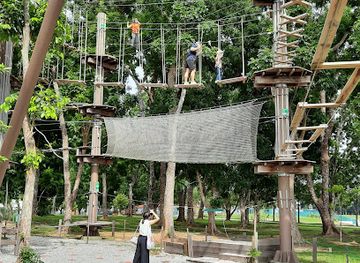
Park
East Coast Park
Experience the beauty of East Coast Park, a vibrant coastal escape in Singapore with outdoor activities, stunning views, and delicious dining options.
-
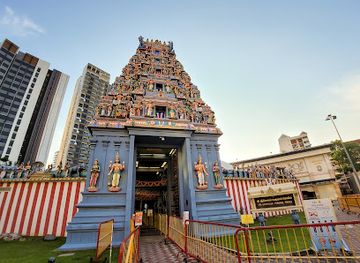
Hindu temple
Sri Srinivasa Perumal Temple
Explore the spiritual heart of Singapore at Sri Srinivasa Perumal Temple, a stunning Hindu temple full of vibrant traditions and rich cultural heritage.
-
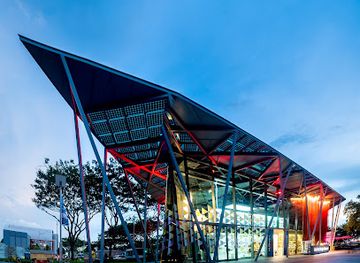
Museum
Red Dot Design Museum
Explore creativity and innovation at the Red Dot Design Museum, a must-visit for design enthusiasts and curious travelers in Singapore.
-
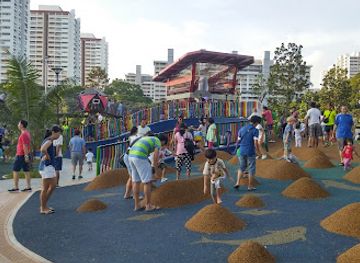
Park
Bedok Reservoir Park
Experience the natural beauty and tranquility of Bedok Reservoir Park, a must-visit oasis for outdoor enthusiasts in Singapore.
Best landmarks in Geylang
Geylang in Singapore is a treasure trove of cultural and historical landmarks waiting to be explored. Visitors can marvel at the architectural beauty of the Sri Sivan Temple, a stunning Hindu temple that offers intricate carvings and vibrant festivals, or visit the Geylang Serai Market, a bustling hive of local cuisine and fresh produce that immerses you in Malay culture. History enthusiasts will be fascinated by the Lorong 24A Shophouses, a row of meticulously restored heritage shophouses showcasing Peranakan architecture. For those seeking spiritual solace, the Khadijah Mosque provides a serene space for reflection amidst the area's vibrant energy. The former Geylang Fire Station, now repurposed, stands as a reminder of the area's colonial past and offers a unique blend of history and modernity. With its eclectic mix of traditional eateries, night markets, and neon-lit streets, Geylang promises a sensory feast and a glimpse into Singapore's multifaceted heritage.
-
Garden
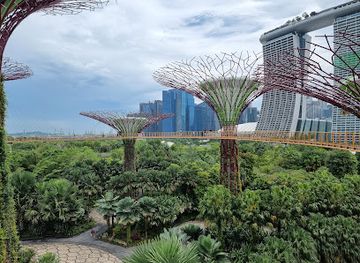
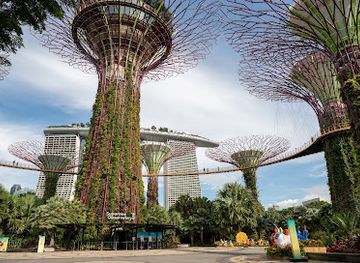
Gardens by the Bay
Discover the captivating fusion of nature and technology at Gardens by the Bay, Singapore's iconic garden paradise with stunning attractions.
-
 Hotel
HotelMarina Bay Sands Singapore
Discover the luxury and excitement of Marina Bay Sands, Singapore's iconic resort with stunning views, dining, and entertainment options.
-
Garden
Supertree Grove
Discover the breathtaking Supertree Grove in Singapore, where nature meets innovation in a stunning urban garden experience.
-
Shopping mall
Clarke Quay
Discover the vibrant charm of Clarke Quay, a riverside haven in Singapore filled with restaurants, shops, and exciting nightlife.
Explore Geylang on the map
Plan your trip on one map. See where the top cities, national parks and sights are, and book hotels and experiences in a few clicks.
Best hotels in Geylang
Best restaurants in Geylang
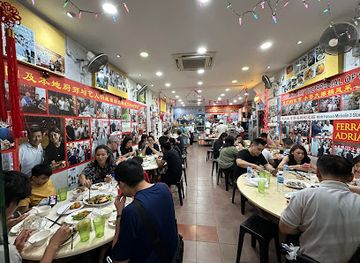
Geylang in Singapore is a vibrant culinary paradise that tantalizes the senses with its diverse and flavorful offerings. As you stroll through its bustling streets, you'll discover an eclectic mix of traditional hawker stalls and contemporary eateries, each serving up a unique taste of local and international cuisines. From mouth-watering dim sum and aromatic laksa to succulent satay and exotic durian desserts, the area is a feast for food lovers seeking authentic and adventurous dining experiences. Night owls will appreciate the late-night food joints that keep the gastronomic delights flowing well into the early hours, making Geylang a must-visit destination for anyone eager to explore Singapore's rich culinary heritage.
-
Hawker center
Geylang Serai Market and Food Centre
Singapore's Malay soul unveiled: halal hawker feasts, spice-laden wet markets, and vibrant street life at Geylang Serai's timeless food centre hub.
-
Seafood
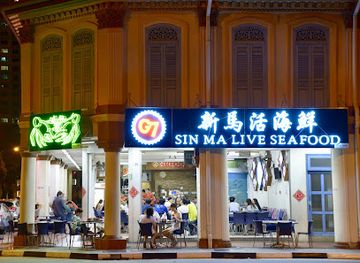
G7 Frog Porridge & Live Seafood
Savor unique frog porridge and fresh live seafood at G7 Frog Porridge & Live Seafood – a family-friendly dining destination in Singapore.
-
Chinese
J.B. Ah Meng Restaurant
Experience authentic Chinese seafood delights at J.B. Ah Meng Restaurant in Singapore's vibrant Geylang district.
-
Seafood
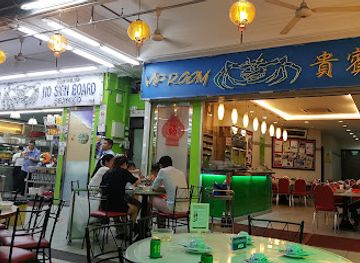
No Signboard Seafood At Geylang
Indulge in authentic Singaporean seafood at No Signboard Seafood in Geylang – a must-visit culinary destination.

Best bars in Geylang
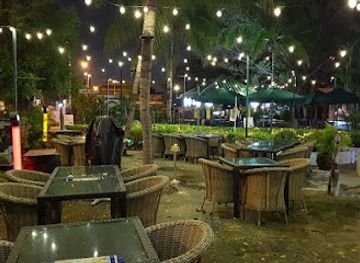
Geylang, Singapore's most vibrant and eclectic district, comes alive at night with an intoxicating blend of traditional and modern nightlife experiences. Visitors can expect a sensory overload as they wander through neon-lit streets teeming with bustling street food stalls, offering an array of local delicacies like satay and frog porridge. Hidden within this lively labyrinth are charming speakeasies, lively karaoke bars, and historic coffee shops that echo a bygone era, creating a unique juxtaposition of old and new. The area’s colorful shophouses transform into trendy bars and nightclubs, where the music ranges from sultry jazz to pulsating electronic beats, ensuring there's something for every taste. Geylang's nightlife is a microcosm of Singapore's diverse culture, offering an unforgettable experience that is both gritty and glamorous.
-
Gastropub
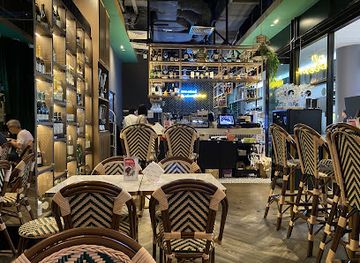
Tipsy Bird Gastrobar
Tipsy Bird Gastrobar: Where Culinary Innovation Meets Vibrant Atmosphere in Singapore's Dining Scene.
-
Sports bar
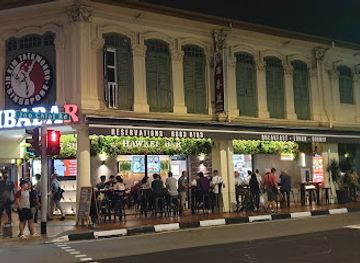
AlibabaR Hawker Bar East Coast
Experience a unique blend of local hawker cuisine and sports entertainment at AlibabaR Hawker Bar in Singapore.
-
Grill
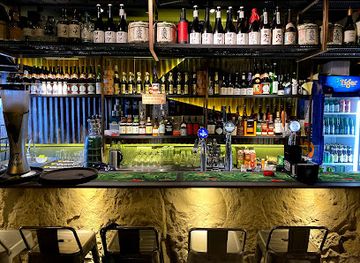
The Skewer Bar
Experience the unique flavors of skewered dishes and an extensive sake selection at The Skewer Bar in Geylang, Singapore.
-
Grill
Mel's Place Restaurant & Bar
Discover a blend of grilled delights and refreshing drinks at Mel's Place Restaurant & Bar in Marine Parade, Singapore.
Best nightclubs in Geylang
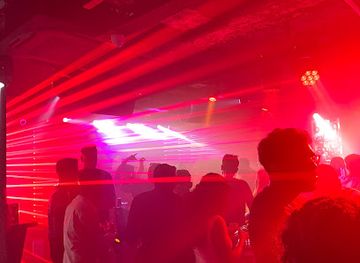
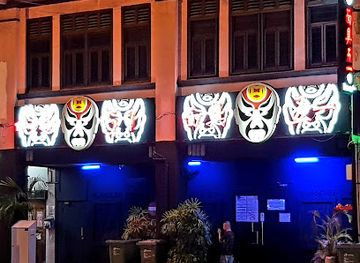
Geylang, Singapore's most vibrant and eclectic district, comes alive at night with an intoxicating blend of traditional and modern nightlife experiences. Visitors can expect a sensory overload as they wander through neon-lit streets teeming with bustling street food stalls, offering an array of local delicacies like satay and frog porridge. Hidden within this lively labyrinth are charming speakeasies, lively karaoke bars, and historic coffee shops that echo a bygone era, creating a unique juxtaposition of old and new. The area’s colorful shophouses transform into trendy bars and nightclubs, where the music ranges from sultry jazz to pulsating electronic beats, ensuring there's something for every taste. Geylang's nightlife is a microcosm of Singapore's diverse culture, offering an unforgettable experience that is both gritty and glamorous.
-
Disco club
ALPHA NIGHTLIFE
Unleash your night at Alpha Nightlife, Singapore's premier disco club, where beats and lights create an unforgettable party atmosphere.
-
Disco club
Mask 51
Immerse yourself in the electrifying nightlife of Singapore at Mask 51, where talented DJs and friendly vibes create unforgettable memories.
-
Karaoke bar
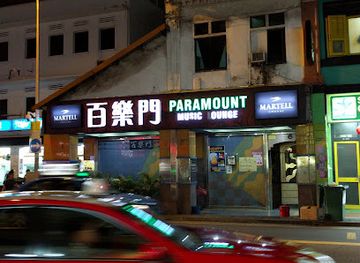
Paramount Music Lounge
Experience the vibrant nightlife at Paramount Music Lounge, Singapore's premier karaoke bar with a diverse song selection and lively atmosphere.
-
Karaoke bar
GG KTV Nite Club
Experience unforgettable nights of music and fun at GG KTV Nite Club, Singapore's premier karaoke destination for all music lovers.

Best shops in Geylang
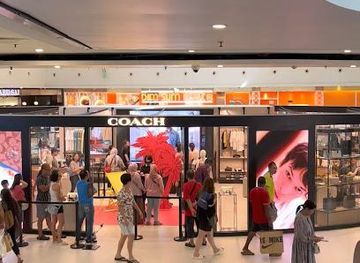
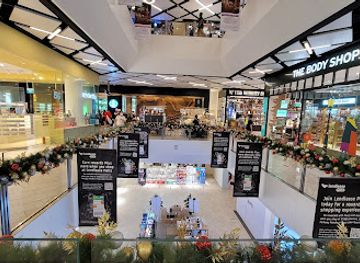
Geylang in Singapore offers a vibrant and eclectic shopping experience that reflects its multicultural tapestry and storied past. Visitors can meander through its bustling streets and discover an array of unique shops, from traditional Chinese medicine halls brimming with exotic herbs to colorful Peranakan boutiques showcasing intricate beadwork and textiles. The area is also known for its myriad of street markets and hole-in-the-wall stores, where one can find everything from fresh tropical fruits and spices to quirky antiques and vintage treasures. Geylang’s night markets come alive with the scent of local delicacies and the chatter of vendors, providing a sensory feast for those keen to experience the authentic heartbeat of Singaporean commerce.
-
Shopping mall
Changi City Point
Discover Changi City Point: Singapore's vibrant shopping mall with over 200 stores, diverse dining options, and entertainment for the whole family.
-
Shopping mall
Clarke Quay Central
Experience the vibrant shopping and dining at Clarke Quay Central, Singapore's ultimate destination for retail therapy and culinary delights.
-
Shopping mall
PLQ Mall
Explore PLQ Mall in Singapore: A Shopping Paradise with Unique Finds and Culinary Delights for Every Visitor.
-
Shopping mall
Paya Lebar Square
Explore Paya Lebar Square, a vibrant shopping mall in Singapore offering diverse shops, dining, and entertainment for an unforgettable experience.
Get your free copy of our complete guide to Geylang, delivered straight to you.
Everything on this page, from attractions and restaurants to essentials and local phrases, in one PDF you can read offline, print or share.
Already have an account? Sign in
Your Geylang guide is ready.
We'll send it to · Not you? Sign out

Getting your guide ready…
We are putting together a fresh copy of the Geylang guide. This can take up to a minute.
This can take a few moments. If your browser asks, choose Allow so the download can start. You'll find the guide in your Downloads folder.
Nothing happened? Download it again
Sorry, the guide is taking longer than usual. Please try again in a minute, or get it by email instead.
Geylang essentials
Currency and Payment
Safety
Emergency Situations
Do's and Don'ts
Local Tips
From Eve
Local phrases worth knowing
You don't need to get them perfect. A few words go a long way, and locals appreciate the effort.
Basics
| English | Local | Say it |
|---|---|---|
| Hello | Hello | [Heh-loh] |
| Goodbye | Goodbye | [Good-bye] |
| Yes | Yes | [Yes] |
| No | No | [No] |
| Please/You're welcome | Please/You're welcome | [Pleeze/You're welcome] |
| Thank you | Thank you | [Thank you] |
| Excuse me/Sorry | Excuse me/Sorry | [Ex-kyoos me/Sor-ree] |
| How are you? | How are you? | [How are you?] |
| Fine. And you? | Fine. And you? | [Fine. And you?] |
| Do you speak English? | Do you speak English? | [Do you speak English?] |
| I don't understand | I don't understand | [I don't un-der-stand] |
Eating & Drinking
| English | Local | Say it |
|---|---|---|
| I'd like to see the menu, please | I'd like to see the menu, please | [I'd like to see the menu, please] |
| I don't eat meat | I don't eat meat | [I don't eat meat] |
| Cheers! | Cheers! | [Cheers!] |
| I would like to pay, please | I would like to pay, please | [I would like to pay, please] |
Emergencies
| English | Local | Say it |
|---|---|---|
| Help! | Help! | [Help!] |
| Go away! | Go away! | [Go a-way!] |
| Call the Police! | Call the Police! | [Call the Po-lice!] |
| Call a doctor! | Call a doctor! | [Call a doc-tor!] |
| I'm lost | I'm lost | [I'm lost] |
| I'm ill | I'm ill | [I'm ill] |
Shopping
| English | Local | Say it |
|---|---|---|
| I'd like to buy... | I'd like to buy... | [I'd like to buy...] |
| I'm just looking | I'm just looking | [I'm just looking] |
| How much is it? | How much is it? | [How much is it?] |
| That's too expensive | That's too expensive | [That's too ex-pen-sive] |
| Can you lower the price? | Can you lower the price? | [Can you low-er the price?] |
Time & Numbers
| English | Local | Say it |
|---|---|---|
| What time is it? | What time is it? | [What time is it?] |
| It's one o'clock | It's one o'clock | [It's one o'clock] |
| Half past (10) | Half past (10) | [Half past (10)] |
| Morning | Morning | [Morn-ing] |
| Afternoon | Afternoon | [Af-ter-noon] |
| Evening | Evening | [Eve-ning] |
| Yesterday | Yesterday | [Yes-ter-day] |
| Today | Today | [To-day] |
| Tomorrow | Tomorrow | [To-mor-row] |
| 1 | 1 | [One] |
| 2 | 2 | [Two] |
| 3 | 3 | [Three] |
| 4 | 4 | [Four] |
| 5 | 5 | [Five] |
| 6 | 6 | [Six] |
| 7 | 7 | [Seven] |
| 8 | 8 | [Eight] |
| 9 | 9 | [Nine] |
| 10 | 10 | [Ten] |
Transport & Directions
| English | Local | Say it |
|---|---|---|
| Where's a/the...? | Where's a/the...? | [Where's a/the...?] |
| What's the address? | What's the address? | [What's the ad-dress?] |
| Can you show me (on the map)? | Can you show me (on the map)? | [Can you show me (on the map)?] |
| When's the next (bus)? | When's the next (bus)? | [When's the next (bus)?] |
| A ticket (to ....) | A ticket (to ....) | [A tick-et (to ....)] |
History of Geylang
Early Days of Geylang
Geylang's origins trace back to the early 19th century when it was primarily a Malay village known for its coconut plantations and simple kampong (village) life. The name 'Geylang' is believed to be derived from the Malay word 'kilang', meaning 'factory'. Over time, it became a melting pot of various communities including Malays, Chinese, Indians, and Eurasians.
Development of Geylang Serai
In the early 20th century, Geylang Serai became a central hub for the Malay community. The area saw the establishment of markets, mosques, and schools which catered to the cultural and daily needs of its residents. Geylang Serai Market, in particular, became a cultural icon and remains a bustling center for traditional Malay goods and cuisine.
Post-War Transformation
After World War II, Geylang underwent significant changes. The post-war period saw rapid urban development and the introduction of modern infrastructure. Former kampongs were replaced with shophouses, residential buildings, and commercial establishments. This period also saw an influx of migrants from various parts of Asia, adding to the area's multicultural tapestry.
The Red Light District Era
From the 1960s onwards, parts of Geylang became known for their nightlife and red-light district. This reputation was shaped by the numerous entertainment establishments, bars, and nightclubs that attracted both locals and tourists. Despite this, Geylang continued to be a vibrant residential and commercial area, known for its unique blend of old and new.
Geylang's Culinary Heritage
Geylang is renowned for its diverse and delectable food scene. The area boasts a wide array of food stalls, restaurants, and eateries offering everything from traditional Malay and Peranakan dishes to Chinese and Indian cuisines. Some of the most famous local delights include Geylang's frog porridge, durian stalls, and the iconic Geylang Lorong 9 Beef Kway Teow.
Modern-Day Geylang
Today, Geylang stands as a testament to Singapore's rich history and cultural diversity. It is a vibrant neighborhood where historical shophouses coexist with modern developments. Efforts have been made to preserve its heritage while accommodating contemporary needs, making Geylang a unique blend of the past and present.
Geylang in Photos
Browse through our photo collection highlighting the charm and character of the destination.
Neighbouring regions of Geylang
The closest regions to Geylang, if you have time for more than one.
-

-

-

-

-


Swipe for more regions
Explore more

Explore more of Singapore
Explore Singapore: A vibrant city-state where modernity meets tradition, offering world-class cuisine, stunning gardens, and unique cultural experiences.
Explore Singapore