

Free Katong Travel Guide & Mobile App
Explore Katong with free travel guides. Discover regional history, expert tips, proposed trips, and audio guides on web or mobile app.


Explore Katong in Singapore for Peranakan shophouses, heritage temples, local food, cafés and easy access to the East Coast.
Read more about Katong
When is the best time to visit Katong?
Best: February, June–July · 30–31°C| Month | High (°C) | Rainfall (mm) |
|---|---|---|
| January | 30 | 238 |
| February (best) | 30 | 155 |
| March | 31 | 185 |
| April | 31 | 166 |
| May | 31 | 171 |
| June (best) | 31 | 161 |
| July (best) | 31 | 159 |
| August | 31 | 175 |
| September | 31 | 173 |
| October | 31 | 191 |
| November | 30 | 255 |
| December | 30 | 288 |
Getting to and around Katong
How to get there
Transportation
Best attractions in Katong
Katong’s attractions are primarily urban, cultural and culinary rather than monumental. The conserved shophouses around Koon Seng Road and Joo Chiat Road provide an accessible introduction to Peranakan architecture, with painted façades, patterned tiles, narrow plots and detailed ventilation openings. The Eurasian Heritage Gallery on Ceylon Road offers insight into one of Singapore’s longstanding communities, while nearby temples and churches reflect the district’s religious diversity. Food is itself a major attraction, from Katong laksa and traditional kueh to cafés and contemporary restaurants occupying older commercial streets. The Katong area also contains familiar shopping and leisure facilities, including i12 Katong, while the wider Marine Parade district offers additional retail and dining choices. East Coast Park, immediately beyond the built-up neighbourhood, is a convenient nearby extension for cycling, walking and views across the reclaimed eastern waterfront, though it is best understood as a separate coastal recreation area. Visitors interested in architecture can combine the main streets with quieter residential lanes, but should remember that Katong remains a functioning neighbourhood. Its appeal lies in the relationship between heritage façades, community institutions, food culture and modern city life rather than in a single enclosed attraction.
-
Tourist attraction
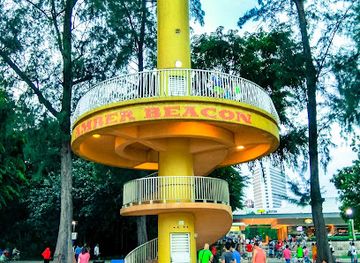
Parkland Green
Discover the charm of Parkland Green, a serene leisure center in Singapore, perfect for recreation, relaxation, and enjoying delicious dining options.
-
Hindu temple
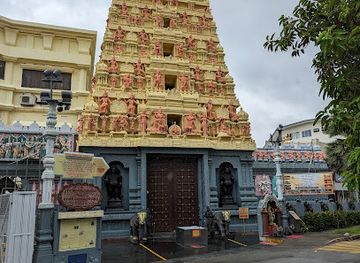
Sri Senpaga Vinayagar Temple
Explore the serene Sri Senpaga Vinayagar Temple, a vibrant Hindu sanctuary in Singapore, where culture and spirituality beautifully converge.
-
Performing arts theater
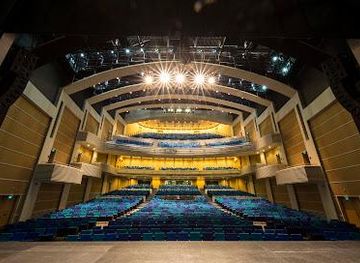
Sands Theatre
Discover the artistic brilliance of Sands Theatre, where world-class performances and stunning architecture meet in the heart of Singapore.
-
Heritage building
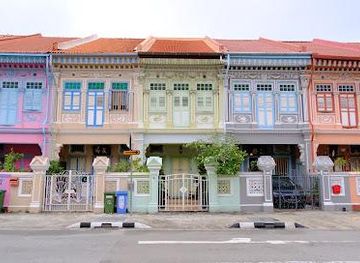
Peranakan Houses
Discover the Peranakan Houses of Singapore, a vibrant heritage site showcasing exquisite architecture and rich cultural history.
Best landmarks in Katong
Katong’s most recognisable landmarks are the conserved shophouse rows that line parts of Koon Seng Road and the adjoining Joo Chiat streets. Their detailed façades, glazed tiles, plaster ornament and narrow urban plots express the domestic and commercial architecture associated with Singapore’s Peranakan communities, although the district’s history is more diverse than the label alone suggests. The Sri Senpaga Vinayagar Temple on Ceylon Road is a prominent Hindu landmark with a long connection to Singapore’s Tamil community, while the Church of the Holy Family reflects the area’s established Catholic presence. The Eurasian Heritage Gallery, also on Ceylon Road, occupies a former residential building and points to another important strand of local history. Katong Park, near the former coastline, is a modest but historically resonant green space, while the broad seafront of East Coast Park is a nearby landscape landmark created through reclamation rather than an original part of the old shoreline. Together these places show Katong as a layered urban district shaped by architecture, faith, migration and a changing relationship with the sea.
-
Tourist attraction
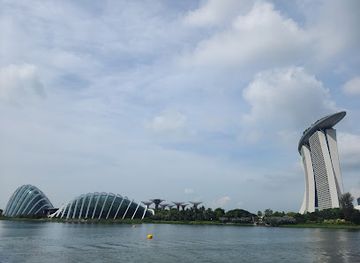
Cloud Forest
Explore the breathtaking Cloud Forest in Singapore, where lush greenery, unique plant species, and stunning waterfalls create an unforgettable experience.
-
Park
East Coast Park
Experience the perfect blend of relaxation and recreation at East Coast Park - Singapore's ultimate beach destination for families and adventurers.
-
Tourist attraction
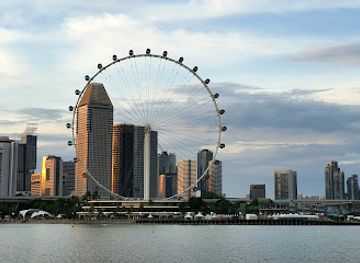
Singapore Flyer
Discover breathtaking views of Singapore from the iconic Singapore Flyer, the world's largest observation wheel, and experience the city's vibrant skyline.
-
Bridge
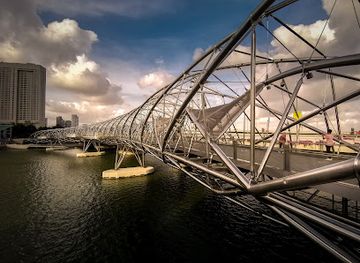
The Helix (Helix Bridge)
Experience the architectural brilliance of The Helix Bridge in Singapore, a stunning pedestrian pathway offering breathtaking views and a unique design inspired by DNA.
Explore Katong on the map
Plan your trip on one map. See where the top cities, national parks and sights are, and book hotels and experiences in a few clicks.
Best hotels in Katong
Best restaurants in Katong
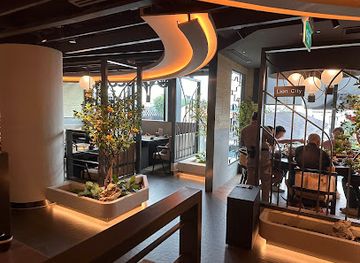
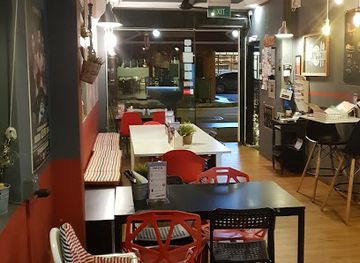
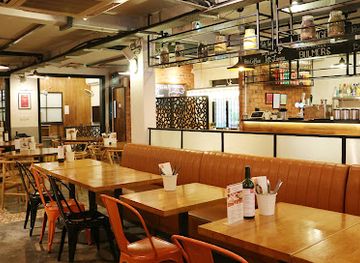
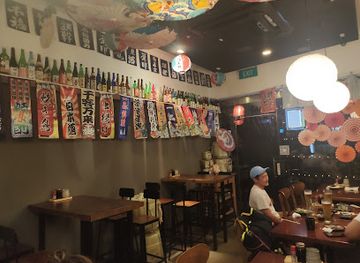
Katong is one of Singapore’s best-known neighbourhoods for exploring Peranakan-influenced and eastern Singaporean food, although its dining scene is broader than its famous laksa. Katong laksa is a spicy coconut-based noodle dish associated with the district, while kueh, such as colourful steamed or layered sweets, can introduce visitors to Peranakan culinary traditions. Traditional bakeries, kopi shops, hawker stalls and family-run eateries sit alongside cafés, dessert shops and contemporary restaurants. East Coast Road and the surrounding Joo Chiat streets provide the main concentration, with food ranging from Malay and Chinese specialities to seafood, Eurasian cooking and modern Singaporean interpretations. The neighbourhood is also practical for visitors who want to compare casual hawker-style meals with sit-down dining without travelling across the city. Menus and businesses change, so it is better to explore the area’s established food streets than rely on a fixed list of venues. At busy stalls, observe the queueing system and have payment ready.
-
Hot Pot
Coucou Hotpot‧Brew Tea @i12 Katong
Experience the delightful fusion of flavors at Coucou Hotpot in i12 Katong – where fresh ingredients meet unique coconut soup!
-
French
Braseiro Restaurant
Experience authentic French cuisine at Braseiro Restaurant in Joo Chiat - where every meal is a culinary adventure!
-
Indian
Zaffron Kitchen East Coast
Discover the authentic taste of India at Zaffron Kitchen East Coast - where every dish tells a story.
-
Yakitori
Q-WA Bar & Yakitori
Discover authentic yakitori and exquisite Japanese dishes at Q-WA Bar & Yakitori in Singapore's Marine Parade.
Best bars in Katong
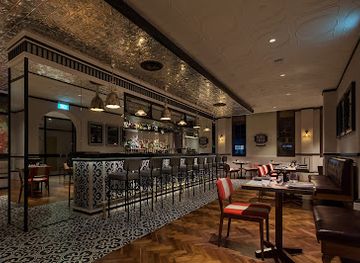
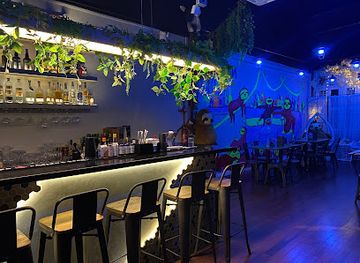
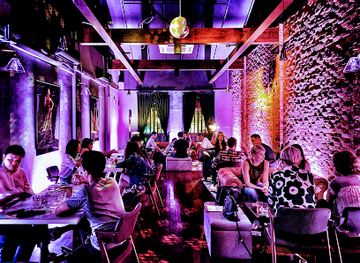
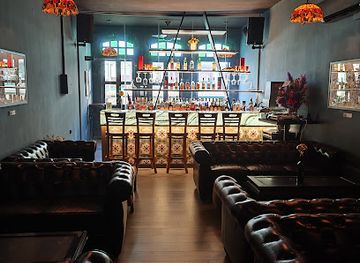
Katong’s evening life centres on dining, conversation and small-scale venues rather than a dense nightclub district. East Coast Road and Joo Chiat Road offer pubs, wine bars, cafés that stay open into the evening and restaurants with a relaxed late-day atmosphere. Some venues provide live music or contemporary cocktails, while traditional coffee shops and casual eateries offer a quieter alternative. Larger entertainment choices are available elsewhere in Singapore, but Katong’s appeal lies in moving between food, heritage streets and neighbourhood drinking places rather than pursuing an all-night club circuit. The area can be busier at weekends, particularly around popular restaurants, whereas weekday evenings often feel more residential. Visitors should check current opening arrangements directly, as independent venues can change their hours or format. Singapore’s licensing, smoking and public-order rules apply fully in Katong, and alcohol is not necessary to appreciate the district’s evening culture.
-
Bar
Brotzeit German Beer Bar and Restaurant - Katong
Experience authentic Bavarian flavors and a vibrant atmosphere at Brotzeit German Beer Bar and Restaurant in Katong, Singapore.
-
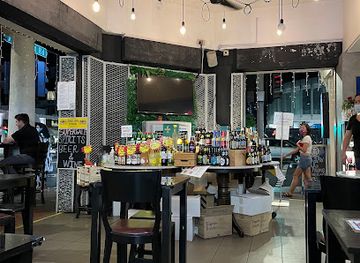
Bar
Baba Chews
Discover the vibrant flavors of Singapore at Baba Chews, an Asian fusion restaurant and bar in Katong, offering a unique culinary experience.
-
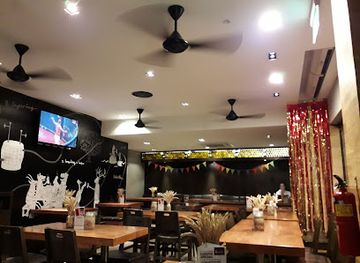
Sports bar
AlibabaR Hawker Bar East Coast
Discover the delightful fusion of sports, family dining, and local flavors at AlibabaR Hawker Bar East Coast – a vibrant gem in Singapore's culinary scene.
-
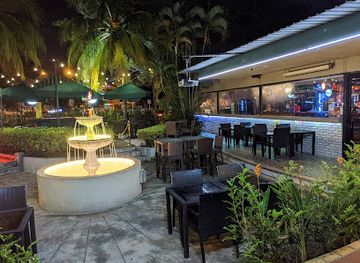
Grill
Mel's Place Restaurant & Bar
Experience the best of Singapore's grill scene at Mel's Place Restaurant & Bar, where flavor meets ambiance in the heart of Marine Parade.
Best nightclubs in Katong
Katong’s evening life centres on dining, conversation and small-scale venues rather than a dense nightclub district. East Coast Road and Joo Chiat Road offer pubs, wine bars, cafés that stay open into the evening and restaurants with a relaxed late-day atmosphere. Some venues provide live music or contemporary cocktails, while traditional coffee shops and casual eateries offer a quieter alternative. Larger entertainment choices are available elsewhere in Singapore, but Katong’s appeal lies in moving between food, heritage streets and neighbourhood drinking places rather than pursuing an all-night club circuit. The area can be busier at weekends, particularly around popular restaurants, whereas weekday evenings often feel more residential. Visitors should check current opening arrangements directly, as independent venues can change their hours or format. Singapore’s licensing, smoking and public-order rules apply fully in Katong, and alcohol is not necessary to appreciate the district’s evening culture.
-
Disco club
ALPHA NIGHTLIFE
Discover Singapore's premier disco club, Alpha Nightlife, where electrifying music and vibrant energy create unforgettable nights.
-
Restaurant
Lazy Sloth & Drunken Sloth
Discover the vibrant atmosphere and culinary delights of Lazy Sloth & Drunken Sloth, a must-visit restaurant and cocktail bar in Singapore's Marine Parade.
-
Cocktail bar
95
Discover the allure of innovative cocktails and a vibrant nightlife scene at Singapore's top cocktail bar in Marine Parade.
-
Bar
The Hidden Story - Speakeasy Bar hidden within a steakhouse
Unveil the charm of The Hidden Story, a speakeasy bar within a steakhouse in Singapore, where craft cocktails and a unique ambiance await.

Best shops in Katong
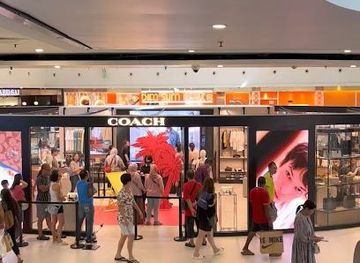
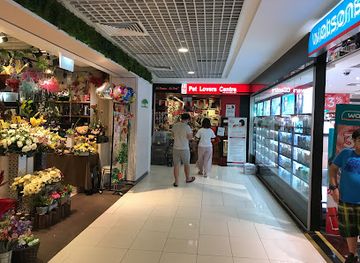
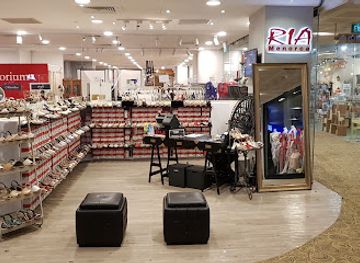
Shopping in Katong combines everyday Singapore retail with heritage-oriented browsing. i12 Katong provides a modern mall setting near the East Coast Road corridor, while the older commercial streets around Katong and Joo Chiat contain independent cafés, bakeries, lifestyle shops, salons and small specialist retailers. Visitors looking for regional food gifts can consider packaged spices, biscuits, tea, coffee and Peranakan-style confectionery, provided items are suitable for travel and clearly labelled. Some shops and galleries offer ceramics, textiles, homeware or decorative goods inspired by local architectural and Peranakan motifs, though these should not automatically be assumed to be handmade or historically traditional. The conserved shophouse streets are more rewarding for browsing independent businesses than for luxury shopping, and the wider Marine Parade area supplies practical everyday retail. Markets and pop-up events can vary, so check current local arrangements rather than planning around an unverified market day. Shopping here works best as part of a walking, food and architecture itinerary rather than as a single retail excursion.
-
Shopping mall
Changi City Point
Explore Changi City Point, Singapore's vibrant shopping mall offering diverse retail, dining, and entertainment experiences for all visitors.
-
Shopping mall
Parkway Parade
Experience the essence of shopping at Parkway Parade, Singapore's premier destination for retail therapy, dining, and entertainment.
-
Shopping mall
i12 Katong
Experience the vibrant shopping and dining scene at i12 Katong, a cultural gem in Singapore's iconic Katong district.
-
Park
Parkland Green
Explore Parkland Green, a serene leisure park in Singapore offering diverse dining, shopping, and recreational experiences amidst lush greenery.
Get your free copy of our complete guide to Katong, delivered straight to you.
Everything on this page, from attractions and restaurants to essentials and local phrases, in one PDF you can read offline, print or share.
Already have an account? Sign in
Your Katong guide is ready.
We'll send it to · Not you? Sign out

Getting your guide ready…
We are putting together a fresh copy of the Katong guide. This can take up to a minute.
This can take a few moments. If your browser asks, choose Allow so the download can start. You'll find the guide in your Downloads folder.
Nothing happened? Download it again
Sorry, the guide is taking longer than usual. Please try again in a minute, or get it by email instead.
Katong essentials
Currency and Payment
Safety
Emergency Situations
Do's and Don'ts
Local Tips
From Eve
Local phrases worth knowing
You don't need to get them perfect. A few words go a long way, and locals appreciate the effort.
Basics
| English | Local | Say it |
|---|---|---|
| Hello | Hello | [heh-loh] |
| Goodbye | Goodbye | [guhd-bye] |
| Yes | Yes | [yes] |
| No | No | [noh] |
| Please/You're welcome | Please/You're welcome | [pleez/yur wel-kum] |
| Thank you | Thank you | [thangk yoo] |
| Excuse me/Sorry | Excuse me/Sorry | [ex-kyoos mee/sor-ree] |
| How are you? | How are you? | [how ar yoo] |
| Fine. And you? | Fine. And you? | [fine. and yoo] |
| Do you speak English? | Do you speak English? | [doo yoo speek ing-glish] |
| I don't understand | I don't understand | [I dont un-der-stand] |
Eating & Drinking
| English | Local | Say it |
|---|---|---|
| I'd like to see the menu, please | I'd like to see the menu, please | [I'd laik to see thuh men-yoo, pleez] |
| I don't eat meat | I don't eat meat | [I dont eet meet] |
| Cheers! | Cheers! | [cheers] |
| I would like to pay, please | I would like to pay, please | [I wud laik to pay, pleez] |
Emergencies
| English | Local | Say it |
|---|---|---|
| Help! | Help! | [help] |
| Go away! | Go away! | [goh aw-ay] |
| Call the Police! | Call the Police! | [kawl thuh puh-lees] |
| Call a doctor! | Call a doctor! | [kawl a dok-tor] |
| I'm lost | I'm lost | [I'm lost] |
| I'm ill | I'm ill | [I'm ill] |
Shopping
| English | Local | Say it |
|---|---|---|
| I'd like to buy... | I'd like to buy... | [I'd laik to buy...] |
| I'm just looking | I'm just looking | [I'm just luk-ing] |
| How much is it? | How much is it? | [how much iz it] |
| That's too expensive | That's too expensive | [thats too eks-pens-iv] |
| Can you lower the price? | Can you lower the price? | [kan yoo loh-er thuh prys] |
Time & Numbers
| English | Local | Say it |
|---|---|---|
| What time is it? | What time is it? | [what tym iz it] |
| It's one o'clock | It's one o'clock | [its wun uh-klok] |
| Half past (10) | Half past (10) | [haf past (ten)] |
| Morning | Morning | [mor-ning] |
| Afternoon | Afternoon | [af-ter-noon] |
| Evening | Evening | [eev-ning] |
| Yesterday | Yesterday | [yes-ter-day] |
| Today | Today | [to-day] |
| Tomorrow | Tomorrow | [to-mor-row] |
| 1 | 1 | [won] |
| 2 | 2 | [too] |
| 3 | 3 | [three] |
| 4 | 4 | [for] |
| 5 | 5 | [fiv] |
| 6 | 6 | [siks] |
| 7 | 7 | [seven] |
| 8 | 8 | [eight] |
| 9 | 9 | [nine] |
| 10 | 10 | [ten] |
Transport & Directions
| English | Local | Say it |
|---|---|---|
| Where's a/the...? | Where's a/the...? | [wherz a/thuh...?] |
| What's the address? | What's the address? | [whats thuh uh-dres] |
| Can you show me (on the map)? | Can you show me (on the map)? | [kan yoo sho mee (on thuh map)?] |
| When's the next (bus)? | When's the next (bus)? | [wenz thuh nekst (bus)?] |
| A ticket (to ....) | A ticket (to ....) | [a tik-it (to....)] |
History of Katong
Early Coastal Settlement and Plantations
Before Katong became a dense urban district, the eastern coast of Singapore consisted of kampongs, coconut plantations, gardens and scattered country houses. The name Katong is associated with older coastal usage, though its exact linguistic origins are debated. The district’s location between the city and the eastern shoreline made it a place for agricultural activity and leisure, while waterways, tidal flats and an undeveloped coast shaped movement through the area. Much of this earlier landscape has disappeared beneath roads, housing and reclamation, but its memory remains in the neighbourhood’s association with the sea and in the spacious names and layouts of some older streets.
The Rise of a Seaside Suburb
From the late nineteenth century into the early twentieth century, Katong developed as a retreat from central Singapore. Country houses, seaside resorts and recreational facilities appeared along the eastern coast, and improved roads made the area more accessible. Wealthier residents built substantial homes, while workers, traders and families established businesses and modest housing nearby. Katong’s social composition was never exclusively Peranakan, but Straits Chinese families became especially influential in its commercial and residential life. This period laid the foundation for the district’s later reputation as an eastern suburb with a distinctive food and architectural culture.
Peranakan and Eurasian Cultural Life
During the late colonial period and the decades after Singapore’s independence, Katong became strongly associated with Peranakan and Eurasian communities. Peranakan households expressed their identity through domestic architecture, dress, language, food and religious practice, while Eurasian families contributed to the district’s schools, churches, music and social institutions. The surviving shophouses and religious buildings are not simply decorative remnants: they represent the neighbourhood networks that supported businesses, family life and community associations. Contemporary Katong is more diverse than its heritage image, but these cultural influences remain visible in its architecture, cuisine and institutions.
War, Occupation and Post-war Change
Singapore’s eastern districts experienced the upheavals of the Second World War and Japanese occupation, followed by post-war housing pressure and rapid social change. Katong’s older villas and kampongs gradually gave way to denser development, schools, places of worship and commercial premises. The district also became connected to a wider eastern suburban corridor as Singapore’s population grew. While many wartime traces are no longer visible in ordinary streets, the period forms part of the broader history that transformed Katong from a semi-rural coastal retreat into an established urban neighbourhood.
Reclamation and the Remade Coast
Large-scale land reclamation in the second half of the twentieth century moved Singapore’s eastern shoreline farther from the old Katong coast. The project created land for transport routes, housing and East Coast Park, but it also changed the physical relationship between the neighbourhood and the sea. What had once been a directly coastal district became an inland-facing urban area with a nearby park and seafront recreation zone. This transformation explains why historical descriptions of Katong as a seaside resort do not correspond exactly to the modern shoreline.
Conservation and Contemporary Katong
Rapid redevelopment during the late twentieth century prompted growing concern for Katong and Joo Chiat’s older streetscapes. Selected groups of shophouses were conserved, allowing richly decorated façades and traditional urban plots to survive amid new apartments, malls and offices. Heritage tourism, independent cafés and food businesses later added new layers to the district’s economy. Conservation has not frozen Katong in the past: it exists alongside ordinary residential life, religious activity and changing commercial uses, making the neighbourhood an example of how Singapore manages historic urban character within a modern city.
Katong in Photos
Browse through our photo collection highlighting the charm and character of the destination.
Neighbouring regions of Katong
The closest regions to Katong, if you have time for more than one.
-

-

-

-

-


Swipe for more regions
Explore more

Explore more of Singapore
Explore Singapore: A vibrant city-state where modernity meets tradition, offering world-class cuisine, stunning gardens, and unique cultural experiences.
Explore Singapore