

Free Punggol Travel Guide & Mobile App
Explore Punggol with free travel guides. Discover regional history, expert tips, proposed trips, and audio guides on web or mobile app.


Explore Punggol’s waterfront parks, Coney Island, coastal heritage, cycling paths and evolving new-town culture in north-eastern Singapore.
Read more about Punggol
When is the best time to visit Punggol?
Best: May–July · 30–31°C| Month | High (°C) | Rainfall (mm) |
|---|---|---|
| January | 29 | 250 |
| February | 30 | 200 |
| March | 31 | 220 |
| April | 30 | 200 |
| May (best) | 31 | 190 |
| June (best) | 30 | 180 |
| July (best) | 30 | 190 |
| August | 30 | 200 |
| September | 30 | 210 |
| October | 30 | 220 |
| November | 30 | 250 |
| December | 29 | 270 |
Getting to and around Punggol
How to get there
Transportation
Destinations in Punggol
Resorts, valleys and scenic spots worth a trip of their own.

Swipe for more destinations
Best attractions in Punggol
Punggol’s attractions are primarily landscape-based and make the area a useful contrast to Singapore’s dense central districts. Punggol Waterway Park is the main recreational spine, with landscaped gardens, bridges, playgrounds, open lawns and paths suitable for walking or cycling. At the northern end, Punggol Point Park and the Punggol Promenade provide views across the Johor Strait and towards the coastal edge of the town. Coney Island Park, accessible from Punggol by path, offers a quieter outing through coastal woodland and grassland, with opportunities for birdwatching and nature photography. The island’s former beach houses and rural traces add historical interest, although it is best approached as a protected park rather than a conventional beach resort. Punggol Settlement provides a cluster of dining and leisure options beside the water, while Waterway Point is the principal indoor shopping and entertainment complex. Families may also find the town’s playgrounds, park spaces and cycling routes more appealing than formal museums. The Punggol Digital District and Singapore Institute of Technology campus represent the area’s newer educational and technological identity, though their significance is primarily urban and civic rather than sightseeing-oriented. Together, these attractions show Punggol as a planned waterfront town shaped by recreation, ecology and development.
-
Seafood
The Punggol Settlement
Discover the ultimate seafood dining experience at The Punggol Settlement, where fresh flavors meet breathtaking waterfront views in Singapore.
-
Park
Punggol Park
Explore Punggol Park, a serene oasis in Singapore perfect for relaxation, family outings, and outdoor activities amidst lush greenery.
-
Park
Punggol Waterway Park
Discover Punggol Waterway Park, a lush green haven in Singapore, perfect for leisurely strolls, cycling, and enjoying nature's beauty.
-
Park
Sengkang Riverside Park
Experience the serenity and natural beauty of Sengkang Riverside Park, a perfect retreat for nature lovers and families alike in Singapore.
Best landmarks in Punggol
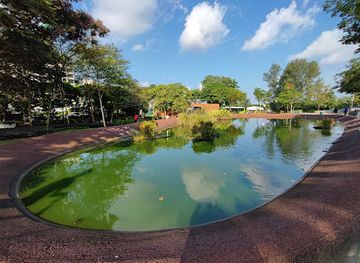
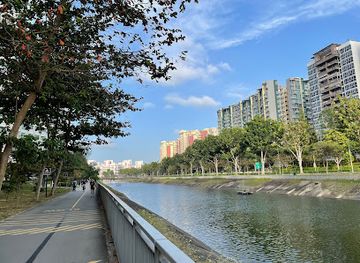
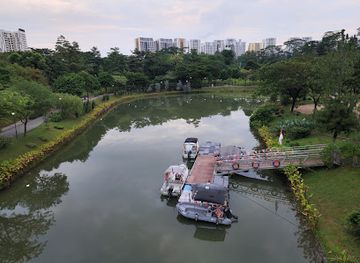
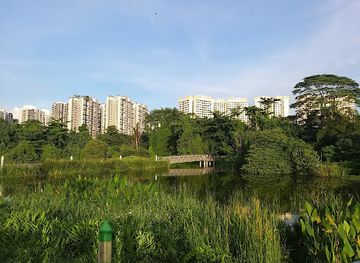
Punggol Waterway is the area’s defining modern landmark, a broad engineered water corridor that gives the new town a recognisable spatial identity and links its residential districts with public parks. Its bridges, landscaped banks and long promenades are especially distinctive at sunset and after rain, when the water and planting reflect the town’s carefully planned relationship with nature. Punggol Point and the adjacent promenade mark Singapore’s north-eastern coastal edge, looking across the Johor Strait and recalling the district’s former fishing and seafood economy. The site also carries wartime significance because Punggol Point is associated with the 1942 massacre of Chinese civilians during the Japanese occupation. Coney Island’s coastal vegetation and paths form a contrasting natural landmark, representing one of the remaining undeveloped-looking landscapes within the urbanised north-east. Waterway Point and the surrounding high-rise estates are newer civic markers, expressing Punggol’s transformation into a major public-housing town. Together, these places are more revealing than a single monument: they show a district shaped by shoreline, memory, planned water management and rapid urban growth.
-
Garden
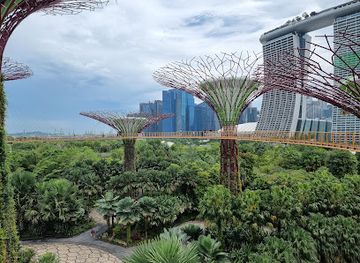
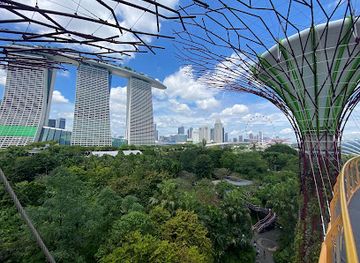
Gardens by the Bay
Explore the mesmerizing Gardens by the Bay, a fusion of nature and futuristic design in the heart of Singapore, featuring iconic Supertrees and stunning floral displays.
-
Park
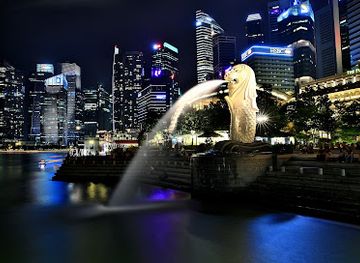
Merlion Park
Experience the magic of Merlion Park, where Singapore's iconic symbol stands tall against a backdrop of stunning waterfront views and vibrant city life.
-
Garden
Supertree Grove
Discover the Supertree Grove in Singapore, where towering tree-like structures meet vibrant gardens, creating a breathtaking experience for all nature lovers.
-
Tourist attraction
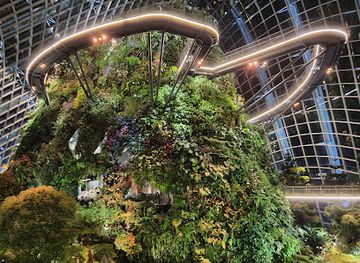
Cloud Forest
Discover the breathtaking beauty of Cloud Forest, an indoor paradise filled with exotic plants, a stunning waterfall, and immersive exhibits in Singapore's Gardens by the Bay.
Explore Punggol on the map
Plan your trip on one map. See where the top cities, national parks and sights are, and book hotels and experiences in a few clicks.
Best hotels in Punggol
Best restaurants in Punggol
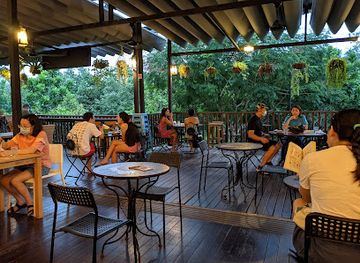
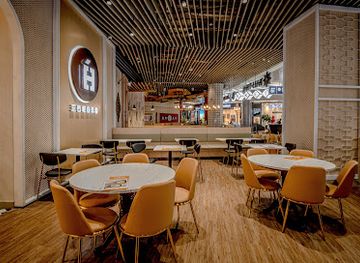
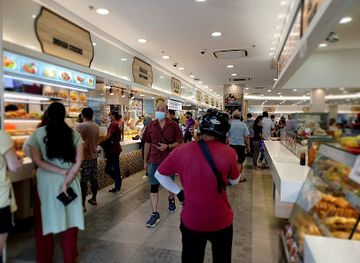
Dining in Punggol is concentrated around Waterway Point, the town’s neighbourhood centres and the waterfront at Punggol Settlement. The area offers the familiar breadth of Singaporean food culture, including hawker-style dishes, noodles, rice meals, seafood, cafés and casual international restaurants, rather than a narrowly distinctive local cuisine. Near the coast, restaurants and casual eateries make use of the setting with views over the water, while the mall and housing estates provide practical options for breakfast, coffee and everyday meals. Seafood has a particular association with Punggol’s older coastal identity, although today’s dining scene is more varied than the former seafood-stall culture. Visitors can also look for Singaporean favourites such as chicken rice, laksa, roti prata and satay, alongside contemporary cafés and family-oriented restaurants. Prices and opening arrangements vary, so checking current information is sensible, especially at the waterfront. The strongest reason to dine in Punggol is the combination of an easy meal with a walk beside the water, rather than a claim that the district represents all of Singapore’s culinary traditions.
-
Seafood
The Punggol Settlement
Experience a culinary journey at The Punggol Settlement, where delicious seafood meets stunning waterfront views in vibrant Singapore.
-
Cafe
Whisk & Paddle
Discover Whisk & Paddle in Punggol: A delightful café offering scenic waterfront views and delicious meals perfect for breakfast and brunch.
-
Seafood
House Of Seafood 螃蟹之家
Experience the best seafood dining at House Of Seafood in Punggol – where freshness meets flavor in every dish.
-
Chinese
White Restaurant (Waterway Point)
Discover the rich flavors of authentic Chinese cuisine at White Restaurant in Waterway Point, Singapore.


Best bars in Punggol
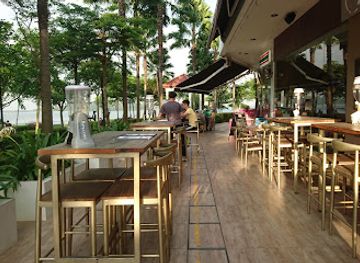
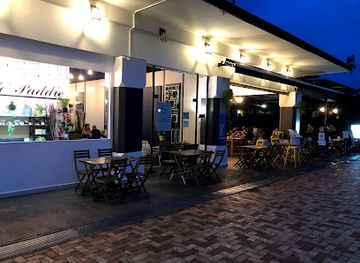
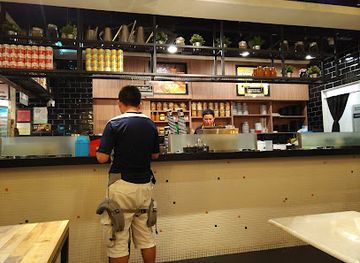
Punggol does not have a major nightclub district, and its evening life is quieter and more residential than that of central Singapore or Clarke Quay. Nightlife centres on restaurants, cafés, casual bars and places to eat around Waterway Point, the housing estates and Punggol Settlement. The waterfront is most appealing for an evening meal, a walk or a drink with views across the water, while larger entertainment choices are generally found in shopping and leisure complexes rather than in a concentrated late-night strip. Some venues may offer live music or a fuller drinks menu, but opening arrangements can change and should be checked before travelling. After dark, the parks become less suitable for aimless exploration, particularly on quieter paths and Coney Island, so visitors should stay in active, well-lit areas and use public transport or a booked car for the return journey. Punggol’s evening character is best understood as relaxed neighbourhood dining and waterfront leisure rather than club-oriented nightlife.
-
Seafood
The Punggol Settlement
Experience the vibrant culinary scene at The Punggol Settlement, where seafood delights and waterfront views come together for an unforgettable dining experience.
-
Cafe
Whisk & Paddle
Experience the perfect blend of great food and serene waterfront views at Whisk & Paddle, a must-visit café in Singapore's Punggol area.
-
Restaurant
SAFRA Punggol
Experience the ultimate family-friendly destination at SAFRA Punggol, where dining, sports, and recreation unite for a memorable day out.
-
 Gastropub
YOUNGS Bar & Restaurant
Discover the vibrant flavors of modern European cuisine at YOUNGS Bar & Restaurant in Seletar Aerospace Park, Singapore's culinary hotspot.
Best nightclubs in Punggol
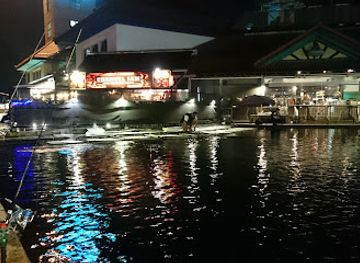
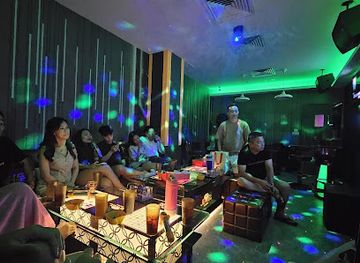
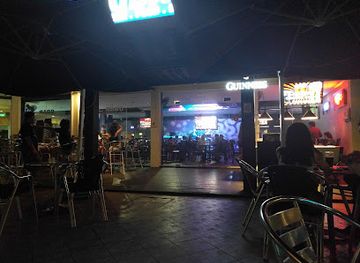
Punggol does not have a major nightclub district, and its evening life is quieter and more residential than that of central Singapore or Clarke Quay. Nightlife centres on restaurants, cafés, casual bars and places to eat around Waterway Point, the housing estates and Punggol Settlement. The waterfront is most appealing for an evening meal, a walk or a drink with views across the water, while larger entertainment choices are generally found in shopping and leisure complexes rather than in a concentrated late-night strip. Some venues may offer live music or a fuller drinks menu, but opening arrangements can change and should be checked before travelling. After dark, the parks become less suitable for aimless exploration, particularly on quieter paths and Coney Island, so visitors should stay in active, well-lit areas and use public transport or a booked car for the return journey. Punggol’s evening character is best understood as relaxed neighbourhood dining and waterfront leisure rather than club-oriented nightlife.
-
Country club
Marina Country Club
Discover relaxation and recreation at Marina Country Club, a scenic retreat in Singapore offering stunning views, dining, and leisure activities.
-
Karaoke bar
Jewel Music Box Punggol
Experience the ultimate karaoke adventure at Jewel Music Box Punggol - where every song is a chance to shine!
-
Night club
Zouk Singapore
Experience the electrifying atmosphere of Zouk Singapore, where world-class DJs and unforgettable nights await.
-
Live music bar
HJ Bistro
Discover HJ Bistro in Punggol, Singapore – where live music and delightful cuisine create unforgettable moments.

Best shops in Punggol
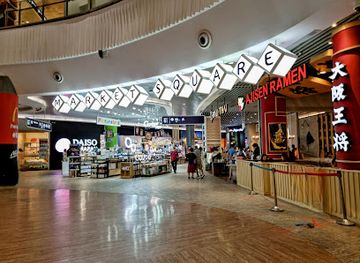
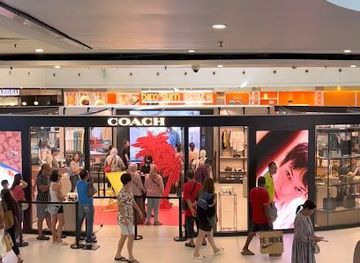
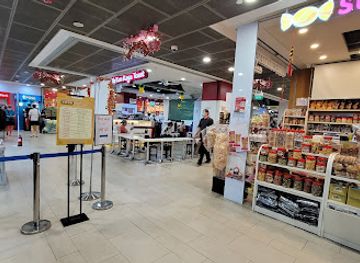
Shopping in Punggol is centred on Waterway Point, directly beside Punggol MRT station and the waterway. The complex provides supermarkets, cafés, restaurants, services, everyday retail and family-oriented leisure, making it the most convenient base for visitors needing supplies before a park or waterfront outing. Smaller neighbourhood centres and shops within the housing estates serve local residents with practical goods and food rather than destination retail. Punggol is not a traditional antiques or luxury-shopping district, and visitors seeking major designer brands or specialist cultural shopping will find a broader selection in central Singapore. For regional food gifts, Singaporean snacks, tea, packaged sauces and confectionery can be found in supermarkets and established food retailers, although these products are national rather than specifically Punggol-made. The waterfront is better suited to dining and recreation than browsing independent boutiques. A useful approach is to combine Waterway Point with a walk or cycle along the waterway, buying drinks and essentials before heading towards Punggol Point or Coney Island.
-
Shopping mall
Waterway Point
Discover an exceptional shopping and dining experience at Waterway Point, Singapore's premier shopping mall by the waterfront.
-
Shopping mall
Changi City Point
Discover the ultimate shopping experience at Changi City Point, where retail therapy meets culinary delights in Singapore's vibrant shopping scene.
-
Shopping mall
Punggol Plaza
Experience the hustle and bustle of Punggol Plaza, a vibrant shopping mall in Singapore, featuring diverse shops, delicious dining options, and family-friendly entertainment.
-
Shopping mall
Oasis Terraces
Experience modern shopping and local culture at Oasis Terraces, a vibrant mall in the heart of Punggol, Singapore.
Get your free copy of our complete guide to Punggol, delivered straight to you.
Everything on this page, from attractions and restaurants to essentials and local phrases, in one PDF you can read offline, print or share.
Already have an account? Sign in
Your Punggol guide is ready.
We'll send it to · Not you? Sign out

Getting your guide ready…
We are putting together a fresh copy of the Punggol guide. This can take up to a minute.
This can take a few moments. If your browser asks, choose Allow so the download can start. You'll find the guide in your Downloads folder.
Nothing happened? Download it again
Sorry, the guide is taking longer than usual. Please try again in a minute, or get it by email instead.
Punggol essentials
Currency and Payment
Safety
Emergency Situations
Do's and Don'ts
Local Tips
From Eve
Local phrases worth knowing
You don't need to get them perfect. A few words go a long way, and locals appreciate the effort.
Basics
| English | Local | Say it |
|---|---|---|
| Hello | Hello | [həˈloʊ] |
| Goodbye | Goodbye | [ɡʊdˈbaɪ] |
| Yes | Yes | [jɛs] |
| No | No | [noʊ] |
| Please/You’re welcome | Please/You're welcome | [pliːz/jʊr ˈwɛlkəm] |
| Thank you | Thank you | [θæŋk ju] |
| Excuse me/Sorry | Excuse me/Sorry | [ɪkˈskjus mi/ˈsɔri] |
| How are you? | How are you? | [haʊ ɑr ju] |
| Fine. And you? | Fine. And you? | [faɪn. ənd ju] |
| Do you speak English? | Do you speak English? | [du ju spiːk ˈɪŋɡlɪʃ] |
| I don't understand | I don't understand | [aɪ doʊnt ˌʌndərˈstænd] |
Eating & Drinking
| English | Local | Say it |
|---|---|---|
| I'd like to see the menu, please | I'd like to see the menu, please | [aɪd laɪk tu si ðə ˈmɛnjuː, pliːz] |
| I don't eat meat | I don't eat meat | [aɪ doʊnt it miːt] |
| Cheers! | Cheers! | [tʃɪrz] |
| I would like to pay, please | I would like to pay, please | [aɪ wʊd laɪk tu peɪ, pliːz] |
Emergencies
| English | Local | Say it |
|---|---|---|
| Help! | Help! | [hɛlp] |
| Go away! | Go away! | [ɡoʊ əˈweɪ] |
| Call the Police! | Call the Police! | [kɔl ðə pəˈliːs] |
| Call a doctor! | Call a doctor! | [kɔl ə ˈdɑktər] |
| I'm lost | I'm lost | [aɪm lɔst] |
| I'm ill | I'm ill | [aɪm ɪl] |
Shopping
| English | Local | Say it |
|---|---|---|
| I'd like to buy... | I'd like to buy... | [aɪd laɪk tu baɪ...] |
| I'm just looking | I'm just looking | [aɪm dʒʌst ˈlʊkɪŋ] |
| How much is it? | How much is it? | [haʊ mʌtʃ ɪz ɪt] |
| That's too expensive | That's too expensive | [ðæts tu ɪkˈspɛnsɪv] |
| Can you lower the price? | Can you lower the price? | [kæn ju ˈloʊər ðə praɪs] |
Time & Numbers
| English | Local | Say it |
|---|---|---|
| What time is it? | What time is it? | [wɑt taɪm ɪz ɪt] |
| It's one o'clock | It's one o'clock | [ɪts wʌn əˈklɑk] |
| Half past (10) | Half past (10) | [hæf pæst (10)] |
| Morning | Morning | [ˈmɔrnɪŋ] |
| Afternoon | Afternoon | [ˌæftərˈnun] |
| Evening | Evening | [ˈivnɪŋ] |
| Yesterday | Yesterday | [ˈjɛstərdeɪ] |
| Today | Today | [təˈdeɪ] |
| Tomorrow | Tomorrow | [təˈmɔroʊ] |
| 1 | 1 | [wʌn] |
| 2 | 2 | [tu] |
| 3 | 3 | [θri] |
| 4 | 4 | [fɔr] |
| 5 | 5 | [faɪv] |
| 6 | 6 | [sɪks] |
| 7 | 7 | [sɛvən] |
| 8 | 8 | [eɪt] |
| 9 | 9 | [naɪn] |
| 10 | 10 | [tɛn] |
Transport & Directions
| English | Local | Say it |
|---|---|---|
| Where's a/the...? | Where's a/the...? | [wɛrz ə/ðə...?] |
| What's the address? | What's the address? | [wɑts ði əˈdrɛs] |
| Can you show me (on the map)? | Can you show me (on the map)? | [kæn ju ʃoʊ mi (ɑn ðə mæp)?] |
| When's the next (bus)? | When's the next (bus)? | [wɛnʤ ðə nɛkst (bʌs)?] |
| A ticket (to ....) | A ticket (to ....) | [ə ˈtɪkɪt (tu ....)] |
History of Punggol
Punggol’s coastal and rural origins
Before large-scale urbanisation, Punggol was a sparsely developed north-eastern coastal district associated with fishing, smallholdings, fruit trees, poultry and pig farming. Its shoreline and tidal waters supported seafood businesses, while village settlements and rural roads connected the area to the rest of Singapore. The name Punggol is commonly linked with a place where branches and produce were offered for wholesale, reflecting the district’s former agricultural role. Although most of that landscape has disappeared beneath housing and infrastructure, the waterfront and remaining green corridors provide reminders of its earlier rural character.
The Japanese occupation and Punggol Point, 1942
Punggol Point is associated with one of the wartime atrocities committed during the Japanese occupation of Singapore. In February 1942, Chinese civilians were killed at the shoreline during the Sook Ching screenings and massacres carried out after the British surrender. The event forms part of the wider history of wartime violence across Singapore, and the site’s significance is commemorated through national memory rather than through a large surviving military complex. Visitors should regard the waterfront as a place of remembrance as well as recreation.
Post-war kampongs and coastal livelihoods
After the Second World War, Punggol retained a distinctly rural identity. Kampongs, farms, seafood stalls and coastal businesses shaped everyday life, while Punggol Road provided the principal approach from the south. The district became known to Singapore residents for seafood dining and for its shoreline, which offered a retreat from the increasingly urbanised central areas. Post-war improvements in housing, roads, sanitation and public services gradually changed the setting, but the transition from village district to planned town took place mainly in the late twentieth century.
From rural district to new town
Singapore’s public-housing programme transformed Punggol from a low-density rural area into a major new town. Large residential developments expanded from the 1990s onwards, supported by schools, community facilities, roads and later the North East MRT Line. The change was part of a national effort to provide modern housing while directing growth towards new urban centres. High-rise estates replaced most former farms and kampongs, but planners retained extensive open space and created a stronger public relationship with the water through parks and engineered waterways.
Punggol Waterway and waterfront renewal
Punggol Waterway was developed as a central landscape and drainage feature within the expanding town, opening as a major public space in 2011. Its design connected residential neighbourhoods with recreation, greenery and water-sensitive infrastructure, helping define Punggol’s contemporary image. The surrounding parks and promenades also improved access to the north-eastern shoreline, while Punggol Point and its dining area retained a link with the district’s older coastal identity. The waterway illustrates how Singapore has combined urban development with carefully managed landscape design.
Punggol’s education and technology transformation
In the twenty-first century, Punggol has developed beyond its role as a residential new town. Plans for the Punggol Digital District, together with the presence of the Singapore Institute of Technology campus, have positioned the area as a location for higher education, business, research and technology-related activity. This development is reshaping the eastern part of the town and broadening its daytime economy. Punggol’s present identity therefore reflects several overlapping phases: fishing and farming, post-war coastal leisure, public-housing expansion and a newer ambition to integrate living, learning and employment.
Punggol in Photos
Browse through our photo collection highlighting the charm and character of the destination.
Neighbouring regions of Punggol
The closest regions to Punggol, if you have time for more than one.
-

-

-

-

-


Swipe for more regions
Explore more

Explore more of Singapore
Explore Singapore: A vibrant city-state where modernity meets tradition, offering world-class cuisine, stunning gardens, and unique cultural experiences.
Explore Singapore