

Free Clarke Quay Travel Guide & Mobile App
Plan your Clarke Quay trip with Evendo. Get free guides to top attractions, restaurants, hotels, and bars. Web access or download the mobile app.


Clarke Quay Singapore blends riverside heritage, colourful shophouses, dining, nightlife and easy access to the city’s historic waterfront attractions.
A River Shaped by Trade
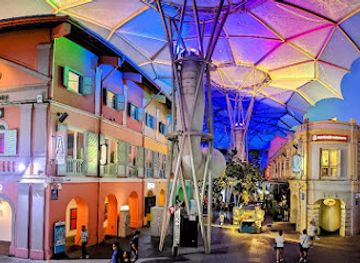
Clarke Quay occupies a lively stretch of the Singapore River, where restored warehouses, colourful shophouses and waterside promenades recall the commercial world that helped build modern Singapore. The area lies close to Boat Quay, Robertson Quay and the civic district, making it a useful base for exploring the river corridor on foot. Although best known today for dining and evening entertainment, its identity remains closely tied to the working river and the merchants, boatmen and immigrant communities who once crowded its banks.Read more about Clarke Quay
Heritage Buildings and Contemporary Energy
Exploring the Riverside
When is the best time to visit Clarke Quay?
Best: June, August–September · 30–32°C| Month | High (°C) | Rainfall (mm) |
|---|---|---|
| January | 31 | 276 |
| February | 30 | 239 |
| March | 31 | 235 |
| April | 32 | 193 |
| May | 32 | 178 |
| June (best) | 32 | 157 |
| July | 32 | 164 |
| August (best) | 31 | 157 |
| September (best) | 30 | 147 |
| October | 30 | 179 |
| November | 30 | 228 |
| December | 30 | 260 |
Getting to and around Clarke Quay
How to get there
Transportation
Best attractions in Clarke Quay
Clarke Quay’s principal attraction is the Singapore River itself, best experienced along the pedestrian promenades and from a river cruise that passes beneath historic bridges and past the conserved quays. The colourful former godowns and shophouses provide a distinctive visual setting for daytime walks, photography and evening dining. Nearby Fort Canning Park adds a green, elevated landscape with archaeological and historical associations, while Boat Quay extends the riverside route towards Singapore’s civic centre. Within walking distance, the Asian Civilisations Museum explores the region’s interconnected cultures, and the Victoria Theatre and Concert Hall anchor the historic arts district beside the river. The pedestrian links between these places make Clarke Quay a useful starting point for seeing how Singapore’s trading waterfront, colonial civic buildings and contemporary entertainment precincts occupy the same compact part of the city.
-
Park
Merlion Park
Explore Merlion Park, a stunning waterfront destination featuring Singapore's iconic Merlion statue and breathtaking skyline views.
13 min walk · 1.1 km from city centre
-
Hotel
Marina Bay Sands Singapore
Experience the luxurious Marina Bay Sands in Singapore, where stunning architecture meets world-class dining and entertainment.
5 min drive · 1.7 km from city centre
-
 Shopping mall
Clarke Quay
Discover the vibrant blend of dining, shopping, and nightlife at Clarke Quay, a must-visit riverside attraction in Singapore.
1 min walk · 0.1 km from city centre
-
Hawker center
Lau Pa Sat
Discover the vibrant flavors of Singapore at Lau Pa Sat, a culinary hotspot offering an array of delicious local and international dishes.
16 min walk · 1.3 km from city centre


Best landmarks in Clarke Quay
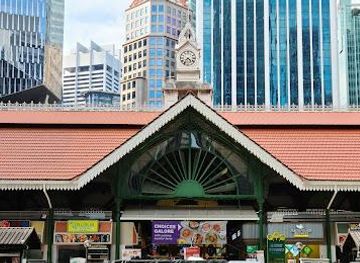
Clarke Quay’s most significant landmarks are tied to the Singapore River and the city’s transformation from port settlement to modern financial centre. The conserved godowns and shophouses lining the quay retain the narrow urban rhythm and covered walkways associated with the historic commercial waterfront. Elgin Bridge and Cavenagh Bridge, farther along the river, connect the precinct with Singapore’s civic history, while the Asian Civilisations Museum occupies the former Empress Place Building near the river mouth and interprets the cultural networks that shaped the region. Fort Canning Hill rises nearby as a major historical landscape, associated with Singapore’s precolonial and colonial narratives. The Victoria Theatre and Concert Hall add an important civic and performing-arts presence, helping place Clarke Quay within a wider group of architectural landmarks rather than treating the entertainment complex alone as the district’s heritage.
-
Shopping mall
Clarke Quay
Discover Clarke Quay, Singapore's vibrant riverside destination for dining, shopping, and nightlife, steeped in history and modern charm.
1 min walk · 0.1 km from city centre
-
Park
Fort Canning Park
Explore the lush greenery and rich history of Fort Canning Park, a serene escape in the heart of Singapore with stunning views and cultural significance.
5 min walk · 0.4 km from city centre
-
Shopping mall
Clarke Quay Central
Explore the vibrant Clarke Quay Central, a shopping paradise in Singapore featuring diverse dining, shopping, and entertainment along the scenic riverbanks.
3 min walk · 0.2 km from city centre
-
Hotel
Paradox Singapore Merchant Court at Clarke Quay
Discover the luxury and central location of Paradox Singapore Merchant Court at Clarke Quay, your gateway to the vibrant heart of Singapore.
3 min walk · 0.3 km from city centre
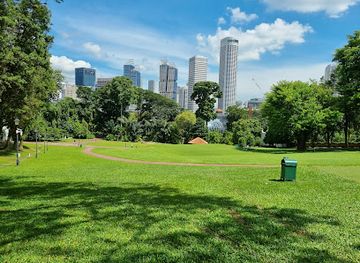
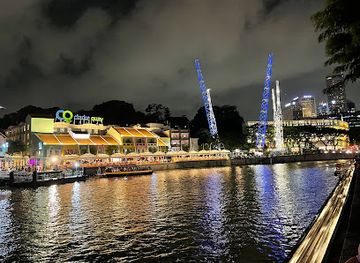
Explore Clarke Quay on the map
Plan your Clarke Quay trip on one map. See where the top attractions, landmarks, restaurants, bars and hotels are, find what's near where you're staying, and book hotels and experiences in a few clicks.
Best hotels in Clarke Quay
Best restaurants in Clarke Quay
Clarke Quay is one of central Singapore’s most concentrated dining areas, with restaurants occupying restored riverside godowns and shophouses. The selection ranges from Singaporean and wider Southeast Asian cooking to Chinese, Indian, Japanese, Korean, European and contemporary international menus, reflecting the city’s cosmopolitan population and long trading history. Visitors can find polished waterfront dining, casual venues and cafés, but the surrounding precinct is also valuable as a gateway to Singapore’s broader food culture. Boat Quay offers another restaurant-lined stretch along the river, while nearby Chinatown and the civic district lead towards specialist eateries and hawker centres. Local dishes worth seeking across Singapore include Hainanese chicken rice, laksa, char kway teow and chilli crab; these are part of the national culinary landscape rather than dishes exclusive to Clarke Quay. Menus, service charges and taxes should be checked before ordering.
-
Hawker center
Tekka Centre
Dive into Little India's chaotic charm at Tekka Centre, where spicy Indian hawker feasts, fresh wet market bounty, and vibrant shops collide in affordable, multicultural bliss just steps from the MRT.
5 min drive · 1.8 km from city centre
-
Korean BBQ
Hanjip Korean Grill House
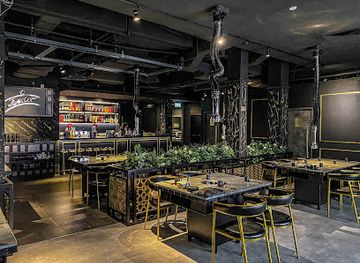
Experience authentic Korean BBQ at Hanjip Korean Grill House in Clarke Quay - where flavor meets tradition.
1 min walk · 0.1 km from city centre
-
Hot Pot
海底捞 Haidilao Hot Pot @Clarke Quay
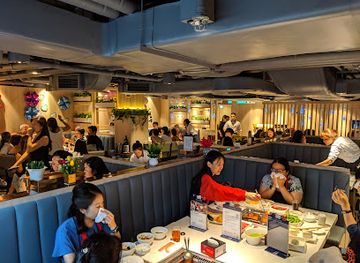
Experience the ultimate hot pot dining at Haidilao in Clarke Quay, where flavor meets fun amidst Singapore's vibrant riverside atmosphere.
2 min walk · 0.1 km from city centre
-
Restaurant
Man Man Japanese Unagi (Clarke Quay)
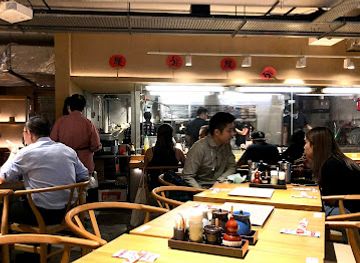
Experience the rich flavors of authentic Japanese unagi at Clarke Quay's premier dining destination.
3 min walk · 0.2 km from city centre
Best bars in Clarke Quay
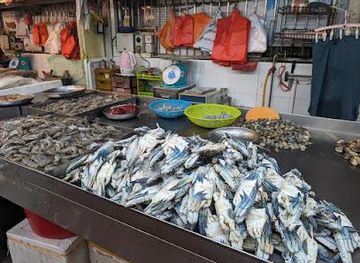
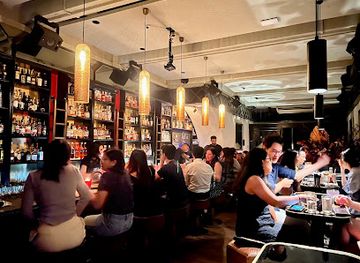
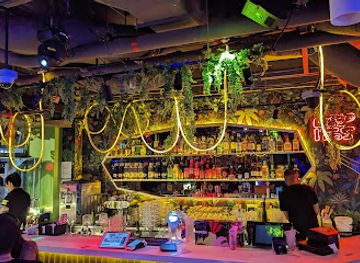
After dark, Clarke Quay becomes one of Singapore’s best-known entertainment precincts, with riverside bars, cocktail venues, pubs, lounges and dance-oriented venues concentrated in and around its conserved buildings. The atmosphere ranges from relaxed drinks beside the water to late-evening music and busier club nights, particularly towards the weekend. Boat Quay provides a closely connected extension of the nightlife district, while Robertson Quay tends to offer a more restaurant-and-bar-led mood. The area is also suitable for an evening river cruise or a walk beneath the illuminated bridges when a quieter programme is preferred. Singapore’s licensing rules and venue policies vary, and established age-verification requirements apply, so visitors should carry identification and use marked pedestrian routes around the river after drinking.
-
Live music bar
Level Up - Arcade & Live Music Bar
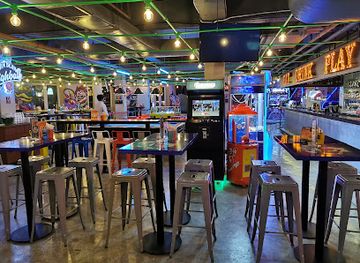
Dive into the ultimate nightlife experience in Clarke Quay at Level Up, where live music and arcade fun create unforgettable memories.
2 min walk · 0.2 km from city centre
-
Bar
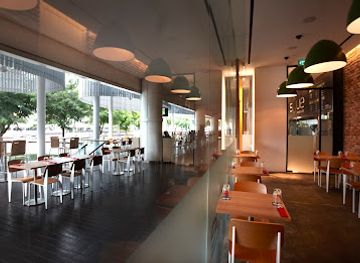
SQUE Rotisserie & Alehouse
Experience the best of grilled cuisine and drinks at SQUE Rotisserie & Alehouse, a family-friendly bar in the heart of Singapore.
2 min walk · 0.2 km from city centre
-
Cocktail bar
28 HongKong Street
Experience the art of mixology at 28 HongKong Street, Singapore's premier cocktail bar, where every drink tells a story of creativity and craftsmanship.
5 min walk · 0.4 km from city centre
-
Pub
The Penny Black
Discover the lively atmosphere at The Penny Black, a top pub in Singapore offering great drinks, delicious food, and stunning riverside views along Boat Quay.
9 min walk · 0.7 km from city centre

Best nightclubs in Clarke Quay
After dark, Clarke Quay becomes one of Singapore’s best-known entertainment precincts, with riverside bars, cocktail venues, pubs, lounges and dance-oriented venues concentrated in and around its conserved buildings. The atmosphere ranges from relaxed drinks beside the water to late-evening music and busier club nights, particularly towards the weekend. Boat Quay provides a closely connected extension of the nightlife district, while Robertson Quay tends to offer a more restaurant-and-bar-led mood. The area is also suitable for an evening river cruise or a walk beneath the illuminated bridges when a quieter programme is preferred. Singapore’s licensing rules and venue policies vary, and established age-verification requirements apply, so visitors should carry identification and use marked pedestrian routes around the river after drinking.
-
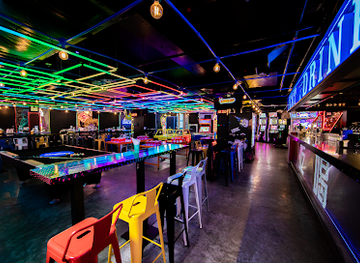
Live music bar
Level Up - Arcade & Live Music Bar
Experience the best of live music, arcade gaming, and gourmet dining at Level Up, a premier entertainment venue in Clarke Quay, Singapore.
2 min walk · 0.2 km from city centre
-
Live Music
Pulse Singapore
Experience the heartbeat of Singapore's nightlife at Pulse Singapore, a premier live music venue in Clarke Quay, offering unforgettable performances and vibrant vibes.
2 min walk · 0.1 km from city centre
-
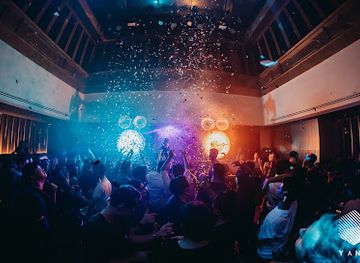
Night club
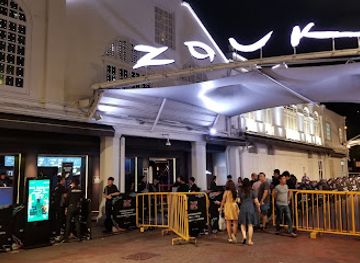
Zouk Singapore
Experience the electrifying nightlife at Zouk Singapore, where world-class DJs and vibrant atmospheres create unforgettable nights.
1 min walk · 0.1 km from city centre
-
Night club
Chupitos
Experience the electrifying nightlife at Chupitos, Clarke Quay's premier night club and bar with a dazzling selection of unique shots.
1 min walk · 0.1 km from city centre
Best shops in Clarke Quay
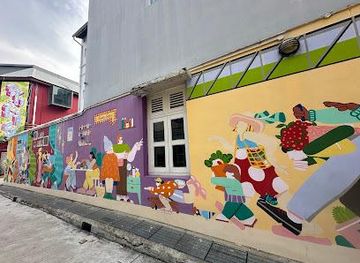
Shopping in Clarke Quay is primarily about small-scale browsing, lifestyle retail and souvenirs within a dining-and-entertainment setting rather than a traditional market district. The conserved shophouses contain boutiques and specialist outlets, while nearby Chinatown offers a broader mix of craft shops, tea merchants, souvenirs and traditional goods. Visitors interested in Singaporean food products can look for packaged snacks, sauces and teas at reputable retailers, and the city’s wider shopping areas provide more extensive fashion and department-store choices. The riverfront is most rewarding for its architecture and atmosphere, with retail activity woven into the restored commercial buildings rather than presented as a single enclosed mall. For traditional market experiences, visitors generally need to travel beyond Clarke Quay to established hawker centres and neighbourhood markets elsewhere in Singapore.
-
Shopping mall
Clarke Quay
Explore the vibrant Clarke Quay, Singapore's premier destination for shopping, dining, and nightlife along the picturesque riverside.
1 min walk · 0.1 km from city centre
-
Shopping mall
Bugis Street
Explore Bugis Street, Singapore's iconic shopping destination with endless stalls, vibrant street food, and a rich cultural experience to savor.
18 min walk · 1.5 km from city centre
-
Shopping mall
Bugis Junction
Experience the excitement of shopping, dining, and entertainment at Bugis Junction, Singapore's vibrant shopping mall in the heart of the city.
18 min walk · 1.4 km from city centre
-
Shopping mall
313@somerset
Explore 313@somerset, the ultimate shopping destination in Singapore, featuring diverse stores and delightful dining experiences on Orchard Road.
17 min walk · 1.4 km from city centre


Get your free copy of our complete guide to Clarke Quay, delivered straight to you.
Everything on this page, from attractions and restaurants to essentials and local phrases, in one PDF you can read offline, print or share.
Already have an account? Sign in
Your Clarke Quay guide is ready.
We'll send it to · Not you? Sign out

Getting your guide ready…
We are putting together a fresh copy of the Clarke Quay guide. This can take up to a minute.
This can take a few moments. If your browser asks, choose Allow so the download can start. You'll find the guide in your Downloads folder.
Nothing happened? Download it again
Sorry, the guide is taking longer than usual. Please try again in a minute, or get it by email instead.
Clarke Quay essentials
Currency and Payment
Safety
Emergency Situations
Do's and Don'ts
Local Tips
From Eve
Local phrases worth knowing
You don't need to get them perfect. A few words go a long way, and locals appreciate the effort.
Basics
| English | Local | Say it |
|---|---|---|
| Hello | 你好 | [Nǐ hǎo] |
| Goodbye | 再见 | [Zàijiàn] |
| Yes | 是的 | [Shì de] |
| No | 不 | [Bù] |
| Please/You're welcome | 请 | [Qǐng] |
| Thank you | 谢谢 | [Xièxiè] |
| Excuse me/Sorry | 对不起 | [Duìbùqǐ] |
| How are you? | 你好吗? | [Nǐ hǎo ma?] |
| Fine. And you? | 我很好。你呢? | [Wǒ hěn hǎo. Nǐ ne?] |
| Do you speak English? | 你会说英语吗? | [Nǐ huì shuō yīngyǔ ma?] |
| I don't understand | 我不明白 | [Wǒ bù míngbái] |
Eating & Drinking
| English | Local | Say it |
|---|---|---|
| I'd like to see the menu, please | 请给我看菜单 | [Qǐng gěi wǒ kàn càidān] |
| I don't eat meat | 我不吃肉 | [Wǒ bù chī ròu] |
| Cheers! | 干杯! | [Gānbēi!] |
| I would like to pay, please | 请帮我付款 | [Qǐng bāng wǒ fùkuǎn] |
Emergencies
| English | Local | Say it |
|---|---|---|
| Help! | 救命! | [Jiùmìng!] |
| Go away! | 走开! | [Zǒu kāi!] |
| Call the Police! | 叫警察! | [Jiào jǐngchá!] |
| Call a doctor! | 叫医生! | [Jiào yīshēng!] |
| I'm lost | 我迷路了 | [Wǒ mílù le] |
| I'm ill | 我生病了 | [Wǒ shēngbìng le] |
Shopping
| English | Local | Say it |
|---|---|---|
| I'd like to buy... | 我想买... | [Wǒ xiǎng mǎi...] |
| I'm just looking | 我只是看看 | [Wǒ zhǐ shì kàn kàn] |
| How much is it? | 多少钱? | [Duōshǎo qián?] |
| That's too expensive | 太贵了 | [Tài guì le] |
| Can you lower the price? | 可以便宜一点吗? | [Kěyǐ piányi yīdiǎn ma?] |
Time & Numbers
| English | Local | Say it |
|---|---|---|
| What time is it? | 现在几点了? | [Xiànzài jǐ diǎn le?] |
| It's one o'clock | 一点钟 | [Yī diǎn zhōng] |
| Half past (10) | 十点半 | [Shí diǎn bàn] |
| Morning | 早上 | [Zǎoshang] |
| Afternoon | 下午 | [Xiàwǔ] |
| Evening | 晚上 | [Wǎnshang] |
| Yesterday | 昨天 | [Zuótiān] |
| Today | 今天 | [Jīntiān] |
| Tomorrow | 明天 | [Míngtiān] |
| 1 | 一 | [Yī] |
| 2 | 二 | [Èr] |
| 3 | 三 | [Sān] |
| 4 | 四 | [Sì] |
| 5 | 五 | [Wǔ] |
| 6 | 六 | [Liù] |
| 7 | 七 | [Qī] |
| 8 | 八 | [Bā] |
| 9 | 九 | [Jiǔ] |
| 10 | 十 | [Shí] |
Transport & Directions
| English | Local | Say it |
|---|---|---|
| Where's a/the...? | 哪里有... | [Nǎlǐ yǒu...] |
| What's the address? | 地址是什么? | [Dìzhǐ shì shénme?] |
| Can you show me (on the map)? | 可以带我看地图吗? | [Kěyǐ dài wǒ kàn dìtú ma?] |
| When's the next (bus)? | 下一班(公共汽车)是什么时候? | [Xià yī bān (gōnggòng qìchē) shì shénme shíhòu?] |
| A ticket (to ....) | 一张票(去...) | [Yī zhāng piào (qù...)] |
History of Clarke Quay
The River Before the Quays
The Singapore River was central to the island’s early settlement and maritime life long before the modern quay was created. Its sheltered lower reaches provided access for small craft and supported exchanges between local communities and regional traders. Singapore’s position at the meeting point of important sea routes made the river a natural focus for commerce, migration and settlement. The riverbanks were not an empty urban space waiting for development: they formed part of a wider Malay world of coastal trade and navigation. This earlier relationship with water helps explain why the later commercial city developed along the river rather than away from it.
Colonial Port and Commercial Growth
After Stamford Raffles established a British trading settlement at Singapore in 1819, the Singapore River became the focus of an expanding entrepôt. Warehouses, landing places and commercial buildings multiplied as goods moved between ships, lighters and inland markets. Boatmen transported cargo through the crowded waterway, while merchants and migrant communities established businesses nearby. The quay later took its name from Andrew Clarke, Singapore’s second governor, who served in the nineteenth century. The built environment associated with Clarke Quay developed within this broader colonial port system, rather than as an isolated project.
Warehouses, Boatmen and River Communities
During the nineteenth and twentieth centuries, the river’s lower reaches were intensely occupied by trade. Cargoes such as rice, spices and other commodities passed through godowns and riverside businesses, while tongkangs and bumboats connected larger vessels with the shore. The area also reflected Singapore’s multicultural growth, with Chinese, Malay, Indian and other communities contributing to commercial and social life. Working conditions were often difficult, and the river became increasingly polluted as the port and city expanded. The shophouses and warehouse forms visible around Clarke Quay are surviving traces of this mercantile period.
Independence and the River’s Decline
Singapore’s independence in 1965 was followed by rapid industrialisation, infrastructure building and a reorganisation of port activity. As cargo handling moved to more suitable modern facilities, the Singapore River gradually lost its central commercial function. Pollution and overcrowding had also damaged the waterfront’s environmental and social conditions. A major clean-up programme in the late twentieth century reduced the river’s pollution and relocated river-based activities, including cattle trading and some boat operations. These changes transformed the quays from working port districts into places where heritage conservation could be combined with public recreation and new commercial uses.
Conservation and the Modern Waterfront
From the late twentieth century onwards, Singapore conserved significant groups of riverside shophouses and former warehouses while reshaping the quays as destinations for dining, entertainment and leisure. Clarke Quay’s restored structures gained new functions without losing the visual pattern of narrow plots, arcades and colourful façades. River cruises and pedestrian promenades reconnected visitors with the water, while nearby Boat Quay and Robertson Quay developed related but distinct identities. The present precinct therefore represents a deliberate layering of history: a former working waterfront adapted to contemporary urban life, with its trading past retained through buildings, street patterns and interpretation.
Clarke Quay in Photos
Browse through our photo collection highlighting the charm and character of the destination.
Cities near Clarke Quay
The closest cities to Clarke Quay, if you have time for more than one stop.
-

-

-

-

-


Swipe for more cities
Explore more

Explore more of Singapore
Explore Singapore: A vibrant city-state where modernity meets tradition, offering world-class cuisine, stunning gardens, and unique cultural experiences.
Explore Singapore