

Great Bay Beach Travel Guide - Free Web & App
Your ultimate guide to Great Bay Beach. Discover top landmarks, proposed trips, and local tips. Free on the web or via the Evendo companion app.


Great Bay Beach in Sint Maarten combines calm Caribbean waters with Philipsburg’s boardwalk, historic forts, duty-free shops and waterfront dining.
A Beach Beside Philipsburg
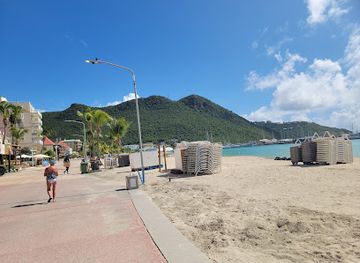
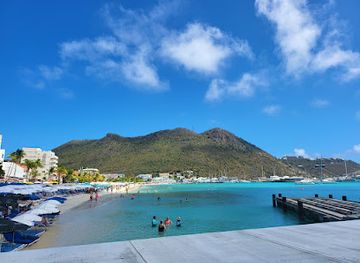
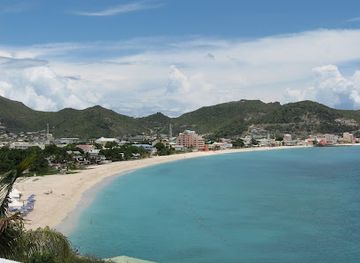
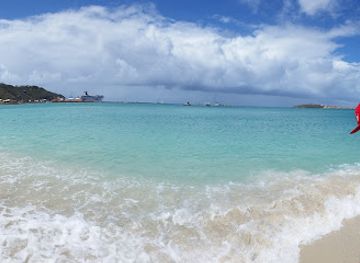
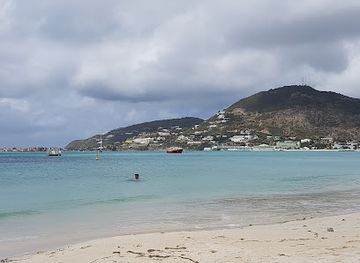
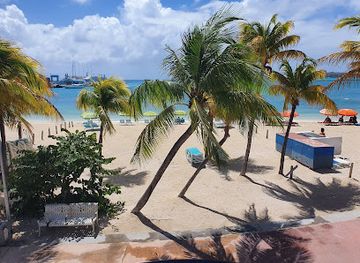
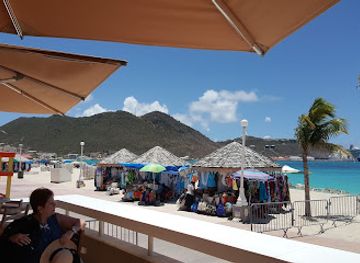
Great Bay Beach curves along the southern side of Sint Maarten’s Dutch capital, Philipsburg, forming the island’s most accessible urban beach. Its broad strip of pale sand faces a sheltered Caribbean bay, while the boardwalk and Front Street run directly behind it. The setting combines swimming, sunbathing and views across the water with the practical advantages of a town: restaurants, cafés, shops, water-sports operators and nearby transport. Conditions can vary with wind, swell and passing marine traffic, so visitors should follow local advice when entering the water.Read more about Great Bay Beach
History, Harbour and Hills
Exploring the Waterfront
When is the best time to visit Great Bay Beach?
Best: February–April · 30–31°C| Month | High (°C) | Rainfall (mm) |
|---|---|---|
| January | 30 | 62 |
| February (best) | 30 | 56 |
| March (best) | 30 | 52 |
| April (best) | 31 | 55 |
| May | 31 | 69 |
| June | 31 | 86 |
| July | 31 | 103 |
| August | 31 | 101 |
| September | 31 | 92 |
| October | 30 | 88 |
| November | 30 | 80 |
| December | 30 | 69 |
Getting to and around Great Bay Beach
How to get there
Transportation
Best attractions in Great Bay Beach
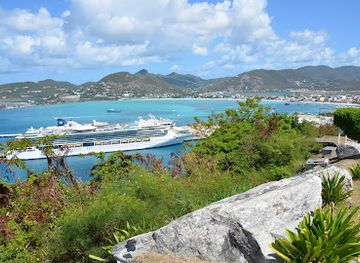
The principal attraction is Great Bay Beach itself, a long urban strand backed by Philipsburg’s boardwalk and the commercial activity of Front Street. Visitors can swim or relax on the sand, subject to local sea conditions, then continue into the capital for shops, cafés and historic streets. Fort Amsterdam occupies the western headland above the bay and provides one of the area’s clearest links between scenery and colonial history, while the hills around Pointe Blanche frame the eastern side. The waterfront is also a useful starting point for boat trips and water taxis serving other parts of Sint Maarten, although operators and routes vary. Cruise ships and harbour activity form part of the bay’s distinctive visual character. Nearby Philipsburg attractions include the restored courthouse area and the Sint Maarten Museum, which offers broader cultural context for the Dutch side, but these are town attractions rather than features of the beach itself.
-
Tourist attraction
Saint Martin of Tours Catholic Church
Discover the serene beauty of Saint Martin of Tours Catholic Church in Philipsburg, a must-visit spiritual landmark blending history and culture in Sint Maarten.
-
Plaza
Cyrus Wathey Square
Experience the vibrant heart of Philipsburg at Cyrus Wathey Square, where culture, shopping, and stunning views come together in a lively plaza.
-
Tourist attraction
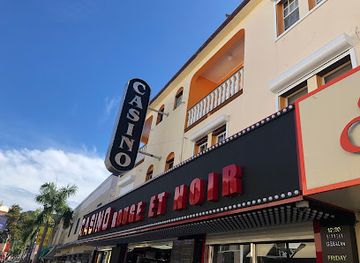
Rouge et Noir Casino SXM
Unleash your luck and excitement at Rouge et Noir Casino SXM, the ultimate gaming and entertainment hub in Philipsburg, Sint Maarten.
-
Beach
Little Bay Beach
Experience the breathtaking beauty of Little Bay Beach in Sint Maarten – a serene escape with pristine sands and vibrant waters.
Best landmarks in Great Bay Beach
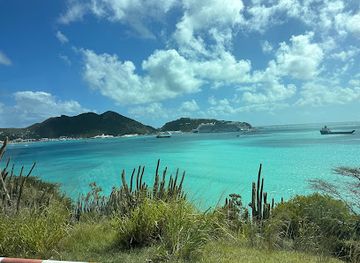
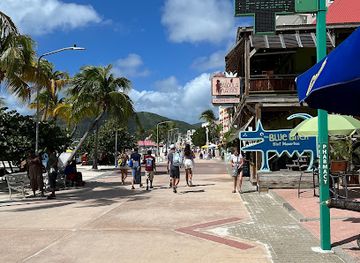
Great Bay Beach is itself a defining coastal landmark, linking the open Caribbean with the historic centre of Philipsburg. Its western entrance is dominated by Fort Amsterdam, a seventeenth-century defensive site positioned to overlook the bay and the approaches to the harbour; surviving ruins and elevated views illustrate the strategic importance of the location. The boardwalk and Front Street form a contrasting modern and commercial landmark, with the town’s historic buildings, shops and public spaces arranged directly behind the beach. Pointe Blanche and the surrounding hills provide the eastern visual frame, while the bay’s harbour is marked by visiting cruise ships and other marine traffic. Together, these features express Great Bay’s character as both a recreational shoreline and a working urban waterfront, rather than a remote beach separated from settlement.
-
Cruise terminal
Port Of St. Maarten
Experience the vibrant culture and breathtaking beauty of St. Maarten at its bustling cruise terminal, your gateway to Caribbean adventures.
-
Port
Cruise Port
Discover the vibrant atmosphere of Sint Maarten's Cruise Port, where shopping, dining, and stunning views await at the heart of the Caribbean.
-
Tourist attraction
Cruise Pier St Maarten
Explore the lively atmosphere of Cruise Pier St Maarten, your gateway to cultural experiences, shopping, and spectacular Caribbean views.
-
Museum
Yoda Guy Movie Exhibit
Discover the enchanting Yoda Guy Movie Exhibit in Philipsburg, an unforgettable journey into the world of film magic and special effects artistry.
Explore Great Bay Beach on the map
Plan your trip on one map. See where the top attractions, landmarks, restaurants and hotels are, and book hotels and experiences in a few clicks.
Best hotels in Great Bay Beach
Best restaurants in Great Bay Beach
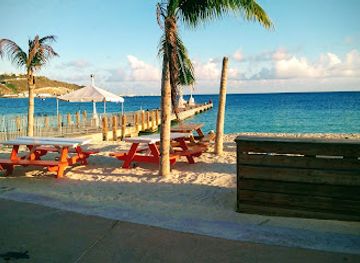
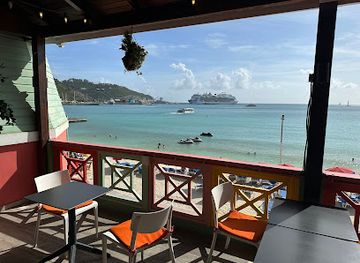
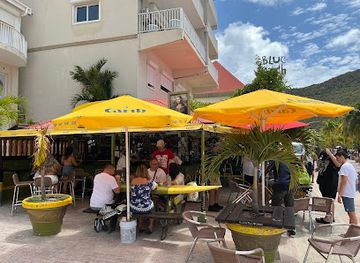
Dining around Great Bay is concentrated along the boardwalk, Front Street and the wider Philipsburg waterfront rather than spread across the sand. Visitors will find casual restaurants, cafés, beach bars and hotel dining, with menus reflecting the island’s Caribbean setting and international tourism. Seafood, grilled meats, burgers, Caribbean-style dishes and drinks are common, while the wider Sint Maarten food scene also reflects French, Dutch and regional influences. The beach is convenient for a meal with a view, whereas Front Street and nearby streets provide additional choices within an easy walk. Smaller establishments may have more limited payment options than larger tourist venues, and cruise-ship days can alter the rhythm of service. Those seeking a wider range of dining styles can explore other settlements around the island, but Great Bay remains one of the most accessible places for combining swimming, waterfront dining and Philipsburg’s historic commercial centre.
-
Restaurant
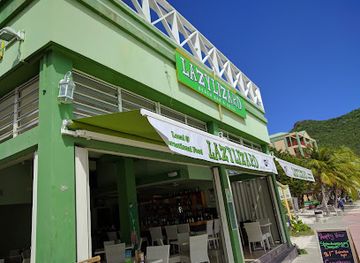
Lazy Lizard Restaurant & Craft Bar
Experience the vibrant flavors of Sint Maarten at Lazy Lizard Restaurant & Craft Bar—where delicious cuisine meets lively atmosphere.
-
Caribbean
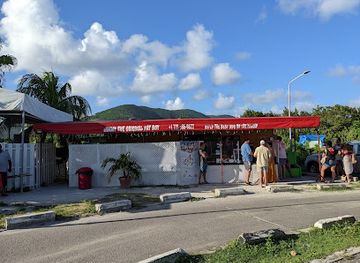
Jimmy's The Original Fat Boy BBQ
Experience authentic Caribbean barbecue at Jimmy's The Original Fat Boy BBQ in Philipsburg - where flavor meets island hospitality.
-
Caribbean
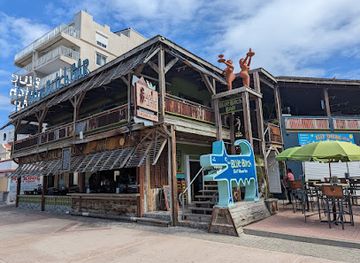
Taloula Mango’s / Blue Bitch Bar
Discover authentic Caribbean flavors at Taloula Mango's / Blue Bitch Bar, a beachfront dining gem in Philipsburg offering delicious food and stunning views.
-
Grill
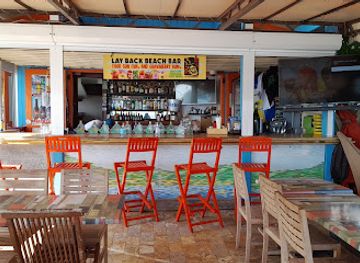
Layback Beach Bar & Grill
Discover tropical flavors at Layback Beach Bar & Grill in Philipsburg - where every meal is an island adventure.
Best bars in Great Bay Beach
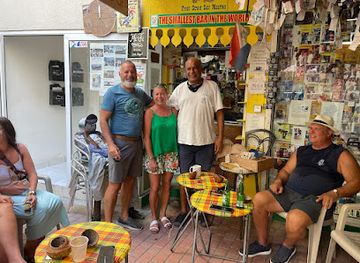
Great Bay’s evening scene is centred on the boardwalk, beachfront restaurants and Philipsburg’s established bars rather than a large nightclub district. Visitors can find relaxed drinks overlooking the bay, casual music and the sociable atmosphere of restaurants serving both residents and tourists. Front Street adds bars and hotel-based evening venues nearby, although the character varies with the day of the week, season and cruise calendar. The waterfront is livelier during periods of high visitor activity but becomes comparatively quiet away from the main hospitality areas. Sint Maarten’s broader nightlife is more developed in other resort zones, particularly around Maho and Simpson Bay, which lie outside Great Bay and require transport. Visitors should arrange a safe return journey when travelling around the island after dark and check current venue information rather than assuming every establishment operates nightly.
-
Restaurant
Lazy Lizard Restaurant & Craft Bar
Experience the vibrant flavors of Sint Maarten at Lazy Lizard Restaurant & Craft Bar, where delicious cuisine meets a lively atmosphere.
-
Caribbean
Taloula Mango’s / Blue Bitch Bar
Discover the vibrant atmosphere of Taloula Mango’s / Blue Bitch Bar in Philipsburg, Sint Maarten – where Caribbean flavors meet tropical fun!
-
Grill
Layback Beach Bar & Grill
Discover the laid-back charm of Layback Beach Bar & Grill in Philipsburg, where great food meets breathtaking ocean views for an unforgettable experience.
-
Western
Dutch Blonde Beach Bar & Restaurant
Experience the vibrant atmosphere and delectable Western cuisine at Dutch Blonde Beach Bar & Restaurant in beautiful Philipsburg, Sint Maarten.
Best nightclubs in Great Bay Beach
Great Bay’s evening scene is centred on the boardwalk, beachfront restaurants and Philipsburg’s established bars rather than a large nightclub district. Visitors can find relaxed drinks overlooking the bay, casual music and the sociable atmosphere of restaurants serving both residents and tourists. Front Street adds bars and hotel-based evening venues nearby, although the character varies with the day of the week, season and cruise calendar. The waterfront is livelier during periods of high visitor activity but becomes comparatively quiet away from the main hospitality areas. Sint Maarten’s broader nightlife is more developed in other resort zones, particularly around Maho and Simpson Bay, which lie outside Great Bay and require transport. Visitors should arrange a safe return journey when travelling around the island after dark and check current venue information rather than assuming every establishment operates nightly.
-
Grill
Layback Beach Bar & Grill
Experience the vibrant culture and delicious flavors at Layback Beach Bar & Grill in Philipsburg, a perfect blend of relaxation and culinary delight.
-
Bar
Big Bastaard's Beach Bar
Discover the lively ambiance and stunning seaside views at Big Bastaard's Beach Bar in Philipsburg, the perfect stop for relaxation and refreshment.
-
Bar
Dirty Sanchez Crew Bar
Discover a vibrant nightlife experience at Dirty Sanchez Crew Bar in Philipsburg, Sint Maarten, where locals and travelers unite over great drinks and fun.
-
Bar
Juggie's Place
Experience the vibrant local culture at Juggie's Place, Philipsburg's favorite bar for affordable drinks and a lively atmosphere.

Best shops in Great Bay Beach
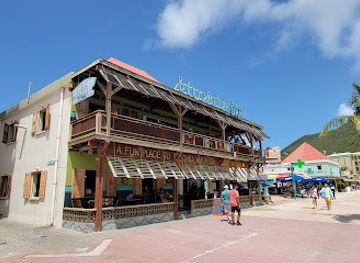
Shopping around Great Bay is concentrated in Philipsburg, especially along Front Street and the streets connecting the commercial centre with the boardwalk. The area is known for duty-free retail aimed at international visitors, alongside jewellery, watches, clothing, souvenirs, beach essentials and locally themed gifts. Independent shops and market-style stalls may offer crafts, artwork, island products and regional food items, although stock and opening patterns vary. The strongest local context comes from combining commercial browsing with the town’s historic buildings and waterfront rather than expecting a rural craft district on the beach. Visitors looking for groceries or practical supplies should use established shops in Philipsburg or other nearby settlements. Check prices, currencies, guarantees and shipping arrangements carefully for higher-value purchases, particularly when buying jewellery, watches or electronics during a short cruise visit.
-
Shopping mall
Sint Rose Shopping Mall
Explore Sint Rose Shopping Mall in Philipsburg for a unique shopping experience filled with local crafts, fashion, and vibrant culture.
-
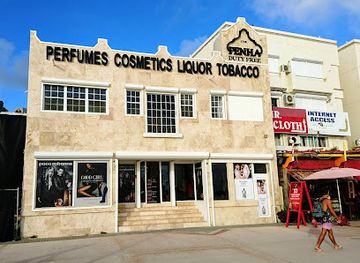
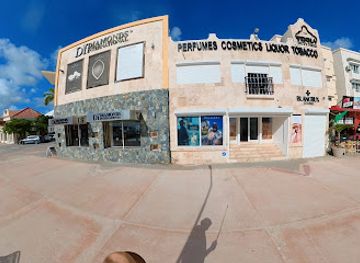
Perfume store
Penha Duty Free St. Maarten at Frontstreet
Experience luxury shopping at Penha Duty Free in St. Maarten, offering exquisite perfumes, cosmetics, liquor, and tobacco for every traveler.
-
Shopping mall
Boardwalk Philipsburg, Sint Maarten
Discover the Boardwalk in Philipsburg, Sint Maarten - a vibrant shopping and dining destination with stunning ocean views and a lively atmosphere.
-
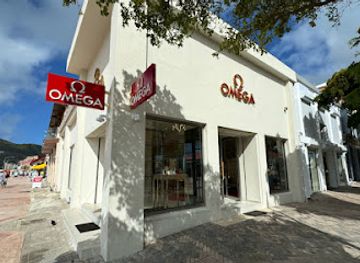
Watch store
Omega Boutique - St. Maarten
Explore the luxury of Omega Boutique in St. Maarten, where exquisite timepieces meet exceptional service in a stunning setting.
Get your free copy of our complete guide to Great Bay Beach, delivered straight to you.
Everything on this page, from attractions and restaurants to essentials and local phrases, in one PDF you can read offline, print or share.
Already have an account? Sign in
Your Great Bay Beach guide is ready.
We'll send it to · Not you? Sign out

Getting your guide ready…
We are putting together a fresh copy of the Great Bay Beach guide. This can take up to a minute.
This can take a few moments. If your browser asks, choose Allow so the download can start. You'll find the guide in your Downloads folder.
Nothing happened? Download it again
Sorry, the guide is taking longer than usual. Please try again in a minute, or get it by email instead.
Great Bay Beach essentials
Currency and Payment
Safety
Emergency Situations
Do's and Don'ts
Local Tips
From Eve
Local phrases worth knowing
You don't need to get them perfect. A few words go a long way, and locals appreciate the effort.
Basics
| English | Local | Say it |
|---|---|---|
| Hello | Bonjour | [bon-zhoor] |
| Goodbye | Au revoir | [oh reh-vwahr] |
| Yes | Oui | [wee] |
| No | Non | [nohn] |
| Please/You're welcome | S'il vous plaît | [seel voo pleh] |
| Thank you | Merci | [mehr-see] |
| Excuse me/Sorry | Excusez-moi | [ex-kew-zay mwa] |
| How are you? | Comment ça va? | [kom-mohn sah vah] |
| Fine. And you? | Bien. Et toi? | [byehn. ay twah] |
| Do you speak English? | Parlez-vous anglais? | [pahr-lay voo ahn-glay] |
| I don't understand | Je ne comprends pas | [zhuh nuh kohm-prahnd pah] |
Eating & Drinking
| English | Local | Say it |
|---|---|---|
| I'd like to see the menu, please | Je voudrais voir le menu, s'il vous plaît | [zhuh voo-dray vwahr luh meh-noo, seel voo pleh] |
| I don't eat meat | Je ne mange pas de viande | [zhuh nuh mahnzh pah duh vyand] |
| Cheers! | Santé! | [sahn-tay] |
| I would like to pay, please | Je voudrais payer, s'il vous plaît | [zhuh voo-dray pay-ay, seel voo pleh] |
Emergencies
| English | Local | Say it |
|---|---|---|
| Help! | Au secours! | [oh seh-koor] |
| Go away! | Allez-vous-en! | [ah-lay voo-zahn] |
| Call the Police! | Appelez la police! | [ah-puh-lay lah poh-lees] |
| Call a doctor! | Appelez un médecin! | [ah-puh-lay uh mayd-sahn] |
| I'm lost | Je suis perdu(e) | [zhuh swee pair-doo] |
| I'm ill | Je suis malade | [zhuh swee mah-lahd] |
Shopping
| English | Local | Say it |
|---|---|---|
| I'd like to buy... | Je voudrais acheter... | [zhuh voo-dray zah-shey...] |
| I'm just looking | Je regarde juste | [zhuh ruh-gard zhuhst] |
| How much is it? | Combien ça coûte? | [kohm-byehn sah koot] |
| That's too expensive | C'est trop cher | [say troh shair] |
| Can you lower the price? | Pouvez-vous baisser le prix? | [poo-veh voo bay-say luh pree] |
Time & Numbers
| English | Local | Say it |
|---|---|---|
| What time is it? | Quelle heure est-il? | [kel uhr eh-teel] |
| It's one o'clock | Il est une heure | [eel ehz oon uhr] |
| Half past (10) | Dix heures et demie | [dees uhr ay duh-mee] |
| Morning | Matin | [mah-tahn] |
| Afternoon | Après-midi | [ah-pray mee-dee] |
| Evening | Soir | [swahr] |
| Yesterday | Hier | [yehr] |
| Today | Aujourd'hui | [oh-zhoor-dwee] |
| Tomorrow | Demain | [duh-mahn] |
| 1 | Un | [uhn] |
| 2 | Deux | [duh] |
| 3 | Trois | [twah] |
| 4 | Quatre | [kah-truh] |
| 5 | Cinq | [sank] |
| 6 | Six | [sees] |
| 7 | Sept | [sept] |
| 8 | Huit | [weet] |
| 9 | Neuf | [nuf] |
| 10 | Dix | [dees] |
Transport & Directions
| English | Local | Say it |
|---|---|---|
| Where's a/the...? | Où est... | [oo eh...] |
| What's the address? | Quelle est l'adresse? | [kel eh la-dress] |
| Can you show me (on the map)? | Pouvez-vous me montrer (sur la carte)? | [poo-veh voo muh mohn-tray (soor lah kart)] |
| When's the next (bus)? | Quand est le prochain (bus)? | [kahn eh luh proh-shahn (boos)] |
| A ticket (to ....) | Un billet (pour ...) | [uhn bee-yay (poor ...)] |
History of Great Bay Beach
A Sheltered Caribbean Bay
Great Bay is part of Sint Maarten’s volcanic island landscape, whose hills descend towards a series of coastal bays and sheltered anchorages. The bay’s orientation and relatively protected waters helped make it useful for maritime movement and harbour activity. Its importance is therefore geographical as well as scenic: the beach is not an isolated strand but the seaward edge of the island’s principal Dutch-side settlement.
Indigenous Island Communities
Before European colonisation, Sint Maarten was inhabited by Indigenous peoples of the Caribbean, including communities associated with the Arawakan-speaking world. Archaeological evidence across the island records earlier settlement, fishing and the use of coastal resources, although the modern waterfront gives little visual indication of that pre-colonial landscape. Great Bay’s later history was shaped by European occupation, but it forms part of a much older human geography.
Philipsburg and Fort Amsterdam
Dutch settlement on the southern side of the island developed around the bay, with Philipsburg established in the eighteenth century and becoming the administrative and commercial centre of Sint Maarten. Fort Amsterdam, on the western entrance to Great Bay, reflects the strategic value of the harbour. The fort was first established by the Dutch in the seventeenth century and later changed hands during the island’s contested colonial history. Its position above the bay connected military defence with control of maritime access.
A Divided Island and Modern Tourism
The Treaty of Concordia, agreed in 1648, formalised the division of Sint Maarten between France and the Netherlands, creating the unusual political geography that still defines the island. Philipsburg and Great Bay developed through trade, shipping and public administration before tourism became increasingly important. In the modern era, the bay has been shaped by the growth of beach tourism, cruise visitation, waterfront dining and commercial activity, while the historic core and Fort Amsterdam remain reminders of its earlier strategic role.
Great Bay Beach in Photos
Browse through our photo collection highlighting the charm and character of the destination.
Neighbouring destination travel guides
The closest destinations to Great Bay Beach, if you have time for more than one.
-

-

-

-

-


Swipe for more destinations
Explore more

Explore more of Great Bay
Explore Great Bay in Sint Maarten for a Caribbean beach, Philipsburg’s colonial streets, waterfront dining, shopping and maritime history.
Explore Great Bay
Explore more of Sint Maarten
Discover Sint Maarten: A Caribbean paradise with a blend of Dutch and French cultures, stunning beaches, vibrant nightlife, and unforgettable experiences.
Explore Sint Maarten