

Sandy Point Town, Saint Kitts and Nevis Travel Guide
Discover Sandy Point Town in Saint Kitts and Nevis: A perfect blend of historic charm, stunning beaches, and vibrant local culture, ideal for an unforgettable Caribbean getaway.
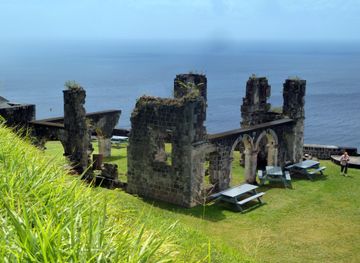
Sandy Point Town is a charming coastal town located on the northwest coast of Saint Kitts. Known for its rich history and vibrant culture, it offers a unique blend of old-world charm and modern amenities that make it an ideal destination for tourists. One of the main attractions in Sandy Point Town is the Brimstone Hill Fortress National Park, a UNESCO World Heritage Site. This well-preserved fortress offers stunning panoramic views of the island and the Caribbean Sea. The park also provides a glimpse into the island's colonial past, with informative displays and guided tours. The town is also home to beautiful beaches with clear blue waters and soft sandy shores. Whether you're looking to relax under the sun, swim, or engage in water sports, the beaches in Sandy Point Town have something for everyone. Nearby, you'll find local vendors selling fresh seafood and tropical fruits, adding to the authentic Caribbean experience. Sandy Point Town is not just about natural beauty and history; it also has a lively local culture. The town hosts several festivals throughout the year, where you can enjoy traditional music, dance, and cuisine. The friendly locals are always eager to share their heritage and make your visit memorable.

Know before you go
Hi, I'm Eve. Here are a few practical things to know before exploring Sandy Point Town.
- Visit Brimstone Hill Fortress early in the morning to avoid crowds and enjoy cooler temperatures.
- Try the local seafood at the beachfront vendors for a taste of authentic Caribbean cuisine.
- Attend one of the local festivals if your visit coincides with the event to experience the vibrant culture.
- Bring comfortable walking shoes for exploring the historic sites and natural trails.
- Check the local weather forecast before planning beach activities to make the most of your visit.
Explore Sandy Point Town: Things to Do, Places to Eat, Hotels & More
Handpicked recommendations for top attractions, local dining, accommodations, and more

Best attractions in Sandy Point Town
Top-rated picks
Best Attractions

Brimstone Hill Fortress National Park
Explore Brimstone Hill Fortress National Park - A UNESCO World Heritage Site showcasing St. Kitts' rich history and stunning vistas.

Caribelle Batik at Romney Manor
Explore the vibrant world of batik art at Caribelle Batik in St. Kitts, where nature and creativity come together in stunning harmony.

Central Forest Reserve National Park
Experience the lush landscapes and diverse wildlife of Central Forest Reserve National Park, a tropical paradise in St. Kitts & Nevis.

Spectrum ATV Tours
Explore the breathtaking landscapes of St. Kitts & Nevis with Spectrum ATV Tours, where adventure and nature collide for an unforgettable experience.

Best landmarks in Sandy Point Town
Top-rated picks
Best Landmarks

Brimstone Hill Fortress National Park
Discover the rich history and breathtaking views at Brimstone Hill Fortress National Park, a UNESCO World Heritage Site in St. Kitts.

Romney Manor
Explore the rich history, stunning gardens, and vibrant art of batik at Romney Manor, a must-visit historical landmark in St. Kitts.

The Citadel at Fort George
Explore the rich military heritage of St. Kitts at The Citadel at Fort George, a historical museum offering stunning views and fascinating exhibits.

Sky Safari Zipline
Soar through the treetops of St. Kitts at Sky Safari Zipline, where adventure meets breathtaking nature in an unforgettable experience.

Best restaurants in Sandy Point Town
Top-rated picks
Best Restaurants

Sprat Net
Experience authentic Caribbean cuisine at Sprat Net in St. Kitts & Nevis – where fresh seafood meets island charm.

Belle Mont Sanctuary Resort
Discover exquisite dining and luxury accommodations at Belle Mont Sanctuary Resort in St. Kitts—where nature meets culinary excellence.

Railway Bar And Grill
Savor delectable grilled dishes in the heart of Nevis at Railway Bar And Grill – where flavor meets island charm.

Pioneer Pizza
Discover Pioneer Pizza in Sandy Point Town – where authentic Italian flavors meet Caribbean hospitality for an unforgettable dining experience.

Best bars in Sandy Point Town
Top-rated picks
Best Bars

Railway Bar And Grill
Enjoy a perfect blend of Caribbean flavors and vibrant atmosphere at Railway Bar and Grill in Nevis.

Pioneer Pizza
Discover the taste of St. Kitts & Nevis at Pioneer Pizza, where delicious flavors and a vibrant atmosphere come together in Sandy Point Town.

Rum Dawg Beach Bar & Grill
Rum Dawg Beach Bar & Grill: A vibrant beachside bar in Sandy Point Town offering delicious Caribbean cuisine and refreshing cocktails.
King's Snack
Experience authentic Caribbean cuisine at King's Snack in Sandy Point Town, a charming restaurant known for its vibrant flavors and friendly atmosphere.

Best nightclubs in Sandy Point Town
Top-rated picks
Best Nightclubs

Rum Dawg Beach Bar & Grill
Experience the vibrant atmosphere of Rum Dawg Beach Bar & Grill, a premier beachside destination for relaxation and Caribbean flavors.

CocoPlums Garden Bar & Grill
Experience the vibrant Caribbean cuisine and warm ambiance at CocoPlums Garden Bar & Grill in Sandy Point Town, St. Kitts & Nevis.

Rovers Bar
Discover the vibrant spirit of St. Kitts at Rovers Bar, offering delightful drinks, local flavors, and lively entertainment in a welcoming atmosphere.

Bill A Vybez Bar Snackette & Grill
Experience the vibrant flavors of the Caribbean at Bill A Vybez Bar Snackette & Grill, Sandy Point Town's finest restaurant and bar & grill.

Best shops in Sandy Point Town
Top-rated picks
Best Shops

Caribelle Batik at Romney Manor
Discover the vibrant world of batik art amid stunning gardens at Caribelle Batik, a must-visit tourist attraction in St. Kitts.

Dollar Stretcher
Explore Dollar Stretcher in Sandy Point Town for unbeatable prices on groceries and local goods, perfect for budget travelers in St. Kitts & Nevis.

E&K Mini Mart Station Street Sandy Point
Discover E&K Mini Mart in Sandy Point, a well-stocked supermarket offering local and international products for all your travel needs.

B's Superette
Explore the essence of St. Kitts & Nevis at B's Superette, your local supermarket for fresh produce, unique snacks, and essential goods.

Explore Sandy Point Town on the Map
A handpicked selection of must-see spots in Sandy Point Town, mapped for you.
Sandy Point Town Essentials
-
Sandy Point Town is located on the northwest coast of Saint Kitts, part of the Federation of Saint Kitts and Nevis. The nearest international airport is Robert L. Bradshaw International Airport (SKB) in Basseterre, approximately 25 kilometers away. From the airport, you can take a taxi or rent a car to reach Sandy Point Town. The journey typically takes around 30-40 minutes by road. Public buses are also available, offering a cost-effective option for getting to Sandy Point Town.
-
Sandy Point Town is small enough to explore on foot, making it easy to visit local attractions. For longer distances, local taxis are available and are a convenient way to get around. Public buses, known locally as 'h buses,' operate along the main routes and connect Sandy Point Town with other parts of Saint Kitts. Car rentals are also an option if you prefer to explore the island at your own pace.
-
The official currency of Saint Kitts and Nevis is the Eastern Caribbean Dollar (XCD). U.S. Dollars are widely accepted, but it is advisable to carry local currency for small purchases. Credit cards are accepted in most hotels, restaurants, and larger shops, but smaller establishments may prefer cash. ATMs are available in Sandy Point Town, so you can withdraw cash as needed.
-
Sandy Point Town is generally considered safe for tourists. However, it is always wise to take standard precautions. Avoid walking alone at night, especially in poorly lit areas. Keep your belongings secure and be aware of your surroundings in crowded places. While there are no specific high-crime areas targeting tourists, it is best to stay vigilant.
-
In case of emergency, dial 911 for immediate assistance. The local police station and medical facilities are available in Sandy Point Town. It is recommended to have travel insurance that covers medical emergencies. For minor health issues, there are pharmacies where you can purchase over-the-counter medications. Ensure you know the location of the nearest medical facility and have emergency contact numbers handy.
-
Fashion: Do dress modestly, especially when visiting religious sites. Avoid wearing overly revealing clothing. Religion: Do respect local customs and traditions. When visiting churches, it is polite to cover your shoulders and knees. Public Transport: Do be respectful and give up your seat to elderly passengers. Don't eat or drink on public transport. Greetings: Do greet people with a friendly hello or good morning/afternoon. A handshake is also common. Eating & Drinking: Do try local delicacies and accept food offerings graciously. Don’t refuse hospitality, as it is considered impolite.
-
To experience Sandy Point Town like a local, visit the local markets where you can buy fresh produce and traditional Kittitian goods. Engage with locals, who are often friendly and willing to share stories about the town’s history and culture. Don't miss visiting Brimstone Hill Fortress National Park, a UNESCO World Heritage Site offering stunning views and rich history. For a unique experience, take a walk along the coastline and enjoy the natural beauty and serene atmosphere.
When is the best time to visit Sandy Point Town?
Useful Local Phrases for Sandy Point Town
You don't need to speak the language perfectly. Even learning a few simple words can make conversations warmer—and locals usually appreciate the effort.
— Eve

Here are the phrases I use most often in Sandy Point Town. Try a few—you'll be surprised how far they go! 😊
❤️
-
- HelloWadup
[wah-dup] - GoodbyeLater
[lay-ter] - YesYeah man
[yah man] - NoNah man
[nah man] - Please/You're welcomePleez
[pleez] - Thank youTank yuh
[tank yuh] - Excuse me/SorryScuse me
[skews me] - How are you?How yuh doin?
[how yuh doin] - Fine. And you?Ahrite. An yuh?
[ah-rite. an yuh] - Do you speak English?Yuh speak English?
[yuh speak English] - I don't understandAh doh understan
[ah doh un-der-stand]
- HelloWadup
-
- I'd like to see the menu, pleaseLemme see di menu, please
[lem-me see dee menu, please] - I don't eat meatAh doh eat meat
[ah doh eat meat] - Cheers!Cheers!
[cheers] - I would like to pay, pleaseLemme pay, please
[lem-me pay, please]
- I'd like to see the menu, pleaseLemme see di menu, please
-
- Help!Help!
[help] - Go away!Go way!
[go way] - Call the Police!Call de Police!
[call dee police] - Call a doctor!Call ah docta!
[call ah doc-ta] - I'm lostAh lost
[ah lost] - I'm illAh sick
[ah sick]
- Help!Help!
-
- I'd like to buy...Ah want buy...
[ah want buy] - I'm just lookingAh jus lookin
[ah jus lookin] - How much is it?How much dat?
[how much dat] - That's too expensiveDat too much
[dat too much] - Can you lower the price?Yuh could drop de price?
[yuh could drop dee price]
- I'd like to buy...Ah want buy...
-
- What time is it?What time it is?
[what time it is] - It's one o'clockIt one o'clock
[it one o'clock] - Half past (10)Half ten
[half ten] - MorningMornin
[mornin] - AfternoonAfternoon
[afternoon] - EveningEvenin
[evenin] - YesterdayYestaday
[yes-ta-day] - TodayToday
[to-day] - TomorrowTomorra
[tom-or-ra] - 1One
[one] - 2Two
[two] - 3Tree
[tree] - 4Four
[four] - 5Five
[five] - 6Six
[six] - 7Seven
[seven] - 8Eight
[eight] - 9Nine
[nine] - 10Ten
[ten]
- What time is it?What time it is?
-
- Where's a/the...?Where de...?
[where dee] - What's the address?Wha de address deh?
[wha dee address deh] - Can you show me (on the map)?Yuh could show me (on de map)?
[yuh could show me (on dee map)] - When's the next (bus)?When de nex (bus)?
[when dee nex (bus)] - A ticket (to ....)Ah ticket (to ....)
[ah ticket (to)]
- Where's a/the...?Where de...?
History of Sandy Point Town
-
Before European colonization, the area now known as Sandy Point Town was inhabited by the indigenous Kalinago people. These early settlers lived a subsistence lifestyle, utilizing the rich resources of the land and sea. Archaeological findings, including pottery shards and tools, offer a glimpse into their daily lives.
-
In the early 17th century, European powers began to take interest in the Caribbean islands. Sandy Point Town was established by the British in 1623, becoming one of the first English settlements in the Caribbean. The fertile soil and strategic location made it a vital hub for trade and agriculture.
-
During the 18th century, Sandy Point Town flourished as a center for sugar production. Large plantations, such as the Brimstone Hill Estate, relied heavily on enslaved African labor. The wealth generated from sugar exports significantly influenced the town's development and architecture.
-
Constructed between 1690 and 1790, the Brimstone Hill Fortress is a UNESCO World Heritage site that stands as a testament to the military engineering prowess of the British. It played a crucial role in the defense of the island against French forces and remains a prominent historical landmark.
-
The abolition of slavery in 1834 marked a significant turning point for Sandy Point Town. Freed slaves sought to build new lives, and the town experienced social and economic shifts. The legacy of this period is evident in the cultural practices and community structure that persist to this day.
-
In recent decades, Sandy Point Town has embraced modernization while preserving its rich cultural heritage. Annual festivals, like the Sandy Point Festival, celebrate the town’s history, music, and traditions. Efforts to maintain historical sites and educate visitors continue to keep the past alive.
Cities near Sandy Point Town
The closest cities to Sandy Point Town, if you have time for more than one stop.


Your all‑in‑one travel companion app
Explore expert travel guides, compare and book tours, experiences, hotels, and more—all from the palm of your hand. Download now for seamless trip planning wherever your wanderlust takes you.


Sandy Point Town in Photos
Browse through our photo collection highlighting the charm and character of the destination.




Sandy Point Town: A Gem of Saint Kitts and Nevis
Sandy Point Town is a charming coastal town located on the northwest coast of Saint Kitts. Known for its rich history and vibrant culture, it offers a unique blend of old-world charm and modern amenities that make it an ideal destination for tourists. One of the main attractions in Sandy Point Town is the Brimstone Hill Fortress National Park, a UNESCO World Heritage Site. This well-preserved fortress offers stunning panoramic views of the island and the Caribbean Sea. The park also provides a glimpse into the island's colonial past, with informative displays and guided tours. The town is also home to beautiful beaches with clear blue waters and soft sandy shores. Whether you're looking to relax under the sun, swim, or engage in water sports, the beaches in Sandy Point Town have something for everyone. Nearby, you'll find local vendors selling fresh seafood and tropical fruits, adding to the authentic Caribbean experience. Sandy Point Town is not just about natural beauty and history; it also has a lively local culture. The town hosts several festivals throughout the year, where you can enjoy traditional music, dance, and cuisine. The friendly locals are always eager to share their heritage and make your visit memorable.
Explore More of Saint Kitts and Nevis

Looking beyond Sandy Point Town? Discover Saint Kitts and Nevis for broader travel guides, local hot-spots, and regional highlights.
Explore Saint Kitts and Nevis