

Free Shoal Bay Village Travel Guide & Mobile App
Plan your Shoal Bay Village trip with Evendo. Get free guides to top attractions, restaurants, hotels, and bars. Web access or download the mobile app.


Shoal Bay Village, Anguilla, pairs powder-soft beaches, clear Caribbean water, reef snorkelling, island history and relaxed coastal dining experiences.
Beach and Sea
Shoal Bay Village lies beside Shoal Bay East on Anguilla’s north-eastern coast, where a long sweep of pale sand meets exceptionally clear Caribbean water. The bay is the settlement’s defining feature: calm shallows invite swimming, while coral reefs close to shore make it one of the island’s best-known places for snorkelling. Low scrub, palms and sea grapes frame the beach, and the exposed coastline brings bright sunlight, salt air and wide horizons rather than an urban atmosphere.Read more about Shoal Bay Village
Island Character
Exploring the Coast
When is the best time to visit Shoal Bay Village?
Best: February–March, June · 30–33°C| Month | High (°C) | Rainfall (mm) |
|---|---|---|
| January | 31 | 60 |
| February (best) | 30 | 60 |
| March (best) | 30 | 60 |
| April | 31 | 50 |
| May | 32 | 40 |
| June (best) | 33 | 30 |
| July | 33 | 30 |
| August | 33 | 40 |
| September | 33 | 50 |
| October | 32 | 60 |
| November | 32 | 60 |
| December | 31 | 60 |
Getting to and around Shoal Bay Village
How to get there
Transportation
Best attractions in Shoal Bay Village
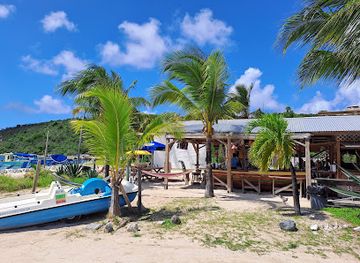
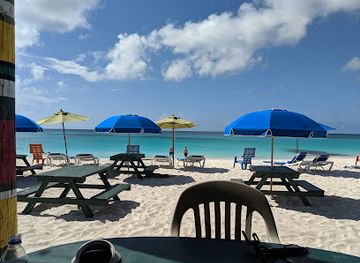
Shoal Bay East is the principal attraction, a broad arc of white sand backed by low vegetation and washed by clear, shallow water. Its near-shore reefs give confident swimmers and snorkellers opportunities to see tropical fish without travelling far offshore, although conditions vary with wind and swell. The beach’s eastern and western points offer different perspectives across the bay and are especially rewarding for a quiet coastal walk. Small beach bars, casual restaurants and watersports facilities add life without turning the settlement into a dense resort strip. Away from the sand, the village’s scattered roads reveal Anguilla’s dry, low-rise landscape, while nearby Island Harbour provides a glimpse of the island’s working maritime culture. Boat excursions can extend the experience to offshore cays such as Prickly Pear Cays, but these are separate from Shoal Bay Village and depend on sea conditions and organised departures.
-
Island
Sandy Island
Escape to a tiny Caribbean paradise: pristine beaches, snorkeling, and fresh seafood await on Anguilla's stunning Sandy Island.
30 min drive · 10 km from city centre
-
Boat tour agency
Tradition Sailing Charters Anguilla
Experience Anguilla's maritime history with a sailing adventure aboard a classic West Indian sloop, offering unforgettable Caribbean cruises.
26 min drive · 8.6 km from city centre
-
Park and Garden
J. Ronald Webster Park
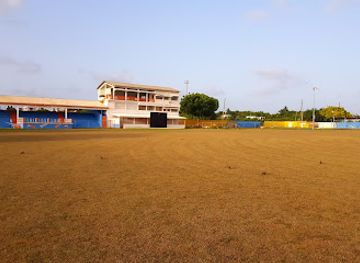
Discover Anguilla's community spirit at J. Ronald Webster Park, a central location for recreation, sports, and cultural events in The Quarter.
14 min drive · 4.7 km from city centre
-
Beach
Crocus Bay Beach
Discover Crocus Bay Beach in Anguilla: a serene paradise with calm waters, golden sands, and breathtaking views, perfect for relaxation and adventure.
16 min drive · 5.4 km from city centre



Best landmarks in Shoal Bay Village
Shoal Bay East itself is the defining landmark of the village, its long pale shoreline and unusually transparent water forming one of Anguilla’s most recognisable coastal landscapes. Shoal Bay Point, at the western end, gives the beach a distinct rocky edge and broad views across the bay, while the eastern point provides a quieter sense of the coast’s exposed geography. The Shoal Bay East salt pond, set behind the beach, recalls Anguilla’s historic use of shallow coastal wetlands for salt gathering and remains an important part of the settlement’s natural setting. Together these features express the physical identity of the village more clearly than monumental architecture does: a low, wind-shaped shore where fishing, salt, tourism and reef ecology meet.
-
Bar
Elvis Beach Bar
Discover the vibrant atmosphere of Elvis Beach Bar in Anguilla – where delicious food meets breathtaking ocean views for an unforgettable Caribbean experience.
26 min drive · 8.5 km from city centre
-
 Hotel
HotelZemi Beach House, LXR Hotels & Resorts
Experience the epitome of luxury and relaxation at Zemi Beach House in Anguilla, where stunning beaches meet exceptional hospitality.
9 min walk · 0.7 km from city centre
-
Beach
Shoal Bay Beach
Discover the serene beauty of Shoal Bay Beach in Anguilla, where white sands and turquoise waters create an idyllic tropical getaway.
1 min walk · 0.1 km from city centre
-
Live music bar
Bankie Banx's Dune Preserve
Discover the Caribbean rhythm at Bankie Banx's Dune Preserve, a vibrant live music bar offering delicious cuisine and stunning ocean views in Anguilla.
33 min drive · 13 km from city centre
Explore Shoal Bay Village on the map
Plan your Shoal Bay Village trip on one map. See where the top attractions, landmarks, restaurants, bars and hotels are, find what's near where you're staying, and book hotels and experiences in a few clicks.
Best hotels in Shoal Bay Village
Best restaurants in Shoal Bay Village
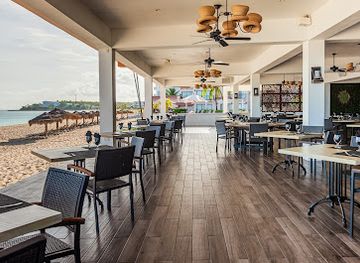
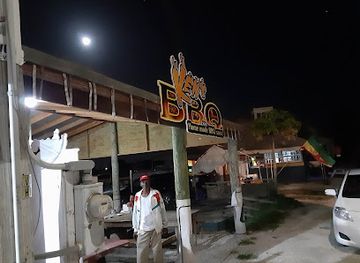
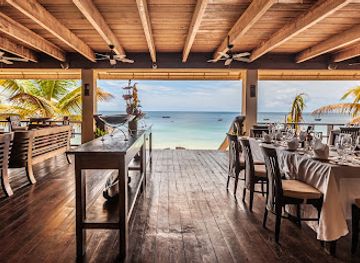
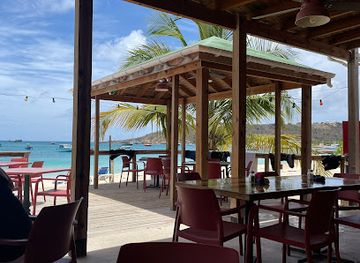
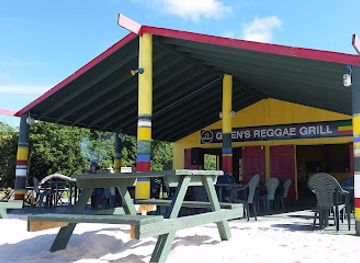
Dining in Shoal Bay Village is closely tied to the beach, with open-air restaurants and informal grills serving seafood, grilled meats, salads and Caribbean-influenced dishes in a relaxed coastal setting. Fresh fish, lobster when in season, crayfish, conch and spiny lobster reflect Anguilla’s maritime traditions, while rice, peas, plantain and spicy sauces bring wider Caribbean flavours to the table. Places such as Gwen’s Reggae Grill are associated with the bay’s casual, music-led beach dining, while other shorefront establishments range from straightforward lunches to polished evening meals. Breakfasts, rum-based drinks and simple grilled plates suit the unhurried daytime atmosphere. The culinary scene is not confined to formal restaurants: local produce, seafood and home-style cooking remain important expressions of Anguillian identity, and menus can change with catches, seasons and supply.
-
Restaurant
Straw Hat Restaurant
Discover culinary excellence at Straw Hat Restaurant in Meads Bay - where exquisite flavors meet breathtaking beach views.
34 min drive · 14 km from city centre
-
Restaurant
Ken's BBQ
Discover authentic Caribbean barbecue at Ken's BBQ in Anguilla – where flavor meets hospitality in a vibrant setting.
15 min drive · 5.0 km from city centre
-
Restaurant
Da'Vida
Experience exquisite dining at Da'Vida in Anguilla, where Caribbean flavors meet stunning beachfront views.
16 min drive · 5.4 km from city centre
-
Restaurant
Roy's Bayside Grill
Experience Anguilla’s vibrant dining scene at Roy's Bayside Grill with fresh seafood and breathtaking ocean views in a relaxed atmosphere.
27 min drive · 8.9 km from city centre
Best bars in Shoal Bay Village
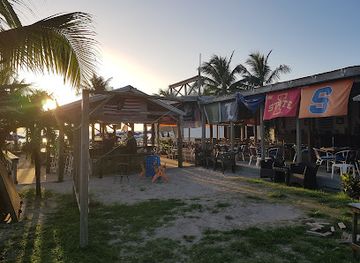
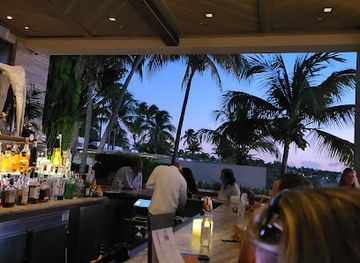
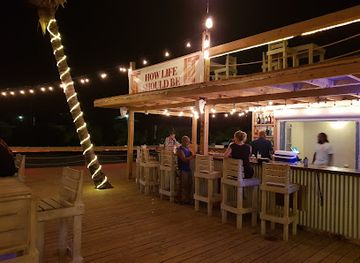
Nightlife in Shoal Bay Village is sociable but comparatively gentle, centred on beach bars, dinners, live music and conversation rather than large nightclubs. Venues along Shoal Bay East may offer reggae, calypso, acoustic performances or recorded music, with the sound carrying across the sand after sunset. An evening at a beach bar such as Gwen’s can feel more like an extension of island life than a formal entertainment event, while other restaurants provide cocktails and long, open-air dinners. The bay’s low-density setting means that activity is spread out and can vary by season, and there is little of the concentrated late-night scene found in larger Caribbean resorts. Taxis are preferable after dark, especially when moving between the beach and accommodation on poorly lit roads.
-
Bar
Elvis Beach Bar
Discover the vibrant ambiance and delicious cuisine at Elvis Beach Bar in Sandy Ground, Anguilla, where relaxation meets local culture.
26 min drive · 8.5 km from city centre
-
Bar
Roy's Bayside Grill
Discover the vibrant flavors of Anguilla at Roy's Bayside Grill, where delicious food and stunning views come together for an unforgettable dining experience.
27 min drive · 8.9 km from city centre
-
Restaurant
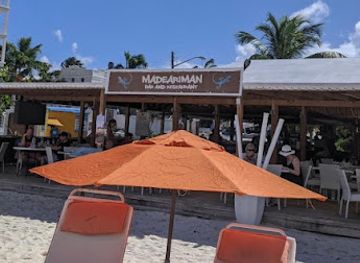
Madeariman
Discover the flavors of Anguilla at Madeariman, where fresh seafood meets Caribbean charm in Shoal Bay Village.
1 min walk · 0.1 km from city centre
-
Grill
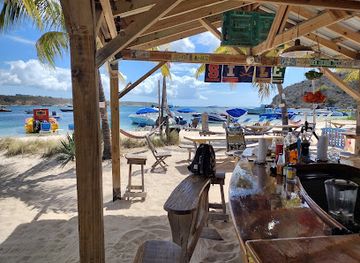
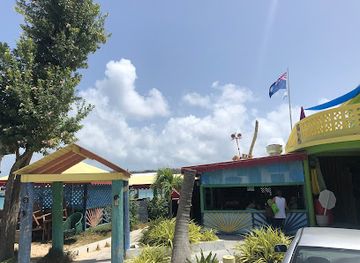
Gwen's Reggae Bar and Grill
Experience the vibrant flavors of Caribbean cuisine at Gwen's Reggae Bar and Grill, where great food meets the rhythms of island life.
5 min walk · 0.4 km from city centre
Best nightclubs in Shoal Bay Village
Nightlife in Shoal Bay Village is sociable but comparatively gentle, centred on beach bars, dinners, live music and conversation rather than large nightclubs. Venues along Shoal Bay East may offer reggae, calypso, acoustic performances or recorded music, with the sound carrying across the sand after sunset. An evening at a beach bar such as Gwen’s can feel more like an extension of island life than a formal entertainment event, while other restaurants provide cocktails and long, open-air dinners. The bay’s low-density setting means that activity is spread out and can vary by season, and there is little of the concentrated late-night scene found in larger Caribbean resorts. Taxis are preferable after dark, especially when moving between the beach and accommodation on poorly lit roads.
-
Bar
Elvis Beach Bar
Experience the vibrant atmosphere of Elvis Beach Bar in Anguilla, where fresh seafood, live music, and stunning views create an unforgettable Caribbean escape.
26 min drive · 8.5 km from city centre
-
Grill
Gwen's Reggae Bar and Grill
Experience the vibrant flavors and rhythms of the Caribbean at Gwen's Reggae Bar and Grill in Anguilla.
5 min walk · 0.4 km from city centre
-
Lounge
Sunset Lounge
Experience the breathtaking views and exquisite cuisine at Sunset Lounge, Anguilla's premier dining destination by the Caribbean Sea.
35 min drive · 15 km from city centre
-
Lounge
Lit lounge
Experience the vibrant nightlife at Lit Lounge, Anguilla's premier destination for cocktails, music, and unforgettable moments.
26 min drive · 8.6 km from city centre
Best shops in Shoal Bay Village
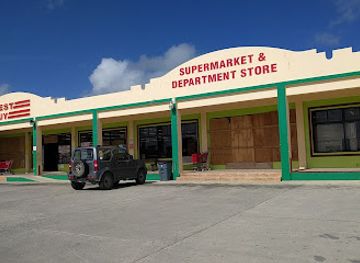
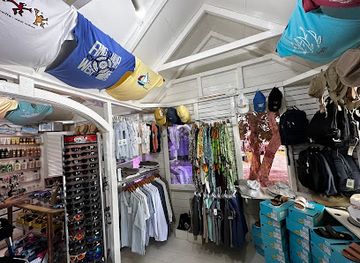
Shopping in Shoal Bay Village is small-scale and primarily oriented towards beach needs, island-made souvenirs and casual browsing rather than department stores or major retail centres. Visitors may find locally produced art, jewellery, resort clothing, craft items, rum, spices and packaged foods in shops attached to accommodation or along the coastal road. The most distinctive purchases are often connected to Anguilla’s maritime and cultural identity, including artwork inspired by boats, reefs and beaches. For broader everyday shopping, groceries, pharmacies, banks and services, The Valley offers a more substantial selection, while local markets and roadside sellers can provide seasonal produce when available. It is worth distinguishing genuinely Anguillian craftwork from imported souvenirs and asking sellers about materials, provenance and care before buying shells, coral or other marine products.
-
Supermarket
Best Buy
Discover Best Buy in Anguilla, your go-to supermarket for groceries, local produce, and a taste of island life.
13 min drive · 4.3 km from city centre
-
Supermarket
Ashleys Super Market
Experience the vibrant culinary culture of Anguilla at Ashley's Super Market, your ultimate destination for fresh produce and local delicacies.
15 min drive · 5.0 km from city centre
-
Shop Supermarket Furniture Shop
BIG STORE
Discover the best of Anguilla at BIG STORE, where shopping meets local charm in a one-stop destination.
14 min drive · 4.8 km from city centre
-
Gift shop
Irie Life
Explore Irie Life for unique gifts and authentic Anguillian craftsmanship in the heart of South Hill Village, Anguilla.
28 min drive · 9.5 km from city centre
Get your free copy of our complete guide to Shoal Bay Village, delivered straight to you.
Everything on this page, from attractions and restaurants to essentials and local phrases, in one PDF you can read offline, print or share.
Already have an account? Sign in
Your Shoal Bay Village guide is ready.
We'll send it to · Not you? Sign out

Getting your guide ready…
We are putting together a fresh copy of the Shoal Bay Village guide. This can take up to a minute.
This can take a few moments. If your browser asks, choose Allow so the download can start. You'll find the guide in your Downloads folder.
Nothing happened? Download it again
Sorry, the guide is taking longer than usual. Please try again in a minute, or get it by email instead.
Shoal Bay Village essentials
Currency and Payment
Safety
Emergency Situations
Do's and Don'ts
Local Tips
From Eve
Local phrases worth knowing
You don't need to get them perfect. A few words go a long way, and locals appreciate the effort.
Basics
| English | Local | Say it |
|---|---|---|
| Hello | Hello | [Heh-loh] |
| Goodbye | Goodbye | [Gud-bye] |
| Yes | Yes | [Yehs] |
| No | No | [Noh] |
| Please/You're welcome | Please/You're welcome | [Pleez/Yoor welcome] |
| Thank you | Thank you | [Thank yoo] |
| Excuse me/Sorry | Excuse me/Sorry | [Ex-kyooz me/Sor-ree] |
| How are you? | How are you? | [How ahr yoo?] |
| Fine. And you? | Fine. And you? | [Fyn. And yoo?] |
| Do you speak English? | Do you speak English? | [Doo yoo speak Ing-lish?] |
| I don't understand | I don't understand | [I dohnt und-er-stand] |
Eating & Drinking
| English | Local | Say it |
|---|---|---|
| I'd like to see the menu, please | I'd like to see the menu, please | [I'd lyk to see the menyoo, pleez] |
| I don't eat meat | I don't eat meat | [I dohnt eet meet] |
| Cheers! | Cheers! | [Cheerz!] |
| I would like to pay, please | I would like to pay, please | [I wood lyk to pay, pleez] |
Emergencies
| English | Local | Say it |
|---|---|---|
| Help! | Help! | [Help!] |
| Go away! | Go away! | [Go away!] |
| Call the Police! | Call the Police! | [Call the Po-lice!] |
| Call a doctor! | Call a doctor! | [Call a doc-tor!] |
| I'm lost | I'm lost | [I'm lost] |
| I'm ill | I'm ill | [I'm ill] |
Shopping
| English | Local | Say it |
|---|---|---|
| I'd like to buy... | I'd like to buy... | [I'd lyk to buy...] |
| I'm just looking | I'm just looking | [I'm just look-ing] |
| How much is it? | How much is it? | [How much is it?] |
| That's too expensive | That's too expensive | [That's too ex-pen-siv] |
| Can you lower the price? | Can you lower the price? | [Can yoo loh-er the price?] |
Time & Numbers
| English | Local | Say it |
|---|---|---|
| What time is it? | What time is it? | [What time is it?] |
| It's one o'clock | It's one o'clock | [It's one o'clock] |
| Half past (10) | Half past (10) | [Half past (10)] |
| Morning | Morning | [Morning] |
| Afternoon | Afternoon | [Afternoon] |
| Evening | Evening | [Evening] |
| Yesterday | Yesterday | [Yes-ter-day] |
| Today | Today | [Toh-day] |
| Tomorrow | Tomorrow | [Toh-mor-row] |
| 1 | 1 | [1] |
| 2 | 2 | [2] |
| 3 | 3 | [3] |
| 4 | 4 | [4] |
| 5 | 5 | [5] |
| 6 | 6 | [6] |
| 7 | 7 | [7] |
| 8 | 8 | [8] |
| 9 | 9 | [9] |
| 10 | 10 | [10] |
Transport & Directions
| English | Local | Say it |
|---|---|---|
| Where's a/the...? | Where's a/the...? | [Where's a/the...?] |
| What's the address? | What's the address? | [What's the address?] |
| Can you show me (on the map)? | Can you show me (on the map)? | [Can yoo show me (on the map)?] |
| When's the next (bus)? | When's the next (bus)? | [When's the next (bus)?] |
| A ticket (to ....) | A ticket (to ....) | [A ticket (to ....)] |
History of Shoal Bay Village
Amerindian Beginnings
Long before European settlement, Anguilla was inhabited and visited by Indigenous peoples of the Caribbean, including communities associated with the Taíno and other eastern Caribbean cultures. The island’s shallow bays, reefs and dependable marine life made the northern coast useful for fishing, gathering and travel by canoe. Archaeological evidence elsewhere on Anguilla includes tools, pottery and habitation sites, although Shoal Bay Village is better understood as part of this wider island landscape than as a documented ancient town. The coastal environment that attracts visitors today—clear water, reef shelves and sheltered shallows—also shaped the island’s earliest human use.
European Colonisation and Settlement
English settlers established a permanent presence on Anguilla during the seventeenth century, bringing an economy based on small-scale agriculture, livestock, fishing and maritime activity. The island’s dry climate limited plantation agriculture compared with larger Caribbean colonies, and communities remained dispersed rather than concentrated in one major port. Shoal Bay’s shoreline formed part of a wider network of fishing grounds and landing places serving island households. Colonial rule connected Anguilla to the British Caribbean, while storms, drought and scarce freshwater repeatedly influenced where and how people lived.
Salt, Fishing and Seafaring
For much of Anguilla’s later history, livelihoods depended on the sea and on the careful use of limited land and water resources. Salt was collected from shallow ponds, while fishing and boatbuilding supported local families and trade with neighbouring islands. The north-eastern coast around Shoal Bay retained a rural character, with scattered homes and working landscapes rather than a formal resort settlement. These traditions helped shape Anguillian foodways, boat culture and practical knowledge of reefs and currents. Contemporary tourism occupies the same coast but has not erased the importance of fishing and the island’s maritime identity.
The Anguillian Revolution
Anguilla’s modern political identity was profoundly shaped by the 1967 Anguillian Revolution, when islanders rejected inclusion in the newly created associated state of St Kitts-Nevis-Anguilla. The revolt reflected long-standing grievances about political representation and economic neglect, and Anguilla subsequently maintained its separate administration before becoming a British Overseas Territory. The events were centred on island-wide political action rather than on Shoal Bay alone, but their legacy is present throughout the island. Visitors can encounter this history through local museums, monuments and conversations about Anguilla’s strong sense of self-government and community solidarity.
From Working Coast to Visitor Shore
Tourism expanded considerably in Anguilla during the late twentieth century, as the island’s beaches, sailing waters and relaxed pace attracted international visitors. Shoal Bay East became one of the principal coastal areas for hotels, villas, restaurants and watersports, while remaining low-rise and relatively dispersed. Development has generally followed the beach rather than creating a dense resort city, preserving long views and much of the settlement’s quiet scale. Today, Shoal Bay Village combines a service economy focused on hospitality with older patterns of fishing, family residence and seasonal island life.
Shoal Bay Village in Photos
Browse through our photo collection highlighting the charm and character of the destination.
Cities near Shoal Bay Village
The closest cities to Shoal Bay Village, if you have time for more than one stop.
-

-

-

-

-


Swipe for more cities
Explore more

Explore more of Anguilla
Discover Anguilla: Caribbean's best-kept secret with stunning beaches, rich culture, and endless adventure opportunities. Perfect for a serene and luxurious getaway.
Explore Anguilla