

Free Great Bay Travel Guide & Mobile App
Explore Great Bay with free travel guides. Discover regional history, expert tips, proposed trips, and audio guides on web or mobile app.


Explore Great Bay in Sint Maarten for a Caribbean beach, Philipsburg’s colonial streets, waterfront dining, shopping and maritime history.
Read more about Great Bay
When is the best time to visit Great Bay?
Best: January–March · 30°C| Month | High (°C) | Rainfall (mm) |
|---|---|---|
| January (best) | 30 | 70 |
| February (best) | 30 | 60 |
| March (best) | 30 | 70 |
| April | 31 | 80 |
| May | 31 | 90 |
| June | 32 | 100 |
| July | 32 | 110 |
| August | 32 | 120 |
| September | 32 | 130 |
| October | 31 | 120 |
| November | 30 | 100 |
| December | 30 | 80 |
Getting to and around Great Bay
How to get there
Transportation
Top city travel guides in Great Bay
The cities of Great Bay, and the easiest places to base yourself.

Swipe for more cities
Destinations in Great Bay
Resorts, valleys and scenic spots worth a trip of their own.
-

-

-

-


Swipe for more destinations
Best attractions in Great Bay
Great Bay’s attractions are concentrated enough for a compact walking itinerary but varied enough to reveal several sides of Sint Maarten. Great Bay Beach and the Boardwalk provide the principal leisure setting, with swimming, sunbathing, waterfront dining and views across the busy harbour. Philipsburg’s historic core adds the small-scale attractions of Front Street, Back Street, Wathey Square, the courthouse and local museums, including the Yoda Guy Movie Exhibit. Fort Amsterdam, above the western side of the bay, combines military history with broad views and remains of earlier fortifications. The eastern waterfront is associated with cruise activity, boat excursions and maritime movement rather than a conventional old-town atmosphere. Visitors interested in architecture can examine surviving colonial and nineteenth-century buildings, while those seeking a slower cultural experience can explore galleries, churches and the town’s civic spaces. Great Bay is not a wilderness destination: nature is encountered through the beach, sea, seabirds, tropical vegetation and elevated coastal viewpoints. For diving, secluded beaches, hiking and rural scenery, travellers will need to go beyond the bay into other parts of Sint Maarten.
-
Beach
Maho Beach
Experience the thrill of low-flying planes at Maho Beach, a stunning Caribbean destination known for its unique aviation spectacle and breathtaking scenery.
-
Grill
Sunset Bar and Grill
Experience the vibrant flavors and stunning sunsets at Sunset Bar and Grill in Sint Maarten, a must-visit for every traveler seeking island bliss.
-
Beach
Mullet Bay Beach
Discover the serene beauty of Mullet Bay Beach in Sint Maarten, where soft sands and turquoise waters await your arrival.
-
Tourist attraction
Yoda Guy Movie Exhibit
Discover the cinematic wonders of the Yoda Guy Movie Exhibit in Philipsburg, where movie magic and Star Wars memorabilia come to life.


Best landmarks in Great Bay
The most recognisable landmark in Great Bay is Fort Amsterdam, whose remains occupy a strategic peninsula overlooking the bay and the harbour. Built by the Dutch in the seventeenth century, the fort represents the military importance of Sint Maarten’s anchorage and provides one of the area’s clearest elevated views. In Philipsburg, the courthouse on Wathey Square is a distinctive civic landmark, marked by its pale façade and central position in the historic town. Front Street and Back Street are significant collectively rather than as a single monument: their alignment, surviving façades and relationship with the beach express Philipsburg’s colonial trading origins. The Boardwalk and Great Bay Beach form the modern visual identity of the waterfront, while the harbour’s cruise berths and working marine traffic show how the bay continues to function as an economic gateway. The contrast between Fort Amsterdam’s rough stone remains, the town’s colourful historic buildings and the broad open sweep of the beach gives Great Bay a clearly layered sense of place.
-
Cruise terminal
Port Of St. Maarten
Experience the vibrant culture and breathtaking beauty of the Caribbean at the Port of St. Maarten, your gateway to adventure.
-
 Resort hotel
Sonesta Maho Beach Resort, Casino & Spa
Discover unparalleled luxury and excitement at Sonesta Maho Beach Resort, Casino & Spa, where paradise meets adventure in Sint Maarten.
-
Nature preserve
Loterie Farm
Experience the captivating beauty of Loterie Farm, a nature preserve in St. Martin offering outdoor adventures, delicious dining, and serene relaxation.
-
Grill
Buccaneer Beach Bar
Experience the vibrant flavors and breathtaking views at Buccaneer Beach Bar in Sint Maarten, the ultimate beachside destination for food lovers.


Explore Great Bay on the map
Plan your trip on one map. See where the top cities, national parks and sights are, and book hotels and experiences in a few clicks.
Best hotels in Great Bay
Best restaurants in Great Bay
Dining in Great Bay centres on the Boardwalk, Front Street and the streets immediately behind the beach, where casual cafés, hotel restaurants, bars and international eateries serve visitors alongside local residents. Menus commonly reflect Sint Maarten’s position between Caribbean, European and North American food cultures, with grilled fish, seafood, chicken, ribs, rice dishes, fried specialities and Creole-influenced preparations appearing alongside burgers, pizzas and French or Dutch-style options. Seafood is particularly appropriate near the harbour, although diners should ask about the day’s catch and its origin rather than assuming every fish is local. Beachfront establishments suit relaxed lunches and sunset meals, while Front Street offers a broader range of settings. Markets and small food counters can provide a more informal taste of island cooking, including johnnycakes and other Caribbean staples. Prices vary considerably, and menus may use US dollars or Caribbean guilders, so check the currency and any service charge before ordering.
-
Restaurant
Pineapple Pete Restaurant
Experience authentic Caribbean cuisine at Pineapple Pete Restaurant in Cole Bay, where vibrant flavors meet warm hospitality.
-
Restaurant
Karibuni
Experience exquisite dining at Karibuni on Pinel Island – where Caribbean flavors meet stunning sea views.
-
Restaurant
The Greenhouse
Experience Caribbean culinary delights at The Greenhouse in Simpson Bay - where fresh flavors meet tropical charm.
-
Italian
Sale & Pepe Marina Italian Sicilian Restaurant SXM
Experience authentic Sicilian cuisine in Simpson Bay at Sale & Pepe Marina - where every meal is a celebration of flavor.


Best bars in Great Bay
Great Bay’s evening life is focused on the Boardwalk, Front Street and the restaurants facing the beach rather than on a large, fixed nightclub district. Sunset drinks, rum-based cocktails, local beers, sports bars and live music are common ways to spend the evening, with some venues becoming livelier after dinner. Historic-town bars and hotel lounges provide a quieter alternative to the waterfront, while occasional music and entertainment programmes change with the season. Cruise-ship days can make the early evening feel busier, but activity generally becomes more dependent on individual venues later at night. Taxis are the practical choice for returning to accommodation elsewhere on the island, particularly if drinking. Visitors should check current opening arrangements locally, as small establishments and entertainment schedules can change after storms, during low season or in response to demand.
-
Grill
Sunset Bar and Grill
Discover the ultimate dining experience at Sunset Bar and Grill, where stunning views and delicious cuisine blend in perfect harmony.
-
Grill
Buccaneer Beach Bar
Experience the flavors of the Caribbean at Buccaneer Beach Bar, where delicious food meets stunning ocean views in Simpson Bay.
-
Caribbean
Da Waterhole
Experience vibrant Caribbean flavors at Da Waterhole, a beachfront bar and grill in Sint Maarten offering delicious food, drinks, and stunning ocean views.
-
Grill
Nowhere Special
Discover Nowhere Special in Simpson Bay, a must-visit grill offering delicious dishes and a vibrant atmosphere perfect for tourists.
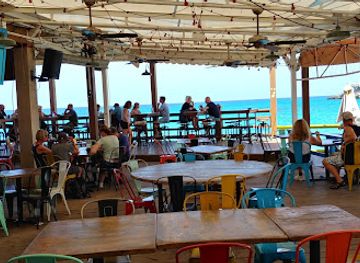


Best nightclubs in Great Bay
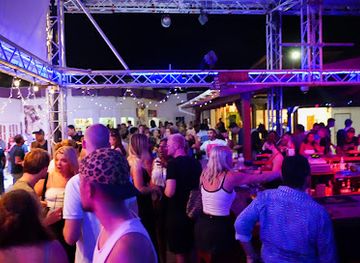
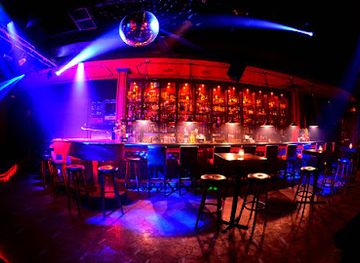
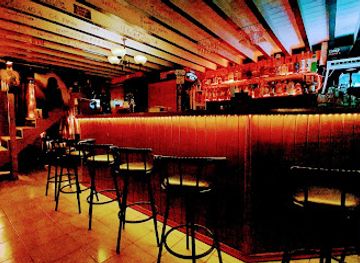
Great Bay’s evening life is focused on the Boardwalk, Front Street and the restaurants facing the beach rather than on a large, fixed nightclub district. Sunset drinks, rum-based cocktails, local beers, sports bars and live music are common ways to spend the evening, with some venues becoming livelier after dinner. Historic-town bars and hotel lounges provide a quieter alternative to the waterfront, while occasional music and entertainment programmes change with the season. Cruise-ship days can make the early evening feel busier, but activity generally becomes more dependent on individual venues later at night. Taxis are the practical choice for returning to accommodation elsewhere on the island, particularly if drinking. Visitors should check current opening arrangements locally, as small establishments and entertainment schedules can change after storms, during low season or in response to demand.
-
Bar
Soggy Dollar Bar
Experience the vibrant atmosphere of Soggy Dollar Bar in Sint Maarten, where refreshing cocktails meet stunning views and lively entertainment.
-
Piano bar
The Red Piano SXM
Experience the vibrant nightlife of Sint Maarten at The Red Piano SXM, where live music, great drinks, and unforgettable memories await.
-
Restaurant
The Bar 3Angle formerly XLounge
Discover the vibrant atmosphere of The Bar 3Angle, a top restaurant, karaoke, and live music venue in Simpson Bay, perfect for tourists seeking fun.
-
Bar
Big Bastaard's Beach Bar
Experience the vibrant atmosphere and stunning ocean views at Big Bastaard's Beach Bar in Philipsburg, the perfect Caribbean getaway for relaxation.

Best shops in Great Bay
Shopping in Great Bay is concentrated in Philipsburg, particularly along Front Street and the adjoining lanes, with jewellery, watches, fashion, perfume, souvenirs, liquor and duty-free-oriented retailers serving international visitors. Back Street has traditionally offered a more mixed high-street character, including practical shops and smaller businesses, while the Boardwalk focuses on beachwear, gifts, crafts and casual purchases. Retail choice and opening patterns can be influenced by cruise-ship arrivals, and the busiest periods often coincide with ships in port. Look for locally produced food products, island-themed artwork, handmade items and Caribbean spices rather than assuming every souvenir originated on Sint Maarten. Small galleries and independent shops provide a more distinctive alternative to branded goods, although stock varies. When buying jewellery, electronics or other expensive items, compare prices, request clear documentation and understand warranty arrangements before completing a purchase. The currency should also be confirmed, as prices may be displayed in Caribbean guilders or US dollars.
-
Cheese shop
Amsterdam Cheese And Liquor Store
Discover the delightful flavors of Dutch cheeses and liquors at Amsterdam Cheese and Liquor Store in Philipsburg, Sint Maarten.
-
Shopping mall
Phillipsburg, Sint Maarten
Explore the vibrant capital of Sint Maarten, Phillipsburg, where stunning beaches, rich culture, and fantastic shopping await you.
-
Shopping mall
Sint Rose Shopping Mall
Sint Rose Shopping Mall offers a diverse shopping experience in Philipsburg, blending local charm with international flair for every visitor.
-
Party store
Shop-4-Less
Explore Shop-4-Less in Sint Maarten for an incredible selection of party supplies, toys, and festive decorations for every occasion.


Get your free copy of our complete guide to Great Bay, delivered straight to you.
Everything on this page, from attractions and restaurants to essentials and local phrases, in one PDF you can read offline, print or share.
Already have an account? Sign in
Your Great Bay guide is ready.
We'll send it to · Not you? Sign out

Getting your guide ready…
We are putting together a fresh copy of the Great Bay guide. This can take up to a minute.
This can take a few moments. If your browser asks, choose Allow so the download can start. You'll find the guide in your Downloads folder.
Nothing happened? Download it again
Sorry, the guide is taking longer than usual. Please try again in a minute, or get it by email instead.
Great Bay essentials
Currency and Payment
Safety
Emergency Situations
Do's and Don'ts
Local Tips
From Eve
Local phrases worth knowing
You don't need to get them perfect. A few words go a long way, and locals appreciate the effort.
Basics
| English | Local | Say it |
|---|---|---|
| Hello | Bonjou | [Bohn-zhoo] |
| Goodbye | Orevwa | [Oh-reh-vwah] |
| Yes | Wi | [Wee] |
| No | Non | [Nohn] |
| Please/You're welcome | Souple | [Soo-play] |
| Thank you | Mesi | [Meh-see] |
| Excuse me/Sorry | Eskize mwen | [Es-kee-zay mwen] |
| How are you? | Kijan ou ye? | [Kee-zhan oo yay] |
| Fine. And you? | Byen. E ou? | [Bee-ehn. Eh oo?] |
| Do you speak English? | Es ou pale Anglais? | [Es oo pah-lay Ahn-glay] |
| I don't understand | Mwen pa konprann | [Mwen pah kon-pran] |
Eating & Drinking
| English | Local | Say it |
|---|---|---|
| I'd like to see the menu, please | Mwen ta renmen wè meni an, souple | [Mwen ta ren-men weh meh-nee ahn, soo-play] |
| I don't eat meat | Mwen pa manje vyann | [Mwen pah mahn-jay vyahn] |
| Cheers! | Sante! | [Sahn-tay] |
| I would like to pay, please | Mwen ta renmen peye, souple | [Mwen ta ren-men pay-ay, soo-play] |
Emergencies
| English | Local | Say it |
|---|---|---|
| Help! | Sove! | [Soh-vay] |
| Go away! | Ale ale! | [Ah-lay ah-lay] |
| Call the Police! | Rele polis la! | [Ray-lay poh-lees lah] |
| Call a doctor! | Rele yon doktè! | [Ray-lay yohn dok-tay] |
| I'm lost | Mwen pèdi | [Mwen peh-dee] |
| I'm ill | Mwen malad | [Mwen mah-lahd] |
Shopping
| English | Local | Say it |
|---|---|---|
| I'd like to buy... | Mwen ta renmen achte... | [Mwen ta ren-men ah-shtay...] |
| I'm just looking | Mwen ap gade | [Mwen ap gah-day] |
| How much is it? | Konbyen sa koute? | [Kohn-byen sah koo-tay] |
| That's too expensive | Sa a twò chè | [Sah ah traw shay] |
| Can you lower the price? | Es ou ka bese pri a? | [Es oo kah beh-say pree ah?] |
Time & Numbers
| English | Local | Say it |
|---|---|---|
| What time is it? | Ki lè li ye? | [Kee leh lee yay] |
| It's one o'clock | Li se yè a | [Lee seh yay ah] |
| Half past (10) | Demi (10) | [Duh-mee (10)] |
| Morning | Matin | [Mah-tan] |
| Afternoon | Apre midi | [Ah-pray mee-dee] |
| Evening | Swa | [Swah] |
| Yesterday | Yè | [Yay] |
| Today | Jodi a | [Zho-dee ah] |
| Tomorrow | Demain | [Duh-manh] |
| 1 | Yen | [Yen] |
| 2 | De | [Day] |
| 3 | Twa | [Twah] |
| 4 | Katre | [Ka-tray] |
| 5 | Senk | [Sank] |
| 6 | Sis | [Sees] |
| 7 | Sèt | [Set] |
| 8 | Huit | [Wheet] |
| 9 | Nèf | [Nehf] |
| 10 | Dix | [Dee] |
Transport & Directions
| English | Local | Say it |
|---|---|---|
| Where's a/the...? | Ki kote a/the...? | [Kee koh-tay ah/the...?] |
| What's the address? | Ki adrès la? | [Kee ah-dress lah?] |
| Can you show me (on the map)? | Es ou ka montre mwen (sou kat la)? | [Es oo kah mohn-tray mwen (soo kaht lah)?] |
| When's the next (bus)? | Kilè pwochen (otobis la)? | [Kee-lay proh-shen (oh-toh-bees lah)?] |
| A ticket (to ....) | Yon tikè (pou ....) | [Yohn tee-kay (poo ....)] |
History of Great Bay
Indigenous Settlement Before European Colonisation
Long before Philipsburg existed, Sint Maarten was inhabited by Indigenous peoples, including communities associated with the Arawakan and Kalínago cultural worlds. The island’s bays, salt ponds and sheltered coastal areas supported fishing, gathering, farming and movement through the Lesser Antilles. Great Bay’s protected waters would have made it a useful maritime location, although the surviving evidence is distributed across the island rather than confined to the modern town. Visitors should understand the colonial streets and forts as a later layer in a much older human landscape.
Spanish and Dutch Rivalry in the Seventeenth Century
European powers valued Sint Maarten for its salt resources, harbours and position within Caribbean trade routes. Spanish control and influence were challenged by Dutch settlers, and the island became part of the wider contest among Spain, the Dutch Republic, France and England. Fort Amsterdam, on the peninsula beside Great Bay, was established by the Dutch in 1631 to guard the harbour. Its strategic position explains why the bay became central to the island’s political and commercial history.
The Treaty of Concordia, 1648
In 1648, French and Dutch representatives agreed to divide Sint Maarten, creating one of the world’s oldest continuing international borders. The agreement did not eliminate later disputes, but it established the political division that still shapes the island. Great Bay lies on the Dutch side, within Sint Maarten, while the French Collectivité of Saint-Martin occupies the northern part of the island. The border is open for ordinary travel, but the distinction remains important for administration, language, currency arrangements and public services.
The Foundation of Philipsburg
John Philips, a Scottish privateer and merchant who settled under Dutch authority, is associated with the founding of Philipsburg in 1763. The town developed on the narrow land between Great Bay and the inland salt pond, an easily defended and commercially practical position. Streets serving trade, administration and worship grew around the waterfront, and the settlement became the principal Dutch town on the island. The alignment of Front Street, Back Street and the central squares still reflects this colonial urban framework.
Salt, Plantation Agriculture and Enslaved Labour
For centuries, salt production formed a major part of Sint Maarten’s economy, with evaporation ponds near Philipsburg supplying a valuable export. Agriculture, livestock and small plantations also shaped the island, and these colonial economies depended heavily on the forced labour of enslaved Africans and their descendants. The history of Great Bay cannot be separated from this system of exploitation, even when the visible remains are mainly civic buildings, streets and waterfront infrastructure. Emancipation in the Dutch Caribbean came in 1863, though social and economic inequalities continued afterwards.
From Port Town to Tourism Centre
During the twentieth century, Sint Maarten’s economy shifted from salt, agriculture and small-scale trade towards tourism, aviation, yachting and cruise travel. Philipsburg remained the island’s administrative and commercial centre, while Great Bay gained promenades, hotels, restaurants, shops and expanded harbour facilities. The arrival of cruise tourism transformed the scale and rhythm of the waterfront, particularly during daytime visits. Modern Great Bay therefore combines a historic town plan with an international visitor economy and an active maritime setting.
Hurricanes and Waterfront Renewal
As a low-lying Caribbean waterfront, Great Bay has always been exposed to tropical storms, but major hurricanes have periodically caused severe damage. Hurricane Luis in 1995 and Hurricane Irma in 2017 affected buildings, boats, businesses and public infrastructure across Sint Maarten. Subsequent rebuilding altered parts of the seafront while reinforcing the importance of resilient construction and storm preparedness. The bay’s contemporary appearance is consequently both historic and continually renewed, with restoration, repair and adaptation forming part of local life.
Great Bay in Photos
Browse through our photo collection highlighting the charm and character of the destination.
Neighbouring regions of Great Bay
The closest regions to Great Bay, if you have time for more than one.
-

-

-

-

-
 Sucker Garden
 offers a hillside base on Dutch Sint Maarten, with local neighbourhood character, coastal views and easy access to Philipsburg and the east.


Swipe for more regions
Explore more

Explore more of Sint Maarten
Discover Sint Maarten: A Caribbean paradise with a blend of Dutch and French cultures, stunning beaches, vibrant nightlife, and unforgettable experiences.
Explore Sint Maarten