

Free Belair Travel Guide & Mobile App
Explore Belair with free travel guides. Discover regional history, expert tips, proposed trips, and audio guides on web or mobile app.


Belair in Sint Maarten offers a sheltered Little Bay beach base near Philipsburg, with swimming, harbour views and easy island access.
Read more about Belair
When is the best time to visit Belair?
Best: January–March · 29°C| Month | High (°C) | Rainfall (mm) |
|---|---|---|
| January (best) | 29 | 60 |
| February (best) | 29 | 50 |
| March (best) | 29 | 45 |
| April | 30 | 60 |
| May | 31 | 75 |
| June | 31 | 80 |
| July | 31 | 90 |
| August | 32 | 95 |
| September | 32 | 105 |
| October | 31 | 100 |
| November | 30 | 85 |
| December | 29 | 70 |
Getting to and around Belair
How to get there
Transportation
Destinations in Belair
Resorts, valleys and scenic spots worth a trip of their own.
-

-

-

-


Swipe for more destinations
Best attractions in Belair
Belair’s attractions are concentrated around Little Bay rather than spread through a large district. Belair Beach is the main draw, offering a sheltered-looking coastal setting for swimming, sunbathing and views across the bay, subject to changing wind and sea conditions. The surrounding coastline supports snorkelling, boating and other marine activities arranged through local providers, although visitors should check current safety and operating arrangements. The neighbourhood is also close to Philipsburg, whose boardwalk, shops and historic streets provide the nearest wider urban experience, but the capital should be regarded as adjoining Belair rather than part of it. The Fort Amsterdam headland near the harbour entrance adds historical interest to the surrounding coastal landscape, while the island’s dry hills and viewpoints become more accessible by car. Belair is therefore best understood as a base for combining beach time with excursions across Sint Maarten and the neighbouring French side. It does not contain a large museum, historic town centre or extensive parkland of its own, and visitors seeking those experiences should plan short journeys elsewhere on the island.
-
 Park
Great Salt Pond birding area
Explore the Great Salt Pond Birding Area in Philipsburg, Sint Maarten—an oasis of tranquility filled with diverse wildlife and breathtaking natural beauty.
-
Park
Little Bay Pond Birding Platform
Explore the natural beauty of Little Bay Pond Birding Platform, a serene escape in Sint Maarten perfect for birdwatching and relaxation amidst lush landscapes.
Best landmarks in Belair
Belair’s most recognisable landmark is its coastal setting at Little Bay, where the curve of the beach and the enclosing headlands create a distinctive view from the water and neighbouring roads. The beach itself is more a natural reference point than a monumental structure, but it gives the neighbourhood its identity. Nearby Fort Amsterdam, associated with the historic defence of the entrance to Great Bay, is the principal historic landmark connected with the surrounding landscape; it lies on the adjoining headland rather than in the centre of Belair. Philipsburg’s historic streets and waterfront are also close, though they belong to the capital. Across the bay and hills, the contrasting shapes of harbour, scrub-covered slopes and low coastal development show how geography has guided settlement on the Dutch side. Visitors should not expect a preserved old quarter in Belair: its landmarks are primarily coastal, military and geographical, set within a modern residential and resort environment.
-
Hotel
Divi Little Bay Beach Resort
Discover the tropical paradise of Divi Little Bay Beach Resort in Sint Maarten, where sun-kissed beaches and luxurious amenities await every traveler.
-
Nature preserve
Loterie Farm
Discover the lush landscapes and vibrant atmosphere of Loterie Farm in St. Martin, where adventure and relaxation coexist in perfect harmony.
-
Island
Saint Martin
Discover Saint Martin, a Caribbean island paradise with stunning beaches, vibrant culture, and exquisite dining experiences waiting to be explored.
-
Market
Marigot Market
Explore Marigot Market in St. Martin, a colorful hub of local culture, delicious food, and unique crafts that captures the heart of the Caribbean.


Explore Belair on the map
Plan your trip on one map. See where the top cities, national parks and sights are, and book hotels and experiences in a few clicks.
Best hotels in Belair
Best restaurants in Belair
Belair itself has a limited, accommodation-led dining scene, so visitors generally combine nearby hotel restaurants and casual coastal meals with the broader choice in Philipsburg, Simpson Bay and other southern districts. Sint Maarten’s food culture reflects Dutch, French, Caribbean and international influences, with grilled seafood, fried fish, barbecued meats, rice dishes, stews and plantain commonly found across the island. Fresh catch and shellfish are particularly appropriate choices near the coast, while bakeries, cafés and restaurants on the Dutch side cater to both residents and international visitors. The French side is known for a stronger French dining influence, but it lies outside Belair and requires a cross-island journey. Ask whether prices include service charges, and remember that menus, opening arrangements and beachside operations can change after storms or during quieter periods.
-
Grill
Sunset Bar and Grill
Experience exquisite Caribbean cuisine at Sunset Bar and Grill while enjoying stunning beach views and vibrant local culture.
-
Lebanese
Beirut Sxm
Discover exquisite Lebanese cuisine at Beirut Sxm in Simpson Bay—an unforgettable culinary journey awaits!
-
Restaurant
REVEIL MATIN SXM BREAKFAST & LUNCH
Experience delightful breakfasts and lunches at REVEIL MATIN SXM in Simpson Bay—where fresh flavors meet Caribbean charm.
-
French
Le moulin fou sxm
Experience authentic French cuisine at Le Moulin Fou in Sint Maarten's vibrant Maho Plaza, where culinary delights meet tropical charm.


Best bars in Belair
Belair is quieter at night than the main entertainment areas of Sint Maarten and is centred more on hotel bars, relaxed dinners and drinks near the bay than on a dedicated club district. Visitors wanting a wider choice can travel to Philipsburg for waterfront and town-centre venues, or to Simpson Bay, outside Belair, where restaurants, bars, live music and later evening entertainment are more concentrated. The atmosphere varies with the season, cruise-ship activity and weather, and individual venues may change their schedules. Taxis are usually the practical choice after drinking, as walking between districts is not always comfortable or safe on roads with limited pedestrian space. Evening enjoyment in Belair can be as simple as a meal and a coastal view rather than a late-night party.
-
Grill
Sunset Bar and Grill
Experience the best of Sint Maarten's culinary delights and breathtaking sunsets at Sunset Bar and Grill, the ultimate dining destination by the beach.
-
Grill
Buccaneer Beach Bar
Experience delightful grilled cuisine and lively Caribbean ambiance at Buccaneer Beach Bar, a perfect beachside retreat in Sint Maarten.
-
Bar
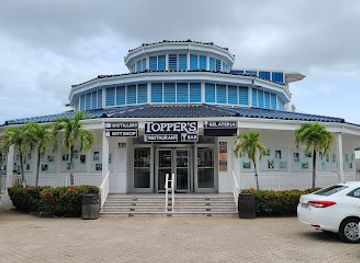
Topper's Restaurant & Bar
Experience the vibrant flavors and lively atmosphere at Topper's Restaurant & Bar, a must-visit culinary destination in Simpson Bay, Sint Maarten.
-
Grill
Nowhere Special
Discover Nowhere Special in Simpson Bay, where vibrant nights meet delectable grilled cuisine in a unique, artistic atmosphere.



Best nightclubs in Belair
Belair is quieter at night than the main entertainment areas of Sint Maarten and is centred more on hotel bars, relaxed dinners and drinks near the bay than on a dedicated club district. Visitors wanting a wider choice can travel to Philipsburg for waterfront and town-centre venues, or to Simpson Bay, outside Belair, where restaurants, bars, live music and later evening entertainment are more concentrated. The atmosphere varies with the season, cruise-ship activity and weather, and individual venues may change their schedules. Taxis are usually the practical choice after drinking, as walking between districts is not always comfortable or safe on roads with limited pedestrian space. Evening enjoyment in Belair can be as simple as a meal and a coastal view rather than a late-night party.
-
Piano bar
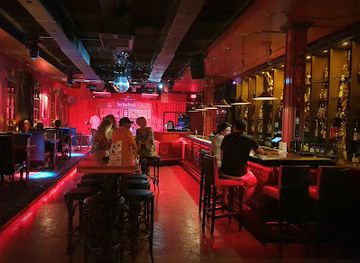
The Red Piano SXM
Experience the vibrant nightlife at The Red Piano SXM, a premier piano bar in Sint Maarten with live music and a lively atmosphere.
-
Restaurant
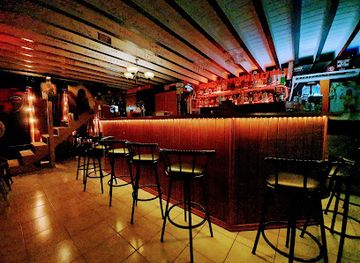
The Bar 3Angle formerly XLounge
Experience the vibrant nightlife at The Bar 3Angle in Simpson Bay, combining delicious dining, live music, and thrilling karaoke sessions.
-
Bar
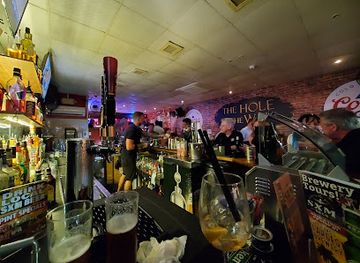
The Hole in the Wall
Discover the vibrant spirit of Sint Maarten at The Hole in the Wall, a lively bar offering stunning views, local flavors, and unforgettable nightlife.
-
Lounge
WE Lounge
Discover the vibrant nightlife at WE Lounge in Maho Village, Sint Maarten, where cocktails and beats create unforgettable experiences.

Best shops in Belair
Belair has little independent retail of its own, so most shopping takes place in nearby Philipsburg or in larger commercial areas elsewhere on the Dutch side. Philipsburg provides the closest concentration of jewellers, fashion shops, souvenir stores, convenience retailers and duty-free-oriented businesses, while the boardwalk and Front Street have a more visitor-focused character than Belair’s residential roads. Look for locally made crafts, Caribbean artwork, spices, rum-based products and island-themed gifts, but compare prices and ask about customs rules before buying food, coral, shells or wildlife-derived products. Supermarkets and smaller shops are more useful for practical supplies than for browsing. Visitors seeking a more French-influenced market experience can travel to Marigot on the other side of the island, outside Belair. Retail hours and individual businesses can change, particularly after storms or during quieter tourism periods.
-
Supermarket
Market Garden Supermarket
Discover the flavors of Sint Maarten at Market Garden Supermarket, your go-to destination for local produce and culinary delights.
-
Jewelry store
Jewels & Beyond
Explore Jewels & Beyond for exquisite jewelry, unique souvenirs, and a taste of Caribbean luxury in Sint Maarten.
-
Shopping mall
Phillipsburg, Sint Maarten
Explore Phillipsburg, Sint Maarten for vibrant shopping, unique souvenirs, and a taste of Caribbean culture in a picturesque waterfront setting.
-
Shopping mall
Sint Rose Shopping Mall
Experience the vibrant shopping scene at Sint Rose Shopping Mall in Philipsburg, where local culture meets modern retail.


Get your free copy of our complete guide to Belair, delivered straight to you.
Everything on this page, from attractions and restaurants to essentials and local phrases, in one PDF you can read offline, print or share.
Already have an account? Sign in
Your Belair guide is ready.
We'll send it to · Not you? Sign out

Getting your guide ready…
We are putting together a fresh copy of the Belair guide. This can take up to a minute.
This can take a few moments. If your browser asks, choose Allow so the download can start. You'll find the guide in your Downloads folder.
Nothing happened? Download it again
Sorry, the guide is taking longer than usual. Please try again in a minute, or get it by email instead.
Belair essentials
Currency and Payment
Safety
Emergency Situations
Do's and Don'ts
Local Tips
From Eve
Local phrases worth knowing
You don't need to get them perfect. A few words go a long way, and locals appreciate the effort.
Basics
| English | Local | Say it |
|---|---|---|
| Hello | Hola | [O-la] |
| Goodbye | Adiós | [A-dee-os] |
| Yes | Sí | [See] |
| No | No | [No] |
| Please/You're welcome | Por favor / De nada | [Por fa-vor / De na-da] |
| Thank you | Gracias | [Gra-thias] |
| Excuse me/Sorry | Perdón | [Per-don] |
| How are you? | ¿Cómo estás? | [Ko-mo es-tas] |
| Fine. And you? | Bien. ¿Y tú? | [Bee-en. Ee tu] |
| Do you speak English? | ¿Hablas inglés? | [A-blas in-glez] |
| I don't understand | No entiendo | [No en-ti-en-do] |
Eating & Drinking
| English | Local | Say it |
|---|---|---|
| I'd like to see the menu, please | Me gustaría ver el menú, por favor | [Me gus-ta-ri-a ver el me-nu, por fa-vor] |
| I don't eat meat | No como carne | [No co-mo car-ne] |
| Cheers! | ¡Salud! | [Sa-lud] |
| I would like to pay, please | Me gustaría pagar, por favor | [Me gus-ta-ri-a pa-gar, por fa-vor] |
Emergencies
| English | Local | Say it |
|---|---|---|
| Help! | ¡Ayuda! | [A-yu-da] |
| Go away! | ¡Vete! | [Ve-te] |
| Call the Police! | ¡Llama a la policía! | [Ya-ma a la po-li-ci-a] |
| Call a doctor! | ¡Llama a un doctor! | [Ya-ma a un doc-tor] |
| I'm lost | Estoy perdido | [Es-toy per-di-do] |
| I'm ill | Estoy enfermo | [Es-toy en-fer-mo] |
Shopping
| English | Local | Say it |
|---|---|---|
| I'd like to buy... | Me gustaría comprar... | [Me gus-ta-ri-a com-prar] |
| I'm just looking | Solo estoy mirando | [So-lo es-toy mi-ran-do] |
| How much is it? | ¿Cuánto cuesta? | [Kwan-to kwes-ta] |
| That's too expensive | Eso es muy caro | [E-so es muy ca-ro] |
| Can you lower the price? | ¿Puedes bajar el precio? | [Pwe-des ba-har el pre-cio] |
Time & Numbers
| English | Local | Say it |
|---|---|---|
| What time is it? | ¿Qué hora es? | [Ke o-ra es] |
| It's one o'clock | Es la una | [Es la u-na] |
| Half past (10) | Y media (10) | [Ee me-dia] |
| Morning | Mañana | [Ma-nyana] |
| Afternoon | Tarde | [Tar-de] |
| Evening | Noche | [No-che] |
| Yesterday | Ayer | [A-yer] |
| Today | Hoy | [Hoy] |
| Tomorrow | Mañana | [Ma-nyana] |
| 1 | Uno | [U-no] |
| 2 | Dos | [Dos] |
| 3 | Tres | [Tres] |
| 4 | Cuatro | [Kua-tro] |
| 5 | Cinco | [Sin-co] |
| 6 | Seis | [Seis] |
| 7 | Siete | [Sye-te] |
| 8 | Ocho | [O-cho] |
| 9 | Nueve | [Nwe-ve] |
| 10 | Diez | [Dyez] |
Transport & Directions
| English | Local | Say it |
|---|---|---|
| Where's a/the...? | ¿Dónde está...? | [Don-de es-ta] |
| What's the address? | ¿Cuál es la dirección? | [Kwal es la di-rec-ción] |
| Can you show me (on the map)? | ¿Puedes mostrarme (en el mapa)? | [Pwe-des mos-trar-me en el ma-pa] |
| When's the next (bus)? | ¿Cuándo es el próximo (autobús)? | [Kwan-do es el pro-xi-mo] |
| A ticket (to ....) | Un boleto (a ....) | [Un bo-le-to a] |
History of Belair
Indigenous Settlement before European Colonisation
Sint Maarten was inhabited long before European settlement by Indigenous peoples of the Caribbean, including communities associated with Taíno and later Kalinago cultural traditions. Archaeological evidence from across the island records villages, tools, pottery and marine-based subsistence. The Belair and Little Bay setting would have been valuable because it combines sheltered water, coastal access and nearby upland resources, although the neighbourhood’s modern development has altered much of the original landscape. Visitors should understand Belair as part of an island with a much older human history than its resort architecture suggests.
European Arrival and the Island’s Division
European interest in Sint Maarten intensified during the seventeenth century, particularly because of its salt ponds and strategic position in the north-eastern Caribbean. The island was divided between France and the Netherlands in 1648, an arrangement that shaped its politics, trade and cultural geography for centuries. Belair lies on the Dutch side, formally Sint Maarten, while the French collectivity of Saint-Martin begins across the island’s internal frontier. The border is open to ordinary road travel, but the two sides retain distinct administrative systems and public identities.
Fort Amsterdam and the Little Bay Harbour Landscape
The headlands surrounding Great Bay and Little Bay became important to the defence of the Dutch settlement at Philipsburg. Fort Amsterdam, established in the seventeenth century on the peninsula near the entrance to Great Bay, guarded maritime approaches and changed hands during the period of European rivalry in the Caribbean. The fort and its surrounding slopes are immediately relevant to Belair’s setting, even though the historic site is associated more directly with Philipsburg and the harbour entrance than with the residential neighbourhood itself. Its remains explain the strategic importance of the coastline.
Salt, Plantations and Regional Trade
For much of the colonial period, Sint Maarten’s economy depended on salt production, small-scale agriculture, livestock and maritime exchange rather than on a single large plantation system. Salt was obtained from the island’s ponds and exported through the harbour, while imported goods connected the settlement to neighbouring islands and European powers. Little Bay and Great Bay formed part of this wider coastal environment, although Belair was not a separate historic trading town. The modern neighbourhood sits within a landscape whose economic importance once came from natural resources and shipping rather than tourism.
From Port Settlement to Tourism Economy
Philipsburg developed as the principal Dutch-side settlement, while the island gradually moved from subsistence activities and inter-island trade towards services, commerce and tourism. Roads, hotels, marinas and improved air connections transformed the southern coast during the twentieth century. Belair’s residential and resort character reflects that later change: its identity is tied to beach accommodation and proximity to the capital rather than to an old village centre. The expansion of tourism also made Sint Maarten more internationally connected, while increasing pressure on beaches, water resources and coastal infrastructure.
Hurricane Luis and the Rebuilding of Sint Maarten
Hurricane Luis struck Sint Maarten in September 1995 and caused extensive damage to homes, businesses, vegetation and infrastructure. The disaster became a major turning point in the island’s modern history, prompting large-scale rebuilding and changes in construction practice and emergency planning. Belair, like other low-lying and coastal districts, was affected by the vulnerability of buildings and roads to storm surge and powerful winds. The neighbourhood’s present appearance therefore reflects both tourism development and the continuing need to maintain resilient coastal infrastructure in an exposed Caribbean location.
Hurricane Irma and Contemporary Recovery
Hurricane Irma devastated Sint Maarten in September 2017, damaging hotels, homes, utilities, vegetation and transport infrastructure across the Dutch side. Recovery reshaped the visitor economy and highlighted the dependence of neighbourhoods such as Belair on functioning roads, electricity, water systems and coastal businesses. Reconstruction has been uneven and conditions can change after subsequent storms, so visitors should check current arrangements rather than assume that every facility or shoreline service operates continuously. Irma remains central to understanding the island’s contemporary landscape and its approach to hurricane preparedness.
Belair in Photos
Browse through our photo collection highlighting the charm and character of the destination.
Neighbouring regions of Belair
The closest regions to Belair, if you have time for more than one.
-

-

-

-

-


Swipe for more regions
Explore more

Explore more of Sint Maarten
Discover Sint Maarten: A Caribbean paradise with a blend of Dutch and French cultures, stunning beaches, vibrant nightlife, and unforgettable experiences.
Explore Sint Maarten