

Simpson Bay Lagoon Travel Guide - Free Web & App
Your ultimate guide to Simpson Bay Lagoon. Discover top landmarks, proposed trips, and local tips. Free on the web or via the Evendo companion app.


Simpson Bay Lagoon, Sint Maarten, combines Caribbean sailing, marina life, mangrove habitats, beaches, dining and island history beside the airport.
A Sheltered Caribbean Waterway
Simpson Bay Lagoon is a broad, shallow coastal lagoon on the Dutch side of Sint Maarten, linked to the Caribbean Sea by a navigable channel at Simpson Bay. Its shores extend around Simpson Bay, Cole Bay, Pelican Key and the island’s principal yachting districts, creating a landscape where mangroves, marinas, waterfront roads and busy boat traffic stand close together. The lagoon itself is not a single enclosed attraction with a central visitor facility; it is a working waterway embedded in one of the island’s most developed coastal areas.Read more about Simpson Bay Lagoon
Boats, Beaches and Island Life
A Convenient Base in Sint Maarten
When is the best time to visit Simpson Bay Lagoon?
Best: May–June, September · 31°C| Month | High (°C) | Rainfall (mm) |
|---|---|---|
| January | 30 | 60 |
| February | 30 | 40 |
| March | 30 | 30 |
| April | 31 | 20 |
| May (best) | 31 | 10 |
| June (best) | 31 | 10 |
| July | 32 | 10 |
| August | 32 | 10 |
| September (best) | 31 | 10 |
| October | 31 | 20 |
| November | 31 | 30 |
| December | 30 | 40 |
Getting to and around Simpson Bay Lagoon
How to get there
Transportation
Best attractions in Simpson Bay Lagoon
Simpson Bay Lagoon’s principal attraction is the working waterway itself, where marinas, sailing yachts, fishing boats and waterfront businesses reveal Sint Maarten’s strong maritime identity. The lagoon entrance and bridge area provide views of vessels moving between sheltered water and the Caribbean, while beaches such as Kim Sha Beach and Simpson Bay Beach offer nearby places for swimming, sunbathing and coastal walks when conditions are suitable. Pelican Key and the southern shoreline provide additional waterfront perspectives, although some access is tied to private resorts, marinas or commercial premises. Boat excursions from Simpson Bay can open up views of the lagoon, neighbouring bays and the island’s coastline, with snorkelling or sailing included by some operators. Princess Juliana International Airport is an important nearby point of interest for aviation enthusiasts, but its runway approach is outside the lagoon itself and should be viewed only from lawful public areas.
-
Boat tour agency
Pyratz, Gourmet Sailing
Experience the ultimate sailing adventure in Sint Maarten with Pyratz, Gourmet Sailing, where luxury meets the beauty of the Caribbean.
-
Tourist attraction
Hollywood Casino
Discover the excitement of gaming and dining at Hollywood Casino in Sint Maarten, where adventure and flavor collide for an unforgettable experience.
-
Tourist attraction
Paradise Casino
Discover the excitement of gaming and entertainment at Paradise Casino, a top destination in Sint Maarten for tourists seeking vibrant nightlife.
-
Tourist attraction
Mary, Star of the Sea Catholic Church
Discover the serene beauty of Mary, Star of the Sea Catholic Church in Simpson Bay, a tranquil oasis for spiritual reflection and architectural admiration.



Best landmarks in Simpson Bay Lagoon
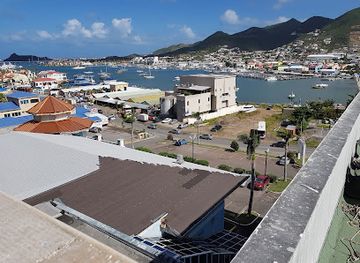
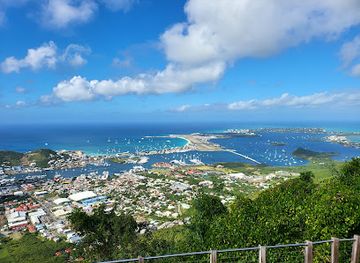
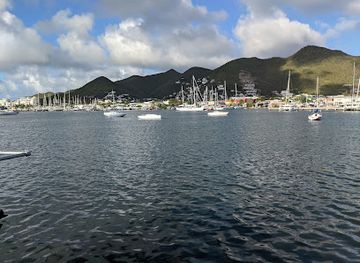
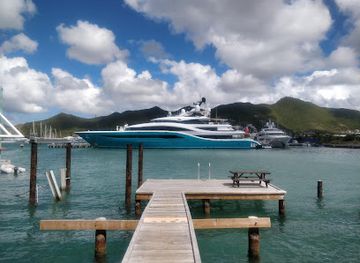
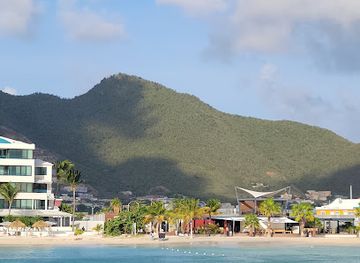
The lagoon is Simpson Bay’s defining natural landmark: a sheltered coastal water body linked to the open Caribbean through a navigable entrance. Its bridges are equally characteristic, carrying roads across parts of the waterfront while allowing suitable vessels to pass between the lagoon and the sea. The surrounding marina forest of masts and hulls is a modern maritime landmark, reflecting Sint Maarten’s role in Caribbean yachting. Kim Sha Beach and Simpson Bay Beach mark the lagoon’s relationship with the island’s sandy coastline, while the mangrove-fringed edges reveal a more delicate ecological side of the developed waterfront. Princess Juliana International Airport, beside the lagoon, is a major infrastructural landmark of Sint Maarten, though it is separate from the lagoon’s natural and navigational features. The nearby hills around Cole Bay and Pelican Key provide elevated perspectives across the waterway and its densely developed shores.
-
Park
Rainforest Adventures St Maarten
Experience the lush beauty and thrilling adventures at Rainforest Adventures St Maarten, a must-visit park for every nature-loving tourist.
-
Tourist attraction
Topper's Rhum Distillery
Explore the art of rum-making at Topper's Rhum Distillery in Sint Maarten, where rich flavors and vibrant Caribbean culture come together.
-
Museum
Fort St. Louis
Explore the rich colonial past and breathtaking views at Fort St. Louis in Marigot, St. Martin - a must-visit museum for all travelers.
-
Grill
Nowhere Special
Experience the vibrant nightlife and delightful grilled cuisine at Nowhere Special, the top bar and grill in Simpson Bay, Sint Maarten.

Explore Simpson Bay Lagoon on the map
Plan your trip on one map. See where the top attractions, landmarks, restaurants and hotels are, and book hotels and experiences in a few clicks.
Best hotels in Simpson Bay Lagoon
Best restaurants in Simpson Bay Lagoon
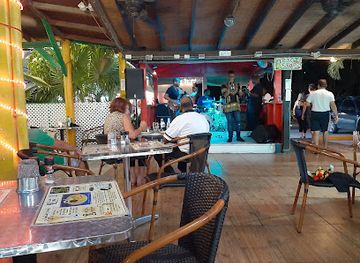
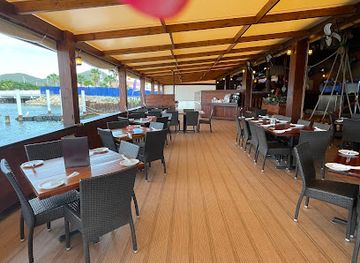
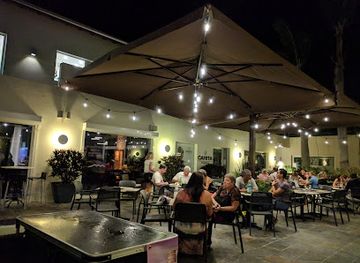
Dining around Simpson Bay Lagoon is concentrated in Simpson Bay, Cole Bay, Pelican Key and the nearby resort areas rather than on the water itself. Visitors will find a broad mix of Caribbean, seafood, international and casual waterfront cooking, reflecting Sint Maarten’s multilingual population, sailing community and large tourism industry. Menus commonly draw on local seafood and broader Caribbean ingredients, while restaurants and cafés near marinas cater to crews, residents and visitors looking for breakfast, lunch, sunset drinks or dinner. Simpson Bay and the road towards Cole Bay contain the greatest concentration of choices, with additional establishments around Kim Sha Beach and hotel districts. Because the lagoon is an active boating and residential area, some waterfront businesses are seasonal or independently operated; checking current opening arrangements locally is sensible, particularly outside the main tourism period.
-
Restaurant
Pineapple Pete Restaurant
Experience Caribbean cuisine at its finest at Pineapple Pete Restaurant in Cole Bay - a top dining destination for tourists seeking authentic flavors.
-
Restaurant
Skip Jack's
Experience exquisite seafood dining at Skip Jack's in Simpson Bay – where Caribbean flavors meet stunning ocean views.
-
Thai
Avantika
Discover Avantika in Sint Maarten - where authentic Thai flavors meet modern dining in a vibrant atmosphere.
-
Restaurant
Captain’s Rib Shack
Experience the best ribs in Sint Maarten at Captain's Rib Shack - where delicious Caribbean flavors meet vibrant island vibes.
Best bars in Simpson Bay Lagoon
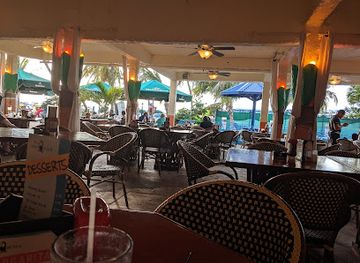
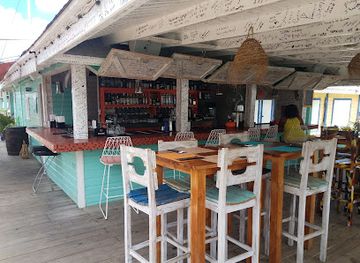
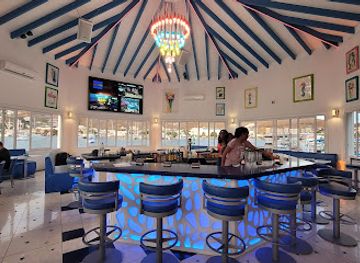
Simpson Bay is one of Sint Maarten’s principal evening districts, with a more active after-dark atmosphere than most of the island’s quieter coastal areas. Bars and restaurants around the marinas, waterfront roads, Kim Sha Beach and nearby resort areas provide places for informal drinks, live entertainment and late meals, while the sailing community gives the district an international, convivial character. The lagoon itself is not a continuous nightlife venue, and the mood varies considerably between a busy marina evening and a quiet residential shoreline. Cole Bay and Pelican Key add further options close to the water, although venues, performances and opening patterns can change. Visitors seeking a calmer evening can choose a restaurant overlooking the lagoon or a sunset cruise rather than expecting every waterfront area to operate as a nightclub district.
-
Grill
Buccaneer Beach Bar
Experience the best of Caribbean cuisine and vibrant beach life at Buccaneer Beach Bar in Simpson Bay, Sint Maarten.
-
Restaurant
Roxxy Beach Bar & Restaurant
Experience the Caribbean at Roxxy Beach Bar & Restaurant, where delicious food meets stunning ocean views and vibrant nightlife.
-
Restaurant
The Greenhouse
Discover The Greenhouse, where exceptional Caribbean cuisine meets a tranquil oasis in the heart of Simpson Bay, Sint Maarten.
-
Grill
Nowhere Special
Experience the vibrant flavors and lively atmosphere at Nowhere Special, a top grill restaurant in Simpson Bay, Sint Maarten.


Best nightclubs in Simpson Bay Lagoon
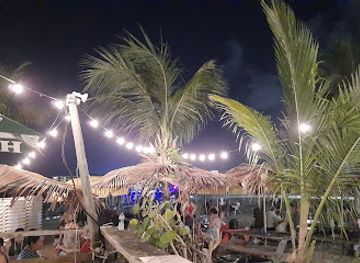
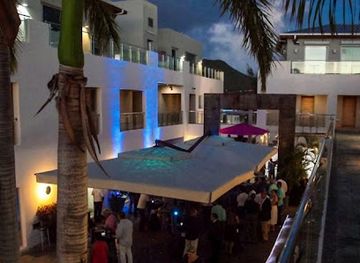
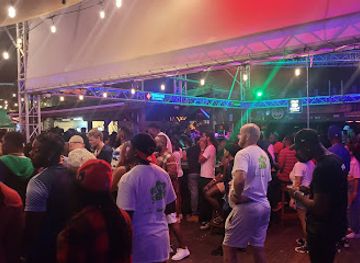
Simpson Bay is one of Sint Maarten’s principal evening districts, with a more active after-dark atmosphere than most of the island’s quieter coastal areas. Bars and restaurants around the marinas, waterfront roads, Kim Sha Beach and nearby resort areas provide places for informal drinks, live entertainment and late meals, while the sailing community gives the district an international, convivial character. The lagoon itself is not a continuous nightlife venue, and the mood varies considerably between a busy marina evening and a quiet residential shoreline. Cole Bay and Pelican Key add further options close to the water, although venues, performances and opening patterns can change. Visitors seeking a calmer evening can choose a restaurant overlooking the lagoon or a sunset cruise rather than expecting every waterfront area to operate as a nightclub district.
-
Grill
Buccaneer Beach Bar
Experience the vibrant ambiance and delectable grilled cuisine at Buccaneer Beach Bar in Simpson Bay, where Caribbean charm meets culinary delight.
-
Thai
Avantika
Experience the vibrant flavors of Thai cuisine at Avantika, a must-visit restaurant in Sint Maarten, offering diverse options for every palate.
-
Restaurant
Topper's Restaurant & Bar
Experience the vibrant flavors and lively atmosphere at Topper's Restaurant & Bar in Simpson Bay, where great food meets unforgettable entertainment.
-
Bar
Soggy Dollar Bar
Experience the vibrant atmosphere and breathtaking views at Soggy Dollar Bar, the ultimate tropical getaway in Sint Maarten.
Best shops in Simpson Bay Lagoon
Shopping around Simpson Bay Lagoon is practical and tourism-oriented rather than centred on a single traditional market. Simpson Bay and Cole Bay contain supermarkets, convenience shops, marine suppliers, pharmacies and businesses serving yacht crews, while hotel and marina areas offer beachwear, gifts, jewellery, artwork and island-themed souvenirs. Visitors can also look for locally produced food and rum-based products, although the range and availability vary between retailers. The lagoon’s yachting economy makes nautical equipment and provisioning part of the local commercial character, but these businesses are not always intended for casual browsing. More general shopping is concentrated along the main roads and in nearby commercial areas, with smaller independent shops interspersed among restaurants and services. Compare currencies and receipts carefully when paying in Caribbean guilders or US dollars, and treat claims about locally made products with appropriate attention to labelling.
-
Tobacco shop
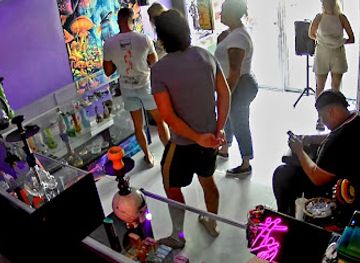
Purple Fox Smoke Shop
Explore the vibrant Purple Fox Smoke Shop in Simpson Bay, a tobacco lover's paradise with exceptional selection and friendly service.
-
Boutique
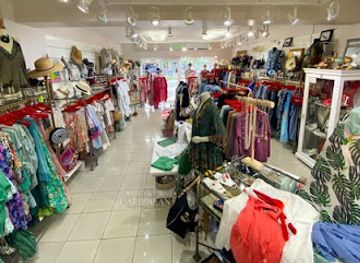
En Vogue
Explore En Vogue, the premier boutique in Simpson Bay, Sint Maarten, offering stylish clothing and accessories that capture Caribbean elegance.
-
Gift shop
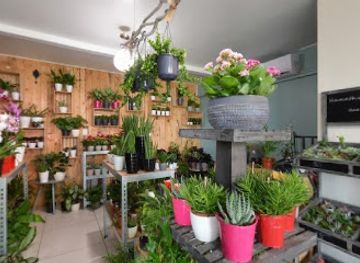
Mooi
Explore Mooi in Simpson Bay for unique gifts and stunning floral arrangements that capture the spirit of Sint Maarten.
-
Clothing store
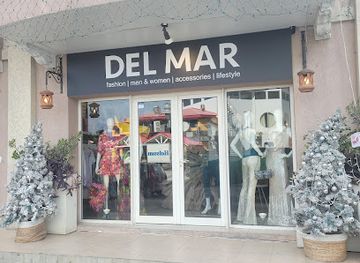
Del Mar
Discover upscale fashion at Del Mar in Simpson Bay, where unique styles meet Caribbean vibes for an unforgettable shopping experience.
Get your free copy of our complete guide to Simpson Bay Lagoon, delivered straight to you.
Everything on this page, from attractions and restaurants to essentials and local phrases, in one PDF you can read offline, print or share.
Already have an account? Sign in
Your Simpson Bay Lagoon guide is ready.
We'll send it to · Not you? Sign out

Getting your guide ready…
We are putting together a fresh copy of the Simpson Bay Lagoon guide. This can take up to a minute.
This can take a few moments. If your browser asks, choose Allow so the download can start. You'll find the guide in your Downloads folder.
Nothing happened? Download it again
Sorry, the guide is taking longer than usual. Please try again in a minute, or get it by email instead.
Simpson Bay Lagoon essentials
Currency and Payment
Safety
Emergency Situations
Do's and Don'ts
Local Tips
From Eve
Local phrases worth knowing
You don't need to get them perfect. A few words go a long way, and locals appreciate the effort.
Basics
| English | Local | Say it |
|---|---|---|
| Hello | Hallo | [ha-lo] |
| Goodbye | Ayo | [a-yo] |
| Yes | Si | [see] |
| No | No | [no] |
| Please/You're welcome | Por fabor | [por fa-bor] |
| Thank you | Danki | [dan-kee] |
| Excuse me/Sorry | Skusa mi | [sku-sa me] |
| How are you? | Kon ta bai ku bo? | [kon ta bai ku bo] |
| Fine. And you? | Bon. I bo? | [bon. ee bo] |
| Do you speak English? | Bo papia Ingles? | [bo pa-pya ing-les] |
| I don't understand | Mi no ta kompronde | [me no ta kom-pron-de] |
Eating & Drinking
| English | Local | Say it |
|---|---|---|
| I'd like to see the menu, please | Mi ke wak e menu, por fabor | [me ke wak e me-no, por fa-bor] |
| I don't eat meat | Mi no kome karni | [me no ko-me kar-nee] |
| Cheers! | Salud! | [sa-lood] |
| I would like to pay, please | Mi ke paga, por fabor | [me ke pa-ga, por fa-bor] |
Emergencies
| English | Local | Say it |
|---|---|---|
| Help! | Yuda! | [yu-da] |
| Go away! | Bai bai! | [ba-i ba-i] |
| Call the Police! | Yama polis! | [ya-ma po-lis] |
| Call a doctor! | Yama un dokter! | [ya-ma un dok-ter] |
| I'm lost | Mi ta perdi | [me ta per-di] |
| I'm ill | Mi ta malu | [me ta ma-lu] |
Shopping
| English | Local | Say it |
|---|---|---|
| I'd like to buy... | Mi ke kumpra... | [me ke kum-pra] |
| I'm just looking | Mi ta solamente mire | [me ta so-la-men-te mi-re] |
| How much is it? | Kon e prijs ta? | [kon e price ta] |
| That's too expensive | Esaki ta muchu karu | [e-sa-kee ta mu-chu ka-ru] |
| Can you lower the price? | Bo por baha e prijs? | [bo por ba-ha e price] |
Time & Numbers
| English | Local | Say it |
|---|---|---|
| What time is it? | Kuantu ora ta? | [kwan-tu o-ra ta] |
| It's one o'clock | Ta un ora | [ta un o-ra] |
| Half past (10) | Mitad di dies | [mi-tad di dis] |
| Morning | Marduga | [mar-du-ga] |
| Afternoon | Tardi | [tar-di] |
| Evening | Anochi | [a-no-chi] |
| Yesterday | Atardi | [a-tar-di] |
| Today | Awe | [a-we] |
| Tomorrow | Mañana | [ma-nya-na] |
| 1 | Uno | [oo-no] |
| 2 | Dos | [doss] |
| 3 | Tres | [tres] |
| 4 | Cuatro | [kwa-tro] |
| 5 | Cinco | [seen-ko] |
| 6 | Seis | [say-s] |
| 7 | Siete | [see-ay-te] |
| 8 | Ocho | [o-cho] |
| 9 | Nueve | [nwe-ve] |
| 10 | Dies | [dis] |
Transport & Directions
| English | Local | Say it |
|---|---|---|
| Where's a/the...? | Unda ta...? | [un-da ta] |
| What's the address? | Kiko e adres ta? | [ki-ko e a-dres ta] |
| Can you show me (on the map)? | Bo por mustra mi (riba e mapa)? | [bo por mus-tra mi (ri-ba e ma-pa)] |
| When's the next (bus)? | Ki ora ta e siguiente (bus)? | [ki o-ra ta e si-gui-en-te (bus)] |
| A ticket (to ....) | Un boleto (pa ....) | [un bo-le-to (pa)] |
History of Simpson Bay Lagoon
An Island Shaped by the Sea
Simpson Bay Lagoon belongs to the coastal landscape of Sint Maarten, an island formed by volcanic and uplifted geological processes and later shaped by erosion, reefs, storms and changing sea levels. Its sheltered water provided a natural contrast to the exposed Atlantic-facing coast, influencing where people travelled, anchored and established coastal activity. The lagoon’s modern outline reflects both natural inlets and generations of engineering, including channels, roads, bridges and reclaimed or developed shorelines.
Indigenous and European Settlement
Before European colonisation, the island was visited and inhabited by Indigenous peoples, including communities associated with the Arawakan and Cariban cultural worlds of the Lesser Antilles. Spanish, Dutch and French interests later competed for control of Sint Maarten, whose location made it valuable within regional shipping routes. The island was partitioned between France and the Netherlands in the seventeenth century, and Simpson Bay developed within the Dutch territory. The lagoon remained part of a wider coastal environment used for fishing, transport and small-scale settlement.
From Coastal Village to Working Waterfront
For much of its history, Simpson Bay was a modest coastal settlement whose residents depended on fishing, seafaring, agriculture and connections with neighbouring communities. The lagoon offered protected anchorage, but its entrances and shallow areas limited the size and movement of vessels. As roads improved and Sint Maarten became more connected to international tourism, the waterfront changed from a predominantly local maritime landscape into a concentration of marinas, boat services, restaurants and accommodation.
Tourism, Aviation and Yachting
The expansion of aviation and tourism transformed the lagoon’s surroundings during the twentieth century. Princess Juliana International Airport, close to the western end of the waterway, strengthened Simpson Bay’s role as the island’s principal arrival area. The growth of charter sailing, yacht services and cruise-related activity brought new investment and a more international population, while bridges and navigational infrastructure were adapted to accommodate both road traffic and vessels. These changes also intensified pressure on coastal habitats and water quality.
Modern Management and Environmental Pressure
Today, Simpson Bay Lagoon is both an economic asset and an environmentally sensitive coastal system. Mangroves, shallow marine areas and adjacent beaches provide habitat and help buffer the shoreline, while dredging, construction, storm damage, boating and urban run-off have altered parts of the lagoon. Hurricane Irma in 2017 caused extensive damage across Sint Maarten, including to waterfront infrastructure and vessels. Recovery has continued alongside efforts to manage development, navigation and the lagoon’s ecological value.
Simpson Bay Lagoon in Photos
Browse through our photo collection highlighting the charm and character of the destination.
Cities in Simpson Bay Lagoon
The towns and cities of Simpson Bay Lagoon, and the easiest places to base yourself.
-

-

-

-


Swipe for more cities
Neighbouring destination travel guides
The closest destinations to Simpson Bay Lagoon, if you have time for more than one.
-

-

-

-

-


Swipe for more destinations
Explore more
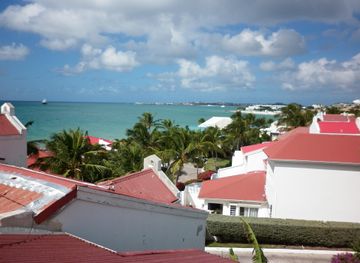
Explore more of Pelican Key
Pelican Key offers waterfront stays, Caribbean swimming, boating access and a quieter base near Simpson Bay on Dutch Sint Maarten.
Explore Pelican Key
Explore more of Sint Maarten
Discover Sint Maarten: A Caribbean paradise with a blend of Dutch and French cultures, stunning beaches, vibrant nightlife, and unforgettable experiences.
Explore Sint Maarten