

Free Košice Region Travel Guide & Mobile App
Explore Košice Region with free travel guides. Discover regional history, expert tips, proposed trips, and audio guides on web or mobile app.


Explore Košice Region for medieval Košice, Slovak Paradise gorges, karst caves, Tokaj vineyards and the broad landscapes of eastern Slovakia.
Read more about Košice Region
When is the best time to visit Košice Region?
Best: June–August · 24–27°C| Month | High (°C) | Rainfall (mm) |
|---|---|---|
| January | 2 | 25 |
| February | 5 | 25 |
| March | 9 | 30 |
| April | 15 | 35 |
| May | 20 | 50 |
| June (best) | 24 | 60 |
| July (best) | 27 | 65 |
| August (best) | 26 | 60 |
| September | 22 | 50 |
| October | 15 | 40 |
| November | 8 | 35 |
| December | 3 | 30 |
Getting to and around Košice Region
How to get there
Transportation
Top city travel guides in Košice Region
The cities of Košice Region, and the easiest places to base yourself.
-

-


Swipe for more cities
Destinations in Košice Region
Resorts, valleys and scenic spots worth a trip of their own.
-

-


Swipe for more destinations
Best attractions in Košice Region
Košice Region’s attractions range from a substantial historic city centre to some of Slovakia’s most accessible karst and mountain environments. In Košice, the cathedral, museums, galleries, theatres and restored civic buildings provide a concentrated cultural programme. North-west of the city, Slovak Paradise National Park is the region’s best-known outdoor destination, with ravines, waterfalls, ladders and marked walking routes, while the nearby surroundings of Spišský Štvrtok and Spišská Nová Ves add ecclesiastical and town heritage. Slovak Karst National Park, around Rožňava and the southern districts, offers limestone plateaux, sinkholes and caves, including Domica, whose underground spaces extend towards Hungary. The mining history of Gelnica and the castle and manor-house heritage of the southern districts provide a different perspective. In the east, Zemplínska Šírava supports seasonal recreation, while the Vihorlat area offers forests, volcanic scenery and hiking. The Tokaj villages combine vineyard landscapes, wine cellars and agricultural traditions. Wetlands near the Latorica and lowland bird habitats broaden the region’s appeal beyond the better-known mountains.
-
Castle
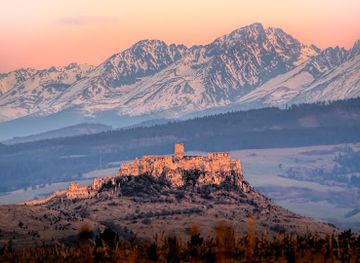
Spiš Castle
Discover the grandeur of Spiš Castle, a historic fortress with stunning views, rich history, and enchanting tales from Slovakia's medieval past.
-
Catholic cathedral
St. Elisabeth's Cathedral
Discover the stunning St. Elisabeth's Cathedral in Košice, an architectural gem showcasing Gothic beauty and rich history in Slovakia's vibrant Old Town.
-
Nature preserve
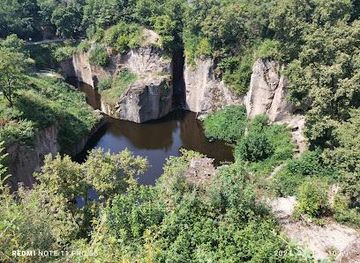
Tarn of Megyer-hegy
Explore the natural beauty and tranquility of Tarn of Megyer-hegy, a stunning nature preserve in Sárospatak, Hungary, perfect for outdoor enthusiasts and peace seekers.
-
Tourist attraction
The Singing Fountain
Experience the magic of the Singing Fountain in Košice, a stunning display of water, light, and music that mesmerizes visitors every evening.


Best landmarks in Košice Region
St Elisabeth Cathedral dominates the historic centre of Košice and remains the region’s most recognisable architectural landmark, complemented by the Urban Tower, the ornate State Theatre and the long civic frontage of Hlavná ulica. In the south, Krásna Hôrka Castle occupies a prominent limestone hill above the village of Krásnohorské Podhradie; although access arrangements can change, its silhouette is inseparable from the surrounding landscape. Betliar Manor, set in parkland near Rožňava, represents the aristocratic estate culture of the former Kingdom of Hungary and contains important historic interiors. The ruins of Turna Castle rise above the Slovak Karst near Turňa nad Bodvou, linking a dramatic natural setting with medieval defence. In the north, the rock formations, ravines and waterfalls of Slovak Paradise function as natural landmarks rather than built monuments. The Tokaj vineyards around Malá Tŕňa, Veľká Tŕňa and nearby villages provide a cultural landscape shaped by volcanic soils, cellar rows and centuries of wine production.
-
Castle
Spiš Castle
Explore the majestic Spiš Castle, a UNESCO World Heritage site, rich in history and stunning architecture, nestled in the enchanting landscapes of Slovakia.
-
National park
Slovak Paradise National Park
Explore the stunning landscapes and thrilling adventures of Slovak Paradise National Park, a natural gem in Slovakia renowned for its breathtaking gorges and rich biodiversity.
-
Shopping mall
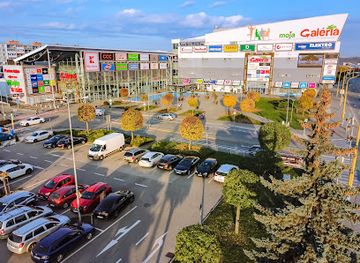
Aupark Košice
Explore Aupark Košice, where shopping meets culture in the heart of Slovakia's vibrant city, offering a diverse range of stores, dining, and entertainment.
-
Catholic cathedral
St. Elisabeth's Cathedral
Discover the stunning St. Elisabeth's Cathedral in Košice, Slovakia's largest church, showcasing breathtaking Gothic architecture and rich history.

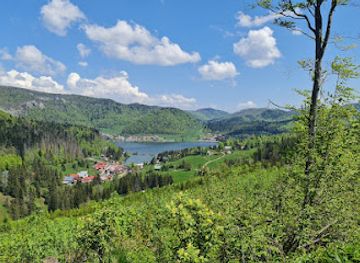


Explore Košice Region on the map
Plan your trip on one map. See where the top cities, national parks and sights are, and book hotels and experiences in a few clicks.
Best hotels in Košice Region
Best restaurants in Košice Region
Košice has the region’s broadest dining choice, from modern restaurants and cafés to Slovak kitchens and international food. Across the countryside, menus commonly draw on potatoes, cabbage, pulses, smoked meat, poultry, game and dairy products, with bryndza, a sheep’s cheese strongly associated with Slovak cuisine, appearing in several traditional dishes. Dumplings, soups, savoury pastries and seasonal mushroom preparations are especially appropriate in the mountain districts, while the south and east show stronger Hungarian and Carpathian influences. Rural inns and village restaurants often provide a more direct connection with local food traditions than formal dining rooms. In Tokaj, wine is central to the experience: dry and sweet wines are produced in the Slovak vineyards, and tastings may be paired with regional cheeses, cold meats or hot dishes. Farmers’ markets and food shops in larger towns are useful for buying honey, preserves, baked goods, smoked products and other locally made provisions.
-
Restaurant
IRON CLUB
Discover the taste of Košice at IRON CLUB, where delicious cuisine meets a warm atmosphere.
-
Restaurant
Central Pub&Restaurant
Discover authentic Slovak cuisine at Central Pub & Restaurant in Košice - where tradition meets taste in a vibrant setting.
-
Gastropub
Camelot - Pilsner pub & Medieval restaurant
Experience medieval charm at Camelot - Pilsner Pub & Medieval Restaurant in Košice with authentic Slovak cuisine and craft beers.
-
Mexican
La Hacienda
Experience authentic Mexican cuisine at La Hacienda in Old Town Košice – where every bite takes you on a flavorful journey.


Best bars in Košice Region
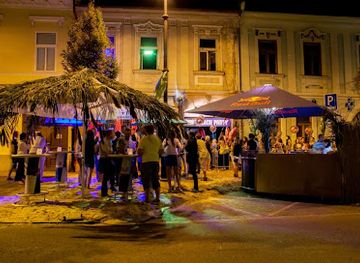
Evening life is concentrated in Košice, where the historic centre supports cafés, wine bars, cocktail venues, traditional pubs, live music and a modest club scene. The city’s student population and theatres give it a later, more varied rhythm than the rest of the region, although individual venues and programmes change. In Spišská Nová Ves, Rožňava, Michalovce and other district towns, nightlife generally centres on pubs, cafés, restaurants and occasional live entertainment rather than a large club circuit. Rural areas are better suited to a quiet evening in a guesthouse, brewery-style venue, village inn or Tokaj wine cellar. Around Zemplínska Šírava, summer can bring more seasonal activity, particularly near lakeside resorts, but conditions are quieter outside the main holiday period. Wine, conversation and regional food are more characteristic of the countryside than late-night entertainment.
-
Brewpub
Dobré Časy
Discover the vibrant brewpub experience at Dobré Časy in Košice, featuring craft beers and a charming beer garden for all to enjoy.
-
Bar
Baza ludzi z mgły
Discover the charming Baza ludzi z mgły in Wetlina – where local flavors and stunning views combine for an unforgettable experience.
-
Restaurant
Pub u Kohúta
Discover the authentic taste of Slovakia at Pub u Kohúta, where tradition meets a vibrant dining experience in the heart of Košice.
-
Brewery
Pivovar Hostinec
Experience the best of Slovak craft beer and local cuisine at Pivovar Hostinec in Košice, where tradition meets innovation in every pint.


Best nightclubs in Košice Region
Evening life is concentrated in Košice, where the historic centre supports cafés, wine bars, cocktail venues, traditional pubs, live music and a modest club scene. The city’s student population and theatres give it a later, more varied rhythm than the rest of the region, although individual venues and programmes change. In Spišská Nová Ves, Rožňava, Michalovce and other district towns, nightlife generally centres on pubs, cafés, restaurants and occasional live entertainment rather than a large club circuit. Rural areas are better suited to a quiet evening in a guesthouse, brewery-style venue, village inn or Tokaj wine cellar. Around Zemplínska Šírava, summer can bring more seasonal activity, particularly near lakeside resorts, but conditions are quieter outside the main holiday period. Wine, conversation and regional food are more characteristic of the countryside than late-night entertainment.
-
Disco club
Collosseum
Discover the pulsating nightlife at Collosseum, a vibrant disco club in Old Town, Košice, perfect for an unforgettable night of dancing and fun.
-
Bar
JAZZ Košice
Discover the lively mix of culinary delights and captivating live jazz at JAZZ Košice, a premier bar and restaurant in Slovakia's cultural heart.
-
Karaoke bar
Karaoke Club Guinness
Experience unforgettable nights at Karaoke Club Guinness, the heart of Košice's nightlife, blending karaoke fun with a local brewpub atmosphere.
-
Dance club
Boba Bar
Experience the vibrant nightlife of Košice at Boba Bar, where music and dance come alive in an electrifying atmosphere.



Best shops in Košice Region
Košice offers the region’s widest choice of shopping, with pedestrian-centre boutiques, bookshops, design stores, galleries, food shops and regular market activity. Smaller towns such as Spišská Nová Ves, Rožňava, Michalovce and Trebišov are more useful for everyday supplies, independent retailers and traditional market shopping than for specialist luxury goods. Visitors looking for regional products should consider Tokaj wine, honey, preserves, smoked foods, baked goods and locally made spirits, buying directly from reputable producers where possible. Craft shops and galleries may carry ceramics, woodwork, textiles and decorative items inspired by eastern Slovak folk traditions, while museum shops can provide more reliable locally themed gifts than generic souvenir stalls. Near protected landscapes, outdoor equipment and practical walking supplies are often more useful purchases than decorative souvenirs. Market days vary between towns and seasons, so confirm local arrangements rather than planning an itinerary around an assumed daily market.
-
Shopping mall
Aupark Košice
Explore Aupark Košice, the ultimate shopping destination in Slovakia's charming Old Town, offering a blend of retail therapy and culinary delights.
-
Shopping mall
OC Optima
Experience shopping like never before at OC Optima, Košice's premier mall with diverse stores, dining, and entertainment options.
-
Shopping mall
Gallery Shopping Center
Discover the ultimate shopping experience at the Gallery Shopping Center in Košice, where fashion, dining, and entertainment come together seamlessly.
-
Shopping mall
Obchodné centrum Cassovia
Explore the vibrant shopping and dining experiences at Obchodné centrum Cassovia, a premier mall in Košice offering something for everyone.



Get your free copy of our complete guide to Košice Region, delivered straight to you.
Everything on this page, from attractions and restaurants to essentials and local phrases, in one PDF you can read offline, print or share.
Already have an account? Sign in
Your Košice Region guide is ready.
We'll send it to · Not you? Sign out

Getting your guide ready…
We are putting together a fresh copy of the Košice Region guide. This can take up to a minute.
This can take a few moments. If your browser asks, choose Allow so the download can start. You'll find the guide in your Downloads folder.
Nothing happened? Download it again
Sorry, the guide is taking longer than usual. Please try again in a minute, or get it by email instead.
Košice Region essentials
Currency and Payment
Safety
Emergency Situations
Do's and Don'ts
Local Tips
From Eve
Local phrases worth knowing
You don't need to get them perfect. A few words go a long way, and locals appreciate the effort.
Basics
| English | Local | Say it |
|---|---|---|
| Hello | Ahoj | [ahoy] |
| Goodbye | Zbohom | [zbo-hom] |
| Yes | Áno | [ah-no] |
| No | Nie | [nyeh] |
| Please/You're welcome | Prosím | [pro-seem] |
| Thank you | Ďakujem | [dya-kuy-em] |
| Excuse me/Sorry | Prepáčte | [pre-pach-te] |
| How are you? | Ako sa máš? | [ah-ko sa marsh] |
| Fine. And you? | Dobre. A ty? | [do-bre. ah tee] |
| Do you speak English? | Hovoríš po anglicky? | [ho-va-reesh po ang-lits-kee] |
| I don't understand | Nerozumiem | [ne-ro-zoo-myem] |
Eating & Drinking
| English | Local | Say it |
|---|---|---|
| I'd like to see the menu, please | Chcel by som vidieť menu, prosím | [htsel by som veed-yet menu, pro-seem] |
| I don't eat meat | Nejem mäso | [nye-yem mye-so] |
| Cheers! | Na zdravie! | [na zdrav-yeh] |
| I would like to pay, please | Chcel by som zaplatiť, prosím | [htsel by som za-plah-teet, pro-seem] |
Emergencies
| English | Local | Say it |
|---|---|---|
| Help! | Pomoc! | [po-mots] |
| Go away! | Odiď! | [o-deed] |
| Call the Police! | Zavolajte políciu! | [za-vo-lay-te po-lee-tsi-yu] |
| Call a doctor! | Zavolajte lekára! | [za-vo-lay-te le-ka-ra] |
| I'm lost | Som stratený | [som stra-ten-y] |
| I'm ill | Som chorý | [som kho-ree] |
Shopping
| English | Local | Say it |
|---|---|---|
| I'd like to buy... | Chcel by som kúpiť... | [htsel by som koo-peet] |
| I'm just looking | Len sa pozerám | [len sa po-ze-ram] |
| How much is it? | Koľko to stojí? | [kol-ko to sto-yee] |
| That's too expensive | To je príliš drahé | [to ye pree-leesh dra-he] |
| Can you lower the price? | Môžete znížiť cenu? | [mo-zhe-te znee-zheet tsenu] |
Time & Numbers
| English | Local | Say it |
|---|---|---|
| What time is it? | Koľko je hodín? | [kol-ko ye ho-deen] |
| It's one o'clock | Je jedna hodina | [ye yed-na ho-dee-na] |
| Half past (10) | Pol desiatej | [pol de-sya-tey] |
| Morning | Ráno | [ra-no] |
| Afternoon | Popoludnie | [po-po-lud-nye] |
| Evening | Večer | [ve-cher] |
| Yesterday | Včera | [v-che-ra] |
| Today | Dnes | [dnyes] |
| Tomorrow | Zajtra | [za-ytra] |
| 1 | 1 | [1] |
| 2 | 2 | [2] |
| 3 | 3 | [3] |
| 4 | 4 | [4] |
| 5 | 5 | [5] |
| 6 | 6 | [6] |
| 7 | 7 | [7] |
| 8 | 8 | [8] |
| 9 | 9 | [9] |
| 10 | 10 | [10] |
Transport & Directions
| English | Local | Say it |
|---|---|---|
| Where's a/the...? | Kde je...? | [kde ye] |
| What's the address? | Aká je adresa? | [a-ka ye ad-re-sah] |
| Can you show me (on the map)? | Môžete mi ukázať (na mape)? | [mo-zhe-te mee oo-kah-zaht (na ma-pe)] |
| When's the next (bus)? | Kedy ide ďalší (autobus)? | [ke-dee ee-deh dal-shee (au-to-bus)] |
| A ticket (to ....) | Jedna lístok (do ....) | [yed-na lee-stok (do)] |
History of Košice Region
Prehistoric and Celtic Landscapes
The territory of present-day Košice Region has been occupied since prehistoric times, with archaeological evidence from caves, river basins and fertile lowlands. The karst country around present-day Slovak Karst preserved traces of early human activity, while later communities farmed, traded and worked the mineral-rich hills. Celtic settlement and coin finds form part of the region’s wider pre-Roman heritage, especially along routes linking the Carpathian basin with the valleys of eastern Slovakia. These early networks help explain why the region repeatedly became a meeting point between northern, southern and eastern cultural worlds.
Roman Frontier and Great Moravian Influence
Košice Region lay beyond the Roman Empire’s permanent frontier, but trade and cultural contact reached the eastern Slovak valleys from the Roman world. In the ninth century, the area was connected to the political and religious sphere of Great Moravia, whose influence extended through parts of present-day Slovakia. Archaeological sites around the Košice basin and eastern lowlands illustrate the development of fortified settlements and farming communities during the early medieval period. Direct evidence varies from district to district, but the period established routes and centres that later medieval powers would develop.
Medieval Towns, Abbeys and Royal Roads
From the eleventh century, the region became part of the Kingdom of Hungary and its settlement pattern grew around royal roads, market centres, castles and ecclesiastical institutions. Košice gained privileges and developed into an important commercial city on routes connecting the Carpathian basin with Poland. Towns such as Spišská Nová Ves and Rožňava prospered through trade, craft production and mining, while religious foundations and parish churches shaped the surrounding countryside. Medieval walls, church architecture and historic street plans remain visible in several regional towns.
Mining and the Growth of Gelnica and Rožňava
The ore-bearing mountains of northern and central Košice Region supported mining for centuries. Gelnica became one of the principal mining towns of the region, while Rožňava developed through the extraction and processing of metals, particularly copper and iron-bearing ores. German-speaking settlers, mining law and specialist technical knowledge contributed to the growth of these communities within the medieval Kingdom of Hungary. Mining brought wealth but also harsh working conditions and environmental change. Its legacy survives in town plans, churches, museums, industrial remains and the identity of mountain settlements.
Ottoman-era Conflict and Borderland Fortifications
During the sixteenth and seventeenth centuries, much of the region lived with the consequences of Ottoman expansion and the division of the Kingdom of Hungary. Košice and other fortified centres played strategic roles in the political struggles between the Habsburg monarchy, Transylvania and Ottoman forces. Castles and fortifications, including the substantial ruins of Krásna Hôrka Castle in the south, represent a landscape shaped by defence and contested authority. Military pressure, taxation and population movement affected both towns and villages, while noble estates remained important centres of local power.
Industrialisation, Railways and Modern Košice
The nineteenth century brought stronger administrative integration, new railway connections and accelerated industrial development. Košice expanded as a commercial and cultural centre, while mining districts modernised their extraction and transport systems. In the twentieth century, heavy industry transformed the city’s economy and physical scale, particularly with the development of the large steelworks complex east of Košice. Railways connected the region more closely to Bratislava, Budapest, Prague and the wider eastern European network. The result was a region combining historic urban fabric with industrial suburbs and working landscapes.
Twentieth-Century Upheaval and Cultural Renewal
The region experienced the collapse of Austria-Hungary, the creation of Czechoslovakia, wartime occupation, the Holocaust and post-war socialist rule. Jewish communities that had contributed deeply to the commercial and cultural life of Košice, Michalovce, Rožňava and other towns were devastated during the Second World War. After 1989, Slovakia’s transition to democracy and a market economy reshaped industry and tourism. Historic centres were restored, protected landscapes gained wider recognition and Košice’s role as a cultural centre was reinforced when it became European Capital of Culture in 2013.
Košice Region in Photos
Browse through our photo collection highlighting the charm and character of the destination.
Neighbouring regions of Košice Region
The closest regions to Košice Region, if you have time for more than one.
-

-

-

-

-


Swipe for more regions
Explore more

Explore more of Slovakia
Discover Slovakia: A land of majestic mountains, charming castles, and vibrant culture in the heart of Europe.
Explore Slovakia