

Free Zemplín Travel Guide & Mobile App
Explore Zemplín with free travel guides. Discover regional history, expert tips, proposed trips, and audio guides on web or mobile app.


Discover Zemplín in eastern Slovakia for Tokaj vineyards, forested Vihorlat mountains, Zemplínska Šírava and distinctive Rusyn heritage.
Read more about Zemplín
When is the best time to visit Zemplín?
Best: June, August–September · 22–26°C| Month | High (°C) | Rainfall (mm) |
|---|---|---|
| January | 3 | 30 |
| February | 5 | 30 |
| March | 10 | 35 |
| April | 15 | 40 |
| May | 20 | 50 |
| June (best) | 25 | 60 |
| July | 27 | 60 |
| August (best) | 26 | 50 |
| September (best) | 22 | 45 |
| October | 17 | 40 |
| November | 10 | 35 |
| December | 4 | 30 |
Getting to and around Zemplín
How to get there
Transportation
Top city travel guides in Zemplín
The cities of Zemplín, and the easiest places to base yourself.
-

-


Swipe for more cities
Destinations in Zemplín
Resorts, valleys and scenic spots worth a trip of their own.
-

-


Swipe for more destinations
Best attractions in Zemplín
Zemplín's attractions range from lowland wine villages to wooded mountain trails. In the south, the Slovak Tokaj area offers vineyard walks, historic cellar rows and tastings arranged with local producers, while Trebišov combines a town setting with a manor complex and extensive parkland. Around Michalovce, Zemplínska Šírava provides opportunities for lakeside recreation, boating and summer relaxation, with several settlements offering access to the reservoir. The Vihorlat Protected Landscape Area changes the pace entirely: routes lead through beech woodland to Morské oko and the rocky viewpoint of Sninský kameň. Castle ruins at Vinné, Brekov and Jasenov add hilltop history to the outdoor itinerary. Eastern villages contain wooden Greek Catholic churches, including the church at Ruská Bystrá, whose traditional construction forms part of the region's distinctive Carpathian heritage. Museums, manor parks, local cultural centres and village churches provide quieter alternatives when weather limits walking. Because attractions are scattered across a large historical landscape, Zemplín rewards visitors who combine a few substantial excursions with time in market towns and rural communities rather than attempting to cover every site in a single day.
-
Tourist attraction
St. Elisabeth's Cathedral
Explore the stunning St. Elisabeth's Cathedral in Košice, Slovakia, a Gothic masterpiece filled with history, art, and serene beauty.
-
Tourist attraction
Košice Zoo
Explore the enchanting Košice Zoo, where diverse wildlife, educational experiences, and family fun await in a beautiful natural environment.
-
Nature preserve
Tarn of Megyer-hegy
Explore the serene beauty of Tarn of Megyer-hegy, a stunning nature preserve near Sárospatak, perfect for nature lovers and outdoor enthusiasts.
-
Tourist attraction
Observation Tower Košice
Explore breathtaking views from the top of Košice's Observation Tower, an iconic landmark showcasing Slovakia's stunning landscapes.



Best landmarks in Zemplín
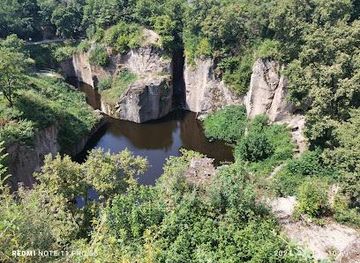
Zemplín's most recognisable landmarks express its combination of medieval power, Carpathian religious culture and volcanic geography. The ruins of Vinné Castle rise above the southern approaches to Vihorlat, while Brekov and Jasenov castles occupy wooded elevations that once guarded routes through the region. Near the village of Zemplín, the remains of Zemplín Castle recall the historic county from which the wider landscape takes its name. The wooden Greek Catholic Church of the Protection of the Mother of God at Ruská Bystrá is an especially important example of traditional eastern Carpathian architecture and forms part of Slovakia's UNESCO-listed group of wooden churches. In the natural landscape, Morské oko is a dark forest lake enclosed by the Vihorlat hills, and Sninský kameň provides a prominent rocky viewpoint over the surrounding country. In the lowlands, the historic manor and park at Trebišov and the broad waters of Zemplínska Šírava offer contrasting civic and recreational landmarks. Together they show why Zemplín cannot be reduced to either wine country or mountain scenery alone.
-
Castle
Hrad Devín
Discover Hrad Devín - a historic fortress with breathtaking views, rich heritage, and a perfect blend of nature and culture in Slovakia.
-
Catholic cathedral
St. Elisabeth's Cathedral
Discover the breathtaking St. Elisabeth's Cathedral, the largest church in Slovakia, a stunning Gothic masterpiece in the heart of Košice's Old Town.
-
Historical landmark
Jakab Palace
Discover the enchanting Jakab Palace in Košice, a historical landmark showcasing exquisite architecture and rich cultural heritage.
-
Castle
Vinné Castle
Explore Vinné Castle, a stunning medieval ruin in Slovakia, offering breathtaking views and rich historical significance for every traveler.


Explore Zemplín on the map
Plan your trip on one map. See where the top cities, national parks and sights are, and book hotels and experiences in a few clicks.
Best hotels in Zemplín
Best restaurants in Zemplín
Dining in Zemplín reflects the meeting of Slovak, Rusyn, Hungarian and Carpathian traditions. Menus may include hearty soups, potato and cabbage dishes, dumplings, grilled or stewed meats, freshwater fish and seasonal mushroom preparations, while eastern Slovak favourites such as pirohy appear in regional eateries. In the south, Tokaj wine is the defining local drink, and cellar visits often pair tastings with simple cold plates, cheese, bread and regional produce rather than elaborate restaurant menus. Michalovce, Trebišov and other larger towns offer cafés, contemporary restaurants and traditional establishments, while rural inns provide a more limited but often substantial choice. Farmers' markets and small producers are useful for fruit, honey, preserves, smoked products and pastries. Plum-based spirits and other fruit distillates are part of local rural culture, but should be sampled responsibly. Advance arrangements are sensible for vineyard cellars and small family-run venues, especially outside the main tourism season.
-
Restaurant
IRON CLUB
Discover IRON CLUB: A culinary gem in Košice serving local and international dishes amidst a lively atmosphere.
-
Restaurant
karczma MLYN
Savor traditional Slovakian flavors at Karczma MLYN - where every dish tells a story.
-
Restaurant
Zlatá Putňa - Restaurant & Pension
Discover authentic Slovakian and Hungarian cuisine at Zlatá Putňa - your perfect culinary retreat in Viničky.
-
Restaurant
U Grolla – Pilsner Urquell Restaurant & Pub
Discover authentic Slovak cuisine and exceptional Pilsner Urquell at U Grolla Restaurant & Pub in Michalovce.


Best bars in Zemplín
Evening life in Zemplín is generally sociable rather than club-focused. Towns such as Michalovce and Trebišov have cafés, wine bars, pubs and restaurants where evenings centre on conversation, local beer and Tokaj wine. In smaller settlements, traditional pubs and seasonal village events are more important than dedicated nightlife venues. Zemplínska Šírava develops a livelier summer atmosphere around its recreational resorts, with outdoor dining and occasional music-oriented entertainment, although the character and availability of venues vary by season. The region's cellar culture offers a more distinctive alternative to conventional nightlife: tastings in the Tokaj villages can extend into relaxed evening meals when arranged in advance. Snina and other northern towns provide practical places for a drink after a day outdoors, but visitors should not expect a concentrated nightclub district or late-night transport in rural areas.
-
Bar
POHOSTINSTVO PIPKA
Discover the charm of Pohostinstvo Pipka in Trebišov, where exceptional drinks and a cozy atmosphere await you.
-
Pub
Beles Romkocsma
Experience the heart of Sátoraljaújhely at Beles Romkocsma, a cozy pub known for its excellent drinks and warm atmosphere.
-
Pub
Krčma
Discover Krčma in Borša, where traditional Slovak cuisine meets a warm pub atmosphere, perfect for a memorable dining experience.
-
Bar
Hostinec Hanoi
Experience the vibrant atmosphere and local charm at Hostinec Hanoi, a must-visit bar in Streda nad Bodrogom, Slovakia.


Best nightclubs in Zemplín
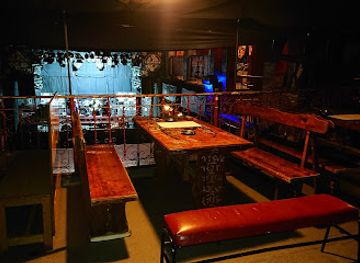
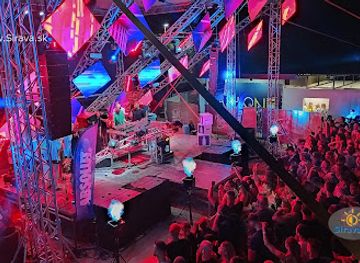
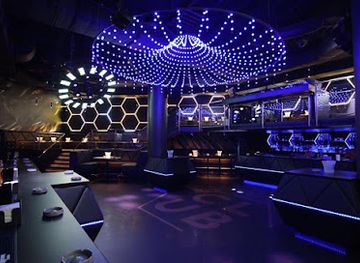
Evening life in Zemplín is generally sociable rather than club-focused. Towns such as Michalovce and Trebišov have cafés, wine bars, pubs and restaurants where evenings centre on conversation, local beer and Tokaj wine. In smaller settlements, traditional pubs and seasonal village events are more important than dedicated nightlife venues. Zemplínska Šírava develops a livelier summer atmosphere around its recreational resorts, with outdoor dining and occasional music-oriented entertainment, although the character and availability of venues vary by season. The region's cellar culture offers a more distinctive alternative to conventional nightlife: tastings in the Tokaj villages can extend into relaxed evening meals when arranged in advance. Snina and other northern towns provide practical places for a drink after a day outdoors, but visitors should not expect a concentrated nightclub district or late-night transport in rural areas.
-
Disco club
Collosseum
Discover the dynamic nightlife of Košice at Collosseum, a top disco club where the beats keep you dancing into the early hours.
-
Disco club
Motel Kamenec
Discover vibrant nightlife and delicious dining at Motel Kamenec, Kaluža's premier disco club, bar, and restaurant.
-
Disco club
The Club Bratislava
Discover the energy of Bratislava's nightlife at The Club Bratislava, where music, dancing, and unforgettable moments await every weekend.
-
Bar
JAZZ Košice
Discover the heart of Košice's nightlife at JAZZ Košice, where live music, delicious bites, and vibrant cocktails create an unforgettable experience.

Best shops in Zemplín
Shopping in Zemplín is centred on town high streets, supermarkets, market stalls and small regional producers rather than large destination shopping complexes. Michalovce and Trebišov offer the broadest practical choice of everyday goods, clothing, cafés and services, while smaller market towns and villages provide a slower, more local experience. In the Slovak Tokaj area, visitors can buy bottled wine directly from established producers, often alongside grape products, honey or preserves; advance arrangements may be necessary at smaller cellars. Farm shops and markets are useful for seasonal fruit, vegetables, smoked foods, cheese, pastries and rural specialities. Craft items, ceramics, carved wood and embroidered or textile products may be available through cultural centres and local events, although selection varies. Regional spirits should be purchased from reputable producers and transported carefully. Markets and village sales are often seasonal, so visitors should not assume that a particular stall or event operates every day.
-
Shopping mall
Aupark Košice
Discover the ultimate shopping experience at Aupark Košice, where modern retail meets local culture in Slovakia's vibrant capital.
-
Shopping mall
Zemplín Shopping center
Explore Zemplín Shopping Center in Michalovce for an unparalleled shopping experience with diverse shops and dining options in a vibrant atmosphere.
-
Shopping mall
Tóth Csaba - Alfa
Explore Tóth Csaba - Alfa in Streda nad Bodrogom for a perfect blend of shopping, dining, and local culture in a vibrant atmosphere.
-
Shopping mall
KÁJEL s.r.o.
Discover unique local crafts and delightful shopping experiences at KÁJEL s.r.o. in Viničky, the heart of Slovak retail culture.


Get your free copy of our complete guide to Zemplín, delivered straight to you.
Everything on this page, from attractions and restaurants to essentials and local phrases, in one PDF you can read offline, print or share.
Already have an account? Sign in
Your Zemplín guide is ready.
We'll send it to · Not you? Sign out

Getting your guide ready…
We are putting together a fresh copy of the Zemplín guide. This can take up to a minute.
This can take a few moments. If your browser asks, choose Allow so the download can start. You'll find the guide in your Downloads folder.
Nothing happened? Download it again
Sorry, the guide is taking longer than usual. Please try again in a minute, or get it by email instead.
Zemplín essentials
Currency and Payment
Safety
Emergency Situations
Do's and Don'ts
Local Tips
From Eve
Local phrases worth knowing
You don't need to get them perfect. A few words go a long way, and locals appreciate the effort.
Basics
| English | Local | Say it |
|---|---|---|
| Hello | Ahoj | [ahoy] |
| Goodbye | Zbohom | [zbo-hom] |
| Yes | Áno | [ah-no] |
| No | Nie | [nyeh] |
| Please/You're welcome | Prosím | [pro-seem] |
| Thank you | Ďakujem | [dya-koo-yem] |
| Excuse me/Sorry | Prepáčte | [pre-patch-teh] |
| How are you? | Ako sa máš? | [ah-koh sah mahsh] |
| Fine. And you? | Dobre. A ty? | [doh-breh. ah tee?] |
| Do you speak English? | Hovoríš po anglicky? | [ho-vor-ish poh ahn-glits-ee?] |
| I don't understand | Nerozumiem | [neh-roh-zoo-yem] |
Eating & Drinking
| English | Local | Say it |
|---|---|---|
| I'd like to see the menu, please | Chcel by som vidieť menu, prosím | [kh-tzel bee sohm vee-dyeht meh-noo, pro-seem] |
| I don't eat meat | Nejem mäso | [nyeh-yem meh-soh] |
| Cheers! | Na zdravie! | [nah zdrah-vee-eh] |
| I would like to pay, please | Chcel by som zaplatiť, prosím | [kh-tzel bee sohm zah-plah-teet, pro-seem] |
Emergencies
| English | Local | Say it |
|---|---|---|
| Help! | Pomoc! | [poh-mots] |
| Go away! | Odíď! | [oh-deech] |
| Call the Police! | Zavolajte políciu! | [zah-vo-lah-tye poh-lee-tsee-yoo] |
| Call a doctor! | Zavolajte lekára! | [zah-vo-lah-tye leh-kah-rah] |
| I'm lost | Som stratený | [sohm strah-teh-nee] |
| I'm ill | Som chorý | [sohm kho-ree] |
Shopping
| English | Local | Say it |
|---|---|---|
| I'd like to buy... | Chcel by som kúpiť... | [kh-tzel bee sohm koo-peet...] |
| I'm just looking | Len sa pozerám | [len sah poh-zeh-rahm] |
| How much is it? | Koľko to stojí? | [kol-koh toh stoy-ee?] |
| That's too expensive | To je príliš drahé | [to yeh pree-leesh dra-heh] |
| Can you lower the price? | Môžete znížiť cenu? | [mwo-zhe-teh znee-zheech tseh-noo?] |
Time & Numbers
| English | Local | Say it |
|---|---|---|
| What time is it? | Koľko je hodín? | [kol-koh yeh ho-deen?] |
| It's one o'clock | Je jedna hodina | [yeh yed-nah ho-dee-nah] |
| Half past (10) | Pol desiatej | [pohl dye-sya-teh] |
| Morning | Ráno | [rah-no] |
| Afternoon | Popoludnie | [poh-po-lud-nee-eh] |
| Evening | Večer | [veh-cher] |
| Yesterday | Včera | [v-cheh-rah] |
| Today | Dnes | [dnyes] |
| Tomorrow | Zajtra | [zai-trah] |
| 1 | 1 | [1] |
| 2 | 2 | [2] |
| 3 | 3 | [3] |
| 4 | 4 | [4] |
| 5 | 5 | [5] |
| 6 | 6 | [6] |
| 7 | 7 | [7] |
| 8 | 8 | [8] |
| 9 | 9 | [9] |
| 10 | 10 | [10] |
Transport & Directions
| English | Local | Say it |
|---|---|---|
| Where's a/the...? | Kde je...? | [kdeh yeh...?] |
| What's the address? | Aká je adresa? | [ah-kah yeh ah-dre-sah?] |
| Can you show me (on the map)? | Môžete mi ukázať (na mape)? | [mwo-zhe-teh mee oo-kah-zaht (nah mah-peh)?] |
| When's the next (bus)? | Kedy ide ďalší (autobus)? | [keh-dee ee-deh dyahl-shee (au-toh-boos)?] |
| A ticket (to ....) | Lístok (do ....) | [lee-stok (doh ....)] |
History of Zemplín
Prehistoric settlement and the eastern Carpathian crossroads
The lowlands and river valleys of Zemplín have supported settlement since prehistory, when fertile soils, wetlands and access to routes across the Carpathian region encouraged farming and exchange. Archaeological evidence from eastern Slovakia records communities of the Neolithic, Bronze and Iron Ages, while later populations connected the area with wider Central European cultural networks. The region's position between the Carpathian passes and the Great Hungarian Plain gave it long-term strategic importance. Although many early sites are not presented as major visitor attractions, the surviving archaeological record explains why Zemplín developed as a settled agricultural and trading landscape rather than an isolated frontier.
Zemplín within the medieval Kingdom of Hungary
Following the consolidation of the medieval Hungarian state, Zemplín became associated with Zemplén County, whose territory extended beyond present-day Slovakia into what is now northeastern Hungary and southwestern Ukraine. Castles and fortified sites controlled roads, river crossings and local estates; the hilltop remains at Vinné, Brekov and Jasenov are among the clearest reminders of this period in the Slovak part of the historical region. Zemplín Castle, near the village of Zemplín, also reflects the importance of the lower river country. Churches, manor estates and historic settlement patterns preserve fragments of the medieval political and religious order.
Reformation, confessional change and the Carpathian borderlands
From the sixteenth century, Zemplín experienced the religious and political upheavals that affected the Kingdom of Hungary. Protestant ideas gained influence in some towns and estates, while Roman Catholic and Greek Catholic communities remained important, particularly in the eastern uplands. Ottoman expansion and conflicts among Habsburg, Hungarian and Transylvanian powers brought insecurity to parts of the wider region, although the level of direct disruption varied locally. The coexistence of different churches and traditions, together with later Rusyn cultural development, helped give eastern Zemplín a distinctive religious and architectural character.
Tokaj viticulture and the growth of estate agriculture
The southern Zemplín landscape shares the Tokaj wine region with neighbouring Hungary. Vine cultivation developed over centuries under the influence of estate owners, market demand and the area's volcanic soils and favourable climate. Wine cellars cut into or built beneath the hills became part of village life, particularly around Malá Tŕňa, Veľká Tŕňa, Viničky and nearby communities. The region's wine history was shaped by changing borders and political systems, but viticulture survived as an important local tradition. Today, cellar rows and vineyard paths provide a tangible link between Zemplín's agricultural economy and its historic Central European trade connections.
Nineteenth-century modernisation and the railway age
During the nineteenth century, administrative reform, expanding commerce and railway construction connected Zemplín more closely with the rest of the Kingdom of Hungary. Market towns such as Trebišov and Michalovce grew in importance as centres for agricultural exchange, administration and services. New roads and rail links helped move grain, timber and other products, while manor estates influenced land use and local employment. The period also saw the strengthening of civic institutions, education and national movements. Several town buildings, parks and estate complexes in southern and central Zemplín reflect this gradual transformation from a largely agrarian county landscape to a more integrated regional economy.
The twentieth century: new borders and economic transformation
The end of the First World War placed the Slovak part of historic Zemplén within Czechoslovakia, dividing communities and economic links that had previously operated within one Hungarian county. The Second World War and the Holocaust brought severe losses, particularly to Jewish communities that had contributed to the region's commercial and cultural life. After 1948, collectivisation reshaped agriculture, while industrial and public-sector development strengthened towns including Michalovce and Trebišov. The creation of Zemplínska Šírava in the twentieth century added a major recreational landscape. Since 1989, tourism, wine production, heritage conservation and cross-border cultural connections have become increasingly important alongside agriculture and industry.
Zemplín in Photos
Browse through our photo collection highlighting the charm and character of the destination.
Neighbouring regions of Zemplín
The closest regions to Zemplín, if you have time for more than one.
-

-

-

-

-


Swipe for more regions
Explore more

Explore more of Slovakia
Discover Slovakia: A land of majestic mountains, charming castles, and vibrant culture in the heart of Europe.
Explore Slovakia