

Free Podpoľanie Travel Guide & Mobile App
Explore Podpoľanie with free travel guides. Discover regional history, expert tips, proposed trips, and audio guides on web or mobile app.


Podpoľanie blends Poľana’s forested mountains, scattered farmsteads, Slovak folk traditions and rewarding walking routes around Detva and Hriňová.
Read more about Podpoľanie
When is the best time to visit Podpoľanie?
Best: June–August · 22–24°C| Month | High (°C) | Rainfall (mm) |
|---|---|---|
| January | 1 | 40 |
| February | 3 | 35 |
| March | 9 | 40 |
| April | 14 | 50 |
| May | 19 | 60 |
| June (best) | 22 | 80 |
| July (best) | 24 | 80 |
| August (best) | 23 | 70 |
| September | 20 | 60 |
| October | 14 | 50 |
| November | 7 | 50 |
| December | 2 | 40 |
Getting to and around Podpoľanie
How to get there
Transportation
Top city travel guides in Podpoľanie
The cities of Podpoľanie, and the easiest places to base yourself.

Swipe for more cities
Best attractions in Podpoľanie
Podpoľanie’s attractions are closely tied to the Poľana Protected Landscape Area and the cultural landscape below it. Marked walking routes lead through spruce and beech forests, mountain meadows and viewpoints on the Poľana massif, while the UNESCO biosphere reserve designation reflects the importance of its habitats and traditional land use. Around Hriňová, the reservoir, valleys and scattered lazy settlements provide accessible scenery for short walks, photography and cycling. Detva offers cultural attractions centred on local folklore, woodcarving, embroidery, music and the fujara, particularly during its major festival. Očová and other villages contribute historic churches, community traditions and countryside routes rather than large-scale visitor complexes. Outdoor visitors should expect a working mountain environment, with weather and terrain requiring proper preparation. The region is better suited to walking, landscape observation, cultural events and rural exploration than to a tightly packed list of ticketed attractions.
-
Tourist attraction
Orava Castle
Explore the enchanting Orava Castle, a historic fortress offering breathtaking views, rich history, and a glimpse into Slovakia's medieval past.
-
Ski resort
Jasna Low Tatras
Explore Jasná Low Tatras: where adventure meets breathtaking alpine beauty, offering skiing, hiking, and unforgettable experiences in Slovakia.
-
Castle
Vígľaš Castle
Discover Víkš Castle: A stunning medieval architectural marvel in Slovakia, surrounded by breathtaking landscapes and rich history.
-
Ski resort
Ski Králiky
Experience the thrill of winter at Ski Králiky, a picturesque ski resort perfect for families and adventurers alike in Slovakia.


Best landmarks in Podpoľanie
The defining natural landmark is Poľana, a large volcanic mountain whose forested summit and ridges dominate the region and give Podpoľanie its name. Its protected slopes, upland meadows and deep valleys form a landscape landmark as much as a hiking destination. Below it, the scattered lazy settlements around Hriňová are an important cultural landmark: the repeated pattern of farmhouses, hay meadows, orchards and woodland records a distinctive way of occupying mountain terrain. Detva’s public spaces and cultural institutions represent the region’s strongest symbolic connection with Slovak folk art, particularly woodcarving, embroidery and shepherd music. Village churches and traditional settlement patterns around Očová and the surrounding countryside add smaller architectural points of reference. The Hriňová reservoir provides a contrasting modern landmark in a landscape otherwise shaped by forestry and dispersed farming. Together these places express Podpoľanie’s identity more clearly than a single castle or monumental building would.
-
Castle
Bratislava Castle
Explore the stunning Bratislava Castle, a historic landmark offering breathtaking views and rich Slovak culture, perfect for your travel adventures.
-
Castle
Orava Castle
Discover the enchanting Orava Castle, a spectacular medieval fortress in Slovakia that reveals centuries of history and breathtaking views.
-
Castle
Hrad Devín
Explore Hrad Devín, a historic castle in Slovakia offering breathtaking views and a journey through time at the confluence of rivers.
-
Castle
Castle of Spirits (Bojnice Castle)
Discover the enchanting Bojnice Castle, a historical landmark rich in culture, stunning architecture, and beautiful gardens in Slovakia.


Explore Podpoľanie on the map
Plan your trip on one map. See where the top cities, national parks and sights are, and book hotels and experiences in a few clicks.
Best hotels in Podpoľanie
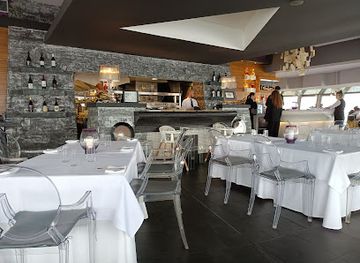
Best restaurants in Podpoľanie
Dining in Podpoľanie reflects the food culture of central Slovak uplands: bryndza and other sheep’s cheeses, potatoes, cabbage, soups, smoked meats, pork, dumplings and substantial farmhouse cooking appear in traditional restaurants, guesthouses and festival settings. The most locally resonant flavours are associated with shepherding and small-scale agriculture, although menus also follow the broader Slovak culinary tradition. Detva and Hriňová offer the widest choice of casual restaurants, cafés and everyday Slovak meals, while rural accommodation may provide home-style food when arranged in advance. Look for seasonal produce, local dairy products and baked goods at markets or community events, and expect menus to be simpler in smaller villages. Regional beer, spirits and soft drinks are widely available, but the area is not primarily a wine destination. During the Detva Folklore Festival, food stalls provide a useful introduction to traditional dishes alongside music and craft displays.
-
Restaurant
UFO
Discover UFO in Bratislava: A unique restaurant offering exquisite cuisine and stunning panoramic views over the Danube River.
-
Restaurant
Koliba Kamzík Zelená
Experience authentic Slovak cuisine at Koliba Kamzík Zelená in Bratislava - where tradition meets taste in every bite.
-
Restaurant
Restaurant Lietadlo
Experience authentic Slovak cuisine at Restaurant Lietadlo in Pavlovce-Podlipníky - where flavors meet tradition.
-
Restaurant
Koliba 77 - Slovak Restaurant
Discover authentic Slovak cuisine at Koliba 77 in Martin-Priekopa—where tradition meets flavor in a cozy atmosphere.


Best bars in Podpoľanie
Evening life in Podpoľanie is modest and locally focused rather than built around a large club scene. Detva and Hriňová have the broadest selection of cafés, pubs and casual bars, while village evenings generally centre on established local establishments, restaurants and community events. Traditional pubs are places for conversation and refreshments, not staged tourist attractions, and opening arrangements can vary outside the main towns. Live folk music, dance events and festival programmes may provide the most distinctive nightlife, especially during the summer cultural season. Some accommodation businesses offer a quiet drink or informal evening meal, but visitors should not expect a dense concentration of cocktail bars or nightclubs. Plan transport back to rural accommodation in advance, as late public transport is limited and walking along unlit mountain roads is unsafe.
-
Restaurant
Slovak Pub
Discover the heart of Slovak cuisine at Slovak Pub in Bratislava, featuring traditional dishes and a cozy atmosphere perfect for all visitors.
-
Modern European
Lemontree & Sky Bar Restaurant Bratislava
Experience modern European cuisine with breathtaking views at Lemontree & Sky Bar Restaurant in Bratislava.
-
Bar
Bukowski Bar
Discover the eclectic vibes and lively atmosphere of Bukowski Bar in Bratislava, where local culture meets a vibrant nightlife experience.
-
Pub
Dungeon Pub
Experience the medieval charm of Dungeon Pub in Bratislava, where great drinks and enchanting ambiance await every visitor.


Best nightclubs in Podpoľanie
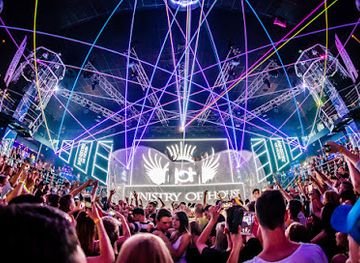
Evening life in Podpoľanie is modest and locally focused rather than built around a large club scene. Detva and Hriňová have the broadest selection of cafés, pubs and casual bars, while village evenings generally centre on established local establishments, restaurants and community events. Traditional pubs are places for conversation and refreshments, not staged tourist attractions, and opening arrangements can vary outside the main towns. Live folk music, dance events and festival programmes may provide the most distinctive nightlife, especially during the summer cultural season. Some accommodation businesses offer a quiet drink or informal evening meal, but visitors should not expect a dense concentration of cocktail bars or nightclubs. Plan transport back to rural accommodation in advance, as late public transport is limited and walking along unlit mountain roads is unsafe.
-
Night club
Ministry of Fun
Discover the exhilarating nightlife at Ministry of Fun, Banská Bystrica's premier night club for a vibrant and unforgettable experience.
-
Disco club
MANGO Club & Lounge Caffe
Immerse yourself in the electrifying nightlife of Piešťany at MANGO Club & Lounge Caffe, where vibrant music and great drinks await.
-
Disco club
Infinity Club
Infinity Club: Where the Pulsating Heart of Partizánske's Nightlife Comes Alive with Music and Dance.
-
Rock music club
Klub 77
Experience the vibrant nightlife of Banská Bystrica at Klub 77, a premier rock music club showcasing local and regional talent.


Best shops in Podpoľanie
Shopping in Podpoľanie is centred on practical town services, local food and traditional crafts rather than large retail districts. Detva and Hriňová have the most useful everyday shops, while smaller villages offer limited provisions and occasional community markets. At folklore events and craft demonstrations, visitors may find carved wooden objects, decorated shepherds’ implements, fujara-related instruments, embroidery and other products inspired by the region’s pastoral traditions. Choose carefully and ask about provenance, as not every folk-style souvenir is locally made. Regional dairy products, bryndza, smoked foods, honey, preserves and baked goods can make more meaningful purchases when sold through legitimate shops or producers. The Detva Folklore Festival is a particularly important occasion for craft buying, although availability and individual stallholders change from year to year. The best shopping experience is usually a combination of a town market, a specialist craft encounter and food bought directly from an established local producer.
-
Shopping mall
Aupark Bratislava
Explore Aupark Bratislava: A dynamic shopping mall offering diverse retail, dining, and entertainment experiences along the scenic Danube River.
-
Shopping mall
Eurovea
Discover Eurovea, Bratislava's vibrant shopping mall offering a mix of retail, dining, and entertainment alongside the beautiful Danube River.
-
Shopping mall
AVION Shopping Park Bratislava
Explore AVION Shopping Park Bratislava, a vibrant hub of shopping, dining, and entertainment in the heart of Slovakia's capital, ideal for every tourist.
-
Shopping mall
Aupark Košice
Explore Aupark Košice, the ultimate shopping destination featuring diverse stores, delightful dining, and vibrant atmosphere in the heart of Slovakia.


Get your free copy of our complete guide to Podpoľanie, delivered straight to you.
Everything on this page, from attractions and restaurants to essentials and local phrases, in one PDF you can read offline, print or share.
Already have an account? Sign in
Your Podpoľanie guide is ready.
We'll send it to · Not you? Sign out

Getting your guide ready…
We are putting together a fresh copy of the Podpoľanie guide. This can take up to a minute.
This can take a few moments. If your browser asks, choose Allow so the download can start. You'll find the guide in your Downloads folder.
Nothing happened? Download it again
Sorry, the guide is taking longer than usual. Please try again in a minute, or get it by email instead.
Podpoľanie essentials
Currency and Payment
Safety
Emergency Situations
Do's and Don'ts
Local Tips
From Eve
Local phrases worth knowing
You don't need to get them perfect. A few words go a long way, and locals appreciate the effort.
Basics
| English | Local | Say it |
|---|---|---|
| Hello | Ahoj | [ahoy] |
| Goodbye | Zbohom | [zbohom] |
| Yes | Áno | [ah-no] |
| No | Nie | [nyeh] |
| Please/You're welcome | Prosím | [pro-seem] |
| Thank you | Ďakujem | [dya-koo-yem] |
| Excuse me/Sorry | Prepáčte | [pre-patch-teh] |
| How are you? | Ako sa máš? | [ah-ko sah mahsh] |
| Fine. And you? | Dobre. A ty? | [dob-reh. ah tee?] |
| Do you speak English? | Hovoríš po anglicky? | [ho-vor-eesh po ang-leet-skee?] |
| I don't understand | Nerozumiem | [ne-ro-zu-myehm] |
Eating & Drinking
| English | Local | Say it |
|---|---|---|
| I'd like to see the menu, please | Chcel by som vidieť menu, prosím | [kh-tsel bee som vee-dyeht menu, pro-seem] |
| I don't eat meat | Nejem mäso | [nye-yem meh-soh] |
| Cheers! | Na zdravie! | [nah zdrah-vee-eh] |
| I would like to pay, please | Chcel by som zaplatiť, prosím | [kh-tsel bee som zah-plah-teet, pro-seem] |
Emergencies
| English | Local | Say it |
|---|---|---|
| Help! | Pomoc! | [poh-mots] |
| Go away! | Odiď! | [oh-deed] |
| Call the Police! | Zavolajte políciu! | [zah-vo-lah-tye poh-lee-tsyoo] |
| Call a doctor! | Zavolajte doktora! | [zah-vo-lah-tye dok-toh-rah] |
| I'm lost | Som stratený | [som strah-teh-nee] |
| I'm ill | Som chorý | [som kho-ree] |
Shopping
| English | Local | Say it |
|---|---|---|
| I'd like to buy... | Chcel by som kúpiť... | [kh-tsel bee som koo-peet...] |
| I'm just looking | Len sa pozerám | [len sah po-zeh-rahm] |
| How much is it? | Koľko to stojí? | [kol-ko toh stoy-ee?] |
| That's too expensive | To je príliš drahé | [toh yeh pree-leesh dra-heh] |
| Can you lower the price? | Môžete znížiť cenu? | [moh-zhe-teh znee-zheet seh-noo?] |
Time & Numbers
| English | Local | Say it |
|---|---|---|
| What time is it? | Koľko je hodín? | [kol-ko yeh ho-deen?] |
| It's one o'clock | Je jedna hodina | [yeh yed-na ho-dee-na] |
| Half past (10) | Pol desiatej | [pol dye-sya-teh] |
| Morning | Ráno | [rah-no] |
| Afternoon | Popoludnie | [po-po-lud-nyeh] |
| Evening | Večer | [veh-cher] |
| Yesterday | Včera | [v-cheh-rah] |
| Today | Dnes | [dnyes] |
| Tomorrow | Zajtra | [zai-tra] |
| 1 | 1 | [1] |
| 2 | 2 | [2] |
| 3 | 3 | [3] |
| 4 | 4 | [4] |
| 5 | 5 | [5] |
| 6 | 6 | [6] |
| 7 | 7 | [7] |
| 8 | 8 | [8] |
| 9 | 9 | [9] |
| 10 | 10 | [10] |
Transport & Directions
| English | Local | Say it |
|---|---|---|
| Where's a/the...? | Kde je...? | [kdeh yeh...?] |
| What's the address? | Aká je adresa? | [ah-kah yeh ah-dre-sah?] |
| Can you show me (on the map)? | Môžete mi ukázať (na mape)? | [moh-zhe-teh mee oo-kah-zat (nah mah-peh)?] |
| When's the next (bus)? | Kedy ide ďalší (autobus)? | [keh-dee ee-deh dyal-shee (ow-toh-boos)?] |
| A ticket (to ....) | Lístok (do ....) | [leest-ok (doh ....)] |
History of Podpoľanie
Early settlement beneath Poľana
The uplands and valleys of present-day Podpoľanie were occupied in different periods before the region acquired its modern cultural identity. Archaeological evidence from central Slovakia records prehistoric farming and metalworking communities, while later Slavic settlement formed the basis of the medieval landscape. The steep volcanic massif itself was not densely built over; instead, habitation concentrated in valleys, lower slopes and more accessible farming ground. This long pattern of settlement helps explain the contrast between compact villages and the more lightly occupied forests and high meadows around Poľana.
Medieval estates and the mining frontier
During the Middle Ages, Podpoľanie belonged to the wider political and economic sphere of the Zvolen area, whose royal and later aristocratic estates controlled routes, woodland and agricultural land. Mining towns elsewhere in central Slovakia generated demand for timber, charcoal, food and animals, linking the rural communities below Poľana with a wider regional economy. Churches, village foundations and estate boundaries gradually organised the landscape. Although Podpoľanie was not defined by a single major medieval town, its history was shaped by proximity to Zvolen, Banská Bystrica and the mining districts of central Slovakia.
The formation of the lazy settlements
The dispersed farmsteads known as lazy developed particularly strongly from the early modern period onwards, as population growth and the search for cultivable land pushed settlement onto higher slopes. Families combined small-scale agriculture, animal husbandry, forestry and seasonal work, creating a landscape of isolated houses, hay meadows, orchards and narrow access roads. This pattern became one of Podpoľanie’s clearest cultural markers. Rather than representing a single planned village, the lazy express a gradual adaptation to mountainous terrain and to an economy in which households used several ecological levels around Poľana.
Detva and the pastoral cultural tradition
Founded in the seventeenth century within the estate system of central Slovakia, Detva grew into an important local centre for the surrounding uplands. Its cultural reputation developed through pastoral life, woodcarving, decorated shepherds’ objects, embroidery, music and dance. Instruments such as the fujara and regional forms of dress became powerful symbols of Slovak rural culture, while the valaška, or shepherd’s axe, acquired both practical and ceremonial significance. In the nineteenth and twentieth centuries, ethnographic interest and national cultural movements helped preserve and promote these traditions beyond the immediate region.
War, resistance and the Slovak National Uprising
The forests and mountains of central Slovakia became strategically important during the Second World War. After the Slovak National Uprising began in August 1944, resistance units operated across the surrounding mountain country and local communities experienced requisitioning, military movement and reprisals. Poľana and the neighbouring ranges provided terrain for concealment and movement, although the conflict affected villages and transport routes as well as the forests. Memorials and local historical accounts keep this period present in the region’s public memory.
Industrialisation and changing rural life
After 1945, Podpoľanie underwent major economic and social change. Cooperative farming altered land use and ownership, while industrial development in Detva created employment beyond agriculture and connected the town with the machinery sector of socialist Czechoslovakia. Roads, public services and larger housing areas expanded, even as many dispersed farmsteads remained in use. Since 1989, the region has balanced industrial employment, forestry, agriculture, craft traditions and tourism. Folklore festivals and protected landscapes now present aspects of rural heritage that coexist with a modern, working regional economy.
Podpoľanie in Photos
Browse through our photo collection highlighting the charm and character of the destination.
Neighbouring regions of Podpoľanie
The closest regions to Podpoľanie, if you have time for more than one.
-

-

-

-
-


Swipe for more regions
Explore more

Explore more of Slovakia
Discover Slovakia: A land of majestic mountains, charming castles, and vibrant culture in the heart of Europe.
Explore Slovakia