

Free Banská Bystrica Region Travel Guide & Mobile App
Explore Banská Bystrica Region with free travel guides. Discover regional history, expert tips, proposed trips, and audio guides on web or mobile app.


Explore Slovakia’s Banská Bystrica Region for mining towns, mountain trails, forest railways, castles and highland food traditions.
Read more about Banská Bystrica Region
When is the best time to visit Banská Bystrica Region?
Best: June–August · 22–24°C| Month | High (°C) | Rainfall (mm) |
|---|---|---|
| January | 1 | 31 |
| February | 2 | 33 |
| March | 7 | 41 |
| April | 13 | 51 |
| May | 18 | 61 |
| June (best) | 22 | 71 |
| July (best) | 24 | 81 |
| August (best) | 23 | 70 |
| September | 19 | 60 |
| October | 13 | 50 |
| November | 7 | 41 |
| December | 2 | 30 |
Getting to and around Banská Bystrica Region
How to get there
Transportation
Top city travel guides in Banská Bystrica Region
The cities of Banská Bystrica Region, and the easiest places to base yourself.
-
-

-

-


Swipe for more cities
Destinations in Banská Bystrica Region
Resorts, valleys and scenic spots worth a trip of their own.
-

-
-

-
-

-


Swipe for more destinations
Best attractions in Banská Bystrica Region
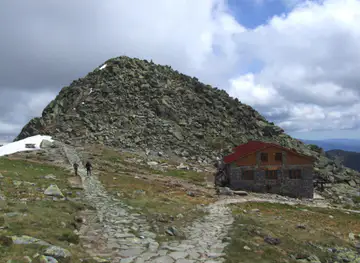
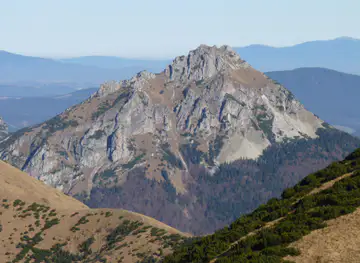
Banská Bystrica Region combines historic urban attractions with a broad range of mountain and industrial experiences. Banská Bystrica’s main square, museums and Slovak National Uprising heritage provide a strong cultural starting point, while Zvolen Castle and the old mining towns of Kremnica and Banská Štiavnica reveal different chapters of central Slovakia’s past. Banská Štiavnica’s technical monuments and mining lakes are especially significant, linking architecture with the engineering of silver and gold extraction. The region’s caves, including Bystrianska Cave and Harmanecká Cave, offer guided visits where seasonal access and operating arrangements should be checked in advance. Outdoor visitors can choose between marked trails in the Low Tatras, forested routes in Poľana, karst scenery in Muránska Planina and gentler walks around upland villages and reservoirs. Near Čierny Balog, the Čiernohronská railway and Vydrovo Forest Museum interpret forestry and timber transport through working landscapes. Winter sports, cycling, horse riding and wildlife observation are also available in appropriate areas, but the region’s dispersed geography makes a planned, multi-base itinerary more practical than trying to cover every attraction from one town.
-
National park
Low Tatras National Park
Explore the breathtaking beauty of Low Tatras National Park, a haven for outdoor enthusiasts and nature lovers in Slovakia.
-
Historical place
Vlkolínec (UNESCO)
Explore Vlkolínec, a UNESCO World Heritage Site offering stunning wooden architecture and a glimpse into Slovakia's rich cultural heritage amidst breathtaking scenery.
-
Museum
Museum of the Slovak National Uprising
Discover the rich history of Slovakia's resistance in WWII at the Museum of the Slovak National Uprising, a tribute to courage and resilience.
-
Castle
Zvolen Castle
Discover the majestic Zvolen Castle, a blend of history and art, set in the charming town of Zvolen, Slovakia. A must-visit for culture enthusiasts!


Best landmarks in Banská Bystrica Region
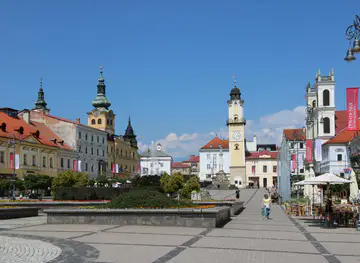
The region’s most recognisable landmarks reflect both mining wealth and mountain geography. Banská Bystrica’s central square is framed by historic burgher houses, the clock tower and the Church of the Assumption, creating a compact civic ensemble linked to the town’s medieval trading past. Banská Štiavnica is defined by steep streets, churches, mining structures and the Calvary complex, while its surrounding tajchy are distinctive landscape landmarks created by historic water engineering. Kremnica’s castle complex and mint-related heritage embody the importance of royal gold mining and coin production. Zvolen Castle, a strongly defined Renaissance building, remains one of the region’s most prominent secular monuments. In the countryside, the volcanic massif of Poľana, the forested ridges of the Low Tatras and the karst scenery of Muránska Planina provide natural landmarks rather than single architectural focal points. The former mining and forestry landscapes are important precisely because engineering, settlement and terrain remain visibly connected.
-
Rail museum
Čiernohronská railway
Experience the charm of Slovak history aboard the Čiernohronská Railway, a scenic journey through breathtaking landscapes and rich heritage.
-
Museum
Museum of the Slovak National Uprising
Explore the Museum of the Slovak National Uprising in Banská Bystrica, an inspiring journey through Slovakia's fight for freedom during World War II.
-
Castle
Zvolen Castle
Discover Zvolen Castle, a historical gem in Slovakia, blending stunning architecture with vibrant art exhibitions amidst picturesque landscapes.
-
Tourist attraction
Ochtinská Aragonite Cave
Discover the stunning beauty of Ochtinská Aragonite Cave, a unique natural attraction in Slovakia filled with mesmerizing formations and rich geological history.


Explore Banská Bystrica Region on the map
Plan your trip on one map. See where the top cities, national parks and sights are, and book hotels and experiences in a few clicks.
Best hotels in Banská Bystrica Region
Best restaurants in Banská Bystrica Region
Dining in Banská Bystrica Region reflects the food of Slovakia’s central uplands, with bryndza sheep’s cheese, potato-based dishes, dumplings, soups, smoked meats and seasonal forest produce appearing in traditional restaurants, mountain huts and rural inns. Bryndzové halušky is a national Slovak speciality rather than an exclusively regional dish, but it fits naturally into the region’s pastoral food culture. Around Banská Štiavnica, Kremnica, Zvolen and Banská Bystrica, visitors will find cafés, bakeries and contemporary restaurants alongside older-style establishments serving filling local meals. In mountain districts, menus often emphasise simple soups, grilled or stewed meat, potatoes and locally sourced dairy products. Farmers’ markets and small food shops can be useful for bread, cheese, honey and preserves, although their schedules vary. Local beer, fruit spirits and non-alcoholic drinks accompany meals, while cafés in the historic towns provide a relaxed alternative to formal dining. Rural restaurants may close earlier or accept only cash, so checking arrangements is sensible when travelling beyond the main towns.
-
Restaurant
Koliba U sv. Krištofa
Experience authentic Slovak cuisine at Koliba U sv. Krištofa in Banská Bystrica - a perfect blend of tradition and flavor.
-
Brewpub
Bystrická Klubovňa
Discover Banská Bystrica's craft beer culture at Bystrická Klubovňa, where local flavors meet friendly ambiance.
-
Restaurant
STREET FOODIE Banská Bystrica
Discover the vibrant culinary scene at STREET FOODIE Banská Bystrica - where delicious burgers meet Pan-Asian flavors.
-
Restaurant
Bernardov Dvor
Discover exceptional Slovak cuisine at Bernardov Dvor in Banská Bystrica - where tradition meets modern taste.


Best bars in Banská Bystrica Region
Evening life is concentrated in Banská Bystrica and, to a lesser extent, Zvolen, where students, residents and visitors support cafés, pubs, cocktail bars, live-music spaces and occasional cultural events. Banská Bystrica’s historic centre provides the broadest choice of places for an evening without requiring a car, while Zvolen combines town-centre pubs with venues linked to its cultural institutions. Banská Štiavnica has a more intimate scene shaped by cafés, bars, restaurants and seasonal visitors rather than a large club circuit. In Brezno and smaller mountain towns, traditional pubs, hotel bars and restaurants are more typical than late-night clubs. Rural areas often become quiet after dinner, and evening options can be limited outside the main centres. Craft beer, Slovak spirits and regional wines may appear on drinks lists, but nightlife is not the only way to experience the region’s culture; concerts, theatres, museums and seasonal town events also contribute to its evening life.
-
Restaurant
Koliba U sv. Krištofa
Discover the essence of Slovak culture through delicious cuisine at Koliba U sv. Krištofa in Banská Bystrica.
-
Brewpub
Bystrická Klubovňa
Discover the essence of Slovak culture at Bystrická Klubovňa, a charming brewpub in Banská Bystrica offering traditional dishes and craft beers.
-
Night club
Ministry of Fun
Experience the vibrant nightlife of Banská Bystrica at the Ministry of Fun, where music, dancing, and unforgettable moments await.
-
Bar
Cartel Coffee Bar & Kitchen
Experience the unique blend of coffee culture and culinary delights at Cartel Coffee Bar & Kitchen in Banská Bystrica.


Best nightclubs in Banská Bystrica Region
Evening life is concentrated in Banská Bystrica and, to a lesser extent, Zvolen, where students, residents and visitors support cafés, pubs, cocktail bars, live-music spaces and occasional cultural events. Banská Bystrica’s historic centre provides the broadest choice of places for an evening without requiring a car, while Zvolen combines town-centre pubs with venues linked to its cultural institutions. Banská Štiavnica has a more intimate scene shaped by cafés, bars, restaurants and seasonal visitors rather than a large club circuit. In Brezno and smaller mountain towns, traditional pubs, hotel bars and restaurants are more typical than late-night clubs. Rural areas often become quiet after dinner, and evening options can be limited outside the main centres. Craft beer, Slovak spirits and regional wines may appear on drinks lists, but nightlife is not the only way to experience the region’s culture; concerts, theatres, museums and seasonal town events also contribute to its evening life.
-
Night club
Ministry of Fun
Unleash your night at the Ministry of Fun in Banská Bystrica, Slovakia's premier night club for unforgettable music and vibrant nightlife.
-
Restaurant
Kapitol pub
Experience the vibrant nightlife and delicious cuisine at Kapitol Pub in Banská Bystrica, where every night is a celebration.
-
Musical club
Hogo Fogo Jazz & Art Club
Discover the vibrant Hogo Fogo Jazz & Art Club in Banská Bystrica - a top spot for live jazz, art, and an unforgettable nightlife experience.
-
Rock music club
Klub 77
Experience the vibrant rock music scene at Klub 77 in Banská Bystrica, where electrifying performances and a lively atmosphere await.


Best shops in Banská Bystrica Region
Shopping is strongest in Banská Bystrica, Zvolen, Banská Štiavnica and Kremnica, where ordinary high-street retail is complemented by independent bookshops, galleries, cafés and small craft outlets. Banská Štiavnica is a good place to browse locally themed art, ceramics, jewellery, prints and small design items, while Kremnica’s historic identity is reflected in souvenirs associated with coins, mining and metalwork. In mountain towns and villages, look for honey, herbs, preserves, sheep’s cheese, smoked products and other regional foods, subject to local availability and food-safety requirements. Farmers’ markets and produce stalls are usually more useful for edible gifts than for formal handicrafts, but schedules vary by town and season. Traditional textiles, carved wooden objects and pottery may be found through galleries, museums or craft events rather than permanent specialist shops. Visitors should distinguish locally made goods from generic Slovak souvenirs and carry cash when buying from small producers or temporary market stalls.
-
Shopping mall
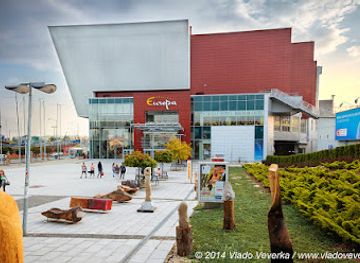
Europa SC
Experience shopping, dining, and entertainment at Europa SC in Banská Bystrica, the ultimate destination for tourists and locals alike.
-
Museum
Museum of the Slovak National Uprising
Discover Slovakia's fight for freedom at the Museum of the Slovak National Uprising in Banská Bystrica, a historical treasure trove.
-
Tourist attraction
LOVE BANK
Explore Love Bank, a unique tourist attraction in Banská Štiavnica, blending history and modern charm amidst stunning scenery.
-
Park
Park under the SNP Museum
Explore the tranquil Park under the SNP Museum in Banská Bystrica, where history and nature intertwine beautifully.


Get your free copy of our complete guide to Banská Bystrica Region, delivered straight to you.
Everything on this page, from attractions and restaurants to essentials and local phrases, in one PDF you can read offline, print or share.
Already have an account? Sign in
Your Banská Bystrica Region guide is ready.
We'll send it to · Not you? Sign out

Getting your guide ready…
We are putting together a fresh copy of the Banská Bystrica Region guide. This can take up to a minute.
This can take a few moments. If your browser asks, choose Allow so the download can start. You'll find the guide in your Downloads folder.
Nothing happened? Download it again
Sorry, the guide is taking longer than usual. Please try again in a minute, or get it by email instead.
Banská Bystrica Region essentials
Currency and Payment
Safety
Emergency Situations
Do's and Don'ts
Local Tips
From Eve
Local phrases worth knowing
You don't need to get them perfect. A few words go a long way, and locals appreciate the effort.
Basics
| English | Local | Say it |
|---|---|---|
| Hello | Ahoj | [ahoy] |
| Goodbye | Zbohom | [zbo-hom] |
| Yes | Áno | [ah-no] |
| No | Nie | [nyeh] |
| Please/You're welcome | Prosím | [pro-seem] |
| Thank you | Ďakujem | [dya-koo-yem] |
| Excuse me/Sorry | Prepáčte | [preh-patch-teh] |
| How are you? | Ako sa máš? | [ah-koh sah mahsh] |
| Fine. And you? | Dobre. A ty? | [doh-breh. ah tee] |
| Do you speak English? | Hovoríš po anglicky? | [ho-vor-eash po ahn-glit-see] |
| I don't understand | Nerozumiem | [neh-roh-zoo-yehm] |
Eating & Drinking
| English | Local | Say it |
|---|---|---|
| I'd like to see the menu, please | Chcel by som vidieť menu, prosím | [htsel bee som vid-yet menu, pro-seem] |
| I don't eat meat | Nejem mäso | [nyeh-yem meh-so] |
| Cheers! | Na zdravie! | [nah zdra-vyeh] |
| I would like to pay, please | Chcel by som zaplatiť, prosím | [htsel bee som zah-pla-teet, pro-seem] |
Emergencies
| English | Local | Say it |
|---|---|---|
| Help! | Pomoc! | [poh-mots] |
| Go away! | Odíď! | [oh-deed] |
| Call the Police! | Zavolajte políciu! | [zah-vo-lah-yteh poh-lee-tsee-yoo] |
| Call a doctor! | Zavolajte doktora! | [zah-vo-lah-yteh dok-toh-rah] |
| I'm lost | Som stratený | [som strah-teh-nee] |
| I'm ill | Som chorý | [som kho-ree] |
Shopping
| English | Local | Say it |
|---|---|---|
| I'd like to buy... | Chcel by som kúpiť... | [htsel bee som koo-peet] |
| I'm just looking | Len sa pozerám | [len sah po-zehr-am] |
| How much is it? | Koľko to stojí? | [kol-ko toh stoy-ee] |
| That's too expensive | To je príliš drahé | [to yeh pree-leesh dra-heh] |
| Can you lower the price? | Môžeš znížiť cenu? | [moh-zesh znee-zheet tsenu] |
Time & Numbers
| English | Local | Say it |
|---|---|---|
| What time is it? | Koľko je hodín? | [kol-ko yeh ho-deen] |
| It's one o'clock | Je jedna hodina | [yeh yed-na ho-dee-na] |
| Half past (10) | Pol jedenásť | [pol yed-e-nast] |
| Morning | Ráno | [rah-no] |
| Afternoon | Popoludnie | [poh-poh-lood-nyeh] |
| Evening | Večer | [veh-cher] |
| Yesterday | Včera | [vcheh-rah] |
| Today | Dnes | [dnes] |
| Tomorrow | Zajtra | [zai-tra] |
| 1 | 1 | [1] |
| 2 | 2 | [2] |
| 3 | 3 | [3] |
| 4 | 4 | [4] |
| 5 | 5 | [5] |
| 6 | 6 | [6] |
| 7 | 7 | [7] |
| 8 | 8 | [8] |
| 9 | 9 | [9] |
| 10 | 10 | [10] |
Transport & Directions
| English | Local | Say it |
|---|---|---|
| Where's a/the...? | Kde je...? | [kdeh yeh] |
| What's the address? | Aká je adresa? | [ah-kah yeh ah-dreh-sah] |
| Can you show me (on the map)? | Môžeš mi ukázať (na mape)? | [moh-zesh mee oo-kah-zat nah mah-peh] |
| When's the next (bus)? | Kedy ide ďalší (autobus)? | [keh-dee ee-deh dya-l-shee] |
| A ticket (to ....) | Jednoduchý lístok (do ....) | [yed-no-doo-khee lee-stok] |
History of Banská Bystrica Region
Early settlement and Great Moravian connections
The valleys and uplands of central Slovakia were settled long before the medieval mining towns emerged. Archaeological finds record prehistoric communities, fortified hilltop sites and later Slavic settlement, while the wider Hron basin formed part of the cultural world influenced by Great Moravia in the ninth century. The region’s mountain environment encouraged dispersed settlement, forestry, pastoral activity and the exploitation of surface minerals. Although many early sites survive mainly as archaeological traces, the pattern of later towns and villages still reflects the importance of river corridors, passes and defensible elevated ground.
Medieval mining and the rise of royal towns
From the thirteenth century, gold, silver and other metals transformed central Slovakia. Banská Štiavnica, Kremnica and Banská Bystrica developed as privileged mining and trading centres under the Hungarian Crown, attracting German-speaking mining specialists as well as merchants and craftspeople. Fortifications, churches, guild buildings and prosperous town houses followed. Kremnica became particularly important for gold and royal coin production, while Banská Štiavnica grew into a major silver-mining centre. Their urban forms and surviving technical monuments remain among the clearest regional records of medieval Central European mining.
Mining technology and the water-management system
Mining in the Banská Štiavnica area required increasingly sophisticated engineering as workings deepened. From the sixteenth century onwards, a network of artificial reservoirs, channels and water-powered machinery supplied energy for pumping and processing. These mining lakes, known locally as tajchy, changed the surrounding landscape and supported an industrial system far ahead of its time. The region also became a centre for technical education: the Mining Academy was founded in Banská Štiavnica in the eighteenth century and later became an influential institution in European mining education.
Ottoman-era pressures and fortified towns
During the sixteenth and seventeenth centuries, the Ottoman advance into the Kingdom of Hungary altered life across central Slovakia, even though the main frontier lay farther south. Mining towns and settlements strengthened their defences, and royal castles such as Zvolen formed part of a wider security network. Trade, taxation and military movement affected the Hron valley and surrounding districts. The period left a layered architectural legacy: medieval fortifications were adapted to firearms, churches and town walls were modified, and regional towns became important points between mining districts, royal centres and frontier zones.
Forestry, metallurgy and industrial modernisation
As the great mines declined or changed ownership, forestry, charcoal production, ironworking and transport became increasingly important to the regional economy. Railways and industrial lines opened access to mountain valleys and helped move timber, ore and manufactured goods. Around Čierny Balog, the forest railway developed as part of this economic system and is now preserved as a heritage railway. Zvolen and Banská Bystrica expanded as transport, administrative and educational centres, while rural communities continued to combine farming, pastoralism and forest work.
The Slovak National Uprising, 1944
Banská Bystrica was the political and military centre of the Slovak National Uprising, an armed resistance against the wartime Slovak regime and Nazi Germany that began in August 1944. Radio broadcasts, military command and resistance administration operated from the city before the uprising was suppressed in the autumn. Fighting and reprisals affected many parts of the surrounding region, including mountain communities that supported resistance groups. The Museum of the Slovak National Uprising and associated memorials in and around Banská Bystrica preserve this history, which remains central to modern Slovak historical memory.
Post-war change and heritage conservation
After 1945, industrial restructuring, state ownership and urban growth reshaped the region, while many mountain villages experienced depopulation and changing employment patterns. Mining continued in altered forms, but its environmental and economic limits became increasingly evident in the later twentieth century. Since the end of state socialism, historic town centres, mining landscapes, museums, forests and former industrial railways have gained new importance through conservation and tourism. The UNESCO recognition of Banská Štiavnica and its technical monuments reflects a broader effort to present the region’s industrial past as cultural heritage.
Banská Bystrica Region in Photos
Browse through our photo collection highlighting the charm and character of the destination.
Neighbouring regions of Banská Bystrica Region
The closest regions to Banská Bystrica Region, if you have time for more than one.
-

-
-

-

-


Swipe for more regions
Explore more

Explore more of Slovakia
Discover Slovakia: A land of majestic mountains, charming castles, and vibrant culture in the heart of Europe.
Explore Slovakia