

Free Novohrad Travel Guide & Mobile App
Explore Novohrad with free travel guides. Discover regional history, expert tips, proposed trips, and audio guides on web or mobile app.


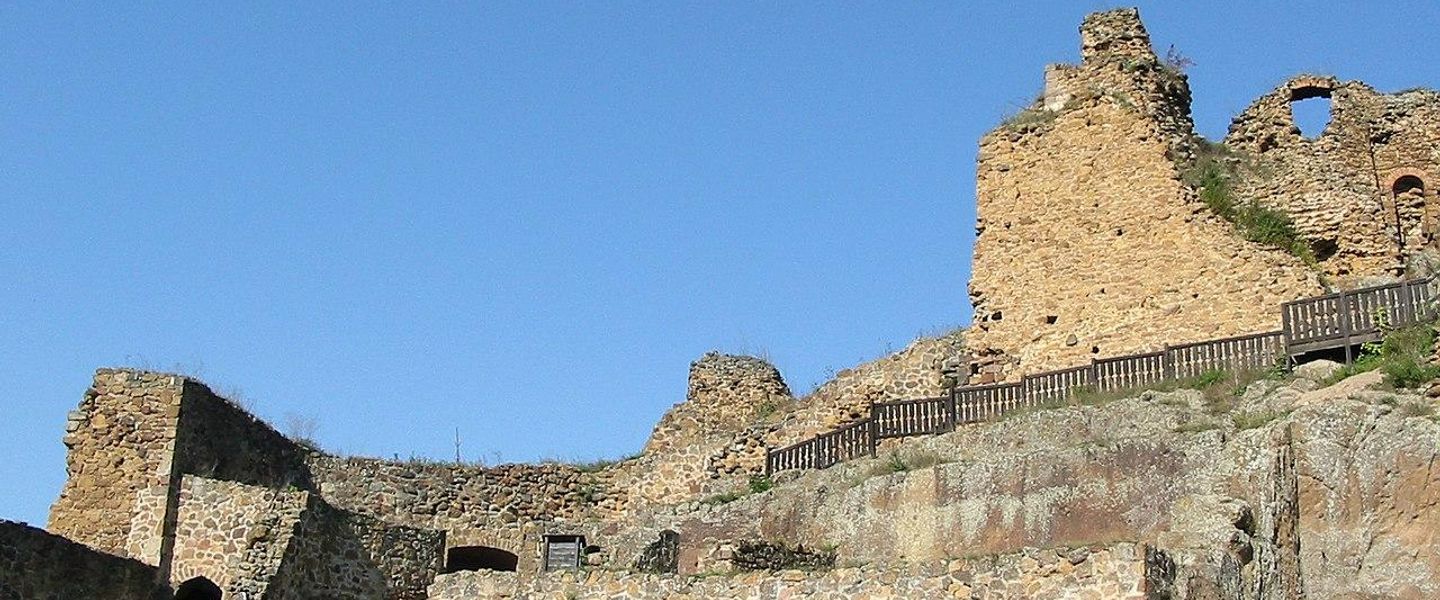


Explore Slovakia’s Novohrad for castle towns, volcanic hills, forest trails, borderland culture and Hungarian-influenced food around Lučenec.
Read more about Novohrad
When is the best time to visit Novohrad?
Best: June–August · 23–25°C| Month | High (°C) | Rainfall (mm) |
|---|---|---|
| January | 4 | 25 |
| February | 4 | 25 |
| March | 10 | 30 |
| April | 15 | 35 |
| May | 20 | 45 |
| June (best) | 23 | 55 |
| July (best) | 25 | 55 |
| August (best) | 24 | 45 |
| September | 21 | 40 |
| October | 15 | 35 |
| November | 9 | 30 |
| December | 4 | 30 |
Getting to and around Novohrad
How to get there
Transportation
Best attractions in Novohrad
Novohrad’s attractions are spread across a landscape of market towns, wooded volcanic hills and agricultural valleys rather than concentrated in one resort. Fiľakovo Castle is the region’s most prominent fortress experience, with its hilltop ruins and historical interpretation overlooking the town. In Cerová vrchovina, visitors can combine woodland walks with Šomoška Castle and the nearby basalt stone waterfall, while other volcanic formations provide rewarding shorter excursions. Divín Castle and the manor complex at Halič add different perspectives on medieval defence and aristocratic life. Modrý Kameň is known for its castle and museum devoted to puppetry and toys, an especially distinctive cultural attraction. Lučenec offers urban heritage and museums, while Poltár and surrounding villages recall the area’s pottery and glassmaking traditions. The region also suits birdwatching, cycling, mushroom foraging where permitted and gentle countryside walks, though many activities depend on weather and local access arrangements. Visitors should plan around distances and verify seasonal opening arrangements at smaller museums and ruins.
-
Tourist attraction
Michael's Gate
Discover the historical significance and architectural beauty of Michael's Gate, a must-see landmark in Bratislava's Old Town.
-
Tourist attraction
The Ľubovňa Castle
Experience the majesty of Ľubovňa Castle, a historical marvel in Slovakia with stunning views and rich cultural heritage.
-
Tourist attraction
Hviezdoslavovo námestie
Explore the vibrant Hviezdoslavovo Námestie, a cultural hub in Bratislava, where history, art, and life come together in a picturesque city park.
-
Castle
Fiľakovo Castle
Explore Fiľakovo Castle, a stunning historical landmark in Slovakia, rich in culture and breathtaking views, perfect for history enthusiasts and tourists alike.


Best landmarks in Novohrad
Fiľakovo Castle is Novohrad’s defining military landmark, occupying a prominent volcanic hill above the town and recalling centuries of medieval frontier conflict and Ottoman rule. Šomoška Castle has a more intimate forest setting on the Slovak-Hungarian border, while the adjacent basalt stone waterfall is a striking geological landmark formed from regular volcanic columns. Modrý Kameň Castle combines a medieval fortified site with a later aristocratic residence and remains an important cultural point in the western part of the region. Divín Castle stands above the village as a substantial ruin associated with the defensive network of historic Nógrád, and Halič Castle represents the transformation of a medieval stronghold into an aristocratic residence. In Lučenec, civic buildings and churches reflect the town’s nineteenth-century commercial expansion. The volcanic ridges and rock formations of Cerová vrchovina provide a natural counterpoint to the built heritage, showing how geology influenced both settlement and defence across Novohrad.
-
Castle
Bratislava Castle
Discover the stunning views and rich history of Bratislava Castle, Slovakia's iconic fortress overlooking the Danube River.
-
Castle
Orava Castle
Explore Orava Castle, a stunning medieval fortress in Slovakia, rich in history and breathtaking views over the picturesque Orava region.
-
Castle
Hrad Devín
Discover the historical wonders of Hrad Devín, a stunning castle with breathtaking views and a rich heritage along the Danube River.
-
Castle
Castle of Spirits (Bojnice Castle)
Explore the enchanting Bojnice Castle, a historical marvel with stunning architecture and captivating tales from Slovakia's rich past.


Explore Novohrad on the map
Plan your trip on one map. See where the top cities, national parks and sights are, and book hotels and experiences in a few clicks.
Best hotels in Novohrad
Best restaurants in Novohrad
Novohrad’s food reflects the meeting of Slovak and Hungarian traditions in southern Slovakia. Menus and home cooking commonly feature soups, potatoes, cabbage, dumplings, pork, poultry, mushrooms and paprika-seasoned sauces, with the exact balance varying between towns and villages. In southern districts, Hungarian-influenced dishes and flavours are particularly noticeable, while rural inns often serve straightforward Slovak cooking based on seasonal ingredients. Lučenec and the larger market towns offer the broadest choice of cafés, bakeries and restaurants; outside them, dining is more likely to be found in traditional pubs, guesthouses and hotel restaurants. Local produce may include fruit, honey, preserves and wines from the warmer southern valleys, while farmers’ markets and small producers provide a better sense of regional food than formal dining alone. Ask about daily specials, as village kitchens may depend on seasonal availability rather than a large fixed menu.
-
 Hotel
Halič castle
Discover Halič Castle: A majestic blend of history and luxury in Slovakia’s stunning landscape.
-
Restaurant
Koliba Kamzík Zelená
Savor authentic Slovak cuisine at Koliba Kamzík Zelená—where tradition meets taste in the heart of Bratislava.
-
Restaurant
Dobré časy
Experience the vibrant flavors of Slovakian cuisine at Dobré časy - your go-to gastropub in Poprad for burgers and craft beers.
-
Restaurant
Malý mlyn
Discover authentic Slovak cuisine in the serene setting of Malý Mlyn at Šiatorská Bukovinka.


Best bars in Novohrad
Evening life in Novohrad is modest and town-centred rather than built around a major club scene. Lučenec has the widest selection of cafés, wine bars, pubs and restaurants, with cultural events and occasional live performances adding variety. Fiľakovo, Veľký Krtíš and Rimavská Sobota, the latter near and partly associated with the wider historic region, provide smaller-scale evenings based on local bars, cafés and community cultural venues. In villages, traditional pubs and restaurants are more important than nightclubs, and closing arrangements can vary. The region’s southern setting makes local wine a natural feature of some dining and social venues, while beer remains widely available. Visitors should not expect late-night entertainment in castle villages or near rural trailheads; staying overnight in a larger town is generally the practical option after an evening meal or cultural programme.
-
Restaurant
Dobré časy
Experience the best of Slovak cuisine and craft beer at Dobré časy, a top-rated gastropub in Poprad's lively atmosphere.
-
Modern European
Lemontree & Sky Bar Restaurant Bratislava
Discover the culinary artistry of modern European cuisine with breathtaking views at Lemontree & Sky Bar in Bratislava.
-
Bar
Bukowski Bar
Discover the lively spirit of Bratislava at Bukowski Bar, where craft cocktails and a vibrant atmosphere create unforgettable nights.
-
Night club
Great Club Bratislava
Dive into the vibrant nightlife at Great Club Bratislava, where rhythm meets excitement in a stylish bar and disco atmosphere.


Best nightclubs in Novohrad
Evening life in Novohrad is modest and town-centred rather than built around a major club scene. Lučenec has the widest selection of cafés, wine bars, pubs and restaurants, with cultural events and occasional live performances adding variety. Fiľakovo, Veľký Krtíš and Rimavská Sobota, the latter near and partly associated with the wider historic region, provide smaller-scale evenings based on local bars, cafés and community cultural venues. In villages, traditional pubs and restaurants are more important than nightclubs, and closing arrangements can vary. The region’s southern setting makes local wine a natural feature of some dining and social venues, while beer remains widely available. Visitors should not expect late-night entertainment in castle villages or near rural trailheads; staying overnight in a larger town is generally the practical option after an evening meal or cultural programme.
-
Disco club
The Club Bratislava
Discover the heart of Bratislava's nightlife at The Club Bratislava, where electrifying music and vibrant crowds create unforgettable nights.
-
Night club
Channels Club
Immerse yourself in the lively atmosphere of Channels Club, a top nightlife destination in Old Town, offering great music, cocktails, and unforgettable moments.
-
Disco club
LUNA disco & cocktail klub
Unleash your party spirit at LUNA Disco & Cocktail Klub, Nitra's top destination for unforgettable nightlife and delicious cocktails.
-
Night club
Rivers Club
Experience the vibrant nightlife of Bratislava at Rivers Club, offering live music, exquisite dining, and unforgettable events along the Danube.


Best shops in Novohrad
Shopping in Novohrad is focused on market towns, everyday high streets and locally made products rather than large-scale retail tourism. Lučenec has the broadest choice of supermarkets, independent shops, cafés and practical services, while Veľký Krtíš, Fiľakovo, Poltár and Modrý Kameň offer smaller town-centre shopping. Market days and seasonal fairs are useful for finding honey, preserves, fruit, vegetables and other regional produce, although arrangements vary and should be checked locally. Pottery and glassmaking are important parts of Novohrad’s craft heritage, so museum shops, cultural centres and local craft events may offer more meaningful souvenirs than generic tourist outlets. Look for regional wine, jam, honey, hand-made ceramics and traditional bakery products where available. Antiques, books and small galleries are more likely to appear in historic town centres than in rural villages, while larger fashion and electronics purchases are best planned for Lučenec or a major city outside the region.
-
Shopping mall
Aupark Bratislava
Experience the ultimate shopping and entertainment destination at Aupark Bratislava, featuring diverse shops, dining, and family-friendly activities.
-
Shopping mall
Eurovea
Experience the best of shopping, dining, and entertainment at Eurovea, the lively shopping center along Bratislava's picturesque Danube River.
-
Shopping mall
AVION Shopping Park Bratislava
Discover a shopping haven at AVION Shopping Park Bratislava, where retail therapy meets delightful dining and exciting events.
-
Shopping mall
Aupark Košice
Explore Aupark Košice, a dynamic shopping mall in Old Town with diverse stores, delightful dining, and vibrant events, perfect for every tourist's itinerary.


Get your free copy of our complete guide to Novohrad, delivered straight to you.
Everything on this page, from attractions and restaurants to essentials and local phrases, in one PDF you can read offline, print or share.
Already have an account? Sign in
Your Novohrad guide is ready.
We'll send it to · Not you? Sign out

Getting your guide ready…
We are putting together a fresh copy of the Novohrad guide. This can take up to a minute.
This can take a few moments. If your browser asks, choose Allow so the download can start. You'll find the guide in your Downloads folder.
Nothing happened? Download it again
Sorry, the guide is taking longer than usual. Please try again in a minute, or get it by email instead.
Novohrad essentials
Currency and Payment
Safety
Emergency Situations
Do's and Don'ts
Local Tips
From Eve
Local phrases worth knowing
You don't need to get them perfect. A few words go a long way, and locals appreciate the effort.
Basics
| English | Local | Say it |
|---|---|---|
| Hello | Ahoj | [ahoy] |
| Goodbye | Zbohom | [zbohom] |
| Yes | Áno | [ah-no] |
| No | Nie | [nyeh] |
| Please/You're welcome | Prosím | [pro-seem] |
| Thank you | Ďakujem | [dya-koo-yem] |
| Excuse me/Sorry | Prepáčte | [pre-patch-teh] |
| How are you? | Ako sa máš? | [ah-ko sah mash] |
| Fine. And you? | Dobre. A ty? | [doh-breh. ah tee] |
| Do you speak English? | Hovoríš po anglicky? | [ho-vor-eash po ahn-glits-kee] |
| I don't understand | Nerozumiem | [neh-roh-zoo-myem] |
Eating & Drinking
| English | Local | Say it |
|---|---|---|
| I'd like to see the menu, please | Chcel by som vidieť menu, prosím | [kh-tsel bee sohm veed-yet menu, pro-seem] |
| I don't eat meat | Nejem mäso | [nye-yehm meh-so] |
| Cheers! | Na zdravie! | [nah zdrah-vyeh] |
| I would like to pay, please | Chcel by som zaplatiť, prosím | [kh-tsel bee sohm zah-plah-teet, pro-seem] |
Emergencies
| English | Local | Say it |
|---|---|---|
| Help! | Pomoc! | [poh-mots] |
| Go away! | Odíď! | [oh-deech] |
| Call the Police! | Zavolajte políciu! | [zah-voh-lah-tee poh-lee-tsee-yoo] |
| Call a doctor! | Zavolajte lekára! | [zah-voh-lah-tee leh-kah-rah] |
| I'm lost | Som stratený | [sohm strah-teh-nee] |
| I'm ill | Som chorý | [sohm kho-ree] |
Shopping
| English | Local | Say it |
|---|---|---|
| I'd like to buy... | Chcel by som kúpiť... | [kh-tsel bee sohm koo-peet] |
| I'm just looking | Len sa pozerám | [len sah poh-zeh-rahm] |
| How much is it? | Koľko to stojí? | [kol-ko toh stoy-ee] |
| That's too expensive | To je príliš drahé | [to yeh pree-leesh dra-heh] |
| Can you lower the price? | Môžeš znížiť cenu? | [moh-zesh znee-zheet seh-noo] |
Time & Numbers
| English | Local | Say it |
|---|---|---|
| What time is it? | Koľko je hodín? | [kol-ko yeh ho-deen] |
| It's one o'clock | Je jedna hodina | [yeh yed-nah ho-dee-nah] |
| Half past (10) | Pol desiatej | [pohl deh-syah-teh] |
| Morning | Ráno | [rah-no] |
| Afternoon | Popoludnie | [poh-poh-lood-nee-eh] |
| Evening | Večer | [veh-cher] |
| Yesterday | Včera | [v-cheh-rah] |
| Today | Dnes | [dnes] |
| Tomorrow | Zajtra | [zai-trah] |
| 1 | 1 | [1] |
| 2 | 2 | [2] |
| 3 | 3 | [3] |
| 4 | 4 | [4] |
| 5 | 5 | [5] |
| 6 | 6 | [6] |
| 7 | 7 | [7] |
| 8 | 8 | [8] |
| 9 | 9 | [9] |
| 10 | 10 | [10] |
Transport & Directions
| English | Local | Say it |
|---|---|---|
| Where's a/the...? | Kde je...? | [kdeh yeh] |
| What's the address? | Aká je adresa? | [ah-kah yeh ah-dreh-sah] |
| Can you show me (on the map)? | Môžeš mi ukázať (na mape)? | [moh-zesh mee oo-kah-zaht (nah mah-peh)] |
| When's the next (bus)? | Kedy ide ďalší (autobus)? | [keh-dee ee-deh dyahl-shee (ow-toh-boos)] |
| A ticket (to ....) | Lístok (do ....) | [leestok (doh ....)] |
History of Novohrad
Early settlement and the volcanic borderlands
Novohrad’s valleys and uplands have been occupied since prehistoric times, with fertile basins, woodland resources and routes across the southern hills encouraging settlement. Archaeological remains in the wider region record prehistoric communities and later Celtic and early medieval activity, although the surviving evidence is unevenly distributed. The volcanic formations of present-day Cerová vrchovina were not only geological features but also useful defensive positions. Settlement patterns that developed around river valleys, market routes and elevated sites later helped determine the location of medieval villages, castles and towns.
The medieval county of Nógrád
During the formation of the medieval Hungarian Kingdom, the area became part of Nógrád County, whose territory extended across what is now the Slovak-Hungarian border. Royal administration, churches and fortified settlements structured the landscape, while market centres grew along routes linking central Hungary with the northern uplands. Castles at places such as Fiľakovo, Divín and Modrý Kameň formed part of a wider network of noble and royal strongholds. The county’s medieval legacy remains visible in hilltop ruins, historic churches and the long-standing mixture of Slovak and Hungarian cultural influences.
Castles, noble estates and frontier warfare
From the late Middle Ages into the early modern period, Novohrad was a frontier zone exposed to rivalry between the Habsburg monarchy and the Ottoman Empire. Fiľakovo Castle became one of the region’s most important fortresses and was held by Ottoman forces for several decades in the sixteenth and seventeenth centuries. Other castles and fortified residences were repeatedly strengthened, damaged or abandoned as military conditions changed. The wars altered settlement and trade, while noble families consolidated estates around places including Divín, Halič and Modrý Kameň.
Reconstruction and the growth of market towns
After the Ottoman threat receded, towns and estates in Novohrad entered a period of rebuilding and administrative consolidation. Baroque and later Neoclassical influences shaped churches, manor houses and civic buildings, while Lučenec expanded as a commercial and cultural centre. Agricultural production, livestock, vineyards and regional trade supported the market economy. The rebuilding of aristocratic residences, including Halič Castle and the estate at Modrý Kameň, created much of the architectural setting encountered by visitors today.
Craft industries, glassmaking and transport
The nineteenth century brought stronger commercial links and the development of local industries. Poltár and surrounding settlements became associated with glassmaking, while pottery and other rural crafts continued in the region’s villages. Improved roads and railway connections strengthened Lučenec and other market towns, linking them more closely with central Slovak and Hungarian economic networks. These changes encouraged urban growth, new civic architecture and greater movement of workers and goods. Industrial traditions remain part of Novohrad’s cultural memory even where older production sites no longer operate in their original form.
The twentieth-century borderland
The dissolution of Austria-Hungary after the First World War placed the Slovak portion of historic Nógrád within Czechoslovakia, while the southern border divided communities and established economic routes. The region experienced the social and political changes of the interwar period, the wartime Hungarian annexation of parts of southern Slovakia, and the post-1945 restoration of Czechoslovak administration. Later industrialisation and socialist planning reshaped Lučenec and the surrounding districts. Today, Slovak and Hungarian cultural connections remain an important part of the region’s identity, particularly in the south.
Novohrad in Photos
Browse through our photo collection highlighting the charm and character of the destination.
Neighbouring regions of Novohrad
The closest regions to Novohrad, if you have time for more than one.
-

-

-

-

-


Swipe for more regions
Explore more

Explore more of Slovakia
Discover Slovakia: A land of majestic mountains, charming castles, and vibrant culture in the heart of Europe.
Explore Slovakia