

Free Pohronie Travel Guide & Mobile App
Explore Pohronie with free travel guides. Discover regional history, expert tips, proposed trips, and audio guides on web or mobile app.


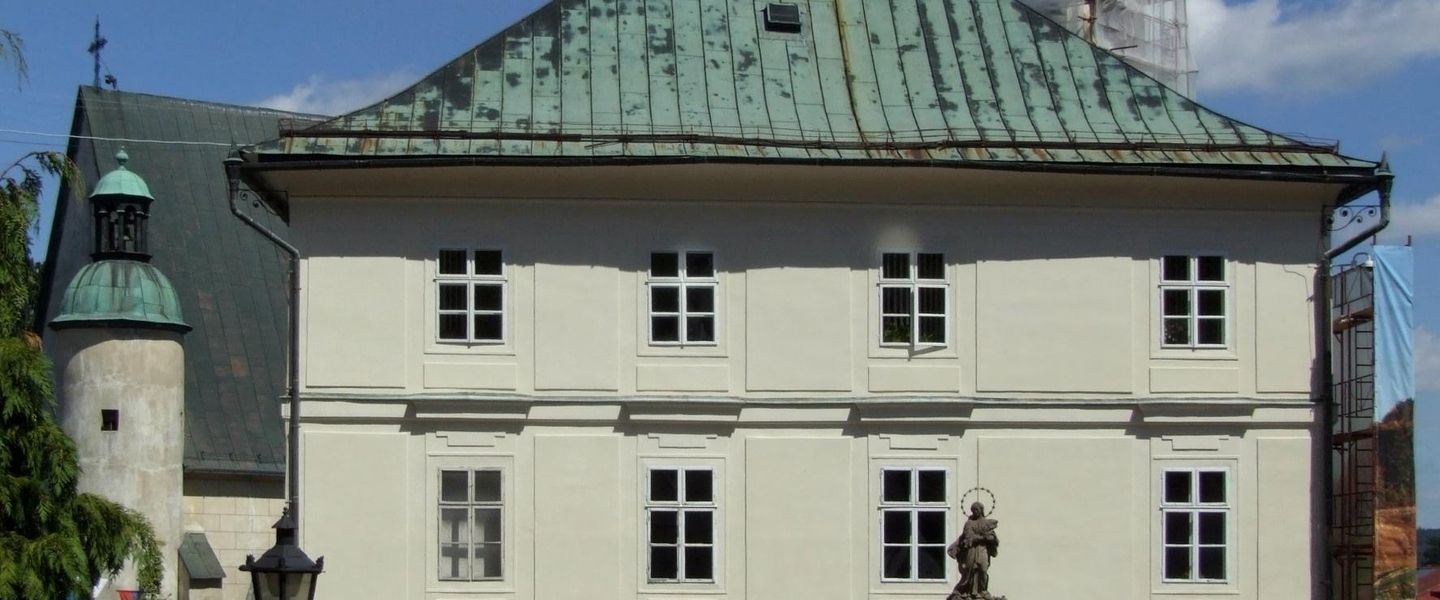


Explore Pohronie in central Slovakia for river-valley towns, mining heritage, mountain trails, historic castles and traditional Slovak food.
Read more about Pohronie
When is the best time to visit Pohronie?
Best: June–August · 21–24°C| Month | High (°C) | Rainfall (mm) |
|---|---|---|
| January | 3 | 25 |
| February | 4 | 24 |
| March | 8 | 30 |
| April | 12 | 35 |
| May | 18 | 50 |
| June (best) | 21 | 60 |
| July (best) | 24 | 70 |
| August (best) | 23 | 60 |
| September | 18 | 50 |
| October | 13 | 35 |
| November | 7 | 30 |
| December | 4 | 25 |
Getting to and around Pohronie
How to get there
Transportation
Top city travel guides in Pohronie
The cities of Pohronie, and the easiest places to base yourself.

Swipe for more cities
Destinations in Pohronie
Resorts, valleys and scenic spots worth a trip of their own.

Swipe for more destinations
Best attractions in Pohronie
Pohronie’s attractions are shaped by the meeting of river valley, mountain forest and mining country. Banská Bystrica offers museums, galleries and civic architecture, with the Slovak National Uprising Museum providing essential context for the region’s twentieth-century history. Zvolen combines its historic centre with the substantial Zvolen Castle, while Brezno provides a base for outdoor activities in the upper Hron valley. The mining heritage of Banská Štiavnica and Kremnica extends from town houses and churches to technical collections, water reservoirs and old workings. In the hills, the Čiernohronská railway near Čierny Balog presents a heritage journey through a former forestry landscape. Caves, marked mountain paths, cycling routes and winter facilities broaden the choice of activities, particularly around the Low Tatras and Slovak Ore Mountains. Riverside sections of the Hron are used for walking, fishing and seasonal paddling, although water conditions and access points vary. Smaller villages, open-air displays, churches and local museums reward slower travel, while the region’s combination of industrial traces and protected mountain scenery gives it a more layered character than a conventional city-break destination.
-
Museum
Slovak Mining Museum - Mining Museum in Nature
Discover the unique blend of history and nature at the Slovak Mining Museum in Banská Štiavnica, a UNESCO World Heritage site showcasing mining heritage.
-
Museum
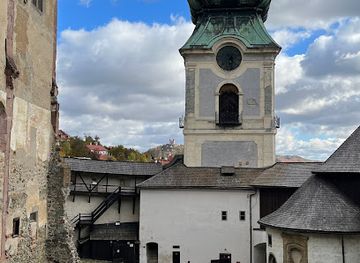
The Old Castle in Banská Štiavnica
Immerse yourself in the history and beauty of The Old Castle in Banská Štiavnica, where medieval charm meets breathtaking landscapes.
-
Museum
Pohronské múzeum Nová Baňa
Explore the rich history of Nová Baňa at Pohronské Múzeum, a captivating museum showcasing local culture and heritage through engaging exhibits.
-
Tourist attraction
Výhľad pri Srdiečku
Explore the serene beauty of Východ pri Srdiečku, a hidden gem in Lom, where nature's tranquility awaits every traveler.


Best landmarks in Pohronie
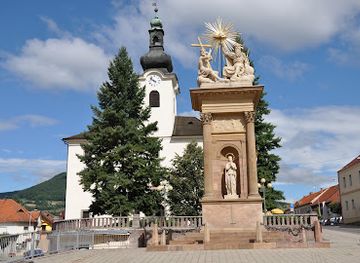
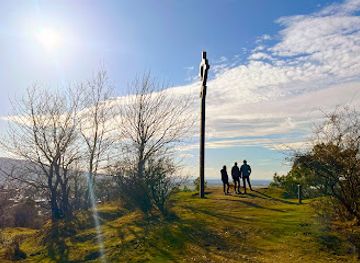
The Hron valley’s most recognisable landmarks include the medieval Zvolen Castle, a substantial Gothic and Renaissance royal residence that now anchors the town’s historic identity. Banská Bystrica’s central square and the Church of the Assumption form an important urban ensemble, while the town’s clock tower and surviving burgher houses reveal its medieval and early-modern prosperity. In the upper valley, Brezno’s historic square and parish church provide a compact expression of regional town architecture. Banská Štiavnica is distinguished by steep streets, churches, mining buildings and artificial water reservoirs engineered to support the mines; together they form one of central Slovakia’s most important historic landscapes. Kremnica’s castle complex, town fortifications and mint reflect its long association with gold and coin production. Outside the towns, the Hron itself is the region’s defining natural feature, descending from mountain country through wooded valleys and broader agricultural landscapes. Old railway structures and the preserved Čiernohronská line add an industrial landmark dimension to the surrounding forests.
-
Castle
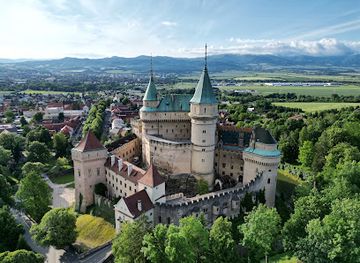
Castle of Spirits (Bojnice Castle)
Explore the enchanting Bojnice Castle, a historical jewel in Slovakia, where fairy-tale architecture meets rich cultural heritage.
-
Tourist attraction
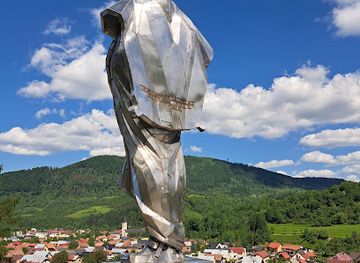
Statue of Juraj Jánošík
Discover the Statue of Juraj Jánošík in Terchová, a stunning tribute to Slovak folklore and natural beauty amidst breathtaking landscapes.
-
Museum
The Old Castle in Banská Štiavnica
Discover the rich history and stunning architecture of The Old Castle in Banská Štiavnica, a must-visit museum for history enthusiasts and explorers alike.
-
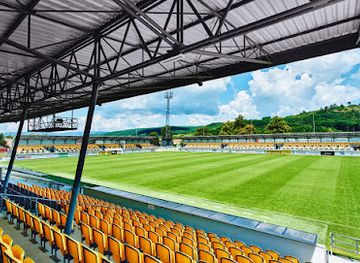
Soccer club
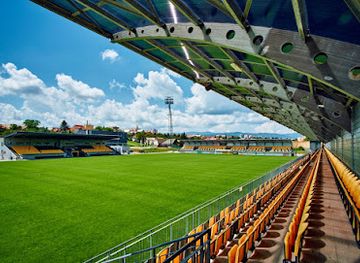
FK Pohronie
Immerse yourself in the vibrant soccer culture at FK Pohronie, where thrilling matches and passionate fans create unforgettable experiences.
Explore Pohronie on the map
Plan your trip on one map. See where the top cities, national parks and sights are, and book hotels and experiences in a few clicks.
Best hotels in Pohronie
Best restaurants in Pohronie
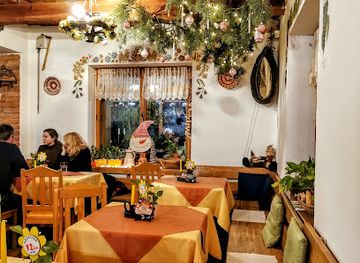
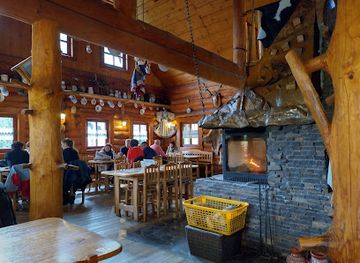
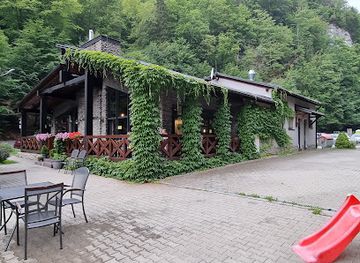
Food in Pohronie belongs to the broader central Slovak tradition but reflects the practical cooking of mountain and mining communities. Menus commonly feature soups, bryndza dumplings, potato-based dishes, cabbage, smoked meat and freshwater fish, alongside pastries and cakes served with coffee. Around Banská Bystrica, Zvolen and Brezno, visitors will find modern Slovak restaurants as well as cafés, pubs and family-run dining rooms; in smaller settlements, opening arrangements can be more limited and local advice is valuable. Mountain huts and rural establishments often concentrate on filling dishes suited to walkers, while markets and farm shops provide cheese, honey, smoked products, preserves and baked goods. Banská Štiavnica and Kremnica have a stronger café culture connected with their historic centres and visitor numbers. Beer is widely available, and Slovak wines from warmer southern districts may appear alongside regional spirits and non-alcoholic fruit drinks. Reservations are sensible for popular restaurants during summer weekends and cultural events.
-
Restaurant
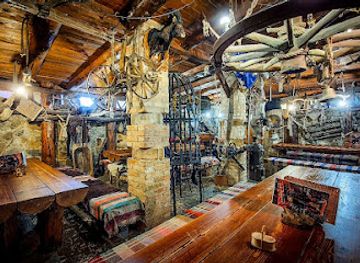
Stredoveká sedliacka reštaurácia
Discover authentic Slovak cuisine and medieval charm at Stredoveká Sedliacka Reštaurácia in Štúrovo.
-
Restaurant
PENSION GRAJCIAR
Discover the charm of Pension Grajciar in Lučatín - where authentic Slovak cuisine meets warm hospitality amidst breathtaking landscapes.
-
Restaurant
Koliba 77 - Slovak Restaurant
Experience authentic Slovak cuisine at Koliba 77 in Martin-Priekopa – where tradition meets taste in every dish.
-
Restaurant
Reštaurácia Čierna ovca
Experience authentic Slovak cuisine at Reštaurácia Čierna ovca in Banská Bystrica—where tradition meets taste in a charming setting.
Best bars in Pohronie
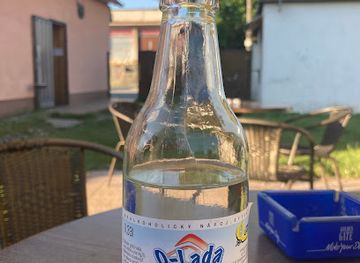
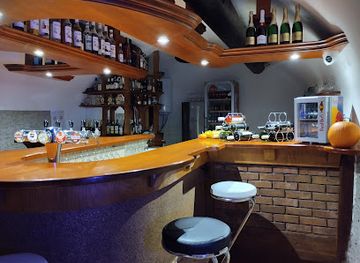
Evening life in Pohronie is concentrated in Banská Bystrica and Zvolen, where students, residents and visitors support cafés, pubs, wine bars, live-music rooms and occasional club nights. Historic-centre venues in both towns provide a more varied choice than the smaller valley communities, while Brezno’s evening scene is largely based around pubs, cafés and restaurants rather than a large club district. Banská Štiavnica has a relaxed, cultural atmosphere, with bars and cafés in historic buildings and seasonal activity linked to tourism. In rural Pohronie, traditional pubs and mountain lodges remain more typical than late-night venues, and entertainment may centre on local cultural programmes or live music. Opening patterns can change, particularly outside the high season, so check locally rather than assuming that a venue operates every night. Alcohol is part of social life but is not necessary to experience the region’s evening culture.
-
Pub
Podjavorinský hostinec u Trchalu
Discover the heart of Slovak culture at Podjavorinský hostinec u Trchalu, where traditional hospitality meets authentic cuisine.
Best nightclubs in Pohronie
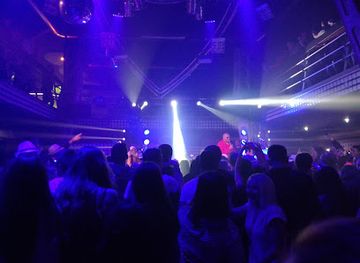
Evening life in Pohronie is concentrated in Banská Bystrica and Zvolen, where students, residents and visitors support cafés, pubs, wine bars, live-music rooms and occasional club nights. Historic-centre venues in both towns provide a more varied choice than the smaller valley communities, while Brezno’s evening scene is largely based around pubs, cafés and restaurants rather than a large club district. Banská Štiavnica has a relaxed, cultural atmosphere, with bars and cafés in historic buildings and seasonal activity linked to tourism. In rural Pohronie, traditional pubs and mountain lodges remain more typical than late-night venues, and entertainment may centre on local cultural programmes or live music. Opening patterns can change, particularly outside the high season, so check locally rather than assuming that a venue operates every night. Alcohol is part of social life but is not necessary to experience the region’s evening culture.
-
Disco club
Sirius Club
Discover Brezno's vibrant nightlife at Sirius Club, a premier disco and pub offering unforgettable nights of music and dancing.
-
Adult entertainment club
Erotic shop and club Heart
Experience the vibrant nightlife at Heart, Poprad-Svit's premier adult entertainment club, offering thrilling performances and a lively atmosphere.
-
Night club
Night Club 8 Banská Bystrica
Discover the vibrant nightlife of Banská Bystrica at Night Club 8, where music, drinks, and dance come together for an unforgettable experience.
-
Night club
Dance Cafe & Bar
Experience the vibrant nightlife at Dance Cafe & Bar in Brezno, a lively night club where music and fun come together for an unforgettable evening.


Best shops in Pohronie
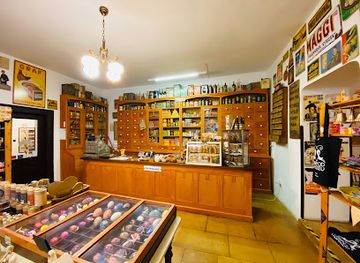
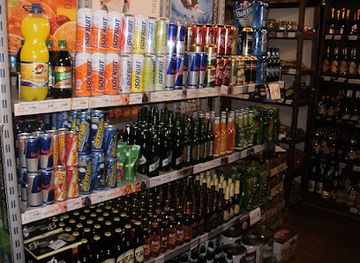
Shopping in Pohronie is strongest in the market centres of Banská Bystrica, Zvolen and Brezno, where ordinary high-street retail sits alongside cafés, food shops, bookshops and small independent businesses. Banská Štiavnica and Kremnica offer more visitor-oriented choices in historic streets, including ceramics, jewellery, artwork, textiles, woodwork and locally made food products, although the selection is modest rather than comparable with a major city. Farmers’ markets and seasonal town markets are useful for honey, cheese, smoked meat, preserves, herbs and baked goods; dates and scale vary, so local information is advisable. Traditional Slovak craft items make more meaningful souvenirs than generic merchandise, particularly when their maker and materials are clear. Supermarkets are convenient for regional snacks and non-perishable gifts, while rural shops may close earlier and stock fewer specialised products. The main towns are the best places to combine practical shopping with galleries, craft studios and food purchases for a journey through the valley.
-
Gift shop
The Oldest shop in town
Discover history and delightful treasures at The Oldest Shop in Town, a charming gift and candy store in the heart of Old Town.
-
Grocery store
Authentic Slovak Shop - Autentyczny Sklep Słowacki
Explore the authentic flavors of Slovakia at Autentyczny Sklep Słowacki, your go-to grocery store for traditional Slovak products.
-
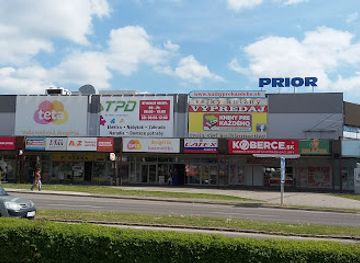
Shopping mall
OD Prior
Discover the vibrant shopping scene at OD Prior in Žiar nad Hronom, where local culture meets modern retail therapy.
-
Soccer club
FK Pohronie
Experience the thrill of Slovak soccer at FK Pohronie in Žiar nad Hronom, where passion and community unite in every match.
Get your free copy of our complete guide to Pohronie, delivered straight to you.
Everything on this page, from attractions and restaurants to essentials and local phrases, in one PDF you can read offline, print or share.
Already have an account? Sign in
Your Pohronie guide is ready.
We'll send it to · Not you? Sign out

Getting your guide ready…
We are putting together a fresh copy of the Pohronie guide. This can take up to a minute.
This can take a few moments. If your browser asks, choose Allow so the download can start. You'll find the guide in your Downloads folder.
Nothing happened? Download it again
Sorry, the guide is taking longer than usual. Please try again in a minute, or get it by email instead.
Pohronie essentials
Currency and Payment
Safety
Emergency Situations
Do's and Don'ts
Local Tips
From Eve
Local phrases worth knowing
You don't need to get them perfect. A few words go a long way, and locals appreciate the effort.
Basics
| English | Local | Say it |
|---|---|---|
| Hello | Ahoj | [ahoy] |
| Goodbye | Zbohom | [zboh-ohm] |
| Yes | Áno | [ah-no] |
| No | Nie | [nyeh] |
| Please/You're welcome | Prosím | [pro-seem] |
| Thank you | Ďakujem | [dya-koo-yem] |
| Excuse me/Sorry | Prepáčte | [pre-patch-teh] |
| How are you? | Ako sa máš? | [ah-koh sah mahsh] |
| Fine. And you? | Dobre. A ty? | [doh-breh. ah tee] |
| Do you speak English? | Hovoríš po anglicky? | [ho-vor-eess poh ahn-glits-ee] |
| I don't understand | Nerozumiem | [neh-roh-zoo-myem] |
Eating & Drinking
| English | Local | Say it |
|---|---|---|
| I'd like to see the menu, please | Chcel by som vidieť menu, prosím | [kh-tzel bee som vid-yeht meh-noo pro-seem] |
| I don't eat meat | Nejem mäso | [nye-yem meh-soh] |
| Cheers! | Na zdravie! | [nah zdrah-vee-eh] |
| I would like to pay, please | Chcel by som zaplatiť, prosím | [kh-tzel bee som zah-plah-teet pro-seem] |
Emergencies
| English | Local | Say it |
|---|---|---|
| Help! | Pomoc! | [poh-mots] |
| Go away! | Odíď! | [oh-deech] |
| Call the Police! | Zavolajte políciu! | [zah-voh-lah-yteh poh-lee-tsee-yoo] |
| Call a doctor! | Zavolajte lekára! | [zah-voh-lah-yteh leh-kah-rah] |
| I'm lost | Som stratený | [som strah-teh-nee] |
| I'm ill | Som chorý | [som kho-ree] |
Shopping
| English | Local | Say it |
|---|---|---|
| I'd like to buy... | Chcel by som kúpiť... | [kh-tzel bee som koo-peet] |
| I'm just looking | Len sa pozerám | [len sah poh-zeh-rahm] |
| How much is it? | Koľko to stojí? | [kol-koh toh stoy-ee] |
| That's too expensive | To je príliš drahé | [to yeh pree-leesh drah-heh] |
| Can you lower the price? | Môžete znížiť cenu? | [moh-zhe-teh znee-zheet seh-noo] |
Time & Numbers
| English | Local | Say it |
|---|---|---|
| What time is it? | Koľko je hodín? | [kol-koh yeh ho-deen] |
| It's one o'clock | Je jedna hodina | [yeh yed-nah ho-dee-nah] |
| Half past (10) | Pol desiatej | [pohl deh-syah-teh] |
| Morning | Ráno | [rah-no] |
| Afternoon | Popoludnie | [poh-poh-lud-nee-eh] |
| Evening | Večer | [veh-cher] |
| Yesterday | Včera | [v-cheh-rah] |
| Today | Dnes | [dnyes] |
| Tomorrow | Zajtra | [zai-trah] |
| 1 | 1 | [1] |
| 2 | 2 | [2] |
| 3 | 3 | [3] |
| 4 | 4 | [4] |
| 5 | 5 | [5] |
| 6 | 6 | [6] |
| 7 | 7 | [7] |
| 8 | 8 | [8] |
| 9 | 9 | [9] |
| 10 | 10 | [10] |
Transport & Directions
| English | Local | Say it |
|---|---|---|
| Where's a/the...? | Kde je...? | [kdeh yeh...?] |
| What's the address? | Aká je adresa? | [ah-kah yeh ah-dreh-sah] |
| Can you show me (on the map)? | Môžete mi ukázať (na mape)? | [moh-zhe-teh mee oo-kah-zat (nah mah-peh)?] |
| When's the next (bus)? | Kedy ide ďalší (autobus)? | [keh-dee ee-deh dya-lshee (ow-toh-boos)?] |
| A ticket (to ....) | Lístok (do....) | [leestok (doh....)] |
History of Pohronie
Early settlement and the Hron corridor
The Hron valley has long provided a natural route through the mountainous centre of present-day Slovakia. Archaeological evidence from the broader region records prehistoric settlement, farming and metalworking, while later communities used the river corridor to connect upland basins with southern markets. The surrounding mountains were not an empty wilderness: forests supplied timber and game, and accessible ore deposits encouraged early extraction. Although many present-day towns developed later, the basic geographical importance of Pohronie derives from this combination of a navigable valley route, mineral resources and fertile pockets of land.
Medieval mining and fortified towns
From the thirteenth century, the Hungarian Kingdom encouraged the development of mining and fortified settlements in central Slovakia. Gold, silver and copper from towns such as Banská Štiavnica and Kremnica helped finance the medieval state and connected the region to wider European trade. Banská Bystrica became especially important through copper production, while Zvolen developed as a royal and administrative centre. Churches, town squares, castles and mining works visible today reflect this period, although the region’s prosperity was repeatedly affected by wars, labour demands and the difficulty of working deep mountain deposits.
Royal mining institutions and technical innovation
The mining districts around Pohronie became centres of technical experimentation as operators sought to drain deeper workings and move ore more efficiently. Banská Štiavnica was particularly influential: its artificial reservoirs and water-management systems powered mining machinery, and the town later became home to a major mining and forestry academy founded in the eighteenth century. Kremnica’s mint, which has operated for centuries, illustrates the close connection between mining wealth, royal finance and skilled urban craftsmanship. These developments gave central Slovakia an importance extending well beyond the Hron valley itself.
Forestry, industry and transport in the nineteenth century
As accessible ore became harder to extract, forestry, ironworking, manufacturing and improved transport assumed greater importance. Railways and industrial roads linked Banská Bystrica, Zvolen, Brezno and the mining districts with larger markets. Mountain forests supplied timber and fuel, while narrow-gauge lines served remote valleys and sawmills. The Čiernohronská railway is a surviving reminder of this forestry economy. Industrialisation also changed settlement patterns, bringing new employment and infrastructure while leaving a layered landscape of mines, railway embankments, workers’ housing and historic town centres.
War and the Slovak National Uprising
Pohronie played a central role in the Slovak National Uprising of 1944, an armed resistance against the Nazi-aligned Slovak state and German occupation. Banská Bystrica became the political and military centre of the uprising, while the surrounding mountains and valleys served as routes for partisan groups, soldiers and civilians. The uprising was suppressed, followed by reprisals and fighting across central Slovakia. Museums, memorials and wartime sites in Banská Bystrica and the surrounding region preserve this difficult history, which remains a major part of the area’s modern identity.
Post-war transformation and the contemporary region
After 1945, Pohronie experienced extensive industrial and social change. Banská Bystrica and Zvolen expanded as administrative, educational and transport centres, while larger industrial works reshaped parts of the middle and lower valley. Mining declined in importance in many districts, and some historic settlements faced population loss and the challenge of preserving their built heritage. Since the end of state socialism, tourism, heritage conservation, forestry, outdoor recreation and small-scale food production have become increasingly significant. The region today combines living towns with a visible industrial and mining legacy.
Pohronie in Photos
Browse through our photo collection highlighting the charm and character of the destination.
Neighbouring regions of Pohronie
The closest regions to Pohronie, if you have time for more than one.
-

-

-

-

-


Swipe for more regions
Explore more

Explore more of Slovakia
Discover Slovakia: A land of majestic mountains, charming castles, and vibrant culture in the heart of Europe.
Explore Slovakia