

Free Gorizia Travel Guide & Mobile App
Explore Gorizia with free travel guides. Discover regional history, expert tips, proposed trips, and audio guides on web or mobile app.


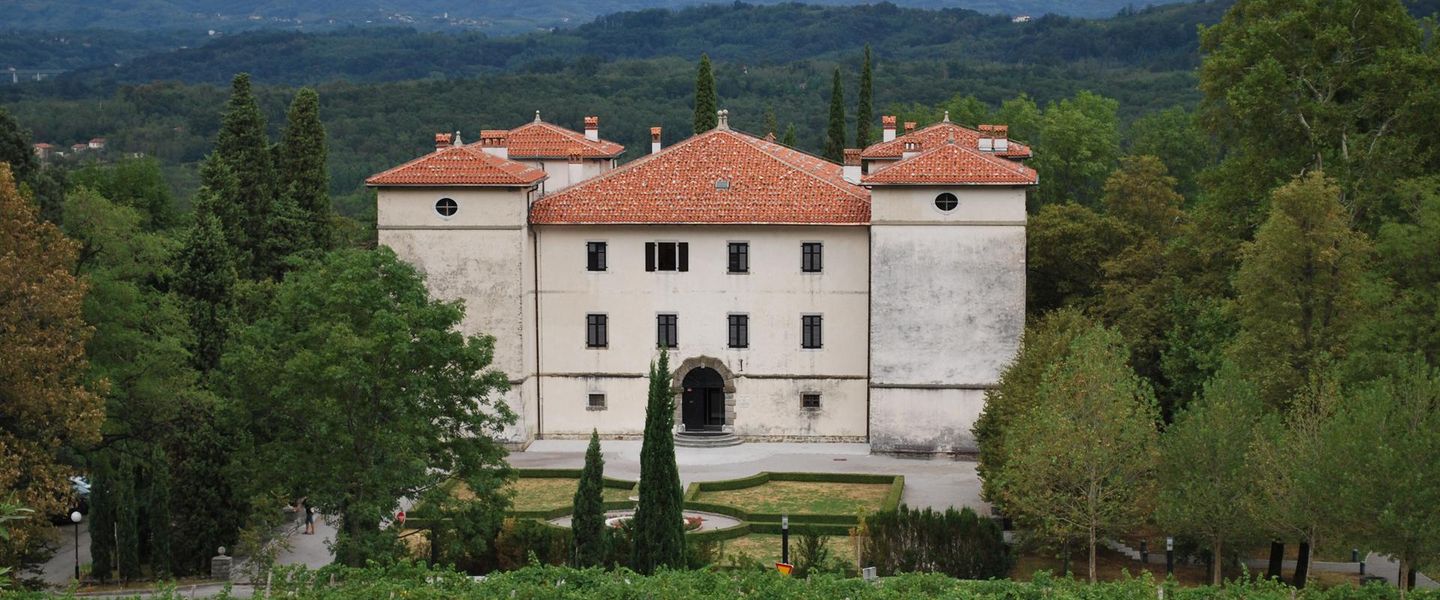


Explore Gorizia in western Slovenia for its medieval castle, border history, museums, bilingual heritage and access to the Vipava wine country.
Read more about Gorizia
When is the best time to visit Gorizia?
Best: May–June, September · 23–27°C| Month | High (°C) | Rainfall (mm) |
|---|---|---|
| January | 7 | 80 |
| February | 10 | 70 |
| March | 15 | 80 |
| April | 19 | 90 |
| May (best) | 23 | 90 |
| June (best) | 27 | 80 |
| July | 30 | 90 |
| August | 29 | 90 |
| September (best) | 25 | 90 |
| October | 19 | 100 |
| November | 12 | 100 |
| December | 7 | 90 |
Getting to and around Gorizia
How to get there
Transportation
Best attractions in Gorizia
Gorizia's attractions centre on its layered urban history rather than on a single large complex. The castle quarter is the principal starting point, with fortified walls, period interiors and museum displays explaining the medieval county and the city's later development. Below it, the old town offers churches, historic streets, the former Jewish quarter and civic architecture that reflects Gorizia's Habsburg past. Museums and cultural institutions explore local art, border history and the First World War, giving useful context to a city whose modern identity was shaped by division. The immediate urban area also provides access to cross-border walks and cultural projects in neighbouring Nova Gorica, which should be understood as a separate city in Slovenia. Beyond Gorizia, visitors can arrange excursions into the Vipava Valley, Goriška Brda, the Karst and the Soča-front landscape, where vineyards, hill villages, military cemeteries and outdoor routes broaden the experience. These are surrounding destinations rather than attractions within the city itself. Gorizia is therefore best approached as a compact cultural base from which a complex borderland can be understood at a measured pace.
-
Tourist attraction
Grotta Gigante
Explore Grotta Gigante, one of the world's largest caves, featuring awe-inspiring stalactites and stalagmites just outside Trieste, Italy.
-
Hiking area
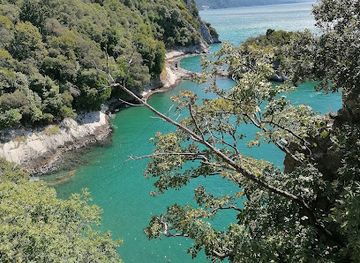
Rilke trail / Pešpot Rilke
Explore the scenic Rilke Trail in Duino, Italy, where nature and history converge along breathtaking cliffs overlooking the Adriatic Sea.
-
Tourist attraction
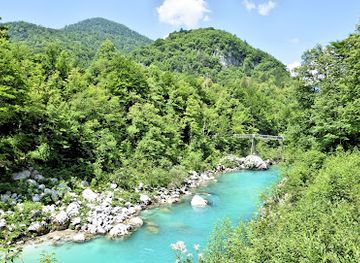
Waterfall Kozjak
Discover the enchanting beauty of Waterfall Kozjak, a breathtaking natural wonder nestled in Slovenia's stunning Soča Valley, perfect for adventure and relaxation.
-
Historical place
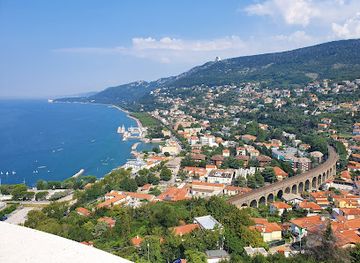
Victory Lighthouse
Explore the enchanting Victory Lighthouse in Trieste, a historical gem offering breathtaking views and a glimpse into maritime heritage.

Best landmarks in Gorizia
Gorizia Castle is the city's defining landmark, occupying the hill above the historic centre and preserving the strategic position from which the medieval Counts of Gorizia governed their territories. Its walls and elevated setting make the relationship between the old town, the plain and the border landscape especially clear. Travnik square is marked by the Baroque Church of St Ignatius, whose twin-towered façade forms one of the most recognisable views in the lower city. The Gorizia synagogue and the surrounding former Jewish quarter provide an important reminder of the town's once influential Jewish community and its commercial history. Historic streets below the castle retain Habsburg-era civic and residential buildings, while monuments and museums connected with the twentieth-century border help explain the city's divided past. The frontier spaces leading towards Nova Gorica are landmarks of political geography rather than monumental architecture: their significance lies in how visibly they demonstrate the transformation from a hard international boundary to a more permeable European urban area. Nearby First World War memorials and military landscapes are important regional landmarks, but many stand outside Gorizia municipality and should be visited as separate excursions.
-
Castle
Gorizia Castle
Discover the stunning Gorizia Castle, a historical gem offering breathtaking views and rich cultural heritage in the heart of Italy.
-
Park
Soča Fun Park
Experience thrilling outdoor adventures at Soča Fun Park, a family-friendly destination in Solkan, Slovenia, featuring zip-lining and obstacle courses by the Soča River.
-
History museum
Great War Museum and Fashion Museum
Explore the intertwining narratives of conflict and creativity at the Great War Museum and Fashion Museum in Gorizia, Italy.
-
State park
Giardini pubblici di Gorizia
Discover the serene beauty of Giardini Pubblici di Gorizia, a tranquil state park and garden perfect for relaxation, leisurely walks, and nature appreciation.

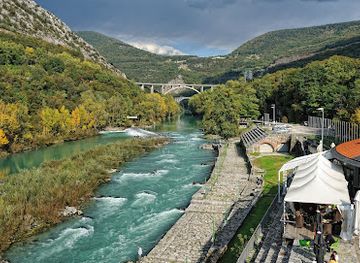
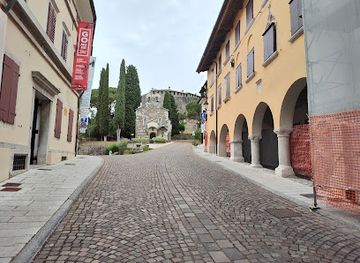
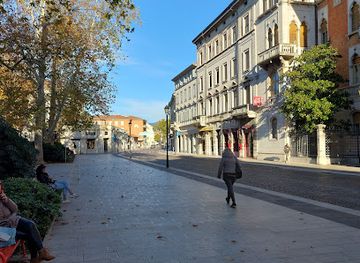
Explore Gorizia on the map
Plan your trip on one map. See where the top cities, national parks and sights are, and book hotels and experiences in a few clicks.
Best hotels in Gorizia
Best restaurants in Gorizia
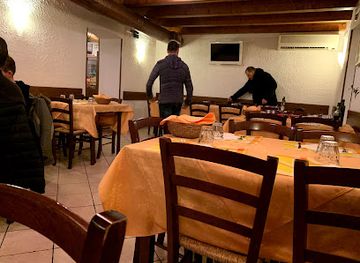
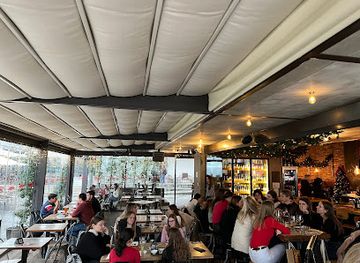
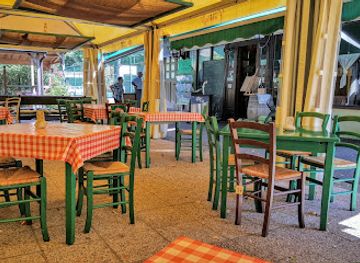
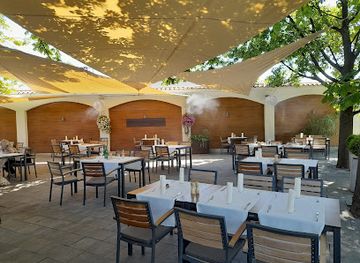
Dining in Gorizia reflects the city's position between Slovenian, Friulian and Central European food cultures. Restaurants and traditional inns commonly draw on seasonal vegetables, pasta and gnocchi, soups, cured meats, freshwater or Adriatic-influenced ingredients, and desserts familiar on both sides of the border. Local wines from the wider Goriška area, including the Vipava and Brda districts, are important to the regional table, although the vineyards themselves lie beyond the city. Cafés and bakeries suit a slower daytime rhythm, while restaurants in the historic centre offer a mixture of Slovenian cooking, Italian-influenced dishes and contemporary interpretations of nearby produce. Markets and food shops are useful for discovering regional cheeses, salami, bread, honey and seasonal fruit, but product origins vary and should be checked. Visitors should also expect culinary differences between Gorizia itself and rural wine estates, where tastings and set meals may need advance arrangement. The most distinctive feature is not a single signature dish but the overlap of culinary traditions produced by a long, multilingual border history.
-
Italian
Trattoria Da Gianni
Experience authentic Italian flavors at Trattoria Da Gianni in Gorizia - where every dish tells a story.
-
Restaurant
Fabrika
Experience modern Slovenian cuisine at Fabrika in Nova Gorica - where fresh ingredients meet vibrant dining.
-
Restaurant
Ošterija Žogica
Experience authentic Slovenian cuisine at Ošterija Žogica in Solkan, where local flavors meet warm hospitality.
-
Restaurant
Gostilna pri hrastu
Discover the heart of Slovenian flavors at Gostilna pri hrastu in Nova Gorica – where tradition meets taste.
Best bars in Gorizia
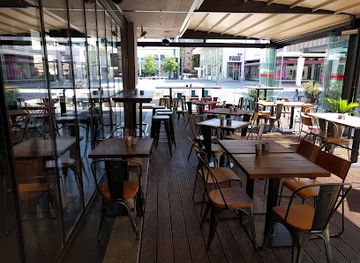
Evenings in Gorizia are generally centred on cafés, wine bars, restaurants and traditional bars rather than a large nightclub scene. The historic centre provides places for an aperitif or a relaxed meal, while the wider urban area shared with Nova Gorica offers additional cultural events, live music and later evening options. Regional wines are a natural part of the local drinking culture, and some establishments focus on bottles from western Slovenia and the nearby Italian Friuli area. Nightlife tends to be more active during university periods, festivals and cultural programmes, but schedules vary and should be checked locally. In smaller surrounding settlements, evening activity usually focuses on restaurants, village bars and wine producers rather than clubs. A respectful, unhurried approach suits the area: the borderland's social life is as much about conversation, food and cultural programming as late-night entertainment.
-
Restaurant
Fabrika
Discover the culinary delights of Fabrika in Nova Gorica, where local flavors meet international cuisine in a stylish atmosphere.
-
Brewpub
Reservoir Dogs Brewery / Taproom - Byra d.o.o.
Taste the best craft beers and pizzas at Reservoir Dogs Brewery, a hidden gem in Nova Gorica that delights visitors with its unique flavors.
-
Bar
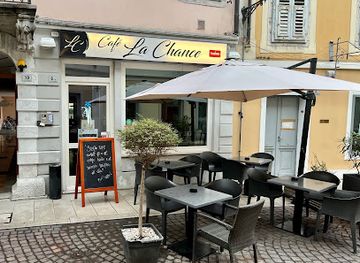
Cafè La Chance
Discover the vibrant atmosphere and local flavors at Cafè La Chance, a charming bar in Gorizia, perfect for relaxation and socializing.
-
Bar
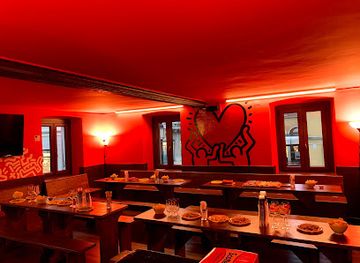
Aenigma di Traini & Lenzini S.n.c.
Experience the vibrant atmosphere and friendly service at Aenigma di Traini & Lenzini, a charming bar in Gorizia, Italy, perfect for tourists.

Best nightclubs in Gorizia
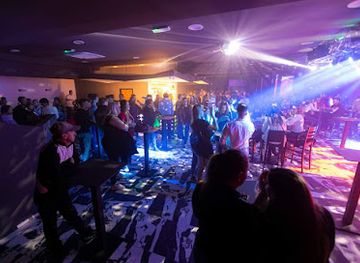
Evenings in Gorizia are generally centred on cafés, wine bars, restaurants and traditional bars rather than a large nightclub scene. The historic centre provides places for an aperitif or a relaxed meal, while the wider urban area shared with Nova Gorica offers additional cultural events, live music and later evening options. Regional wines are a natural part of the local drinking culture, and some establishments focus on bottles from western Slovenia and the nearby Italian Friuli area. Nightlife tends to be more active during university periods, festivals and cultural programmes, but schedules vary and should be checked locally. In smaller surrounding settlements, evening activity usually focuses on restaurants, village bars and wine producers rather than clubs. A respectful, unhurried approach suits the area: the borderland's social life is as much about conversation, food and cultural programming as late-night entertainment.
-
Hotel
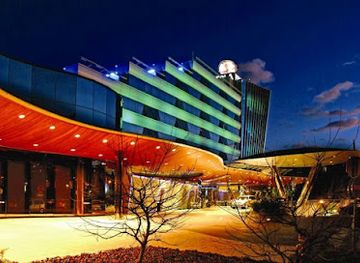
Perla, Resort & Entertainment
Discover the vibrant life at Perla, Resort & Entertainment in Nova Gorica – where luxury, gaming, and nightlife unite for an unforgettable experience.
-
Bar
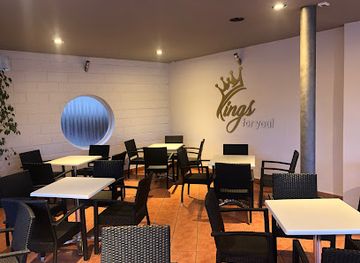
Kings
Discover Kings in Nova Gorica, Slovenia - a lively bar offering a delightful selection of drinks and a vibrant atmosphere for tourists and locals alike.
-
Night club
Pegas Club
Discover the electrifying nightlife at Pegas Club, Sežana's premier disco destination, where unforgettable nights and vibrant music await.
-
Night club
Mostovna
Dive into the electrifying nightlife of Solkan at Mostovna, Slovenia's premier night club for music, dancing, and unforgettable experiences.
Best shops in Gorizia
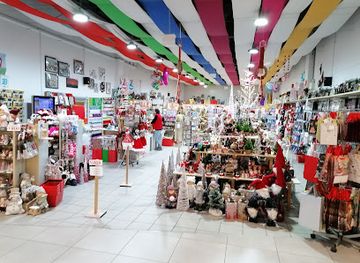
Shopping in Gorizia is primarily local and practical, with independent shops, cafés, speciality food stores and small businesses concentrated around the historic centre and the main urban streets. Visitors can look for Slovenian wines from the wider Goriška area, honey, cured meats, cheeses, preserves and other regional foods, while wine shops are useful for comparing products from western Slovenia and neighbouring Friuli. Craft, design and cultural goods may be found through galleries, museum shops and temporary market activity, although the retail offer is not that of a major shopping city. The cross-border setting creates an additional option: neighbouring Italian Gorizia has its own shops and food traditions, but it is outside Slovenia and should not be confused with the Slovenian city. For a broader selection of farm products, wine and rural specialities, markets and producers in the Vipava Valley and Goriška Brda are worth treating as separate excursions. Check market days and individual shop arrangements before making a special journey.
-
Shopping mall
Supernova Nova Gorica
Discover a shopping paradise at Supernova Nova Gorica, where retail, dining, and entertainment come together for an unforgettable experience.
-
Shopping mall
Supernova Mercator Nova Gorica
Explore Supernova Mercator Nova Gorica – Slovenia's ultimate shopping destination with diverse shops, dining, and entertainment for all ages.
-
Clothing store
Smartmoda Gorizia
Explore Smartmoda Gorizia for a unique blend of fashion, quality, and Italian style in the heart of Gorizia.
-
Store
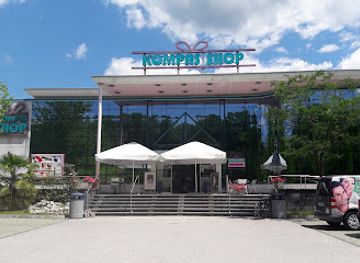
Kompas Shop Rožna Dolina
Explore the charm of Slovenia with unique gifts and souvenirs at Kompas Shop Rožna Dolina in Nova Gorica.

Get your free copy of our complete guide to Gorizia, delivered straight to you.
Everything on this page, from attractions and restaurants to essentials and local phrases, in one PDF you can read offline, print or share.
Already have an account? Sign in
Your Gorizia guide is ready.
We'll send it to · Not you? Sign out

Getting your guide ready…
We are putting together a fresh copy of the Gorizia guide. This can take up to a minute.
This can take a few moments. If your browser asks, choose Allow so the download can start. You'll find the guide in your Downloads folder.
Nothing happened? Download it again
Sorry, the guide is taking longer than usual. Please try again in a minute, or get it by email instead.
Gorizia essentials
Currency and Payment
Safety
Emergency Situations
Do's and Don'ts
Local Tips
From Eve
Local phrases worth knowing
You don't need to get them perfect. A few words go a long way, and locals appreciate the effort.
Basics
| English | Local | Say it |
|---|---|---|
| Hello | Zdravo | [zdrah-vo] |
| Goodbye | Nasvidenje | [nahs-vee-deh-nyay] |
| Yes | Da | [dah] |
| No | Ne | [neh] |
| Please/You're welcome | Prosim | [pro-seem] |
| Thank you | Hvala | [hvah-lah] |
| Excuse me/Sorry | Opravičujem se | [oh-prah-vee-choo-yem seh] |
| How are you? | Kako si? | [kah-koh see] |
| Fine. And you? | Dobro. In ti? | [doh-broh. in tee] |
| Do you speak English? | Ali govorite angleško? | [ah-lee goh-voh-ree-teh ahn-gleh-sko] |
| I don't understand | Ne razumem | [neh rah-zoo-mehm] |
Eating & Drinking
| English | Local | Say it |
|---|---|---|
| I'd like to see the menu, please | Rad bi videl meni, prosim | [rahd bee vee-del meh-nee, pro-seem] |
| I don't eat meat | Ne jem mesa | [neh yem meh-sah] |
| Cheers! | Na zdravje! | [nah zdrav-yeh] |
| I would like to pay, please | Rad bi plačal, prosim | [rahd bee plah-chahl, pro-seem] |
Emergencies
| English | Local | Say it |
|---|---|---|
| Help! | Pomagajte! | [poh-mah-gah-tyeh] |
| Go away! | Pojdi proč! | [poy-dee proh-ch] |
| Call the Police! | Pokličite policijo! | [poh-klee-cheh-teh poh-lee-tsee-yoh] |
| Call a doctor! | Pokličite zdravnika! | [poh-klee-cheh-teh zdrah-vnee-kah] |
| I'm lost | Izgubil sem se | [eez-goo-beel sem seh] |
| I'm ill | Bolim | [boh-leem] |
Shopping
| English | Local | Say it |
|---|---|---|
| I'd like to buy... | Rad bi kupil... | [rahd bee koo-peel] |
| I'm just looking | Samo gledam | [sah-moh gleh-dahm] |
| How much is it? | Koliko stane? | [koh-lee-koh stah-neh] |
| That's too expensive | To je predrago | [toh yeh preh-drah-goh] |
| Can you lower the price? | Lahko znižate ceno? | [lah-koh znee-zhah-teh tseh-no] |
Time & Numbers
| English | Local | Say it |
|---|---|---|
| What time is it? | Koliko je ura? | [koh-lee-koh yeh oo-rah] |
| It's one o'clock | Je ena ura | [yeh eh-nah oo-rah] |
| Half past (10) | Pol (10) | [pohl (10)] |
| Morning | Jutro | [yoo-troh] |
| Afternoon | Popoldne | [poh-poh-ld-neh] |
| Evening | Večer | [veh-cher] |
| Yesterday | Včeraj | [vcheh-rah-ee] |
| Today | Danes | [dah-nes] |
| Tomorrow | Jutri | [yoo-tree] |
| 1 | 1 | [1] |
| 2 | 2 | [2] |
| 3 | 3 | [3] |
| 4 | 4 | [4] |
| 5 | 5 | [5] |
| 6 | 6 | [6] |
| 7 | 7 | [7] |
| 8 | 8 | [8] |
| 9 | 9 | [9] |
| 10 | 10 | [10] |
Transport & Directions
| English | Local | Say it |
|---|---|---|
| Where's a/the...? | Kje je...? | [kyeh yeh] |
| What's the address? | Kakšna je naslov? | [kak-shnah yeh nah-slohv] |
| Can you show me (on the map)? | Mi lahko pokažete (na zemljevidu)? | [mee lah-koh poh-kah-zheh-teh (nah zyeh-meh-vee-doo)] |
| When's the next (bus)? | Kdaj je naslednji (avtobus)? | [kdyeh yeh nah-sledn-yee (ow-toh-boos)] |
| A ticket (to ....) | Eno vozovnico (do ...) | [eh-noh voh-zoh-vnee-tsoh (doh ...)] |
History of Gorizia
Early Settlement and the Roman Frontier
The Gorizia area lies within a wider landscape occupied since prehistoric times and shaped by routes across the Vipava and Soča corridors. Roman power brought roads, administration and settlement patterns to the region, connecting the river valleys with the important urban centres of the northeastern Adriatic. Although the modern city developed much later, the surrounding terrain's role as a passage between the Italian plain, the Karst and the Alpine interior has deep antiquity. Archaeological evidence across western Slovenia and neighbouring Friuli helps explain why this area repeatedly became strategically and commercially important.
The Counts of Gorizia and the Medieval Town
Gorizia grew in importance during the Middle Ages under the Counts of Gorizia, a powerful dynasty whose territories extended across parts of the eastern Alps, the Karst and the northern Adriatic hinterland. The castle hill formed the political centre of the settlement, while the town below developed through trade, administration and religious institutions. The extinction of the dynasty in 1500 brought Gorizia into the Habsburg sphere, helping connect it more firmly with the political and economic systems of the Austrian lands. The castle and old streets remain the clearest physical reminders of this medieval foundation.
Habsburg Gorizia and the Provincial Capital
Under Habsburg rule, Gorizia became an important administrative and cultural centre in the Littoral. Its population and institutions reflected the region's mixed linguistic and religious composition, including Slovenian, Italian, German-speaking and Jewish communities. Aristocratic residences, churches, schools and civic buildings expanded the town beyond its medieval core. The city was often associated with a mild climate and cultivated surroundings, while its position between the Alps and the Adriatic encouraged commercial and cultural exchange. This period established much of the urban framework encountered by visitors today.
The First World War and the Soča Front
From 1915 to 1917, the wider Gorizia and Soča region became a major theatre of the First World War between Austro-Hungarian and Italian forces. Battles around the Isonzo, known in Slovenian as the Soča, caused extensive destruction, military displacement and civilian hardship. Gorizia changed hands during the conflict and its surrounding hills and valleys were heavily militarised. The legacy survives in military cemeteries, memorials, trenches and museums across the broader area, although many of the best-known front-line sites lie outside the city in neighbouring districts.
The Post-1945 Border and the Creation of Nova Gorica
The settlement reached after the Second World War divided the historic Gorizia area between Italy and Yugoslavia. Gorizia remained in Italy, while a new Slovenian urban centre, Nova Gorica, was developed just to the east in the late 1940s. The frontier separated streets, estates and established connections, producing two closely adjacent cities with different political systems and urban identities. For residents, the border shaped work, family contacts and movement for decades. Its presence remains visible in museums, commemorative sites and the distinctive spatial relationship between Gorizia and Nova Gorica.
European Integration and a Shared Urban Future
The easing of border restrictions after Slovenia joined the European Union in 2004, followed by Slovenia's entry into the Schengen Area in 2007, transformed everyday movement between Gorizia and Nova Gorica. The frontier has not disappeared as a historical fact, but it is now far less obstructive for ordinary travel. Cross-border cultural cooperation has consequently become a defining part of the area's contemporary identity. In 2025, Nova Gorica and Gorizia jointly held the title of European Capital of Culture, drawing international attention to their unusual shared urban space and difficult twentieth-century legacy.
Gorizia in Photos
Browse through our photo collection highlighting the charm and character of the destination.
Neighbouring regions of Gorizia
The closest regions to Gorizia, if you have time for more than one.
-

-

-

-

-


Swipe for more regions
Explore more

Explore more of Slovenia
Discover Slovenia's stunning landscapes, rich cultural heritage, and delightful cuisine. A hidden gem in Europe, perfect for outdoor adventures, history, and culinary exploration.
Explore Slovenia