

Free Littoral Travel Guide & Mobile App
Explore Littoral with free travel guides. Discover regional history, expert tips, proposed trips, and audio guides on web or mobile app.


Explore Littoral Slovenia through Venetian coastal towns, Karst caves, vineyard hills, Soča Valley heritage and Mediterranean-influenced cuisine.
Read more about Littoral
When is the best time to visit Littoral?
Best: June–August · 24–27°C| Month | High (°C) | Rainfall (mm) |
|---|---|---|
| January | 6 | 45 |
| February | 8 | 50 |
| March | 12 | 55 |
| April | 16 | 60 |
| May | 20 | 65 |
| June (best) | 24 | 70 |
| July (best) | 27 | 75 |
| August (best) | 26 | 70 |
| September | 22 | 65 |
| October | 17 | 60 |
| November | 12 | 55 |
| December | 8 | 50 |
Getting to and around Littoral
How to get there
Transportation
Top city travel guides in Littoral
The cities of Littoral, and the easiest places to base yourself.
-

-
-

-

-


Swipe for more cities
Destinations in Littoral
Resorts, valleys and scenic spots worth a trip of their own.

Swipe for more destinations
Best attractions in Littoral
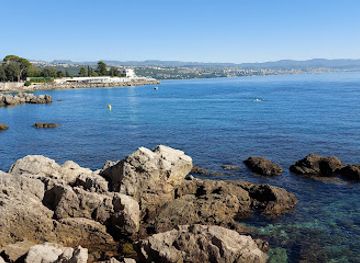
Littoral Slovenia offers a concentrated range of attractions across contrasting landscapes. The Adriatic coast combines the historic centres of Piran, Koper and Izola with the resort facilities of Portorož, the salt-making landscapes of Sečovlje and the coastal nature of Strunjan. Inland, the Karst is the region’s great geological attraction, with Škocjan Caves revealing an immense underground canyon and other cave systems demonstrating how water has shaped the limestone plateau. Wine routes through the Vipava Valley and Goriška Brda lead to cellars, hill villages and orchards, while the Soča Valley shifts the emphasis towards river scenery, hiking, cycling, rafting and First World War heritage around Kobarid and Tolmin. Museums and interpretation centres help explain maritime trade, salt production, the Karst environment and the Isonzo Front. The region also suits slower experiences: walking between coastal villages, visiting a rural osmiza, observing wetland habitats or travelling through the changing scenery from the Mediterranean shore to the alpine foothills.
-
Tourist attraction
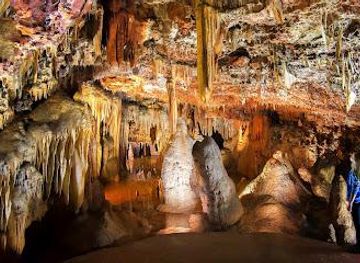
Jama - Grotta Baredine
Explore Jama - Grotta Baredine, a stunning underground cavern in Nova Vas, filled with natural wonders and geological marvels.
-
Basilica
Basilica di Santa Maria Assunta
Explore the UNESCO-listed Basilica di Santa Maria Assunta in Aquileia, a masterpiece of early Christian architecture and stunning mosaics.
-
National park
Nature Park Učka
Explore the diverse landscapes and rich biodiversity of Nature Park Učka, a hidden gem in Croatia perfect for outdoor enthusiasts and nature lovers.
-
Tourist attraction
Maiden with the Seagull
Experience the iconic Maiden with the Seagull, a breathtaking symbol of Opatija's coastal beauty and a must-visit spot for every traveler.


Best landmarks in Littoral
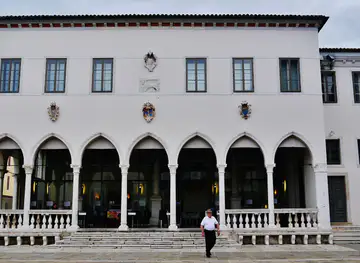
Piran’s skyline, dominated by the Church of St George above the old harbour, is one of Littoral Slovenia’s most recognisable compositions, while Tartini Square preserves the town’s Venetian civic character. Koper’s Praetorian Palace, cathedral and loggia express the former importance of the Venetian port and give its historic centre a more urban scale. The Sečovlje salt pans are a landmark cultural landscape rather than a single monument, with evaporation ponds and channels recording centuries of coastal labour. Inland, Škocjan Caves are both a natural landmark and a major geological site, where the Reka River cuts through a vast subterranean gorge. The Soča River provides the region’s defining natural landmark, its colour and confined valley particularly striking around Bovec, Kobarid and Tolmin. Kobarid’s museum and surrounding wartime remains, including mountain paths and fortifications, mark the landscape of the First World War. In Goriška Brda, medieval-looking hill villages and vineyards form a distinctive cultural landscape shaped by the borderland’s agricultural history.
-
Nature preserve
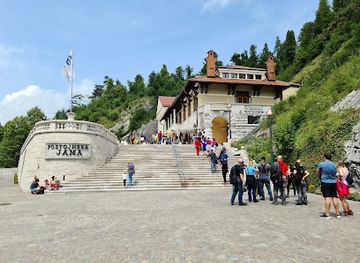
Postojna Cave
Explore the mesmerizing Postojna Cave, a stunning natural wonder in Slovenia featuring incredible stalactites and unique wildlife in an unforgettable underground adventure.
-
Castle
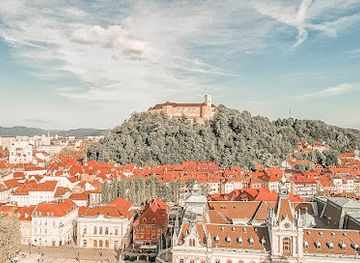
Ljubljana Castle
Discover Ljubljana Castle: a historical landmark offering panoramic views, cultural experiences, and a journey through Slovenia's rich heritage.
-
Castle
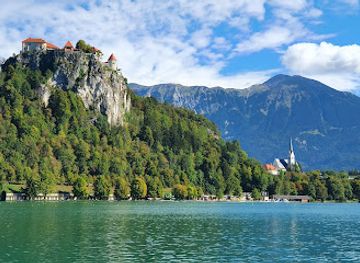
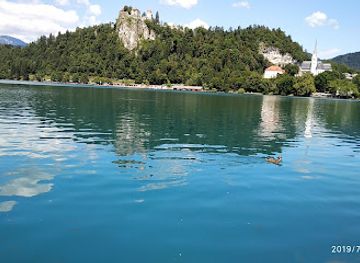
Bled Castle
Explore the majestic Bled Castle, a historical gem offering breathtaking views of Lake Bled and a glimpse into Slovenia's rich past.
-
Castle
Predjama Castle
Explore the enchanting Predjama Castle, a remarkable medieval fortress embedded in a cliff, rich in history and surrounded by stunning landscapes in Slovenia.
Explore Littoral on the map
Plan your trip on one map. See where the top cities, national parks and sights are, and book hotels and experiences in a few clicks.
Best hotels in Littoral
Best restaurants in Littoral
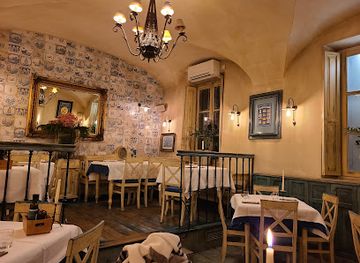
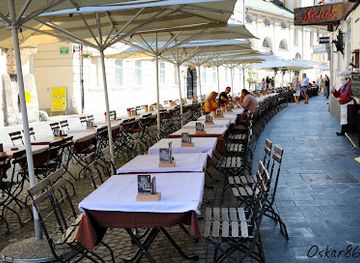
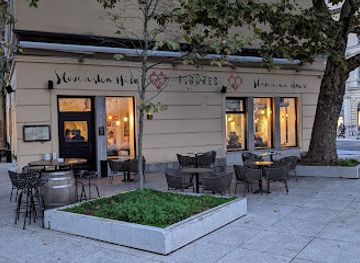
Littoral cuisine reflects Slovenia’s meeting point with the Adriatic, Istria, the Karst and the Alpine hinterland. Along the coast, menus commonly feature seasonal fish, shellfish, squid, olive oil and locally influenced pasta or vegetable dishes, while Koper, Izola, Piran and Portorož offer the broadest choice of cafés and restaurants. On the Karst, look for air-dried pršut, locally made cheeses, hearty soups and dishes accompanied by teran, the area’s distinctive red wine. The Vipava Valley and Goriška Brda are noted for vineyards, fruit, olive oil and farm produce, with rebula among the wines associated with Brda. Traditional osmize, informal farm establishments open at designated times, can provide a direct introduction to local cured meats, cheese and wine, although availability varies. In the Soča Valley, trout, dairy products and mountain-style cooking complement contemporary restaurants using regional ingredients.
-
Restaurant
Julija
Experience authentic Slovenian flavors at Julija in Ljubljana's historic center—where tradition meets culinary innovation.
-
Restaurant
Gostilna Sokol
Discover authentic Slovenian cuisine at Gostilna Sokol in Ljubljana - where tradition meets flavor in every bite.
-
Restaurant
Slovenska Hiša - Figovec
Experience authentic Slovenian cuisine at Slovenska Hiša - Figovec in Ljubljana, where tradition meets modern culinary art.
-
Restaurant
Druga Violina
Experience authentic Slovenian cuisine at Druga Violina in Ljubljana - where tradition meets taste in a warm and inviting atmosphere.
Best bars in Littoral
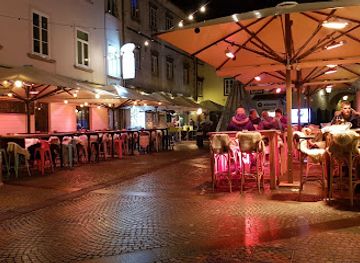
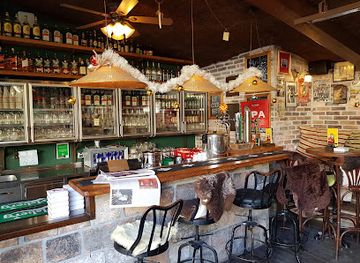
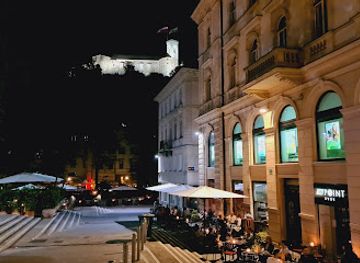
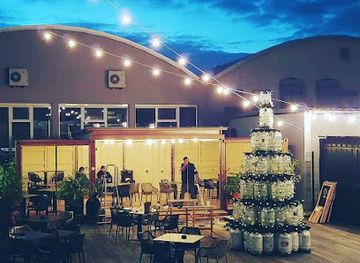
Evenings in Littoral Slovenia vary sharply by location. Piran, Portorož, Koper and Izola have the region’s broadest selection of wine bars, cafés, seafront venues and restaurants, with the liveliest atmosphere generally occurring during the summer season. Portorož has the most resort-oriented nightlife, while Piran’s historic lanes favour intimate bars, evening walks and music-led venues rather than a large club circuit. Inland, the Karst, Vipava Valley and Brda are better known for wine cellars, farm establishments, village inns and seasonal cultural events than for nightclubs. Nova Gorica provides a larger urban evening scene, including bars and entertainment venues, while the Soča Valley centres on pubs, restaurants and outdoor-activity communities. Local wine, craft beer and soft drinks are available, but nightlife need not revolve around alcohol; evening concerts, festivals and illuminated historic centres are also important parts of the regional experience.
-
Bar
Cutty Sark Pub
Discover the vibrant atmosphere of Cutty Sark Pub in Ljubljana, where local flavors meet a warm, inviting bar scene.
-
Wine bar
Dvorni Bar
Discover the essence of Slovenia's wine culture at Dvorni Bar, where a curated selection of local and international wines awaits in a cozy atmosphere.
-
Brewpub
Reservoir Dogs Brewery / Taproom - Byra d.o.o.
Discover the finest craft beers and artisanal pizzas at Reservoir Dogs Brewery in Nova Gorica, a haven for foodies and beer enthusiasts.
-
Bar
Bar at Marjanca
Discover the warm ambiance and local flavors at Bar at Marjanca in Vipava, a perfect stop for tourists seeking relaxation and refreshment.

Best nightclubs in Littoral
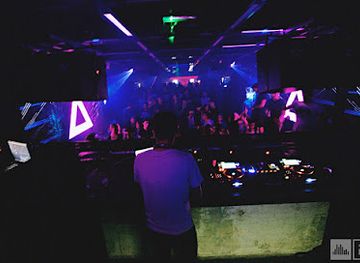
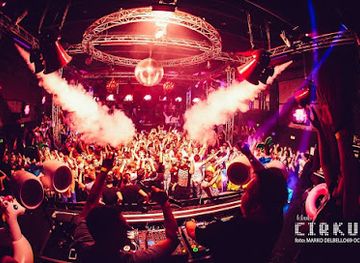
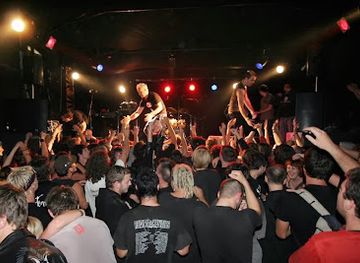
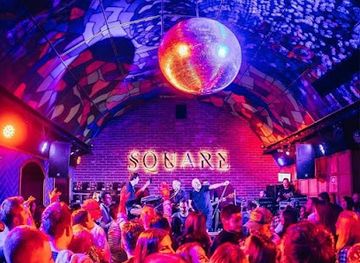
Evenings in Littoral Slovenia vary sharply by location. Piran, Portorož, Koper and Izola have the region’s broadest selection of wine bars, cafés, seafront venues and restaurants, with the liveliest atmosphere generally occurring during the summer season. Portorož has the most resort-oriented nightlife, while Piran’s historic lanes favour intimate bars, evening walks and music-led venues rather than a large club circuit. Inland, the Karst, Vipava Valley and Brda are better known for wine cellars, farm establishments, village inns and seasonal cultural events than for nightclubs. Nova Gorica provides a larger urban evening scene, including bars and entertainment venues, while the Soča Valley centres on pubs, restaurants and outdoor-activity communities. Local wine, craft beer and soft drinks are available, but nightlife need not revolve around alcohol; evening concerts, festivals and illuminated historic centres are also important parts of the regional experience.
-
Night club
Klub K4
Discover the electrifying nightlife at Klub K4, Ljubljana's top night club known for its eclectic music and vibrant atmosphere.
-
Night club
Cirkus Klub
Experience the vibrant nightlife of Ljubljana at Cirkus Klub, where eclectic music and an electrifying atmosphere create unforgettable moments.
-
Night club
Gala Hala / Kapa - Društvo za kulturno in umetniško produkcijo
Experience the heartbeat of Ljubljana's nightlife at Gala Hala, a cultural hub for live music and creative events.
-
Cocktail bar
Square club
Experience the vibrant nightlife of Ljubljana at Square Club, where expertly crafted cocktails and a lively atmosphere await you.
Best shops in Littoral
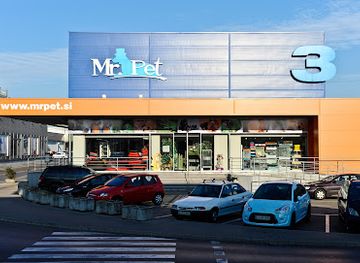
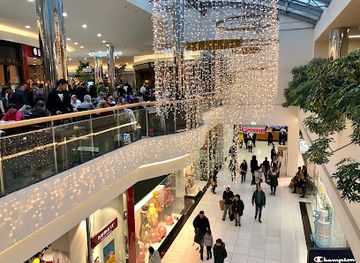
Shopping in Littoral Slovenia is strongest in the historic coastal towns and in the region’s wine-producing hinterland. Piran, Koper and Izola have independent food shops, galleries, small boutiques and market stalls alongside everyday high-street retail; Koper offers the largest urban shopping selection on the Slovenian coast. Look for locally produced olive oil, sea salt from the coastal salt pans, wines from the Karst, Vipava Valley and Brda, honey, cheeses, dried fruit and Karst pršut. Farm shops and wine cellars are often more useful for regional products than souvenir outlets, though opening arrangements vary outside the main towns. The Karst and Brda also offer ceramics, handicrafts and small-scale art, while coastal markets can be good places to buy seasonal produce and fish. Choose products with clear local provenance, particularly when buying wine, salt or olive oil, as coast-themed souvenirs sold in resort areas are not necessarily made in the region.
-
Shopping mall
BTC City Ljubljana
Explore BTC City Ljubljana, a vibrant shopping mall that combines leisure, culture, and culinary delights in the heart of Slovenia's capital.
-
Store
Shopping Center Citypark
Explore Shopping Center Citypark in Ljubljana for an unparalleled shopping experience, delectable dining, and family-friendly fun all in one vibrant location.
-
Shopping mall
Supernova Ljubljana Rudnik
Explore a vibrant shopping paradise at Supernova Ljubljana Rudnik, offering diverse shops, delectable dining, and exciting entertainment in the heart of Slovenia.
-
Shopping mall
Park Center Koper
Explore Park Center Koper, a vibrant shopping mall in Slovenia offering diverse stores, dining options, and family-friendly entertainment.
Get your free copy of our complete guide to Littoral, delivered straight to you.
Everything on this page, from attractions and restaurants to essentials and local phrases, in one PDF you can read offline, print or share.
Already have an account? Sign in
Your Littoral guide is ready.
We'll send it to · Not you? Sign out

Getting your guide ready…
We are putting together a fresh copy of the Littoral guide. This can take up to a minute.
This can take a few moments. If your browser asks, choose Allow so the download can start. You'll find the guide in your Downloads folder.
Nothing happened? Download it again
Sorry, the guide is taking longer than usual. Please try again in a minute, or get it by email instead.
Littoral essentials
Currency and Payment
Safety
Emergency Situations
Do's and Don'ts
Local Tips
From Eve
Local phrases worth knowing
You don't need to get them perfect. A few words go a long way, and locals appreciate the effort.
Basics
| English | Local | Say it |
|---|---|---|
| Hello | Hi | [hai] |
| Goodbye | See ya | [si ya] |
| Yes | Yep | [yep] |
| No | Nope | [nohp] |
| Please/You're welcome | Sure thing | [shoer thing] |
| Thank you | Thanks | [thangs] |
| Excuse me/Sorry | Sorry | [sorree] |
| How are you? | How ya doin'? | [how ya doin'?] |
| Fine. And you? | Good. And you? | [gud. and you?] |
| Do you speak English? | Do ya speak English? | [do ya speek ing-glish?] |
| I don't understand | I don't get it | [I dont get it] |
Eating & Drinking
| English | Local | Say it |
|---|---|---|
| I'd like to see the menu, please | Can I see the menu? | [kan I see the men-yoo?] |
| I don't eat meat | I’m vegetarian | [I’m vege-tair-ee-an] |
| Cheers! | Cheers! | [cheers] |
| I would like to pay, please | Can I get the check, please? | [kan I get the chek, pleez?] |
Emergencies
| English | Local | Say it |
|---|---|---|
| Help! | Help! | [help] |
| Go away! | Leave me alone! | [leave me alone] |
| Call the Police! | Call 911! | [call nine-one-one] |
| Call a doctor! | Get a doctor! | [get a doctor] |
| I'm lost | I’m lost | [I’m lost] |
| I'm ill | I’m not feeling well | [I’m not feeling well] |
Shopping
| English | Local | Say it |
|---|---|---|
| I'd like to buy... | I want to buy... | [I want to buy...] |
| I'm just looking | Just browsing | [just brow-zing] |
| How much is it? | What’s the price? | [whats the price?] |
| That's too expensive | That's too pricey | [thats too pry-see] |
| Can you lower the price? | Can you cut the price? | [kan you kut the price?] |
Time & Numbers
| English | Local | Say it |
|---|---|---|
| What time is it? | What time is it? | [what time is it?] |
| It's one o'clock | It's one | [it's one] |
| Half past (10) | Half past ten | [half past ten] |
| Morning | Morning | [morning] |
| Afternoon | Afternoon | [afternoon] |
| Evening | Evening | [evening] |
| Yesterday | Yesterday | [yesterday] |
| Today | Today | [today] |
| Tomorrow | Tomorrow | [tomorrow] |
| 1 | One | [wuhn] |
| 2 | Two | [too] |
| 3 | Three | [three] |
| 4 | Four | [for] |
| 5 | Five | [fiv] |
| 6 | Six | [siks] |
| 7 | Seven | [sev-uhn] |
| 8 | Eight | [ayt] |
| 9 | Nine | [nayn] |
| 10 | Ten | [ten] |
Transport & Directions
| English | Local | Say it |
|---|---|---|
| Where's a/the...? | Where's the...? | [wheres the...?] |
| What's the address? | What’s the address? | [whats the ad-dress?] |
| Can you show me (on the map)? | Can you show me on the map? | [kan you show me on the map?] |
| When's the next (bus)? | When's the next bus? | [whens the next bus?] |
| A ticket (to ....) | A ticket to ... | [a tik-it to ...] |
History of Littoral
Prehistoric Karst and Roman Coastal Settlements
Littoral Slovenia contains an important concentration of prehistoric cave sites, especially across the Karst plateau, where caves sheltered human communities and preserved evidence of early settlement. Along the coast, Roman towns developed within the wider urban and trading system of the northern Adriatic. The settlement now known as Koper grew around an island site, while routes across the Karst connected coastal ports with the interior. Archaeology, cave deposits and the surviving alignment of historic centres show how the region’s position between the Adriatic and central Europe shaped it from antiquity onwards.
Medieval Towns and Venetian Influence
During the Middle Ages, fortified settlements, ecclesiastical estates and trading communities developed throughout the region. From the late Middle Ages, Venice became the decisive influence on much of the coast, including Koper, Izola and Piran. Venetian administration and commerce left a durable imprint on town planning, civic architecture, church decoration and the region’s maritime culture. Inland areas followed more varied political histories, but coastal trade continued to link Littoral Slovenia with Istria, the wider Adriatic and markets beyond the Alps.
Habsburg Rule and the Port of Trieste
From the eighteenth century, much of the Littoral came under Habsburg rule, while Trieste developed into a major imperial port just beyond present-day Slovenia. The region became increasingly connected to Habsburg administrative, commercial and transport networks. Roads and railways strengthened links between the coast, the Karst and the interior, and new forms of tourism appeared around seaside resorts and caves. This period also reinforced Littoral Slovenia’s multilingual and culturally mixed character, which remains visible in place names, architecture and borderland traditions.
The First World War and the Soča Front
The Soča Valley and surrounding mountains were a major theatre of the First World War’s Isonzo Front between 1915 and 1917. Italian and Austro-Hungarian forces fought repeatedly across difficult alpine terrain, leaving trenches, caverns, fortifications, cemeteries and military roads. Kobarid is closely associated with the battles and with the later remembrance of the front. The conflict caused extensive displacement and hardship, and its physical and commemorative remains are now an important part of the region’s historical landscape.
The Post-war Border and the Division of the Littoral
After the First World War, political borders changed dramatically. The former Austrian Littoral was divided, and the area that includes present-day western Slovenia became part of Italy before the Second World War. The border separated communities and economic networks that had long been connected. After 1945, the division continued in a different form between Italy and Yugoslavia, although the later opening of the border and European integration restored many practical connections. Nova Gorica’s relationship with neighbouring Gorizia remains a visible expression of this layered history.
Salt-Making, Fishing and Mediterranean Agriculture
The coast’s economy developed around maritime trade, fishing, salt production and agriculture adapted to a Mediterranean climate. The salt pans at Sečovlje and Strunjan preserve working landscapes in which evaporation ponds, channels and seasonal labour shaped the shore. Inland, vineyards, olives, orchards and livestock farming adapted to the Karst, Vipava Valley and Brda. These activities remain more than historical themes: they influence local food, wine production, architecture and the appearance of the countryside.
Tourism and Modern Cross-border Identity
Seaside tourism expanded particularly around Portorož, while caves, vineyards, historic towns and mountain scenery broadened the region’s visitor economy. Under Yugoslavia and later independent Slovenia, coastal resorts and inland heritage sites became important national destinations. Since Slovenia joined the European Union and the Schengen Area, cross-border movement with Italy has become easier, although the region’s historical divisions remain part of its cultural memory. Today Littoral Slovenia combines resort tourism, outdoor recreation, wine-making, port activity and heritage preservation.
Littoral in Photos
Browse through our photo collection highlighting the charm and character of the destination.
Neighbouring regions of Littoral
The closest regions to Littoral, if you have time for more than one.
-

-

-

-

-


Swipe for more regions
Explore more

Explore more of Slovenia
Discover Slovenia's stunning landscapes, rich cultural heritage, and delightful cuisine. A hidden gem in Europe, perfect for outdoor adventures, history, and culinary exploration.
Explore Slovenia