
Central Slovenia, Slovenia Travel Guide
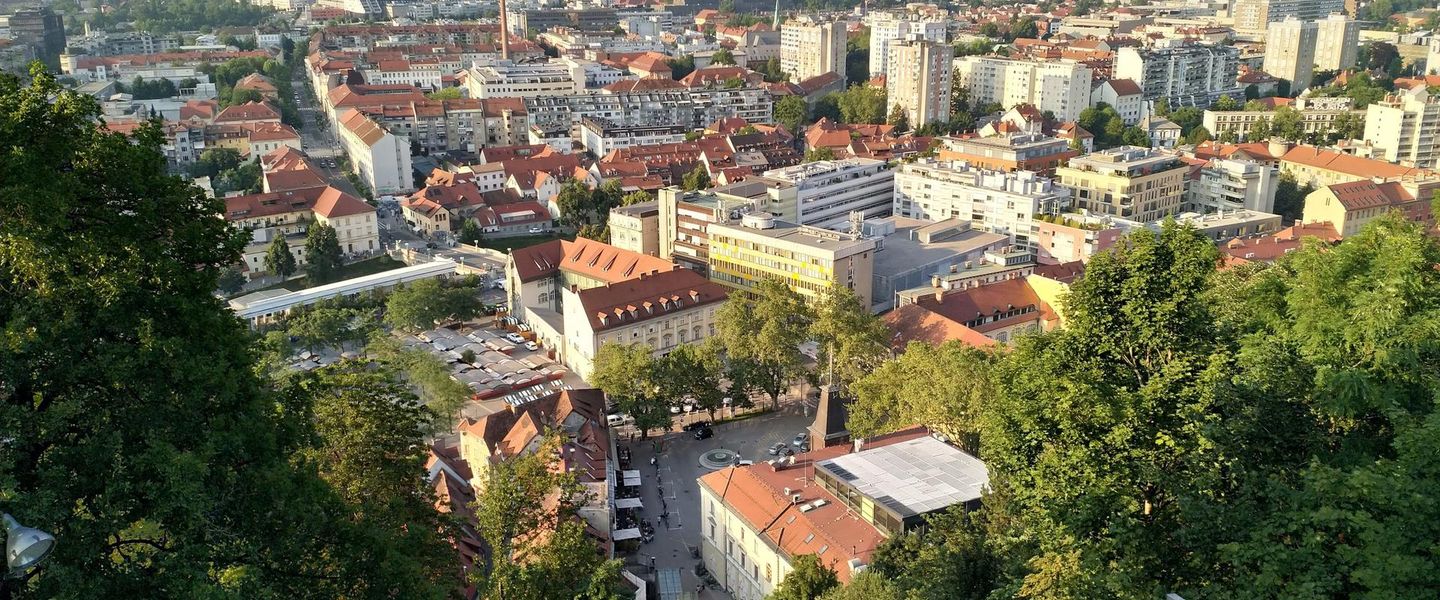
Explore Central Slovenia: A blend of vibrant city life, stunning natural landscapes, and rich cultural heritage in the heart of Slovenia.
Central Slovenia is a region that captivates with its stunning landscapes, rich history, and vibrant culture. As the heart of the country, it offers a wonderful mix of urban excitement and natural beauty. The region is anchored by the capital city, Ljubljana, which is known for its charming old town, lively markets, and picturesque riverbanks. Strolling through Ljubljana, you’ll find an array of cafes, boutique shops, and historic landmarks like the Ljubljana Castle, which offers breathtaking views of the city and beyond. Beyond the capital, Central Slovenia boasts a tapestry of diverse attractions. The lush green countryside is perfect for outdoor enthusiasts, with plenty of hiking and biking trails. One of the highlights is the Kamnik-Savinja Alps, where you can explore stunning alpine scenery and traditional mountain villages. Additionally, the region is home to numerous cultural treasures, such as medieval castles, museums, and galleries that tell the story of Slovenia’s rich heritage. Central Slovenia is also a culinary delight, offering a range of traditional Slovenian dishes that reflect the region's diverse influences. Local markets and farm-to-table restaurants provide fresh, delicious food that is sure to please any palate. Whether you’re sipping coffee in a Ljubljana cafe, hiking through the alpine meadows, or exploring historic castles, Central Slovenia promises an unforgettable experience for every traveler.

Know before you go
Hi, I'm Eve. Here are a few practical things to know before exploring Central Slovenia.
- Use public transport in Ljubljana; it's efficient and eco-friendly.
- Visit Tivoli Park for a relaxing break in nature within the city.
- Explore local markets like the Ljubljana Central Market for fresh produce and local specialties.
- Buy a Ljubljana Card for free access to many attractions and unlimited use of public transport.
- Make sure to try local dishes like 'kranjska klobasa' and 'potica' at traditional restaurants.
- Bring comfortable shoes for exploring the city's cobblestone streets and hiking trails in the countryside.
- Take a day trip to the Kamnik-Savinja Alps for breathtaking views and outdoor activities.
- Learn a few basic Slovenian phrases; locals appreciate the effort.
Top City Travel Guides in Central Slovenia
The cities of Central Slovenia, and the easiest places to base yourself.


Explore Central Slovenia: Things to Do, Places to Eat, Hotels & More
Handpicked recommendations for top attractions, local dining, accommodations, and more

Top Attractions & Sightseeing in Central Slovenia
Top-rated picks
Best Attractions

Ljubljana Castle
Explore Ljubljana Castle, a historic fortress offering panoramic city views, engaging exhibitions, and a glimpse into Slovenia's rich heritage.

Dragon Bridge
Discover the iconic Dragon Bridge in Ljubljana, a magnificent blend of history and architecture, perfect for memorable photos and scenic strolls.

Prešeren Square
Experience the vibrant heart of Ljubljana at Prešeren Square, a cultural hub filled with stunning architecture, lively atmosphere, and local charm.

Kongresni Trg
Discover Kongresni Trg, a cultural gem in Ljubljana, blending history, architecture, and nature in a stunning city park setting.

Best landmarks in Central Slovenia
Top-rated picks
Best Landmarks

Postojna Cave
Explore the breathtaking Postojna Cave, a natural wonder featuring incredible stalactite formations, unique wildlife, and rich geological history in Slovenia.
Ljubljana Castle
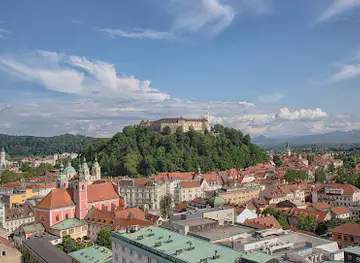
Explore the enchanting Ljubljana Castle, a historical landmark offering stunning views, rich exhibitions, and a glimpse into Slovenia's vibrant past.

Bled Castle
Explore the majestic Bled Castle, a medieval fortress offering stunning views and rich history above the beautiful Lake Bled in Slovenia.

Predjama Castle
Explore the enchanting Predjama Castle, a medieval marvel carved into a cliff, rich in history and stunning views, perfect for every traveler.

Best restaurants in Central Slovenia
Top-rated picks
Best Restaurants

Gostilna Sokol
Discover the heart of Slovenia through its cuisine at Gostilna Sokol – where tradition meets taste in every dish.
Julija
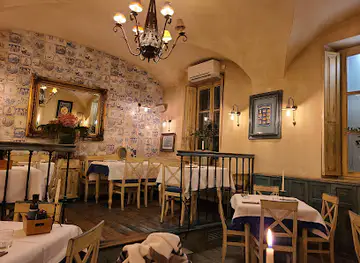
Experience authentic Slovenian cuisine at Julija in Ljubljana – where tradition meets taste in a charming setting.
Slovenska Hiša - Figovec
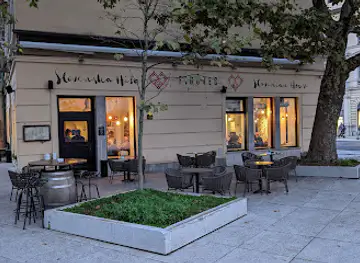
Experience authentic Slovenian cuisine at Slovenska Hiša - Figovec in Ljubljana, where tradition meets modern flavors.

Abi Falafel
Discover the rich flavors of Middle Eastern cuisine at Abi Falafel in Ljubljana - a must-visit culinary destination for all food lovers.

Best bars in Central Slovenia
Top-rated picks
Best Bars
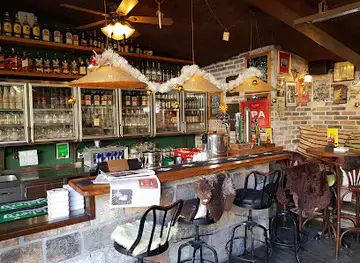
Cutty Sark Pub
Discover the vibrant ambiance and extensive beer selection at Cutty Sark Pub, the perfect place to unwind in Ljubljana's heart.

Pub Lajbah
Experience the vibrant atmosphere and unique flavors at Pub Lajbah, a delightful beer hall and fusion restaurant by the Ljubljanica River.

Holidays' Pub
Experience the vibrant spirit of Ireland at Holidays' Pub in Ljubljana, where delicious pub fare meets unforgettable karaoke nights.

Makalonca
Experience the charm of Ljubljana at Makalonca, where riverside relaxation meets delightful dining in a vibrant café-bar atmosphere.

Best nightclubs in Central Slovenia
Top-rated picks
Best Nightclubs

TROJA LOUNGE BAR & CLUB
Discover the lively Troja Lounge Bar & Club in Ljubljana, where hookah meets culinary delights and vibrant nightlife.

Cirkus Klub
Enjoy a night of exhilarating music and vibrant atmosphere at Cirkus Klub, Ljubljana's premier destination for nightlife enthusiasts.

Klub K4
Dive into the vibrant nightlife of Ljubljana at Klub K4, where eclectic music and electric atmosphere create unforgettable experiences.

Hard Core Club
Discover the vibrant nightlife at Hard Core Club, Ljubljana's premier night club offering electrifying music and an unforgettable atmosphere.

Best shops in Central Slovenia
Top-rated picks
Best Shops

BTC City Ljubljana
Explore BTC City Ljubljana, a dynamic shopping and leisure destination in Slovenia's capital, where culture, entertainment, and dining converge.

Shopping Center Citypark
Explore Shopping Center Citypark: A hub for shopping, dining, and family fun in the heart of Ljubljana.

Supernova Ljubljana Rudnik
Discover Supernova Ljubljana Rudnik: A vibrant shopping mall in Slovenia with diverse stores, dining options, and entertainment for an unforgettable experience.

Emporium
Discover Emporium in Ljubljana, Slovenia's premier shopping destination featuring a variety of shops, dining options, and vibrant events.

Explore Central Slovenia on the Map
A handpicked selection of must-see spots in Central Slovenia, mapped for you.
Central Slovenia Essentials
-
Central Slovenia is well-connected by air, road, and rail. The primary gateway is Ljubljana Jože Pučnik Airport (LJU), located approximately 25 kilometers north of Ljubljana, the capital city. From the airport, you can take a taxi, shuttle bus, or rental car to reach the city center. Alternatively, travelers from neighboring countries can arrive by train or bus, with frequent services available from cities such as Vienna, Zagreb, and Venice.
-
Public transportation in Central Slovenia is efficient and reliable. Ljubljana boasts an extensive bus network operated by Ljubljanski potniški promet (LPP). Buses are the primary mode of public transport within the city and surrounding areas. For intercity travel, trains and buses connect major towns. Taxis and ride-sharing services like Uber are also available. If you prefer to explore at your own pace, renting a car is a convenient option, especially for visiting rural areas and natural attractions.
-
Slovenia uses the Euro (EUR) as its official currency. Credit and debit cards are widely accepted in hotels, restaurants, and shops. However, it is advisable to carry some cash, especially when visiting smaller towns or rural areas. ATMs are readily available in cities and towns. Currency exchange services can be found at banks, exchange offices, and the airport.
-
Central Slovenia is generally a safe destination for tourists. Ljubljana, in particular, has a low crime rate. However, like any city, it is advisable to take standard precautions. Avoid poorly lit areas at night, and be mindful of your belongings in crowded places. There are no specific high-crime neighborhoods targeting tourists, but staying vigilant is always wise.
-
In case of emergency, dial 112 for immediate assistance, which covers medical, fire, and police emergencies. Ljubljana has several hospitals and clinics with English-speaking staff. Pharmacies are widely available for minor health issues. It is recommended to have travel insurance that covers medical emergencies. The Ljubljana Police Department and tourist police are available to assist tourists.
-
Fashion: Do dress comfortably, but modestly, especially when visiting religious sites. Avoid overly revealing clothing. Religion: Do respect local customs, especially when visiting churches; cover your head and shoulders when required. Public Transport: Do validate your ticket upon boarding buses. Don't talk loudly or eat on public transport. Greetings: Do greet people with a friendly 'Dober dan' (Good day). A handshake is common. Eating & Drinking: Do try local dishes and accept food and drinks graciously. Don't refuse hospitality, as it is considered impolite.
-
To experience Central Slovenia like a local, visit the open-air markets, especially the Ljubljana Central Market, where you can buy fresh produce and local delicacies. Engage with locals; they are often friendly and eager to share stories about their culture and history. Don't miss a visit to Tivoli Park for a leisurely stroll or a picnic. For a unique experience, take a boat ride on the Ljubljanica River to see the city from a different perspective.
When is the best time to visit Central Slovenia?
Useful Local Phrases for Central Slovenia
You don't need to speak the language perfectly. Even learning a few simple words can make conversations warmer—and locals usually appreciate the effort.
— Eve

Here are the phrases I use most often in Central Slovenia. Try a few—you'll be surprised how far they go! 😊
❤️
-
- HelloZdravo
[zdrah-vo] - GoodbyeNasvidenje
[nahs-vee-den-yeh] - YesDa
[dah] - NoNe
[neh] - Please/You're welcomeProsim
[pro-seem] - Thank youHvala
[hvah-lah] - Excuse me/SorryOpravičujem se
[oh-prah-vee-choo-yem seh] - How are you?Kako si?
[kah-koh see] - Fine. And you?Dobro. In ti?
[doh-broh. een tee] - Do you speak English?Ali govoriš angleško?
[ah-lee go-vo-reesh ahn-gleh-sh-koh] - I don't understandNe razumem
[neh rah-zoo-mehm]
- HelloZdravo
-
- I'd like to see the menu, pleaseRad bi videl meni, prosim
[rahd bee vee-del meh-nee, pro-seem] - I don't eat meatNe jem mesa
[neh yem meh-sah] - Cheers!Na zdravje!
[nah zdrah-vyeh] - I would like to pay, pleaseRad bi plačal, prosim
[rahd bee plah-chahl, pro-seem]
- I'd like to see the menu, pleaseRad bi videl meni, prosim
-
- Help!Pomagaj!
[poh-mah-guy] - Go away!Pojdi proč!
[poy-dee proch] - Call the Police!Pokliči policijo!
[poh-klee-chee poh-lee-tsee-yoh] - Call a doctor!Pokliči zdravnika!
[poh-klee-chee zdrah-vnee-kah] - I'm lostIzgubil sem se
[eez-goo-beel sem seh] - I'm illBoleham
[bo-leh-hahm]
- Help!Pomagaj!
-
- I'd like to buy...Rad bi kupil...
[rahd bee koo-peel] - I'm just lookingSamo gledam
[sah-mo gled-ahm] - How much is it?Koliko stane?
[koh-lee-koh stah-neh] - That's too expensiveTo je predrago
[toh yeh preh-drah-goh] - Can you lower the price?Lahko znižaš ceno?
[lah-koh znee-zahsh tseh-noh]
- I'd like to buy...Rad bi kupil...
-
- What time is it?Koliko je ura?
[koh-lee-koh yeh oo-rah] - It's one o'clockJe ena ura
[yeh eh-nah oo-rah] - Half past (10)Pol (10)
[pohl (deh-shet)] - MorningJutro
[yoo-troh] - AfternoonPopoldne
[poh-pohld-neh] - EveningVečer
[veh-cher] - YesterdayVčeraj
[vcheh-rye] - TodayDanes
[dah-nes] - TomorrowJutri
[yoo-tree] - 11
[een] - 22
[dva] - 33
[tri] - 44
[štiri] - 55
[pet] - 66
[šest] - 77
[sedem] - 88
[osem] - 99
[devet] - 1010
[deset]
- What time is it?Koliko je ura?
-
- Where's a/the...?Kje je...?
[kye yeh] - What's the address?Kakšna je naslov?
[kahk-shnah yeh nah-slohv] - Can you show me (on the map)?Mi lahko pokažeš (na zemljevidu)?
[mee lah-koh poh-kah-zheh (nah zeh-lyeh-vee-doo)] - When's the next (bus)?Kdaj je naslednji (avtobus)?
[kdye yeh nah-sled-nee (ow-toh-boos)] - A ticket (to ....)Karta (do ...)
[kar-tah (doh ...)]
- Where's a/the...?Kje je...?
History of Central Slovenia
-
The history of Central Slovenia is deeply intertwined with the ancient Roman city of Emona, which was established in the 1st century AD. Located where modern-day Ljubljana stands, Emona was a strategically vital Roman outpost. It was built around a grid of streets and featured all the hallmarks of a Roman city, including public baths, a forum, and city walls. Archaeological remains, such as the Roman Wall and the Early Christian Centre, provide a glimpse into this ancient period.
-
During the Middle Ages, Ljubljana began to develop around the hill where Ljubljana Castle now stands. The city was first mentioned in written sources in 1144. By the 13th century, it had become an important trade and administrative center. The medieval urban layout can still be seen in the Old Town, with its narrow streets and historical buildings such as the Town Hall and the St. Nicholas Cathedral.
-
In the early 14th century, Ljubljana came under the rule of the Habsburgs, which lasted until the dissolution of the Austro-Hungarian Empire in 1918. This period was marked by significant architectural and cultural development. The city saw the construction of many Baroque buildings, including the Ljubljana Cathedral and the Franciscan Church. The Habsburg influence is also evident in the city's urban planning and cultural institutions.
-
The 19th century was a time of national awakening for Slovenians, with Ljubljana at the forefront of the movement. The establishment of cultural institutions like the Slovenian Philharmonic in 1701 and the National Museum in 1821 played a crucial role in the development of Slovenian national identity. The period also saw the construction of important infrastructure, including the Ljubljana railway station, which connected the city to major European rail networks.
-
One of the most significant events in the history of Central Slovenia was the Ljubljana earthquake of 1895. The earthquake, which measured 6.1 on the Richter scale, caused extensive damage to the city. However, it also led to a period of rapid reconstruction and modernization. Many of the city's present-day architectural landmarks, such as the Triple Bridge and the Dragon Bridge, were built during this period, giving Ljubljana its distinctive appearance.
-
During World War II, Ljubljana was occupied first by Italian and then by German forces. The city was surrounded by barbed wire to prevent the resistance movement from operating within it. The Liberation Front of the Slovenian People organized resistance activities, and many citizens participated in the fight against the occupiers. Ljubljana was liberated in May 1945, and this period is commemorated by the Path of Remembrance and Comradeship, a trail that follows the route of the wartime barbed wire.
-
After World War II, Slovenia became part of the Socialist Federal Republic of Yugoslavia. Ljubljana, as the capital of the Socialist Republic of Slovenia, saw significant industrial and urban development. The city expanded rapidly, with the construction of new residential and commercial areas. Notable architectural projects from this era include the Republic Square and the distinctive Nebotičnik (Skyscraper), which was the tallest building in the Balkans when it was completed in 1933.
-
Slovenia declared its independence from Yugoslavia in 1991, and Ljubljana became the capital of the newly independent Republic of Slovenia. The city has since developed into a vibrant cultural and economic center. Modern Ljubljana is known for its green spaces, including Tivoli Park, and its commitment to sustainability. The historic center has been carefully preserved, and the city has earned a reputation as one of Europe's most charming and livable capitals.
Neighbouring Regions of Central Slovenia
The closest regions to Central Slovenia, if you have time for more than one.


Your all‑in‑one travel companion app
Explore expert travel guides, compare and book tours, experiences, hotels, and more—all from the palm of your hand. Download now for seamless trip planning wherever your wanderlust takes you.


Explore More of Slovenia

Looking beyond Central Slovenia? Discover Slovenia for broader travel guides, local hot-spots, and regional highlights.
Explore SloveniaCentral Slovenia in Photos
Browse through our photo collection highlighting the charm and character of the destination.


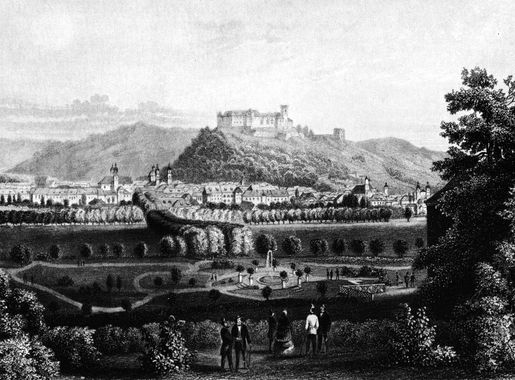


Central Slovenia: The Heartbeat of a Nation
Central Slovenia is a region that captivates with its stunning landscapes, rich history, and vibrant culture. As the heart of the country, it offers a wonderful mix of urban excitement and natural beauty. The region is anchored by the capital city, Ljubljana, which is known for its charming old town, lively markets, and picturesque riverbanks. Strolling through Ljubljana, you’ll find an array of cafes, boutique shops, and historic landmarks like the Ljubljana Castle, which offers breathtaking views of the city and beyond. Beyond the capital, Central Slovenia boasts a tapestry of diverse attractions. The lush green countryside is perfect for outdoor enthusiasts, with plenty of hiking and biking trails. One of the highlights is the Kamnik-Savinja Alps, where you can explore stunning alpine scenery and traditional mountain villages. Additionally, the region is home to numerous cultural treasures, such as medieval castles, museums, and galleries that tell the story of Slovenia’s rich heritage. Central Slovenia is also a culinary delight, offering a range of traditional Slovenian dishes that reflect the region's diverse influences. Local markets and farm-to-table restaurants provide fresh, delicious food that is sure to please any palate. Whether you’re sipping coffee in a Ljubljana cafe, hiking through the alpine meadows, or exploring historic castles, Central Slovenia promises an unforgettable experience for every traveler.