

Free Inner Carniola Travel Guide & Mobile App
Explore Inner Carniola with free travel guides. Discover regional history, expert tips, proposed trips, and audio guides on web or mobile app.


Explore Inner Carniola in Slovenia for limestone caves, seasonal lakes, forested hills, historic castles and quiet hiking landscapes.
Read more about Inner Carniola
When is the best time to visit Inner Carniola?
Best: June–August · 25–27°C| Month | High (°C) | Rainfall (mm) |
|---|---|---|
| January | 5 | 80 |
| February | 6 | 75 |
| March | 12 | 85 |
| April | 17 | 90 |
| May | 21 | 100 |
| June (best) | 25 | 95 |
| July (best) | 27 | 90 |
| August (best) | 27 | 95 |
| September | 23 | 105 |
| October | 17 | 110 |
| November | 10 | 100 |
| December | 6 | 90 |
Getting to and around Inner Carniola
How to get there
Transportation
Top city travel guides in Inner Carniola
The cities of Inner Carniola, and the easiest places to base yourself.
-

-


Swipe for more cities
Destinations in Inner Carniola
Resorts, valleys and scenic spots worth a trip of their own.
-

-


Swipe for more destinations
Best attractions in Inner Carniola
Inner Carniola’s attractions are shaped by karst geology, seasonal water and extensive forest rather than by a dense chain of urban sights. Postojna Cave is the region’s major subterranean attraction, with organised visits introducing visitors to vast chambers and the cave environment, while nearby Predjama Castle combines medieval history with a cliffside setting. Križna Cave offers a different experience, centred on underground lakes and guided exploration. Above ground, Rakov Škocjan’s collapsed valley, natural bridges and wooded paths demonstrate how limestone landscapes evolve. Cerknica Lake, Planinsko Polje and the Pivka intermittent lakes change markedly with rainfall, providing opportunities for walking, photography and nature observation. The Notranjska Museum in Postojna adds archaeological and historical context, while the Park of Military History in Pivka interprets the region’s twentieth-century strategic importance. Around Loška Dolina, Bloke and Mount Snežnik, attractions are more dispersed and outdoor-oriented, including forest roads, hiking routes, viewpoints and rural heritage. These areas reward visitors who combine a principal sight with time in the landscape rather than moving rapidly between admission-based attractions.
-
Tourist attraction
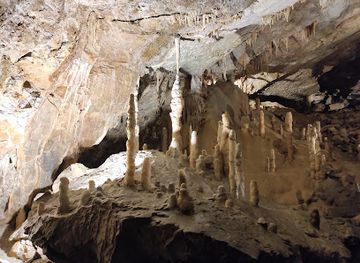
Postojna Cave
Discover the enchanting Postojna Cave, a breathtaking underground marvel in Slovenia, rich in history and natural beauty, perfect for every traveler.
-
Castle
Predjama Castle
Discover the enchanting Predjama Castle, a medieval fortress nestled in a cliff, rich in history and stunning views of Slovenia's landscapes.
-
Sports complex
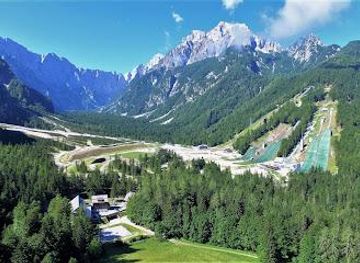
Planica Nordic Centre
Explore the breathtaking Planica Nordic Centre, a hub of winter sports and outdoor adventures set against Slovenia's stunning alpine backdrop.
-
Sightseeing tour agency
Lungomare Guided Tour Opatija
Explore the breathtaking Lungomare Guided Tour in Opatija, where stunning coastal views and rich history await every traveler.



Best landmarks in Inner Carniola
Postojna Cave is Inner Carniola’s defining natural landmark, not only for its scale but also for the way it represents the region’s underground rivers and limestone systems. Predjama Castle is its most recognisable architectural landmark: the medieval fortress is built into a high rock shelter, where defensive construction and karst geology appear inseparable. Cerknica Lake is a landmark of a different kind, famous for its changing outline and its importance to the surrounding basin; when water levels fall, meadows and channels replace the apparent lake. Rakov Škocjan’s Great and Little Natural Bridges are prominent geological formations created by the collapse of an underground river passage. In the south, Snežnik Castle provides a historic focal point amid the forests of Loška Dolina, while Mount Snežnik forms a prominent highland backdrop visible across the landscape. The Pivka basin’s intermittent lakes are less monumental but symbolically important, expressing the region’s distinctive cycle of disappearing and reappearing water.
-
Nature preserve
Postojna Cave
Explore the breathtaking Postojna Cave, a stunning natural wonder in Slovenia filled with magnificent underground formations and unique wildlife.
-
Castle
Ljubljana Castle
Explore the historic Ljubljana Castle, a stunning medieval fortress offering breathtaking views, rich history, and cultural experiences in Slovenia's capital.
-
Castle
Bled Castle
Experience the breathtaking views and rich history at Bled Castle, Slovenia's iconic landmark overlooking the stunning Lake Bled.
-
Castle
Predjama Castle
Explore the breathtaking Predjama Castle, a medieval marvel built into a cliff, where history and nature intertwine beautifully.


Explore Inner Carniola on the map
Plan your trip on one map. See where the top cities, national parks and sights are, and book hotels and experiences in a few clicks.
Best hotels in Inner Carniola
Best restaurants in Inner Carniola
Dining in Inner Carniola reflects a cool, forested and partly agricultural interior. Menus commonly draw on buckwheat, potatoes, mushrooms, seasonal vegetables, dairy products and preserved foods, while game and freshwater fish may appear in rural restaurants when locally available. Hearty soups, stews and vegetable-and-bean dishes suit the upland climate, and traditional Slovenian cooking is often served in inns, guesthouses and family-run establishments rather than in specialised regional dining rooms. Around Postojna and Cerknica, visitors will find the broadest choice of cafés, pizzerias and restaurants, while Loška Dolina, Bloke and the Pivka countryside are more dependent on advance planning and limited opening patterns. Farmers’ products, honey, forest berries and mushroom-based dishes are useful introductions to the local food culture. Local wines are more strongly associated with other parts of Slovenia, but restaurants generally offer a national selection alongside beer, spirits and soft drinks. Ask about seasonal dishes, since the most regionally expressive food may not appear on every permanent menu.
-
Restaurant
Julija
Experience authentic Slovenian cuisine at Julija in Ljubljana - where tradition meets modern flavors in a charming setting.
-
Restaurant
Gostilna Sokol
Savor traditional Slovenian flavors at Gostilna Sokol - Ljubljana's gem for authentic cuisine in a warm setting.
-
Restaurant
AVIO PUB
Discover authentic Slovenian cuisine at AVIO PUB in Prestranek - where local flavors meet warm hospitality.
-
Restaurant
Spica - Bar And Restaurant
Discover culinary delights at Spica Bar and Restaurant in Bled, where local flavors meet stunning views of Lake Bled.


Best bars in Inner Carniola
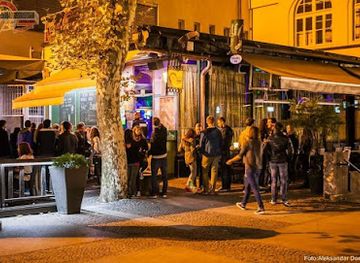
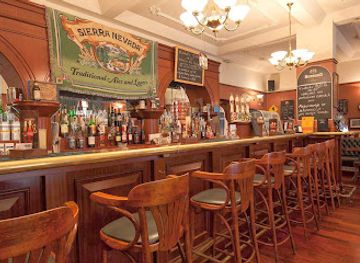
Inner Carniola has a modest evening scene centred on traditional cafés, village inns, hotel bars and restaurant dining rather than large nightclubs. Postojna offers the widest choice for an evening out, with places to meet for coffee, beer or a meal, while Cerknica and Pivka provide smaller local scenes. In rural settlements, social life often revolves around community venues, local inns and occasional cultural or music events rather than a fixed nightlife district. Visitors should expect quieter evenings in Loška Dolina, Bloke and the forested uplands, where an early dinner, a walk or a stay at a guesthouse may be more realistic than late-night entertainment. Bars and restaurants may have seasonal or locally variable opening arrangements, so checking ahead is sensible. The region’s drinks culture is best approached as part of dining and conversation, not as a substitute for its natural and historical attractions.
-
Beer hall
Pub Lajbah
Discover the charm of Pub Lajbah, Ljubljana's vibrant beer hall featuring local brews and fusion cuisine in a picturesque riverside setting.
-
Bar
Captain's Cabin
Experience the vibrant atmosphere and creative cocktails at Captain's Cabin, Ljubljana's must-visit bar for a night out.
-
Bar
Parlament pub
Discover the lively atmosphere and local charm of Parlament Pub, a must-visit bar in the heart of Ljubljana, Slovenia.
-
Beer hall
Sir William's pub
Discover the charm of Sir William's Pub in Ljubljana, a perfect blend of craft beers and hearty pub fare in a cozy atmosphere.

Best nightclubs in Inner Carniola
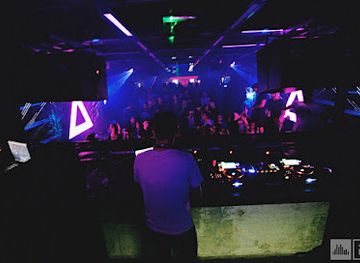
Inner Carniola has a modest evening scene centred on traditional cafés, village inns, hotel bars and restaurant dining rather than large nightclubs. Postojna offers the widest choice for an evening out, with places to meet for coffee, beer or a meal, while Cerknica and Pivka provide smaller local scenes. In rural settlements, social life often revolves around community venues, local inns and occasional cultural or music events rather than a fixed nightlife district. Visitors should expect quieter evenings in Loška Dolina, Bloke and the forested uplands, where an early dinner, a walk or a stay at a guesthouse may be more realistic than late-night entertainment. Bars and restaurants may have seasonal or locally variable opening arrangements, so checking ahead is sensible. The region’s drinks culture is best approached as part of dining and conversation, not as a substitute for its natural and historical attractions.
-
Grill
KluBar
Experience the perfect blend of grill delights and live music at KluBar in Kranj, Slovenia – where every night is a celebration!
-
Night club
Klub K4
Discover the heart of Ljubljana's nightlife at Klub K4, a techno haven that promises unforgettable nights filled with music and dancing.
-
Night club
Cirkus Klub
Explore the ultimate nightlife experience at Cirkus Klub, Ljubljana's premier night club with vibrant music and an electrifying atmosphere.
-
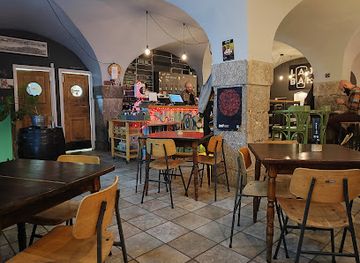
Bar
Tandem bar
Discover the heart of Postojna's nightlife at Tandem Bar, offering an inviting atmosphere and exceptional local drinks to enhance your travel experience.



Best shops in Inner Carniola
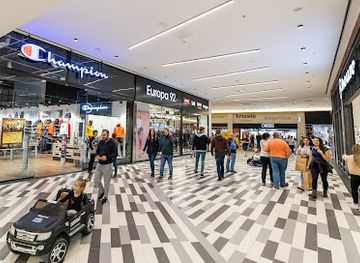
Shopping in Inner Carniola is modest in scale and strongest in market towns rather than in specialist retail districts. Postojna has the broadest everyday choice, including supermarkets, practical shops, cafés and visitor-oriented outlets, while Cerknica and Pivka serve local communities with smaller high streets and services. Rural areas are better for direct purchases from farms, guesthouses and seasonal producers, although availability varies. Useful regional gifts include Slovenian honey, herbal products, preserves, mushrooms where legally and responsibly sourced, and locally made food products; check labelling and transport rules before buying anything perishable. Craft shops and museum outlets may offer books, geological or natural-history material and small souvenirs connected with caves and karst landscapes. Visitors should not expect extensive luxury or designer shopping, but the region suits those looking for edible gifts, practical outdoor equipment, books about local heritage and products with a clear connection to forests, farms and the subterranean environment.
-
Shopping mall
BTC City Ljubljana
Discover the vibrant BTC City Ljubljana, where shopping, culture, and leisure come together in Slovenia's premier shopping destination.
-
Store
Shopping Center Citypark
Explore Shopping Center Citypark in Ljubljana: Your ultimate destination for shopping, dining, and family fun.
-
Shopping mall
Supernova Ljubljana Rudnik
Explore Supernova Ljubljana Rudnik, a vibrant shopping mall with diverse retail, dining, and entertainment options in the heart of Slovenia's capital.
-
Shopping mall
Planet Koper
Explore the diverse shopping and dining experiences at Planet Koper, Slovenia's vibrant shopping mall in the heart of Koper.


Get your free copy of our complete guide to Inner Carniola, delivered straight to you.
Everything on this page, from attractions and restaurants to essentials and local phrases, in one PDF you can read offline, print or share.
Already have an account? Sign in
Your Inner Carniola guide is ready.
We'll send it to · Not you? Sign out

Getting your guide ready…
We are putting together a fresh copy of the Inner Carniola guide. This can take up to a minute.
This can take a few moments. If your browser asks, choose Allow so the download can start. You'll find the guide in your Downloads folder.
Nothing happened? Download it again
Sorry, the guide is taking longer than usual. Please try again in a minute, or get it by email instead.
Inner Carniola essentials
Currency and Payment
Safety
Emergency Situations
Do's and Don'ts
Local Tips
From Eve
Local phrases worth knowing
You don't need to get them perfect. A few words go a long way, and locals appreciate the effort.
Basics
| English | Local | Say it |
|---|---|---|
| Hello | Živjo | [ZHEE-vyo] |
| Goodbye | Nasvidenje | [NAH-svee-DEN-ye] |
| Yes | Da | [DAH] |
| No | Ne | [NEH] |
| Please/You're welcome | Prosim | [PROH-seem] |
| Thank you | Hvala | [HVAH-lah] |
| Excuse me/Sorry | Opravičujem se | [OH-pra-vee-CHOOM seh] |
| How are you? | Kako si? | [KAH-koh see] |
| Fine. And you? | Dobro. In ti? | [DOH-broh. EEN tee?] |
| Do you speak English? | Ali govoriš angleško? | [AH-lee goh-VOH-reesh AHN-glesh-koh?] |
| I don't understand | Ne razumem | [NEH rah-ZOO-mehm] |
Eating & Drinking
| English | Local | Say it |
|---|---|---|
| I'd like to see the menu, please | Rad bi videl jedilnik, prosim | [RAHD bee VEE-del YED-il-neek, PROH-seem] |
| I don't eat meat | Ne jem mesa | [NEH yem MEH-sah] |
| Cheers! | Na zdravje! | [NAH ZDRAH-vyeh!] |
| I would like to pay, please | Rad bi plačal, prosim | [RAHD bee PLAH-chahl, PROH-seem] |
Emergencies
| English | Local | Say it |
|---|---|---|
| Help! | Pomagajte! | [POH-mah-GAI-teh!] |
| Go away! | Pojdi stran! | [POY-dee STRAHN!] |
| Call the Police! | Pokličite policijo! | [POH-klee-chee-teh poh-LEE-tsee-yoh!] |
| Call a doctor! | Pokličite zdravnika! | [POH-klee-chee-teh ZDRAH-vnee-kah!] |
| I'm lost | Izgubil sem se | [EES-goo-beel sem seh] |
| I'm ill | Bolim | [BOH-leem] |
Shopping
| English | Local | Say it |
|---|---|---|
| I'd like to buy... | Rad bi kupil... | [RAHD bee KOO-peel...] |
| I'm just looking | Samo gledam | [SAH-mo GLEH-dahm] |
| How much is it? | Koliko stane? | [KOH-lee-koh STAH-neh?] |
| That's too expensive | To je predrago | [TOH yeh PREH-drah-goh] |
| Can you lower the price? | Lahko znižaš ceno? | [LAH-koh ZNEE-zhahsh TSEH-no?] |
Time & Numbers
| English | Local | Say it |
|---|---|---|
| What time is it? | Koliko je ura? | [KOH-lee-koh yeh OO-rah?] |
| It's one o'clock | Je ena ura | [YEH EH-nah OO-rah] |
| Half past (10) | Pol desetih | [POHL DEH-seh-tih] |
| Morning | Jutro | [YOO-troh] |
| Afternoon | Popoldne | [POH-poh-LD-neh] |
| Evening | Večer | [VEH-cher] |
| Yesterday | Včeraj | [VCHER-eye] |
| Today | Danes | [DAH-nes] |
| Tomorrow | Jutri | [YOO-tree] |
| 1 | 1 | [1] |
| 2 | 2 | [2] |
| 3 | 3 | [3] |
| 4 | 4 | [4] |
| 5 | 5 | [5] |
| 6 | 6 | [6] |
| 7 | 7 | [7] |
| 8 | 8 | [8] |
| 9 | 9 | [9] |
| 10 | 10 | [10] |
Transport & Directions
| English | Local | Say it |
|---|---|---|
| Where's a/the...? | Kje je...? | [KYE yeh...?] |
| What's the address? | Kakšna je naslov? | [KAHK-shnah yeh NAH-sloh?] |
| Can you show me (on the map)? | Mi lahko pokažeš (na zemljevidu)? | [MEE LAH-koh poh-KAH-zheh (nah ZYEM-leh-vee-doo)?] |
| When's the next (bus)? | Kdaj je naslednji (avtobus)? | [KDAI yeh nah-SLEH-dnee (AOO-toh-boos)?] |
| A ticket (to ....) | Eno vozovnico (do ...) | [EH-no VOH-zoh-vee-tsah (doh ...)] |
History of Inner Carniola
Prehistoric caves and early settlement
Inner Carniola’s caves and karst shelters preserve evidence of human activity extending deep into prehistory. The region’s limestone formations offered shelter, water and strategic routes through the interior, although underground environments were used in different ways across successive periods. Archaeological material from sites around Postojna and the wider Notranjska landscape reflects a long relationship between people, forests, seasonal wetlands and grazing areas. The terrain’s apparent emptiness is therefore misleading: caves, passes and basin margins repeatedly attracted settlement and movement because they connected the Adriatic hinterland with the central Slovenian interior.
Roman routes and the post-Roman landscape
Under Roman rule, the territory formed part of the wider northeastern Adriatic and Emona hinterland, with communications crossing the difficult karst interior. Roads and settlements supported the movement of officials, soldiers and goods between the Roman urban centres of the region and the coast. After the Roman administration receded, political control changed, but routes through Inner Carniola remained important. The area’s later history was shaped less by a single large city than by its position between more powerful centres and by the practical need to control passes, valleys and transport corridors.
Medieval lordships, monasteries and fortified routes
During the Middle Ages, Inner Carniola was divided among ecclesiastical institutions, noble families and territorial rulers associated with the Habsburg lands. Castles and fortified residences guarded routes across the karst and supervised agricultural communities in the basins. Predjama Castle, built into a dramatic rock shelter near Postojna, is the region’s most visible surviving expression of this defensive world. Churches, village layouts and estate landscapes also preserve the imprint of medieval and early modern authority, while local communities adapted farming and forestry to thin soils, seasonal flooding and rugged limestone ground.
The Habsburg era and the growth of Postojna
Inner Carniola became part of the Habsburg political sphere for centuries, and Postojna gradually developed as an important administrative and transport centre. The discovery and promotion of Postojna Cave in the nineteenth century transformed the town’s profile. Improved roads and the railway connection between Vienna and Trieste brought scientists, travellers and officials through the region, turning the cave from a local natural curiosity into an organised attraction. This period also strengthened the region’s links with wider Central European markets while leaving its dispersed farming and forestry economy largely intact.
The First World War and the Italian borderlands
After the First World War and the break-up of Austria-Hungary, Inner Carniola became part of the Kingdom of Italy. The new border ran through a politically sensitive landscape and altered administrative, cultural and economic connections. Italian rule affected public institutions, schooling, place names and transport priorities, while the region’s proximity to the frontier gave it strategic significance. The Second World War brought occupation, resistance and hardship across the forests and settlements. The post-war settlement placed Inner Carniola within socialist Yugoslavia, later the independent Republic of Slovenia.
Forestry, military heritage and modern tourism
In the twentieth century, forestry remained central to the economy of the wooded uplands, while military infrastructure reflected the region’s position within changing European border systems. The Pivka area preserves this history through the Park of Military History, established in former military facilities. At the same time, caves, seasonal lakes and karst valleys became increasingly important for education and tourism. Contemporary Inner Carniola balances protected natural environments, farming, forestry and visitor services, presenting natural processes and difficult modern history as connected parts of the region’s identity.
Inner Carniola in Photos
Browse through our photo collection highlighting the charm and character of the destination.
Neighbouring regions of Inner Carniola
The closest regions to Inner Carniola, if you have time for more than one.
-

-
-

-

-


Swipe for more regions
Explore more

Explore more of Slovenia
Discover Slovenia's stunning landscapes, rich cultural heritage, and delightful cuisine. A hidden gem in Europe, perfect for outdoor adventures, history, and culinary exploration.
Explore Slovenia