

Free Upper Carniola Travel Guide & Mobile App
Explore Upper Carniola with free travel guides. Discover regional history, expert tips, proposed trips, and audio guides on web or mobile app.


Explore Upper Carniola’s alpine lakes, historic towns, mountain valleys and traditional food between Bled, Bohinj and the Julian Alps.
Read more about Upper Carniola
When is the best time to visit Upper Carniola?
Best: June–August · 23–26°C| Month | High (°C) | Rainfall (mm) |
|---|---|---|
| January | 4 | 50 |
| February | 6 | 45 |
| March | 11 | 60 |
| April | 16 | 70 |
| May | 20 | 80 |
| June (best) | 23 | 90 |
| July (best) | 26 | 100 |
| August (best) | 25 | 90 |
| September | 21 | 80 |
| October | 15 | 70 |
| November | 9 | 60 |
| December | 4 | 50 |
Getting to and around Upper Carniola
How to get there
Transportation
Top city travel guides in Upper Carniola
The cities of Upper Carniola, and the easiest places to base yourself.
-

-

-

-

-

-


Swipe for more cities
Destinations in Upper Carniola
Resorts, valleys and scenic spots worth a trip of their own.
-

-


Swipe for more destinations
Best attractions in Upper Carniola
Upper Carniola’s attractions range from internationally recognised lake scenery to working mountain landscapes and compact historic towns. Around Bled, visitors can combine the lake, island and castle with woodland walks and viewpoints, while Bohinj provides access to Lake Bohinj, the Savica waterfall area and the wider trails of Triglav National Park. The park occupies much of the Julian Alpine section of the region, offering hiking, mountaineering, climbing and nature interpretation rather than a single sightseeing circuit. In the north-west, Kranjska Gora, Planica, the Zelenci nature reserve and the routes towards Vršič Pass form a centre for walking, skiing, cycling and other outdoor activities. Kranj, Škofja Loka, Radovljica and Tržič contribute museums, historic streets, churches and craft traditions. The eastern highlands around Kamnik provide access to Velika Planina, where seasonal herding and distinctive shepherds’ huts give the landscape cultural as well as scenic interest. Across the region, visitors will also find beekeeping heritage, traditional hayracks, local galleries and family-oriented nature experiences, with the strongest appeal lying in the relationship between settlement, farming and the Alpine environment.
-
Castle
Bled Castle
Discover the enchanting Bled Castle, a historical gem overlooking Lake Bled, steeped in culture and breathtaking views of Slovenia's natural beauty.
-
Nature preserve
Soteska Vintgar
Experience the breathtaking beauty of Soteska Vintgar, Slovenia's enchanting gorge with turquoise waters and stunning landscapes.
-
Lake
Lake Bled
Experience the stunning beauty and rich culture of Lake Bled, Slovenia's iconic glacial lake, perfect for adventures and relaxation alike.
-
Sports complex
Planica Nordic Centre
Discover the breathtaking beauty and thrilling activities at Planica Nordic Centre, the ultimate destination for sports lovers and nature enthusiasts.


Best landmarks in Upper Carniola
Lake Bled’s island church, approached by traditional pletna boats, and Bled Castle on its cliff are Upper Carniola’s most recognisable landmarks, combining medieval, religious and scenic significance. In Bohinj, the Church of St John the Baptist at Ribčev Laz stands beside the lake and is known for its historic setting and painted interior, while the stone bridge at its entrance has become an emblem of the valley. Škofja Loka’s castle, town square and preserved medieval street pattern express the long influence of the Bishops of Freising. Kranj’s old centre occupies a naturally defensible position above the Kokra canyon, and its historic churches and townscape reflect the city’s importance in the Upper Carniolan basin. In the upper Sava valley, the peaks and slopes around Kranjska Gora, including the Vršič road landscape, form a powerful natural landmark shaped by glacial and Alpine forces. Velika Planina is significant for its cluster of traditional herdsmen’s huts and enduring seasonal-pasture culture, while Planica is a landmark of modern Slovenian sporting architecture and ski-flying history.
-
Nature preserve
Postojna Cave
Discover the enchanting underground world of Postojna Cave, a natural wonder filled with stunning formations and unique wildlife in Slovenia.
-
Castle
Ljubljana Castle
Explore Ljubljana Castle: A historic fortress with breathtaking views, rich culture, and a captivating museum, nestled in Slovenia's charming capital.
-
Castle
Bled Castle
Discover the enchanting Bled Castle: a historical gem with breathtaking views over Lake Bled, steeped in Slovenian heritage and beauty.
-
National park
Triglav National Park
Explore the breathtaking landscapes and rich biodiversity of Triglav National Park, Slovenia's stunning natural gem in the Julian Alps.


Explore Upper Carniola on the map
Plan your trip on one map. See where the top cities, national parks and sights are, and book hotels and experiences in a few clicks.
Best hotels in Upper Carniola
Best restaurants in Upper Carniola
Dining in Upper Carniola reflects the region’s Alpine climate, farming traditions and position between Central European culinary cultures. Menus commonly include štruklji, dumplings with varied fillings; žganci, a rustic grain-based dish; rich soups, game where available and Slovenian sausages such as Kranjska klobasa. Mountain cheeses and dairy products are especially associated with Bohinj and high-pasture traditions, while honey and other bee products reflect the importance of beekeeping across Gorenjska. Bled cream cake is the region’s most recognisable sweet, though it is best enjoyed alongside the broader selection of Slovenian pastries rather than treated as the sole local speciality. Bled and Kranjska Gora have the widest choice of restaurants, cafés and hotel dining rooms, while Kranj, Škofja Loka, Radovljica and Kamnik offer town-centre restaurants and traditional inns. In rural areas, meals may be found at farms, mountain huts and gostilnas, the traditional Slovenian restaurants noted for straightforward regional cooking. Market produce, trout, mushrooms and seasonal vegetables also shape contemporary menus.
-
Restaurant
Gostinsko podjetje Trojane d.d.
Discover the taste of Slovenia at Gostinsko podjetje Trojane d.d., home of the iconic Trojane doughnuts and authentic local cuisine.
-
Restaurant
Gostilna in Hotel GROF
Experience authentic Slovenian cuisine and warm hospitality at Gostilna in Hotel GROF, your culinary haven in Vransko.
-
Restaurant
Julija
Experience authentic Slovenian cuisine at Julija, where tradition meets modern culinary artistry in Ljubljana's vibrant heart.
-
Restaurant
Gostilna Sokol
Experience authentic Slovenian cuisine at Gostilna Sokol in Ljubljana - where tradition meets flavor in every dish.


Best bars in Upper Carniola
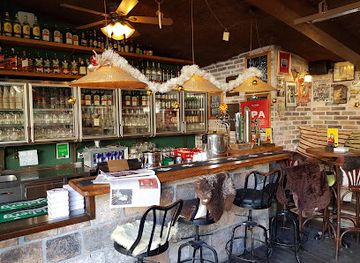
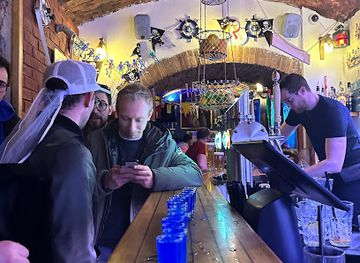
Upper Carniola’s evening life is generally sociable and low-key rather than centred on large nightclubs. Bled and Kranjska Gora have the broadest concentration of hotel bars, cafés, restaurants and late-opening venues, with activity varying according to the tourist and winter-sports seasons. Kranj offers a more local urban scene, including pubs, cultural venues and occasional live music, while Škofja Loka and Radovljica are suited to quieter evenings in historic town settings. Traditional gostilnas and village pubs remain important meeting places across the region, particularly outside the main resort areas. Breweries, wine bars and events linked to cultural centres provide alternatives to conventional nightlife, although availability changes by season and town. In Bohinj and the mountain valleys, evenings are more likely to revolve around a meal, a lakeside walk or a mountain hut than clubbing. Visitors should check current arrangements locally, especially outside summer and the ski season.
-
Bar
Cutty Sark Pub
Discover Cutty Sark Pub in Ljubljana - a maritime-themed bar offering a lively atmosphere and a wide selection of drinks for an unforgettable experience.
-
Beer hall
Pub Lajbah
Experience the vibrant flavors of Slovenia at Pub Lajbah, a premier beer hall and fusion restaurant along the Ljubljanica River.
-
Bar
Holidays' Pub
Experience the vibrant spirit of Ireland in Ljubljana at Holidays' Pub, your go-to destination for drinks, karaoke, and unforgettable nights.
-
Bar
Captain's Cabin
Explore Captain's Cabin in Ljubljana for creative cocktails, a nautical ambiance, and a lively nightlife experience.


Best nightclubs in Upper Carniola
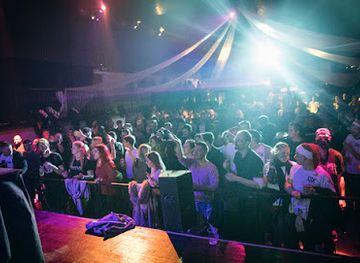
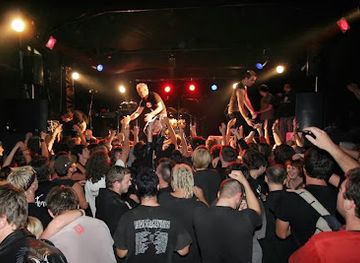
Upper Carniola’s evening life is generally sociable and low-key rather than centred on large nightclubs. Bled and Kranjska Gora have the broadest concentration of hotel bars, cafés, restaurants and late-opening venues, with activity varying according to the tourist and winter-sports seasons. Kranj offers a more local urban scene, including pubs, cultural venues and occasional live music, while Škofja Loka and Radovljica are suited to quieter evenings in historic town settings. Traditional gostilnas and village pubs remain important meeting places across the region, particularly outside the main resort areas. Breweries, wine bars and events linked to cultural centres provide alternatives to conventional nightlife, although availability changes by season and town. In Bohinj and the mountain valleys, evenings are more likely to revolve around a meal, a lakeside walk or a mountain hut than clubbing. Visitors should check current arrangements locally, especially outside summer and the ski season.
-
Bar
KluBar
Experience Kranj's vibrant nightlife at KluBar, where live music and delicious food come together in an energetic atmosphere.
-
Night club
Klub K4
Discover the pulse of Ljubljana's nightlife at Klub K4, where electrifying music and vibrant atmosphere create unforgettable nights.
-
Night club
Bazen Kranj Club
Discover the lively nightlife of Kranj at Bazen Kranj Club, your ultimate destination for music, comedy, and unforgettable experiences.
-
Night club
Gala Hala / Kapa - Društvo za kulturno in umetniško produkcijo
Discover the heartbeat of Ljubljana's nightlife at Gala Hala, a vibrant night club and live music venue with affordable entertainment.


Best shops in Upper Carniola
Shopping in Upper Carniola is strongest in historic town centres, resort streets and local markets rather than in large luxury retail districts. Kranj provides the broadest urban selection, with everyday shops, independent businesses and cultural retail, while Škofja Loka and Radovljica are suited to smaller galleries, craft shops, books and locally made gifts. Bled and Bohinj offer honey, herbal products, mountain cheeses, wooden items and other Alpine-themed souvenirs, although visitors should distinguish regional products from generic tourist merchandise. Beekeeping is an important part of Gorenjska’s identity, making Slovenian honey and decorated beehive-panel designs appropriate purchases when sourced responsibly. Farm shops and seasonal markets are useful for cheeses, preserves, honey, spirits and other food products; availability varies by town and time of year. Tržič has historic craft associations, and the Kamnik area provides access to gifts linked with mountain pasture culture. Check customs and airline limits before carrying food, liquids or animal products across borders.
-
Shopping mall
BTC City Ljubljana
Explore BTC City Ljubljana: Slovenia's premier shopping mall, cultural center, and entertainment hub for a delightful experience.
-
 Shopping mall
City-Arkaden Klagenfurt
Explore the vibrant City-Arkaden Klagenfurt, a shopping haven with diverse stores, tasty eateries, and a welcoming atmosphere in Klagenfurt am Wörthersee.
-
Store
Shopping Center Citypark
Discover Shopping Center Citypark in Ljubljana: A vibrant shopping and dining hub with a family-friendly atmosphere, perfect for tourists seeking a unique experience.
-
Shopping mall
Supernova Ljubljana Rudnik
Explore Supernova Ljubljana Rudnik - your gateway to shopping, dining, and entertainment in the heart of Slovenia's capital.

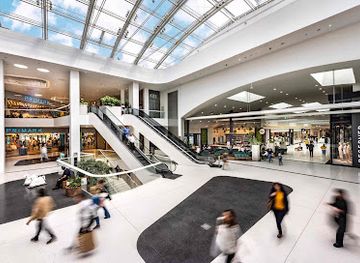

Get your free copy of our complete guide to Upper Carniola, delivered straight to you.
Everything on this page, from attractions and restaurants to essentials and local phrases, in one PDF you can read offline, print or share.
Already have an account? Sign in
Your Upper Carniola guide is ready.
We'll send it to · Not you? Sign out

Getting your guide ready…
We are putting together a fresh copy of the Upper Carniola guide. This can take up to a minute.
This can take a few moments. If your browser asks, choose Allow so the download can start. You'll find the guide in your Downloads folder.
Nothing happened? Download it again
Sorry, the guide is taking longer than usual. Please try again in a minute, or get it by email instead.
Upper Carniola essentials
Currency and Payment
Safety
Emergency Situations
Do's and Don'ts
Local Tips
From Eve
Local phrases worth knowing
You don't need to get them perfect. A few words go a long way, and locals appreciate the effort.
Basics
| English | Local | Say it |
|---|---|---|
| Hello | Zdravo | [zdrah-vo] |
| Goodbye | Nasvidenje | [nahs-vee-deh-nyay] |
| Yes | Da | [dah] |
| No | Ne | [neh] |
| Please/You're welcome | Prosim | [pro-seem] |
| Thank you | Hvala | [hvah-lah] |
| Excuse me/Sorry | Opravičujem se | [oh-prah-vee-choo-yem seh] |
| How are you? | Kako si? | [kah-koh see] |
| Fine. And you? | Dobro. In ti? | [doh-broh. in tee] |
| Do you speak English? | Ali govoriš angleško? | [ah-lee go-vo-reesh ahn-gleh-sko] |
| I don't understand | Ne razumem | [neh rah-zoo-mehm] |
Eating & Drinking
| English | Local | Say it |
|---|---|---|
| I'd like to see the menu, please | Rad bi videl jedilnik, prosim | [rah-d bee vee-del yeh-deel-neek, pro-seem] |
| I don't eat meat | Ne jem mesa | [neh yem meh-sah] |
| Cheers! | Na zdravje! | [nah zdrah-vyeh] |
| I would like to pay, please | Rad bi plačal, prosim | [rah-d bee plah-chahl, pro-seem] |
Emergencies
| English | Local | Say it |
|---|---|---|
| Help! | Pomagaj! | [poh-mah-guy] |
| Go away! | Pojdi stran! | [poy-dee strahn] |
| Call the Police! | Pokliči policijo! | [poh-klee-chee poh-lee-tsee-yoh] |
| Call a doctor! | Pokliči zdravnika! | [poh-klee-chee zdrah-vnee-kah] |
| I'm lost | Izgubil sem se | [eez-goo-beel sem seh] |
| I'm ill | Bolim | [bo-leem] |
Shopping
| English | Local | Say it |
|---|---|---|
| I'd like to buy... | Rad bi kupil... | [rah-d bee koo-peel] |
| I'm just looking | Samo gledam | [sah-mo gled-ahm] |
| How much is it? | Koliko stane? | [koh-lee-koh stah-neh] |
| That's too expensive | To je predrago | [toh yeh preh-drah-goh] |
| Can you lower the price? | Lahko znižaš ceno? | [lah-koh zee-nah-zhahsh tseh-no] |
Time & Numbers
| English | Local | Say it |
|---|---|---|
| What time is it? | Koliko je ura? | [koh-lee-koh yeh oo-rah] |
| It's one o'clock | Je ena ura | [yeh eh-nah oo-rah] |
| Half past (10) | Pol (10) | [pohl (10)] |
| Morning | Jutro | [yoo-troh] |
| Afternoon | Popoldne | [poh-pohld-neh] |
| Evening | Večer | [veh-cher] |
| Yesterday | Včeraj | [veh-cheh-rye] |
| Today | Danes | [dah-nes] |
| Tomorrow | Jutri | [yoo-tree] |
| 1 | 1 | [1] |
| 2 | 2 | [2] |
| 3 | 3 | [3] |
| 4 | 4 | [4] |
| 5 | 5 | [5] |
| 6 | 6 | [6] |
| 7 | 7 | [7] |
| 8 | 8 | [8] |
| 9 | 9 | [9] |
| 10 | 10 | [10] |
Transport & Directions
| English | Local | Say it |
|---|---|---|
| Where's a/the...? | Kje je...? | [kyay yeh] |
| What's the address? | Kakšna je naslov? | [kahk-shnah yeh nah-slohv] |
| Can you show me (on the map)? | Mi lahko pokažeš (na zemljevidu)? | [mee lah-koh poh-kah-zheh na zyeh-mlay-vee-doo] |
| When's the next (bus)? | Kdaj je naslednji (avtobus)? | [kdye yeh nah-sled-nee ahv-toh-boos] |
| A ticket (to ....) | Ena vozovnica (do ...) | [eh-nah voh-zohv-nee-tsah do] |
History of Upper Carniola
Prehistoric Communities and Roman Carniola
Upper Carniola’s valleys and plains have supported settlement since prehistoric times, with archaeological evidence showing farming, metalworking and trade across the Alpine foothills. The Roman period brought the area into the wider infrastructure of the empire. Emona, outside the region in present-day Ljubljana, was an important nearby urban centre, while routes through the Sava corridor and Alpine passes connected local communities with neighbouring territories. Roman influence did not erase older settlement patterns, but it helped establish lasting links between the basin, mountain valleys and wider European trade networks.
Medieval Lords, Towns and Christianisation
During the medieval period, Upper Carniola was shaped by the interests of ecclesiastical institutions and noble families, including the Counts of Ortenburg and later the Habsburgs. Towns such as Kranj, Škofja Loka and Radovljica developed as administrative, trading and craft centres, while castles, churches and monasteries organised the surrounding countryside. Škofja Loka, granted town privileges in the Middle Ages, became particularly important under the rule of the Bishops of Freising. The period established many of the settlement patterns and historic town centres visible today.
Trade Routes and Alpine Economy
Upper Carniola’s position between the Ljubljana basin, Carinthia and the Alpine passes supported trade, transport and craft production. Markets in Kranj, Radovljica, Tržič and other towns served farming communities and travellers, while ironworking, charcoal production, forestry and textile manufacture became important sources of income in different valleys. Mountain pastures supported seasonal dairying, creating landscapes and customs that remain associated with Bohinj, the Karawanks and the Kamnik-Savinja Alps. The region’s economy was therefore closely connected to both international routes and local agriculture.
The Habsburg Era and Industrial Change
Under Habsburg rule, Upper Carniola was integrated into the wider Austrian administrative and economic system. Roads and later railways strengthened connections between Ljubljana, Jesenice, the Sava valley and markets beyond the mountains. Industrialisation expanded ironworking around Jesenice and brought new employment, while towns grew as railway, administrative and commercial centres. The arrival of the railway also changed tourism, making Alpine landscapes more accessible to visitors from larger Central European cities and helping establish Bled as an important resort.
National Awakening and Slovenian Cultural Identity
The nineteenth century saw the growth of Slovenian cultural and political consciousness throughout Carniola. Schools, reading rooms, choirs, newspapers and cultural societies helped standardise the Slovene language and strengthen regional identity. Upper Carniolan towns produced or welcomed important figures in Slovenian literature, education and public life, including the poet France Prešeren, who was born in Vrba near Žirovnica. His work remains closely associated with Slovenian national culture. Folklore, architecture and rural customs were increasingly recorded as expressions of a distinctive Slovenian heritage.
The First World War and the Soča Front Hinterland
During the First World War, the western Alpine frontier became part of the wider military landscape surrounding the Soča Front. Upper Carniola was not the principal battlefield, but its roads, railways, hospitals and mountain passes supported military movement and logistics. The conflict affected communities through requisitioning, mobilisation and disruption. The upper Sava valley and routes towards the Julian Alps acquired lasting military associations, while remnants of wartime infrastructure can still be encountered in the broader Alpine borderlands.
Tourism, Mountaineering and Modern Slovenia
From the late nineteenth century onwards, Bled, Bohinj, Kranjska Gora and other Alpine destinations developed through health tourism, mountaineering, winter sports and rail access. Slovenian Alpine clubs and local guides helped establish routes and huts, while ski jumping at Planica became an internationally recognised sporting tradition. After the Second World War, industrial centres such as Jesenice and Kranj expanded, alongside the growth of domestic and international tourism. Today Upper Carniola balances protected landscapes, mountain recreation, historic towns and a modern regional economy within independent Slovenia.
Upper Carniola in Photos
Browse through our photo collection highlighting the charm and character of the destination.
Neighbouring regions of Upper Carniola
The closest regions to Upper Carniola, if you have time for more than one.
-

-
-

-

-


Swipe for more regions
Explore more

Explore more of Slovenia
Discover Slovenia's stunning landscapes, rich cultural heritage, and delightful cuisine. A hidden gem in Europe, perfect for outdoor adventures, history, and culinary exploration.
Explore Slovenia