

Mura, Slovenia Travel Guide
Discover Mura in Slovenia - a tranquil retreat with lush landscapes, rich cultural heritage, and delightful local cuisine. Perfect for nature lovers and history buffs.
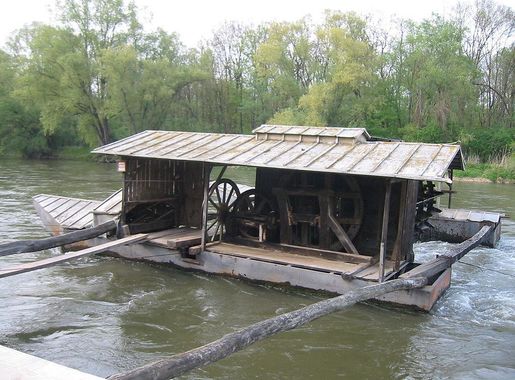
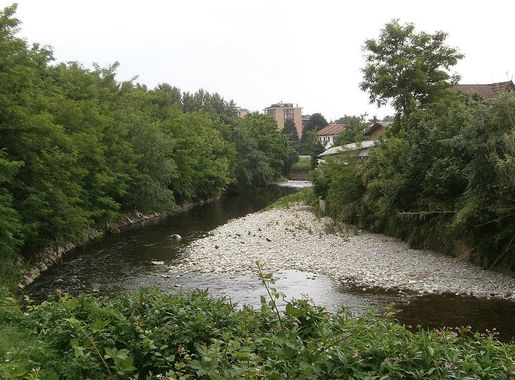
Nestled in northeastern Slovenia, Mura is a haven for nature lovers and history enthusiasts. The serene Mura River, after which the town is named, flows gently through the region, offering picturesque views and a peaceful atmosphere. The lush, green landscapes and the charming rural setting make Mura a perfect escape from the hustle and bustle of city life. Mura is rich in cultural heritage and traditions. The town is dotted with historic churches, quaint wooden bridges, and traditional farmhouses that transport visitors back in time. The locals are known for their warm hospitality and are always eager to share stories about their beloved hometown. Mura is also famous for its culinary delights, particularly the delicious local wines and hearty traditional dishes that reflect the region's agricultural bounty. Outdoor activities abound in Mura, with opportunities for cycling, hiking, and fishing along the riverbanks. The Mura River is also home to diverse wildlife, making it a great spot for birdwatching. For those interested in wellness, the nearby spa resorts offer rejuvenating treatments using natural thermal waters. Whether you are looking to relax, explore, or immerse yourself in local culture, Mura promises a memorable and enriching experience.

Know before you go
Hi, I'm Eve. Here are a few practical things to know before exploring Mura.
- Bring binoculars for birdwatching along the Mura River.
- Rent a bike to explore the scenic cycling routes in the area.
- Don't miss trying the local wines and traditional dishes at the town's eateries.
- Visit the historic churches and wooden bridges to get a sense of the town's rich history.
- Check out the nearby spa resorts for a relaxing thermal water treatment.
Top City Travel Guides in Mura
The cities of Mura, and the easiest places to base yourself.

Explore Mura: Things to Do, Places to Eat, Hotels & More
Handpicked recommendations for top attractions, local dining, accommodations, and more

Top Attractions & Sightseeing in Mura
Top-rated picks
Best Attractions

Triglav National Park
Discover the breathtaking beauty and adventure waiting for you at Triglav National Park, Slovenia's premier national park, ideal for nature lovers and outdoor enthusiasts.

Tartinijev trg
Explore Tartinijev Trg in Piran, Slovenia: a vibrant square rich in history, surrounded by stunning architecture and the charm of the Adriatic coast.

Vinarium Tower
Discover stunning views and natural beauty at Vinarium Tower, a must-visit scenic spot in Lendava, Slovenia.

San Sabba Rice Mill National Monument and Museum
Explore the San Sabba Rice Mill National Monument and Museum in Trieste, Italy, a powerful tribute to Holocaust victims and a journey through history.

Best landmarks in Mura
Top-rated picks
Best Landmarks

Postojna Cave
Discover the breathtaking beauty of Postojna Cave, Slovenia's stunning natural wonder filled with unique rock formations and rich biodiversity.

Ljubljana Castle
Explore the enchanting Ljubljana Castle, a historic fortress with captivating views and rich Slovenian heritage in the heart of Ljubljana.

Bled Castle
Explore Bled Castle: A medieval fortress with breathtaking views, rich history, and cultural treasures overlooking the stunning Lake Bled.

Predjama Castle
Experience the magic of Predjama Castle, a stunning medieval fortress nestled in a spectacular cliffside setting, rich in history and breathtaking views.

Best restaurants in Mura
Top-rated picks
Best Restaurants
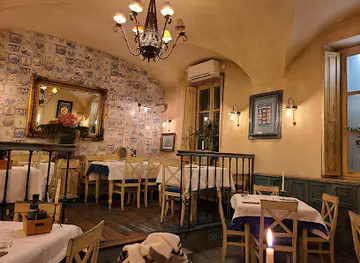
Julija
Discover authentic Slovenian cuisine at Julija in Ljubljana - where tradition meets modern dining.
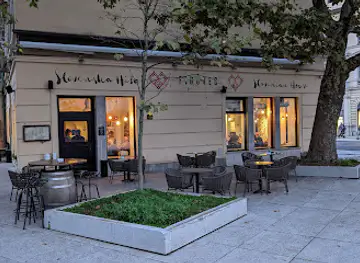
Slovenska Hiša - Figovec
Experience authentic Slovenian flavors at Slovenska Hiša - Figovec in Ljubljana, where tradition meets modern dining.

Restaurant Šestica
Experience authentic Slovenian cuisine at Restaurant Šestica in Ljubljana, where tradition meets modern culinary artistry.

Špajza Restaurant
Discover authentic Slovenian cuisine at Špajza Restaurant in Ljubljana – a culinary gem with local flavors and warm hospitality.

Best bars in Mura
Top-rated picks
Best Bars
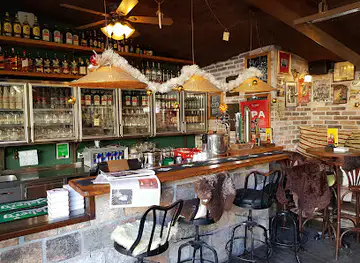
Cutty Sark Pub
Discover the vibrant atmosphere and extensive beer selection at Cutty Sark Pub, a must-visit bar in Ljubljana, Slovenia.

Bunker postapocalyptic steampunk bar
Experience an unforgettable adventure at Bunker, the postapocalyptic steampunk bar in Murska Sobota, featuring craft beers and a unique atmosphere.

Pub Lajbah
Experience the perfect blend of craft beers and fusion cuisine at Pub Lajbah, a lively beer hall in the heart of Ljubljana.
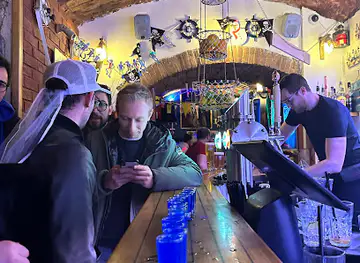
Captain's Cabin
Experience the vibrant nightlife of Ljubljana at Captain's Cabin, a bar renowned for its creative cocktails and welcoming atmosphere.

Best nightclubs in Mura
Top-rated picks
Best Nightclubs

Klub K4
Discover the vibrant nightlife of Ljubljana at Klub K4, where eclectic music meets an energetic atmosphere for an unforgettable experience.

Cirkus Klub
Join the vibrant nightlife at Cirkus Klub, Ljubljana's premier night club offering great music and a lively atmosphere for unforgettable evenings.

Pegas Club
Discover the electrifying nightlife at Pegas Club in Sežana, a top destination for disco lovers and party enthusiasts.

Hard Core Club
Discover the electrifying nightlife of Ljubljana at Hard Core Club, where great music and vibrant energy create unforgettable nights.

Best shops in Mura
Top-rated picks
Best Shops

BTC City Ljubljana
Discover the ultimate shopping and leisure experience at BTC City Ljubljana, blending culture, business, and recreation in one vibrant location.

Shopping Center Citypark
Explore Shopping Center Citypark in Ljubljana – a vibrant shopping mall with diverse stores, eateries, and family-friendly spaces.

Supernova Ljubljana Rudnik
Discover the ultimate shopping and dining experience at Supernova Ljubljana Rudnik, where style meets flavor in Slovenia's capital.

Planet Koper
Explore Planet Koper for an unforgettable shopping experience in Slovenia, featuring diverse stores, delightful dining, and vibrant entertainment options.

Explore Mura on the Map
A handpicked selection of must-see spots in Mura, mapped for you.
Mura Essentials
-
Mura is located in the northeastern part of Slovenia, near the borders with Austria and Hungary. The nearest international airport is Ljubljana Jože Pučnik Airport, approximately 180 kilometers away. From Ljubljana, you can take a train or a bus to Murska Sobota, the largest town in the Mura region. The journey typically takes around 2 to 3 hours by road or rail. Alternatively, you can hire a car for more flexibility and convenience.
-
Mura is well-connected by public transport. Buses and trains operate regularly within the region and to nearby towns and cities. Renting a car is also a popular option, especially for exploring rural areas and natural parks. Taxis are available but might be more expensive. Bicycles can be rented in larger towns like Murska Sobota, offering a scenic and eco-friendly way to explore the countryside.
-
The official currency in Slovenia is the Euro (EUR). Credit and debit cards are widely accepted in hotels, restaurants, and shops. However, it is advisable to carry some cash, especially when visiting smaller towns and rural areas. ATMs are readily available in Murska Sobota and other larger towns, but ensure you have sufficient cash for remote areas where card payments might not be possible.
-
Mura is generally a safe destination for tourists. Standard precautions should be taken, such as avoiding walking alone at night in unfamiliar areas and keeping an eye on your belongings in crowded places. There are no specific high-crime areas targeting tourists, but it's always best to stay vigilant and aware of your surroundings.
-
In case of an emergency, dial 112 for immediate assistance. The local police station and medical facilities are available in Murska Sobota. It is recommended to have travel insurance that covers medical emergencies. For minor health issues, there are pharmacies in most towns where you can purchase over-the-counter medications.
-
Fashion: Do dress modestly when visiting religious sites. Avoid overly revealing clothing. Religion: Do respect local customs and traditions. Always cover your head when entering churches. Public Transport: Do be respectful and give up your seat to elderly passengers. Don't eat or drink on public transport. Greetings: Do greet people with a handshake. A slight nod or bow is also a sign of respect. Eating & Drinking: Do try local delicacies and accept food offerings graciously. Don't refuse hospitality, as it is considered impolite.
-
To experience Mura like a local, visit the local markets where you can buy fresh produce and traditional Slovenian goods. Engage with locals, as they are often friendly and willing to share stories about the region's history and culture. Don't miss visiting the Mura River and its beautiful surrounding landscapes. For a unique experience, take a boat ride on the Mura River or explore the region's numerous cycling and hiking trails.
When is the best time to visit Mura?
Useful Local Phrases for Mura
You don't need to speak the language perfectly. Even learning a few simple words can make conversations warmer—and locals usually appreciate the effort.
— Eve

Here are the phrases I use most often in Mura. Try a few—you'll be surprised how far they go! 😊
❤️
-
- HelloHello
[Hello] - GoodbyeGoodbye
[Goodbye] - YesYes
[Yes] - NoNo
[No] - Please/You're welcomePlease/You're welcome
[Please/You're welcome] - Thank youThank you
[Thank you] - Excuse me/SorryExcuse me/Sorry
[Excuse me/Sorry] - How are you?How are you?
[How are you?] - Fine. And you?Fine. And you?
[Fine. And you?] - Do you speak English?Do you speak English?
[Do you speak English?] - I don't understandI don't understand
[I don't understand]
- HelloHello
-
- I'd like to see the menu, pleaseI'd like to see the menu, please
[I'd like to see the menu, please] - I don't eat meatI don't eat meat
[I don't eat meat] - Cheers!Cheers!
[Cheers!] - I would like to pay, pleaseI would like to pay, please
[I would like to pay, please]
- I'd like to see the menu, pleaseI'd like to see the menu, please
-
- Help!Help!
[Help!] - Go away!Go away!
[Go away!] - Call the Police!Call the Police!
[Call the Police!] - Call a doctor!Call a doctor!
[Call a doctor!] - I'm lostI'm lost
[I'm lost] - I'm illI'm ill
[I'm ill]
- Help!Help!
-
- I'd like to buy...I'd like to buy...
[I'd like to buy...] - I'm just lookingI'm just looking
[I'm just looking] - How much is it?How much is it?
[How much is it?] - That's too expensiveThat's too expensive
[That's too expensive] - Can you lower the price?Can you lower the price?
[Can you lower the price?]
- I'd like to buy...I'd like to buy...
-
- What time is it?What time is it?
[What time is it?] - It's one o'clockIt's one o'clock
[It's one o'clock] - Half past (10)Half past (10)
[Half past (10)] - MorningMorning
[Morning] - AfternoonAfternoon
[Afternoon] - EveningEvening
[Evening] - YesterdayYesterday
[Yesterday] - TodayToday
[Today] - TomorrowTomorrow
[Tomorrow] - 11
[1] - 22
[2] - 33
[3] - 44
[4] - 55
[5] - 66
[6] - 77
[7] - 88
[8] - 99
[9] - 1010
[10]
- What time is it?What time is it?
-
- Where's a/the...?Where's a/the...?
[Where's a/the...?] - What's the address?What's the address?
[What's the address?] - Can you show me (on the map)?Can you show me (on the map)?
[Can you show me (on the map)?] - When's the next (bus)?When's the next (bus)?
[When's the next (bus)?] - A ticket (to ....)A ticket (to ....)
[A ticket (to ....)]
- Where's a/the...?Where's a/the...?
History of Mura
-
The Mura region in Slovenia has a rich history dating back to ancient times. Archaeological evidence suggests the presence of early settlements long before the Roman era. However, it was during the Roman period that the area truly flourished. The Romans established important trade routes and built infrastructure such as roads and outposts, connecting Mura to other parts of the empire. Remnants of Roman architecture and artifacts can still be found, highlighting the significance of this era.
-
During the medieval period, the Mura region was characterized by the construction of fortifications and castles. These structures were built to protect against invasions and to assert the power of local nobility. Notable examples include the Grad Castle, which stands as a testament to the feudal architecture and historical significance of the area. The region was also under the influence of various noble families who played crucial roles in its development.
-
The Mura region faced significant challenges during the Ottoman incursions in the 15th and 16th centuries. Local populations built fortifications and organized resistance to protect their lands from Ottoman forces. The period was marked by battles and skirmishes, leaving a lasting impact on the area's history. Despite the turmoil, the resilience of the local people ensured the preservation of their cultural and historical heritage.
-
Under Habsburg rule, which began in the 16th century, the Mura region saw substantial economic and infrastructural development. The Austro-Hungarian Empire invested in agriculture, trade, and industry, transforming the region into an important economic hub. The introduction of new farming techniques and the establishment of markets facilitated growth and prosperity. Buildings from this era, including administrative centers and manors, reflect the architectural style and economic progress of the time.
-
World War I had a profound impact on the Mura region, as it did on much of Europe. The region was part of the Austro-Hungarian Empire, and the aftermath of the war led to significant geopolitical changes. The Treaty of Trianon in 1920 resulted in the reorganization of national borders, with parts of the Mura region being integrated into the newly formed Kingdom of Serbs, Croats, and Slovenes (later Yugoslavia). This period marked a new chapter in the region's history, characterized by political and social transformations.
-
During World War II, the Mura region became a focal point of resistance against Axis forces. Slovenian partisans, along with other anti-fascist groups, organized guerrilla warfare to fight against the occupying forces. The period was marked by intense battles, acts of sabotage, and significant civilian involvement. Memorials and historical sites in the region commemorate the bravery and sacrifices of those who fought for freedom during this turbulent time.
-
After World War II, the Mura region became part of the Socialist Federal Republic of Yugoslavia. The post-war period saw reconstruction and modernization efforts, including the development of infrastructure, education, and healthcare. The region benefited from industrialization and the promotion of cultural heritage. Following the dissolution of Yugoslavia, Mura became part of independent Slovenia in 1991. Today, the region continues to thrive, balancing its rich historical legacy with contemporary growth and development.
Neighbouring Regions of Mura
The closest regions to Mura, if you have time for more than one.



Your all‑in‑one travel companion app
Explore expert travel guides, compare and book tours, experiences, hotels, and more—all from the palm of your hand. Download now for seamless trip planning wherever your wanderlust takes you.


Explore More of Slovenia

Looking beyond Mura? Discover Slovenia for broader travel guides, local hot-spots, and regional highlights.
Explore SloveniaMura in Photos
Browse through our photo collection highlighting the charm and character of the destination.




Mura: Slovenia's Serene Riverside Gem
Nestled in northeastern Slovenia, Mura is a haven for nature lovers and history enthusiasts. The serene Mura River, after which the town is named, flows gently through the region, offering picturesque views and a peaceful atmosphere. The lush, green landscapes and the charming rural setting make Mura a perfect escape from the hustle and bustle of city life. Mura is rich in cultural heritage and traditions. The town is dotted with historic churches, quaint wooden bridges, and traditional farmhouses that transport visitors back in time. The locals are known for their warm hospitality and are always eager to share stories about their beloved hometown. Mura is also famous for its culinary delights, particularly the delicious local wines and hearty traditional dishes that reflect the region's agricultural bounty. Outdoor activities abound in Mura, with opportunities for cycling, hiking, and fishing along the riverbanks. The Mura River is also home to diverse wildlife, making it a great spot for birdwatching. For those interested in wellness, the nearby spa resorts offer rejuvenating treatments using natural thermal waters. Whether you are looking to relax, explore, or immerse yourself in local culture, Mura promises a memorable and enriching experience.