

Free Carinthia Travel Guide & Mobile App
Explore Carinthia with free travel guides. Discover regional history, expert tips, proposed trips, and audio guides on web or mobile app.


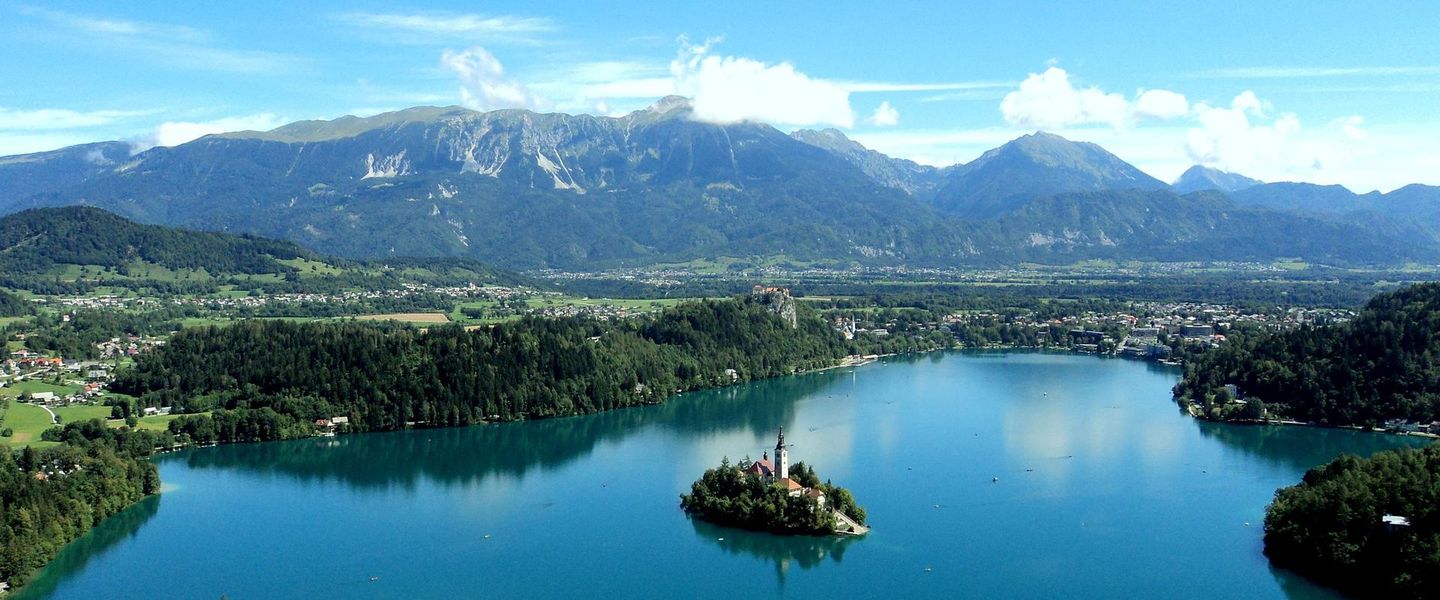


Explore Carinthia in Slovenia for mountain trails, the Mežica mine, Drava Valley cycling, industrial heritage and Alpine food traditions.
Read more about Carinthia
When is the best time to visit Carinthia?
Best: June–August · 23–25°C| Month | High (°C) | Rainfall (mm) |
|---|---|---|
| January | 3 | 50 |
| February | 5 | 45 |
| March | 10 | 55 |
| April | 14 | 60 |
| May | 19 | 70 |
| June (best) | 23 | 80 |
| July (best) | 25 | 85 |
| August (best) | 24 | 80 |
| September | 21 | 65 |
| October | 15 | 55 |
| November | 8 | 50 |
| December | 3 | 45 |
Getting to and around Carinthia
How to get there
Transportation
Top city travel guides in Carinthia
The cities of Carinthia, and the easiest places to base yourself.

Swipe for more cities
Best attractions in Carinthia
Carinthia’s attractions combine mountain recreation with an unusually strong industrial and geological heritage. The Mežica mine is the region’s signature experience, offering guided access to former lead and zinc workings and an immersive explanation of underground labour and geology. The surrounding Meža valley leads towards Peca and the landscape of Črna na Koroškem, where hiking, cycling and winter activities are linked to the mountain environment. Slovenj Gradec provides museums, historic churches and cultural collections, including the Koroška Regional Museum, while Ravne na Koroškem presents the history of ironworking and steel production. Along the Drava, visitors can follow cycling and walking routes through wooded hills, villages and river landscapes, with opportunities for short excursions around Dravograd and the eastern valleys. The Pohorje edge offers forest trails, highland farms and seasonal outdoor activities rather than a dense concentration of visitor facilities. Churches, traditional farmhouses, local collections and small heritage sites reward travellers who move beyond the main towns. Because many attractions are spread through narrow valleys, the region is best experienced through a sequence of manageable excursions rather than a single sightseeing circuit.
-
Tourist attraction
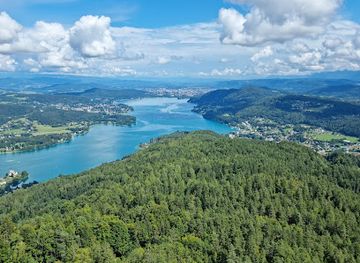
Pyramidenkogel Tower
Experience breathtaking views and thrilling adventures at Pyramidenkogel Tower, the iconic observation deck in Keutschach am See, Austria.
-
Tourist attraction
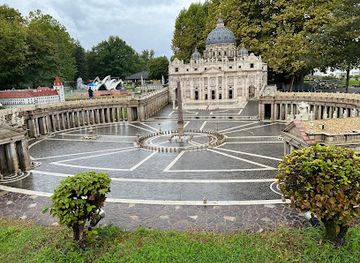
Minimundus
Discover Minimundus in Klagenfurt, where miniature replicas of the world's landmarks come to life in a stunning amusement park setting.
-
Animal park
Affenberg Landskron
Discover the magic of Affenberg Landskron, an animal park in Villach, Austria, where monkeys roam freely in a stunning alpine landscape.
-
Tourist attraction
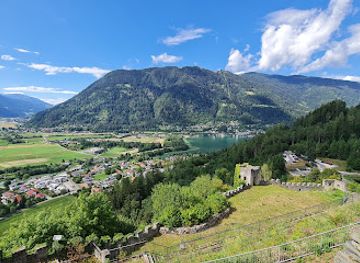
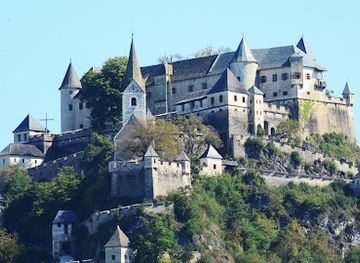
Hochosterwitz Castle
Explore Hochosterwitz Castle, Austria's majestic medieval fortress offering stunning views, rich history, and a glimpse into the past.
Best landmarks in Carinthia
Peca is the defining natural landmark of the Meža valley, rising above Črna na Koroškem and Mežica as a broad mountain massif associated with hiking, high pastures and the region’s mining landscape. The underground workings beneath the mountain form an equally distinctive industrial landmark, although they should be visited only through authorised tours. In Slovenj Gradec, the historic town centre and its parish churches preserve the visual core of a settlement shaped by medieval administration and later civic life. Ravne na Koroškem’s industrial landscape, including its steelmaking heritage, represents the transformation of a rural valley into a major metalworking centre. Dravograd’s position near the meeting of the Drava, Meža and Mislinja valleys gives it geographical significance as well as historic importance as a route junction. Across the hills, churches, roadside shrines, old farmhouses and wooded ridgelines provide a dispersed architectural and cultural character rather than a single monumental skyline. The contrast between Peca’s mountain mass, the Drava’s broad valley and Ravne’s industrial structures captures the region’s identity particularly well.
-
Nature preserve
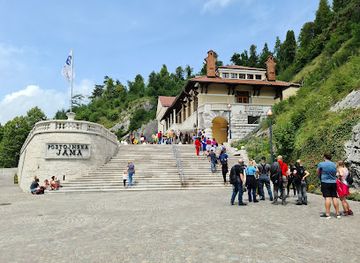
Postojna Cave
Discover the awe-inspiring Postojna Cave in Slovenia, a natural wonder filled with stunning formations and rich biodiversity.
-
Castle
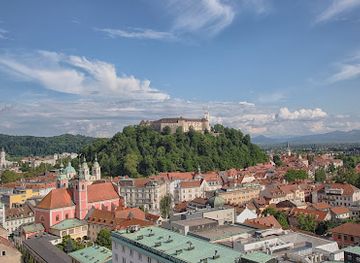
Ljubljana Castle
Experience the captivating blend of history and stunning views at Ljubljana Castle, a must-visit landmark in Slovenia's vibrant capital.
-
Castle
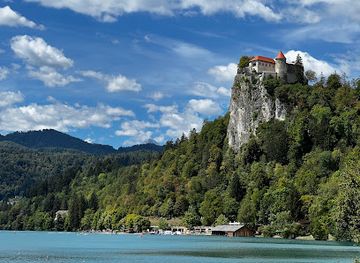
Bled Castle
Experience the rich history and breathtaking views at Bled Castle, a medieval fortress overlooking the stunning Lake Bled in Slovenia.
-
Castle
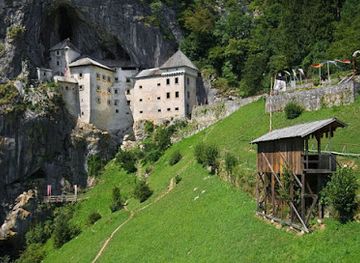
Predjama Castle
Explore Predjama Castle, Slovenia's medieval marvel carved into a cliff, where history and legend intertwine in breathtaking beauty.
Explore Carinthia on the map
Plan your trip on one map. See where the top cities, national parks and sights are, and book hotels and experiences in a few clicks.
Best hotels in Carinthia
Best restaurants in Carinthia
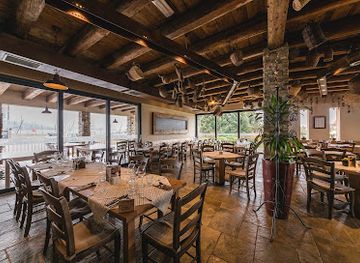
Koroška cuisine is grounded in Alpine farming, forestry and the hearty cooking of working communities. Rural inns and family-run restaurants commonly serve soups, stews, pork, sausages, potatoes, buckwheat, mushrooms and seasonal vegetables, alongside Slovenian staples interpreted through local habits. Dairy products, farmhouse breads and preserved foods are important in the wider food culture, while river valleys may offer freshwater fish when available. Buckwheat dishes deserve attention, as do mushroom-based preparations in the forested uplands. Slovenj Gradec and Ravne provide the broadest choice of cafés, pizzerias and contemporary restaurants, whereas the countryside is better known for traditional meals and generous portions. Local preserves, honey, spirits and other farm products can sometimes be found at markets or directly from producers. Menus change with season and supply, so visitors should ask what is regional rather than assuming that every Slovenian dish is specific to Carinthia. Dining is generally relaxed, with lunch often the more substantial meal and advance planning useful for rural establishments.
-
Restaurant
Gostinsko podjetje Trojane d.d.
Experience authentic Slovenian cuisine at Gostinsko podjetje Trojane d.d., renowned for its delectable dishes and iconic pastries.
-
Restaurant
Gostilna in Hotel GROF
Experience authentic Slovenian cuisine at Gostilna in Hotel GROF - a hidden gem surrounded by nature's beauty.
-
Austrian
Gasthaus im Landhaushof
Experience authentic Austrian cuisine in Klagenfurt's charming Gasthaus im Landhaushof with delightful dishes and warm hospitality.
-
Restaurant
Restavracija Most
Discover Restavracija Most: A Culinary Haven Celebrating Traditional Slovenian Flavors in Ljubljana.



Best bars in Carinthia
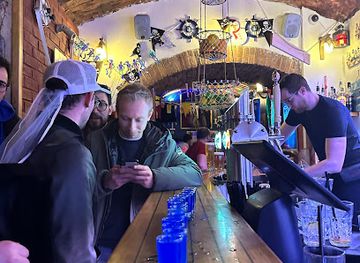
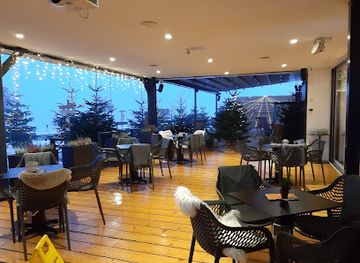
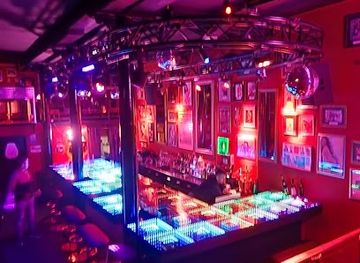
Evening life in Carinthia is modest and town-centred rather than built around a large club scene. Slovenj Gradec and Ravne na Koroškem have the widest selection of cafés, bars and places for a late drink, while Dravograd and the smaller valley towns offer a quieter choice of local bars and traditional inns. Coffee culture, conversation and informal gatherings are more characteristic than all-night nightlife. Occasional concerts, cultural programmes and community events provide additional evening activity, particularly in the larger settlements, but schedules vary by season. Rural accommodation may be close to a restaurant or inn rather than a dedicated nightlife venue, so check the final transport connection before staying outside town. Beer, wine and spirits are available, yet visitors can experience the region fully through food, music, museums and evening walks without making alcohol the focus of the night.
-
Bar
Captain's Cabin
Experience the vibrant nightlife of Ljubljana at Captain's Cabin, where affordable drinks and a cozy atmosphere await every visitor.
-
Bar
Pišek bar
Experience the vibrant atmosphere and exquisite beverages at Pišek Bar, a local gem in the heart of Celje, Slovenia.
-
Wine bar
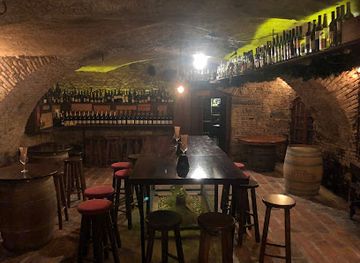
Dvorni Bar
Discover the charm of Dvorni Bar in Ljubljana, where exquisite wines and a cozy atmosphere create an unforgettable experience.
-
Bar
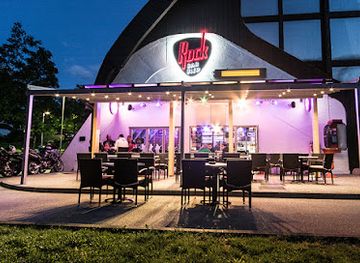
bar Bled
Immerse yourself in the lively atmosphere of Bar Bled, where great drinks, stunning views, and friendly vibes create unforgettable moments.
Best nightclubs in Carinthia
Evening life in Carinthia is modest and town-centred rather than built around a large club scene. Slovenj Gradec and Ravne na Koroškem have the widest selection of cafés, bars and places for a late drink, while Dravograd and the smaller valley towns offer a quieter choice of local bars and traditional inns. Coffee culture, conversation and informal gatherings are more characteristic than all-night nightlife. Occasional concerts, cultural programmes and community events provide additional evening activity, particularly in the larger settlements, but schedules vary by season. Rural accommodation may be close to a restaurant or inn rather than a dedicated nightlife venue, so check the final transport connection before staying outside town. Beer, wine and spirits are available, yet visitors can experience the region fully through food, music, museums and evening walks without making alcohol the focus of the night.
-
Disco club
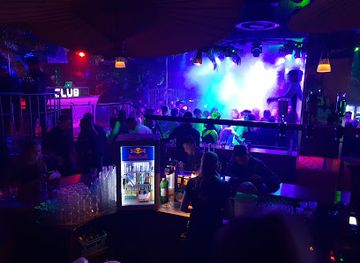
V-Club Villach
Dive into the vibrant nightlife of Villach at V-Club, where great music and dancing create unforgettable memories.
-
Night club
Andiamo Men's Club
Experience the electrifying nightlife at Andiamo Men's Club in Villach, Austria. Exclusive for men, offering vibrant entertainment and top-tier service.
-
Night club
Klub K4
Discover the heart of Ljubljana's nightlife at Klub K4, where music, energy, and unforgettable moments collide.
-
Night club
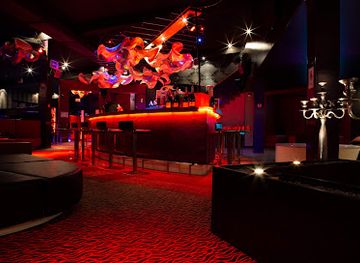
Hard Core Club
Discover Ljubljana's nightlife at Hard Core Club, where electrifying beats and vibrant crowds create unforgettable experiences.

Best shops in Carinthia
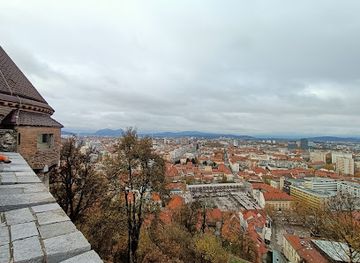
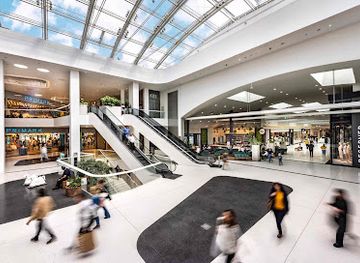
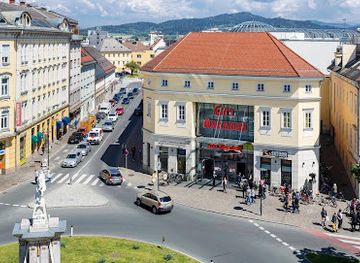
Shopping in Carinthia is concentrated in the high streets and small commercial centres of Slovenj Gradec, Ravne na Koroškem, Dravograd and the other valley towns rather than in major retail complexes. Independent shops, bakeries, cafés and everyday services give the towns their practical character, while local markets and occasional producer stalls are useful places to look for honey, preserves, dairy products, baked goods and seasonal produce. Visitors interested in regional identity should seek museum shops, craft outlets and galleries for locally made objects, books, textiles or small gifts connected with Koroška’s mining and industrial heritage. The region is not primarily a luxury-shopping destination, but it suits travellers looking for food products and modest, place-specific souvenirs. Farmers’ markets and opening arrangements vary, particularly in smaller communities, so ask locally for current market days. Craft and food purchases are often more meaningful here than generic tourist merchandise, especially when sourced from a producer or independent shop.
-
Shopping mall
BTC City Ljubljana
Discover BTC City Ljubljana: A bustling shopping mall offering retail therapy, diverse dining, and entertainment in the heart of Slovenia's capital.
-
Store
Shopping Center Citypark
Discover Shopping Center Citypark, Ljubljana's ultimate destination for shopping, dining, and entertainment in a vibrant atmosphere.
-
Shopping mall
City-Arkaden Klagenfurt
Explore City-Arkaden Klagenfurt: A shopping haven with diverse stores, tasty eateries, and a vibrant atmosphere in Klagenfurt am Wörthersee.
-
Store
Shopping center Europark Maribor
Experience the best of shopping and dining at Europark Maribor, Slovenia's vibrant shopping destination with diverse options for all tastes.
Get your free copy of our complete guide to Carinthia, delivered straight to you.
Everything on this page, from attractions and restaurants to essentials and local phrases, in one PDF you can read offline, print or share.
Already have an account? Sign in
Your Carinthia guide is ready.
We'll send it to · Not you? Sign out

Getting your guide ready…
We are putting together a fresh copy of the Carinthia guide. This can take up to a minute.
This can take a few moments. If your browser asks, choose Allow so the download can start. You'll find the guide in your Downloads folder.
Nothing happened? Download it again
Sorry, the guide is taking longer than usual. Please try again in a minute, or get it by email instead.
Carinthia essentials
Currency and Payment
Safety
Emergency Situations
Do's and Don'ts
Local Tips
From Eve
Local phrases worth knowing
You don't need to get them perfect. A few words go a long way, and locals appreciate the effort.
Basics
| English | Local | Say it |
|---|---|---|
| Hello | Zdravo | [Zdra-vo] |
| Goodbye | Nasvidenje | [Nas-vi-den-ye] |
| Yes | Da | [Dah] |
| No | Ne | [Neh] |
| Please/You're welcome | Prosim | [Pro-sim] |
| Thank you | Hvala | [Hva-la] |
| Excuse me/Sorry | Opravičujem se | [O-pra-vi-choo-yem se] |
| How are you? | Kako si? | [Ka-ko si] |
| Fine. And you? | Dobro. In ti? | [Do-bro. In ti?] |
| Do you speak English? | Ali govoriš angleško? | [A-li go-vo-reesh an-glesh-ko?] |
| I don't understand | Ne razumem | [Ne ra-zu-mem] |
Eating & Drinking
| English | Local | Say it |
|---|---|---|
| I'd like to see the menu, please | Rad bi videl meni, prosim | [Rad bi vi-del me-ni, pro-sim] |
| I don't eat meat | Ne jem mesa | [Ne yem me-sa] |
| Cheers! | Na zdravje! | [Na zdra-vye] |
| I would like to pay, please | Rad bi plačal, prosim | [Rad bi pla-chal, pro-sim] |
Emergencies
| English | Local | Say it |
|---|---|---|
| Help! | Pomoč! | [Po-mo-ch] |
| Go away! | Pojdi stran! | [Poy-di stran] |
| Call the Police! | Pokliči policijo! | [Po-kli-chi po-li-chi-jo] |
| Call a doctor! | Pokliči zdravnika! | [Po-kli-chi zdrav-ni-ka] |
| I'm lost | Izgubil sem se | [Iz-gu-bil sem se] |
| I'm ill | Bolim | [Bo-lim] |
Shopping
| English | Local | Say it |
|---|---|---|
| I'd like to buy... | Rad bi kupil... | [Rad bi ku-pil] |
| I'm just looking | Samo gledam | [Sa-mo gle-dam] |
| How much is it? | Koliko stane? | [Ko-li-ko sta-ne?] |
| That's too expensive | To je predrago | [To ye pre-dra-go] |
| Can you lower the price? | Lahko znižaš ceno? | [Lah-ko zni-zash tse-no?] |
Time & Numbers
| English | Local | Say it |
|---|---|---|
| What time is it? | Koliko je ura? | [Ko-li-ko ye u-ra?] |
| It's one o'clock | Je ena ura | [Ye e-na u-ra] |
| Half past (10) | Pol (10) | [Pol (10)] |
| Morning | Jutro | [Yu-tro] |
| Afternoon | Popoldne | [Po-pold-ne] |
| Evening | Večer | [Ve-cher] |
| Yesterday | Včeraj | [V-che-raj] |
| Today | Danes | [Da-nes] |
| Tomorrow | Jutri | [Yu-tri] |
| 1 | 1 | [1] |
| 2 | 2 | [2] |
| 3 | 3 | [3] |
| 4 | 4 | [4] |
| 5 | 5 | [5] |
| 6 | 6 | [6] |
| 7 | 7 | [7] |
| 8 | 8 | [8] |
| 9 | 9 | [9] |
| 10 | 10 | [10] |
Transport & Directions
| English | Local | Say it |
|---|---|---|
| Where's a/the...? | Kje je...? | [Kye ye...?] |
| What's the address? | Kakšna je naslov? | [Kak-shna ye nas-lov?] |
| Can you show me (on the map)? | Mi lahko pokažeš (na zemljevidu)? | [Mi lah-ko po-ka-zesh (na zem-le-vi-du)?] |
| When's the next (bus)? | Kdaj je naslednji (avtobus)? | [Kdaj ye nas-led-nji (au-to-bus)?] |
| A ticket (to ....) | Eno vozovnico (do....) | [E-no vo-zo-vni-co (do....)] |
History of Carinthia
Prehistoric settlement and the Alpine valleys
Archaeological evidence shows that the valleys and mountain margins of present-day Koroška were used long before the modern towns emerged. The region’s rivers offered movement routes through a difficult Alpine landscape, while elevated areas supported seasonal activity, pasture and access to woodland resources. Individual archaeological discoveries should be understood within the wider history of the eastern Alps, where communities exchanged materials and ideas across present-day national borders. The surviving landscape of enclosed valleys, upland farms and mountain passes still reflects the close relationship between settlement and terrain.
Roman roads and the northern frontier
During the Roman period, the territory of modern Carinthia lay within the wider provincial world of Noricum and its neighbouring regions. Roads, trading routes and administrative links connected the Alpine interior with settlements farther south and across the Drava basin. Roman influence did not erase local communities, but it integrated the area into a larger economic and political system. Archaeological remains in the wider region are more fragmentary than in Slovenia’s principal Roman centres, yet the valley routes used today for roads and local travel follow corridors that have long connected the interior with the Alpine north.
Medieval Carinthia and the development of towns
In the Middle Ages, the area was part of the shifting political landscape of the Duchy of Carinthia and neighbouring feudal territories. Churches, manors, market settlements and fortified positions developed around routes through the valleys. Slovenj Gradec became the region’s principal historic town, while Dravograd gained importance from its location near the confluence of the Drava and Meža. Medieval religious institutions and landholding patterns helped shape settlement, agriculture and local administration, leaving traces in historic town centres, parish churches and the dispersed farmsteads of the uplands.
Mining in the Meža valley
Lead and zinc mining became the defining economic force in the Meža valley, particularly around Mežica and Črna na Koroškem. Mining developed over centuries and expanded substantially in the modern industrial era, creating specialised work, transport needs and close-knit settlements in a mountainous environment. The underground workings altered the landscape and economy of the valley, while miners’ knowledge became part of local identity. After mining ended, parts of the former workings were adapted for heritage tourism, allowing visitors to understand the geology, labour and engineering behind the industry.
Ironworking and Ravne’s industrial transformation
Iron production and metalworking shaped the settlements around Ravne na Koroškem and Prevalje. Industrial development brought factories, skilled workers and new patterns of urban growth to a region previously dominated by agriculture, forestry and smaller-scale craft. Ravne’s steel tradition continued through the political and economic changes of the nineteenth and twentieth centuries, helping make the town one of Slovenia’s important industrial centres. Museums and industrial traces preserve the memory of furnaces, workshops and the generations whose work connected Carinthia to wider European manufacturing networks.
The First World War and the changing borderlands
The First World War and the collapse of the Habsburg monarchy transformed the political context of Carinthia. The post-war settlement created new borders between Austria and the Kingdom of Serbs, Croats and Slovenes, later Yugoslavia, and divided a historically connected Alpine area. Communities on both sides retained cultural and economic links, but administration, citizenship and trade were reorganised. The border remains an important geographical fact for visitors today: Koroška in Slovenia is culturally related to, but distinct from, the Austrian federal state also called Carinthia.
Occupation, resistance and post-war industry
During the Second World War, the region was occupied and became part of the wider struggle between occupying authorities, resistance forces and local communities. Forested mountains and remote valleys provided terrain for partisan activity, while towns and industrial sites experienced wartime control and disruption. After 1945, Slovenia’s integration into socialist Yugoslavia accelerated industrial development, public infrastructure and urban growth, particularly around Ravne. Since Slovenia’s independence in 1991, Carinthia has combined manufacturing and forestry with heritage conservation, outdoor tourism and cross-border cooperation.
Carinthia in Photos
Browse through our photo collection highlighting the charm and character of the destination.
Neighbouring regions of Carinthia
The closest regions to Carinthia, if you have time for more than one.
-

-

-

-

-


Swipe for more regions
Explore more

Explore more of Slovenia
Discover Slovenia's stunning landscapes, rich cultural heritage, and delightful cuisine. A hidden gem in Europe, perfect for outdoor adventures, history, and culinary exploration.
Explore Slovenia