
Prekmurje, Slovenia Travel Guide
Discover the hidden treasures of Prekmurje, Slovenia, where rolling plains, rich culture, and tantalizing cuisine create an unforgettable experience.
Prekmurje, a hidden gem in northeastern Slovenia, offers a serene escape from the hustle and bustle of city life. This tranquil region is renowned for its endless plains, charming villages, and a rich cultural heritage that reflects its unique blend of Slovenian, Hungarian, and Austrian influences. As you traverse the rolling landscapes, you will be greeted by fields of sunflowers, lush vineyards, and the meandering Mura River, which provides a picturesque backdrop to this idyllic destination. Prekmurje is a paradise for nature lovers and outdoor enthusiasts. The region boasts numerous hiking and cycling trails that wind through its scenic countryside, offering panoramic views and close encounters with local wildlife. One of the highlights is the Goričko Nature Park, where you can explore verdant forests, quaint farms, and the majestic Grad Castle, one of the largest castles in Slovenia. Cultural aficionados will find Prekmurje equally captivating. The area is dotted with historical landmarks, including the Rotunda of St. Nicholas and St. Michael, a charming Romanesque church, and the Plečnik Church in Bogojina, designed by Slovenia's most famous architect, Jože Plečnik. Local museums provide a glimpse into the region's fascinating past, while traditional events and festivals, such as the Bograč Festival, celebrate its culinary delights. Speaking of cuisine, Prekmurje is a food lover's dream. The region is famous for its hearty and flavorful dishes, such as bograč, a rich meat stew, and prekmurska gibanica, a delectable layered pastry. Pair these culinary delights with local wines and spirits for a truly authentic experience. Warm hospitality is a hallmark of Prekmurje, and visitors often leave with a sense of having discovered a well-kept secret of Slovenia.

Know before you go
Hi, I'm Eve. Here are a few practical things to know before exploring Prekmurje.
- Visit the Goričko Nature Park early in the morning for the best wildlife spotting opportunities.
- Don't miss the Bograč Festival if you're visiting in August to taste the region's iconic stew.
- Sample the local wines at one of the many family-run vineyards for an authentic taste of Prekmurje.
- Take a guided tour of Grad Castle to learn about its fascinating history and architecture.
- Try to learn a few basic phrases in Slovenian or Hungarian to connect better with the friendly locals.
Explore Prekmurje: Things to Do, Places to Eat, Hotels & More
Handpicked recommendations for top attractions, local dining, accommodations, and more

Top Attractions & Sightseeing in Prekmurje
Top-rated picks
Best Attractions

Terme 3000
Discover the serene beauty of Terme 3000, a premier thermal resort in Moravske Toplice, offering rejuvenating spa experiences and stunning natural surroundings.

Ocean Orchids trgovina in storitve d.o.o.
Explore Ocean Orchids, a tropical botanical garden in Dobrovnik, Slovenia, offering a unique mix of nature, play, and refreshment.

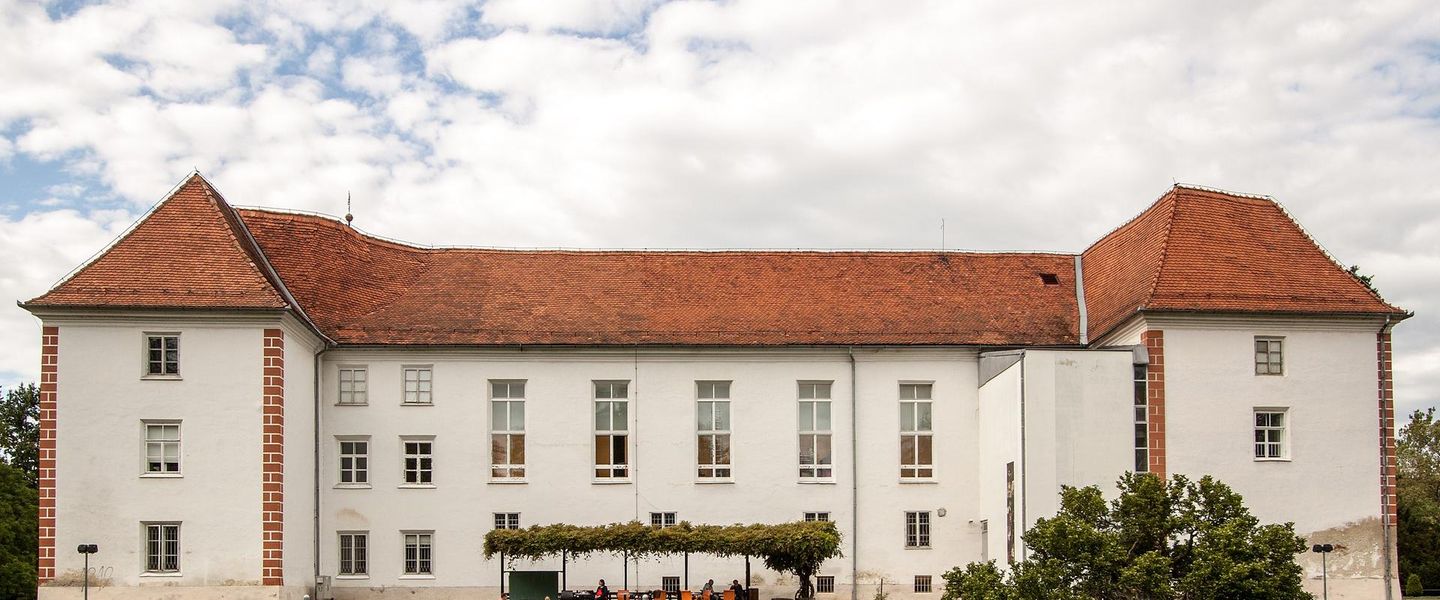
VULKANIA - Zavod za upravljanje kulturne dediščine Grad
Discover Slovenia's rich cultural heritage at Vulkania, where history comes alive through engaging exhibits and interactive experiences.

Kodila delikatesa & restavracija
Experience the rich flavors of Slovenia at Kodila Delikatesa & Restavracija, where gourmet groceries meet traditional dining in Murska Sobota.

Best landmarks in Prekmurje
Top-rated picks
Best Landmarks

Vinarium Tower
Experience breathtaking views and the charm of Lendava at Vinarium Tower, a scenic spot showcasing the beauty of Slovenia's vineyards and landscapes.

Pavilion EXPANO
Explore Pavilion EXPANO, Murska Sobota's gateway to interactive exhibitions and the enchanting Prekmurje region.

VULKANIA - Zavod za upravljanje kulturne dediščine Grad
Explore the cultural heritage of Slovenia at Vulkanija, a captivating tourist attraction in Grad that offers engaging exhibits and immersive experiences.

Otok ljubezni
Discover the beauty of Otok Ljubezni, a serene island escape in Beltinci, Slovenia, perfect for nature lovers and those seeking romance in the great outdoors.

Best restaurants in Prekmurje
Top-rated picks
Best Restaurants

Gostilna-Pizzeria Nona
Discover authentic Italian flavors at Gostilna-Pizzeria Nona in Murska Sobota—where delicious pizzas meet Slovenian hospitality.

Pizzeria Perunika
Discover the flavors of Italy at Pizzeria Perunika in Moravske Toplice – where every slice tells a story!

Kodila delikatesa & restavracija
Experience authentic Slovenian cuisine at Kodila Delikatesa & Restavracija – where tradition meets flavor in Murska Sobota.

Bunker postapocalyptic steampunk bar
Experience the extraordinary at Bunker Postapocalyptic Steampunk Bar in Murska Sobota – where culinary art meets imaginative design.

Best bars in Prekmurje
Top-rated picks
Best Bars

Bunker postapocalyptic steampunk bar
Experience the unique ambiance of Bunker, a post-apocalyptic steampunk bar in Murska Sobota, where creativity meets culinary excellence.
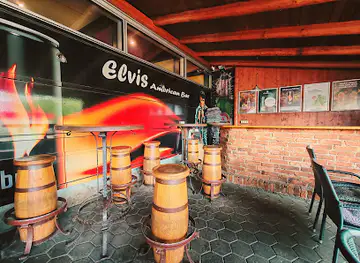
Elvis American Bar
Experience the vibrant flavors of American cuisine at Elvis American Bar in Murska Sobota, where food meets fun in a retro setting.

Creta bar
Experience the vibrant atmosphere and local flavors at Creta Bar in Moravske Toplice, a must-visit for travelers seeking authentic Slovenian hospitality.

Bar il Cafe
Discover the vibrant atmosphere of Bar il Cafe in Murska Sobota, where delicious drinks and delightful ambiance await every visitor.

Best nightclubs in Prekmurje
Top-rated picks
Best Nightclubs

Bunker postapocalyptic steampunk bar
Discover the enchanting Bunker postapocalyptic steampunk bar in Murska Sobota, where fantasy and reality blend in a unique atmosphere.

Klub K4
Discover the electrifying nightlife at Klub K4, Ljubljana's premier night club, where unforgettable experiences await every weekend.

Night club Escape Ljubljana
Dive into the vibrant nightlife of Ljubljana at Night Club Escape, where electrifying music and unforgettable experiences await.

Pure Night Club
Discover the heart of Ljubljana's nightlife at Pure Night Club, where electrifying music and vibrant crowds create unforgettable experiences.

Best shops in Prekmurje
Top-rated picks
Best Shops

Kodila delikatesa & restavracija
Discover the flavors of Prekmurje at Kodila Delikatesa & Restavracija, where gourmet meets tradition in a delightful dining experience.

Maximus
Discover a bustling shopping paradise at Maximus in Murska Sobota, where shopping, dining, and entertainment come together.

Posestvo Passero
Discover exquisite artisanal chocolates at Posestvo Passero in Moravske Toplice, Slovenia - a chocolate lover's paradise with a rich selection.

Müller
Explore Müller in Murska Sobota for an extensive selection of cosmetics, toys, home goods, and more at affordable prices.

Explore Prekmurje on the Map
A handpicked selection of must-see spots in Prekmurje, mapped for you.
Prekmurje Essentials
-
Prekmurje is located in the northeastern part of Slovenia. The nearest international airport is Ljubljana Jože Pučnik Airport, approximately 180 kilometers away. From Ljubljana, you can take a train or a bus to Murska Sobota, the main town in Prekmurje. The journey typically takes around 2 to 3 hours by road. Alternatively, you can rent a car for a more flexible travel experience. Another option is to fly into Graz Airport in Austria, which is around 110 kilometers from Murska Sobota and offers a shorter travel time by road.
-
Public transportation in Prekmurje includes buses and trains that connect the main towns and villages. For local travel, buses are a convenient option, and taxis are readily available in larger towns like Murska Sobota. Renting a car is highly recommended if you wish to explore the rural areas and smaller villages at your own pace. Biking is also popular, with many scenic routes available for cyclists.
-
The official currency in Slovenia is the Euro (EUR). Credit cards are widely accepted in hotels, restaurants, and shops in Prekmurje. However, it is advisable to carry some cash, especially when visiting smaller villages and rural areas. ATMs are available in larger towns like Murska Sobota, but it’s wise to withdraw sufficient cash beforehand if you plan on exploring remote areas.
-
Prekmurje is generally a safe destination for tourists. However, it is always advisable to take standard precautions. Avoid walking alone at night in unfamiliar areas and keep an eye on your belongings in crowded places. There are no specific high-crime areas targeting tourists in Prekmurje, but staying vigilant and aware of your surroundings is always best.
-
In case of emergency, dial 112 for immediate assistance, which covers police, fire, and medical emergencies. The local police station and medical facilities are available in Murska Sobota and other larger towns. It is recommended to have travel insurance that covers medical emergencies. For minor health issues, there are pharmacies in most towns where you can purchase over-the-counter medications.
-
Fashion: Do dress modestly, especially when visiting religious sites. Avoid wearing overly revealing clothing. Religion: Do respect local customs and traditions. Always cover your head when entering churches and chapels. Public Transport: Do be respectful and give up your seat to elderly passengers. Don't eat or drink on public transport. Greetings: Do greet people with a handshake. A friendly 'Dober dan' (Good day) is appreciated. Eating & Drinking: Do try local delicacies such as Prekmurska gibanica and bograč. Don’t refuse hospitality, as it is considered impolite.
-
To experience Prekmurje like a local, visit the local thermal spas, which are popular among residents. Engage with locals at the farmers' markets where you can buy fresh produce and traditional goods. Don't miss exploring the natural beauty of the Goričko Landscape Park. For a unique experience, attend a local festival or event, where you can immerse yourself in the culture and traditions of the region.
When is the best time to visit Prekmurje?
Useful Local Phrases for Prekmurje
You don't need to speak the language perfectly. Even learning a few simple words can make conversations warmer—and locals usually appreciate the effort.
— Eve

Here are the phrases I use most often in Prekmurje. Try a few—you'll be surprised how far they go! 😊
❤️
-
- HelloZdravo
[Zdra-vo] - GoodbyeNasvidenje
[Nas-vi-den-ye] - YesDa
[Dah] - NoNe
[Neh] - Please/You're welcomeProsim
[Pro-seem] - Thank youHvala
[Hvah-lah] - Excuse me/SorryOpravičujem se
[O-pra-vi-chu-yem se] - How are you?Kako si?
[Ka-ko see?] - Fine. And you?Dobro. In ti?
[Doh-bro. In tee?] - Do you speak English?Ali govorite angleško?
[Ah-lee go-vo-ree-te an-gle-shko?] - I don't understandNe razumem
[Neh rah-zu-mem]
- HelloZdravo
-
- I'd like to see the menu, pleaseRad bi videl meni, prosim
[Rahd bee vee-del meh-nee, pro-seem] - I don't eat meatNe jem mesa
[Neh yem meh-sah] - Cheers!Na zdravje!
[Nah zdrav-yeh!] - I would like to pay, pleaseRad bi plačal, prosim
[Rahd bee pla-chal, pro-seem]
- I'd like to see the menu, pleaseRad bi videl meni, prosim
-
- Help!Pomagajte!
[Po-ma-gai-te!] - Go away!Pojdite stran!
[Poy-dee-te stran!] - Call the Police!Pokličite policijo!
[Po-klee-chee-te po-li-tsi-yo!] - Call a doctor!Pokličite zdravnika!
[Po-klee-chee-te zdrav-ni-ka!] - I'm lostIzgubil sem se
[Iz-goo-beel sem se] - I'm illBolim
[Bo-leem]
- Help!Pomagajte!
-
- I'd like to buy...Rad bi kupil...
[Rahd bee koo-peel...] - I'm just lookingSamo gledam
[Sah-mo gled-am] - How much is it?Koliko stane?
[Ko-li-ko sta-ne?] - That's too expensiveTo je predrago
[To yeh pre-drah-go] - Can you lower the price?Lahko znižate ceno?
[Lah-ko znee-zha-te tse-no?]
- I'd like to buy...Rad bi kupil...
-
- What time is it?Koliko je ura?
[Ko-li-ko yeh oo-ra?] - It's one o'clockJe ena ura
[Yeh eh-na oo-ra] - Half past (10)Pol desetih
[Pol de-se-tih] - MorningJutro
[Yoo-tro] - AfternoonPopoldne
[Po-pold-ne] - EveningVečer
[Veh-cher] - YesterdayVčeraj
[V-che-rai] - TodayDanes
[Dah-nes] - TomorrowJutri
[Yoo-tree] - 1Ena
[Eh-na] - 2Dve
[Dveh] - 3Tri
[Tree] - 4Štiri
[Shtee-ree] - 5Pet
[Pet] - 6Šest
[Shest] - 7Sedem
[Seh-dem] - 8Osem
[Oh-sem] - 9Devet
[Deh-vet] - 10Deset
[Deh-set]
- What time is it?Koliko je ura?
-
- Where's a/the...?Kje je...?
[Kye yeh...?] - What's the address?Kakšna je naslov?
[Kak-shna yeh nas-lov?] - Can you show me (on the map)?Mi lahko pokažete (na zemljevidu)?
[Mee lah-ko po-ka-zhe-te (nah zem-le-vee-doo)?] - When's the next (bus)?Kdaj je naslednji (avtobus)?
[Kdah-y yeh nas-led-nee (av-to-boos)?] - A ticket (to ....)Eno vozovnico (do ....)
[Eh-no vo-zo-vni-tsa (doh ....)]
- Where's a/the...?Kje je...?
History of Prekmurje
-
Prekmurje's history dates back to prehistoric times, with archaeological findings revealing evidence of ancient settlements. The Celtic and Roman periods left significant marks, including ancient fortifications and Roman roads that traversed the region.
-
During the medieval era, Prekmurje was part of the Kingdom of Hungary. The region saw the rise of several important fortresses and towns, such as Murska Sobota, which became a focal point for trade and defense.
-
The Reformation era brought significant religious shifts to Prekmurje. The region saw the spread of Protestantism, and the influence of reformers like Primož Trubar was notable. Churches and other religious buildings from this period still stand today, reflecting the region’s diverse religious history.
-
Prekmurje, like much of Central Europe, faced several incursions by the Ottoman Empire from the 16th to the 17th centuries. These invasions had a profound impact on the local population, leading to the construction of defensive structures and fortifications to safeguard against attacks.
-
In the 18th and 19th centuries, Prekmurje became more integrated into the Austro-Hungarian Empire. The era saw economic development and the establishment of infrastructure, including railways and public buildings, which contributed to the modernization of the region.
-
The aftermath of World War I brought significant changes to Prekmurje. The Treaty of Trianon in 1920 resulted in the region being transferred from Hungary to the newly formed Kingdom of Serbs, Croats, and Slovenes (later Yugoslavia). This shift had profound effects on the local population and their national identity.
-
During World War II, Prekmurje was occupied by Hungary from 1941 to 1945. This period was marked by hardship, resistance, and the persecution of local populations, including both Slovenes and Jews. The region was liberated towards the end of the war and reintegrated into Yugoslavia.
-
After World War II, Prekmurje became part of the Socialist Federal Republic of Yugoslavia. The post-war period saw industrialization and collectivization efforts, as well as cultural development within the socialist framework.
-
Prekmurje played a part in the broader narrative of Slovenian independence. In 1991, Slovenia declared independence from Yugoslavia, and Prekmurje became part of the sovereign state of Slovenia. This period saw economic transitions and efforts to preserve and promote the unique cultural heritage of the region.
-
Prekmurje is renowned for its rich cultural heritage, including its distinctive dialect, traditional costumes, and culinary specialties such as 'bograč' (a hearty meat stew). The region also hosts numerous festivals and cultural events that celebrate its history and traditions, providing a vibrant cultural scene for both locals and visitors.
Neighbouring Regions of Prekmurje
The closest regions to Prekmurje, if you have time for more than one.



Your all‑in‑one travel companion app
Explore expert travel guides, compare and book tours, experiences, hotels, and more—all from the palm of your hand. Download now for seamless trip planning wherever your wanderlust takes you.


Explore More of Slovenia

Looking beyond Prekmurje? Discover Slovenia for broader travel guides, local hot-spots, and regional highlights.
Explore SloveniaPrekmurje in Photos
Browse through our photo collection highlighting the charm and character of the destination.
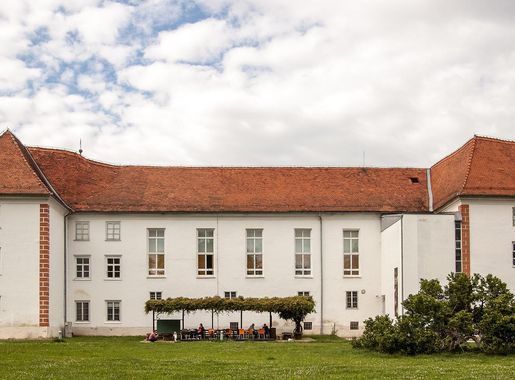
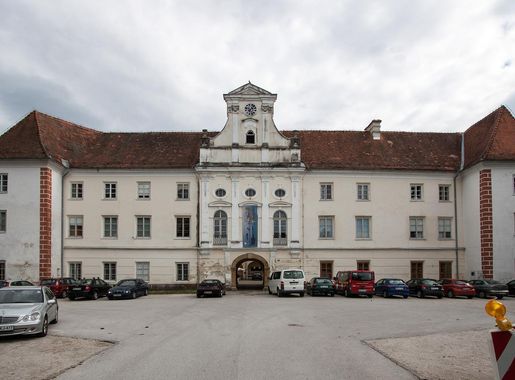


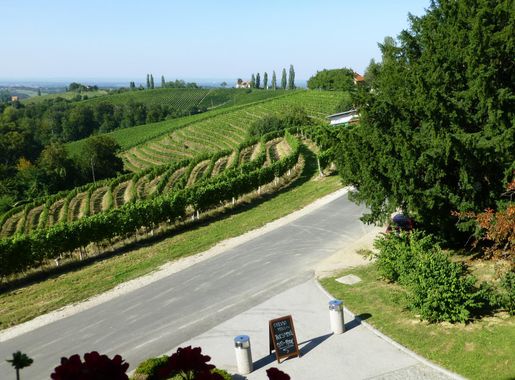


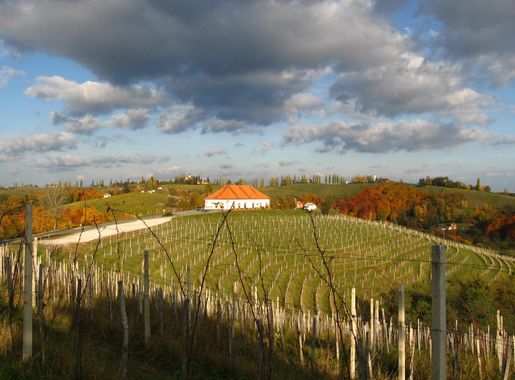
The Enchanting Plains of Prekmurje
Prekmurje, a hidden gem in northeastern Slovenia, offers a serene escape from the hustle and bustle of city life. This tranquil region is renowned for its endless plains, charming villages, and a rich cultural heritage that reflects its unique blend of Slovenian, Hungarian, and Austrian influences. As you traverse the rolling landscapes, you will be greeted by fields of sunflowers, lush vineyards, and the meandering Mura River, which provides a picturesque backdrop to this idyllic destination. Prekmurje is a paradise for nature lovers and outdoor enthusiasts. The region boasts numerous hiking and cycling trails that wind through its scenic countryside, offering panoramic views and close encounters with local wildlife. One of the highlights is the Goričko Nature Park, where you can explore verdant forests, quaint farms, and the majestic Grad Castle, one of the largest castles in Slovenia. Cultural aficionados will find Prekmurje equally captivating. The area is dotted with historical landmarks, including the Rotunda of St. Nicholas and St. Michael, a charming Romanesque church, and the Plečnik Church in Bogojina, designed by Slovenia's most famous architect, Jože Plečnik. Local museums provide a glimpse into the region's fascinating past, while traditional events and festivals, such as the Bograč Festival, celebrate its culinary delights. Speaking of cuisine, Prekmurje is a food lover's dream. The region is famous for its hearty and flavorful dishes, such as bograč, a rich meat stew, and prekmurska gibanica, a delectable layered pastry. Pair these culinary delights with local wines and spirits for a truly authentic experience. Warm hospitality is a hallmark of Prekmurje, and visitors often leave with a sense of having discovered a well-kept secret of Slovenia.