

Free Savinja Travel Guide & Mobile App
Explore Savinja with free travel guides. Discover regional history, expert tips, proposed trips, and audio guides on web or mobile app.


Explore Savinja in Slovenia for alpine valleys, medieval Celje, thermal towns, hop fields, local food and outdoor adventures.
Read more about Savinja
When is the best time to visit Savinja?
Best: June–August · 23–25°C| Month | High (°C) | Rainfall (mm) |
|---|---|---|
| January | 3 | 50 |
| February | 4 | 45 |
| March | 10 | 55 |
| April | 15 | 60 |
| May | 20 | 70 |
| June (best) | 23 | 80 |
| July (best) | 25 | 80 |
| August (best) | 25 | 70 |
| September | 21 | 65 |
| October | 15 | 60 |
| November | 8 | 60 |
| December | 4 | 55 |
Getting to and around Savinja
How to get there
Transportation
Top city travel guides in Savinja
The cities of Savinja, and the easiest places to base yourself.
-

-

-

-

-


Swipe for more cities
Destinations in Savinja
Resorts, valleys and scenic spots worth a trip of their own.

Swipe for more destinations
Best attractions in Savinja
Savinja’s attractions range from alpine landscapes to industrial museums and thermal resorts. In the west, Logar Valley provides memorable walking and cycling scenery beneath the Kamnik-Savinja Alps, with routes leading through meadows and forest towards Rinka waterfall. The Solčava area, including the Panoramic Road and neighbouring alpine valleys, is suited to scenic drives, hiking and visits to working farms. Celje combines Roman archaeology, museums and the extensive remains of Celje Castle, while Velenje offers a contrasting modern history through Velenje Castle, the Coal Mining Museum of Slovenia and recreational areas around Lake Velenje. Laško and Rogaška Slatina centre their visitor experience on thermal bathing, landscaped promenades and historic spa architecture. Around Žalec, hop fields and brewing heritage provide a specifically Lower Savinja experience, while Slovenske Konjice and the surrounding hills offer old-town walks, vineyards and countryside excursions. The result is a region where outdoor recreation, heritage and wellness are closely connected but widely dispersed.
-
Castle
Celje Castle
Explore the enchanting Celje Castle, a historical fortress offering stunning views, rich heritage, and captivating tales from Slovenia's medieval past.
-
Tourist attraction
Mozirski gaj
Explore Mozirski Gaj, Slovenia’s botanical paradise, where lush gardens and serene walking paths create a picturesque escape into nature.
-
Bar
Fontana beer Žalec
Discover the heart of Slovene brewing at Fontana Beer in Žalec, where local flavors and vibrant culture come together.
-
Tourist attraction
Mini Zoo Land
Explore the enchanting Mini Zoo Land in Slovenske Konjice, where diverse wildlife meets educational fun in a beautiful natural setting.


Best landmarks in Savinja
Celje Castle is Savinja’s most recognisable historic landmark, occupying a wooded hill above Celje and preserving the principal stronghold of the medieval Counts of Celje. Its towers and walls form a powerful link between the modern town and the dynasty that shaped regional politics in the late Middle Ages. In the Upper Savinja, the Rinka waterfall is a natural landmark at the head of Logar Valley, where water descends from the alpine mountain basin into a landscape of forest and meadow. The Savinja River itself provides the geographical thread connecting the region’s settlements, from Laško’s valley setting to the open agricultural basin around Žalec. Velenje Castle, set above the planned mining town, represents a different layer of history and reflects the area’s transition from medieval estate to industrial society. Rogaška Slatina’s spa architecture, promenades and landscaped grounds are also important landmarks, expressing the nineteenth- and twentieth-century development of mineral-water tourism. Together these places show Savinja’s distinctive combination of mountain geology, dynastic history, industrial transformation and spa culture.
-
Nature preserve
Postojna Cave
Explore the enchanting Postojna Cave in Slovenia, a natural wonder filled with stunning formations and rich biodiversity, perfect for nature lovers and adventurers.
-
Castle
Ljubljana Castle
Explore Ljubljana Castle: A historic fortress with panoramic views, rich culture, and engaging exhibits right in the heart of Slovenia's capital.
-
Castle
Bled Castle
Experience the enchanting beauty and rich history of Bled Castle, Slovenia's iconic fortress overlooking the stunning Lake Bled and the Julian Alps.
-
Castle
Predjama Castle
Explore the majestic Predjama Castle, Slovenia's iconic cliffside fortress steeped in history and surrounded by stunning natural beauty.


Explore Savinja on the map
Plan your trip on one map. See where the top cities, national parks and sights are, and book hotels and experiences in a few clicks.
Best hotels in Savinja
Best restaurants in Savinja
Savinja’s food reflects the transition from alpine valleys to fertile lowlands. Traditional inns and tourist farms serve hearty Slovenian cooking, often based on seasonal vegetables, potatoes, dairy products, pork, game or trout from local streams and rivers. In the Upper Savinja, farmhouse meals and regional dairy products suit a landscape shaped by pasture and mountain farming, while the Lower Savinja Valley benefits from productive fields and market-garden agriculture. Laško adds a long-standing brewing identity, and Žalec’s hop-growing tradition gives local food and drink a particularly agricultural context. Across the region, look for soups, dumplings, cured meats, strudels, honey and locally made spirits, alongside contemporary interpretations in larger towns and spa resorts. Cafés and formal hotel dining are especially visible in Rogaška Slatina and Laško, while rural establishments may use limited opening days and require advance planning.
-
Coffee shop
ŠPICA CAFFE | kaval Group
Riverside café escape where Ljubljana's urban rhythm slows to a peaceful riverside pace.
-
Pizza
Picerija Nekropolis
Discover authentic Italian pizza at Picerija Nekropolis in Šempeter v Savinjski Dolini - where every slice is crafted with passion.
-
Restaurant
Gostilna Štorman
Experience authentic Slovenian cuisine at Gostilna Štorman in Šempeter v Savinjski dolini - a culinary gem not to be missed!
-
Restaurant
Restavracija Camino
Experience the essence of Slovenian cuisine at Restavracija Camino - where tradition meets modern culinary artistry.


Best bars in Savinja
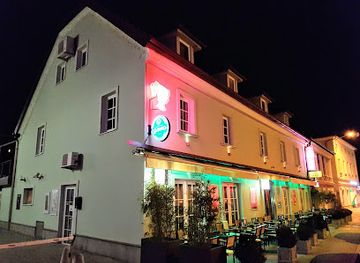
Evening life in Savinja is generally sociable and low-key rather than dominated by large clubs. Celje has the broadest choice of cafés, pubs, restaurants and cultural venues, with more activity around the historic centre and during concerts or civic events. Velenje also has a youthful urban scene shaped by its cultural institutions, lakeside recreation and modern town centre. In Laško and Rogaška Slatina, hotel bars, cafés, wine venues and evening restaurants are closely linked to spa tourism and seasonal programmes. Smaller towns and villages tend to rely on traditional gostilna inns, local bars and occasional live music rather than dedicated nightlife districts. Beer is particularly relevant around Laško and the hop-growing Lower Savinja Valley, but visitors can also find non-alcoholic drinks and relaxed café culture. Rural venues may close earlier, especially outside weekends and the main tourist season.
-
Grill
Zmajeva votlina in 7 burger
Discover Zmajeva Votlina: A premier grill and burger destination in Rečica ob Savinji, offering a cozy atmosphere and delicious local flavors.
-
Pub
Okrepčevalnica rimska terasa, Vulnet Kadri s.p.
Experience the charm of Rimska Terasa, a cozy pub in Šempeter v Savinjski Dolini, offering local flavors and delightful atmosphere.
-
Beer hall
Pivnica Savinja
Discover the best local brews and traditional Slovenian cuisine at Pivnica Savinja in Laško, a must-visit beer hall for all beer lovers.
-
Bar
Izba Pub Šempeter
Experience the unique flavors and vibrant atmosphere of Izba Pub Šempeter, your gateway to local Slovenian culture and hospitality.


Best nightclubs in Savinja
Evening life in Savinja is generally sociable and low-key rather than dominated by large clubs. Celje has the broadest choice of cafés, pubs, restaurants and cultural venues, with more activity around the historic centre and during concerts or civic events. Velenje also has a youthful urban scene shaped by its cultural institutions, lakeside recreation and modern town centre. In Laško and Rogaška Slatina, hotel bars, cafés, wine venues and evening restaurants are closely linked to spa tourism and seasonal programmes. Smaller towns and villages tend to rely on traditional gostilna inns, local bars and occasional live music rather than dedicated nightlife districts. Beer is particularly relevant around Laško and the hop-growing Lower Savinja Valley, but visitors can also find non-alcoholic drinks and relaxed café culture. Rural venues may close earlier, especially outside weekends and the main tourist season.
-
Bar
Dnevni bar, Igor Matko s.p.
Discover Dnevni Bar in Šempeter v Savinjski Dolini: a lively spot for drinks, local culture, and unforgettable experiences.
-
Bar
Dnevni Bar Tas, Debeljak Liljana s.p.
Experience the heart of Slovenian culture at Dnevni Bar Tas, a cozy bar in Polzela offering local drinks and a friendly atmosphere.
-
Night club
Branibor Club
Discover the vibrant nightlife of Celje at Branibor Club, where music, dance, and unforgettable moments await every visitor.
-
Bar
BarLedenica
Experience the charm of BarLedenica, a cozy bar in Ljubno ob Savinji, offering delightful drinks and warm hospitality amidst stunning natural beauty.



Best shops in Savinja
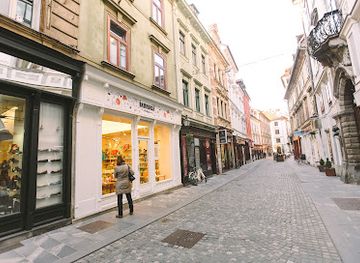
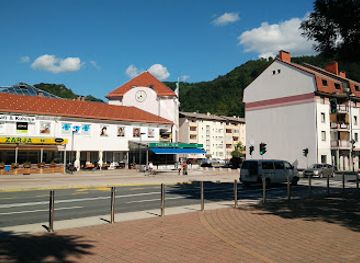
Shopping in Savinja is centred on practical town centres, independent businesses, local produce and souvenirs connected with the landscape. Celje offers the region’s widest range of shops, including everyday retail, books, crafts, galleries and food specialists around its historic centre and larger commercial areas. Velenje has a modern urban retail environment shaped by its twentieth-century development, while Laško and Rogaška Slatina cater strongly to spa visitors with regional foods, gifts, cosmetics and wellness products. Žalec is the place to look for hop- and beer-related souvenirs, although the surrounding agricultural valley is more important for production than for conventional retail. Rural farms and tourist establishments may sell honey, dairy products, preserves, herbal goods, wine, spirits and seasonal produce directly to visitors. Markets and small specialist shops vary by town and day, so regional food products often make more dependable purchases than temporary promotional merchandise.
-
Shopping mall
Supernova Ljubljana Rudnik
Explore Supernova Ljubljana Rudnik - A Shopping Paradise with Dining and Entertainment in the Heart of Slovenia.
-
Perfume store
Spleticna.si ®
Explore the enchanting world of fragrances and cosmetics at Spleticna.si in Kisovec, Slovenia – a must-visit for beauty enthusiasts.
-
Gift shop
Babushka Boutique
Explore Babushka Boutique in Ljubljana for unique, handcrafted gifts that celebrate local artistry and culture, perfect for memorable souvenirs.
-
Shopping mall
Tržnica Zagorje
Explore Tržnica Zagorje for an authentic shopping experience that captures the essence of local culture and community spirit.


Get your free copy of our complete guide to Savinja, delivered straight to you.
Everything on this page, from attractions and restaurants to essentials and local phrases, in one PDF you can read offline, print or share.
Already have an account? Sign in
Your Savinja guide is ready.
We'll send it to · Not you? Sign out

Getting your guide ready…
We are putting together a fresh copy of the Savinja guide. This can take up to a minute.
This can take a few moments. If your browser asks, choose Allow so the download can start. You'll find the guide in your Downloads folder.
Nothing happened? Download it again
Sorry, the guide is taking longer than usual. Please try again in a minute, or get it by email instead.
Savinja essentials
Currency and Payment
Safety
Emergency Situations
Do's and Don'ts
Local Tips
From Eve
Local phrases worth knowing
You don't need to get them perfect. A few words go a long way, and locals appreciate the effort.
Basics
| English | Local | Say it |
|---|---|---|
| Hello | Zdravo | [Zdra-vo] |
| Goodbye | Nasvidenje | [Nas-vee-den-ye] |
| Yes | Da | [Da] |
| No | Ne | [Ne] |
| Please/You're welcome | Prosim | [Pro-seem] |
| Thank you | Hvala | [Hva-la] |
| Excuse me/Sorry | Opravičujem se | [O-pra-vee-choo-yem-se] |
| How are you? | Kako si? | [Ka-ko see?] |
| Fine. And you? | Dobro. In ti? | [Doh-bro. In tee?] |
| Do you speak English? | Govoriš angleško? | [Go-vo-reesh an-glesh-ko?] |
| I don't understand | Ne razumem | [Ne ra-zoo-mem] |
Eating & Drinking
| English | Local | Say it |
|---|---|---|
| I'd like to see the menu, please | Rad bi videl meni, prosim | [Rad bee vee-del meh-nee, pro-seem] |
| I don't eat meat | Ne jem mesa | [Ne yem meh-sa] |
| Cheers! | Na zdravje! | [Na zdrav-ye] |
| I would like to pay, please | Rad bi plačal, prosim | [Rad bee pla-cha-l, pro-seem] |
Emergencies
| English | Local | Say it |
|---|---|---|
| Help! | Pomoč! | [Po-moch!] |
| Go away! | Pojdi proč! | [Poy-dee proch!] |
| Call the Police! | Pokliči policijo! | [Pok-lee-chee po-li-tsi-yo!] |
| Call a doctor! | Pokliči zdravnika! | [Pok-lee-chee zdrav-ni-ka!] |
| I'm lost | Izgubil sem se | [Iz-goo-beel sem se] |
| I'm ill | Bolim | [Bo-leem] |
Shopping
| English | Local | Say it |
|---|---|---|
| I'd like to buy... | Rad bi kupil... | [Rad bee koo-peel...] |
| I'm just looking | Samo gledam | [Sa-mo gled-am] |
| How much is it? | Koliko stane? | [Ko-lee-ko sta-ne?] |
| That's too expensive | To je predrago | [To ye pred-ra-go] |
| Can you lower the price? | Lahko spustiš ceno? | [Lah-ko spu-steesh tse-no?] |
Time & Numbers
| English | Local | Say it |
|---|---|---|
| What time is it? | Koliko je ura? | [Ko-lee-ko ye oo-ra?] |
| It's one o'clock | Je ena ura | [Ye e-na oo-ra] |
| Half past (10) | Pol (10) | [Pol (10)] |
| Morning | Jutro | [Yoo-tro] |
| Afternoon | Popoldne | [Po-pol-dne] |
| Evening | Večer | [Ve-cher] |
| Yesterday | Včeraj | [V-che-ra-e] |
| Today | Danes | [Da-nes] |
| Tomorrow | Jutri | [Yoo-tree] |
| 1 | 1 | [1] |
| 2 | 2 | [2] |
| 3 | 3 | [3] |
| 4 | 4 | [4] |
| 5 | 5 | [5] |
| 6 | 6 | [6] |
| 7 | 7 | [7] |
| 8 | 8 | [8] |
| 9 | 9 | [9] |
| 10 | 10 | [10] |
Transport & Directions
| English | Local | Say it |
|---|---|---|
| Where's a/the...? | Kje je...? | [Kye ye...?] |
| What's the address? | Kakšna je naslov? | [Kak-sh-na ye nas-lov?] |
| Can you show me (on the map)? | Mi lahko pokažeš (na zemljevidu)? | [Mee lah-ko po-ka-zesh (na zem-le-vee-do)?] |
| When's the next (bus)? | Kdaj je naslednji (avtobus)? | [Kday ye nas-led-neee (au-to-boos)?] |
| A ticket (to ....) | Eno vozovnico (do ...) | [E-no vo-zo-vni-tsa (do ...)] |
History of Savinja
Prehistoric and Roman Savinja
The Savinja basin and its surrounding hills have been settled since prehistoric times, while the Roman period brought more formal urban and transport networks. Celeia, the Roman predecessor of Celje, became an important town in the province of Noricum, positioned along routes connecting the wider Alpine and Pannonian worlds. Archaeological remains in and around modern Celje, including sections of streets, buildings and burial evidence, show the town’s importance. Roman influence was not confined to the urban centre: river valleys and passes helped link settlements, agricultural land and mineral resources across the region.
Medieval Towns, Abbeys and Lords
After the political changes that followed the Roman period, medieval settlement developed around castles, churches, market centres and estates. Celje grew in importance as a fortified town, while places such as Laško, Žalec and Slovenske Konjice became regional centres for trade and administration. Monastic and ecclesiastical institutions helped organise agriculture and settlement, particularly in the valleys and foothills. The region’s castles and historic churches are surviving signs of a fragmented medieval landscape in which control of roads, river crossings and productive farmland carried both economic and political significance.
The Counts of Celje, Fourteenth to Fifteenth Centuries
The Counts of Celje rose from local nobility to become one of the most powerful aristocratic dynasties in the lands of present-day Slovenia and neighbouring Central Europe. Their principal seat was Celje Castle, whose surviving walls dominate the town and the lower Savinja landscape. Through marriage, military service and political alliances, the family acquired extensive territories and influence, reaching its height under Herman II and his successors. The dynasty ended in 1456 after the assassination of Ulrich II, but its emblem and memory remain central to Celje’s historical identity.
Habsburg Rule and the Growth of Market Centres
After the extinction of the Counts of Celje, their territories were absorbed into the Habsburg political sphere. Over subsequent centuries, market towns and rural estates developed within a wider Central European administrative and commercial system. Roads, river routes and later improved transport links connected Celje and the Savinja Valley with Styria and other parts of the Habsburg lands. Churches, town houses, manor buildings and public institutions from the early modern and nineteenth-century periods reflect the region’s position between Alpine, German-speaking and Slovene cultural influences.
Railways, Industry and the Coal Economy
The nineteenth century brought major changes through industrialisation and railway construction. Celje became a significant transport and manufacturing centre, while coal mining transformed the Šaleška Valley around Velenje. Mining supported employment, housing, infrastructure and the growth of a planned modern urban environment, particularly during the twentieth century. The legacy is now interpreted through industrial heritage, most notably the Coal Mining Museum of Slovenia in Velenje. Although coal remains part of the region’s economic history, the valley is also adapting to the long-term challenges of energy transition and environmental change.
The Rise of Thermal Tourism
Mineral springs influenced the development of Laško and Rogaška Slatina from the nineteenth century onwards, when spa culture expanded across Central Europe. Visitors came for drinking cures, bathing, medical treatments and the social rituals of promenades, hotels and landscaped grounds. Rogaška Slatina became especially associated with mineral water, while Laško combined spa development with its brewing tradition beside the Savinja River. Their historic architecture and continuing wellness industries show how natural resources were converted into a modern tourism economy that remains important to Savinja.
Hops and the Agricultural Landscape
The Lower Savinja Valley became one of Slovenia’s principal hop-growing areas, particularly from the nineteenth century as commercial cultivation and processing expanded. The flat valley floor, suitable soils and established farming communities supported the crop, whose tall trellises now form a distinctive seasonal landscape around Žalec and neighbouring settlements. Hop production brought specialised knowledge, cooperative activity and links to the brewing industry. The Green Gold Beer Fountain in Žalec is a contemporary interpretation of this agricultural heritage, while the surrounding fields remain an active part of the region’s economy rather than merely a historical display.
Savinja in Photos
Browse through our photo collection highlighting the charm and character of the destination.
Neighbouring regions of Savinja
The closest regions to Savinja, if you have time for more than one.
-

-

-

-
-


Swipe for more regions
Explore more

Explore more of Slovenia
Discover Slovenia's stunning landscapes, rich cultural heritage, and delightful cuisine. A hidden gem in Europe, perfect for outdoor adventures, history, and culinary exploration.
Explore Slovenia