

Free Styria Travel Guide & Mobile App
Explore Styria with free travel guides. Discover regional history, expert tips, proposed trips, and audio guides on web or mobile app.


Explore Styria in Slovenia for Maribor, Ptuj, vineyard roads, Pohorje forests, historic castles, thermal spas and distinctive regional cuisine.
Read more about Styria
When is the best time to visit Styria?
Best: June–August · 22–24°C| Month | High (°C) | Rainfall (mm) |
|---|---|---|
| January | 5 | 50 |
| February | 5 | 45 |
| March | 9 | 55 |
| April | 14 | 60 |
| May | 19 | 70 |
| June (best) | 22 | 65 |
| July (best) | 24 | 80 |
| August (best) | 24 | 75 |
| September | 19 | 60 |
| October | 15 | 55 |
| November | 9 | 50 |
| December | 5 | 45 |
Getting to and around Styria
How to get there
Transportation
Top city travel guides in Styria
The cities of Styria, and the easiest places to base yourself.
-

-

-

-

-

-


Swipe for more cities
Destinations in Styria
Resorts, valleys and scenic spots worth a trip of their own.

Swipe for more destinations
Best attractions in Styria
Styria's attractions range from urban heritage to forested uplands and vineyard country. Maribor combines a riverside old town with museums, galleries, the Old Vine area and access to Mariborsko Pohorje, where walking, cycling and winter sports are available according to the season. Ptuj offers Roman archaeology, a well-preserved historic centre and the Regional Museum in Ptuj Castle, while Celje adds medieval history, urban museums and the extensive ruins of Celje Castle. Wine roads around Slovenske Gorice, Haloze and Slovenske Konjice lead through cultivated hills and small settlements, though visits to many cellars should be arranged in advance. Pohorje provides a contrasting landscape of spruce forest, streams and peatland, and southern Styria around Kozjansko is suited to walking, cycling, orchard visits and spa-oriented travel. The appeal lies in combining several modest-scale experiences rather than relying on one single attraction.
-
Tourist attraction
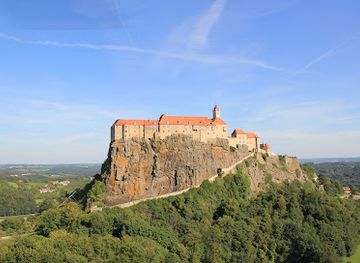
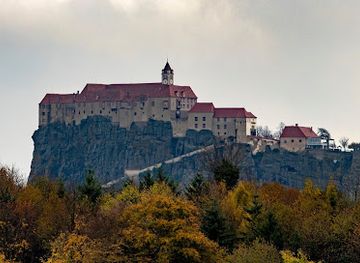
Riegersburg Castle
Experience the rich history and stunning views at Riegersburg Castle, an iconic fortress and historical landmark in Austria.
-
Tourist attraction
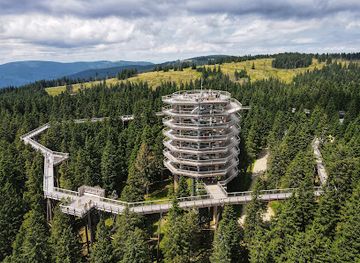
Pot med krošnjami Pohorje
Discover the breathtaking Pot med krošnjami Pohorje, an unforgettable canopy walk through Slovenia's lush forests with stunning views.
-
Tourist attraction
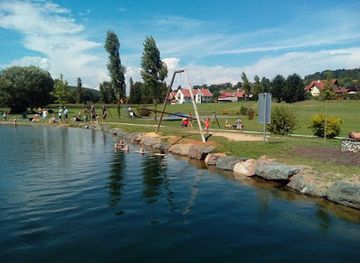
Motorikpark Gamlitz
Explore the exciting outdoor adventures at Motorikpark Gamlitz, a must-visit park in Austria for families and thrill-seekers alike.
-
Observation deck
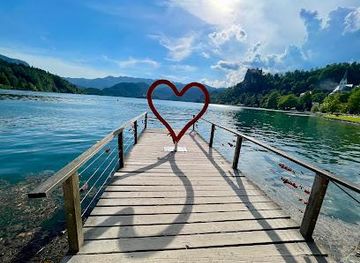
The Heart of Bled
Experience the breathtaking beauty and rich history of Lake Bled, Slovenia's enchanting natural wonder and cultural treasure.
Best landmarks in Styria
The most recognisable historic landmark in Styria is Celje Castle, whose high dramatic ruins recall the power of the medieval Counts of Celje and overlook the modern city. Ptuj Castle occupies a strategic hill above Slovenia's oldest town, making it both a museum complex and a defining element of the townscape. In Maribor, the Old Vine House and the vine growing on the riverside facade symbolise the city's enduring connection with viticulture, while the Drava bridges and old centre express its role as a regional trading city. Pohorje forms the region's great natural landmark: a broad wooded massif visible from Maribor and marked by forest paths, upland clearings and seasonal snow. The wine hills of Haloze, Slovenske Gorice and the Slovenske Konjice area are less monumental but equally characteristic, with steeply folded slopes, villages and vine rows creating the visual identity of rural Styria.
-
Nature preserve
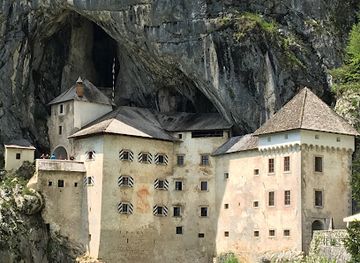
Postojna Cave
Discover the breathtaking beauty of Postojna Cave, a natural masterpiece in Slovenia featuring stunning geological formations and unique wildlife.
-
 Castle
Ljubljana Castle
Experience the rich history and breathtaking views of Ljubljana Castle, a must-visit landmark in Slovenia's capital city.
-
Castle
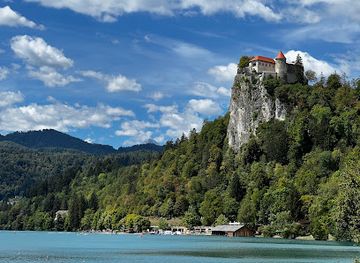
Bled Castle
Experience the breathtaking views and rich history of Bled Castle, a must-visit destination in Slovenia with stunning landscapes and cultural treasures.
-
Park
Schlossberg Graz
Experience the breathtaking beauty and rich history of Schlossberg Graz, a must-see hilltop destination in Austria's charming city.
Explore Styria on the map
Plan your trip on one map. See where the top cities, national parks and sights are, and book hotels and experiences in a few clicks.
Best hotels in Styria
Best restaurants in Styria
Styria's cooking reflects the continental interior of Slovenia, with farm produce, grains, pork, freshwater fish, mushrooms and seasonal vegetables appearing in hearty dishes. Look for štruklji, buckwheat preparations, soups, cured meats and cakes, while pumpkin-seed oil is a particularly characteristic ingredient of north-eastern Slovenian cuisine. Maribor, Ptuj and Celje offer the widest choice of contemporary restaurants, cafés and traditional gostilnas, the Slovenian inns that often serve regional food. Rural wine estates and tourist farms provide a more local setting, especially in the vineyard hills, but opening arrangements vary. White wines are central to the region's identity, with grapes and styles differing between districts; tastings may include Šipon, known elsewhere as Furmint, and Riesling varieties. Farmers' markets and farm shops are useful for discovering local honey, oils, preserves and seasonal produce.
-
Restaurant
Gostilna in Hotel GROF
Experience authentic Slovenian cuisine and cozy accommodations at Gostilna in Hotel GROF – your gateway to outdoor adventures.
-
Grill
Okrepčevalnica Lačni Kekec
Discover authentic Slovenian flavors at Okrepčevalnica Lačni Kekec in Kranjska Gora – where every bite tells a story.
-
Restaurant
Fritolin Pri Cantini
Experience authentic Slovenian seafood at Fritolin Pri Cantini in Piran - a perfect blend of tradition and taste with stunning sea views.
-
Restaurant
Restavracija Most
Discover the flavors of Slovenia at Restavracija Most – where tradition meets modern culinary artistry by the river.

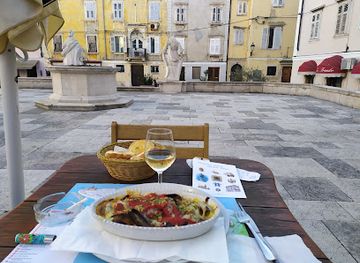
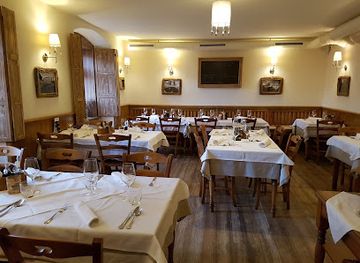
Best bars in Styria
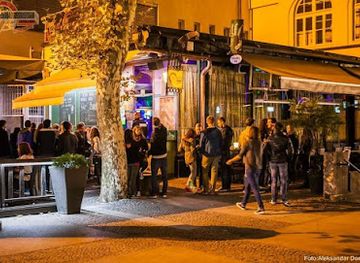
Evening life in Styria is concentrated in Maribor, with bars, cafés, cultural venues and live-music settings around the central streets and riverfront. Celje and Ptuj provide smaller scenes based on cafés, traditional inns, restaurants and occasional performances rather than a large club circuit. Across the vineyard districts, wine cellars and rural gostilnas are more characteristic than late-night venues, and tastings are often organised by appointment. Student life gives Maribor a younger evening dimension, while summer brings outdoor cultural programming in the larger towns. Visitors should not expect village nightlife to continue late into the night; an evening meal, a local wine and a walk through an illuminated historic centre are often the more typical regional experience.
-
Bar
Cutty Sark Pub
Discover the vibrant atmosphere of Cutty Sark Pub, an essential stop for drinks and socializing in the heart of Ljubljana.
-
Beer hall
Pub Lajbah
Discover the vibrant atmosphere of Pub Lajbah in Ljubljana, where unique brews and fusion cuisine come together by the river.
-
Bar
Captain's Cabin
Discover Captain's Cabin in Ljubljana for an unforgettable bar experience filled with creative cocktails and a nautical atmosphere.
-
Bar
Parlament pub
Experience the heart of Ljubljana's nightlife at Parlament Pub, where locals and travelers come together to enjoy great drinks and vibrant atmosphere.
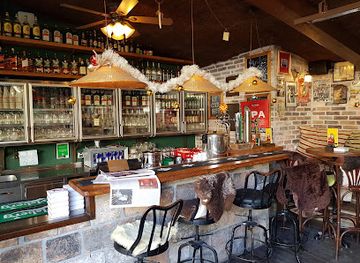

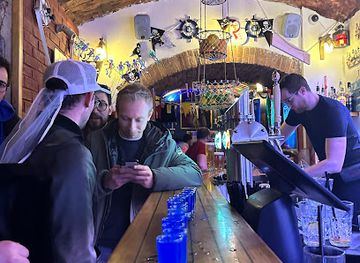
Best nightclubs in Styria
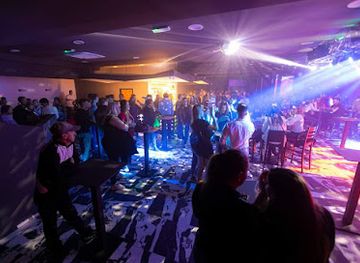
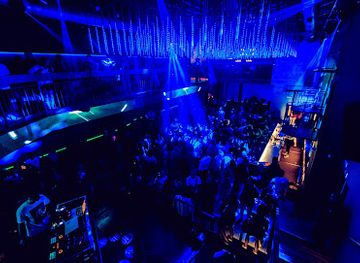
Evening life in Styria is concentrated in Maribor, with bars, cafés, cultural venues and live-music settings around the central streets and riverfront. Celje and Ptuj provide smaller scenes based on cafés, traditional inns, restaurants and occasional performances rather than a large club circuit. Across the vineyard districts, wine cellars and rural gostilnas are more characteristic than late-night venues, and tastings are often organised by appointment. Student life gives Maribor a younger evening dimension, while summer brings outdoor cultural programming in the larger towns. Visitors should not expect village nightlife to continue late into the night; an evening meal, a local wine and a walk through an illuminated historic centre are often the more typical regional experience.
-
Night club
Klub K4
Discover the pulse of Ljubljana's nightlife at Klub K4—where electrifying beats, local talent, and vibrant crowds come together.
-
Night club
Pegas Club
Discover the lively nightlife at Pegas Club in Sežana, where music, dancing, and good vibes create unforgettable experiences.
-
Night club
Pure Night Club
Discover the pulse of Ljubljana's nightlife at Pure Night Club, where music, dance, and good times await every night.
-
Bar
Klub 12
Experience the vibrant nightlife of Ljubljana at Klub 12, the go-to bar for late-night fun and diverse drink options.


Best shops in Styria
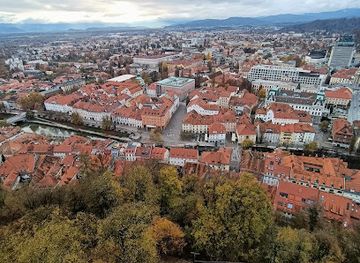
Maribor, Ptuj and Celje have the region's broadest choice of high-street shops, independent retailers, bookshops, galleries and cafés, while smaller market towns provide a more local shopping experience. Farmers' markets are useful places to look for honey, pumpkin-seed oil, preserves, seasonal fruit, cheeses and cured products, although market days differ by town and should be checked locally. Vineyard estates and tourist farms may sell bottled wine directly, often alongside oils and other produce. Craft shops and galleries offer ceramics, woodwork, textiles and locally made gifts, but the selection is more artisanal than mass-market. Ptuj's historic centre is well suited to combining museum visits with small shops, whereas Maribor offers the widest range of everyday retail. Pack wine and food products securely, and check customs or airline rules before transporting them internationally.
-
Shopping mall
BTC City Ljubljana
Explore BTC City Ljubljana, Slovenia's premier shopping and leisure destination, featuring over 400 shops, diverse dining options, and vibrant cultural experiences.
-
Store
Shopping Center Citypark
Discover Shopping Center Citypark in Ljubljana for an unmatched retail experience featuring top brands, delightful dining, and family-friendly fun.
-
Shopping mall
Supernova Ljubljana Rudnik
Discover a vibrant shopping experience at Supernova Ljubljana Rudnik, where fashion, food, and fun come together in Slovenia's capital.
-
Shopping mall
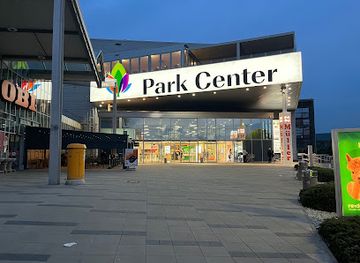
Park Center Koper
Explore the diverse shopping and dining experiences at Park Center Koper, the premier shopping destination in the heart of Slovenia.

Get your free copy of our complete guide to Styria, delivered straight to you.
Everything on this page, from attractions and restaurants to essentials and local phrases, in one PDF you can read offline, print or share.
Already have an account? Sign in
Your Styria guide is ready.
We'll send it to · Not you? Sign out

Getting your guide ready…
We are putting together a fresh copy of the Styria guide. This can take up to a minute.
This can take a few moments. If your browser asks, choose Allow so the download can start. You'll find the guide in your Downloads folder.
Nothing happened? Download it again
Sorry, the guide is taking longer than usual. Please try again in a minute, or get it by email instead.
Styria essentials
Currency and Payment
Safety
Emergency Situations
Do's and Don'ts
Local Tips
From Eve
Local phrases worth knowing
You don't need to get them perfect. A few words go a long way, and locals appreciate the effort.
Basics
| English | Local | Say it |
|---|---|---|
| Hello | Ahoj | [ahoy] |
| Goodbye | Zbogom | [zboh-gom] |
| Yes | Da | [dah] |
| No | Ne | [neh] |
| Please/You’re welcome | Prosim | [pro-seem] |
| Thank you | Hvala | [hvah-lah] |
| Excuse me/Sorry | Opravičujem se | [oh-prah-vee-choo-yem seh] |
| How are you? | Kako si? | [kah-koh see] |
| Fine. And you? | Dobro. In ti? | [doh-broh. in tee?] |
| Do you speak English? | Ali govoriš angleško? | [ah-lee goh-voh-reesh ahn-gleh-sh-koh?] |
| I don't understand | Ne razumem | [neh rah-zoo-mehm] |
Eating & Drinking
| English | Local | Say it |
|---|---|---|
| I’d like to see the menu, please | Rad bi videl meni, prosim | [rahd bee vee-del meh-nee, pro-seem] |
| I don't eat meat | Ne jem mesa | [neh yem meh-sah] |
| Cheers! | Na zdravje! | [nah zdrah-vyeh] |
| I would like to pay, please | Rad bi plačal, prosim | [rahd bee plah-chahl, pro-seem] |
Emergencies
| English | Local | Say it |
|---|---|---|
| Help! | Pomagajte! | [poh-mah-gah-yeh] |
| Go away! | Pojdi proč! | [poy-dee proch] |
| Call the Police! | Pokličite policijo! | [poh-klee-chee-teh poh-lee-tsee-yoh] |
| Call a doctor! | Pokličite zdravnika! | [poh-klee-chee-teh zdrav-nee-kah] |
| I’m lost | Izgubil sem se | [eez-goo-beel sem seh] |
| I’m ill | Bolehen sem | [boh-leh-hen sem] |
Shopping
| English | Local | Say it |
|---|---|---|
| I’d like to buy... | Rad bi kupil... | [rahd bee koo-peel...] |
| I’m just looking | Samo gledam | [sah-mo gled-ahm] |
| How much is it? | Koliko stane? | [koh-lee-koh stah-neh?] |
| That’s too expensive | To je predrago | [toh yeh preh-drah-goh] |
| Can you lower the price? | Lahko znižaš ceno? | [lah-koh znee-zahsh tseh-noh?] |
Time & Numbers
| English | Local | Say it |
|---|---|---|
| What time is it? | Koliko je ura? | [koh-lee-koh yeh oo-rah?] |
| It’s one o'clock | Je ena ura | [yeh eh-nah oo-rah] |
| Half past (10) | Pol desetih | [pohl deh-seh-tihkh] |
| Morning | Jutro | [yoo-troh] |
| Afternoon | Popoldne | [poh-pohld-neh] |
| Evening | Večer | [veh-chehr] |
| Yesterday | Včeraj | [vcheh-rah-y] |
| Today | Danes | [dah-nes] |
| Tomorrow | Jutri | [yoo-tree] |
| 1 | 1 | [yeden] |
| 2 | 2 | [dva] |
| 3 | 3 | [tri] |
| 4 | 4 | [štiri] |
| 5 | 5 | [pet] |
| 6 | 6 | [šest] |
| 7 | 7 | [sedem] |
| 8 | 8 | [osem] |
| 9 | 9 | [devet] |
| 10 | 10 | [deset] |
Transport & Directions
| English | Local | Say it |
|---|---|---|
| Where's a/the...? | Kje je...? | [kyeh yeh...?] |
| What's the address? | Kakšna je naslov? | [kahk-shnah yeh nah-slohv?] |
| Can you show me (on the map)? | Mi lahko pokažete (na zemljevidu)? | [mee lah-koh poh-kah-zheh-teh (nah zyeh-meh-vee-doo)?] |
| When's the next (bus)? | Kdaj je naslednji (avtobus)? | [kdai yeh nah-sleh-dnee (ow-toh-boos)?] |
| A ticket (to ....) | Eno vozovnico (do ....) | [eh-noh voh-zoh-vee-tsee-noh (doh ....)] |
History of Styria
Prehistoric Settlement and the Hallstatt World
The hills and river corridors of present-day Slovenian Styria were settled long before the Roman period. Archaeological evidence from the wider region records communities connected with the Hallstatt cultural horizon, known for hilltop settlements, metalworking and long-distance exchange during the first millennium BC. Strategic elevations above the Drava and Savinja valleys helped control movement through the landscape, while fertile ground supported farming. Much of this early heritage survives through archaeological remains rather than intact monuments, but it established the importance of the region's river routes and upland passes.
Roman Poetovio and Celeia
Rome incorporated the region into its imperial system, developing major settlements at Poetovio, modern Ptuj, and Celeia, modern Celje. Poetovio became an important military, administrative and commercial centre on the Drava, while Celeia prospered on routes connecting the eastern Alps with the Pannonian plain. Roads, trade, civic buildings and Roman religious practices reshaped existing communities. In Ptuj and Celje, archaeological remains and museum collections reveal this period's importance, including traces of urban planning, inscriptions and everyday objects. The Roman road network also helped establish routes that influenced later settlement and commerce.
The Medieval Rise of the Counts of Celje
During the later Middle Ages, the Counts of Celje became the most influential noble family associated with the region. From their stronghold at Celje, they acquired extensive territories and forged powerful political connections across Central Europe. Their legacy is most visibly associated with Celje Castle, whose surviving walls dominate the hill above the city, and with religious and civic foundations elsewhere in the region. The dynasty's rise and extinction in the fifteenth century formed part of a wider contest for power among Central European nobles before the Habsburgs consolidated control over their lands.
Habsburg Styria and Market Towns
After the extinction of the Counts of Celje, much of Slovenian Styria became part of the Habsburg lands and remained connected to the Duchy of Styria until the end of the First World War. Maribor, Ptuj, Celje and numerous smaller market towns developed within this Central European political and economic sphere. German and Slovene were both used in different social and administrative settings, while Catholic institutions, guilds, estates and trade shaped urban life. The period left a visible architectural legacy in town squares, churches, merchant houses and civic buildings.
Railways, Industry and the Modern Wine Economy
The nineteenth century brought railways and more rapid commercial integration. Lines connecting Vienna, Graz, Maribor, Celje and the wider Slovenian lands strengthened the towns' roles as trading and manufacturing centres. Coal mining, metalworking, timber processing and other industries expanded, especially around transport corridors and urban settlements. At the same time, wine growing remained central to the rural economy, with vineyard hills around Maribor, Ptuj and Slovenske Konjice retaining their distinctive appearance. The railway and industrial expansion helped create the economic geography that still links Styria's cities with its agricultural hinterland.
The Twentieth Century and the Slovenian State
The collapse of Austria-Hungary in 1918 brought Slovenian Styria into the Kingdom of Serbs, Croats and Slovenes, later Yugoslavia. The region experienced occupation and severe disruption during the Second World War, followed by socialist reconstruction and industrial development within Yugoslavia. Maribor and Celje grew as regional economic centres, while rural communities underwent mechanisation and population change. Since Slovenia became independent in 1991 and joined the European Union in 2004, the region has combined manufacturing, education, tourism, wine production and cross-border links with Austria and Croatia.
Styria in Photos
Browse through our photo collection highlighting the charm and character of the destination.
Neighbouring regions of Styria
The closest regions to Styria, if you have time for more than one.
-

-

-

-

-


Swipe for more regions
Explore more

Explore more of Slovenia
Discover Slovenia's stunning landscapes, rich cultural heritage, and delightful cuisine. A hidden gem in Europe, perfect for outdoor adventures, history, and culinary exploration.
Explore Slovenia