

Free Drava Travel Guide & Mobile App
Explore Drava with free travel guides. Discover regional history, expert tips, proposed trips, and audio guides on web or mobile app.


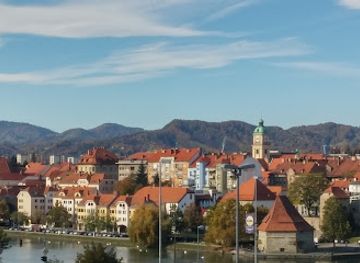
Explore Drava Slovenia for Maribor’s riverside culture, Ptuj’s Roman heritage, Pohorje forests and the vineyard hills of northeastern Slovenia.
Read more about Drava
When is the best time to visit Drava?
Best: June–August · 23–25°C| Month | High (°C) | Rainfall (mm) |
|---|---|---|
| January | 3 | 50 |
| February | 5 | 45 |
| March | 10 | 55 |
| April | 15 | 60 |
| May | 19 | 70 |
| June (best) | 23 | 80 |
| July (best) | 25 | 85 |
| August (best) | 24 | 80 |
| September | 21 | 75 |
| October | 15 | 65 |
| November | 8 | 60 |
| December | 3 | 55 |
Getting to and around Drava
How to get there
Transportation
Top city travel guides in Drava
The cities of Drava, and the easiest places to base yourself.
-

-

-

-

-


Swipe for more cities
Destinations in Drava
Resorts, valleys and scenic spots worth a trip of their own.

Swipe for more destinations
Best attractions in Drava
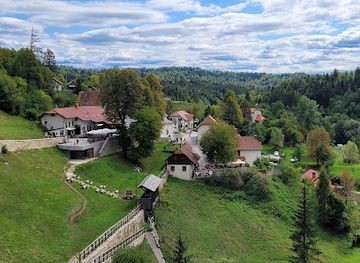
Drava Slovenia offers a varied combination of historic towns, river landscapes, vineyard country and upland recreation. Maribor provides museums, galleries, riverside walks and the urban cultural life of northeastern Slovenia, while its southern and western edges lead towards the wooded Maribor Pohorje, with hiking, cycling and winter activities. Ptuj's attractions range from Roman archaeology and museum collections to the medieval castle above the town and the region's distinctive carnival culture. Around Ormož, Slovenska Bistrica and the vineyard districts, visitors can follow wine roads, arrange cellar tastings and explore gently rolling agricultural landscapes. The Drava corridor also supports cycling and birdwatching, with quieter natural areas contrasting with engineered riverbanks and settlements. Historic churches, manor houses, traditional farmsteads and local cultural venues fill the spaces between the major towns. The strongest itineraries combine a small number of substantial heritage visits with time outdoors, since the region's character emerges from the relationship between river, plain, forest and cultivated hill.
-
Castle
Trakoscan Castle
Discover the historical beauty and serene landscapes of Trakoscan Castle, a must-visit destination in Croatia's enchanting countryside.
-
Heritage museum
Krapina Neanderthal Museum
Explore the Krapina Neanderthal Museum, a premier destination for history lovers to discover the fascinating world of Neanderthals in Croatia.
-
Museum
Ptuj Castle
Discover the historic Ptuj Castle, a breathtaking landmark offering insights into Slovenia's medieval heritage and stunning views of the surrounding landscape.
-
National reserve
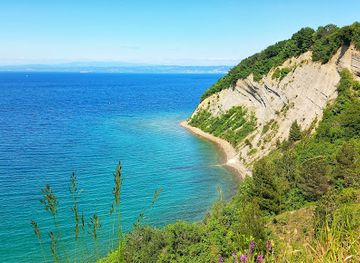
Mesečev Zaliv
Discover the tranquility of Mesečev Zaliv, a stunning national reserve along Slovenia's Adriatic coast, blending natural beauty with rich biodiversity.


Best landmarks in Drava
Maribor's most recognisable landmarks cluster around the Drava: the Old Vine, traditionally presented as the world's oldest vine still bearing grapes, grows on the façade of the Old Vine House; the Water Tower is a substantial sixteenth-century riverside fortification; and the city's cathedral and historic squares reveal its medieval and later urban development. Ptuj Castle dominates the old town from its hill and contains collections illustrating the area's aristocratic, musical and regional history. Below it, the Orpheus Monument is a prominent Roman remnant, while the town's churches and former Dominican monastery contribute to its historic skyline. In the eastern countryside, the vineyard ridges around Ormož and the broader Haloze and Slovenske Gorice landscapes are geographical landmarks in their own right, defined by patterned slopes, scattered villages and cellar roads. Pohorje provides the region's major natural counterpoint: forested uplands rising above Maribor and Slovenska Bistrica, with broad ridgelines and changing seasonal character.
-
Nature preserve
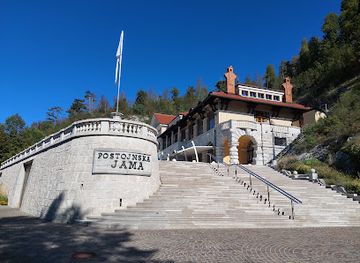
Postojna Cave
Discover the mystical beauty of Postojna Cave, Slovenia's breathtaking underground wonder filled with stunning formations and unique wildlife.
-
Castle
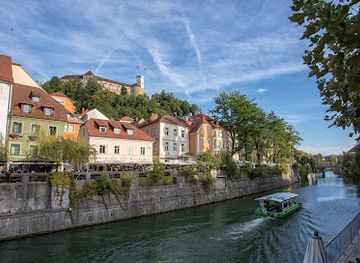
Ljubljana Castle
Discover the majestic Ljubljana Castle, a historical landmark offering stunning views, engaging exhibits, and a glimpse into Slovenia's vibrant past.
-
Castle
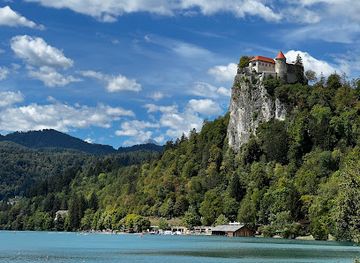
Bled Castle
Discover the enchanting Bled Castle, where history meets breathtaking views of Lake Bled in Slovenia's picturesque landscape.
-
Castle
Predjama Castle
Explore the breathtaking Predjama Castle, a stunning medieval fortress that tells tales of bravery and architectural wonder, nestled in Slovenia's captivating landscape.
Explore Drava on the map
Plan your trip on one map. See where the top cities, national parks and sights are, and book hotels and experiences in a few clicks.
Best hotels in Drava
Best restaurants in Drava
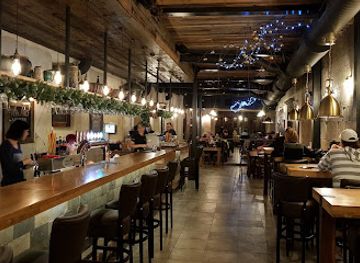
Food in the Drava region reflects northeastern Slovenia's agricultural and Styrian heritage. Pumpkin-seed oil is a characteristic local ingredient, used in salads and other dishes, while buckwheat, potatoes, seasonal vegetables, mushrooms, cured meats and freshwater fish appear in traditional cooking. The vineyard hills around Maribor, Ptuj and Ormož support wine taverns, farm tourism and cellar-based tastings, with Štajerska Slovenija whites such as šipon, sauvignon blanc and riesling particularly associated with the area. In Maribor and Ptuj, contemporary restaurants, cafés and bakeries sit alongside traditional inns; outside the towns, rural gostilnas and tourist farms tend to offer more regional cooking and locally sourced products. Autumn is a good season for grape and harvest-related produce, while market visits can reveal cheeses, honey, preserves and baked goods from smaller producers. Menus vary considerably, so asking about the day's local specialities is often more useful than seeking a single definitive regional dish.
-
Barbecue
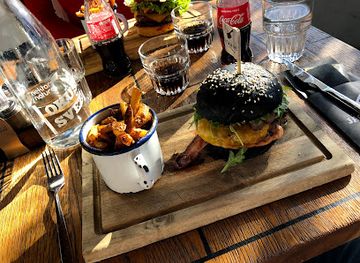
Jack & Joe Steak and Burger Club
Experience culinary excellence at Jack & Joe Steak and Burger Club in Maribor with exquisite barbecue dishes, gourmet burgers, and vegetarian delights.
-
Restaurant
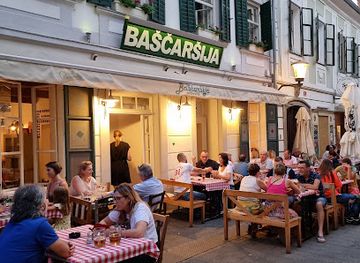
Baščaršija (Maribor Poštna)
Experience authentic Bosnian cuisine at Baščaršija in Maribor – where tradition meets flavor in a cozy atmosphere.
-
Restaurant
Restaurant Ancora
Discover authentic Slovenian cuisine in Maribor at Restaurant Ancora - where every meal is a celebration of local flavors.
-
Pizza
La Cantina
Experience authentic Italian cuisine at La Cantina in Maribor - home to delicious pizzas and welcoming hospitality amidst scenic views.
Best bars in Drava
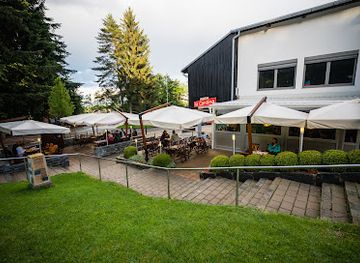
Evening life is concentrated in Maribor, where the riverside and old-town streets support cafés, wine bars, traditional pubs, cocktail venues and occasional live music. The city's student population contributes to a broader choice of late-evening venues than is found elsewhere in the region, although the atmosphere and opening arrangements vary by season and day of the week. Ptuj offers a smaller, more historic setting of bars, cafés, wine cellars and restaurants, with cultural events adding activity at particular times of year. In vineyard country, evenings generally centre on farmhouses, gostilnas and organised tastings rather than nightclubs. Slovenska Bistrica and other market towns have modest local scenes, while rural nightlife is usually based around community events and hospitality venues. It is sensible to arrange transport back from remote wineries rather than planning to drive after drinking.
-
Restaurant
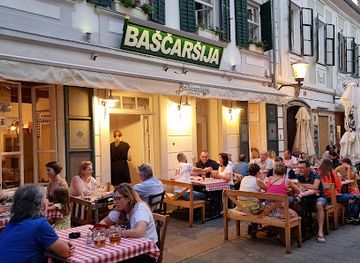
Baščaršija (Maribor Poštna)
Experience the rich flavors of Slovenia at Baščaršija, a culinary gem in the heart of Maribor, perfect for food lovers seeking local delicacies.
-
Pizza
La Cantina
Discover the authentic taste of Italy at La Cantina, Maribor's premier destination for delectable pizzas and warm hospitality.
-
Brunch
Nana Bistro & Kavarna
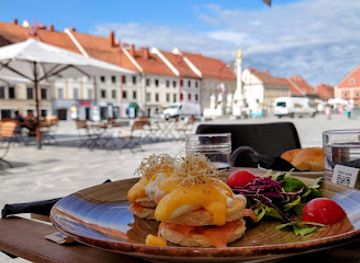
Discover authentic Slovenian flavors at Nana Bistro & Kavarna in Maribor, known for its delightful brunch and cozy ambiance.
-
Bar
LUFT fun dining & cocktails
Discover LUFT Fun Dining & Cocktails in Maribor, where exceptional cuisine meets an energetic atmosphere for an unforgettable dining experience.
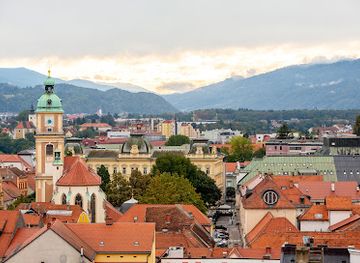
Best nightclubs in Drava
Evening life is concentrated in Maribor, where the riverside and old-town streets support cafés, wine bars, traditional pubs, cocktail venues and occasional live music. The city's student population contributes to a broader choice of late-evening venues than is found elsewhere in the region, although the atmosphere and opening arrangements vary by season and day of the week. Ptuj offers a smaller, more historic setting of bars, cafés, wine cellars and restaurants, with cultural events adding activity at particular times of year. In vineyard country, evenings generally centre on farmhouses, gostilnas and organised tastings rather than nightclubs. Slovenska Bistrica and other market towns have modest local scenes, while rural nightlife is usually based around community events and hospitality venues. It is sensible to arrange transport back from remote wineries rather than planning to drive after drinking.
-
Bar
Niagara cocktail bar
Experience the art of mixology and vibrant nightlife at Niagara Cocktail Bar in Maribor, Slovenia, where every sip is a celebration.
-
Night club
Klub K4
Discover the electric atmosphere of Klub K4, Ljubljana's iconic night club with diverse music and vibrant nightlife.
-
Night club
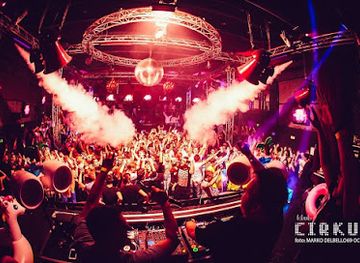
Cirkus Klub
Discover the electrifying nightlife of Cirkus Klub, Ljubljana's premier destination for music, dancing, and unforgettable memories.
-
Night club
Gala Hala / Kapa - Društvo za kulturno in umetniško produkcijo
Discover the pulse of Ljubljana's nightlife at Gala Hala, a cultural hub offering live music and a welcoming atmosphere for all.



Best shops in Drava
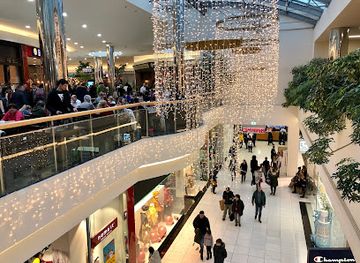
Shopping in the Drava region is strongest in the old centres of Maribor and Ptuj, where independent food shops, bookshops, galleries, cafés and small retailers occupy historic streets alongside ordinary national chains. Maribor is the best place for a wider choice of regional wine, design goods and everyday shopping, while Ptuj is particularly suited to combining heritage visits with local food and wine purchases. Market stalls and specialist producers offer pumpkin-seed oil, honey, preserves, cured meats, cheeses, chocolate and bottles from the surrounding vineyards. In rural districts, farm shops and winery cellars are more useful than conventional retail centres, but opening arrangements may be limited and advance contact is sensible. Look for clearly labelled local products rather than assuming that every souvenir sold in a historic town was made nearby. Crafts, ceramics, textiles and small artworks are available through galleries and seasonal fairs, with the selection changing more than in permanent high-street shops.
-
Shopping mall
BTC City Ljubljana
Discover the ultimate shopping and cultural experience at BTC City Ljubljana, Slovenia's premier destination for leisure, dining, and entertainment.
-
Store
Shopping Center Citypark
Explore Shopping Center Citypark - Ljubljana's ultimate shopping and dining destination with diverse stores, delightful cafes, and family-friendly fun.
-
Store
Shopping center Europark Maribor
Explore Europark Maribor for a diverse shopping experience, delicious dining, and exciting entertainment all in one vibrant location.
-
Shopping mall
Supernova Ljubljana Rudnik
Experience the best of shopping, dining, and entertainment at Supernova Ljubljana Rudnik, the ultimate destination in Ljubljana.
Get your free copy of our complete guide to Drava, delivered straight to you.
Everything on this page, from attractions and restaurants to essentials and local phrases, in one PDF you can read offline, print or share.
Already have an account? Sign in
Your Drava guide is ready.
We'll send it to · Not you? Sign out

Getting your guide ready…
We are putting together a fresh copy of the Drava guide. This can take up to a minute.
This can take a few moments. If your browser asks, choose Allow so the download can start. You'll find the guide in your Downloads folder.
Nothing happened? Download it again
Sorry, the guide is taking longer than usual. Please try again in a minute, or get it by email instead.
Drava essentials
Currency and Payment
Safety
Emergency Situations
Do's and Don'ts
Local Tips
From Eve
Local phrases worth knowing
You don't need to get them perfect. A few words go a long way, and locals appreciate the effort.
Basics
| English | Local | Say it |
|---|---|---|
| Hello | Hey | [hey] |
| Goodbye | See ya | [see yah] |
| Yes | Yep | [yehp] |
| No | Nah | [nah] |
| Please/You're welcome | Sure thing | [shur thing] |
| Thank you | Thanks | [thanks] |
| Excuse me/Sorry | Sorry | [sorry] |
| How are you? | How's it going? | [how's it goin?] |
| Fine. And you? | Good. You? | [good. you?] |
| Do you speak English? | Do ya speak English? | [do yah speak ing-lish?] |
| I don't understand | I don’t get it | [I dont get it] |
Eating & Drinking
| English | Local | Say it |
|---|---|---|
| I'd like to see the menu, please | Can I see the menu? | [can I see the men-yoo?] |
| I don't eat meat | I'm a vegetarian | [I'm a vege-tair-ee-an] |
| Cheers! | Cheers! | [cheers] |
| I would like to pay, please | Can I get the check? | [can I get the chek?] |
Emergencies
| English | Local | Say it |
|---|---|---|
| Help! | Help! | [help] |
| Go away! | Leave me alone! | [leave me alone] |
| Call the Police! | Call 911! | [call nine-one-one] |
| Call a doctor! | Get a doctor! | [get a doct-er] |
| I'm lost | I'm lost | [I'm lost] |
| I'm ill | I'm not feeling well | [I'm not feel-ing well] |
Shopping
| English | Local | Say it |
|---|---|---|
| I'd like to buy... | I want to buy... | [I want to buy...] |
| I'm just looking | Just browsing | [just brows-ing] |
| How much is it? | What's the price? | [what's the price?] |
| That's too expensive | That's too pricey | [that's too pry-see] |
| Can you lower the price? | Can you give me a deal? | [can you give me a deel?] |
Time & Numbers
| English | Local | Say it |
|---|---|---|
| What time is it? | What time is it? | [what time is it?] |
| It's one o'clock | It's one | [it's one] |
| Half past (10) | Half past ten | [half past ten] |
| Morning | Morning | [morning] |
| Afternoon | Afternoon | [afternoon] |
| Evening | Evening | [evening] |
| Yesterday | Yesterday | [yes-ter-day] |
| Today | Today | [to-day] |
| Tomorrow | Tomorrow | [to-mor-row] |
| 1 | One | [one] |
| 2 | Two | [two] |
| 3 | Three | [three] |
| 4 | Four | [four] |
| 5 | Five | [five] |
| 6 | Six | [six] |
| 7 | Seven | [seven] |
| 8 | Eight | [eight] |
| 9 | Nine | [nine] |
| 10 | Ten | [ten] |
Transport & Directions
| English | Local | Say it |
|---|---|---|
| Where's a/the...? | Where's the...? | [where's the...?] |
| What's the address? | What's the address? | [what's the ad-dress?] |
| Can you show me (on the map)? | Can you show me on the map? | [can you show me on the map?] |
| When's the next (bus)? | When's the next bus? | [when's the next bus?] |
| A ticket (to ....) | A ticket to ... | [a ticket to ...] |
History of Drava
Prehistoric Settlement and the Drava Corridor
The Drava valley and its surrounding terraces have attracted settlement since prehistoric times because the river offered water, fertile land and a natural route through northeastern Slovenia. Archaeological evidence from the wider Podravje area records communities connected to the Bronze and Iron Age worlds of the eastern Alps and the Pannonian plain. Hilltop positions, burial sites and traces of agricultural activity illustrate how people used both the river lowlands and the surrounding uplands. The region's later importance was not accidental: its geography made it a corridor for movement, exchange and cultural influence between the Alps, the Balkans and the Pannonian basin.
Roman Poetovio at Ptuj
The Roman town of Poetovio developed at present-day Ptuj beside an important Drava crossing and road network. It became a major settlement in the province of Pannonia, with administrative, military and commercial functions. The Roman legacy is visible in archaeological remains and museum collections, including the Orpheus Monument in Ptuj, a second-century tombstone later reused as a medieval pillory. Poetovio also had religious importance, and the town's position on imperial routes helped connect the region with wider Roman markets. Modern Ptuj grew over, around and alongside this ancient urban landscape.
Medieval Lords, Monasteries and Market Towns
After the Roman period, the Drava area formed part of shifting political landscapes before becoming closely tied to the medieval powers of the eastern Alpine world. Ptuj developed under the influence of the archbishops of Salzburg and later the Lords of Ptuj, while Maribor grew as a fortified settlement and market town on routes through Styria. Castles, churches, monasteries and town walls expressed both ecclesiastical and aristocratic authority. The surviving historic cores of Ptuj and Maribor reflect this period of urban growth, trade and river crossings, even though many buildings were altered or rebuilt over successive centuries.
Habsburg Styria and the Growth of Maribor
For centuries, much of the Drava region belonged to the Duchy and later Crownland of Styria within the Habsburg lands. Maribor, known historically as Marburg, benefited from its position on routes between Graz, the Drava valley and the interior of the Slovene lands. Trade, craft production and river transport supported its expansion, while Ptuj retained importance as a market and administrative centre. German-speaking and Slovene-speaking communities lived in the same wider region, with language, education and political loyalties becoming increasingly significant during the nineteenth century. This layered Styrian history remains visible in architecture, place names and wine culture.
Railways, Industry and the Modern City
The arrival of the railway in the nineteenth century transformed the Drava region by linking Maribor and nearby towns more efficiently with Graz, Ljubljana and the wider Austro-Hungarian economy. Maribor became a major industrial centre, developing engineering, textile and other manufacturing activities, while the railway strengthened the commercial role of Ptuj and the agricultural districts. Industrialisation encouraged population growth and urban expansion beyond medieval boundaries. The contrast between Maribor's industrial heritage and the vineyard, farming and forest economies of the surrounding countryside is one of the defining historical patterns of modern Drava Slovenia.
War, Borders and the Twentieth Century
The twentieth century brought profound political changes to the region. After the First World War, the former Styrian borderlands were incorporated into the new Kingdom of Serbs, Croats and Slovenes, later Yugoslavia, while the Second World War brought occupation, repression and armed resistance. Maribor's industrial importance made it strategically significant, and the war left lasting demographic and social consequences. In socialist Yugoslavia, the city continued to function as a manufacturing and educational centre, while smaller settlements remained closely tied to agriculture and wine production. The region became part of independent Slovenia in 1991.
Contemporary Wine, Culture and Regional Renewal
Since Slovenia's independence, the Drava region has increasingly presented its historic towns, wine landscapes and outdoor resources as complementary forms of cultural tourism. Maribor's former industrial identity now sits alongside festivals, galleries, university life and restored riverside spaces. Ptuj's Roman and medieval heritage supports museums and seasonal cultural events, while small producers in the vineyard districts have strengthened the reputation of Štajerska Slovenija wines. This development has not erased the region's agricultural foundations: family vineyards, farmhouses and local food traditions remain central to its contemporary character.
Drava in Photos
Browse through our photo collection highlighting the charm and character of the destination.
Neighbouring regions of Drava
The closest regions to Drava, if you have time for more than one.
-

-

-

-

-


Swipe for more regions
Explore more

Explore more of Slovenia
Discover Slovenia's stunning landscapes, rich cultural heritage, and delightful cuisine. A hidden gem in Europe, perfect for outdoor adventures, history, and culinary exploration.
Explore Slovenia