

Free Škofja Loka Travel Guide & Mobile App
Plan your Škofja Loka trip with Evendo. Get free guides to top attractions, restaurants, hotels, and bars. Web access or download the mobile app.


Škofja Loka combines a medieval old town, hilltop castle, riverside walks and Slovenian heritage near Ljubljana, with culture, crafts and alpine scenery.
A Medieval Town Beneath the Hills
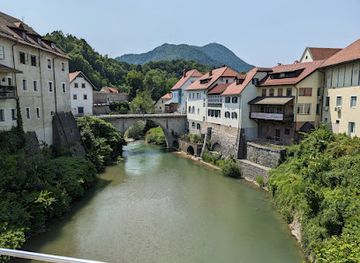
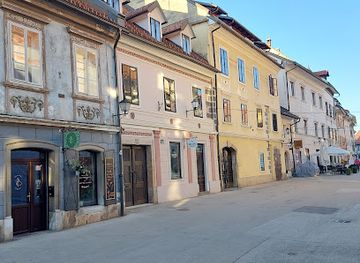
At the meeting point of the Poljane Sora and Selca Sora rivers, Škofja Loka preserves one of Slovenia’s most coherent medieval townscapes. Its historic centre unfolds around Mestni trg and Spodnji trg, where colourful façades, arcaded houses and steeply pitched roofs reflect centuries of urban life under the former rule of the bishops of Freising. Above the town, Loka Castle occupies a wooded rise, its walls and courtyards offering a natural starting point for understanding the settlement’s history and its relationship with the surrounding hills.Read more about Škofja Loka
Heritage in Everyday Streets
Gateway to the Gorenjska Landscape
When is the best time to visit Škofja Loka?
Best: June–August · 24–26°C| Month | High (°C) | Rainfall (mm) |
|---|---|---|
| January | 2 | 54 |
| February | 3 | 47 |
| March | 5 | 59 |
| April | 12 | 70 |
| May | 18 | 81 |
| June (best) | 24 | 91 |
| July (best) | 26 | 95 |
| August (best) | 26 | 91 |
| September | 21 | 82 |
| October | 15 | 71 |
| November | 8 | 60 |
| December | 4 | 51 |
Getting to and around Škofja Loka
How to get there
Transportation
Best attractions in Škofja Loka
Škofja Loka’s principal sights can be explored within a compact historic centre. Loka Castle rises above the town in a wooded setting, combining defensive architecture with the Škofja Loka Museum’s displays on archaeology, local crafts and rural life. Below it, Mestni trg is lined with historic houses and leads towards Homan House, one of the square’s most recognisable buildings. The narrower streets of Spodnji trg reveal a quieter side of the old town, while the Capuchin Bridge crosses the Poljane Sora beside the Capuchin monastery. The parish church, old granary and riverside paths add further layers to a walking circuit. For a change of scene, trails towards Mount Lubnik and the surrounding Škofja Loka Hills move quickly from urban heritage into forest, meadow and wide rural views, making the town a useful starting point for both cultural sightseeing and gentle outdoor exploration.
-
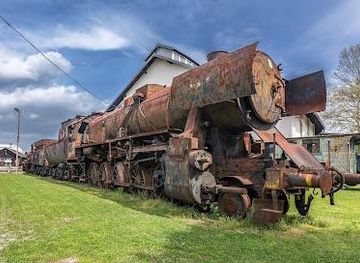
Rail museum
Railway Museum
Discover the fascinating world of trains at Ljubljana's Railway Museum, showcasing Slovenia's rich rail history through engaging exhibits and artifacts.
39 min drive · 19 km from city centre
-
Art center
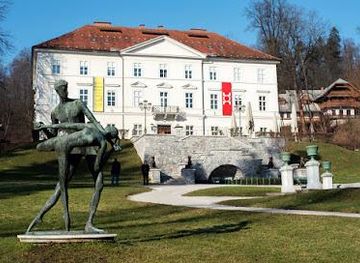
Mednarodni grafični likovni center
Discover Slovenia's artistic heritage at the Mednarodni grafični likovni center, a vibrant hub for contemporary graphic arts in Ljubljana.
39 min drive · 19 km from city centre
-
Bridge
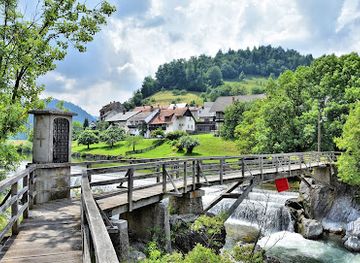
Hudičeva brv
Explore the stunning Hudičeva Brv in Škofja Loka, Slovenia—where history meets breathtaking natural beauty.
6 min walk · 0.5 km from city centre
-
Bridge
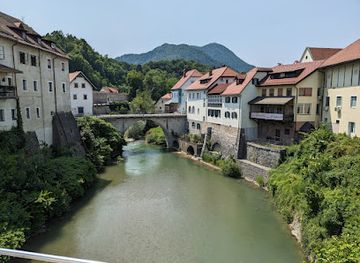
Capuchin Bridge
Explore the historic Capuchin Bridge in Škofja Loka, a stunning architectural gem with rich heritage and breathtaking views.
2 min walk · 0.2 km from city centre
Best landmarks in Škofja Loka
Loka Castle is Škofja Loka’s defining landmark, occupying the elevated site from which the bishops of Freising administered the territory for centuries; its later reconstruction also reflects the damage caused by the 1511 earthquake. In the centre, Mestni trg presents a carefully preserved group of medieval and early modern houses, including Homan House, whose prominent façade helps give the square its identity. The Capuchin Bridge, built in stone across the Poljane Sora, is associated with the Capuchin monastery and forms one of the town’s most recognisable approaches. The parish church of St James, the old granary and the streets of Spodnji trg complete the historic ensemble. Together these landmarks show how religious authority, trade, municipal life and river crossings shaped Škofja Loka’s physical development.
-
Castle
Skofja Loka Castle & Museum
Explore the fascinating history and stunning views at Škofja Loka Castle & Museum, a gem in the heart of Slovenia.
1 min walk · 0.1 km from city centre
-
Bridge
Hudičeva brv
Discover the historic Hudičeva Brv in Škofja Loka, Slovenia, a bridge that blends captivating folklore with stunning natural beauty.
6 min walk · 0.5 km from city centre
-
Bridge
Capuchin Bridge
Experience the beauty and history of Capuchin Bridge in Škofja Loka, a picturesque landmark connecting the past with the present in Slovenia.
2 min walk · 0.2 km from city centre
-
Cultural center
Sokolski dom Škofja Loka
Explore the vibrant cultural hub of Sokolski dom Škofja Loka, where art, tradition, and community come together in a historic setting.
2 min walk · 0.1 km from city centre



Explore Škofja Loka on the map
Plan your Škofja Loka trip on one map. See where the top attractions, landmarks, restaurants, bars and hotels are, find what's near where you're staying, and book hotels and experiences in a few clicks.
Best hotels in Škofja Loka
Best restaurants in Škofja Loka
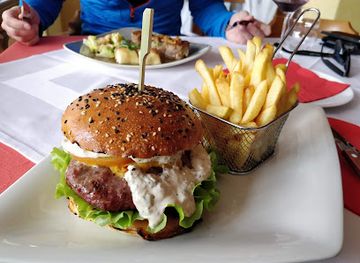
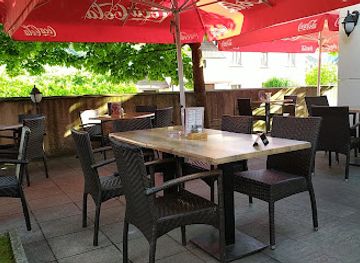
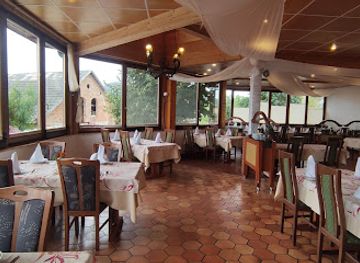
Dining in Škofja Loka reflects the food traditions of central and alpine Slovenia, with menus commonly drawing on seasonal vegetables, potatoes, mushrooms, freshwater fish, pork and locally produced dairy. Visitors may encounter štruklji, rolled dumplings with varied fillings, jota-style bean and sauerkraut dishes, buckwheat specialities and hearty soups, alongside familiar Slovenian pastries and cakes. The old squares and nearby streets contain cafés, traditional gostilna-style inns and restaurants suited to a relaxed meal after visiting the castle or museum, while bakeries and shops provide practical options for walks into the hills. Local honey, preserves, cheeses and other products from the surrounding countryside make useful introductions to the regional larder. Menus increasingly combine these traditions with contemporary Slovenian cooking, but the strongest sense of place often comes from seasonal ingredients and straightforward regional dishes rather than elaborate presentation.
-
Pizza
Pizzerija Klementina Pušar Vlado s.p.
Discover the taste of Italy at Pizzerija Klementina in Škofja Loka—an exquisite pizza restaurant perfect for every traveler.
8 min drive · 2.8 km from city centre
-
Restaurant
Das Ist Valter
Experience exquisite Slovenian cuisine at Das Ist Valter in Škofja Loka – where tradition meets modern culinary excellence.
8 min walk · 0.7 km from city centre
-
Restaurant
Gostilna pri Boštjanu Boštjan Bernik s.p.
Savor authentic Slovenian dishes at Gostilna pri Boštjanu in Škofja Loka – where tradition meets taste.
13 min drive · 4.3 km from city centre
-
Chinese
Chinese restaurant Zlata ribica
Experience authentic Chinese flavors at Zlata Ribica in Škofja Loka - a must-visit destination for food lovers.
16 min drive · 5.2 km from city centre
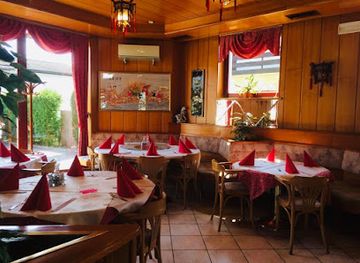
Best bars in Škofja Loka
Škofja Loka has a modest, sociable evening scene rather than a large club culture. Cafés and bars around Mestni trg and the neighbouring historic streets provide places for coffee, Slovenian wine, beer or a late conversation, with activity generally concentrated around the central squares. Cultural programming adds much of the town’s after-dark character: concerts, theatre, exhibitions and community events may take place in local cultural venues or historic settings, particularly during festivals and seasonal celebrations. The Capuchin area and riverside streets are attractive for an early evening walk, while larger nightlife options are more readily found in Ljubljana, which is within reach by road and public transport. Because schedules vary by season and event, visitors should check current local listings rather than expect nightly entertainment or a dense concentration of nightclubs.
-
Restaurant
Das Ist Valter
Experience authentic Slovenian cuisine at Das Ist Valter in Škofja Loka, where local flavors meet a cozy dining atmosphere.
8 min walk · 0.7 km from city centre
-
Bar
Kavarna in slaščičarna Na trgu
Discover the enchanting flavors of Slovenia at Kavarna in slaščičarna Na trgu, a perfect blend of coffee, pastries, and cozy ambiance in Škofja Loka.
1 min walk · 0.1 km from city centre
-
Restaurant
Na Vasi, restavracija in prenočišča
Experience authentic Slovenian flavors and cozy accommodations at Na Vasi in Škofja Loka, where every meal is a celebration of local culture.
8 min drive · 2.7 km from city centre
-
Coffee shop
Kavarna Vahtnca
Discover the cozy charm of Kavarna Vahtnca, Škofja Loka's go-to coffee shop for delightful brews and tasty pizzas amidst historic surroundings.
1 min walk · 0.1 km from city centre
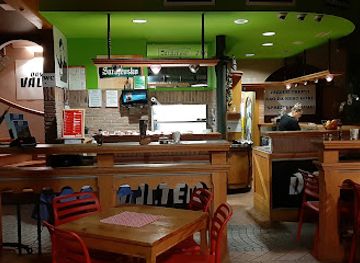
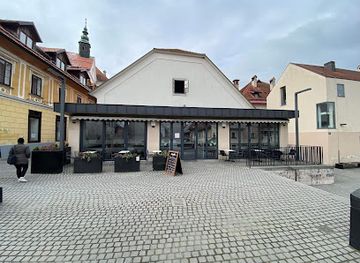
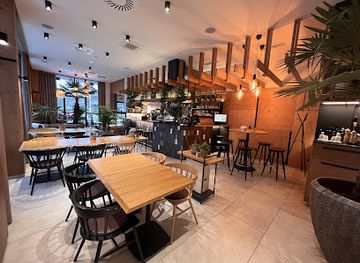
Best nightclubs in Škofja Loka
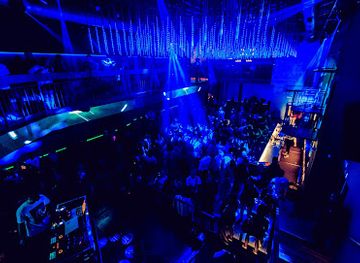
Škofja Loka has a modest, sociable evening scene rather than a large club culture. Cafés and bars around Mestni trg and the neighbouring historic streets provide places for coffee, Slovenian wine, beer or a late conversation, with activity generally concentrated around the central squares. Cultural programming adds much of the town’s after-dark character: concerts, theatre, exhibitions and community events may take place in local cultural venues or historic settings, particularly during festivals and seasonal celebrations. The Capuchin area and riverside streets are attractive for an early evening walk, while larger nightlife options are more readily found in Ljubljana, which is within reach by road and public transport. Because schedules vary by season and event, visitors should check current local listings rather than expect nightly entertainment or a dense concentration of nightclubs.
-
Bar
KluBar
Experience the vibrant nightlife at KluBar in Kranj - a perfect blend of music, dancing, and delicious fast food in Slovenia.
28 min drive · 9.4 km from city centre
-
Bar
Loški pub
Discover the cozy ambiance and local flavors at Loški Pub, a beloved bar in the heart of Škofja Loka, Slovenia.
2 min walk · 0.2 km from city centre
-
Bar
OMV
Discover the lively OMV Bar in Škofja Loka, where refreshing drinks and a friendly atmosphere await travelers looking for a local experience.
14 min walk · 1.1 km from city centre
-
Night club
Pure Night Club
Discover the energetic nightlife of Ljubljana at Pure Night Club, where great music and vibrant parties await you every weekend.
36 min drive · 16 km from city centre
Best shops in Škofja Loka
Shopping in Škofja Loka is concentrated in the old town, where small shops, galleries, cafés and independent businesses occupy historic buildings around Mestni trg and the streets leading towards Spodnji trg. The emphasis is on local character rather than large-scale retail, with visitors able to look for Slovenian food products, honey, preserves, wine, ceramics, textiles, handmade gifts and objects connected with regional craft traditions. The market and seasonal town events can provide a closer view of produce from nearby farms, although their timing varies. Museum and cultural venues may also offer publications or locally themed souvenirs relating to the castle, the Passion Play and Škofja Loka’s heritage. For supermarkets, chain stores and a wider range of everyday goods, the newer parts of town offer more practical shopping than the medieval centre.
-
Coffee shop
Kavarna Vahtnca
Discover Kavarna Vahtnca in Škofja Loka, where exceptional coffee meets delicious pizza in a cozy, inviting atmosphere.
1 min walk · 0.1 km from city centre
-
Home improvement store
MERKUR Škofja Loka
Discover MERKUR Škofja Loka for all your home improvement needs, featuring appliances, building materials, and expert advice in a stunning Slovenian town.
18 min walk · 1.4 km from city centre
-
Bar
Grajska Kavarna Škofja Loka
Experience the delightful blend of flavors and ambiance at Grajska Kavarna Škofja Loka, a perfect stop for coffee, cocktails, and sweet treats.
2 min walk · 0.1 km from city centre
-
Home goods store
Sint - Sodobni Interieri, trgovina in storitve, d.o.o.
Discover unique home decor and contemporary furniture at Sint - Sodobni Interieri in Škofja Loka, where local craftsmanship meets modern design.
11 min walk · 0.9 km from city centre


Get your free copy of our complete guide to Škofja Loka, delivered straight to you.
Everything on this page, from attractions and restaurants to essentials and local phrases, in one PDF you can read offline, print or share.
Already have an account? Sign in
Your Škofja Loka guide is ready.
We'll send it to · Not you? Sign out

Getting your guide ready…
We are putting together a fresh copy of the Škofja Loka guide. This can take up to a minute.
This can take a few moments. If your browser asks, choose Allow so the download can start. You'll find the guide in your Downloads folder.
Nothing happened? Download it again
Sorry, the guide is taking longer than usual. Please try again in a minute, or get it by email instead.
Škofja Loka essentials
Currency and Payment
Safety
Emergency Situations
Do's and Don'ts
Local Tips
From Eve
Local phrases worth knowing
You don't need to get them perfect. A few words go a long way, and locals appreciate the effort.
Basics
| English | Local | Say it |
|---|---|---|
| Hello | Živjo | [zhee-vyoh] |
| Goodbye | Nasvidenje | [nahs-vee-deh-nyeh] |
| Yes | Da | [dah] |
| No | Ne | [neh] |
| Please/You're welcome | Prosim | [proh-seem] |
| Thank you | Hvala | [hvah-lah] |
| Excuse me/Sorry | Oprostite | [oh-proh-stee-teh] |
| How are you? | Kako ste? | [kah-koh steh] |
| Fine. And you? | V redu. In vi? | [v reh-doo. een vee] |
| Do you speak English? | Govorite angleško? | [goh-voh-ree-teh ahn-gleh-shkoh] |
| I don't understand | Ne razumem | [neh rah-zoo-mehm] |
Eating & Drinking
| English | Local | Say it |
|---|---|---|
| I'd like to see the menu, please | Rad bi videl jedilnik, prosim | [rahd bee vee-dehl yeh-deel-neek, proh-seem] |
| I don't eat meat | Ne jem mesa | [neh yehm meh-sah] |
| Cheers! | Na zdravje! | [nah zdrah-vyeh] |
| I would like to pay, please | Rad bi plačal, prosim | [rahd bee plah-chahl, proh-seem] |
Emergencies
| English | Local | Say it |
|---|---|---|
| Help! | Pomoč! | [poh-mohch] |
| Go away! | Pojdi stran! | [poy-dee strahn] |
| Call the Police! | Pokliči policijo! | [poh-klee-chee po-lee-tsee-yoh] |
| Call a doctor! | Pokliči zdravnika! | [poh-klee-chee zdrahv-nee-kah] |
| I'm lost | Izgubil sem se | [eez-goo-beel sehm seh] |
| I'm ill | Bolj slab sem | [boh-lye slob sehm] |
Shopping
| English | Local | Say it |
|---|---|---|
| I'd like to buy... | Rad bi kupil... | [rahd bee koo-peel] |
| I'm just looking | Samo gledam | [sah-moh gleh-dahm] |
| How much is it? | Koliko stane? | [koh-lee-koh stah-neh] |
| That's too expensive | To je predrago | [toh yeh preh-drah-goh] |
| Can you lower the price? | Lahko znižate ceno? | [lah-koh znee-zah-teh cheh-noh] |
Time & Numbers
| English | Local | Say it |
|---|---|---|
| What time is it? | Koliko je ura? | [koh-lee-koh yeh oo-rah] |
| It's one o'clock | Je ena ura | [yeh eh-nah oo-rah] |
| Half past (10) | Pol desetih | [pohl deh-seh-teeh] |
| Morning | Jutro | [yoo-troh] |
| Afternoon | Popoldne | [poh-pohl-dneh] |
| Evening | Večer | [veh-chehr] |
| Yesterday | Včeraj | [vcheh-rah-ee] |
| Today | Danes | [dah-nes] |
| Tomorrow | Jutri | [yoo-tree] |
| 1 | Ena | [eh-nah] |
| 2 | Dva | [dvah] |
| 3 | Tri | [tree] |
| 4 | Štiri | [shtee-ree] |
| 5 | Pet | [peht] |
| 6 | Šest | [shest] |
| 7 | Sedem | [seh-dehm] |
| 8 | Osem | [oh-sehm] |
| 9 | Devet | [deh-veht] |
| 10 | Deset | [deh-seht] |
Transport & Directions
| English | Local | Say it |
|---|---|---|
| Where's a/the...? | Kje je ...? | [kyeh yeh] |
| What's the address? | Kateri je naslov? | [kah-teh-ree yeh nahs-lohv] |
| Can you show me (on the map)? | Mi lahko pokažete (na zemljevidu)? | [mee lah-koh poh-kah-zheh-teh nah zeh-mlyeh-vee-doo] |
| When's the next (bus)? | Kdaj je naslednji (avtobus)? | [kdahy yeh nah-slehd-nee ow-toh-boos] |
| A ticket (to ....) | Ena vozovnica (do ...) | [eh-nah voh-zohv-nee-tsah doh] |
History of Škofja Loka
Freising Bishops and Early Loka
Škofja Loka’s documented history begins in 973, when Emperor Otto II granted the territory around Loka to the bishops of Freising in present-day Germany. The name Škofja Loka means ‘Bishop’s Loka’, reflecting this long ecclesiastical association. Under Freising administration, the settlement developed as an economic and administrative centre in the Selca and Poljane valleys. Its position beside important routes through the Škofja Loka Hills encouraged trade, while farming, forestry and craft production supported the growing community. The later medieval town emerged around the market spaces now known as Mestni trg and Spodnji trg, with the castle providing authority and protection above the settlement.
The Medieval Market Town
During the Middle Ages, Škofja Loka acquired the privileges and institutions that shaped its urban form. Merchants and craftspeople settled around the market squares, and the town became a regional centre for trade between the valleys and the wider Gorenjska area. The parish church, defensive structures and civic houses developed alongside the castle complex, while bridges connected the two sides of the river. The surviving street plan still conveys this medieval organisation: an upper market square, a lower square and narrow routes leading towards the water and the castle hill. Political authority remained with the bishops of Freising, but daily life was increasingly shaped by municipal administration and guild-based crafts.
Earthquake and Renaissance Reconstruction
A major earthquake struck Škofja Loka in 1511, damaging the castle, churches and many town buildings. Reconstruction transformed the appearance of the settlement and introduced elements of the Renaissance into its medieval framework. The castle was repaired and strengthened, while houses around the market squares were rebuilt in more substantial forms. Trade and craft activity continued to underpin the local economy, with workshops producing goods for the town and its rural hinterland. Much of the historic centre’s present character reflects this period of rebuilding, when older medieval street patterns were retained but façades, interiors and civic buildings were renewed.
Capuchins and the Passion Play
The Capuchins established a monastery in Škofja Loka in the early eighteenth century, adding a religious and cultural presence beside the Poljane Sora. In 1721, the Capuchin friar Romuald Marušič created the Škofja Loka Passion Play, a devotional drama performed through the streets and associated with the town’s religious life. Written in the Slovene language, it is regarded as the oldest preserved dramatic text in Slovene. The tradition later fell into periods of interruption, but its historical importance endured. In 2016, the Škofja Loka Passion Play was inscribed on UNESCO’s Representative List of the Intangible Cultural Heritage of Humanity.
From Habsburg Province to Modern Slovenia
The end of Freising rule in the early nineteenth century brought Škofja Loka into the changing political structures of the Habsburg lands, and the town gradually became more closely integrated with regional administrative and commercial networks. Industrialisation arrived more modestly than in larger Slovenian centres, while traditional crafts, small manufacturing and surrounding agriculture remained important. In the twentieth century, improved roads and rail connections strengthened links with Ljubljana and other Gorenjska towns. After Slovenia became independent in 1991, Škofja Loka continued to develop as a historic municipality whose identity rests on its preserved urban core, living cultural traditions and proximity to the landscape of the Škofja Loka Hills.
Travel experiences inspired by this city
-
 9 Day Trip
Alpine Meadows and Medieval Charm: A Friends' Getaway to Kamnik, Slovenia
Discover Kamnik, Slovenia on a friends' escape filled with alpine hikes on Velika Planina, medieval streets, local flavors, and relaxing thermal springs.
9 Day Trip
Alpine Meadows and Medieval Charm: A Friends' Getaway to Kamnik, Slovenia
Discover Kamnik, Slovenia on a friends' escape filled with alpine hikes on Velika Planina, medieval streets, local flavors, and relaxing thermal springs.
 18 Aug 2026
By Emilía Jónsdóttir -
 9 Day Trip
Friends’ Alpine Escape to Kamnik: Hikes, Markets, and Slovenian Flavors
Explore Kamnik with friends on a 9-day summer getaway—historic streets, Velika Planina hikes, markets, and hearty Slovenian flavors from a cozy guesthouse base.
9 Day Trip
Friends’ Alpine Escape to Kamnik: Hikes, Markets, and Slovenian Flavors
Explore Kamnik with friends on a 9-day summer getaway—historic streets, Velika Planina hikes, markets, and hearty Slovenian flavors from a cozy guesthouse base.
 20 Jul 2026
By Rama Thapa -
 11 Day Trip
Slow Summer Family Escape to Škofja Loka, Slovenia - 11 Days
Eco-friendly family escape to Škofja Loka, Slovenia: medieval streets, scenic hikes, riverside strolls, local cuisine, and easy day trips from Ljubljana.
11 Day Trip
Slow Summer Family Escape to Škofja Loka, Slovenia - 11 Days
Eco-friendly family escape to Škofja Loka, Slovenia: medieval streets, scenic hikes, riverside strolls, local cuisine, and easy day trips from Ljubljana.
 20 Jul 2026
By Karen Schmidt -
 9 Day Trip
Family Summer Escape to Škofja Loka, Slovenia
A family-friendly journey to medieval Škofja Loka with hikes, castle views, river picnics, and day trips to Ljubljana and Bled from a cozy B&B.
9 Day Trip
Family Summer Escape to Škofja Loka, Slovenia
A family-friendly journey to medieval Škofja Loka with hikes, castle views, river picnics, and day trips to Ljubljana and Bled from a cozy B&B.
 15 Jul 2026
By Juan Diaz -
 9 Day Trip
Family Adventure in Triglav National Park
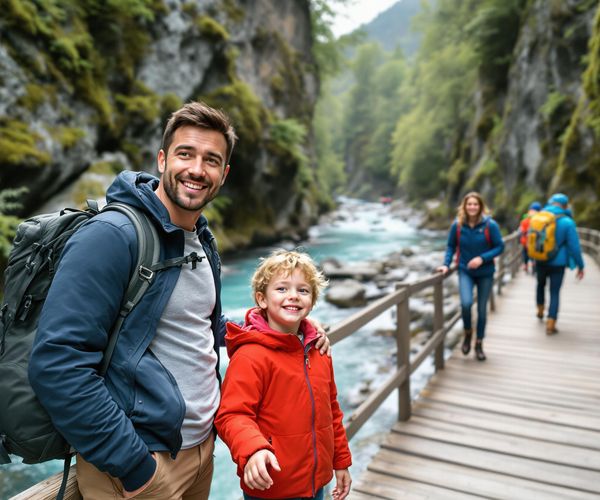
Discover Slovenia's natural beauty with a family adventure in Triglav National Park, exploring trails, wildlife, and sustainable camping experiences.
9 Day Trip
Family Adventure in Triglav National Park
Discover Slovenia's natural beauty with a family adventure in Triglav National Park, exploring trails, wildlife, and sustainable camping experiences.
 5 Oct 2025
By Ivan Zubčić -
 8 Day Trip
Family Adventure in Triglav National Park
Explore Slovenia's Triglav National Park with your family for an unforgettable adventure in nature, enjoying hiking, wildlife, and camping under the stars.
10 May 2025
8 Day Trip
Family Adventure in Triglav National Park
Explore Slovenia's Triglav National Park with your family for an unforgettable adventure in nature, enjoying hiking, wildlife, and camping under the stars.
10 May 2025
By Ivan Zubčić
Swipe for more travel diaries
Škofja Loka in Photos
Browse through our photo collection highlighting the charm and character of the destination.
Cities near Škofja Loka
The closest cities to Škofja Loka, if you have time for more than one stop.
-

-

-

-

-


Swipe for more cities
Explore more

Explore more of Slovenia
Discover Slovenia's stunning landscapes, rich cultural heritage, and delightful cuisine. A hidden gem in Europe, perfect for outdoor adventures, history, and culinary exploration.
Explore Slovenia