

Free Kamnik Travel Guide & Mobile App
Plan your Kamnik trip with Evendo. Get free guides to top attractions, restaurants, hotels, and bars. Web access or download the mobile app.


Kamnik, Slovenia, pairs a medieval old town with alpine scenery, Velika Planina, historic castles, local cuisine and rewarding walks near Ljubljana.
Medieval Streets Beneath Alpine Peaks
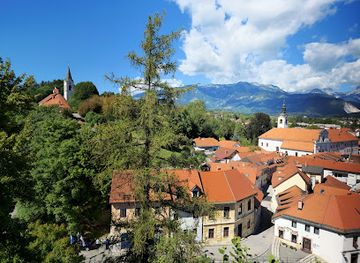
Kamnik lies at the northern edge of the Ljubljana Basin, where the town’s carefully preserved medieval core gives way to the wooded foothills of the Kamnik–Savinja Alps. Its compact centre is shaped by narrow streets, pastel façades and historic squares, with the atmospheric Šutna street leading towards Mali grad, or the Small Castle, one of the town’s defining landmarks. Above the rooftops, the remains of Stari grad mark the site of a former medieval stronghold, while the pale mass of the Kamnik Alps provides a dramatic natural backdrop.Read more about Kamnik
History, Craft and Local Life
Alpine Landscapes and Living Traditions
When is the best time to visit Kamnik?
Best: May–June, September · 20–24°C| Month | High (°C) | Rainfall (mm) |
|---|---|---|
| January | 3 | 47 |
| February | 4 | 41 |
| March | 8 | 63 |
| April | 15 | 93 |
| May (best) | 20 | 124 |
| June (best) | 24 | 166 |
| July | 26 | 192 |
| August | 26 | 175 |
| September (best) | 21 | 131 |
| October | 15 | 93 |
| November | 9 | 66 |
| December | 5 | 52 |
Getting to and around Kamnik
How to get there
Transportation
Best attractions in Kamnik
Kamnik’s compact old town offers rewarding sightseeing without long distances between its principal attractions. Walk along Šutna, the town’s most atmospheric historic street, to Mali grad, where the remains of a medieval castle and the Chapel of St Primus occupy a rocky rise above the centre. Zaprice Castle houses the Kamnik Museum, whose displays explain local history, crafts and life in the surrounding valleys. The Franciscan Monastery adds a quieter architectural and spiritual stop, while Stari grad provides a hilltop reminder of the town’s former defensive importance. Beyond the centre, the Kamniška Bistrica valley introduces forests, clear mountain streams and access to the Kamnik Alps. Velika Planina, within the municipality, offers a contrasting highland landscape of meadows and traditional herdsmen’s cottages, while nearby Arboretum Volčji Potok provides cultivated gardens and seasonal floral displays in the broader Kamnik area.
-
Tourist attraction
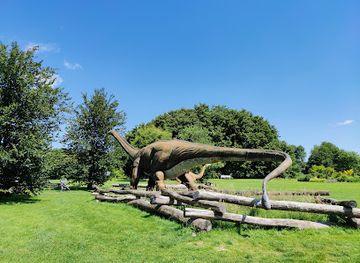
Arboretum
Explore the Arboretum in Slovenia, a beautiful park filled with diverse plant species, serene walks, and stunning landscapes perfect for nature lovers.
14 min drive · 4.5 km from city centre
-
Tourist attraction
Zaprice Castle
Discover the rich history and stunning views at Zaprice Castle in Kamnik, Slovenia—an enchanting blend of culture and nature awaits you.
7 min walk · 0.6 km from city centre
-
Castle
Little Castle
Explore the Little Castle in Kamnik for breathtaking views and a rich historical experience in Slovenia's enchanting landscape.
2 min walk · 0.2 km from city centre
-
Castle
Little Castle
Experience the historical charm and breathtaking views at Little Castle in Kamnik, Slovenia - a captivating destination for every traveler.
2 min walk · 0.2 km from city centre


Best landmarks in Kamnik
Mali grad, or the Small Castle, is Kamnik’s most recognisable historic landmark, occupying a rocky prominence above the old centre with remnants of medieval fortifications and the Chapel of St Primus and Felician. Stari grad, on a wooded hill beyond the central streets, represents the larger medieval stronghold whose ruins overlook the town. Zaprice Castle is a later architectural statement and now houses the Kamnik Museum, linking a historic residence with the interpretation of regional heritage. The Franciscan Monastery contributes an important religious presence, while Šutna preserves a sequence of historic townhouses and façades shaped by centuries of commerce. The main squares and civic buildings complete the old-town ensemble, revealing how Kamnik developed from a fortified medieval settlement into a market and administrative centre. Together these landmarks show the relationship between defensive hills, religious institutions and the trading streets below.
-
Park
Arboretum
Explore the enchanting Arboretum in Slovenia, featuring stunning gardens, rare trees, and picturesque landscapes perfect for nature lovers and photography enthusiasts.
14 min drive · 4.5 km from city centre
-
Pizza
Pri Cesarju, Neapolitan Pizzeria
Experience authentic Neapolitan pizza in the heart of Kamnik, Slovenia, at Pri Cesarju - a culinary haven for pizza lovers and foodies.
5 min walk · 0.4 km from city centre
-
Cultural center
Dom kulture Kamnik
Explore the vibrant cultural scene at Dom Kulture Kamnik, a hub for art, music, and community events in the heart of Slovenia.
7 min walk · 0.6 km from city centre
-
Castle
Stari grad nad Kamnikom
Discover the enchanting Stari Grad nad Kamnikom, a medieval castle offering breathtaking views and a journey through Slovenia's rich history.
6 min walk · 0.5 km from city centre



Explore Kamnik on the map
Plan your Kamnik trip on one map. See where the top attractions, landmarks, restaurants, bars and hotels are, find what's near where you're staying, and book hotels and experiences in a few clicks.
Best hotels in Kamnik
Best restaurants in Kamnik
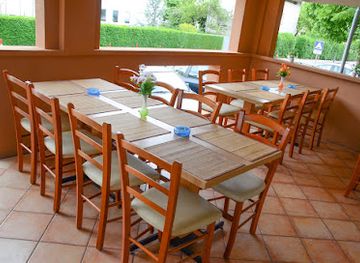
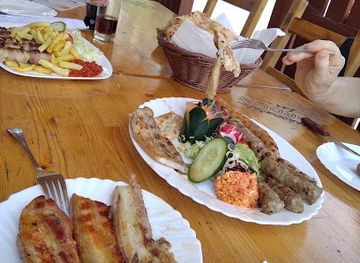
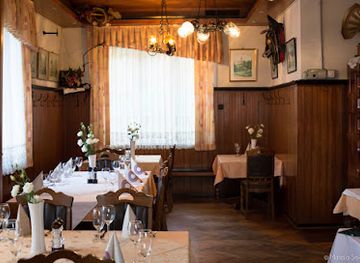
Kamnik’s food culture reflects central Slovenian home cooking, Alpine ingredients and the flavours of the surrounding agricultural region. Menus may feature štruklji, filled or rolled dumplings, savoury buckwheat dishes, soups, cured meats, freshwater fish and seasonal mushrooms, while dairy products and honey are associated with the wider Alpine landscape. Traditional inns, known in Slovenia as gostilnas, remain important places for generous regional meals, whereas cafés and contemporary restaurants around the centre offer lighter dishes, pastries and modern interpretations of local produce. The town is also well placed for tasting products from nearby farms and mountain areas, including cheeses, honey and herbal preparations. Dining is concentrated around the historic centre and its squares, with quieter establishments found along routes into the surrounding villages. Seasonal menus are particularly relevant in a region where forest produce, garden vegetables and mountain ingredients shape local cooking.
-
Hamburger
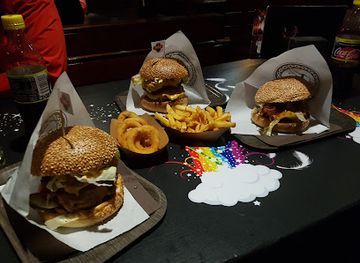
7 burger
Experience gourmet hamburgers like never before at 7 Burger in Kamnik – where quality meets flavor in every bite.
10 min drive · 3.2 km from city centre
-
Restaurant
Tsnim arabska restavracija
Experience authentic Arab cuisine at Tsnim in Kamnik - where every dish is crafted with passion and tradition.
7 min walk · 0.6 km from city centre
-
Restaurant
Kordun Grill Restaurant
Experience the rich culinary heritage of Slovenia at Kordun Grill Restaurant in Kamnik – where grilled delights meet local charm.
6 min drive · 1.9 km from city centre
-
Restaurant
Gostilna Repnik, Primož Repnik s.p.
Experience authentic Slovenian cuisine amidst the beautiful landscapes of Kamnik at Gostilna Repnik.
5 min drive · 1.6 km from city centre
Best bars in Kamnik
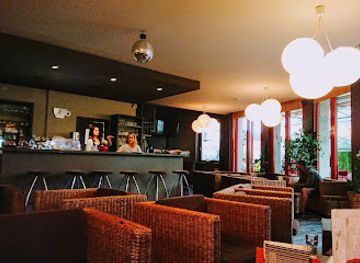
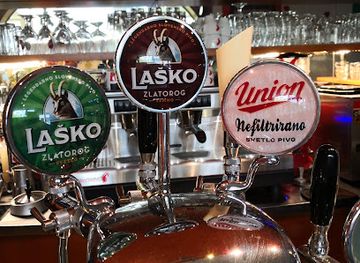
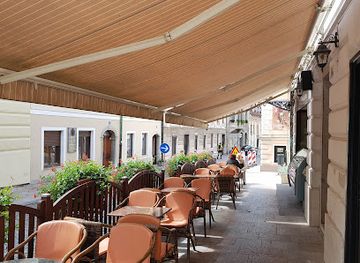
Kamnik has a modest, social evening scene rather than a large club district. Historic-centre cafés and bars around the main squares provide places for coffee, Slovenian beer, wine or a relaxed drink after sightseeing, and some venues host occasional live music or cultural events. Evenings can also centre on restaurants, local festivals and performances connected with Kamnik’s cultural institutions rather than late-night dancing. The town’s scale means that activity is generally concentrated in the centre and quietens earlier than in Ljubljana, while nightlife in the surrounding Alpine settlements is limited. Visitors staying outside the town should arrange their return transport in advance, particularly after spending an evening in the centre. Ljubljana is the nearest larger city for a broader choice of concert venues, theatres and nightclubs, but it is a separate evening destination rather than part of Kamnik’s local nightlife.
-
Bar
Atrium Kamnik 2.0
Discover the lively atmosphere and delightful drinks at Atrium Kamnik 2.0, a must-visit bar in the heart of Kamnik, Slovenia.
5 min drive · 1.8 km from city centre
-
Cocktail bar
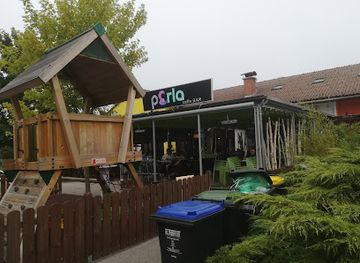
Perla Bar
Discover Perla Bar in Kamnik – a cocktail paradise offering unique drinks and a vibrant atmosphere for every traveler.
6 min drive · 1.9 km from city centre
-
Bar
M - 2000 Bar
Discover the vibrant ambiance of M - 2000 Bar in Kamnik, Slovenia, where locals gather to enjoy drinks and good company in a charming setting.
7 min walk · 0.5 km from city centre
-
Bar
Bar Mali grad
Experience the charm of Bar Mali Grad in Kamnik, Slovenia, where local flavors and a cozy ambiance create the perfect retreat for tourists.
2 min walk · 0.2 km from city centre

Best nightclubs in Kamnik
Kamnik has a modest, social evening scene rather than a large club district. Historic-centre cafés and bars around the main squares provide places for coffee, Slovenian beer, wine or a relaxed drink after sightseeing, and some venues host occasional live music or cultural events. Evenings can also centre on restaurants, local festivals and performances connected with Kamnik’s cultural institutions rather than late-night dancing. The town’s scale means that activity is generally concentrated in the centre and quietens earlier than in Ljubljana, while nightlife in the surrounding Alpine settlements is limited. Visitors staying outside the town should arrange their return transport in advance, particularly after spending an evening in the centre. Ljubljana is the nearest larger city for a broader choice of concert venues, theatres and nightclubs, but it is a separate evening destination rather than part of Kamnik’s local nightlife.
-
Cocktail bar
Perla Bar
Experience the vibrant nightlife at Perla Bar in Kamnik, where expertly crafted cocktails meet a lively atmosphere for an unforgettable evening.
6 min drive · 1.9 km from city centre
-
Bar
M - 2000 Bar
Experience the lively ambiance and delightful drinks at M - 2000 Bar in Kamnik, the perfect spot for relaxation and socializing.
7 min walk · 0.5 km from city centre
-
Bar
Blues bar
Discover the vibrant blues scene in Kamnik at the Blues Bar, where music and culture come together in a cozy atmosphere.
1 min walk · 0.1 km from city centre
-
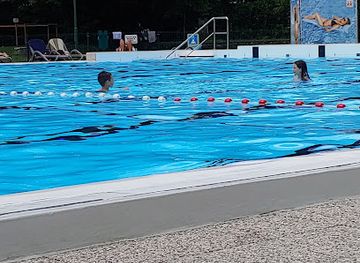
Swim club
Swimming club Kamnik
Experience the serenity and joy of swimming at Swimming Club Kamnik, a haven for water lovers in the heart of Slovenia.
6 min walk · 0.5 km from city centre
Best shops in Kamnik
Shopping in Kamnik is centred on the historic streets and everyday town shops rather than a large retail district. Šutna and the surrounding old-town squares are the most pleasant areas for browsing independent businesses, small galleries, cafés and outlets selling gifts or locally made products. Markets and seasonal events may offer honey, herbal goods, preserves, cheeses, handcrafted items and other products from the Kamnik region, while specialist shops provide practical supplies for visitors heading into the mountains. Traditional crafts and Alpine pastoral culture are reflected in locally themed souvenirs, though visitors should distinguish genuinely regional products from generic merchandise. Larger, routine shopping is available in the modern parts of town, while Ljubljana offers a much broader selection of international and specialist retailers. The most characteristic purchases are usually food products and small craft items connected with central Slovenia rather than luxury goods.
-
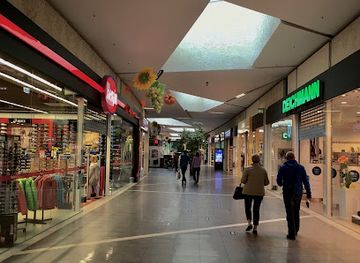
Shopping mall
Supernova Kamnik
Explore Supernova Kamnik, Slovenia's premier shopping destination with diverse retail options and delightful dining experiences.
10 min drive · 3.2 km from city centre
-
Baking supply store
PEKIS spletna trgovina
Explore the sweet side of Kamnik at PEKIS Spletna Trgovina, where baking dreams come to life with delightful pastries and supplies.
5 min drive · 1.6 km from city centre
-
Grocery store
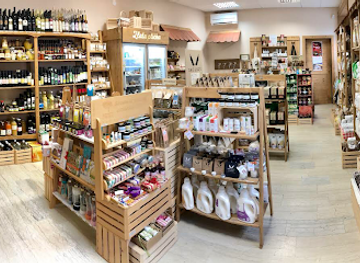
Zlata ptička
Explore Zlata ptička in Kamnik for a unique grocery shopping experience filled with local flavors and Slovenian hospitality.
2 min walk · 0.2 km from city centre
-
Sporting goods store
Intersport Kamnik
Explore the great outdoors of Slovenia with top-quality gear from Intersport Kamnik, your ultimate sporting goods destination.
5 min drive · 1.5 km from city centre
Get your free copy of our complete guide to Kamnik, delivered straight to you.
Everything on this page, from attractions and restaurants to essentials and local phrases, in one PDF you can read offline, print or share.
Already have an account? Sign in
Your Kamnik guide is ready.
We'll send it to · Not you? Sign out

Getting your guide ready…
We are putting together a fresh copy of the Kamnik guide. This can take up to a minute.
This can take a few moments. If your browser asks, choose Allow so the download can start. You'll find the guide in your Downloads folder.
Nothing happened? Download it again
Sorry, the guide is taking longer than usual. Please try again in a minute, or get it by email instead.
Kamnik essentials
Currency and Payment
Safety
Emergency Situations
Do's and Don'ts
Local Tips
From Eve
Local phrases worth knowing
You don't need to get them perfect. A few words go a long way, and locals appreciate the effort.
Basics
| English | Local | Say it |
|---|---|---|
| Hello | Zdravo | [Zdrah-voh] |
| Goodbye | Nasvidenje | [Nah-svee-dehn-yeh] |
| Yes | Da | [Dah] |
| No | Ne | [Neh] |
| Please/You're welcome | Prosim | [Pro-seem] |
| Thank you | Hvala | [Hvah-lah] |
| Excuse me/Sorry | Oprosti | [Oh-pros-tee] |
| How are you? | Kako si? | [Kah-koh see?] |
| Fine. And you? | V redu. In ti? | [V reh-doo. Een tee?] |
| Do you speak English? | Govorite angleško? | [Go-vo-ree-te ahn-gleh-shko?] |
| I don't understand | Ne razumem | [Neh rah-zoo-mem] |
Eating & Drinking
| English | Local | Say it |
|---|---|---|
| I'd like to see the menu, please | Rad bi videl meni, prosim | [Raad bee vee-del meh-nee, pro-seem] |
| I don't eat meat | Ne jem mesa | [Neh yem meh-sah] |
| Cheers! | Na zdravje! | [Nah zdrahv-yeh] |
| I would like to pay, please | Rad bi plačal, prosim | [Raad bee plah-chahl, pro-seem] |
Emergencies
| English | Local | Say it |
|---|---|---|
| Help! | Pomoč! | [Poh-mohch!] |
| Go away! | Pojdi stran! | [Poy-dee strahn!] |
| Call the Police! | Pokliči policijo! | [Poh-klee-chee po-leet-see-yoh!] |
| Call a doctor! | Pokliči zdravnika! | [Poh-klee-chee zdrahv-nee-kah!] |
| I'm lost | Izgubil sem se | [Eez-goo-beel sehm seh] |
| I'm ill | Bolam | [Boh-lahm] |
Shopping
| English | Local | Say it |
|---|---|---|
| I'd like to buy... | Rad bi kupil... | [Raad bee koo-peel...] |
| I'm just looking | Samo gledam | [Sah-mo gleh-dahm] |
| How much is it? | Koliko stane? | [Koh-lee-koh stah-neh?] |
| That's too expensive | To je predrago | [Toh yeh preh-drah-goh] |
| Can you lower the price? | Lahko znižate ceno? | [Lah-koh znee-zah-teh tseh-no?] |
Time & Numbers
| English | Local | Say it |
|---|---|---|
| What time is it? | Koliko je ura? | [Koh-lee-koh yeh oo-rah?] |
| It's one o'clock | Je ena ura | [Yeh eh-nah oo-rah] |
| Half past (10) | Pol desetih | [Pohl deh-seh-teeh] |
| Morning | Jutro | [Yoo-troh] |
| Afternoon | Popoldne | [Poh-pohl-dneh] |
| Evening | Večer | [Veh-chehr] |
| Yesterday | Včeraj | [V-cheh-rahy] |
| Today | Danes | [Dah-nes] |
| Tomorrow | Jutri | [Yoo-tree] |
| 1 | Ena | [Eh-nah] |
| 2 | Dva | [Dvah] |
| 3 | Tri | [Tree] |
| 4 | Štiri | [Shtee-ree] |
| 5 | Pet | [Peh-t] |
| 6 | Šest | [Shehst] |
| 7 | Sedem | [Seh-dehm] |
| 8 | Osem | [Oh-sehm] |
| 9 | Devet | [Deh-veht] |
| 10 | Deset | [Deh-seht] |
Transport & Directions
| English | Local | Say it |
|---|---|---|
| Where's a/the...? | Kje je ...? | [Kyeh yeh ...?] |
| What's the address? | Kateri je naslov? | [Kah-teh-ree yeh nahs-lohv?] |
| Can you show me (on the map)? | Mi lahko pokažete (na zemljevidu)? | [Mee lah-koh poh-kah-zheh-teh (nah zehm-leh-vee-doo)?] |
| When's the next (bus)? | Kdaj je naslednji (avtobus)? | [Kdy-eye yeh nah-slehd-nee (ow-toh-boos)?] |
| A ticket (to ....) | Ena vozovnica (za ....) | [Eh-nah voh-zov-nee-tsah (zah ....)] |
History of Kamnik
Early Settlement and Roman Influence
The Kamnik area was inhabited before the emergence of the medieval town, benefiting from fertile land, woodland and routes linking the Ljubljana Basin with Alpine valleys. Roman influence reached the broader region, although the settlement visible today developed later around medieval political and commercial centres. The surrounding landscape supported agriculture, forestry and movement through the mountain passes, establishing the geographical foundations for Kamnik’s later importance. Archaeological evidence from the region points to long-term human activity rather than a city founded at a single, clearly documented moment.
Medieval Market Town Emerges
Kamnik grew into a significant medieval settlement under the Counts of Andechs, who promoted its political and economic importance in the 12th and 13th centuries. The town’s position beneath the Alps placed it on routes connecting Carniola with neighbouring regions, while markets and crafts encouraged urban development. Mali grad served as a fortified centre, and the larger stronghold on the hill above the town became known as Stari grad. The surviving street plan, especially around Šutna and the central squares, preserves the form of a town shaped by trade, administration and defence.
Habsburg Carniola and Urban Growth
After the extinction of the Andechs line, Kamnik passed into the orbit of the Habsburg lands and became part of the political world of medieval and early modern Carniola. Its strategic significance changed over time, but commerce, crafts and local administration continued to sustain the town. Fortifications gradually lost their military purpose, and the settlement expanded beyond its earlier defensive core. Churches, monasteries and civic buildings became important elements of the urban landscape, while the town’s German and Slovene cultural influences reflected its position within the multilingual Habsburg realm.
Crafts, Trade and Religious Heritage
During the early modern period, Kamnik remained a centre for regional exchange and handcraft production. Artisans, merchants and farmers from the surrounding valleys connected the town with its hinterland, while religious institutions shaped education, charitable activity and public life. The Franciscan presence became an enduring part of Kamnik’s identity, and historic residences along Šutna and the main squares recorded the prosperity of established families. Although political power lay elsewhere, local markets and crafts gave the town a durable civic character that remains legible in its architecture.
Industrialisation and Modern Change
The 19th century brought new economic conditions to Kamnik as improved transport, manufacturing and industrial enterprise altered the town’s relationship with Ljubljana and the surrounding countryside. A particularly important development was the growth of the Stol factory, associated with furniture production and later industrial employment. The railway connection with Ljubljana further strengthened regional links and supported the movement of people and goods. These changes encouraged expansion beyond the medieval centre, while the old streets and castles acquired increasing value as signs of Kamnik’s historical identity.
Kamnik in Contemporary Slovenia
Kamnik became part of the Kingdom of Serbs, Croats and Slovenes after the First World War, later Yugoslavia, and has belonged to independent Slovenia since 1991. Twentieth-century political change, industrial restructuring and suburban growth reshaped the municipality, but the historic centre remained an important cultural focus. Museums, restored buildings and local events now interpret the town’s layered past, while the wider municipality connects urban heritage with Alpine landscapes and pastoral traditions on Velika Planina. Contemporary Kamnik therefore combines a historic market-town identity with the practical life of a Slovenian regional centre.
Travel experiences inspired by this city
-
 9 Day Trip
Alpine Meadows and Medieval Charm: A Friends' Getaway to Kamnik, Slovenia
Discover Kamnik, Slovenia on a friends' escape filled with alpine hikes on Velika Planina, medieval streets, local flavors, and relaxing thermal springs.
9 Day Trip
Alpine Meadows and Medieval Charm: A Friends' Getaway to Kamnik, Slovenia
Discover Kamnik, Slovenia on a friends' escape filled with alpine hikes on Velika Planina, medieval streets, local flavors, and relaxing thermal springs.
 18 Aug 2026
By Emilía Jónsdóttir -
 9 Day Trip
Solo Summer Escape to Velenje: Lake Days, Castle Views, and Coal Heritage
Discover Velenje on a solo trip: swim in Lake Velenje, explore the Coal Mining Museum and hilltop castle, and hike Šaleška Valley from a budget-friendly central base.
9 Day Trip
Solo Summer Escape to Velenje: Lake Days, Castle Views, and Coal Heritage
Discover Velenje on a solo trip: swim in Lake Velenje, explore the Coal Mining Museum and hilltop castle, and hike Šaleška Valley from a budget-friendly central base.
 15 Aug 2026
By Anjali Müller -
 11 Day Trip
Friends Getaway to Kamnik: Alpine Trails, Medieval Charm, and Thermal Springs
Explore Kamnik, Slovenia on a friends getaway: alpine hikes on Velika Planina, medieval old town strolls, thermal springs, and farm-to-table flavors.
11 Day Trip
Friends Getaway to Kamnik: Alpine Trails, Medieval Charm, and Thermal Springs
Explore Kamnik, Slovenia on a friends getaway: alpine hikes on Velika Planina, medieval old town strolls, thermal springs, and farm-to-table flavors.
 10 Aug 2026
By Aoife Walsh -
 9 Day Trip
Friends’ Alpine Escape to Kamnik: Hikes, Markets, and Slovenian Flavors
Explore Kamnik with friends on a 9-day summer getaway—historic streets, Velika Planina hikes, markets, and hearty Slovenian flavors from a cozy guesthouse base.
9 Day Trip
Friends’ Alpine Escape to Kamnik: Hikes, Markets, and Slovenian Flavors
Explore Kamnik with friends on a 9-day summer getaway—historic streets, Velika Planina hikes, markets, and hearty Slovenian flavors from a cozy guesthouse base.
 20 Jul 2026
By Rama Thapa -
 11 Day Trip
Slow Summer Family Escape to Škofja Loka, Slovenia - 11 Days
Eco-friendly family escape to Škofja Loka, Slovenia: medieval streets, scenic hikes, riverside strolls, local cuisine, and easy day trips from Ljubljana.
11 Day Trip
Slow Summer Family Escape to Škofja Loka, Slovenia - 11 Days
Eco-friendly family escape to Škofja Loka, Slovenia: medieval streets, scenic hikes, riverside strolls, local cuisine, and easy day trips from Ljubljana.
 20 Jul 2026
By Karen Schmidt -
 9 Day Trip
Family Summer Escape to Škofja Loka, Slovenia
A family-friendly journey to medieval Škofja Loka with hikes, castle views, river picnics, and day trips to Ljubljana and Bled from a cozy B&B.
9 Day Trip
Family Summer Escape to Škofja Loka, Slovenia
A family-friendly journey to medieval Škofja Loka with hikes, castle views, river picnics, and day trips to Ljubljana and Bled from a cozy B&B.
 15 Jul 2026
By Juan Diaz
Swipe for more travel diaries
Kamnik in Photos
Browse through our photo collection highlighting the charm and character of the destination.
Cities near Kamnik
The closest cities to Kamnik, if you have time for more than one stop.
-

-

-

-

-


Swipe for more cities
Explore more

Explore more of Slovenia
Discover Slovenia's stunning landscapes, rich cultural heritage, and delightful cuisine. A hidden gem in Europe, perfect for outdoor adventures, history, and culinary exploration.
Explore Slovenia