

Free Bled Travel Guide & Mobile App
Plan your Bled trip with Evendo. Get free guides to top attractions, restaurants, hotels, and bars. Web access or download the mobile app.


Bled, Slovenia combines a glacial lake, island church, medieval castle and Julian Alpine scenery with gentle walks, local cuisine and outdoor adventures.
Lake, Island and Castle
Bled occupies a graceful setting in north-western Slovenia, where the Julian Alps rise beyond a turquoise-green lake and wooded hills. The town’s defining image is Lake Bled, with a small island crowned by the Church of the Mother of God on the Lake and Bled Castle perched above the northern shore. A well-maintained lakeside path circles the water, revealing constantly changing views of the island, castle cliffs, forested slopes and distant peaks. Traditional pletna boats, recognisable by their broad wooden hulls and standing oarsmen, carry visitors across the lake to the island.Read more about Bled
Resort Heritage and Outdoor Life
Slovenian Flavours
When is the best time to visit Bled?
Best: June–August · 25–27°C| Month | High (°C) | Rainfall (mm) |
|---|---|---|
| January | 2 | 60 |
| February | 4 | 50 |
| March | 9 | 60 |
| April | 15 | 70 |
| May | 21 | 80 |
| June (best) | 25 | 90 |
| July (best) | 27 | 100 |
| August (best) | 27 | 100 |
| September | 22 | 90 |
| October | 18 | 80 |
| November | 11 | 70 |
| December | 6 | 60 |
Getting to and around Bled
How to get there
Transportation
Best attractions in Bled
Bled’s principal attraction is its lake, whose circular shore path combines views of the island, castle and Julian Alps with gardens, bathing areas and quiet stretches of woodland. A pletna boat crossing leads to Bled Island, where the Church of the Mother of God on the Lake, its bell tower and traditional pilgrimage steps form the centre of the visit. Above the northern shore, Bled Castle brings together fortified walls, a museum, a chapel and terraces overlooking the basin. The town’s parks and historic villas reveal its nineteenth-century resort identity, while the Vintgar Gorge, a popular natural excursion north-east of Bled, follows the Radovna River through a narrow gorge outside the town. Walking, rowing, cycling and seasonal water activities provide active ways to experience the landscape, while the lakeside promenade offers a gentler introduction to Bled’s scenery and atmosphere.
-
Castle
Bled Castle
Discover Bled Castle, a historic fortress offering breathtaking views of Lake Bled and rich Slovenian heritage in a stunning natural setting.
13 min walk · 1.0 km from city centre
-
Nature preserve
Soteska Vintgar
Explore the enchanting beauty of Vintgar Gorge, a stunning natural preserve in Slovenia, perfect for nature lovers and adventure seekers alike.
11 min drive · 3.5 km from city centre
-
Lake
Lake Bled
Explore the stunning beauty of Lake Bled, Slovenia - a picturesque lake with an island, castle, and the perfect backdrop for your next adventure.
5 min drive · 1.7 km from city centre
-
Observation deck
The Heart of Bled
Explore the breathtaking beauty of Lake Bled, Slovenia, where serene waters meet stunning alpine landscapes and rich cultural heritage.
5 min walk · 0.4 km from city centre


Best landmarks in Bled
Bled Castle is the town’s most commanding landmark, occupying a steep rock above the lake with defensive walls, towers, a chapel and later Renaissance and Baroque elements that reflect its long administrative history. On the lake, the Church of the Mother of God on the Lake gives Bled Island its distinctive silhouette; the present building incorporates medieval origins and later Baroque remodelling, while the traditional steps and bell tower reinforce its pilgrimage character. The Parish Church of Saint Martin in the centre is known for its Neo-Gothic design and interior murals, offering a more urban religious counterpoint to the island church. Along the shore, villas, parks and historic resort buildings recall the nineteenth-century transformation of Bled into a health and leisure destination. Together these landmarks express the town’s combination of ecclesiastical tradition, medieval authority and Alpine resort culture.
-
Castle
Bled Castle
Discover the enchanting Bled Castle, an architectural marvel with breathtaking views of Lake Bled and rich historical treasures in Slovenia.
13 min walk · 1.0 km from city centre
-
 Visitor center
Triglav National Park
Explore Triglav National Park: Slovenia's Alpine Gem with stunning landscapes, thrilling adventures, and rich biodiversity waiting to be discovered.
5 min walk · 0.4 km from city centre
-
Nature preserve
Soteska Vintgar
Experience the stunning beauty of Vintgar Gorge, a must-visit nature preserve in Slovenia, featuring emerald waters, waterfalls, and breathtaking landscapes.
11 min drive · 3.5 km from city centre
-
Lake
Lake Bled
Discover the breathtaking beauty of Lake Bled, Slovenia's serene glacial lake with its charming island, medieval castle, and outdoor adventures.
5 min drive · 1.7 km from city centre


Explore Bled on the map
Plan your Bled trip on one map. See where the top attractions, landmarks, restaurants, bars and hotels are, find what's near where you're staying, and book hotels and experiences in a few clicks.
Best hotels in Bled
Best restaurants in Bled
Bled’s food culture combines Alpine ingredients with familiar Slovenian home cooking and the refined traditions of a long-established resort. The local speciality is kremšnita, a square of vanilla custard and cream beneath crisp pastry, traditionally associated with Bled’s cafés. Menus may also feature štruklji, rolled dumplings with sweet or savoury fillings, potica, freshwater fish, mushrooms, game and seasonal produce from the surrounding region. Restaurants around the lake and in the centre range from casual cafés and pizzerias to more formal dining rooms, while farm-based establishments and nearby villages offer a stronger connection to rural Slovenian cooking. Honey, herbal products and regional wines appear frequently in shops and menus. The town’s culinary appeal lies less in a single recipe than in the meeting of resort hospitality, Central European influences and ingredients shaped by the Alpine landscape.
-
Restaurant
Oštarija Peglez'n
Discover authentic Slovenian cuisine at Oštarija Peglez'n in Bled - where flavor meets breathtaking views.
6 min walk · 0.5 km from city centre
-
Pizza
Pizzeria Rustika
Discover authentic Italian flavors at Pizzeria Rustika in Bled – where every slice tells a story against stunning lake views.
10 min walk · 0.8 km from city centre
-
Restaurant
Kavarna Park
Experience exquisite dining at Kavarna Park in Bled with stunning views and renowned local desserts.
6 min walk · 0.4 km from city centre
-
Restaurant
Spica - Bar And Restaurant
Experience authentic Slovenian flavors at Spica - Bar And Restaurant in Bled, where delightful dishes meet stunning views.
7 min walk · 0.5 km from city centre


Best bars in Bled
Bled’s evenings are generally calm and sociable rather than centred on a large club scene. The centre and lakeside contain cafés, hotel bars and relaxed venues where visitors linger over Slovenian wine, beer, coffee or an evening dessert, with outdoor terraces particularly appealing in warmer weather. Some hotels provide more formal lounge settings, while the Casino Bled offers established evening entertainment within the town. Seasonal cultural programming can add concerts, performances and public events, although schedules change throughout the year. The waterfront is suited to conversation and views across the illuminated lake, while later-night options are more limited than in Ljubljana. Visitors should remember that Bled is also a residential resort: keeping noise down near accommodation and treating the lakeshore as a shared public space is part of the local evening etiquette.
-
Restaurant
Spica - Bar And Restaurant
Discover delightful flavors and stunning views at Spica - a must-visit restaurant in Bled, Slovenia, perfect for lunch and dinner.
7 min walk · 0.5 km from city centre
-
Bar
Public & Vegan Kitchen Bled
Experience the vibrant vegan culinary scene at Public & Vegan Kitchen in Bled, where delicious plant-based dishes meet live music and a lively atmosphere.
5 min walk · 0.4 km from city centre
-
Restaurant
Old Cellar Bled
Experience the flavors of Slovenia at Old Cellar Bled, a charming restaurant and wine bar offering exquisite local cuisine and an impressive wine selection.
2 min walk · 0.2 km from city centre
-
Restaurant
Gostilna Murka
Experience the authentic taste of Slovenia at Gostilna Murka in Bled, where every meal is a celebration of local flavors and warm hospitality.
10 min walk · 0.8 km from city centre


Best nightclubs in Bled
Bled’s evenings are generally calm and sociable rather than centred on a large club scene. The centre and lakeside contain cafés, hotel bars and relaxed venues where visitors linger over Slovenian wine, beer, coffee or an evening dessert, with outdoor terraces particularly appealing in warmer weather. Some hotels provide more formal lounge settings, while the Casino Bled offers established evening entertainment within the town. Seasonal cultural programming can add concerts, performances and public events, although schedules change throughout the year. The waterfront is suited to conversation and views across the illuminated lake, while later-night options are more limited than in Ljubljana. Visitors should remember that Bled is also a residential resort: keeping noise down near accommodation and treating the lakeshore as a shared public space is part of the local evening etiquette.
-
Bar
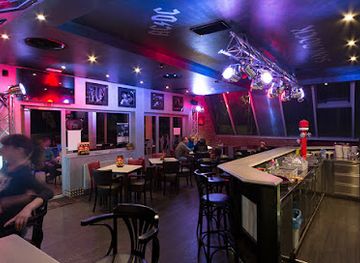
Devil's Cafe & Bar
Experience the lively atmosphere at Devil's Cafe & Bar in Bled, where great food meets vibrant social interactions.
5 min walk · 0.4 km from city centre
-
Bar
bar Bled
Experience the vibrant nightlife and local charm at Bar Bled, a perfect retreat for tourists in the heart of Slovenia's picturesque town.
3 min walk · 0.2 km from city centre
-
Bar
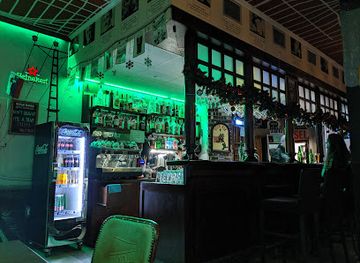
Kult Pub Bled
Experience the vibrant nightlife at Kult Pub Bled, where great drinks and a lively atmosphere await in the heart of Slovenia's enchanting town.
5 min walk · 0.4 km from city centre
-
Wine bar
Vinoteka Zdravljica
Experience the charm of Vinoteka Zdravljica, Bled's premier wine bar offering exquisite local and international wines in a cozy atmosphere.
7 min walk · 0.6 km from city centre


Best shops in Bled
Shopping in Bled is concentrated around the town centre, the lakefront and streets serving the main visitor areas. Souvenir shops carry Slovenian honey, beeswax products, wooden items, ceramics, textiles, postcards and practical outdoor goods, while local food specialities provide more useful mementoes than generic trinkets. Look for regional wines, herbal preparations and packaged confectionery, and remember that Bled cream cake is best enjoyed fresh rather than treated as a long-distance souvenir. Small galleries and craft retailers occasionally reflect Slovenia’s design and folk traditions, although Bled is not a major fashion or department-store destination. The best shopping experience comes from combining visitor-oriented stores with independent cafés, bakeries and food shops, then exploring larger craft and market offerings in nearby towns such as Radovljica without confusing them with Bled’s own retail area.
-
Dessert shop
Confectionery Zima
Indulge in the finest desserts and aromatic coffees at Confectionery Zima, a charming café nestled in the heart of Bled, Slovenia.
9 min walk · 0.7 km from city centre
-
Supermarket
Supermarket Mercator
Explore local flavors and essentials at Supermarket Mercator in Bled, your go-to destination for groceries and Slovenian specialties.
4 min walk · 0.3 km from city centre
-
Grocery store
SPAR Bled
Explore SPAR Bled for a delightful shopping experience filled with local and international flavors amidst the beauty of Bled.
4 min walk · 0.3 km from city centre
-
Bakery
Hitri Kruhek
Explore Bled’s culinary gem, Hitri Kruhek, where every pastry tells a story and every bite is a delight.
1 min walk · 0.1 km from city centre


Get your free copy of our complete guide to Bled, delivered straight to you.
Everything on this page, from attractions and restaurants to essentials and local phrases, in one PDF you can read offline, print or share.
Already have an account? Sign in
Your Bled guide is ready.
We'll send it to · Not you? Sign out

Getting your guide ready…
We are putting together a fresh copy of the Bled guide. This can take up to a minute.
This can take a few moments. If your browser asks, choose Allow so the download can start. You'll find the guide in your Downloads folder.
Nothing happened? Download it again
Sorry, the guide is taking longer than usual. Please try again in a minute, or get it by email instead.
Bled essentials
Currency and Payment
Safety
Emergency Situations
Do's and Don'ts
Local Tips
From Eve
Local phrases worth knowing
You don't need to get them perfect. A few words go a long way, and locals appreciate the effort.
Basics
| English | Local | Say it |
|---|---|---|
| Hello | Zdravo | [Zdrah-voh] |
| Goodbye | Nasvidenje | [Nahs-vee-deh-nyeh] |
| Yes | Da | [Dah] |
| No | Ne | [Neh] |
| Please/You're welcome | Prosim | [Proh-seem] |
| Thank you | Hvala | [Hvah-lah] |
| Excuse me/Sorry | Oprostite | [Oh-proh-stee-teh] |
| How are you? | Kako ste? | [Kah-koh steh?] |
| Fine. And you? | V redu. In vi? | [V reh-doo. Een vee?] |
| Do you speak English? | Ali govorite angleško? | [Ah-lee goh-voh-ree-teh ahn-gleesh-koh?] |
| I don't understand | Ne razumem | [Neh rah-zoo-mehm] |
Eating & Drinking
| English | Local | Say it |
|---|---|---|
| I'd like to see the menu, please | Rad bi videl jedilnik, prosim | [Raad bee vee-del yeh-deel-neek, proh-seem] |
| I don't eat meat | Ne jem mesa | [Neh yehm meh-sah] |
| Cheers! | Na zdravje! | [Nah zdrahv-yeh!] |
| I would like to pay, please | Rad bi plačal, prosim | [Raad bee plah-chahl, proh-seem] |
Emergencies
| English | Local | Say it |
|---|---|---|
| Help! | Pomoč! | [Poh-moh-ch] |
| Go away! | Pojdi stran! | [Poy-dee strahn] |
| Call the Police! | Pokliči policijo! | [Poh-klee-chee poh-lee-tsee-yoh] |
| Call a doctor! | Pokliči zdravnika! | [Poh-klee-chee zdrahv-nee-kah] |
| I'm lost | Izgubil sem se | [Eez-goo-beel sehm seh] |
| I'm ill | Bolj sem | [Bol-yeh sehm] |
Shopping
| English | Local | Say it |
|---|---|---|
| I'd like to buy... | Rad bi kupil... | [Raad bee koo-peel] |
| I'm just looking | Samo gledam | [Sah-moh gleh-dahm] |
| How much is it? | Koliko stane? | [Koh-lee-koh stah-neh?] |
| That's too expensive | To je predrago | [Toh yeh preh-drah-goh] |
| Can you lower the price? | Lahko znižate ceno? | [Lah-koh znee-zah-teh cheh-noh?] |
Time & Numbers
| English | Local | Say it |
|---|---|---|
| What time is it? | Koliko je ura? | [Koh-lee-koh yeh oo-rah] |
| It's one o'clock | Je ena ura | [Yeh eh-nah oo-rah] |
| Half past (10) | Pol desetih | [Pohl deh-seh-teeh] |
| Morning | Jutro | [Yoo-troh] |
| Afternoon | Popoldne | [Poh-pohl-dneh] |
| Evening | Večer | [Veh-chehr] |
| Yesterday | Včeraj | [Veh-cheh-rye] |
| Today | Danes | [Dah-ness] |
| Tomorrow | Jutri | [Yoo-tree] |
| 1 | Ena | [Eh-nah] |
| 2 | Dva | [Dvah] |
| 3 | Tri | [Tree] |
| 4 | Štiri | [Shtee-ree] |
| 5 | Pet | [Peh-t] |
| 6 | Šest | [Shehst] |
| 7 | Sedem | [Seh-dehm] |
| 8 | Osem | [Oh-sehm] |
| 9 | Devet | [Deh-veht] |
| 10 | Deset | [Deh-seht] |
Transport & Directions
| English | Local | Say it |
|---|---|---|
| Where's a/the...? | Kje je... | [Kyeh yeh] |
| What's the address? | Kakšen je naslov? | [Kahk-shen yeh nahs-lohv] |
| Can you show me (on the map)? | Mi lahko pokažete (na zemljevidu)? | [Mee lah-koh poh-kah-zheh-teh nah zehm-lyeh-vee-doo] |
| When's the next (bus)? | Kdaj je naslednji (avtobus)? | [Kdy-eye yeh nah-slehd-nyee av-toh-boos] |
| A ticket (to ....) | Vstopnica (za ...) | [Vstoap-nee-tsah zah] |
History of Bled
Early Settlement and Pilgrimage
The Bled basin has attracted settlement since prehistoric times, helped by its lake, fertile surroundings and naturally defensible heights. Archaeological evidence records activity around the castle hill and the island, while the first written reference to Bled dates from 1004, when the German king Henry II granted the estate to Bishop Albuin of Brixen. The island became a Christian pilgrimage destination, probably building on an earlier sacred tradition. A Romanesque predecessor to the present island church was followed by later medieval and Baroque rebuilding, leaving the island as both a religious site and the central symbol of Bled’s cultural landscape.
The Medieval Castle Estate
Bled Castle stands on a high rock above the lake and is first documented in 1011, when Henry II granted the property to the Bishops of Brixen. For centuries the bishops administered the estate through local officials, while the castle served as a fortified centre and administrative residence rather than a grand court. Its layered buildings include defensive walls, towers, a chapel and later residential structures, reflecting repeated alterations across the medieval and early modern periods. The castle’s position controlled views across the basin and helped establish the elevated northern shore as the historical focus of Bled.
Habsburg Rule and Modern Administration
Bled remained connected to the ecclesiastical lordship of Brixen until the early nineteenth century, when the Napoleonic reorganisation of the region brought temporary French administration. After the end of Napoleonic rule, the area returned to the Habsburg framework and was incorporated into the Austrian Empire. During the nineteenth century, roads, improved connections and changing ideas about health tourism began to transform Bled from a rural estate and pilgrimage site into a resort. The landscape’s combination of mild climate, lake scenery and mountain air attracted visitors from across the Austro-Hungarian world.
The Rise of the Alpine Resort
Bled’s modern tourist identity took shape in the second half of the nineteenth century, particularly through the work of Swiss medical practitioner Arnold Rikli, who established a natural-healing institute in 1855. Rikli promoted open-air treatments, bathing and regular exercise, helping to popularise Bled as a health resort. Villas, promenades, parks and hotels followed, giving the lakeshore an elegant resort character. The railway station at Lesce, opened in 1870 on the line linking Ljubljana with Austria, improved access even though it lies outside Bled itself. This period established many of the town’s enduring visitor traditions.
From Yugoslavia to Contemporary Slovenia
After the First World War, Bled became part of the Kingdom of Serbs, Croats and Slovenes, later Yugoslavia, and continued to serve as a prominent resort and diplomatic setting. The post-war decades brought new accommodation, organised recreation and international recognition, while the castle and island remained central to the town’s image. Slovenia declared independence from Yugoslavia in 1991, and Bled became part of the new republic. Today, tourism, hospitality and outdoor recreation dominate the local economy, alongside efforts to manage pressure on the lake, protect its landscape and preserve its historic resort character.
Travel experiences inspired by this city
-
 9 Day Trip
Alpine Meadows and Medieval Charm: A Friends' Getaway to Kamnik, Slovenia
Discover Kamnik, Slovenia on a friends' escape filled with alpine hikes on Velika Planina, medieval streets, local flavors, and relaxing thermal springs.
 18 Aug 2026
By Emilía Jónsdóttir -
 9 Day Trip
Friends’ Alpine Escape to Kamnik: Hikes, Markets, and Slovenian Flavors
Explore Kamnik with friends on a 9-day summer getaway—historic streets, Velika Planina hikes, markets, and hearty Slovenian flavors from a cozy guesthouse base.
 20 Jul 2026
By Rama Thapa -
 11 Day Trip
Slow Summer Family Escape to Škofja Loka, Slovenia - 11 Days
Eco-friendly family escape to Škofja Loka, Slovenia: medieval streets, scenic hikes, riverside strolls, local cuisine, and easy day trips from Ljubljana.
 20 Jul 2026
By Karen Schmidt -
 9 Day Trip
Family Summer Escape to Škofja Loka, Slovenia
A family-friendly journey to medieval Škofja Loka with hikes, castle views, river picnics, and day trips to Ljubljana and Bled from a cozy B&B.
 15 Jul 2026
By Juan Diaz -
 9 Day Trip
Family Adventure in Triglav National Park
Discover Slovenia's natural beauty with a family adventure in Triglav National Park, exploring trails, wildlife, and sustainable camping experiences.
 5 Oct 2025
By Ivan Zubčić -
 8 Day Trip
Family Adventure in Triglav National Park
Explore Slovenia's Triglav National Park with your family for an unforgettable adventure in nature, enjoying hiking, wildlife, and camping under the stars.
10 May 2025
By Ivan Zubčić
Swipe for more travel diaries
Bled in Photos
Browse through our photo collection highlighting the charm and character of the destination.
Cities near Bled
The closest cities to Bled, if you have time for more than one stop.
-

-

-

-

-


Swipe for more cities
Explore more

Explore more of Slovenia
Discover Slovenia's stunning landscapes, rich cultural heritage, and delightful cuisine. A hidden gem in Europe, perfect for outdoor adventures, history, and culinary exploration.
Explore Slovenia