
Bonegi Beach, Solomon Islands Travel Guide
Discover Bonegi Beach in the Solomon Islands: Dive into history with WWII wrecks, vibrant coral reefs, and meet friendly locals for an unforgettable tropical getaway.
Bonegi Beach, located on the picturesque Solomon Islands, is a hidden gem for those seeking both adventure and tranquility. This beach is not just a stretch of golden sand; it's a living museum beneath the waves. The crystal-clear waters of Bonegi Beach are home to two World War II shipwrecks, making it an excellent spot for diving enthusiasts. The wrecks are easily accessible and provide a fascinating glimpse into history, with marine life thriving around the sunken vessels. Snorkelers and swimmers will also find Bonegi Beach to be a paradise. The coral reefs are vibrant and teeming with colorful fish, making every dip an underwater spectacle. For those who prefer to stay on land, the beach itself offers stunning views and serene surroundings. Palm trees provide ample shade, and the gentle waves create a soothing soundtrack. Bonegi Beach is not just about natural beauty; it's also a place where you can connect with the local culture. Friendly villagers are often seen fishing or gathering shellfish, and they are more than happy to share stories about the area. Whether you're looking to explore underwater wonders, relax on the beach, or learn about local traditions, Bonegi Beach offers a unique and enriching experience.

Know before you go
Hi, I'm Eve. Here are a few practical things to know before exploring Bonegi Beach.
- Bring your own snorkeling or diving gear, as rental options are limited.
- Visit during the dry season (May to October) for the best weather and water conditions.
- Pack a picnic, as there are no restaurants or food stalls nearby.
- Respect the local customs and always ask for permission before taking photos of people.
- Wear reef-safe sunscreen to protect the coral and marine life.
Explore Bonegi Beach: Things to Do, Places to Eat, Hotels & More
Handpicked recommendations for top attractions, local dining, accommodations, and more

Best attractions in Bonegi Beach
Top-rated picks
Best Attractions

Guadalcanal Memorial
Explore the Guadalcanal Memorial in Honiara, a serene tribute to WWII valor and sacrifice, set in beautifully landscaped grounds.

Bilikiki Cruises
Explore the underwater wonders of the Solomon Islands with Bilikiki Cruises – your premier SCUBA adventure awaits in Honiara.

Lela Beach
Lela Beach: A stunning escape in the Solomon Islands, where pristine sands meet vibrant marine life for an unforgettable beach experience.

Blue Beach WWII Memorial
Experience history and tranquility at the Blue Beach WWII Memorial, a serene tribute to courage amidst breathtaking coastal beauty in Tulagi.

Best landmarks in Bonegi Beach
Top-rated picks
Best Landmarks
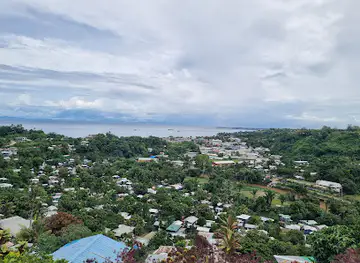
Guadalcanal Memorial
Discover the deep historical roots of the Pacific War at the serene Guadalcanal Memorial, a place of honor and reflection in Honiara.

Dolphin View Beach
Discover the pristine beauty of Dolphin View Beach in Guadalcanal, a perfect blend of relaxation, adventure, and cultural experiences in the Solomon Islands.
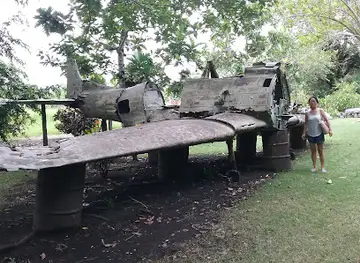
Vilu Military Museum
Explore the rich military heritage of the Solomon Islands at Vilu Military Museum in Lenggakiki - a captivating journey through history.

Bilikiki Cruises
Experience the underwater paradise of the Solomon Islands with Bilikiki Cruises, your gateway to unforgettable diving adventures.

Best restaurants in Bonegi Beach
Top-rated picks
Best Restaurants

Breakwater Cafe
Discover Breakwater Cafe in Honiara: where delicious food meets stunning ocean views for an unforgettable dining experience.

Injoy Restaurant
Experience the best of Chinese cuisine at Injoy Restaurant in Honiara - where every dish is a celebration of flavor.

Mambo Juice!
Experience vibrant flavors at Mambo Juice - your go-to café in Honiara for refreshing drinks and tasty sandwiches.

Tenkai Sushi Cafe
Discover Tenkai Sushi Cafe: Enjoy fresh sushi with stunning beach views in Honiara.

Best bars in Bonegi Beach
Top-rated picks
Best Bars

The Coffee Bar
Discover the authentic flavors of Honiara at The Coffee Bar, where local coffee meets a relaxing atmosphere in the heart of the Solomon Islands.
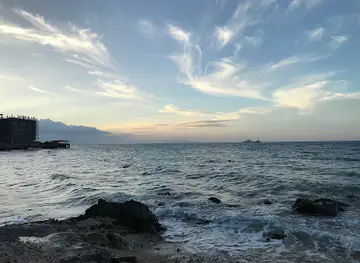
Monarch
Experience the vibrant flavors of the Solomon Islands at Monarch Grill, a top destination for grilled delights in Honiara.

Injoy Restaurant
Experience authentic Chinese flavors at Injoy Restaurant in Honiara, where every dish tells a delicious story.

Mambo Juice!
Experience the vibrant flavors of Mambo Juice in Honiara, the perfect spot for refreshing smoothies, coffee, and sandwiches amidst a cozy atmosphere.

Best nightclubs in Bonegi Beach
Top-rated picks
Best Nightclubs

Canoe Bar
Experience the vibrant nightlife of Honiara at Canoe Bar, where refreshing cocktails meet local culture in a tropical paradise.

Club HP- Heritage Park Hotel
Discover the heart of Honiara's nightlife at Club HP - a vibrant night club within Heritage Park Hotel offering unforgettable experiences.

Supreme Casino
Experience the thrill of gaming and vibrant nightlife at Supreme Casino in Kukum, Highway, a must-visit destination for every traveler.

The Belama Club
Experience the vibrant atmosphere of The Belama Club, a premier travel lounge in Honiara, perfect for relaxation and socializing with locals and tourists alike.

Best shops in Bonegi Beach
Top-rated picks
Best Shops

Bulk Shop
Discover the ultimate shopping experience at Bulk Shop in Honiara, where local flavors and international treasures await every tourist.

Bilikiki Cruises
Experience the thrill of diving in the Solomon Islands with Bilikiki Cruises, your gateway to the underwater wonders of Honiara.

Pacific Clothing
Discover Pacific Clothing in Honiara's Chinatown for trendy apparel and a taste of local fashion at reasonable prices.
Baegu Store
Explore the vibrant local culture and unique crafts at Baegu Store, your go-to general store in Honiara, Solomon Islands.

Explore Bonegi Beach on the Map
A handpicked selection of must-see spots in Bonegi Beach, mapped for you.
Bonegi Beach Essentials
-
Bonegi Beach is located on the northern coast of Guadalcanal in the Solomon Islands, approximately 12 kilometers from Honiara, the capital city. Visitors can fly into Honiara International Airport (HIR), which receives international flights from major cities like Brisbane and Port Moresby. From the airport, Bonegi Beach can be reached by taxi or rental car, with the drive taking around 20-30 minutes via the Kukum Highway.
-
Transportation options to Bonegi Beach include taxis, rental cars, and organized tours. Taxis are readily available in Honiara and can be hired for a reasonable fare. If you prefer more flexibility, rental cars are available from several agencies in Honiara. Organized tours often include transportation to and from Bonegi Beach, as well as other nearby attractions. Public buses also travel the route along the Kukum Highway, but may not be as convenient for tourists.
-
The official currency of the Solomon Islands is the Solomon Islands Dollar (SBD). While some larger establishments in Honiara accept credit cards, it is recommended to carry sufficient cash for purchases, especially when visiting areas like Bonegi Beach. ATMs are available in Honiara, but may not be found in more remote locations. It is advisable to exchange money at banks or authorized exchange services in the capital.
-
Bonegi Beach is generally safe for tourists, but standard precautions should be taken. Avoid leaving valuables unattended and be cautious when swimming or snorkeling, as currents can be strong. While Honiara has areas with higher crime rates, particularly at night, Bonegi Beach itself is considered relatively safe. Always stay aware of your surroundings and avoid traveling alone after dark.
-
In case of emergency, dial 999 for police, fire, or medical assistance. The nearest medical facilities are in Honiara, including the National Referral Hospital. It is wise to carry a basic first aid kit and have travel insurance that covers medical emergencies. For minor issues, pharmacies in Honiara provide over-the-counter medications. Always inform someone of your plans and expected return time when venturing out.
-
Fashion: Do dress modestly, especially when visiting villages or cultural sites. Avoid overly revealing clothing. Religion: Do respect local customs and traditions. When visiting churches or village areas, dress conservatively and behave respectfully. Public Transport: Do be courteous and respectful to fellow passengers. Don't eat or drink on public transport. Greetings: Do greet locals with a smile and a friendly 'halo' (hello). A handshake is also common. Eating & Drinking: Do try local dishes and accept food and drink offerings graciously. Don't refuse hospitality, as it may be considered impolite.
-
To experience Bonegi Beach like a local, visit early in the morning when the beach is less crowded and the water is calm. Bring your own snorkeling gear to explore the WWII shipwrecks just offshore. Engage with locals who often visit the beach for picnics and social gatherings; they can provide insights into the area's history and culture. Don't miss the chance to try fresh seafood from local vendors.
When is the best time to visit Bonegi Beach?
Useful Local Phrases for Bonegi Beach
You don't need to speak the language perfectly. Even learning a few simple words can make conversations warmer—and locals usually appreciate the effort.
— Eve

Here are the phrases I use most often in Bonegi Beach. Try a few—you'll be surprised how far they go! 😊
❤️
-
- HelloHalo
[ha-loh] - GoodbyeOro
[oh-roh] - YesIo
[ee-oh] - NoTalika
[ta-lee-ka] - Please/You're welcomeTangio
[tan-gee-oh] - Thank youTankiu
[tan-kyoo] - Excuse me/SorrySori
[soh-ree] - How are you?Olsem wanem yu?
[ol-sem wah-nem yoo] - Fine. And you?Bagud. Na yu?
[bah-good. nah yoo] - Do you speak English?Yu save toktok long Inglish?
[yoo sa-veh tohk-tohk long in-glish] - I don't understandMi no save sim
[mee noh sa-veh seem]
- HelloHalo
-
- I'd like to see the menu, pleaseMi laek lukim menu, plis
[mee lie-eh-k loo-keem meh-noo, plees] - I don't eat meatMi no save kaikai mit
[mee noh sa-veh kai-kai meet] - Cheers!Ea!
[eh-ah] - I would like to pay, pleaseMi laek fo pe, plis
[mee lie-eh-k foh peh, plees]
- I'd like to see the menu, pleaseMi laek lukim menu, plis
-
- Help!Helpem mi!
[help-em mee] - Go away!Go we!
[goh weh] - Call the Police!Kolem Polis!
[koh-lehm poh-lees] - Call a doctor!Kolem dokta!
[koh-lehm dohk-tah] - I'm lostMi las
[mee lahs] - I'm illMi sik
[mee seek]
- Help!Helpem mi!
-
- I'd like to buy...Mi laek fo baem...
[mee lie-eh-k foh bah-em] - I'm just lookingMi juks lukim
[mee juhks loo-keem] - How much is it?Hao mo taem?
[hah-oh moh tah-em] - That's too expensiveIu long taem
[ee-oo long tah-em] - Can you lower the price?Yu save fo daonim prais?
[yoo sa-veh foh dah-o-neem prah-is]
- I'd like to buy...Mi laek fo baem...
-
- What time is it?Hao mo taem nao?
[hah-oh moh tah-em now] - It's one o'clockIu taem wan
[ee-oo tah-em wahn] - Half past (10)Tumas (10)
[too-mahs (10)] - MorningMoning
[moh-neeng] - AfternoonApunun
[ah-poo-noon] - EveningIvinin
[ee-vee-neen] - YesterdayDei we
[deh-ee weh] - TodayDei
[deh-ee] - TomorrowTumora
[too-moh-rah] - 1Wan
[wahn] - 2Tu
[too] - 3Tri
[tree] - 4Fo
[foh] - 5Faiv
[fah-eve] - 6Siks
[siks] - 7Seven
[seh-vehn] - 8Eit
[ayt] - 9Nain
[nayn] - 10Ten
[tehn]
- What time is it?Hao mo taem nao?
-
- Where's a/the...?Iu we...?
[ee-oo weh] - What's the address?Hao mo adres em?
[hah-oh moh ah-dres em] - Can you show me (on the map)?Yu save fo soemim (long map)?
[yoo sa-veh foh soh-em-eem long map] - When's the next (bus)?Hao mo taem bus hemi kam?
[hah-oh moh tah-em bus heh-mee kahm] - A ticket (to ....)Wan tiket (long ....)
[wahn tee-keht long]
- Where's a/the...?Iu we...?
History of Bonegi Beach
-
Bonegi Beach is most renowned for its World War II shipwrecks, which are remnants of the fierce battles fought in the Solomon Islands. The beach is home to the wrecks of two Japanese transport ships, the Hirokawa Maru and the Kinugawa Maru, both of which were sunk by Allied forces in 1942. These wrecks now lie close to the shore and have become popular dive sites, offering a haunting glimpse into the past and a thriving marine habitat.
-
The waters off Bonegi Beach played a significant role during the Battle of Guadalcanal, a pivotal series of engagements between Allied and Japanese forces from August 1942 to February 1943. This battle marked a turning point in the Pacific Theater of World War II. The coastline of Bonegi Beach witnessed numerous naval skirmishes and air raids, which left a lasting impact on the region's history and are commemorated by the sunken war relics.
-
Bonegi Beach is not only a site of historical importance but also holds cultural significance for the local Solomon Islander communities. The beach and its surrounding areas are rich in local lore and traditions. For generations, the indigenous people have fished, gathered, and celebrated important events along this coastline, making it a cornerstone of their cultural heritage.
-
After World War II, Bonegi Beach underwent a period of reclamation and transformation. The once war-torn area began to attract visitors interested in its historical shipwrecks and natural beauty. Over the years, Bonegi Beach has developed into a popular tourist destination, known for its pristine waters, rich marine life, and the eerie, yet captivating, shipwrecks that lie just offshore.
-
Bonegi Beach is a haven for marine biodiversity. The shipwrecks have become artificial reefs, teeming with colorful corals and a variety of marine species. This unique underwater ecosystem attracts divers and snorkelers from around the world, who come to explore the vibrant sea life that has made these historic wrecks their home.
Cities in Bonegi Beach
Browse our curated selection of top destinations, scenic points, and must-visit spots in the area.


Neighbouring destination travel guides
Browse our curated selection of top destinations, scenic points, and must-visit spots in the area.


Your all‑in‑one travel companion app
Explore expert travel guides, compare and book tours, experiences, hotels, and more—all from the palm of your hand. Download now for seamless trip planning wherever your wanderlust takes you.


Explore More of Guadalcanal

Looking beyond Bonegi Beach? Discover Guadalcanal for broader travel guides, local hot-spots, and regional highlights.
Explore GuadalcanalExplore More of Solomon Islands
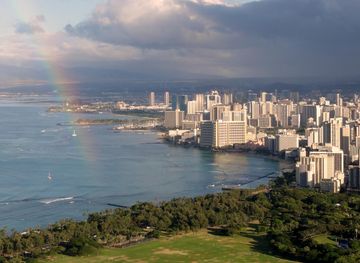
Looking beyond Bonegi Beach? Discover Solomon Islands for broader travel guides, local hot-spots, and regional highlights.
Explore Solomon Islands