
Central Province, Solomon Islands Travel Guide
Discover Central Province: a tropical paradise in the Solomon Islands with lush rainforests, vibrant reefs, and rich cultural heritage. Ideal for nature lovers and history enthusiasts.
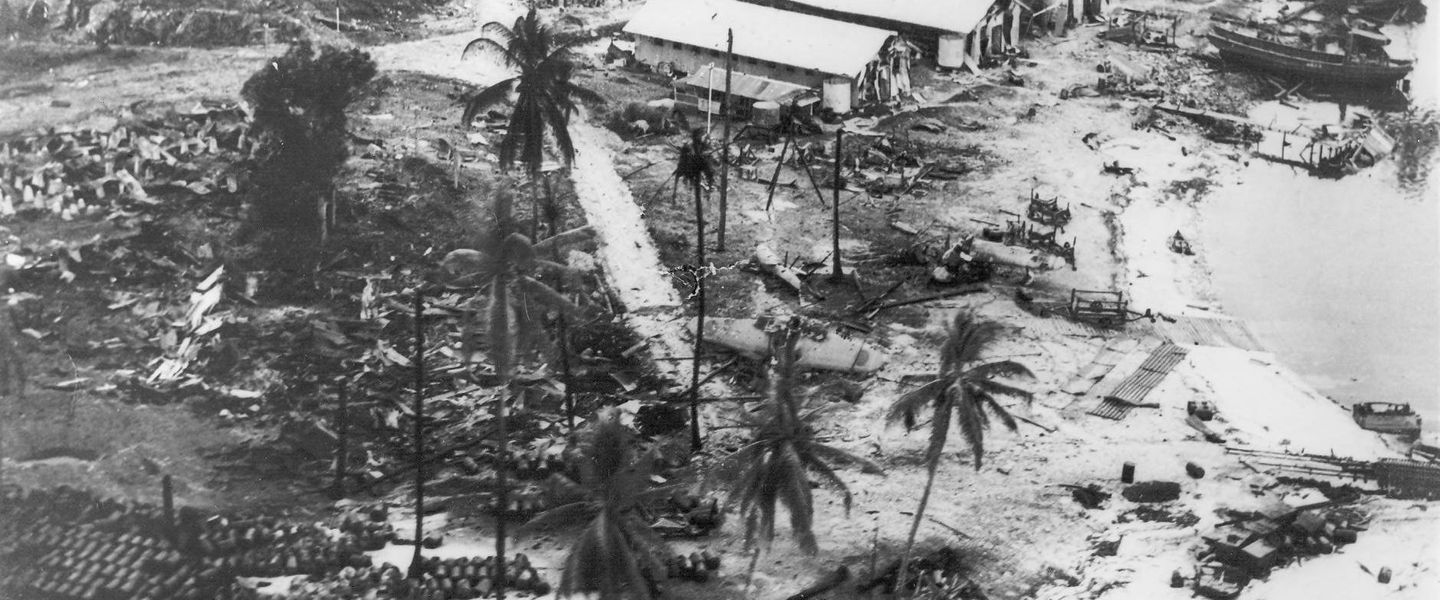
Central Province in the Solomon Islands is a tropical paradise that offers a blend of natural beauty and rich cultural heritage. This stunning region is comprised of three main islands: Russell Islands, Nggela (Florida) Islands, and Savo Island. Each of these islands offers unique experiences that cater to a variety of interests. Nature lovers will find Central Province to be a haven of unspoiled landscapes. The lush rainforests, crystal-clear lagoons, and vibrant coral reefs provide endless opportunities for adventure and relaxation. Snorkeling and diving enthusiasts can explore the underwater world, teeming with marine life and colorful corals. Bird watchers will be thrilled with the diverse avian species that inhabit the area, including the rare Solomon Sea Eagle. History and culture are deeply woven into the fabric of Central Province. The local villages offer a glimpse into the traditional Melanesian way of life. Visitors can engage with friendly locals, learn about their customs, and witness age-old ceremonies. The province is also home to historical sites, such as World War II relics on the Russell Islands, which serve as a poignant reminder of the region's past. Whether you're seeking adventure, tranquility, or a cultural journey, Central Province in the Solomon Islands promises an unforgettable experience. Its pristine landscapes, rich history, and warm hospitality make it a must-visit destination.

Know before you go
Hi, I'm Eve. Here are a few practical things to know before exploring Central Province.
- Bring reef-safe sunscreen to protect the marine environment while snorkeling or diving.
- Visit local markets to purchase handmade crafts and support the local economy.
- Respect local customs and traditions; dress modestly when visiting villages.
- Hire a local guide to enhance your experience and gain deeper insights into the area's history and culture.
- Pack insect repellent to stay comfortable while exploring the lush rainforests.
Top City Travel Guides in Central Province
The cities of Central Province, and the easiest places to base yourself.

Explore Central Province: Things to Do, Places to Eat, Hotels & More
Handpicked recommendations for top attractions, local dining, accommodations, and more

Top Attractions & Sightseeing in Central Province
Top-rated picks
Best Attractions

Maravagi beach resort
Experience the tranquility and natural beauty of Maravagi Beach Resort on Mangalonga Island, a must-visit destination for every traveler.

Simon’s Nature Reserve (Simon’s Bay)
Experience the natural beauty and diverse wildlife of Simon's Nature Reserve in Simon's Bay, a perfect getaway for nature lovers and outdoor enthusiasts.

Roderick Bay Hideaway
Discover the tranquility of Roderick Bay Hideaway, a serene escape in Baroni, featuring stunning beaches, local culture, and breathtaking natural beauty.

Betikama College War Museum
Discover the rich historical narratives at Betikama College War Museum, an essential stop for understanding the Solomon Islands' wartime experiences.

Best landmarks in Central Province
Top-rated picks
Best Landmarks

MS World Discoverer
Discover the historical allure of the MS World Discoverer, a captivating shipwreck in Iron Bottom Sound, surrounded by stunning marine life and rich history.

Coral Sea Resort & Casino
Experience luxury and excitement at Coral Sea Resort & Casino, where stunning views and vibrant entertainment await in Honiara, Solomon Islands.

Honiara Central Market
Explore the vibrant Honiara Central Market, a bustling hub of local culture, fresh produce, and unique crafts in the heart of the Solomon Islands.

Guadalcanal Memorial
Explore the Guadalcanal Memorial in Honiara - a serene park honoring the valor of WWII soldiers amidst lush landscapes.

Best restaurants in Central Province
Top-rated picks
Best Restaurants
Coral Sea Resort & Casino
Discover luxury and excitement at Coral Sea Resort & Casino in Honiara - your gateway to paradise in the Solomon Islands.

Saigon Sunrise - Honiara Bakery & Vietnamese Restaurant
Experience authentic Vietnamese flavors at Saigon Sunrise - Honiara's premier bakery and restaurant offering delectable dishes and pastries.
Fatboys Resort
Discover tranquility at Fatboys Resort in Gizo – where stunning ocean views meet exceptional hospitality and unforgettable adventures.

Tenkai Sushi Cafe
Experience exquisite sushi and local flavors at Tenkai Sushi Cafe, Honiara's premier dining destination for tourists.

Best bars in Central Province
Top-rated picks
Best Bars

Breakwater Cafe
Discover Breakwater Cafe in Honiara, where ocean views meet delightful local cuisine for an unforgettable dining experience.
Coral Sea Resort & Casino
Discover a luxurious haven at Coral Sea Resort & Casino, where relaxation meets excitement in Honiara's stunning landscape.

The Coffee Bar
Discover the rich coffee culture at The Coffee Bar in Honiara, where every sip tells a story surrounded by warm hospitality.
Pacific Casino Hotel
Discover the vibrant charm of Honiara at the Pacific Casino Hotel, where comfort meets entertainment in the heart of the Solomon Islands.

Best nightclubs in Central Province
Top-rated picks
Best Nightclubs

Heritage Park Hotel
Discover comfort and elegance at Heritage Park Hotel, the premier destination in Honiara, Solomon Islands, combining breathtaking views with exceptional hospitality.
Coral Sea Resort & Casino
Discover the Coral Sea Resort & Casino, where luxurious accommodations meet vibrant entertainment in the heart of Honiara, Solomon Islands.
Pacific Casino Hotel
Experience comfort and lively entertainment at Pacific Casino Hotel in Honiara, your gateway to the beautiful Solomon Islands.

Tenkai Sushi Cafe
Discover authentic Japanese cuisine at Tenkai Sushi Cafe in Honiara, where sushi meets tradition in a delightful dining experience.

Best shops in Central Province
Top-rated picks
Best Shops

Honiara Central Market
Explore Honiara Central Market: A vibrant hub of local produce, crafts, and culture in the heart of the Solomon Islands.

Saigon Sunrise - Honiara Bakery & Vietnamese Restaurant
Experience authentic Vietnamese flavors with delectable dishes and fresh baked goods at Saigon Sunrise in Honiara.

Capital Park
Experience the vibrant culture and delectable local flavors at Capital Park in Honiara, Solomon Islands – a true gem for every traveler.

Bulk Shop
Explore Bulk Shop in Honiara for a diverse range of groceries, local products, and a welcoming shopping experience tailored for tourists.

Explore Central Province on the Map
A handpicked selection of must-see spots in Central Province, mapped for you.
Central Province Essentials
-
Central Province in Solomon Islands is accessible primarily by air and sea. The main entry point is Honiara International Airport (HIR) on Guadalcanal Island, with flights from Australia, Fiji, and Papua New Guinea. From Honiara, you can take a domestic flight to various islands within Central Province, such as Tulagi. Alternatively, regular ferry services and private boats connect Honiara to the islands in Central Province.
-
Within Central Province, transportation options include local boats, ferries, and small aircraft for inter-island travel. On the islands, you can use taxis, which are relatively inexpensive, or hire a private vehicle. Walking and bicycling are also common for shorter distances. Note that public transport schedules can be irregular, so it's advisable to plan ahead.
-
The official currency is the Solomon Islands Dollar (SBD). Credit cards are accepted in some hotels and larger businesses, but cash is preferred in most local shops and markets. ATMs are available in major towns, but it's wise to carry sufficient cash when traveling to smaller islands or remote areas.
-
Central Province is generally safe for tourists, but it is important to remain vigilant. Avoid walking alone at night, especially in poorly lit areas. Petty theft can occur, so keep your belongings secure. There are no specific high-crime areas targeting tourists, but staying aware of your surroundings is always a good practice.
-
In case of emergency, dial 999 for police, fire, or medical assistance. Medical facilities are available in major towns, but for serious conditions, evacuation to Honiara may be necessary. It's essential to have travel insurance that covers medical emergencies. Pharmacies are available for minor health issues, and locals can often provide guidance on where to find assistance.
-
Fashion: Do dress modestly, particularly in villages and religious sites. Avoid wearing revealing clothing. Religion: Do respect local customs and traditions. Remove your hat when entering churches and always ask for permission before taking photographs. Public Transport: Do be respectful and polite to drivers and fellow passengers. Don't eat or drink on public transport. Greetings: Do greet people with a smile and a friendly wave. A handshake is also acceptable. Eating & Drinking: Do try local foods and accept hospitality graciously. Don’t refuse food or drink offerings, as it may be considered impolite.
-
To experience Central Province like a local, visit the local markets to buy fresh seafood and produce. Engage with locals; they are often warm and willing to share their culture and traditions. Don’t miss exploring the historical sites in Tulagi, the former capital of the Solomon Islands. For a unique experience, try participating in a traditional feast or a communal fishing expedition.
When is the best time to visit Central Province?
Useful Local Phrases for Central Province
You don't need to speak the language perfectly. Even learning a few simple words can make conversations warmer—and locals usually appreciate the effort.
— Eve

Here are the phrases I use most often in Central Province. Try a few—you'll be surprised how far they go! 😊
❤️
-
- HelloHalo
[ha-lo] - GoodbyeBai
[bai] - YesI
[ee] - NoNo
[no] - Please/You're welcomePlis
[plees] - Thank youTenkyu
[ten-kyoo] - Excuse me/SorrySori
[so-ree] - How are you?Ola you?
[oh-lah yoo] - Fine. And you?Fain. An you?
[fine. an yoo] - Do you speak English?Yu spek Ingrisi?
[yoo spek ing-gree-see] - I don't understandMi no andastan
[mee no an-dah-stan]
- HelloHalo
-
- I'd like to see the menu, pleaseMi laik lukim menu, plis
[mee laik loo-keem men-oo, plees] - I don't eat meatMi no et mit
[mee no et meet] - Cheers!Cheers!
[cheers] - I would like to pay, pleaseMi laik fo pay, plis
[mee laik fo pay, plees]
- I'd like to see the menu, pleaseMi laik lukim menu, plis
-
- Help!Help!
[help] - Go away!Go awei!
[go ah-way] - Call the Police!Kol Polisi!
[kol po-lee-see] - Call a doctor!Kol dokta!
[kol dok-tah] - I'm lostMi los
[mee los] - I'm illMi sik
[mee sik]
- Help!Help!
-
- I'd like to buy...Mi laik bai...
[mee laik bye] - I'm just lookingMi jes lukim
[mee jes loo-keem] - How much is it?How mach dis?
[how mach dis] - That's too expensiveDat tu ekspensive
[dat too eks-pen-siv] - Can you lower the price?Yu ken reduse price?
[yoo ken re-doos price]
- I'd like to buy...Mi laik bai...
-
- What time is it?Wat taim dis?
[wat time dis] - It's one o'clockIta wan oklok
[ee-ta wan oh-clock] - Half past (10)Haf past (10)
[half past ten] - MorningMornin
[mor-ning] - AfternoonAftanoon
[af-ta-noon] - EveningIvenin
[ee-ven-ing] - YesterdayYestide
[yes-ti-de] - TodayTude
[too-day] - TomorrowTumoro
[too-mo-ro] - 1Wan
[wan] - 2Tu
[too] - 3Tri
[tree] - 4Fo
[fo] - 5Faiv
[five] - 6Siks
[siks] - 7Seven
[sev-en] - 8Eit
[eight] - 9Nain
[nine] - 10Ten
[ten]
- What time is it?Wat taim dis?
-
- Where's a/the...?Wea a/de...?
[wea a/dee] - What's the address?Wat address?
[wat ad-dress] - Can you show me (on the map)?Yu ken sho mi (on di map)?
[yoo ken sho mee (on dee map)] - When's the next (bus)?When naeks (bas)?
[when na-ex (bus)] - A ticket (to ....)Wan tiket (fo ...)
[wan ti-ket (fo ...)]
- Where's a/the...?Wea a/de...?
History of Central Province
-
Central Province, part of the Solomon Islands archipelago, has a rich history that dates back thousands of years. The first settlers are believed to have arrived around 30,000 years ago. These early inhabitants were part of the Austronesian-speaking peoples who navigated the Pacific Ocean using sophisticated outrigger canoes. Their arrival marked the beginning of a long history of human habitation, trade, and cultural development in the region.
-
In 1568, Spanish explorer Álvaro de Mendaña was the first European to arrive in the Solomon Islands. His expedition marked the beginning of European interest in the region. Mendaña named the islands 'Islas Salomón' after the biblical King Solomon, believing them to be the source of the great king’s wealth. The arrival of Europeans brought significant changes to the local cultures and societies, including the introduction of new goods and ideas.
-
The 19th century saw the arrival of Christian missionaries in Central Province. These missionaries were instrumental in converting many of the indigenous populations to Christianity. The London Missionary Society and other religious organizations established schools, churches, and medical facilities, which played a crucial role in shaping the social landscape of the region. This period also saw the decline of traditional religious practices and customs.
-
In 1893, the British declared a protectorate over the Solomon Islands, which included Central Province. The colonial administration introduced new systems of governance, law, and order. They also developed infrastructure such as roads, ports, and communication networks. The British rule brought about both positive changes, such as improved healthcare and education, and negative impacts, including the disruption of traditional ways of life and exploitation of local resources.
-
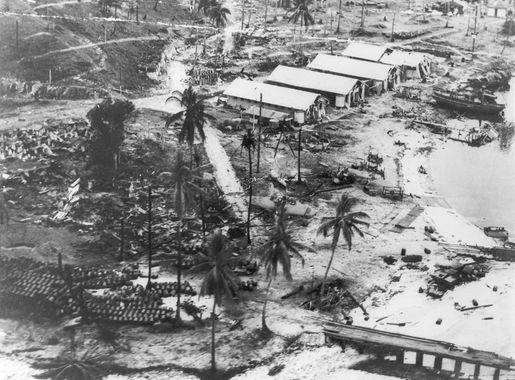
World War II had a profound impact on Central Province. The Solomon Islands became a significant battleground between Allied and Japanese forces. The Battle of Guadalcanal, although not directly in Central Province, had far-reaching effects on the entire archipelago, including Central Province. The war led to the destruction of infrastructure and displacement of communities, but it also brought about increased global awareness of the Solomon Islands.
-
The post-war period saw a growing movement towards independence. Central Province, along with the rest of the Solomon Islands, began to push for self-governance. In 1978, the Solomon Islands gained independence from British colonial rule. This marked a new chapter in the history of Central Province, as the region began to chart its own course in the modern world, balancing traditional practices with contemporary developments.
-
Today, Central Province is a vibrant region known for its cultural heritage and natural beauty. The province is made up of several islands, including the Russell Islands, Ngella (Florida Islands), and Savo Island. It is home to diverse communities that continue to practice traditional customs while engaging with modern economic activities, such as tourism and small-scale agriculture. The rich history and culture of Central Province make it a fascinating destination for travelers and history enthusiasts alike.
Neighbouring Regions of Central Province
The closest regions to Central Province, if you have time for more than one.




Your all‑in‑one travel companion app
Explore expert travel guides, compare and book tours, experiences, hotels, and more—all from the palm of your hand. Download now for seamless trip planning wherever your wanderlust takes you.


Explore More of Solomon Islands
Looking beyond Central Province? Discover Solomon Islands for broader travel guides, local hot-spots, and regional highlights.
Explore Solomon IslandsCentral Province in Photos
Browse through our photo collection highlighting the charm and character of the destination.



Central Province: The Heart of Solomon Islands
Central Province in the Solomon Islands is a tropical paradise that offers a blend of natural beauty and rich cultural heritage. This stunning region is comprised of three main islands: Russell Islands, Nggela (Florida) Islands, and Savo Island. Each of these islands offers unique experiences that cater to a variety of interests. Nature lovers will find Central Province to be a haven of unspoiled landscapes. The lush rainforests, crystal-clear lagoons, and vibrant coral reefs provide endless opportunities for adventure and relaxation. Snorkeling and diving enthusiasts can explore the underwater world, teeming with marine life and colorful corals. Bird watchers will be thrilled with the diverse avian species that inhabit the area, including the rare Solomon Sea Eagle. History and culture are deeply woven into the fabric of Central Province. The local villages offer a glimpse into the traditional Melanesian way of life. Visitors can engage with friendly locals, learn about their customs, and witness age-old ceremonies. The province is also home to historical sites, such as World War II relics on the Russell Islands, which serve as a poignant reminder of the region's past. Whether you're seeking adventure, tranquility, or a cultural journey, Central Province in the Solomon Islands promises an unforgettable experience. Its pristine landscapes, rich history, and warm hospitality make it a must-visit destination.