

Free Russell Islands Travel Guide & Mobile App
Explore Russell Islands with free travel guides. Discover regional history, expert tips, proposed trips, and audio guides on web or mobile app.


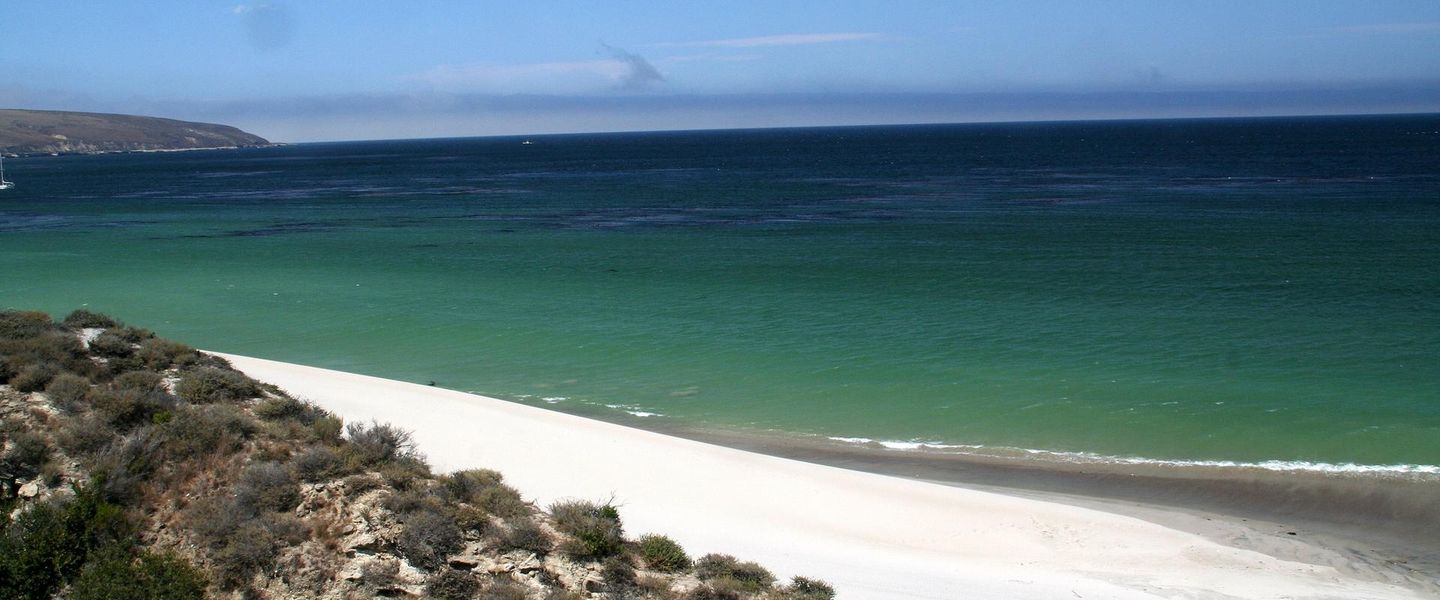


Explore the Russell Islands in the Solomon Islands for coral reefs, forested shores, village life and evocative Second World War history.
Read more about Russell Islands
When is the best time to visit Russell Islands?
Best: July–September · 29°C| Month | High (°C) | Rainfall (mm) |
|---|---|---|
| January | 29 | 300 |
| February | 29 | 280 |
| March | 29 | 270 |
| April | 29 | 250 |
| May | 29 | 240 |
| June | 29 | 230 |
| July (best) | 29 | 220 |
| August (best) | 29 | 210 |
| September (best) | 29 | 220 |
| October | 29 | 240 |
| November | 29 | 260 |
| December | 29 | 290 |
Getting to and around Russell Islands
How to get there
Transportation
Top city travel guides in Russell Islands
The cities of Russell Islands, and the easiest places to base yourself.

Swipe for more cities
Best landmarks in Russell Islands
-
 Airport
Yandina Airport
Explore the Solomon Islands with ease from Yandina Airport, your gateway to breathtaking landscapes and rich cultural experiences.
Explore Russell Islands on the map
Plan your trip on one map. See where the top cities, national parks and sights are, and book hotels and experiences in a few clicks.
Best hotels in Russell Islands
Best restaurants in Russell Islands
Dining in the Russell Islands is generally arranged through accommodation providers, village hosts or local households rather than through a developed restaurant scene. Meals may include rice, root crops such as cassava, sweet potato and taro, fresh fish, shellfish when available, leafy vegetables, fruit and coconut-based ingredients. Copra and subsistence gardening are important parts of the rural landscape, while fishing remains central to everyday food culture. Visitors should discuss meal arrangements when booking and should not assume that cafés, supermarkets or a wide selection of prepared food will be available. Honiara is the practical place to purchase specialist provisions before travelling, although local hosts can often advise on what is seasonally available. Carrying snacks, sealed drinking water and any dietary essentials is sensible, particularly for boat excursions or trips to Pavuvu. Sharing food and accepting local hospitality should be approached with courtesy, while payment, portions and dietary requirements are best clarified in advance.
-
Restaurant
Haydn's Steakhouse
Experience Honiara's culinary delights at Haydn's Steakhouse, where exceptional steaks meet vibrant local flavors in a welcoming atmosphere.
-
Chicken
Telin Island restaurant
Experience authentic chicken dishes at Telin Island restaurant in Pipisala, showcasing local flavors and culinary traditions.
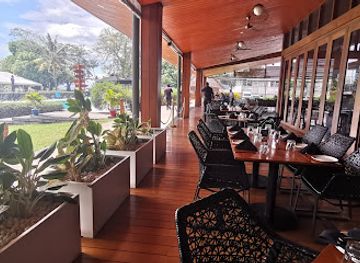
Best bars in Russell Islands
The Russell Islands do not have a conventional nightclub or bar district. Evening life centres on village gatherings, family and community events, accommodation areas and occasional social occasions rather than late-night commercial entertainment. Visitors may find simple local refreshments and, where arranged, informal meals or drinks, but availability varies considerably between Mbanika, Pavuvu and smaller settlements. The quieter character of the islands makes sunset observation, conversation, reef-side accommodation and early-morning boating more realistic evening and leisure experiences than clubbing. Alcohol should be consumed discreetly and in accordance with local expectations, particularly around villages, churches and community spaces. Travellers should not expect dependable late-night transport, and boat movements after dark require particular caution because navigation, lighting and rescue support are limited.
-
Hotel
Heritage Park Hotel
Discover the serene beauty and rich culture of Honiara at Heritage Park Hotel, your gateway to the Solomon Islands' wonders.
-
Cafe
Breakwater Cafe
Discover Breakwater Cafe in Honiara, where delicious food meets stunning ocean views for an unforgettable dining experience.
-
Restaurant
Coral Sea Resort & Casino
Discover the perfect blend of relaxation and excitement at Coral Sea Resort & Casino, Honiara's premier destination for dining, entertainment, and breathtaking ocean views.
-
Hotel
King Solomon Hotel
Discover the perfect blend of comfort and cultural richness at King Solomon Hotel in Honiara, your gateway to the Solomon Islands' beauty.
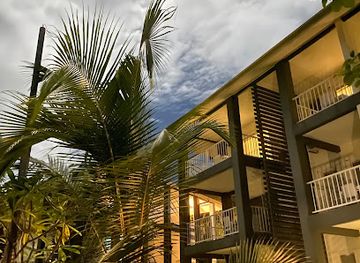
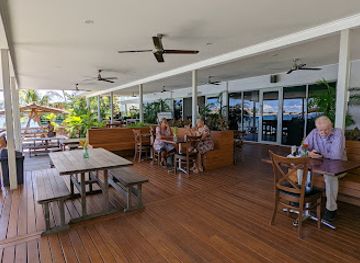
Best nightclubs in Russell Islands
The Russell Islands do not have a conventional nightclub or bar district. Evening life centres on village gatherings, family and community events, accommodation areas and occasional social occasions rather than late-night commercial entertainment. Visitors may find simple local refreshments and, where arranged, informal meals or drinks, but availability varies considerably between Mbanika, Pavuvu and smaller settlements. The quieter character of the islands makes sunset observation, conversation, reef-side accommodation and early-morning boating more realistic evening and leisure experiences than clubbing. Alcohol should be consumed discreetly and in accordance with local expectations, particularly around villages, churches and community spaces. Travellers should not expect dependable late-night transport, and boat movements after dark require particular caution because navigation, lighting and rescue support are limited.
-
Night club
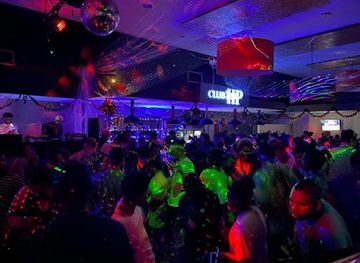
Club HP- Heritage Park Hotel
Discover the vibrant nightlife of Honiara at Club HP, Heritage Park Hotel – where music and fun come together for an unforgettable experience.
Best shops in Russell Islands
Shopping in the Russell Islands is limited to small local shops, household trading and community-based transactions rather than a conventional retail district. Visitors should buy most specialist food, medical supplies, toiletries, batteries and equipment in Honiara before travelling. Locally available goods may include basic provisions, seasonal produce, coconuts, fish and simple household items, but selection and opening arrangements are variable. Any locally made craftwork, woven goods or small souvenirs should be purchased directly and respectfully from makers or through a trusted host, with permission to photograph items and an understanding of customary ownership. Do not buy coral, archaeological material, wartime relics, shells taken from protected habitats or anything that may have been removed from customary land. The most appropriate mementoes are modest craft products, locally produced food where permitted and photographs made with consent, rather than objects taken from the islands' beaches, reefs or historic sites.
-
Market
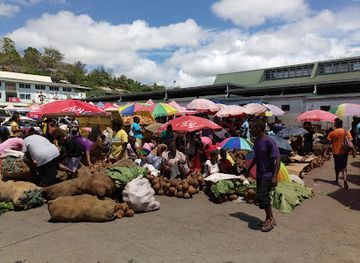
Honiara Central Market
Explore the vibrant Honiara Central Market for fresh produce, local crafts, and an authentic taste of Solomon Islands culture.
-
SCUBA tour agency
Bilikiki Cruises
Experience the magic of the Solomon Islands underwater with Bilikiki Cruises - a premier SCUBA diving agency offering personalized diving adventures.
-
Store
Capital Park
Explore the local culture and unique offerings at Capital Park, a vibrant store in Honiara that showcases the essence of the Solomon Islands.
-
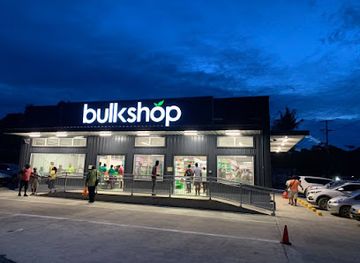
Grocery store
Bulk Shop
Explore a well-stocked grocery destination in Honiara, featuring local and international products for all your culinary needs.
Get your free copy of our complete guide to Russell Islands, delivered straight to you.
Everything on this page, from attractions and restaurants to essentials and local phrases, in one PDF you can read offline, print or share.
Already have an account? Sign in
Your Russell Islands guide is ready.
We'll send it to · Not you? Sign out

Getting your guide ready…
We are putting together a fresh copy of the Russell Islands guide. This can take up to a minute.
This can take a few moments. If your browser asks, choose Allow so the download can start. You'll find the guide in your Downloads folder.
Nothing happened? Download it again
Sorry, the guide is taking longer than usual. Please try again in a minute, or get it by email instead.
Russell Islands essentials
Currency and Payment
Safety
Emergency Situations
Do's and Don'ts
Local Tips
From Eve
Local phrases worth knowing
You don't need to get them perfect. A few words go a long way, and locals appreciate the effort.
Basics
| English | Local | Say it |
|---|---|---|
| Hello | Halo | [Ha-lo] |
| Goodbye | Sorisori | [So-ri-so-ri] |
| Yes | Yes | [Yes] |
| No | No | [No] |
| Please/You're welcome | Tumas | [Too-mas] |
| Thank you | Tenkyu | [Ten-kyu] |
| Excuse me/Sorry | Sori | [So-ri] |
| How are you? | Yu orait? | [Yu o-rait] |
| Fine. And you? | Orait. Yu? | [O-rait. Yu?] |
| Do you speak English? | Yu save tok English? | [Yu sa-ve tok In-glish?] |
| I don't understand | Mi no save | [Mi no sa-ve] |
Eating & Drinking
| English | Local | Say it |
|---|---|---|
| I'd like to see the menu, please | Mi wantem lukim menu, tumas | [Mi wan-tem lu-kim menu, too-mas] |
| I don't eat meat | Mi no katem mit | [Mi no ka-tem mit] |
| Cheers! | Cheers! | [Cheers!] |
| I would like to pay, please | Mi wantem pe, tumas | [Mi wan-tem pe, too-mas] |
Emergencies
| English | Local | Say it |
|---|---|---|
| Help! | Help! | [Help!] |
| Go away! | Go awei! | [Go a-wei!] |
| Call the Police! | Kolim Polisi! | [Ko-lim Po-li-si!] |
| Call a doctor! | Kolim dokta! | [Ko-lim dok-ta!] |
| I'm lost | Mi los | [Mi los] |
| I'm ill | Mi sik | [Mi sik] |
Shopping
| English | Local | Say it |
|---|---|---|
| I'd like to buy... | Mi wantem baem... | [Mi wan-tem ba-em...] |
| I'm just looking | Mi jus lukim | [Mi jus lu-kim] |
| How much is it? | Hao maket? | [How ma-ket?] |
| That's too expensive | Dat i tumas money | [Dat i too-mas mo-ney] |
| Can you lower the price? | Yu save givim diskaun? | [Yu sa-ve gi-vim dis-kaun?] |
Time & Numbers
| English | Local | Say it |
|---|---|---|
| What time is it? | Hao taim i? | [How taim i?] |
| It's one o'clock | I wan klok | [I wan klok] |
| Half past (10) | Haf pas (10) | [Haf pas (10)] |
| Morning | Mornin | [Mor-nin] |
| Afternoon | Aftanoon | [Af-ta-noon] |
| Evening | Ivenin | [I-ve-nin] |
| Yesterday | Yestede | [Yes-te-de] |
| Today | Tude | [Tu-de] |
| Tomorrow | Tumoro | [Tu-mo-ro] |
| 1 | Wan | [Wan] |
| 2 | Tu | [Tu] |
| 3 | Tri | [Tri] |
| 4 | Foa | [Fo-a] |
| 5 | Faef | [Faef] |
| 6 | Siks | [Siks] |
| 7 | Sevn | [Se-vn] |
| 8 | Eit | [Eit] |
| 9 | Nain | [Nain] |
| 10 | Ten | [Ten] |
Transport & Directions
| English | Local | Say it |
|---|---|---|
| Where's a/the...? | Wea i...? | [Wea i...?] |
| What's the address? | Hao i adres? | [How i ad-res?] |
| Can you show me (on the map)? | Yu save showim mi (long map)? | [Yu sa-ve sho-wim mi (long map)?] |
| When's the next (bus)? | Hwen i next (bus)? | [Hwen i next (bus)?] |
| A ticket (to ....) | Wan tiket (to ....) | [Wan ti-ket (to ....)] |
History of Russell Islands
Early Island Settlement and Lavukal Communities
The Russell Islands were settled within the wider Austronesian movement through the Solomon Islands, and their communities developed around gardening, fishing, inter-island exchange and detailed knowledge of reefs and seasonal weather. The Lavukal people are traditionally associated with the Russell Islands, whose languages and customary land relationships remain important to local identity. Archaeological evidence across the Solomon Islands indicates a long history of occupation, although the surviving cultural landscape is best understood through living communities as well as material remains.
Missionary and Colonial Encounters, Nineteenth Century
During the nineteenth century, traders, missionaries and labour recruiters increasingly connected the Russell Islands with the outside world. The islands subsequently fell within the British Solomon Islands Protectorate, established in 1893. Colonial administration altered systems of authority, introduced new religious and commercial links and drew the islands into regional plantation and shipping networks. These changes were uneven, and customary ownership and village life continued alongside external institutions.
Coconut Plantations and Inter-Island Trade
Copra production became a major economic activity in the Russell Islands during the colonial period and continued to shape land use after independence. Coconut plantations required transportation, labour and shipping connections, encouraging the growth of coastal facilities and settlements such as Yandina. The industry also created an economic pattern vulnerable to storms, price changes and interruptions in maritime access. Today, coconut cultivation remains part of the rural landscape, alongside subsistence gardening, fishing and other local livelihoods.
Japanese Expansion and the Pacific War
The Solomon Islands became a major theatre of the Pacific War after Japanese forces occupied parts of the archipelago in 1942. The Russell Islands were strategically important because of their location between Guadalcanal and the central Solomon Islands, their anchorages and their potential for airfields. The wartime period disrupted local communities and transformed the islands' coastline into a military landscape of roads, camps, docks, defensive works and aviation facilities.
Operation Cleanslate and the American Base, 1943
United States forces landed in the Russell Islands in February 1943 during Operation Cleanslate, meeting little organised resistance after Japanese forces had withdrawn. Banika, on the Mbanika side of the group, became the site of major American airfield and support development, while nearby islands accommodated further military facilities. The operation helped secure positions for the continuing Allied advance through the Solomons. Concrete remnants, overgrown tracks and scattered wartime objects still provide physical evidence of this transformation.
Independence and Contemporary Island Life
The Solomon Islands became an independent state in 1978, and the Russell Islands became part of the country's Central Province. Post-war economic life remained closely connected to copra, small-scale agriculture, fishing and shipping, while many wartime installations were gradually reclaimed by vegetation. Contemporary visitors encounter a region where customary land, village governance, marine resources and limited infrastructure remain more influential than mass tourism. The islands' historical and natural assets are therefore best approached through local arrangements and community respect.
Russell Islands in Photos
Browse through our photo collection highlighting the charm and character of the destination.
Neighbouring regions of Russell Islands
The closest regions to Russell Islands, if you have time for more than one.
-

-

-
-

-


Swipe for more regions
Explore more
Explore more of Solomon Islands
Discover the Solomon Islands: An unspoiled tropical paradise with pristine beaches, vibrant coral reefs, rich history, and unique cultural experiences.
Explore Solomon Islands